Photos from current listings. Actual item, color, and included accessories may vary.
Sunscreen Buying Guide
Sunscreen is a photoprotective topical formulated with organic (chemical) UV filters, inorganic (mineral) filters like zinc oxide or titanium dioxide, or a hybrid of both, each with distinct trade-offs in finish, skin compatibility, and photostability. The primary trade-off is broad-spectrum SPF/PA protection versus cosmetic elegance and wearability under real-world reapplication. The clear decision rule: choose a formula whose filter system matches your skin type and exposure duration, and verify independent broad-spectrum testing rather than relying on SPF alone.

At a glance
- Category
- Sun Care
- Data updated
- Nov 15, 2026
Current offers
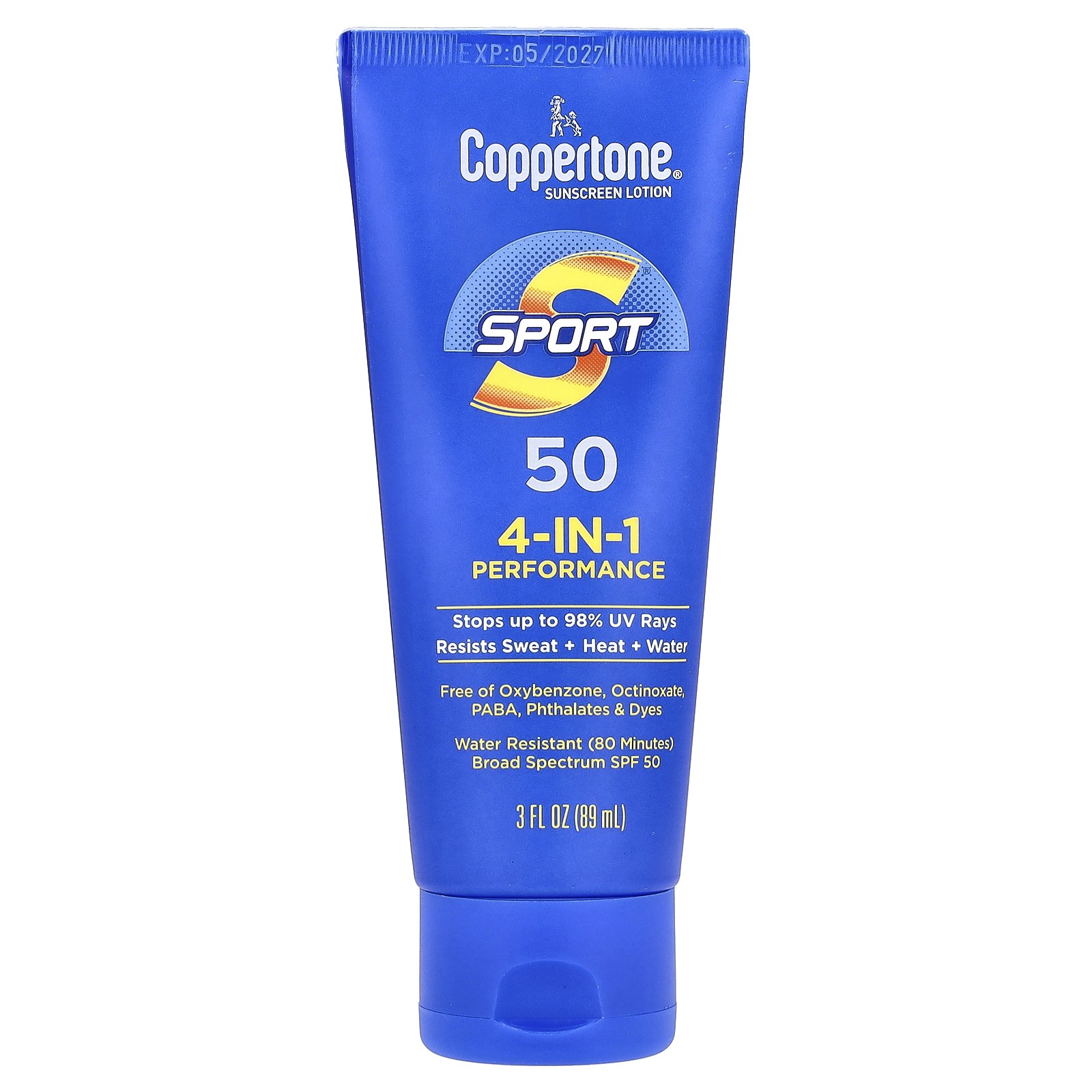 Sport, Sunscreen Lotion, 4-In-1 Performance, SPF 50, 3 fl oz (89 ml)$5.44
 View on eBay
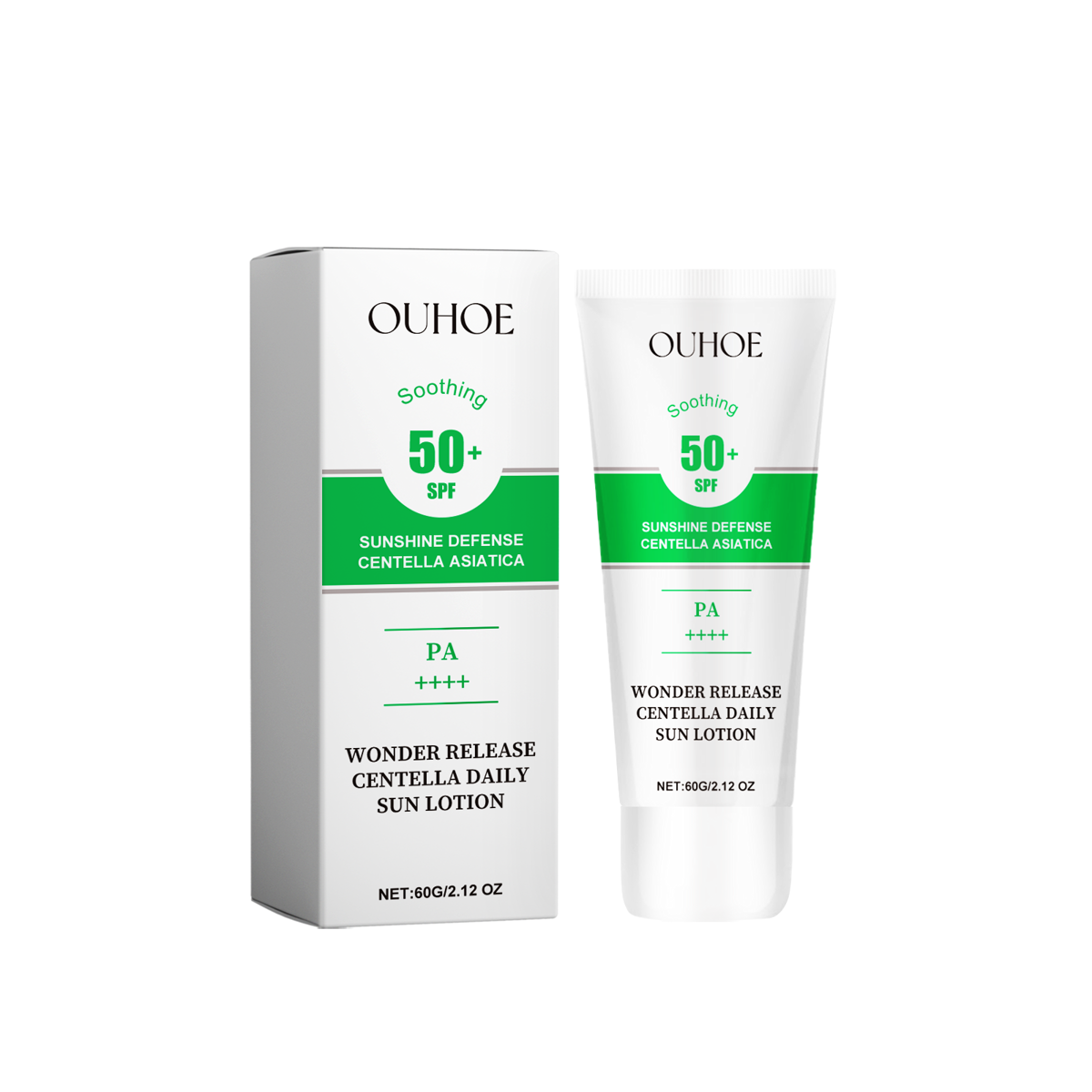 Centella Sunscreen SPF Water Locking Moisturizing Hydrating UV Protection Sun Care Treatment$20.99
 View on Mallflare
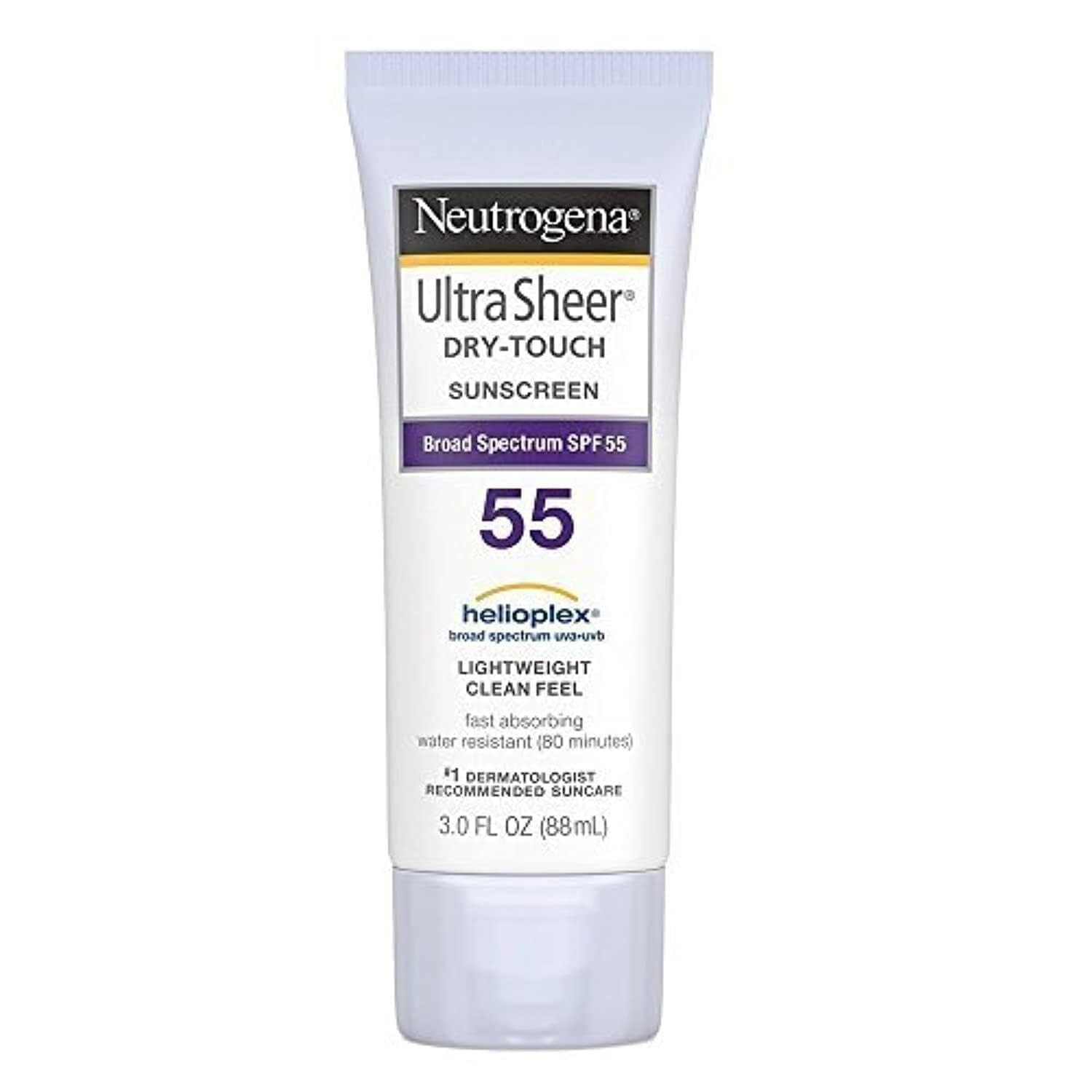 Ultra Sheer Dry Touch Sunscreen, SPF 55, 3 fl oz (88 ml)$5.70View on eBay
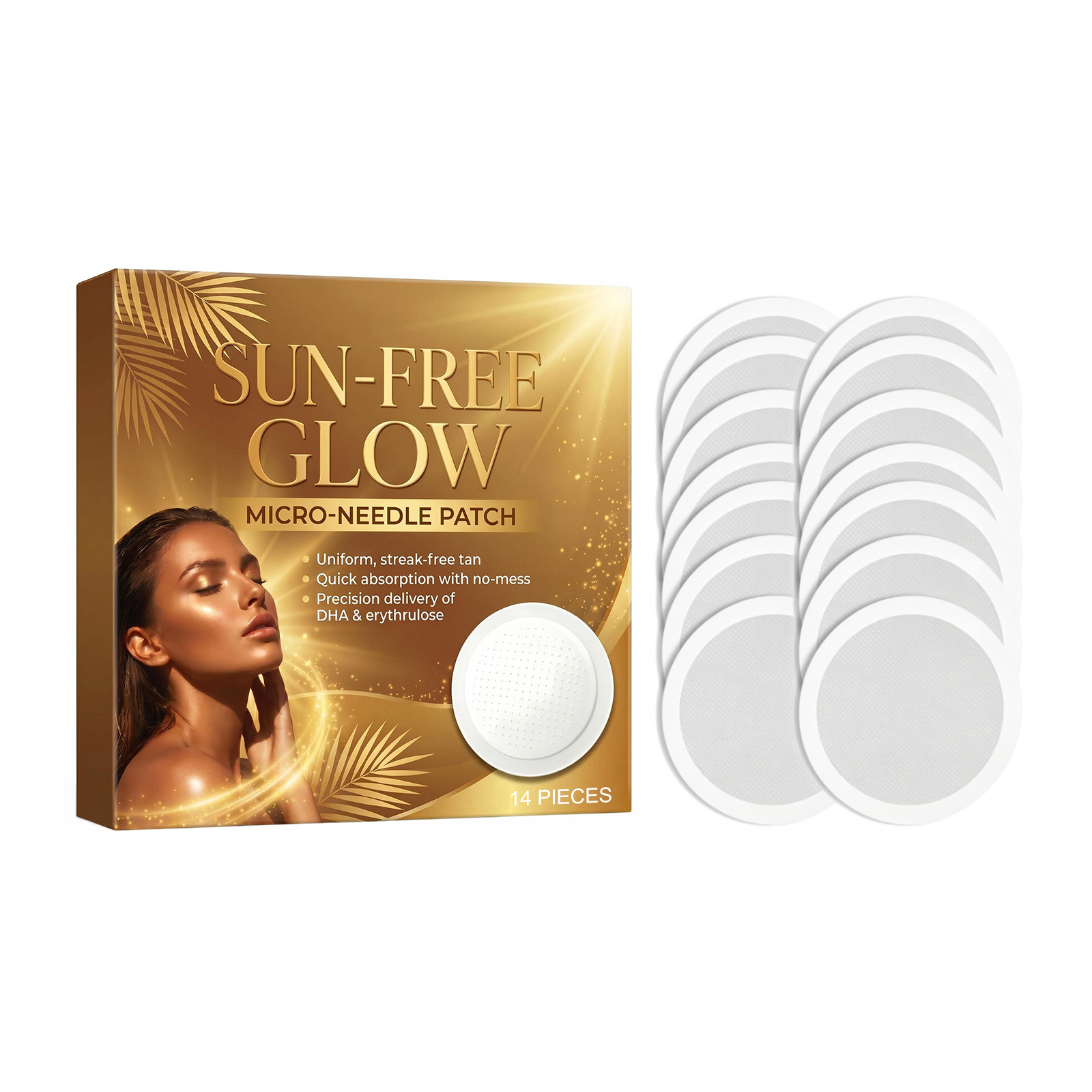 Sun Protection and Darkening Care Patch, 14pcs, Promoting Blackening, Sunscreen for All Skin Types$21.99View on Mallflare
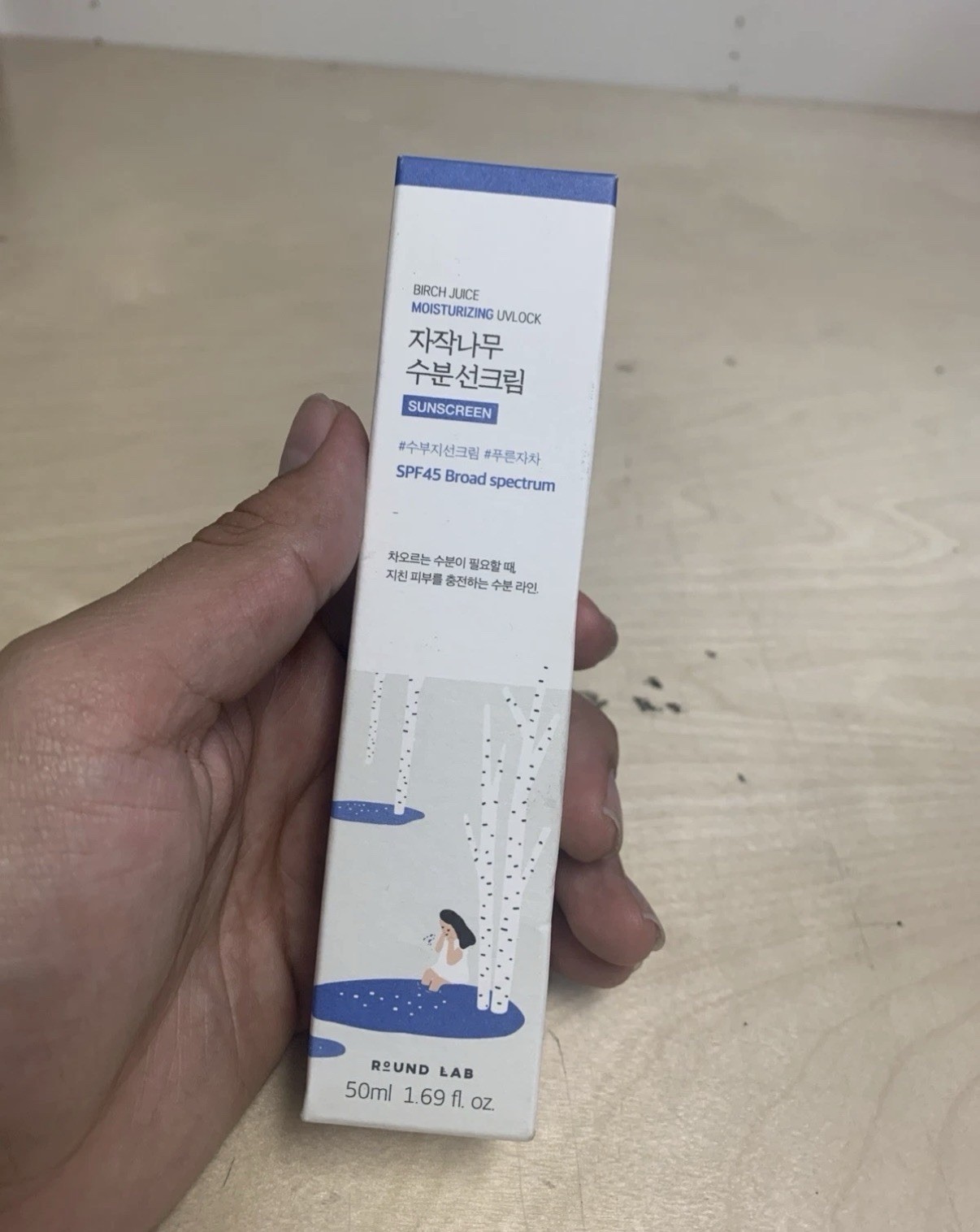 ROUND LAB Birch Juice Moisturizing-UVLOCK Sunscreen SPF45 50ml- Brand New Sealed$8.39View on eBay
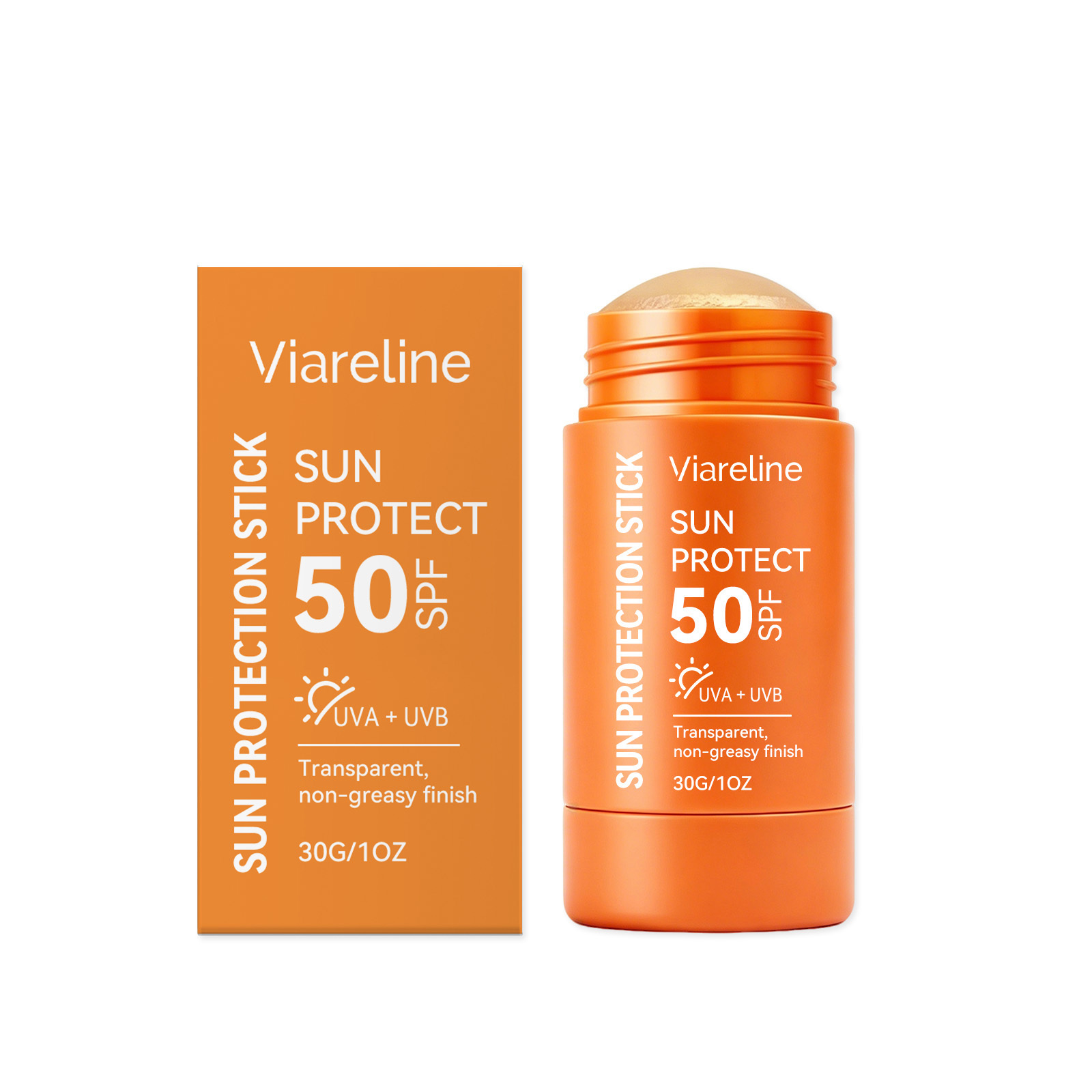 Facial Refreshing Protection Stick, 30g, Care, Sunscreen for All Skin Types$21.99View on Mallflare
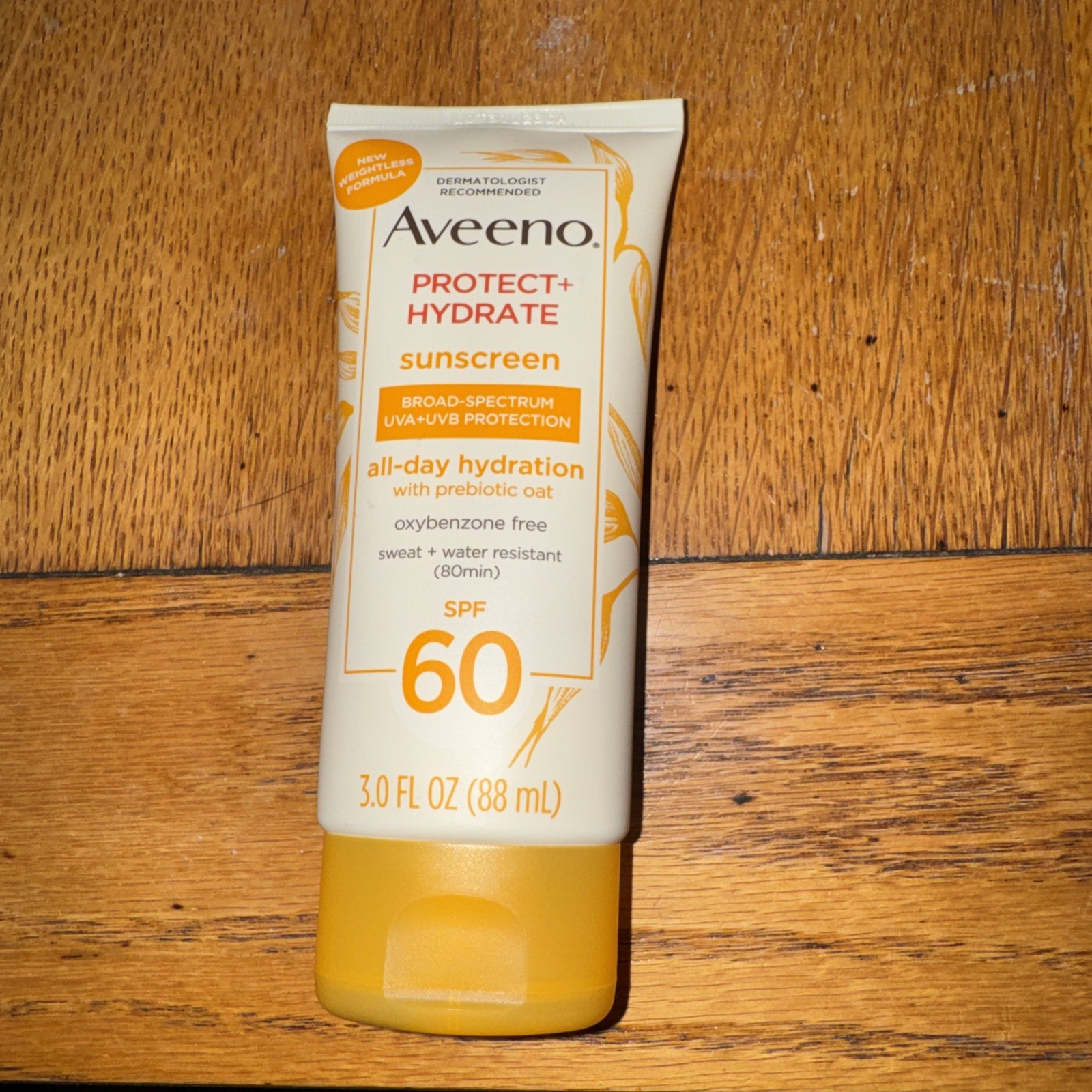 Aveeno Protect + Hydrate Sunscreen SPF 60 3 fl oz (88 ml) With Prebiotic Oat$8.50View on eBay
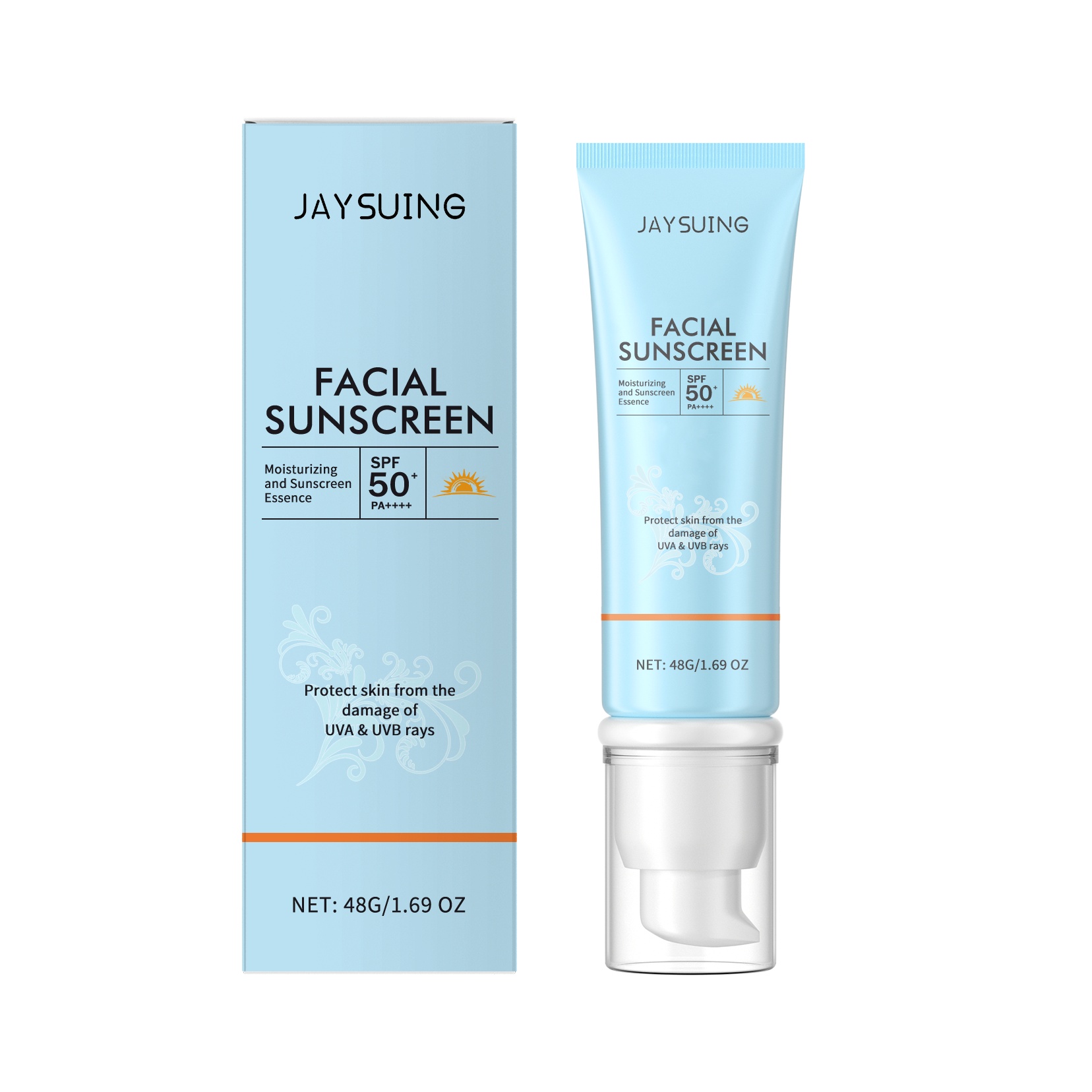 Refreshing Face Protection Cream, 48g, Facial Sunscreen for All Skin Types$21.99View on Mallflare
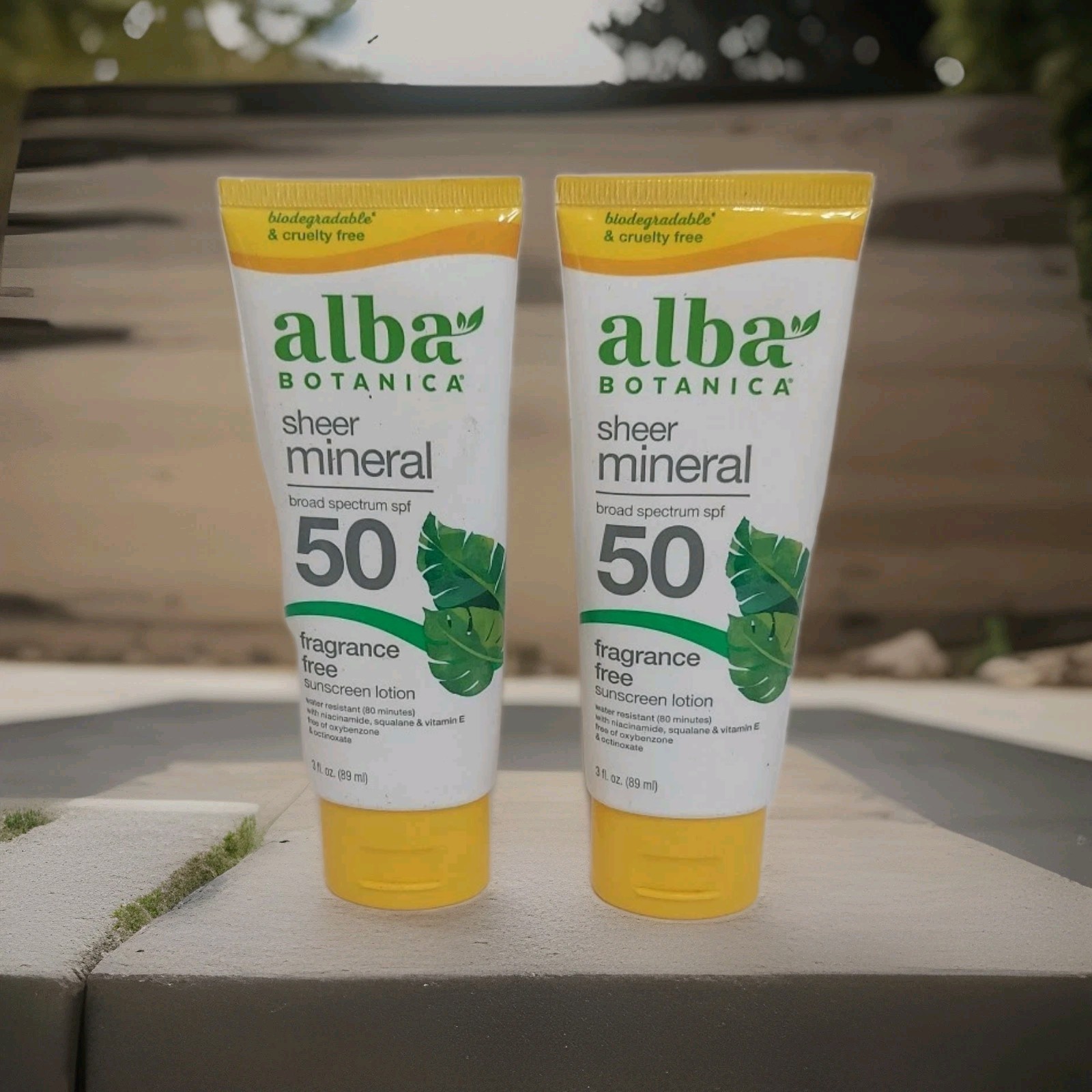 Lot Of 2 - Alba Botanica Sheer Mineral Sunscreen Lotion SPF 50 3fl oz 89 ml New$8.79View on eBay
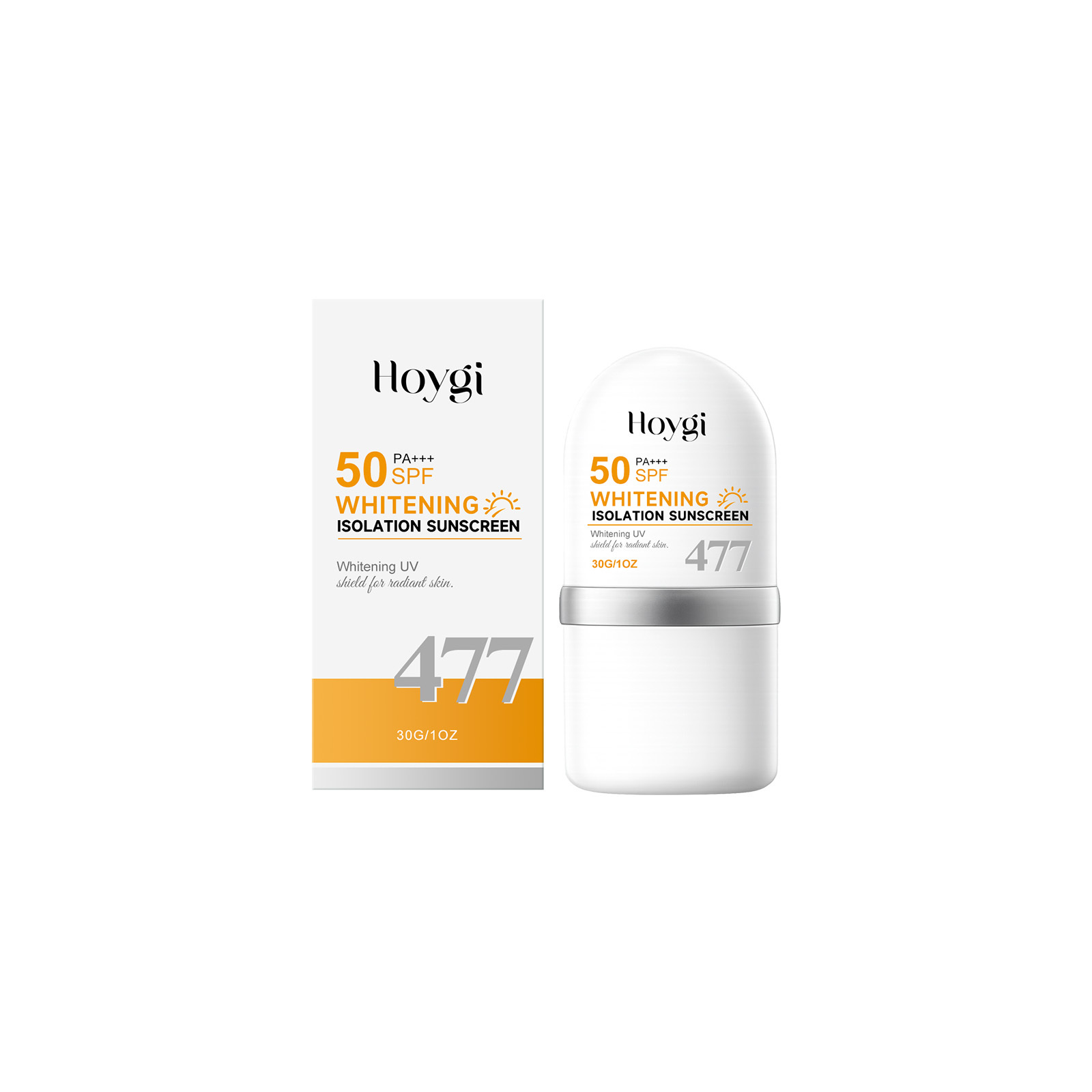 Facial Body Protection Cream, 30g, Protective Sunscreen for All Skin Types$21.99View on Mallflare
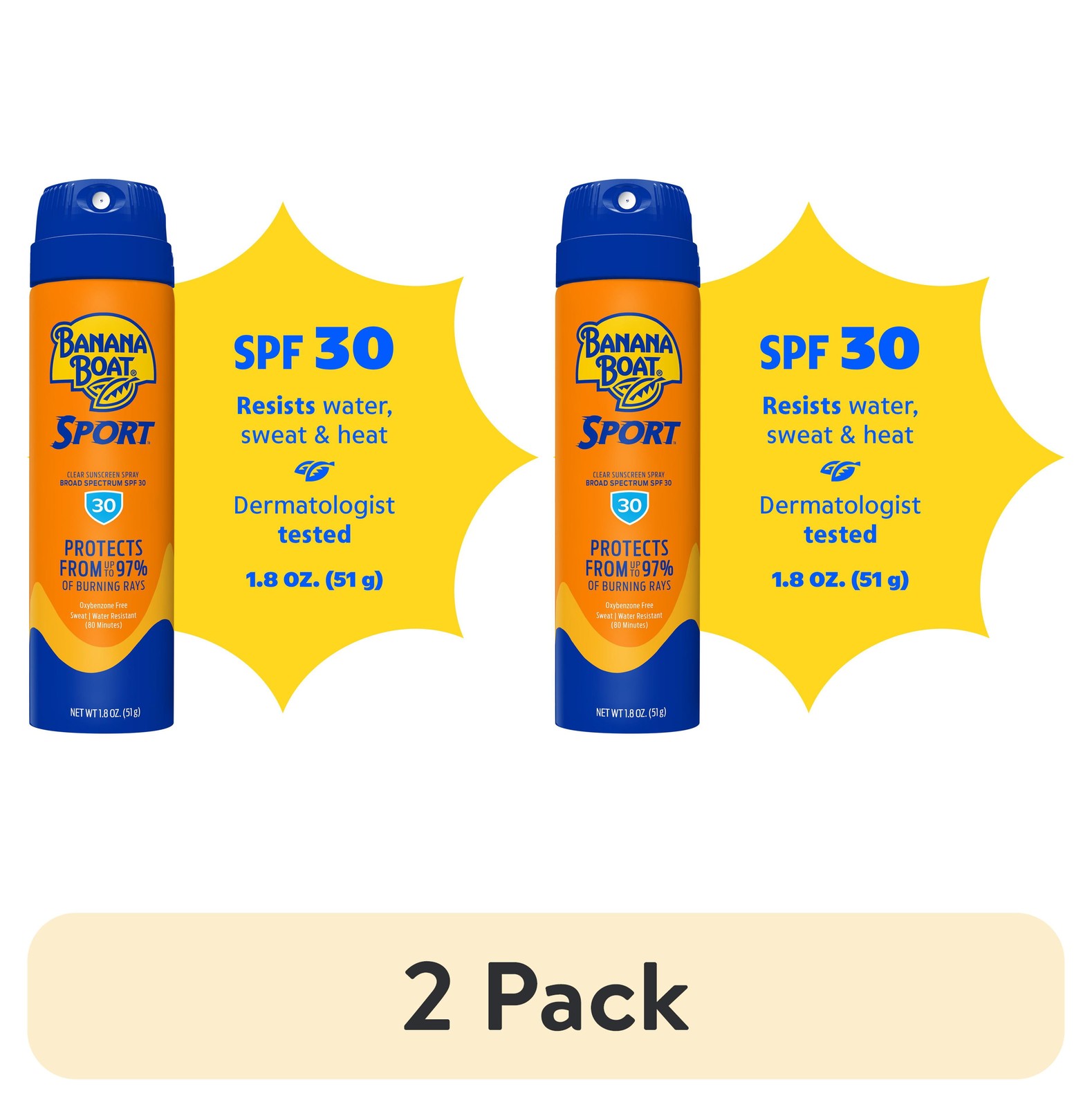 Sport Ultra 2pk 1.8oz SPF 30 Sunscreen Spray, Travel Adult Sunblock$9.59View on eBay
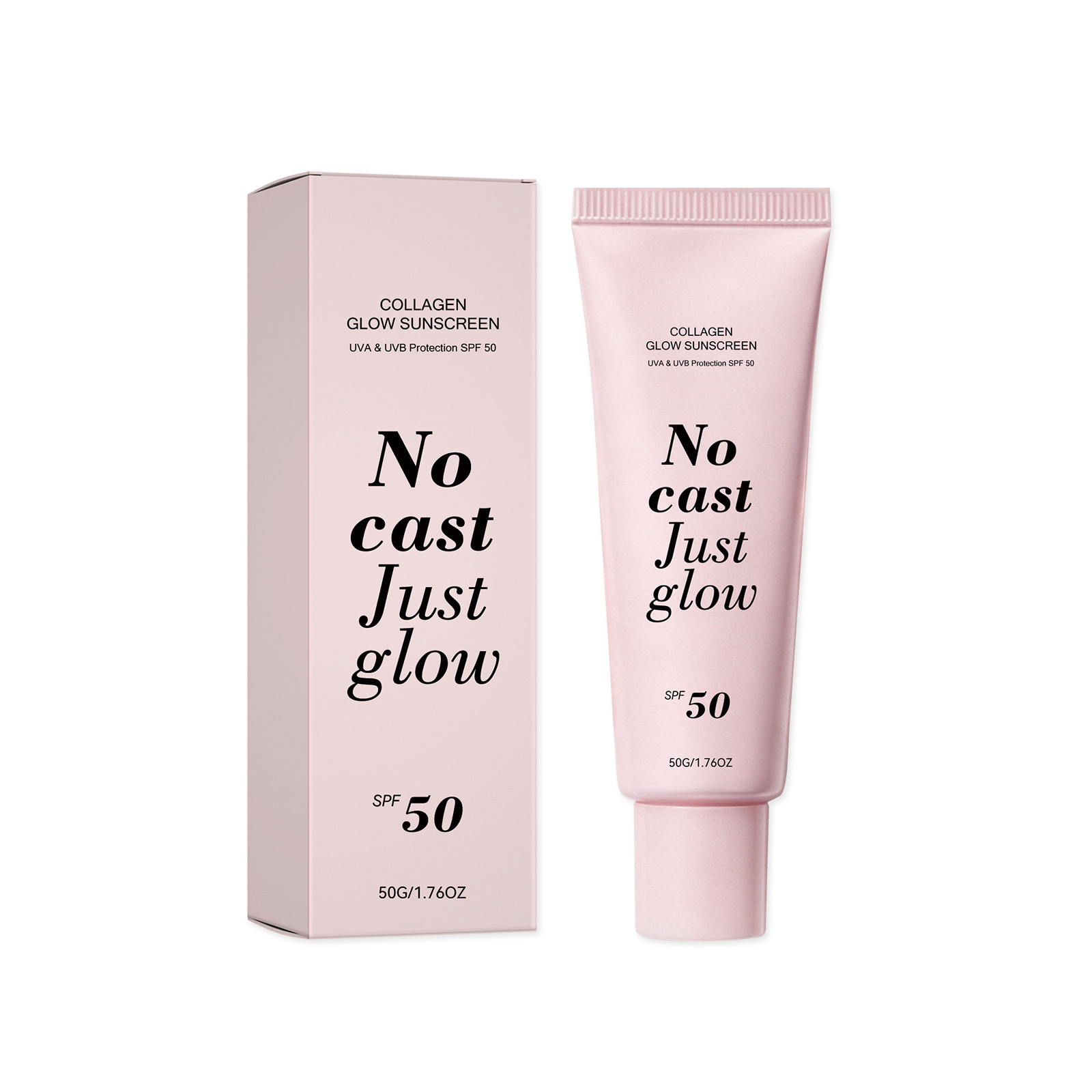 Sunscreen, Skin protection, 50g, for Sensitive$21.99View on Mallflare
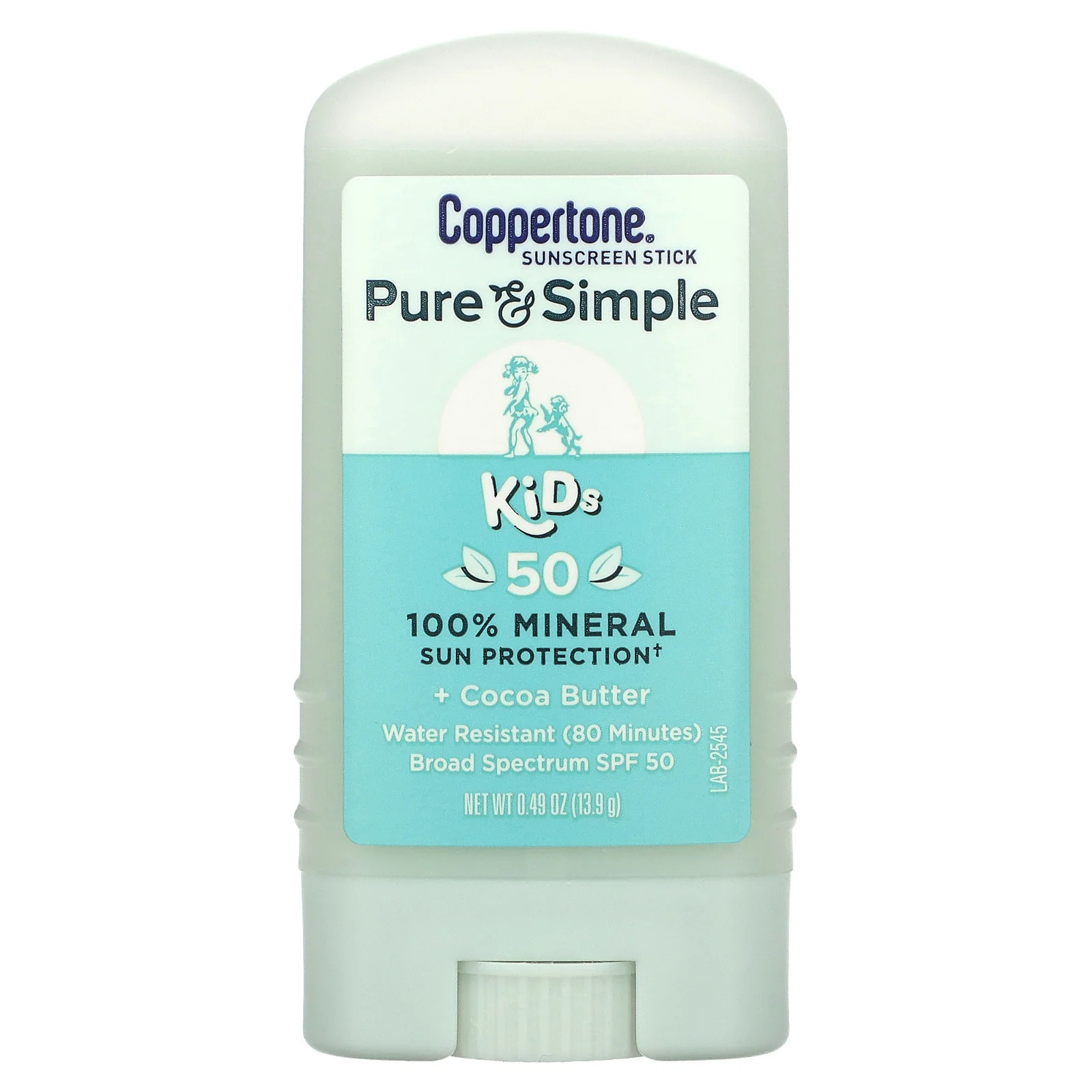 Kids, Pure & Simple Sunscreen Stick, SPF 50, 0.49 oz (13.9 g)$9.67View on eBay
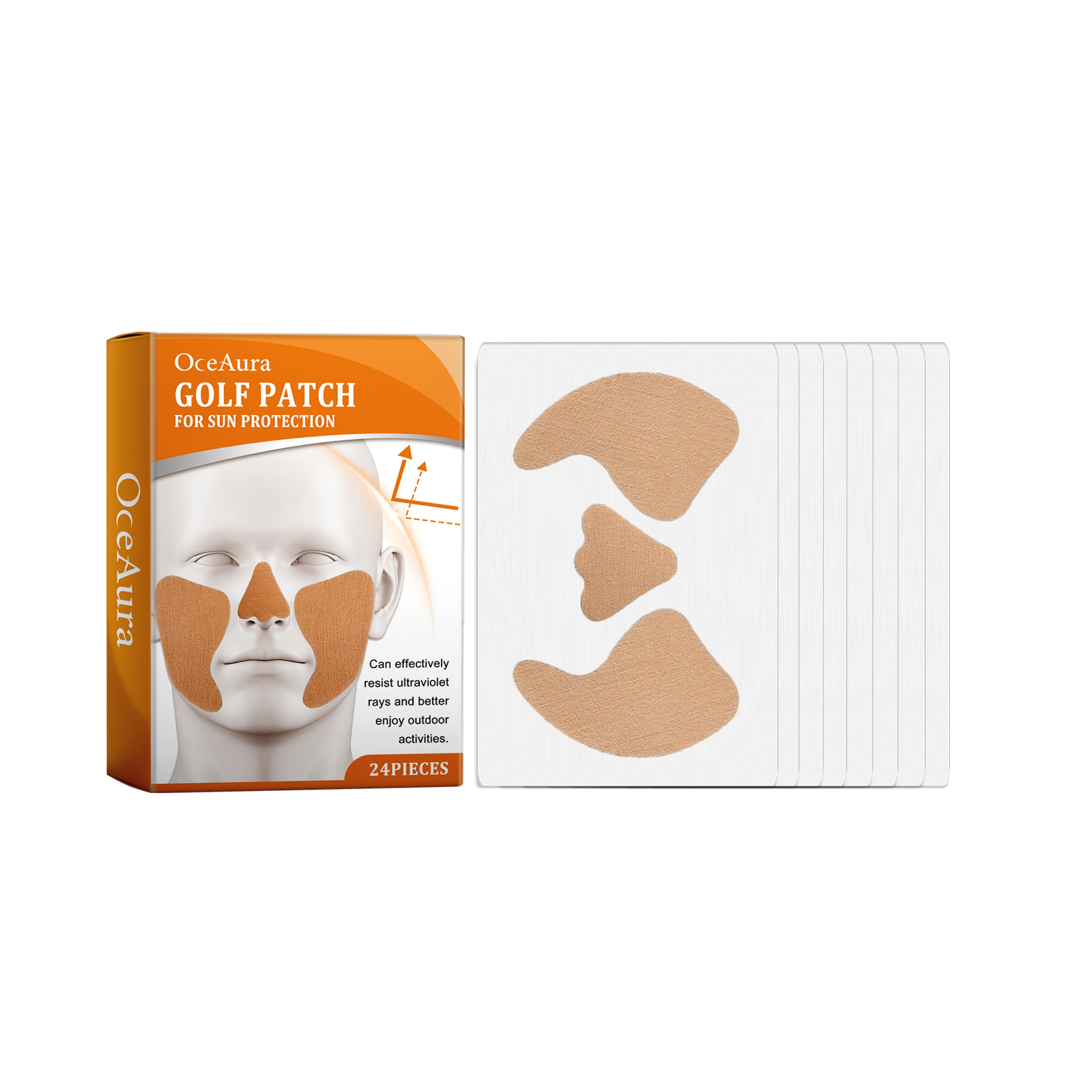 Golf Patch for Sun Protection, 24pieces, Face Sunscreen for All Skin Types$21.99View on Mallflare
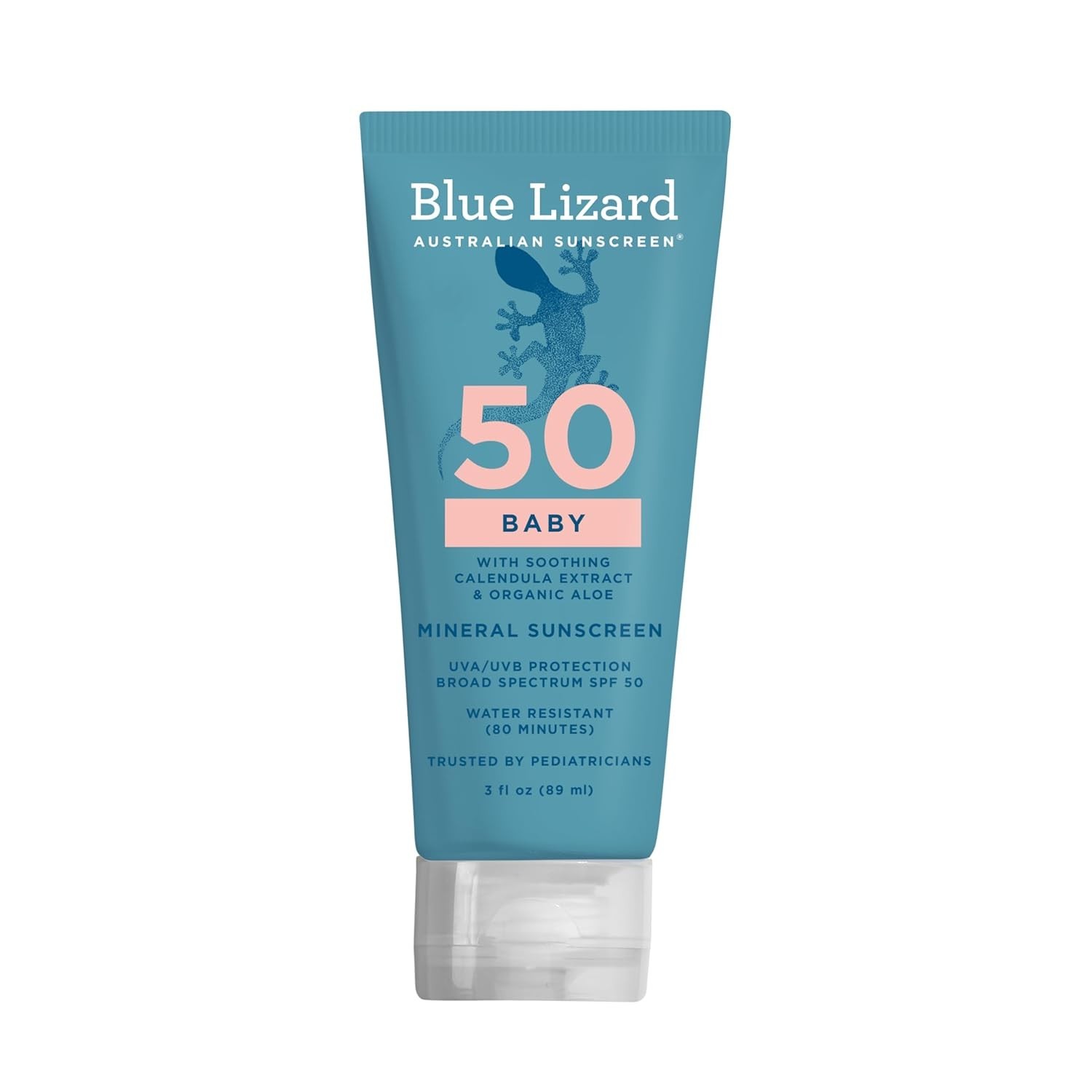 BLUE LIZARD Baby Mineral Sunscreen with Zinc Oxide, SPF 50+, Water Resistant, UV$9.99View on eBay
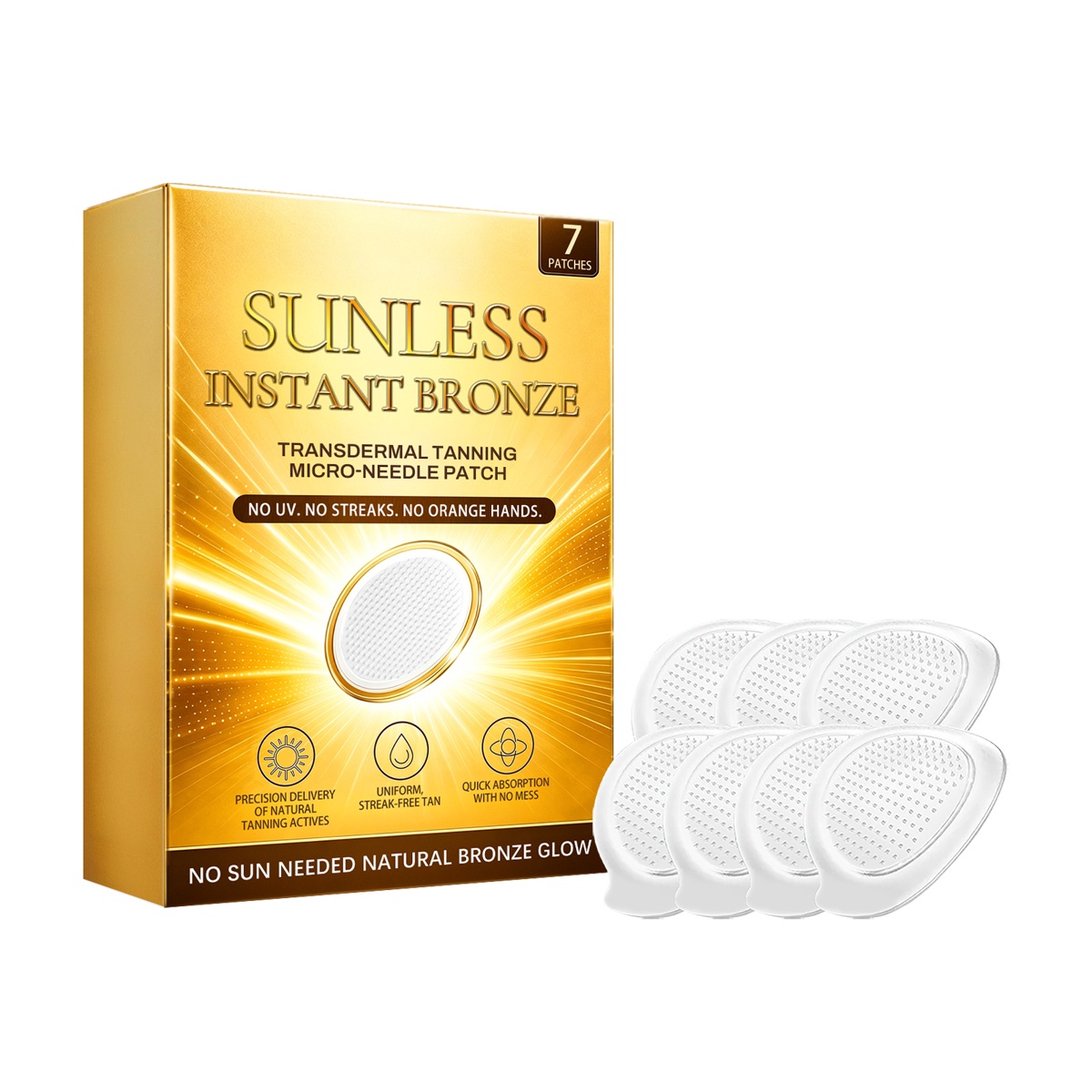 Sun Protection and Darkening Care Patch, Avoid the Sun and Help to Tan, Sunscreen for All Skin Types$22.99View on Mallflare
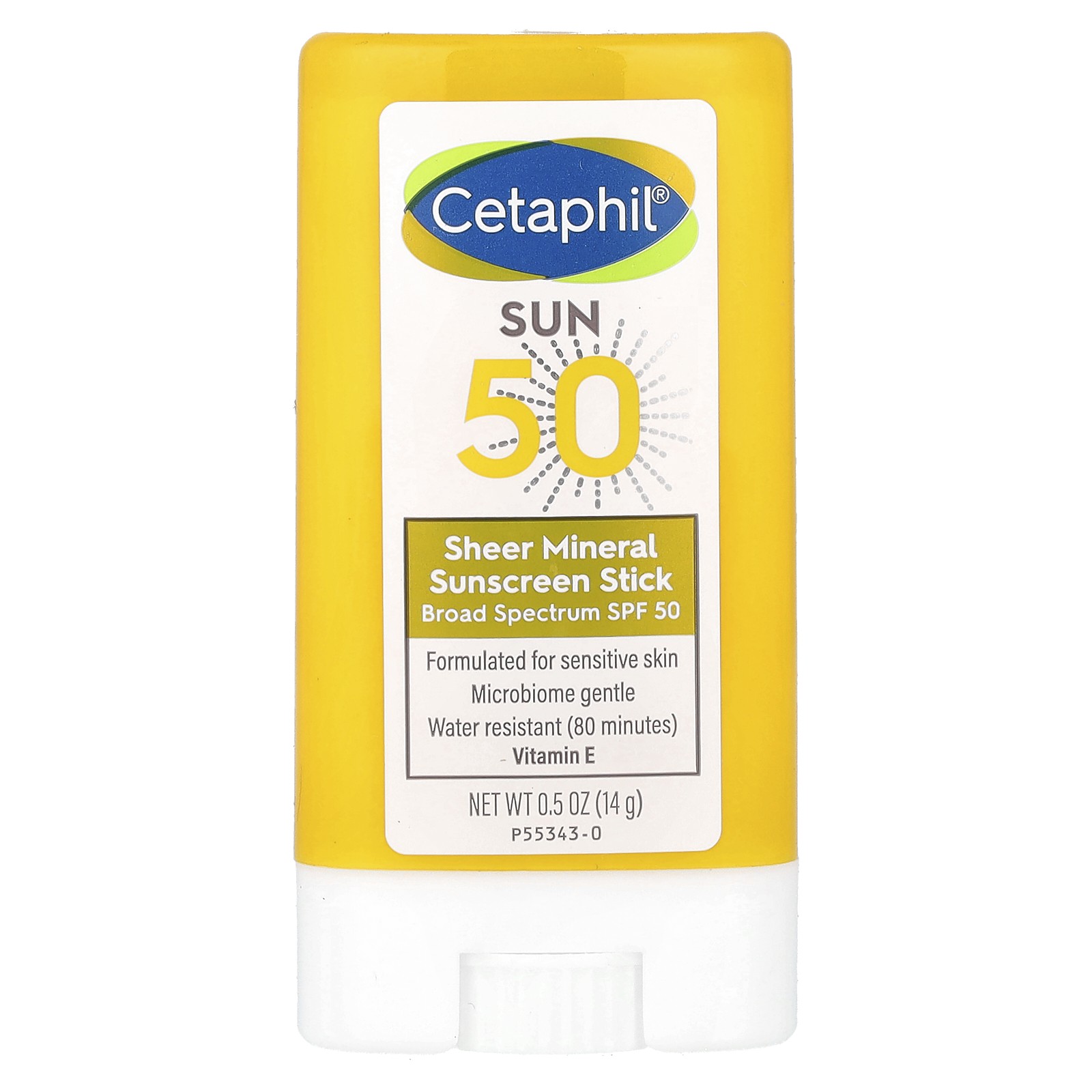 Sheer Mineral Sunscreen Stick, SPF 50, 0.5 oz (14 g)$10.09View on eBay
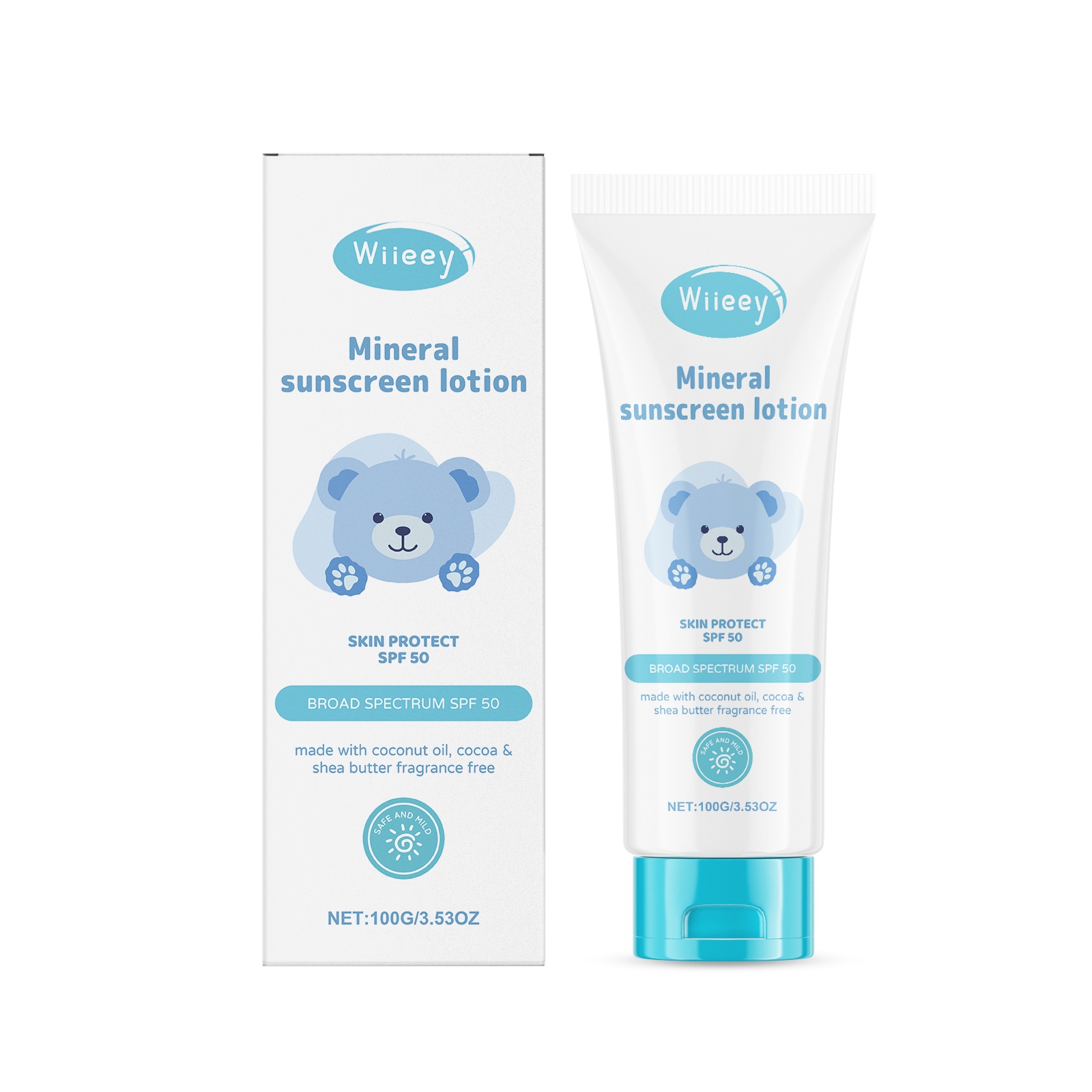 Facial Sunscreen & Sun Care Moisturizing Protective Cream Daily Outdoor$24.99View on Mallflare
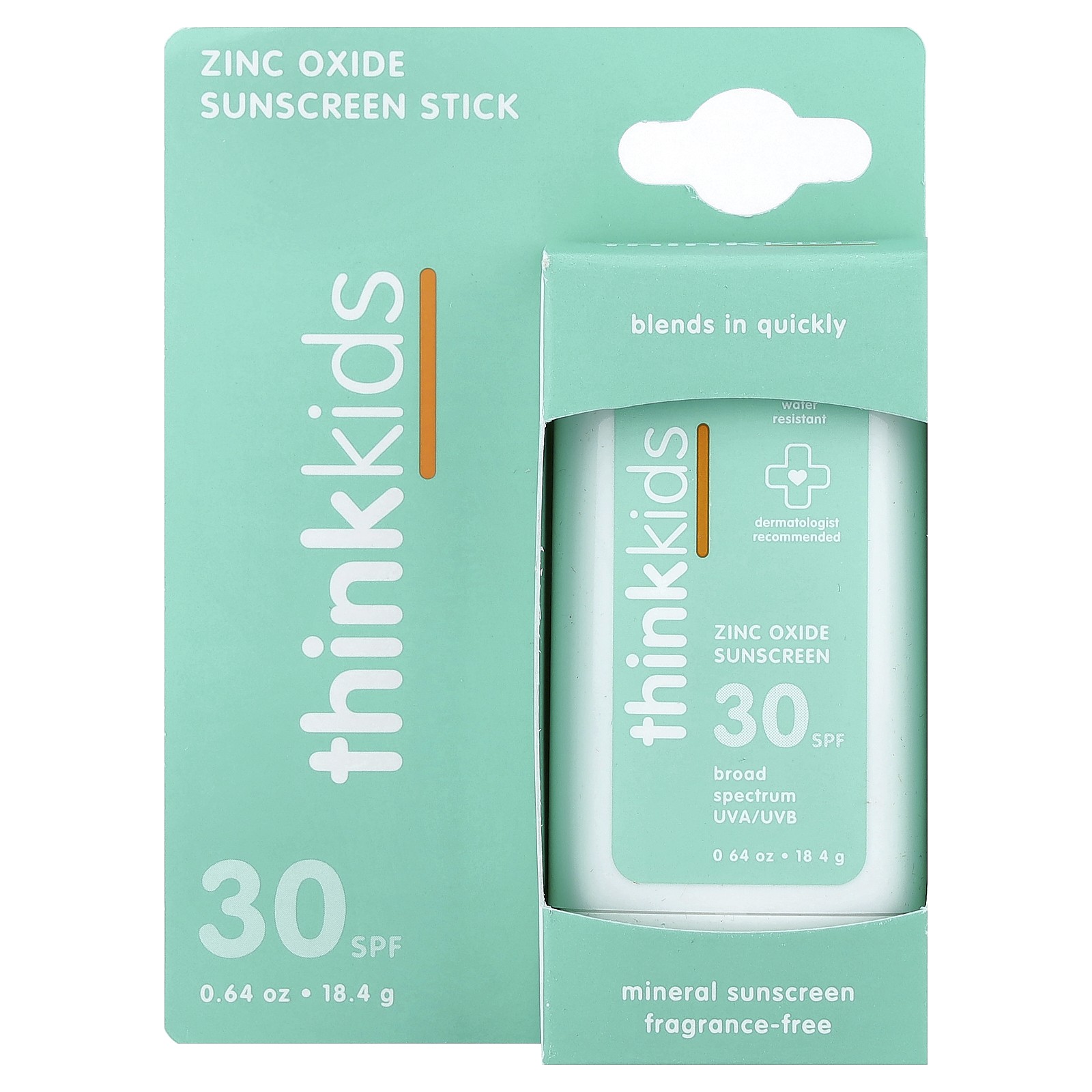 Thinkkids®, Zinc Oxide Sunscreen Stick, SPF 30, Fragrance Free, 0.64 oz (18.4 g)$11.03View on eBay
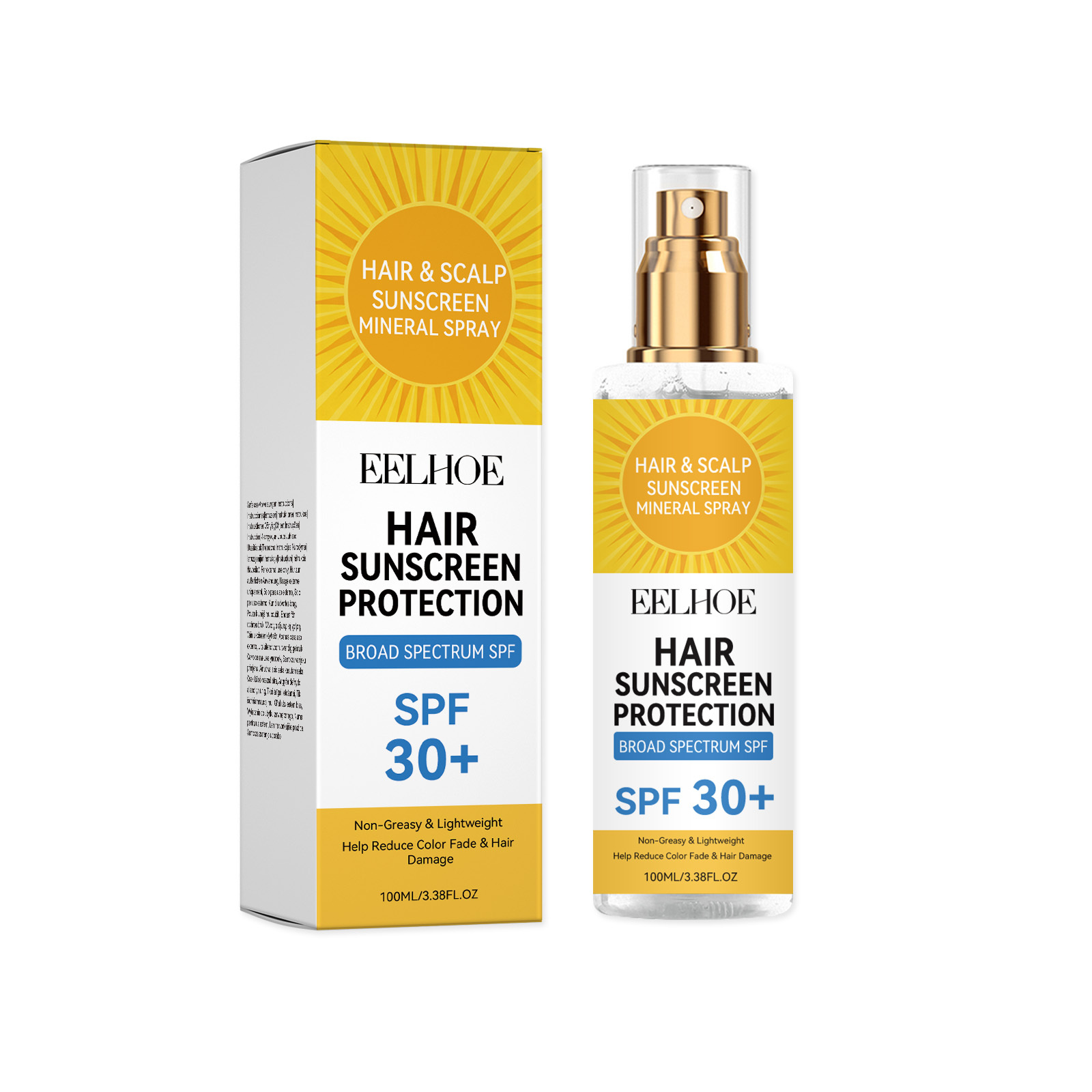 EELHOE Lightweight Hair Scalp Sunscreen Spray, 100ml, Protection for All Skin Types$24.99View on Mallflare
Highlights
- SPF measures UVB protection only; PA or Boots Star ratings quantify UVA defense—broad-spectrum labeling requires UVA protection proportional to SPF.
- Mineral filters (zinc oxide, titanium dioxide) sit on the skin surface, offering immediate photostability and lower irritation risk but leaving a white cast unless micronized or tinted.
- Chemical filters absorb UV and convert it to heat; newer-generation filters (Tinosorb S, Mexoryl) are photostable, while older avobenzone requires stabilizers like octocrylene.
- Water resistance is tested at 40 or 80 minutes per FDA/ISO methods; sport and beach formulas use film-formers and higher oil phases for durability, while daily facial formulas prioritize lightweight gels or fluids.
Best use cases
- Best fit: daily facial wear under makeup or alone—pick a lightweight fluid or gel with SPF 30-50 and PA+++ or higher, non-comedogenic and fragrance-free if sensitive.
- Best fit: outdoor sport, swimming, or high-sweat activity—choose a water-resistant (80-minute) sport lotion with SPF 50+ and broad-spectrum claim; skip cosmetic fluids that rinse off easily.
- Wrong fit: relying on a moisturizer or makeup with SPF alone for extended sun exposure—dedicated sunscreen applied at 2 mg/cm² is required to achieve labeled SPF; skip SPF boosters as primary protection.
- Wrong fit: using a thick mineral beach formula as a daily facial sunscreen under makeup—white cast and pillling are likely; choose micronized or tinted mineral fluids instead.
Buying tips
- Apply 2 mg/cm²—roughly a nickel-sized amount for the face and neck, or one shot glass (30 ml) for the full body; labeled SPF assumes this density, so thin application drops protection exponentially.
- Reapply every two hours during sun exposure and immediately after swimming or sweating; no formula is truly 'once-a-day' under direct UV, regardless of label claims.
- For sensitive or reactive skin, select mineral-only formulas with zinc oxide or titanium dioxide as the sole active ingredients and no added fragrance or alcohol denat.
- For deep or acne-prone skin tones, choose micronized or tinted mineral formulas or chemical filters like Tinosorb S to avoid the chalky cast of conventional zinc oxide.
Specs
| Filter Type | Mineral / Chemical / Hybrid |
|---|---|
| Broad-Spectrum Rating | SPF 30-50+ with PA+++ or higher |
| Water Resistance | 40-min or 80-min (FDA/ISO) |
| Facial Finish | Matte fluid, gel, lotion, or tinted |
Related searches
What to check before buying
- Confirm the formula's broad-spectrum claim is backed by a PA (PA+++ or PA++++) or Boots Star rating, not just an SPF number.
- Match water resistance to activity: 40-minute rating for incidental sweat, 80-minute for swimming and intense sport.
- Check the expiration date and storage: most sunscreens remain stable for three years unopened and 12 months after opening; heat degrades filters.
- For facial use, verify non-comedogenic and fragrance-free labeling if you have acne-prone or sensitive skin; patch-test mineral formulas with high zinc content.
FAQ
Data sources: eBay / Amazon listings and product attribute feeds Data updated Nov 15, 2026.
Some links on this page are affiliate links. If you buy after clicking one, we may earn a commission at no extra cost to you. This does not change which products appear here or their order. Affiliate disclosure.