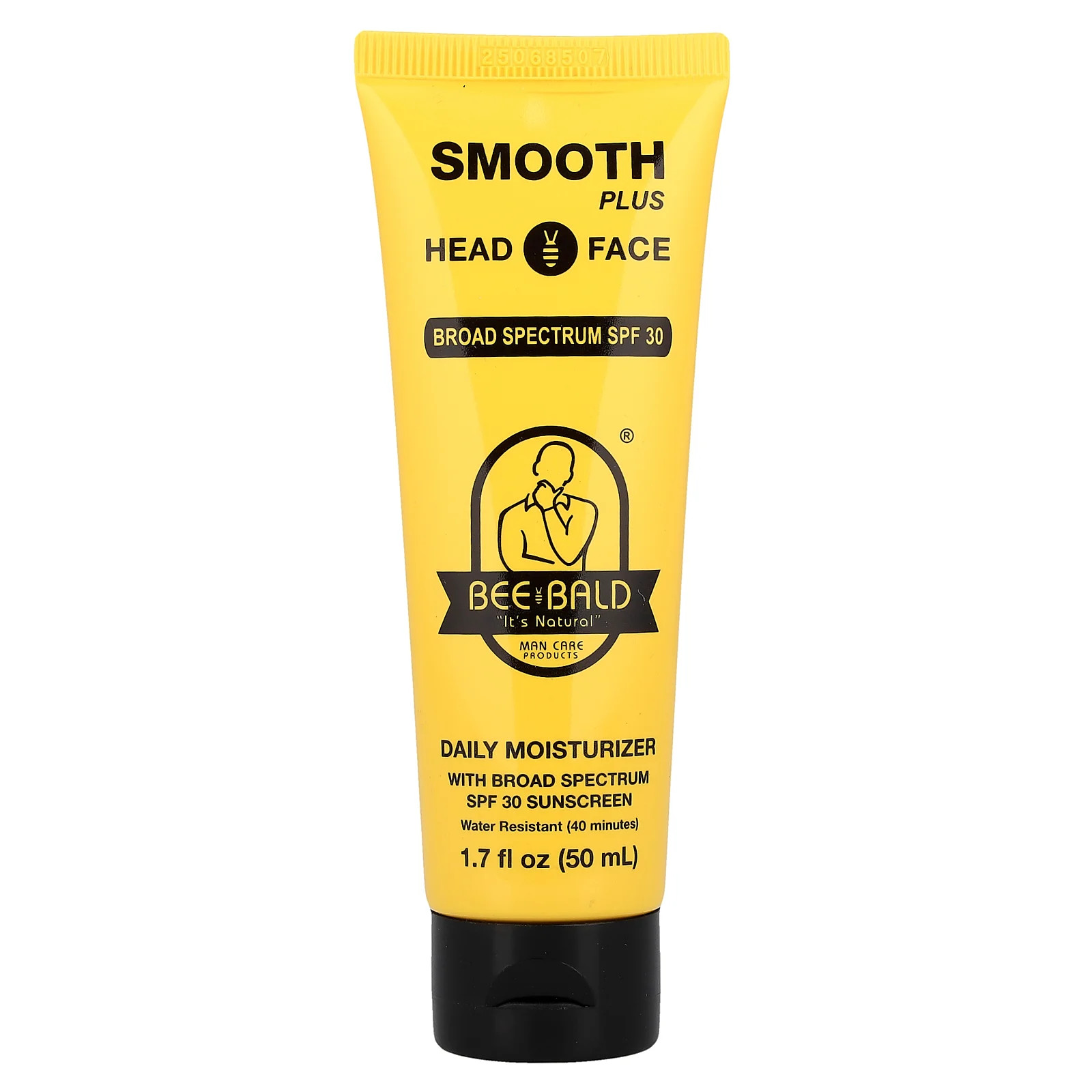

Photos from current listings. Actual item, color, and included accessories may vary.
Face Moisturizer With Spf Buying Guide
Face moisturizers with SPF combine hydration and broad-spectrum sun protection in one step, but the core trade-off is formulation elegance versus verified UVA/UVB defense. The best options use stabilized avobenzone or mineral filters at labeled SPF 30+ with PA+++ or higher, while compromises rely on low SPF, unsubstantiated UVA claims, or heavy occlusive bases that pill under makeup.


At a glance
- Category
- Sun Care
- Data updated
- Nov 15, 2026
Current offers
Highlights
- SPF 30 blocks ~97% of UVB; SPF 50 blocks ~98%—diminishing returns above 50, but UVA-PF (PA++++ or Boots 5-star) matters more for aging and pigmentation.
- Mineral filters (zinc oxide, titanium dioxide) are photostable and reef-safe but can leave white cast; chemical filters (avobenzone, octocrylene, tinosorb) need photostabilizers like octocrylene to prevent degradation.
- Broad-spectrum labeling in the US requires critical wavelength ≥370 nm; EU and Asian PA ratings (PA+++ to PA++++) give a clearer UVA protection metric.
- Water resistance is rated 40 or 80 minutes per FDA; daily moisturizer-SPF hybrids rarely exceed 40-minute resistance and are not meant for swimming or heavy sweat.
Best use cases
- Best fit: daily office/commute wear under makeup—choose a lightweight chemical or hybrid SPF 30-50 with PA+++ or higher and no dimethicone-heavy base that pills.
- Best fit: sensitive or rosacea-prone skin—pick a mineral-only zinc oxide SPF 30-50 with no fragrance or essential oils; skip chemical avobenzone blends that can sting.
- Best fit: outdoor sport or humid climate—use a dedicated water-resistant SPF 50+ (80-minute) rather than a moisturizer-SPF hybrid, which thins and migrates with sweat.
- Wrong fit: relying on SPF 15-20 moisturizer for extended sun—that under-applies to roughly SPF 5-8 in real-world thickness and fails UVA protection thresholds.
Buying tips
- Apply 2 mg/cm²—about a nickel-sized amount for the face and neck; most users apply 25-50% of tested thickness, so labeled SPF 30 effectively drops to SPF 8-15.
- Choose SPF 30-50 with PA+++ or PA++++ (or critical wavelength ≥370 nm); SPF alone measures UVB and misses UVA aging damage.
- For acne-prone skin, select non-comedogenic, oil-free formulas with dimethicone or silica rather than coconut oil or shea butter bases that occlude pores.
- Reapply every 2 hours of sun exposure—no moisturizer-SPF hybrid survives a full day on one application, regardless of label claims.
Specs
| SPF Level | 30-50 (daily); 50+ for outdoor |
|---|---|
| UVA Rating | PA+++ / PA++++ / critical wavelength ≥370 nm |
| Filter Type | Mineral (ZnO/TiO2) vs Chemical (avobenzone) |
| Water Resistance | 40 min / 80 min / none |
Related searches
What to check before buying
- Confirm your skin type: oily/acne-prone needs gel or fluid texture; dry needs cream with glycerin or ceramides; sensitive needs mineral-only and fragrance-free.
- Check the UVA rating: PA+++ or PA++++ for daily anti-aging; US 'broad spectrum' alone only meets a minimum critical wavelength of 370 nm.
- Match water resistance to activity: 40-minute for incidental sweat, 80-minute for swimming or sport—hybrid moisturizers usually lack both.
- Verify compatibility under makeup: silicone-based primers and foundations can pill over dimethicone-heavy SPF moisturizers; test texture layering.
FAQ
Data sources: eBay / Amazon listings and product attribute feeds Data updated Nov 15, 2026.
Some links on this page are affiliate links. If you buy after clicking one, we may earn a commission at no extra cost to you. This does not change which products appear here or their order. Affiliate disclosure.