Photos from current listings. Actual item, color, and included accessories may vary.
Face Sunscreen Buying Guide
Face sunscreen is a daily-use skincare product where the core trade-off is between mineral (physical) filters like zinc oxide and titanium dioxide, which sit on the skin and suit sensitive types, versus chemical filters that feel lighter but can irritate. The decisive rule: choose a broad-spectrum SPF 30-50 formula with a transparent finish and fragrance-free label for daily wear, and skip anything below SPF 30 or with unlisted actives for extended outdoor exposure.

At a glance
- Category
- Sun Care
- Data updated
- Nov 15, 2026
Current offers
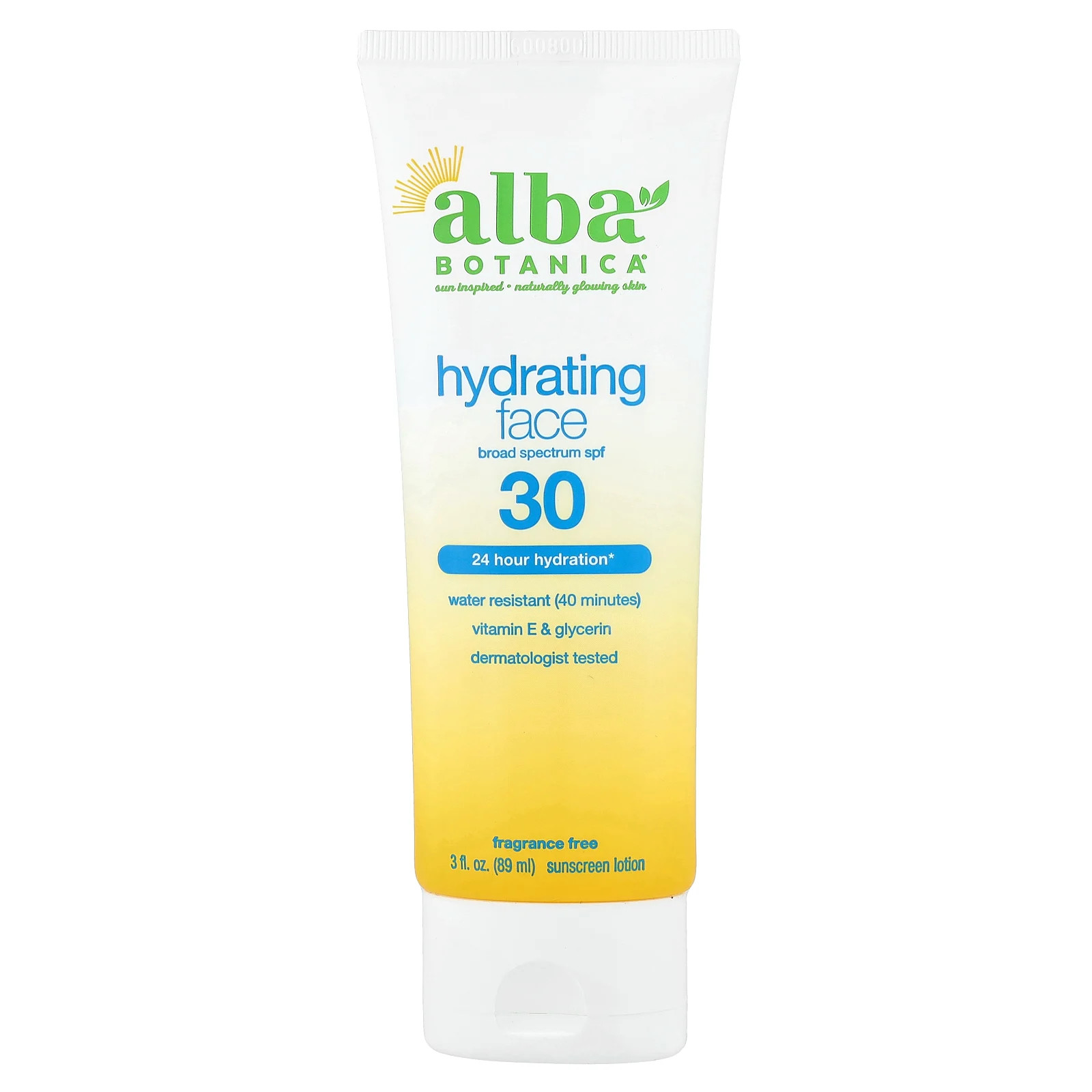 Hydrating Face Sunscreen Lotion, SPF 30, Fragrance Free, 3 fl oz (89 ml)$15.61
 View on eBay
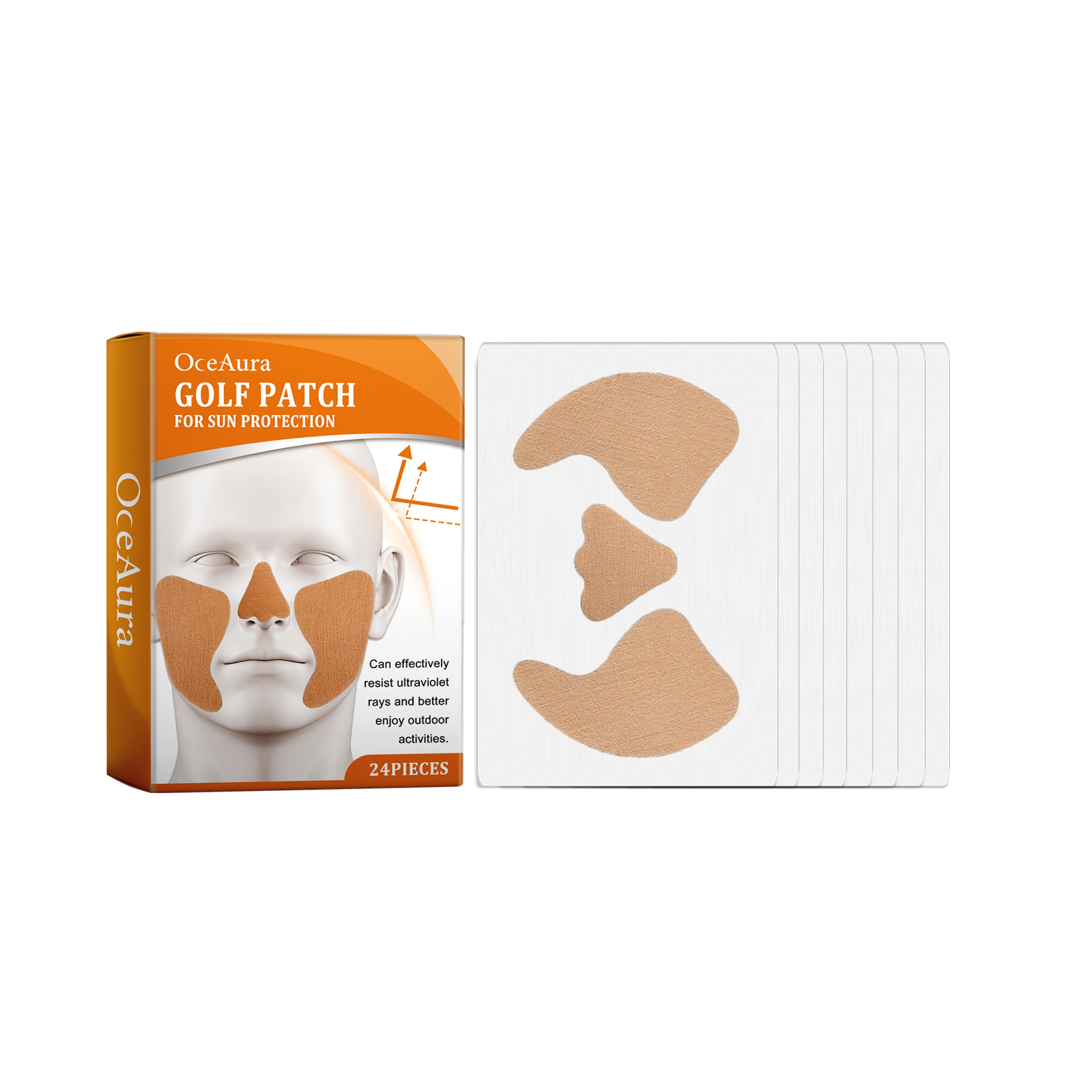 Golf Patch for Sun Protection, 24pieces, Face Sunscreen for All Skin Types$21.99
 View on Mallflare
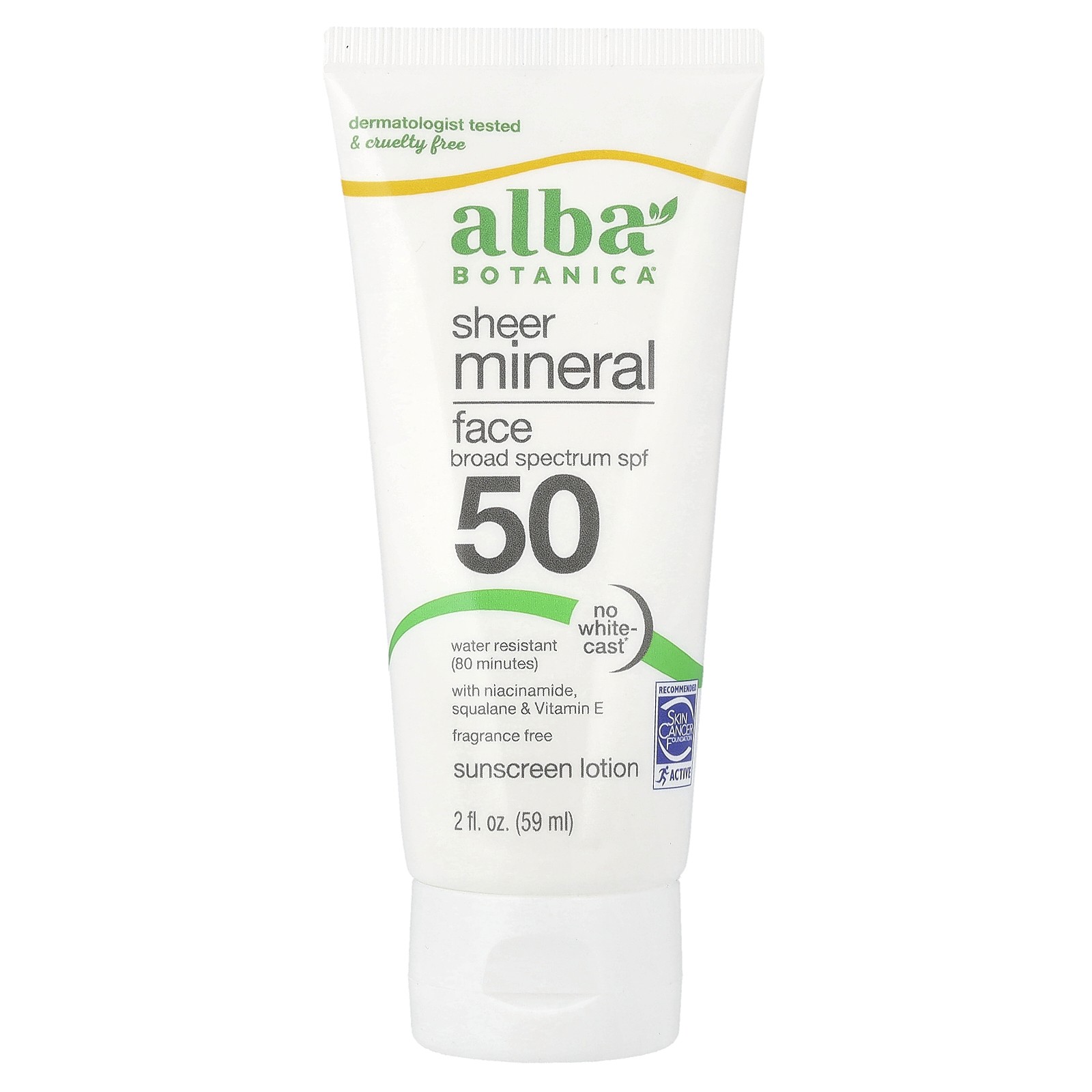 Sheer Mineral Face Sunscreen Lotion, SPF 50, Fragrance Free, 2 fl oz (59 ml)$16.03View on eBay
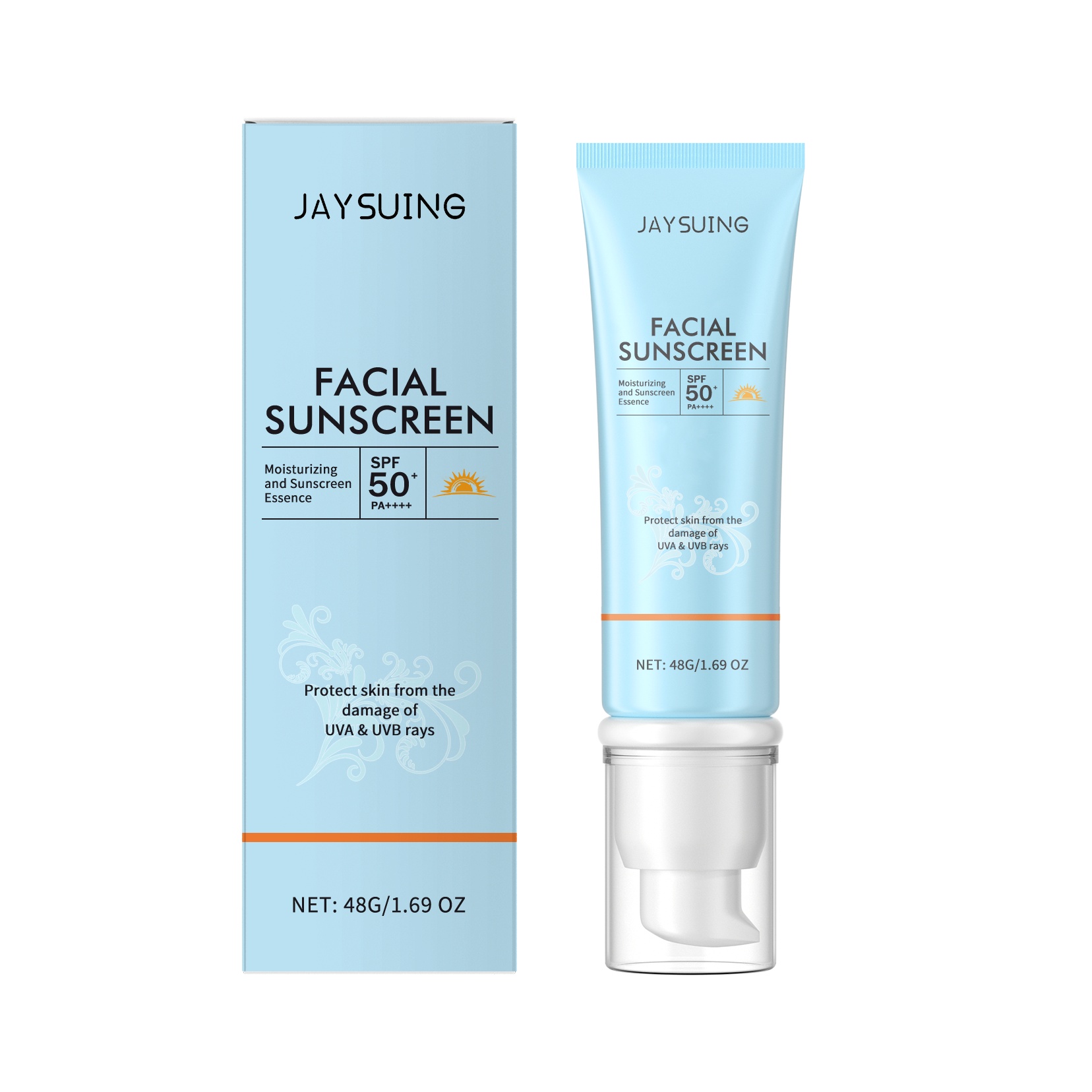 Refreshing Face Protection Cream, 48g, Facial Sunscreen for All Skin Types$21.99View on Mallflare
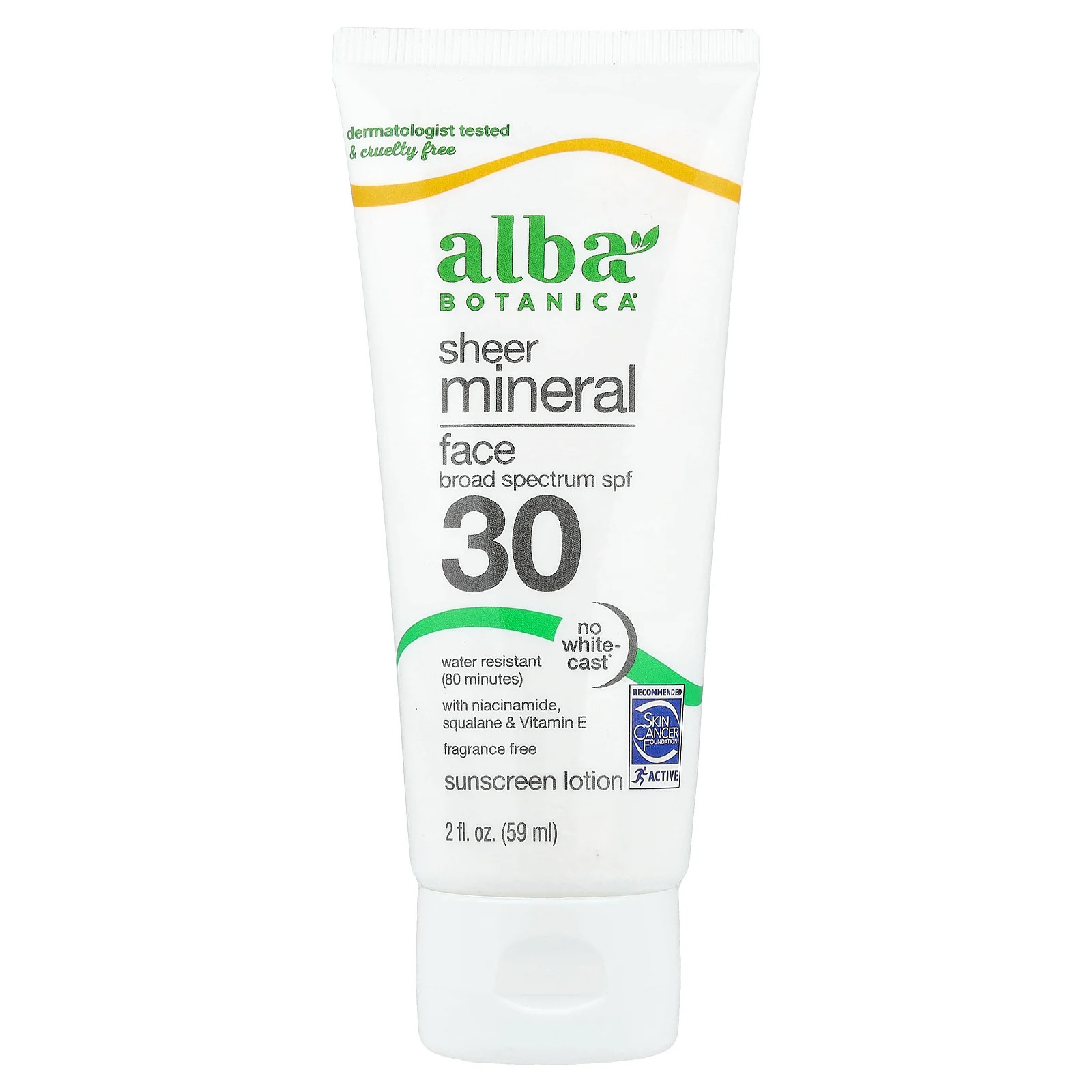 Sheer Mineral Face Sunscreen Lotion, SPF 30, Fragrance Free, 2 fl oz (59 ml)$16.03View on eBay
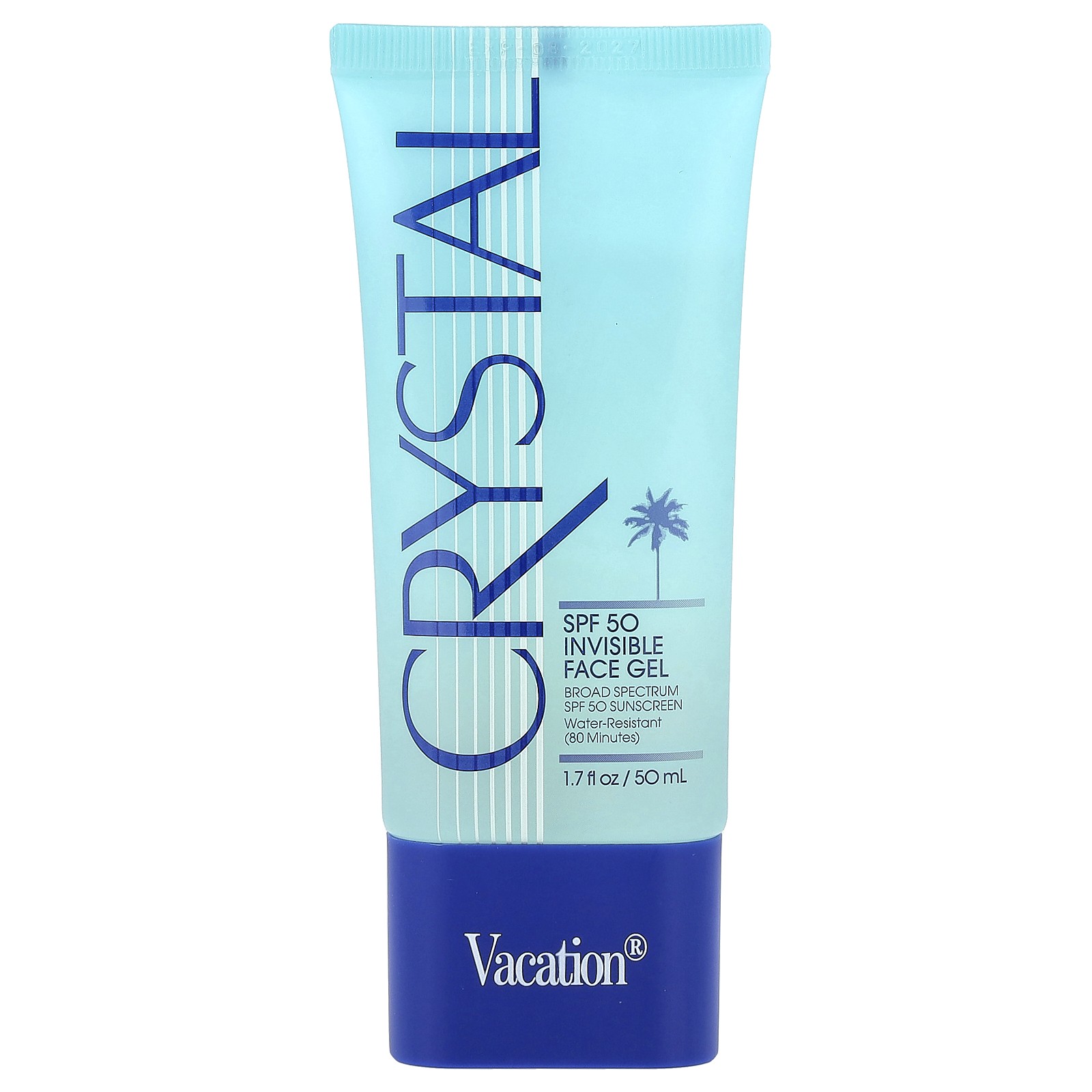 Crystal Invisible Face Sunscreen Gel, SPF 50, 1.7 fl oz (50 ml)$27.82View on eBay
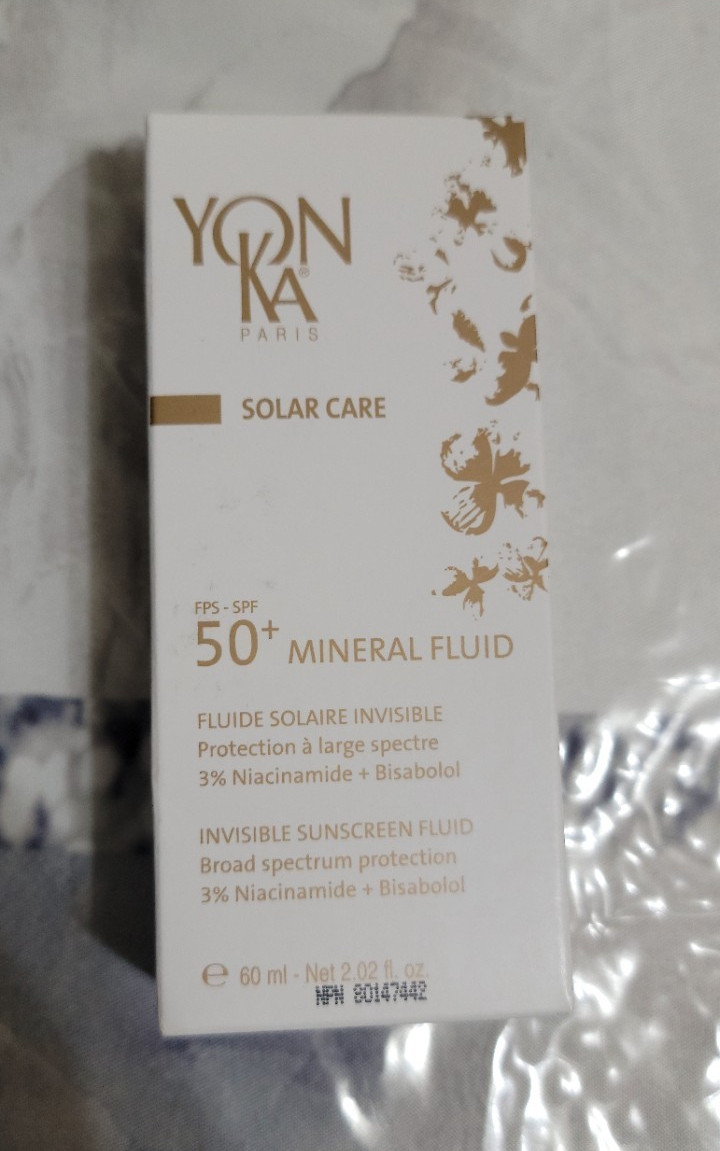 Yonka Solar Care SPF 50+ Mineral Fluid Face Sunscreen Broad Spectrum 60ml$39.99View on eBay
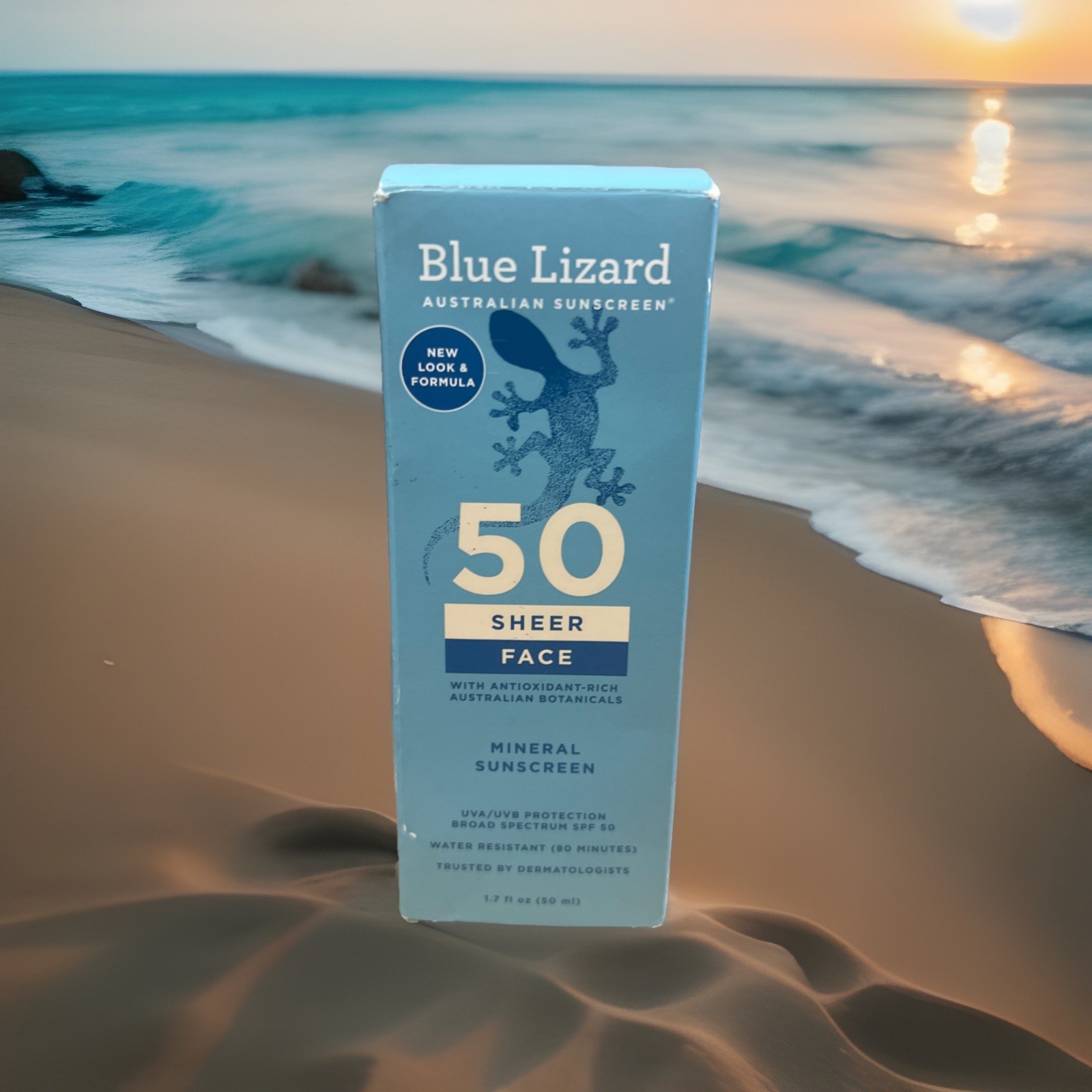 Sheer Face Mineral Sunscreen, SPF 50, 1.7 fl oz (50 ml)$12.99View on eBay
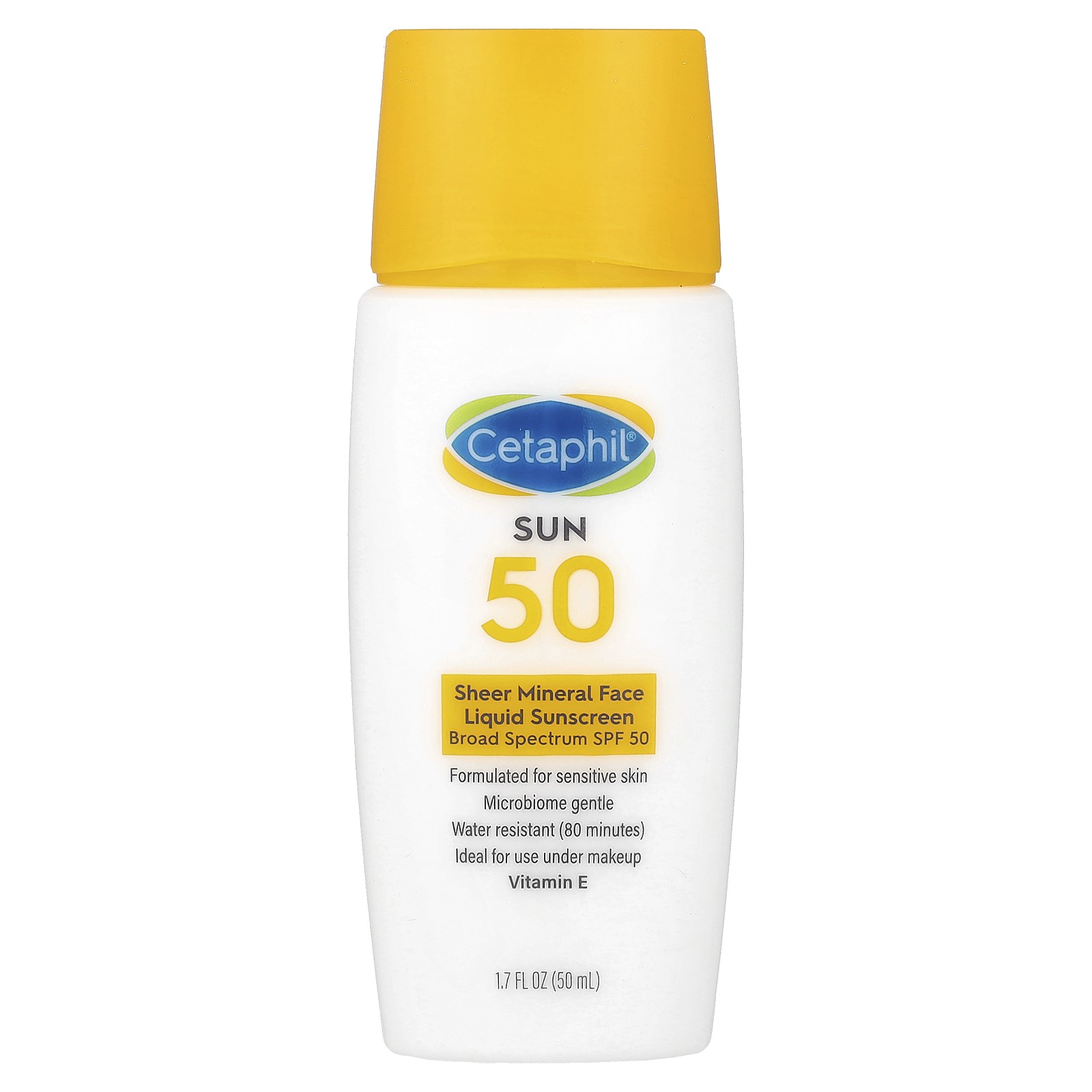 Sheer Mineral Face Liquid Sunscreen, SPF 50, Fragrance Free, 1.7 fl oz (50 ml)$17.07View on eBay
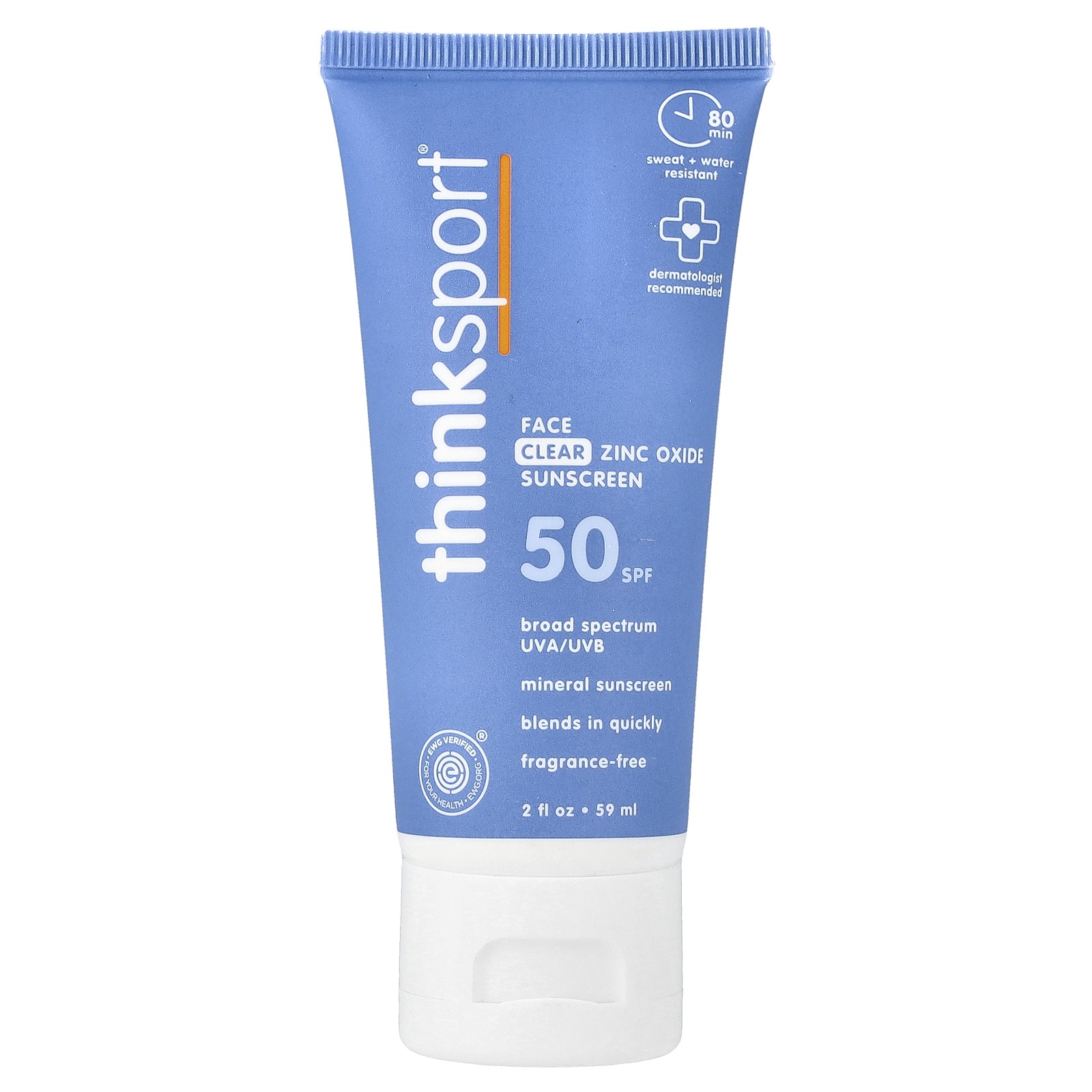 Thinksport®, Face Clear Zinc Oxide Sunscreen, SPF 50, Fragrance Free, 2 fl oz$17.22View on eBay
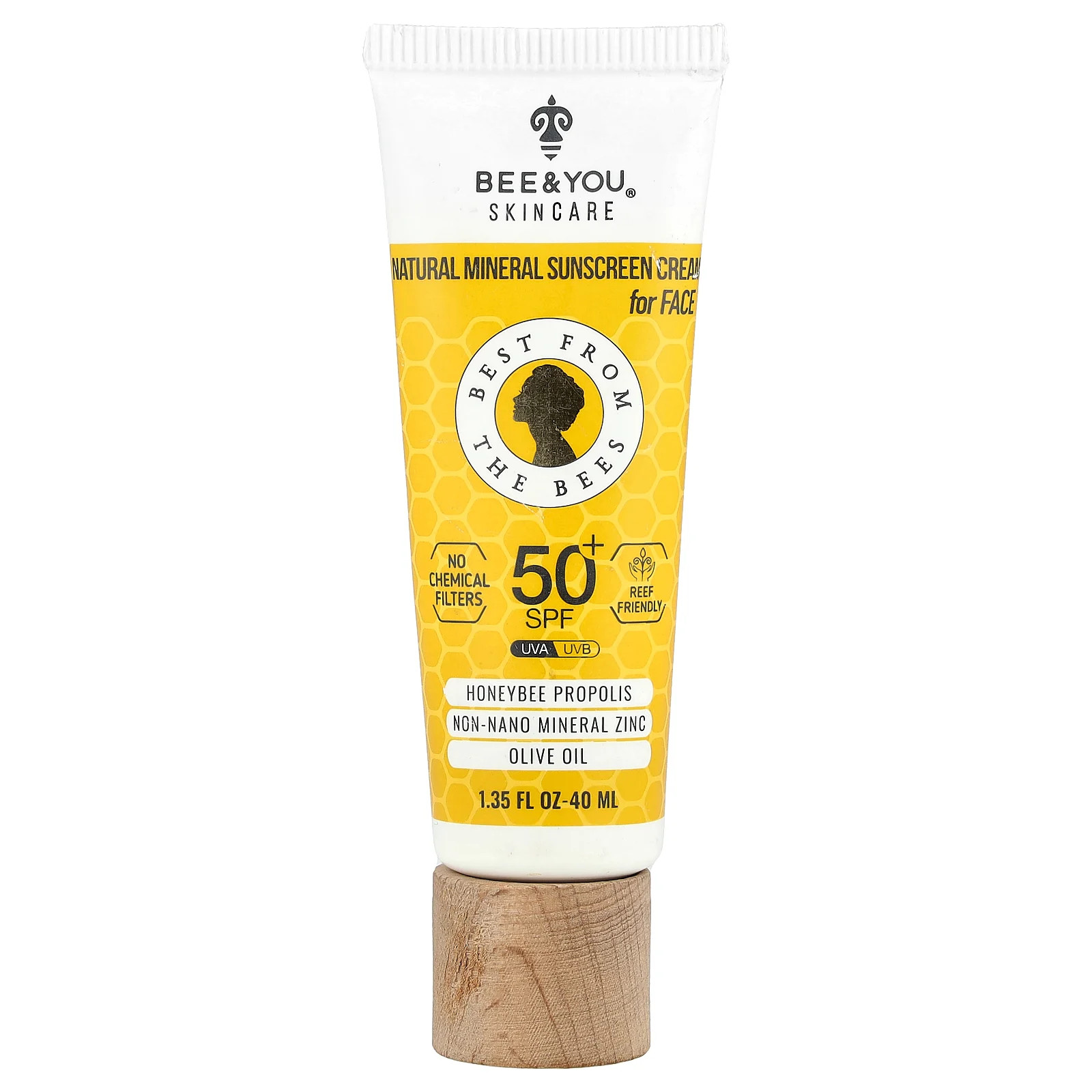 Natural Mineral Sunscreen Cream, For Face, 50+ SPF, 1.35 fl oz (40 ml)$18.06View on eBay
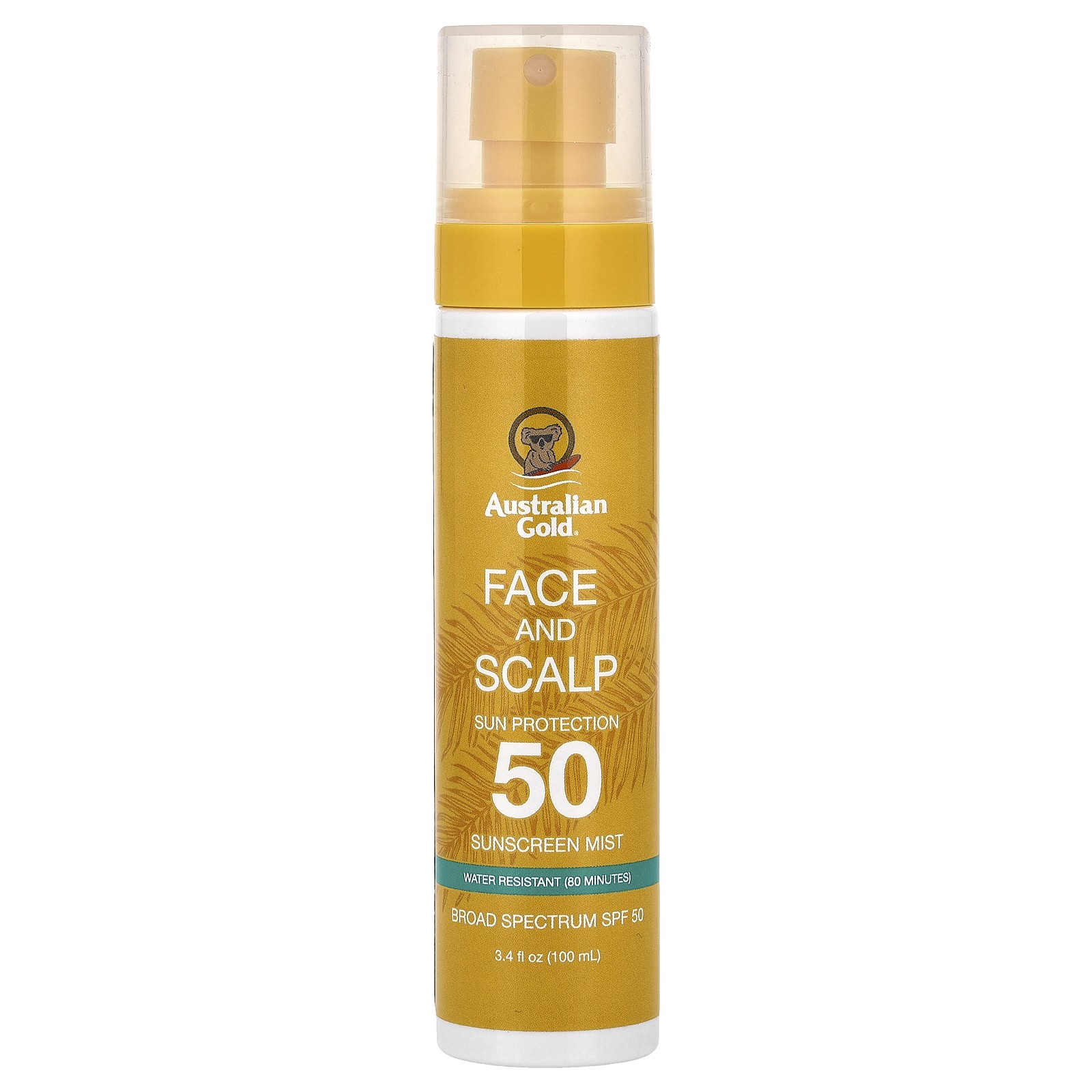 Face and Scalp Sunscreen Mist, SPF 50, 3.4 fl oz (100 ml)$18.18View on eBay
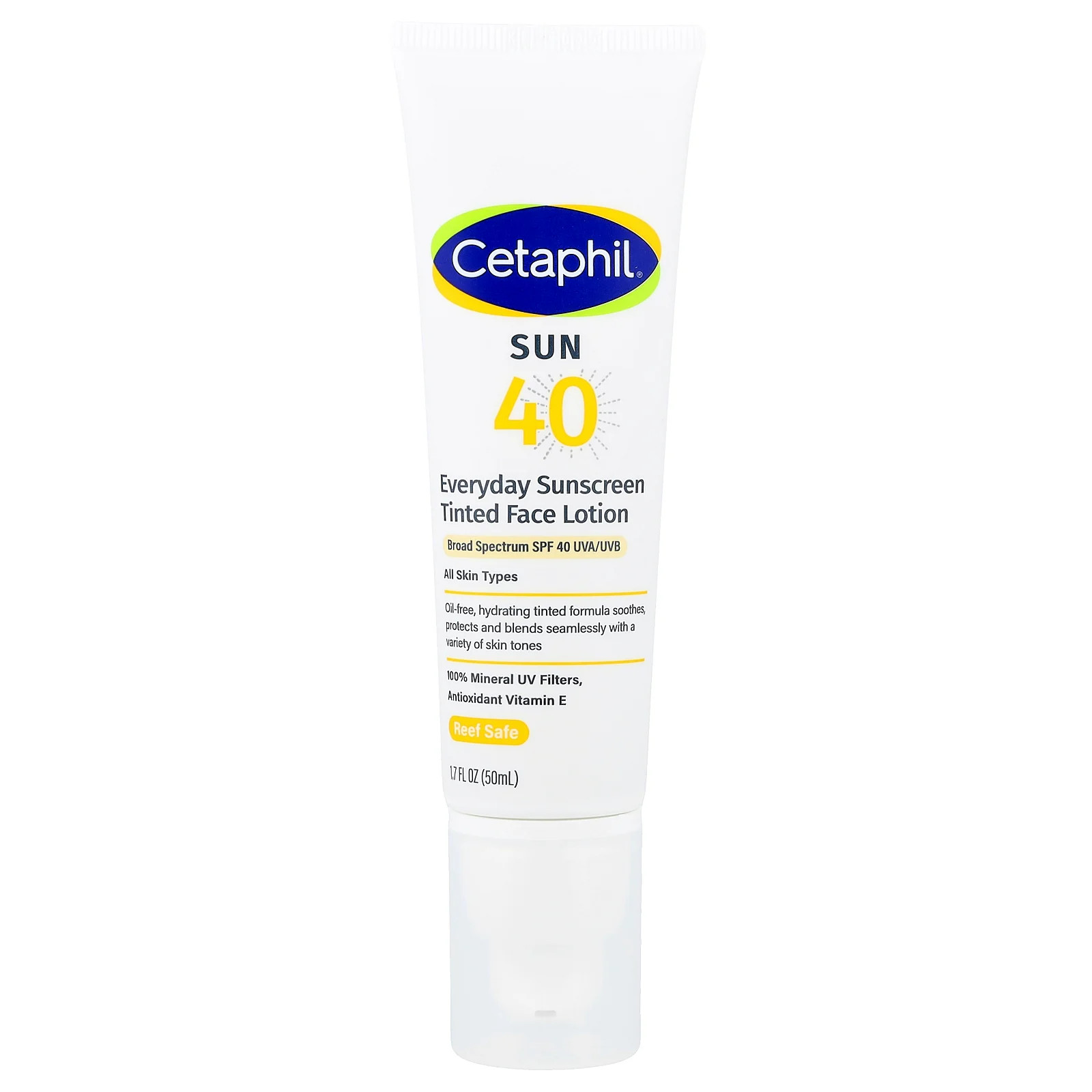 Everyday Sunscreen, Tinted Face Lotion, All Skin Types, SPF 40, 1.7 fl oz (50$18.47View on eBay
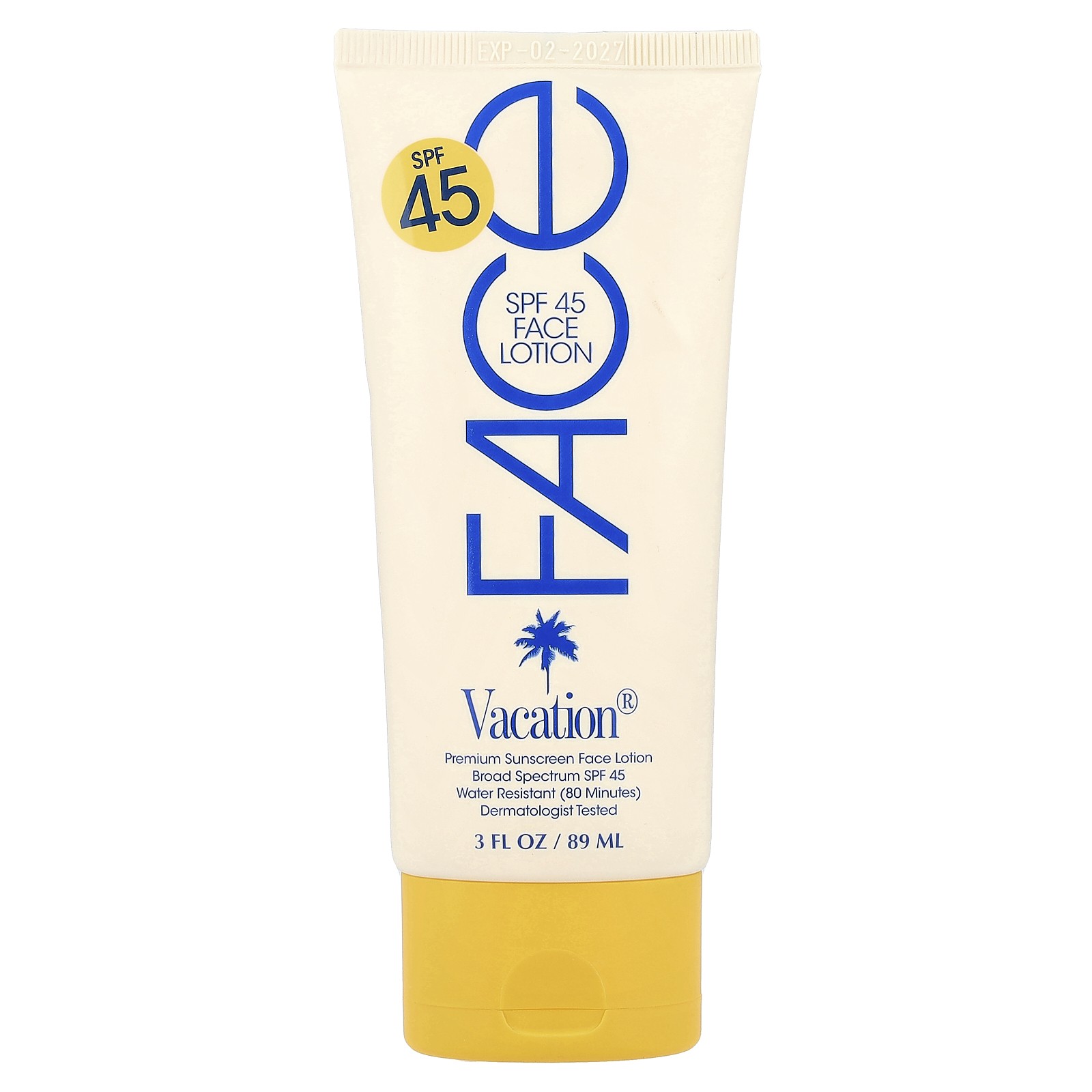 Premium Sunscreen Face Lotion, SPF 45, 3 fl oz (89 ml)$19.26View on eBay
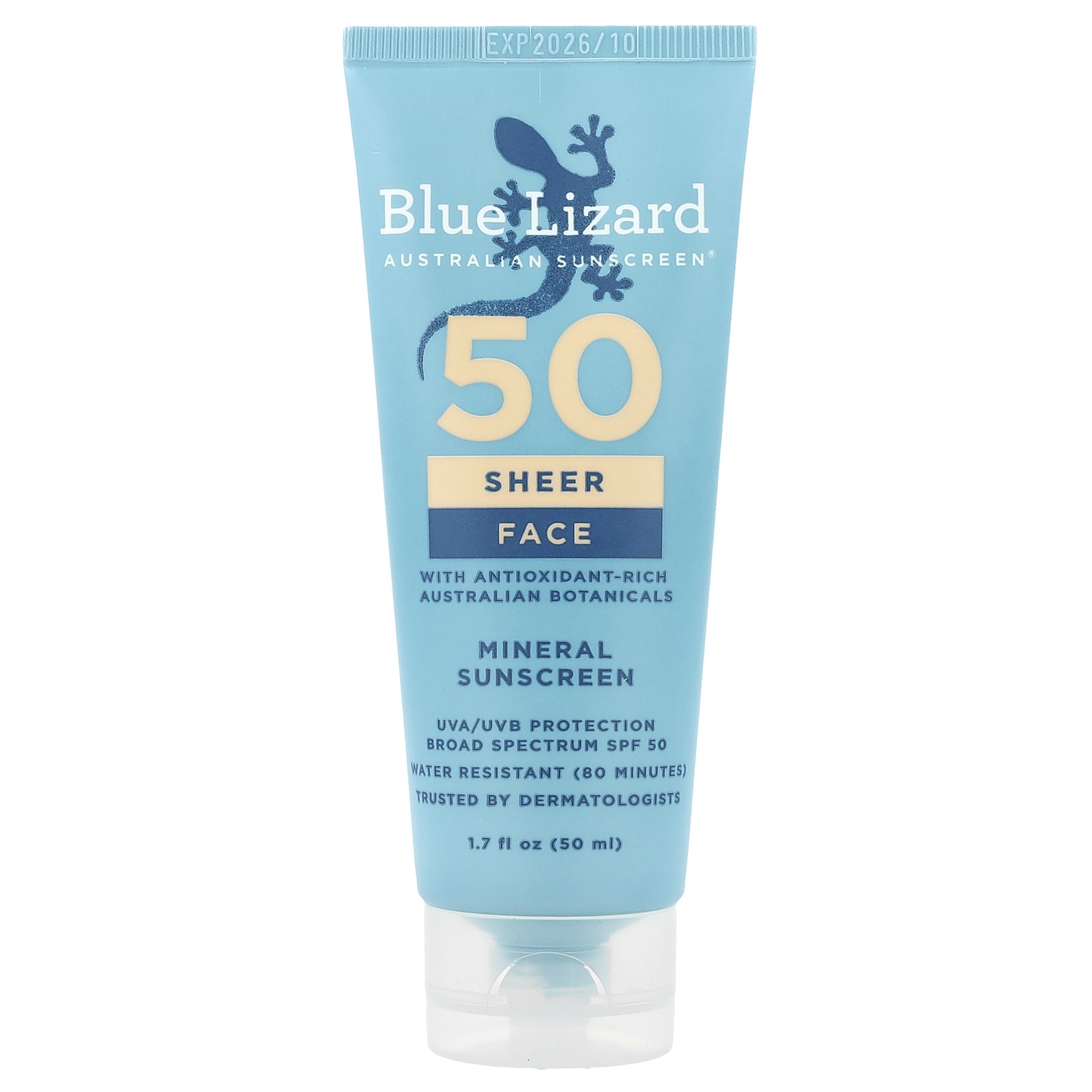 Sheer Face Mineral Sunscreen, SPF 50, 1.7 fl oz (50 ml)$19.83View on eBay
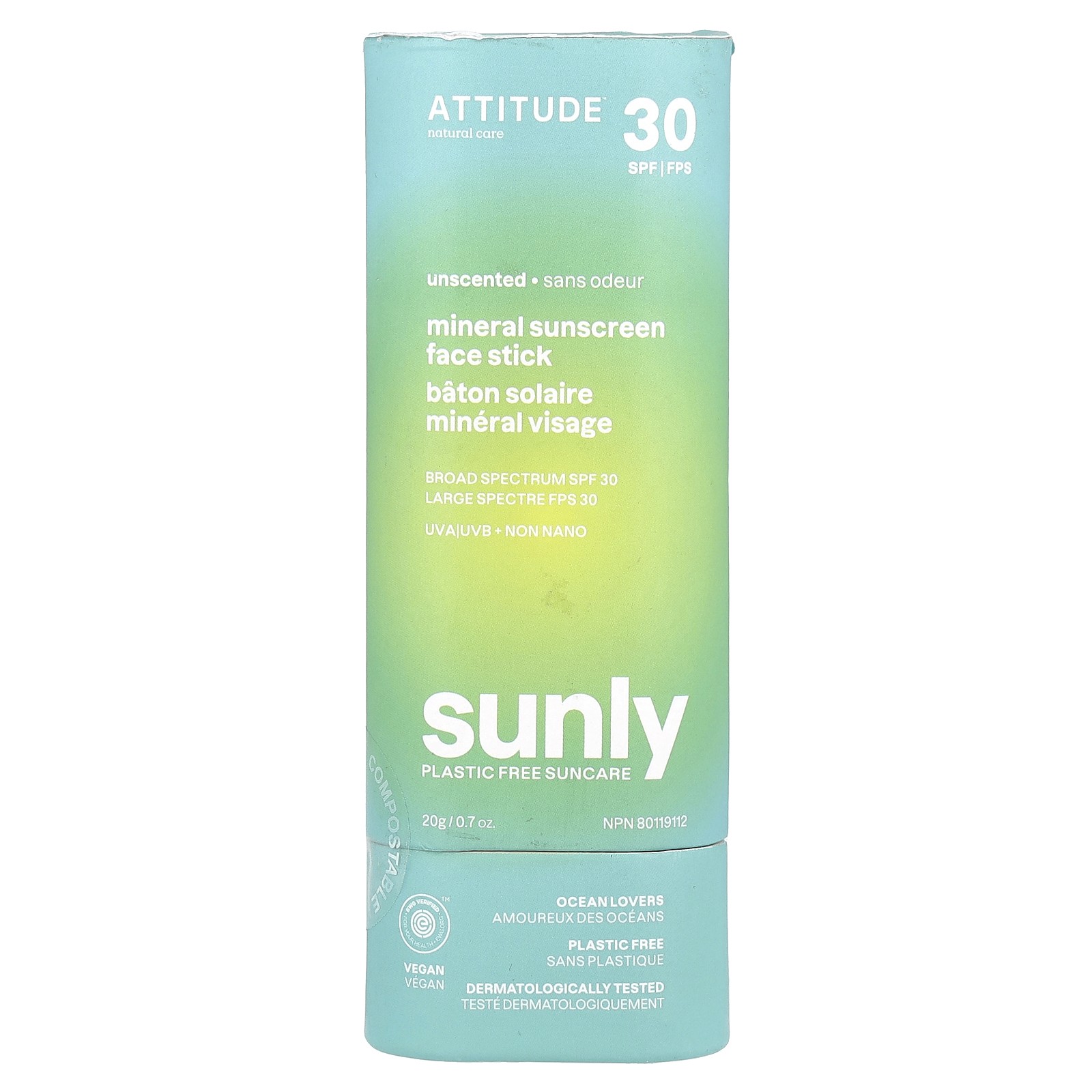 Sunly, Mineral Sunscreen Face Stick, SPF 30, Unscented, 0.7 oz (20 g)$19.99View on eBay
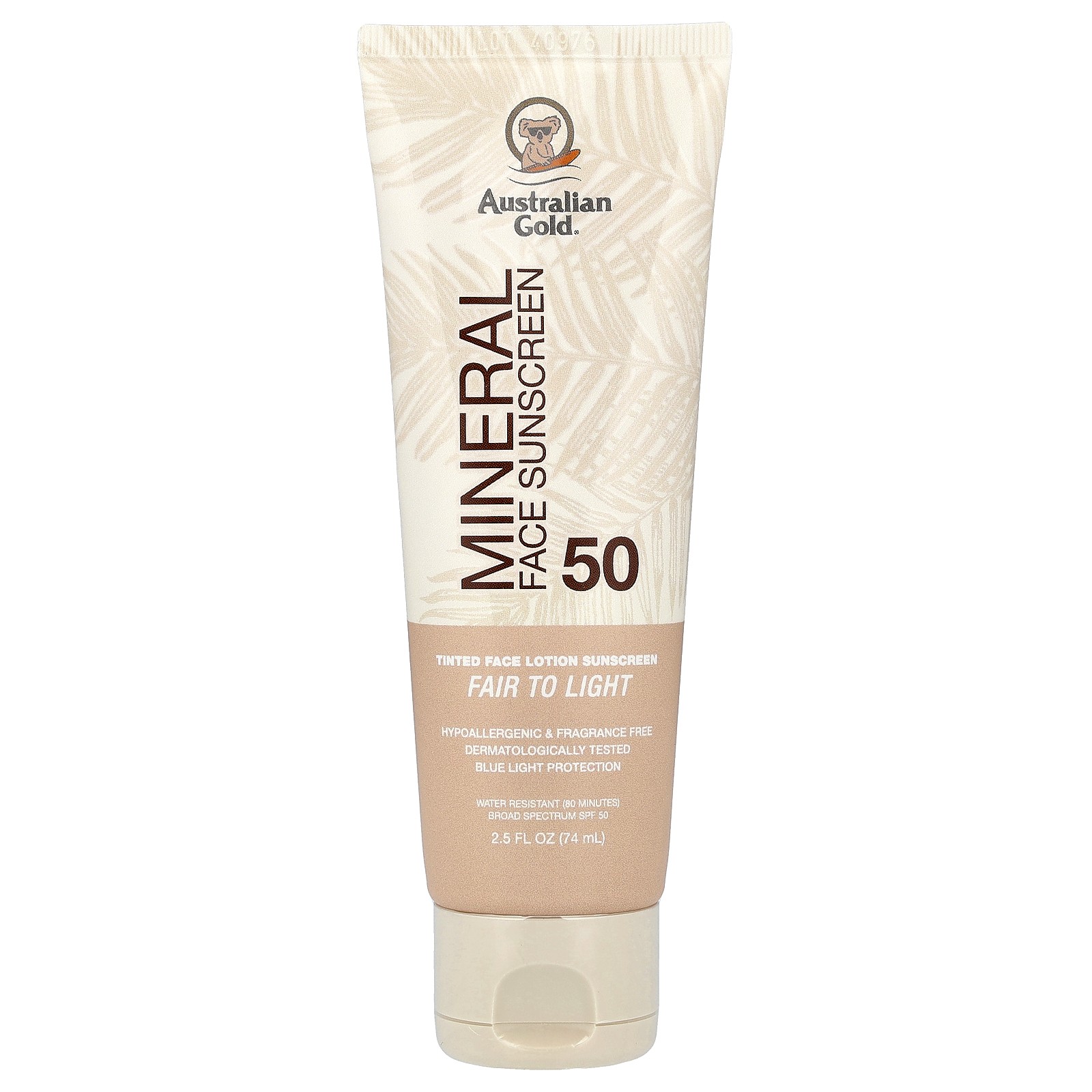 Mineral Tinted Face Lotion Sunscreen, SPF 50, Fair to Light, 2.5 fl oz (74 ml)$20.32View on eBay
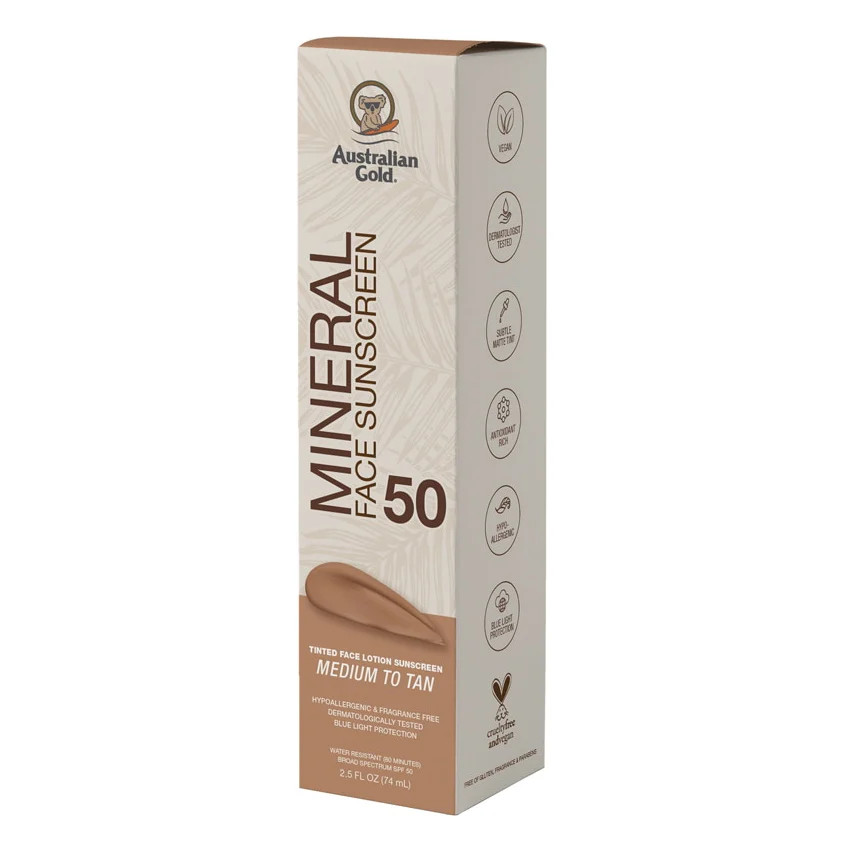 Mineral Tinted Face Lotion Sunscreen, SPF 50, Medium to Tan, 2.5 fl oz (74 ml)$20.32View on eBay
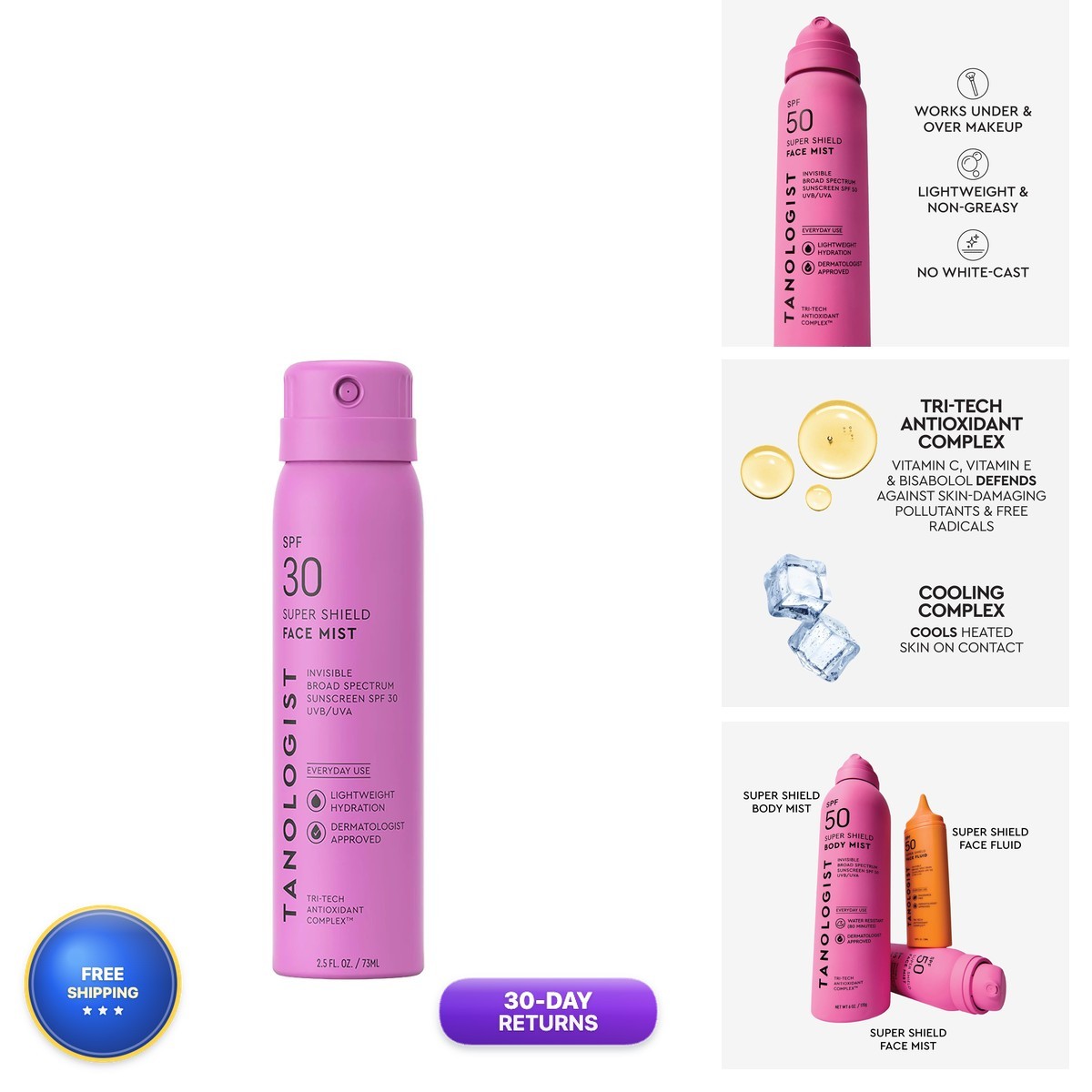 Tanologist SPF 50 Super Shield Face Fluid Sunscreen 1.7 oz Bottle$21.59View on eBay
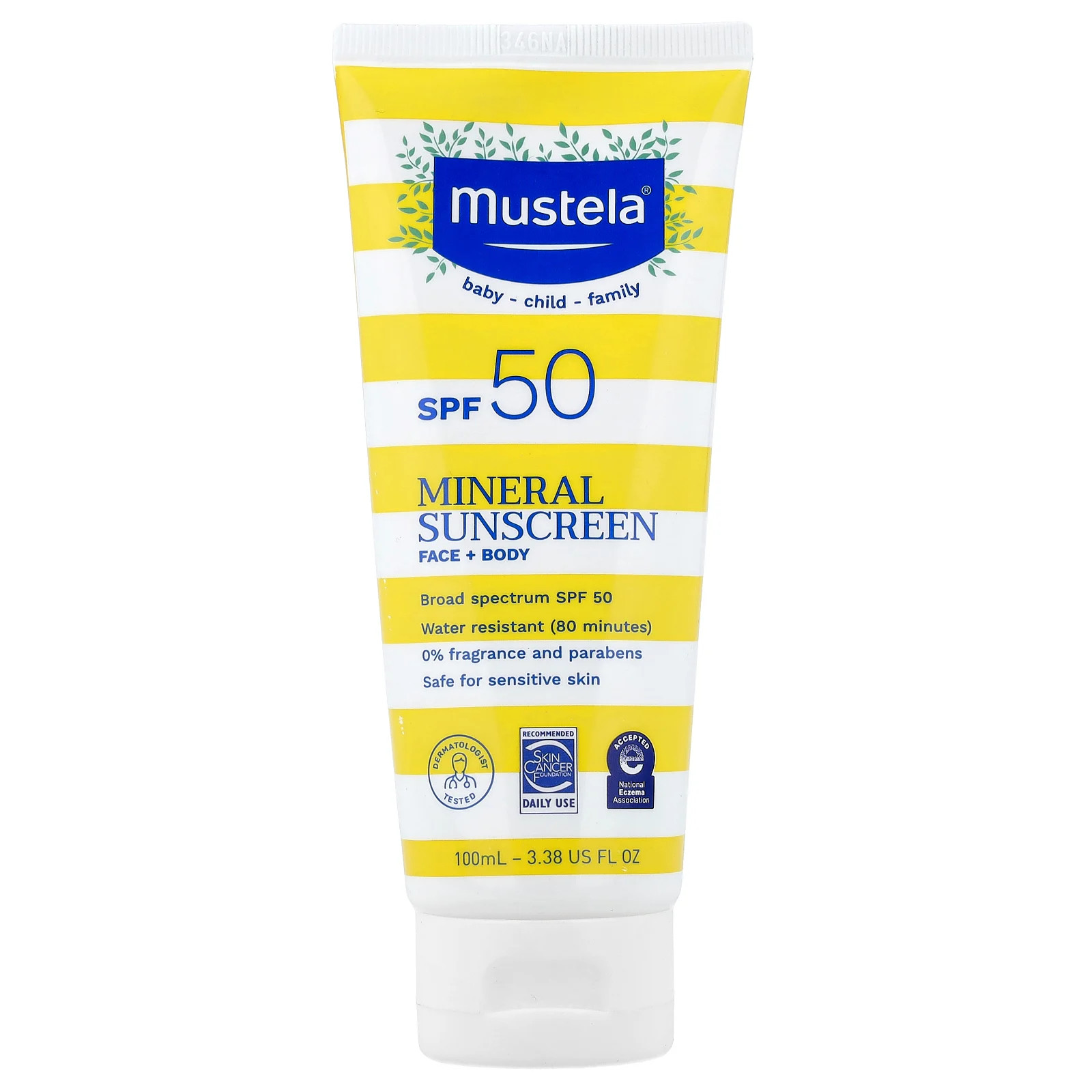 Mineral Sunscreen, Face + Body, SPF 50, 3.38 fl oz (100 ml)$24.58View on eBay
Highlights
- Mineral actives zinc oxide and titanium dioxide are photostable and less likely to sting eyes or trigger rosacea, but leave a white cast unless micronized or tinted.
- SPF 50 blocks roughly 98% of UVB versus 97% at SPF 30; the real differentiator is broad-spectrum UVA coverage (look for PA+++ or the UVA circle).
- Fluid and gel formats (50 ml / 1.7 fl oz) suit oily and acne-prone skin; lotions and creams (59-89 ml) hydrate dry or mature skin.
- Fragrance-free and oxybenzone-free formulations are the standard for reactive skin; chemical filters like avobenzone require stabilizers to avoid degrading in sun.
Best use cases
- Daily commuter or office worker: pick a lightweight SPF 30-50 fluid or gel with a matte finish and no white cast — skip heavy creams that pill under makeup.
- Sensitive, rosacea, or post-procedure skin: choose a fragrance-free mineral SPF 30-50 with zinc oxide as the sole active — skip chemical-filter gels with alcohol denat.
- Oily or acne-prone skin: select an oil-free, non-comedogenic gel or fluid in the 50 ml size — skip 89 ml lotions with emollient bases that feel greasy.
- Outdoor sport or high-altitude exposure: use a water-resistant SPF 50 mineral or stabilized chemical formula and reapply every two hours — skip SPF 30 daily lotions for all-day sun.
Buying tips
- For face, 2 mg per cm² translates to roughly a nickel-sized amount (about 1/4 teaspoon) — a 50 ml bottle lasts about 30-40 full-face applications at proper dose.
- Choose SPF 30 for incidental exposure and SPF 50 for outdoor activity; there is no meaningful benefit above SPF 50+ and higher SPF tempts under-application.
- Mineral formulas with non-nano zinc oxide (particle size above 100 nm) are preferred for sensitive skin; nano versions reduce white cast but have uncertain environmental data.
- Check the expiry and active stability: unopened chemical sunscreens last about 3 years, mineral formulas longer; once opened, replace within 12 months.
Specs
| Filter Type | Mineral (ZnO/TiO2) vs Chemical |
|---|---|
| SPF Rating | 30-50+ broad spectrum |
| Format | Fluid / gel / lotion / cream |
| Size | 50 ml (1.7 oz) to 89 ml (3 oz) |
Related searches
What to check before buying
- Confirm your skin type (oily, dry, sensitive) and match the format: gel/fluid for oily, lotion/cream for dry, mineral for sensitive.
- Measure your daily dose: a 50 ml bottle should last about a month of daily face-only use; plan quantity accordingly.
- Verify broad-spectrum labeling (PA+++ or UVA circle) — SPF alone only rates UVB protection.
- If you wear makeup, test for pilling: mineral lotions and thick creams are more likely to ball up under foundation than fluids or gels.
FAQ
Data sources: eBay / Amazon listings and product attribute feeds Data updated Nov 15, 2026.
Some links on this page are affiliate links. If you buy after clicking one, we may earn a commission at no extra cost to you. This does not change which products appear here or their order. Affiliate disclosure.