Photos from current listings. Actual item, color, and included accessories may vary.
Face Spf Buying Guide
Face SPF is a daily-use sunscreen engineered for facial skin, where the core trade-off is mineral (zinc oxide/titanium dioxide) versus chemical UV filters—mineral offers lower irritation risk for sensitive skin, while chemical filters deliver lighter, invisible finishes under makeup. The decision rule: for sensitive or reactive skin, choose a fragrance-free mineral formula with non-nano zinc oxide; for under-makeup wear, prioritize a chemical or hybrid fluid with a dry-touch finish and no white cast.

At a glance
- Category
- Sun Care
- Data updated
- Nov 15, 2026
Current offers
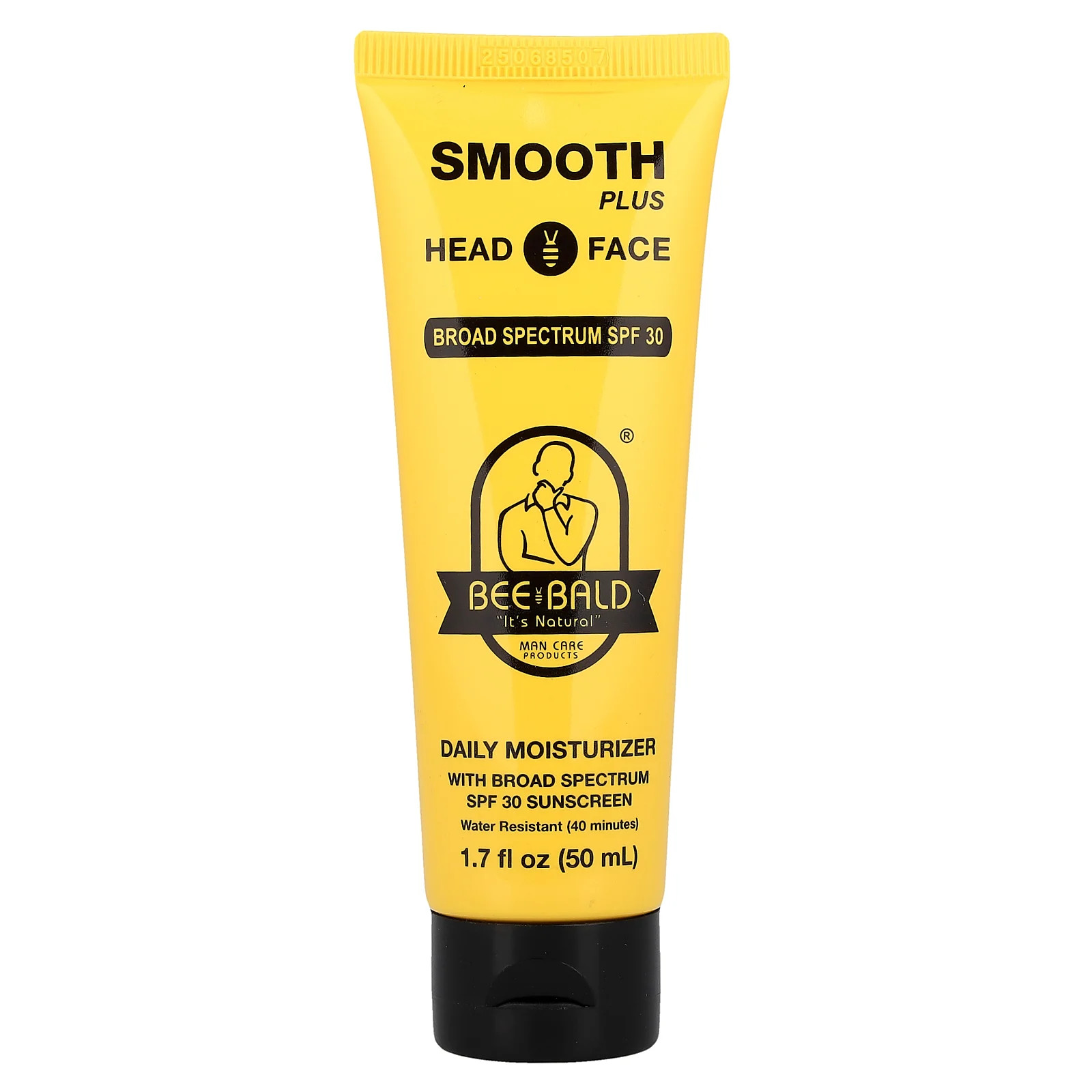 Smooth Plus Head & Face, Daily Moisturizer, SPF 30, 1.7 fl oz (50 ml)$11.49
 View on eBay
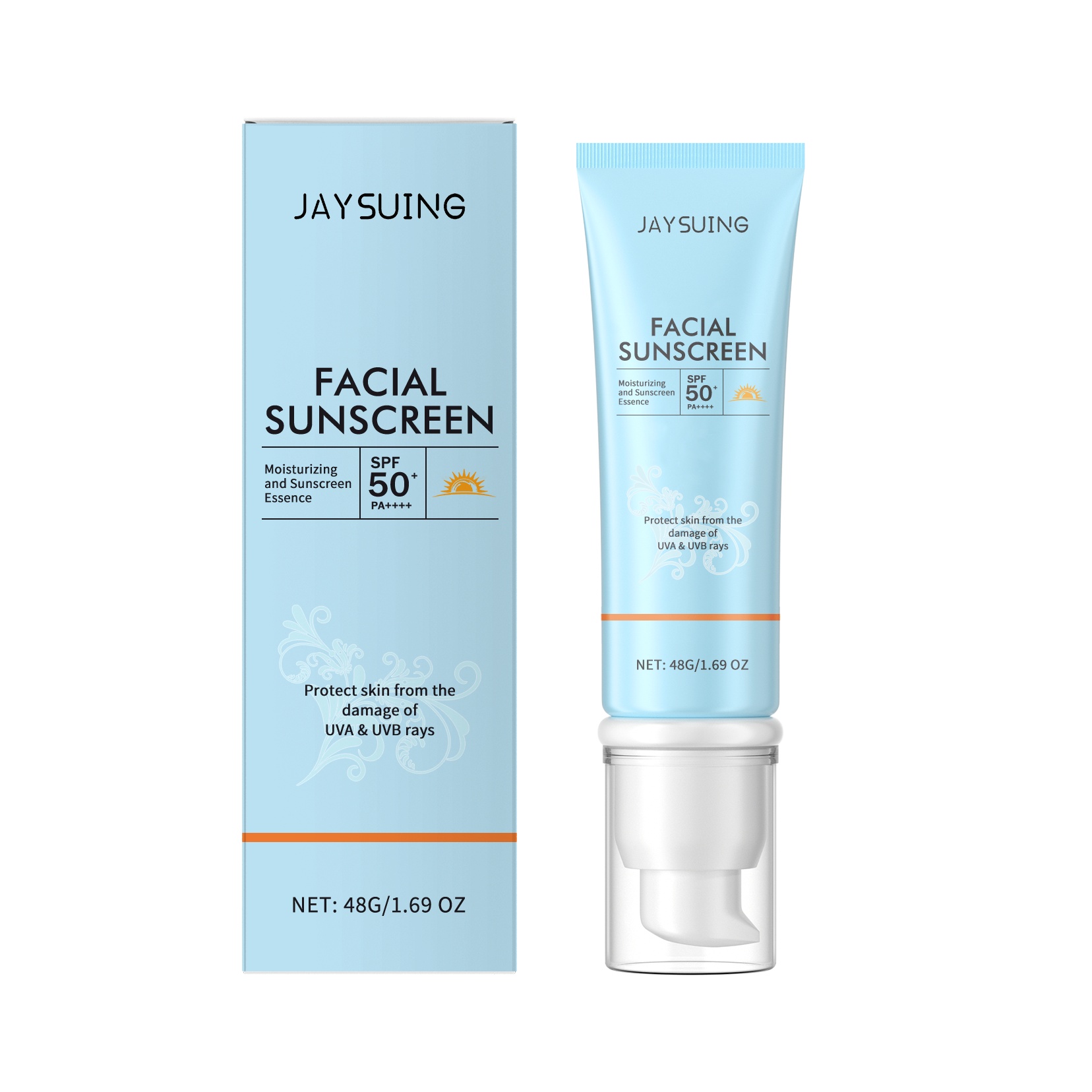 Refreshing Face Protection Cream, 48g, Facial Sunscreen for All Skin Types$21.99
 View on Mallflare
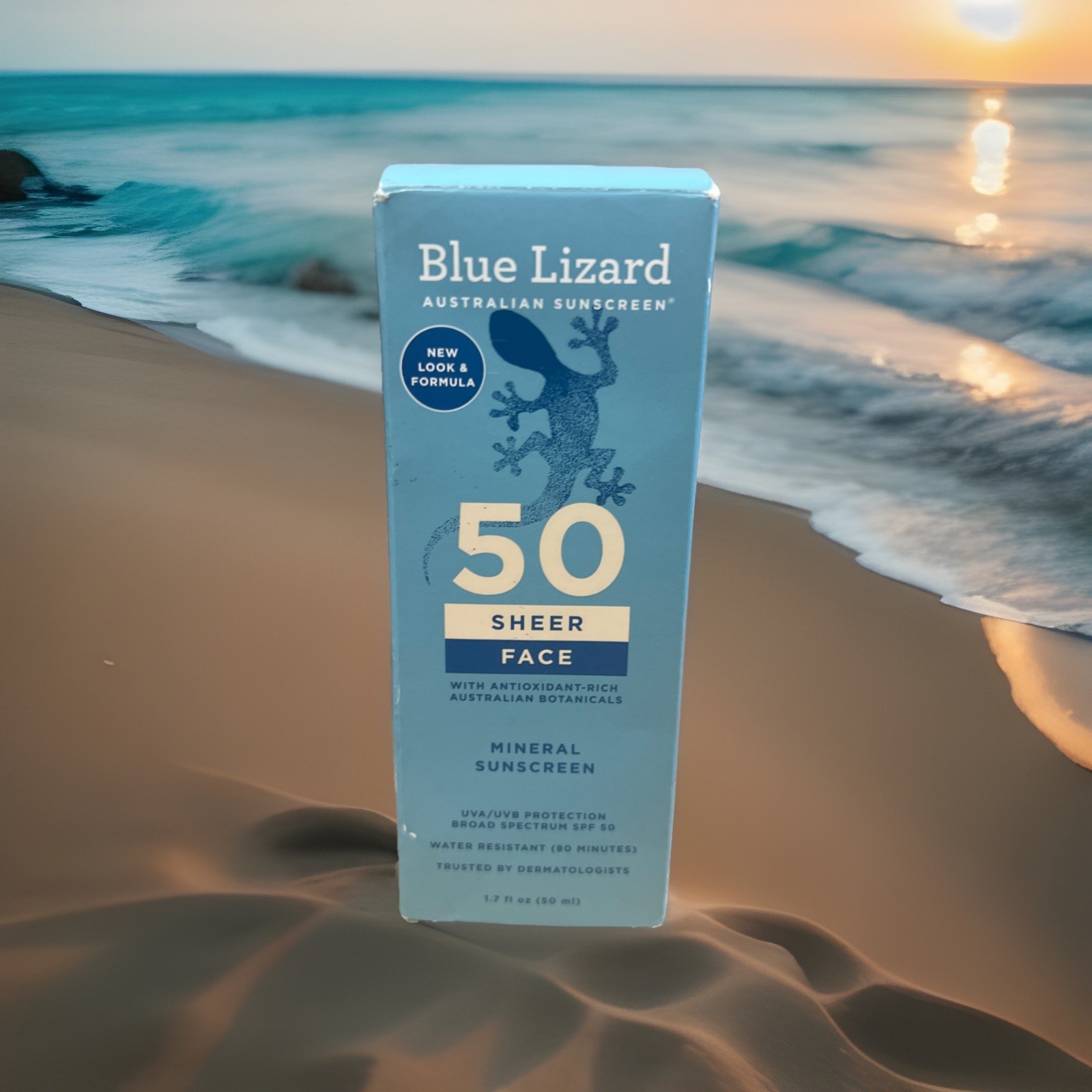 Sheer Face Mineral Sunscreen, SPF 50, 1.7 fl oz (50 ml)$12.99View on eBay
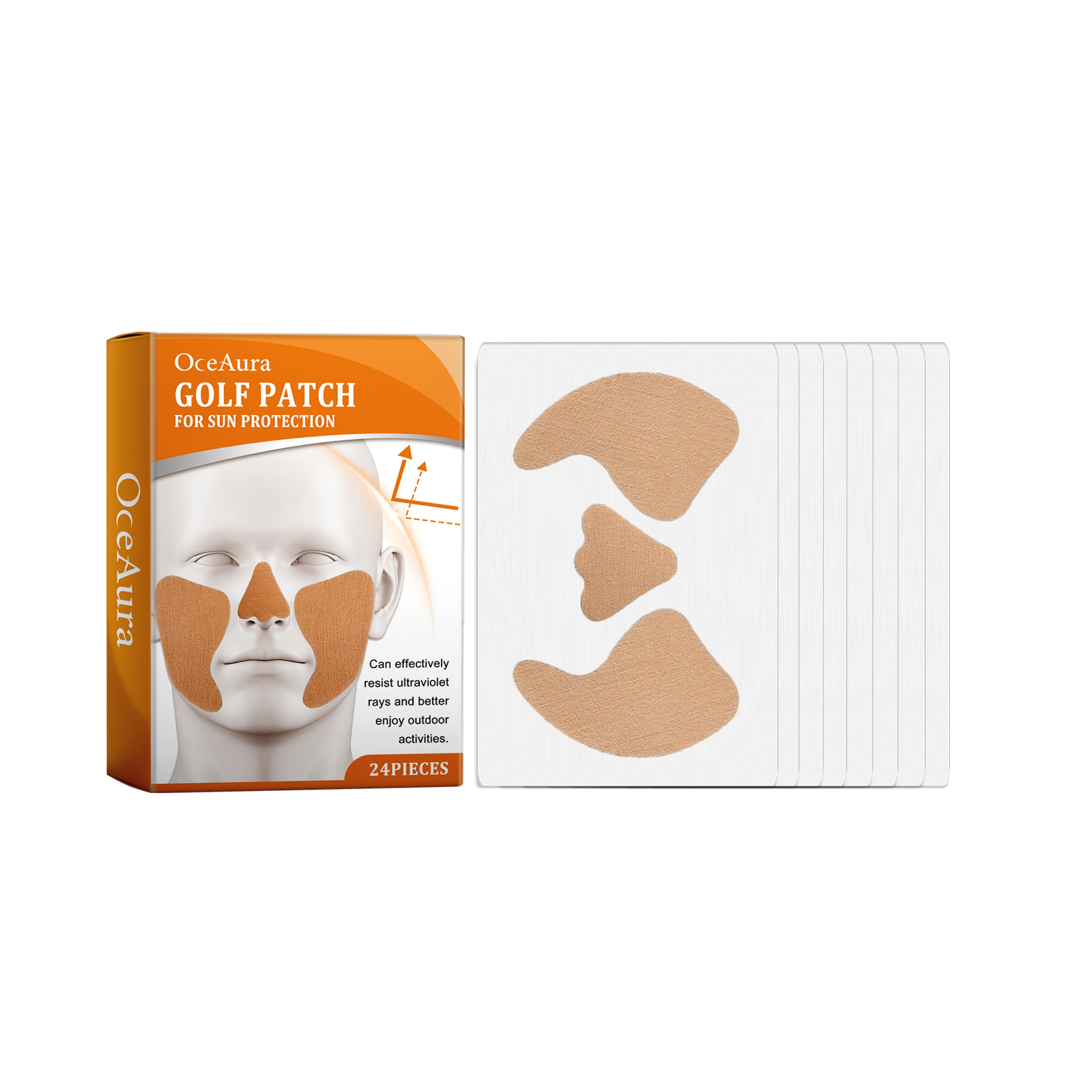 Golf Patch for Sun Protection, 24pieces, Face Sunscreen for All Skin Types$21.99View on Mallflare
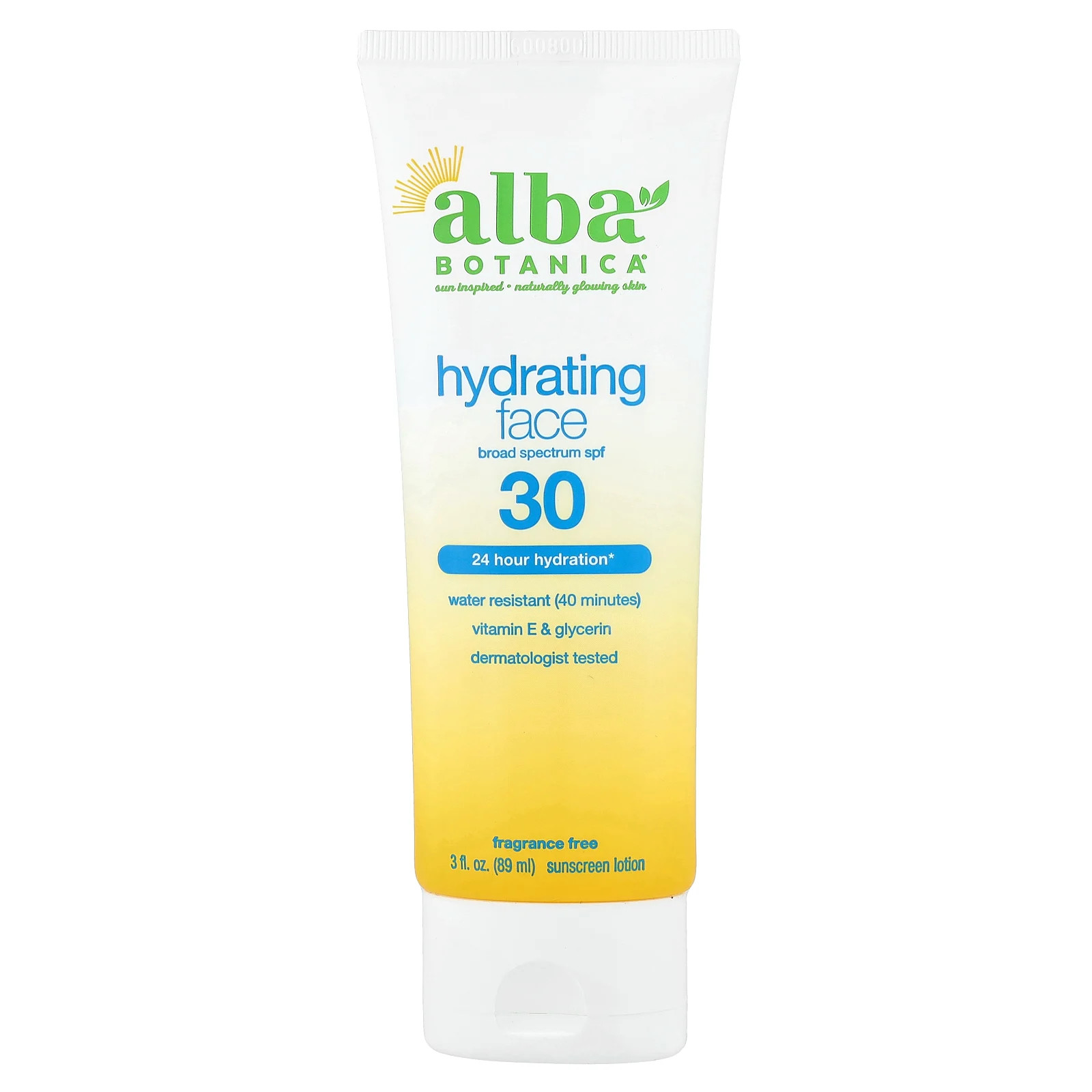 Hydrating Face Sunscreen Lotion, SPF 30, Fragrance Free, 3 fl oz (89 ml)$15.61View on eBay
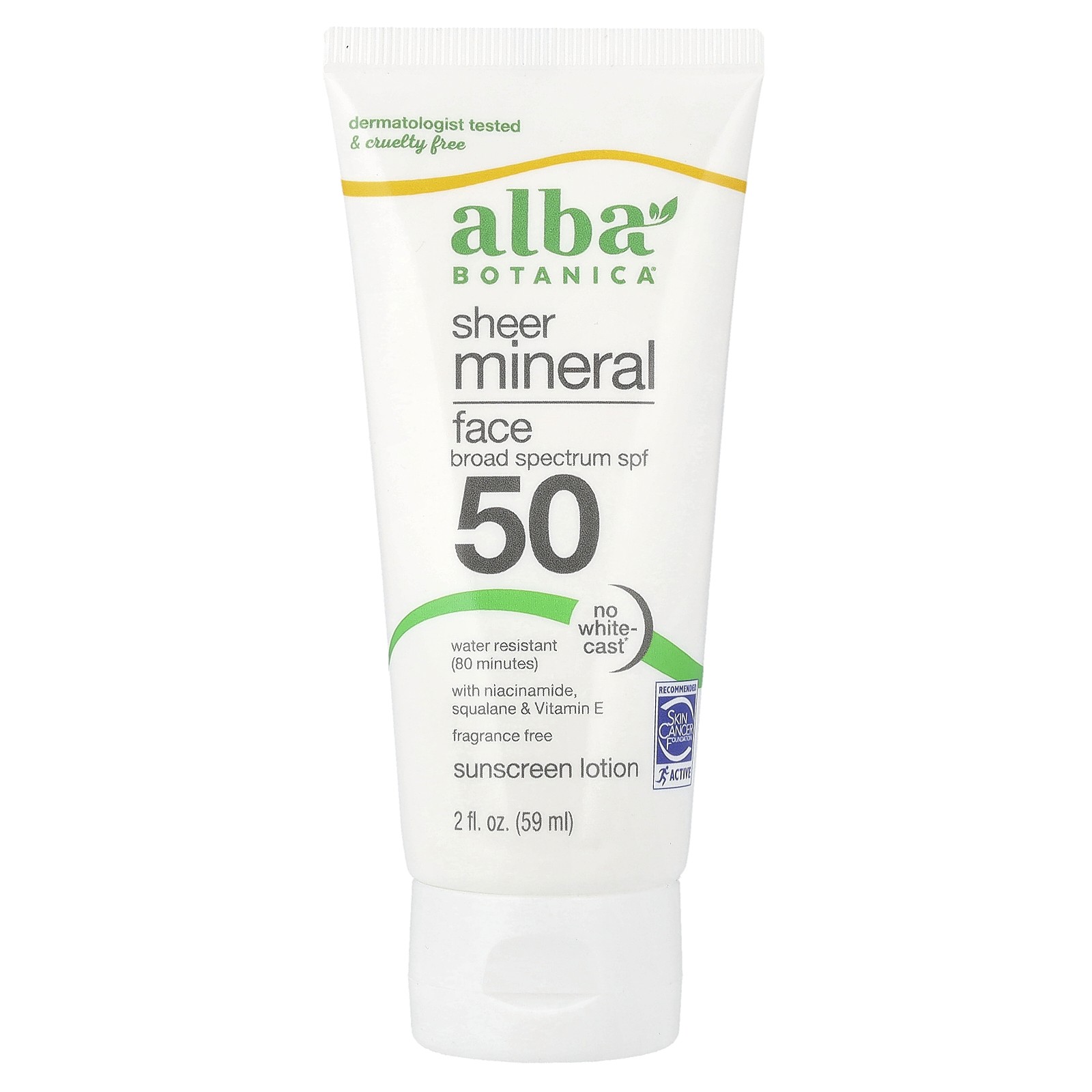 Sheer Mineral Face Sunscreen Lotion, SPF 50, Fragrance Free, 2 fl oz (59 ml)$16.03View on eBay
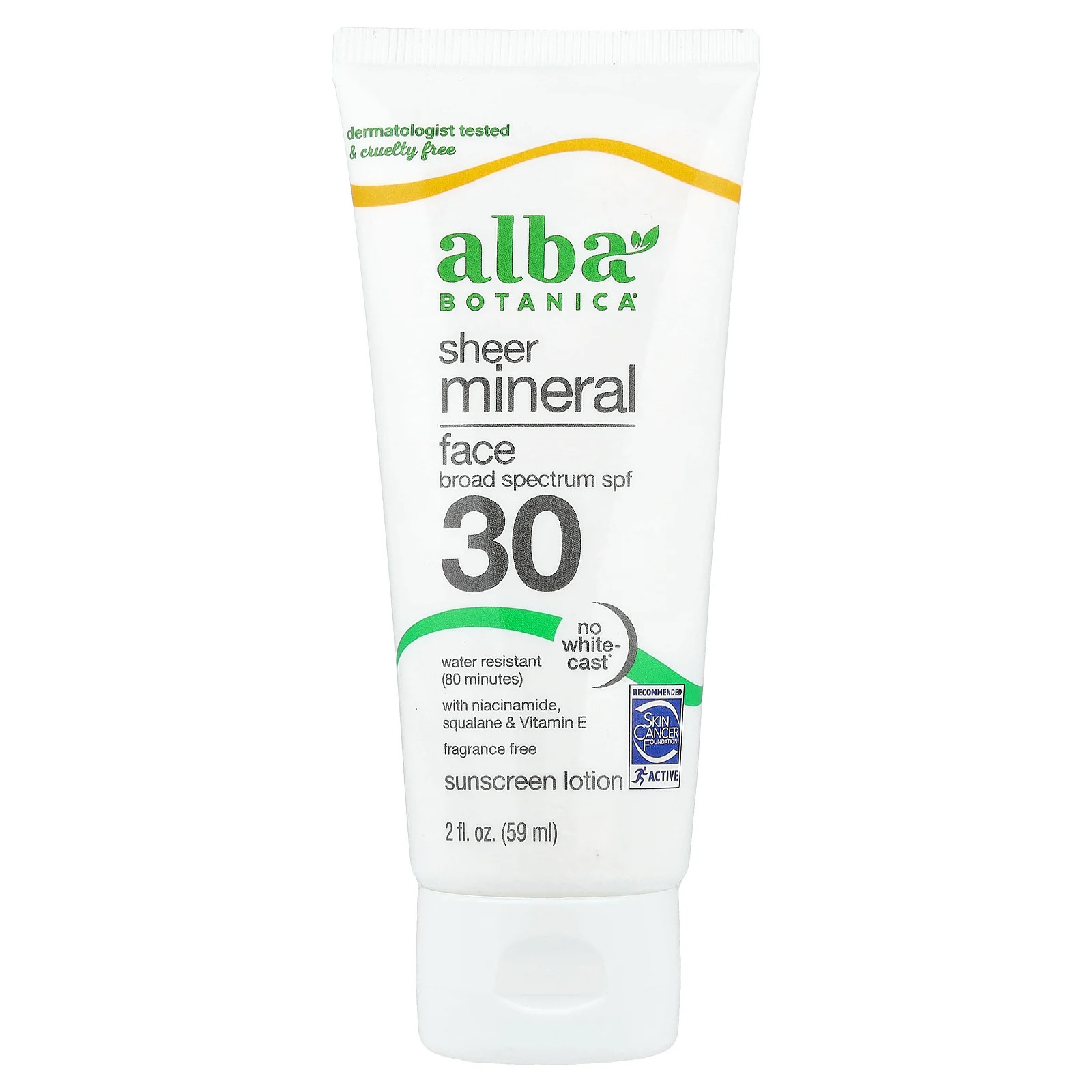 Sheer Mineral Face Sunscreen Lotion, SPF 30, Fragrance Free, 2 fl oz (59 ml)$16.03View on eBay
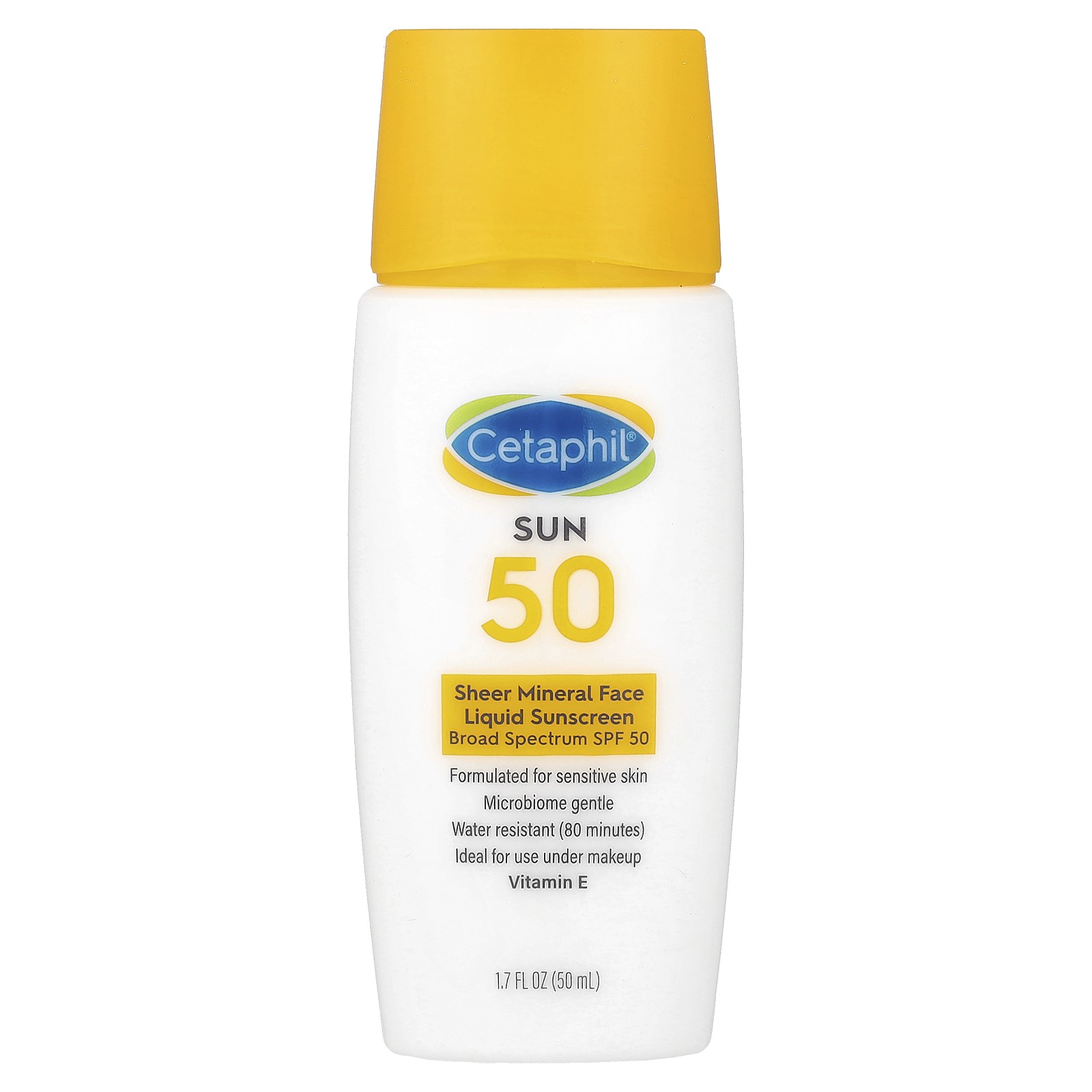 Sheer Mineral Face Liquid Sunscreen, SPF 50, Fragrance Free, 1.7 fl oz (50 ml)$17.07View on eBay
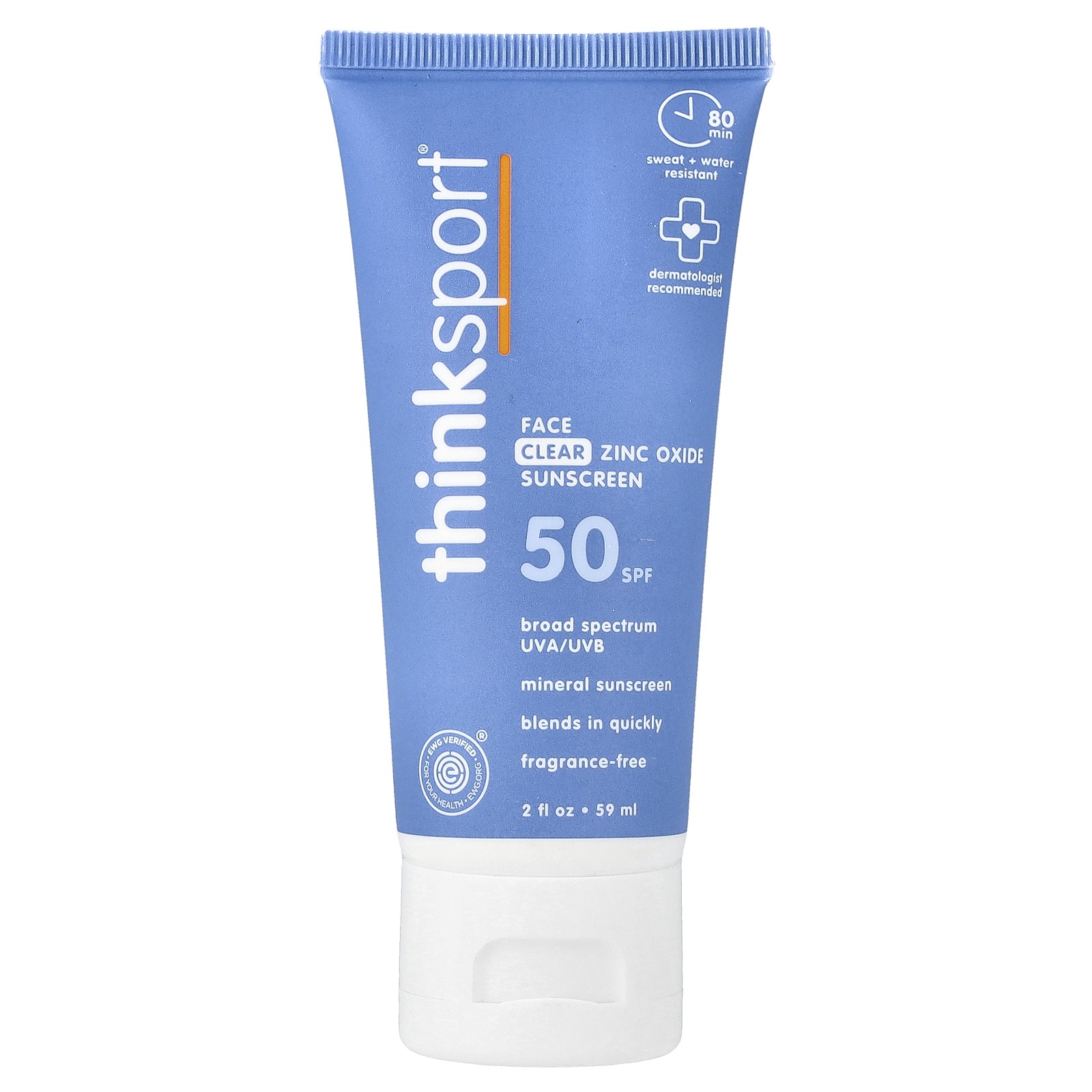 Thinksport®, Face Clear Zinc Oxide Sunscreen, SPF 50, Fragrance Free, 2 fl oz$17.22View on eBay
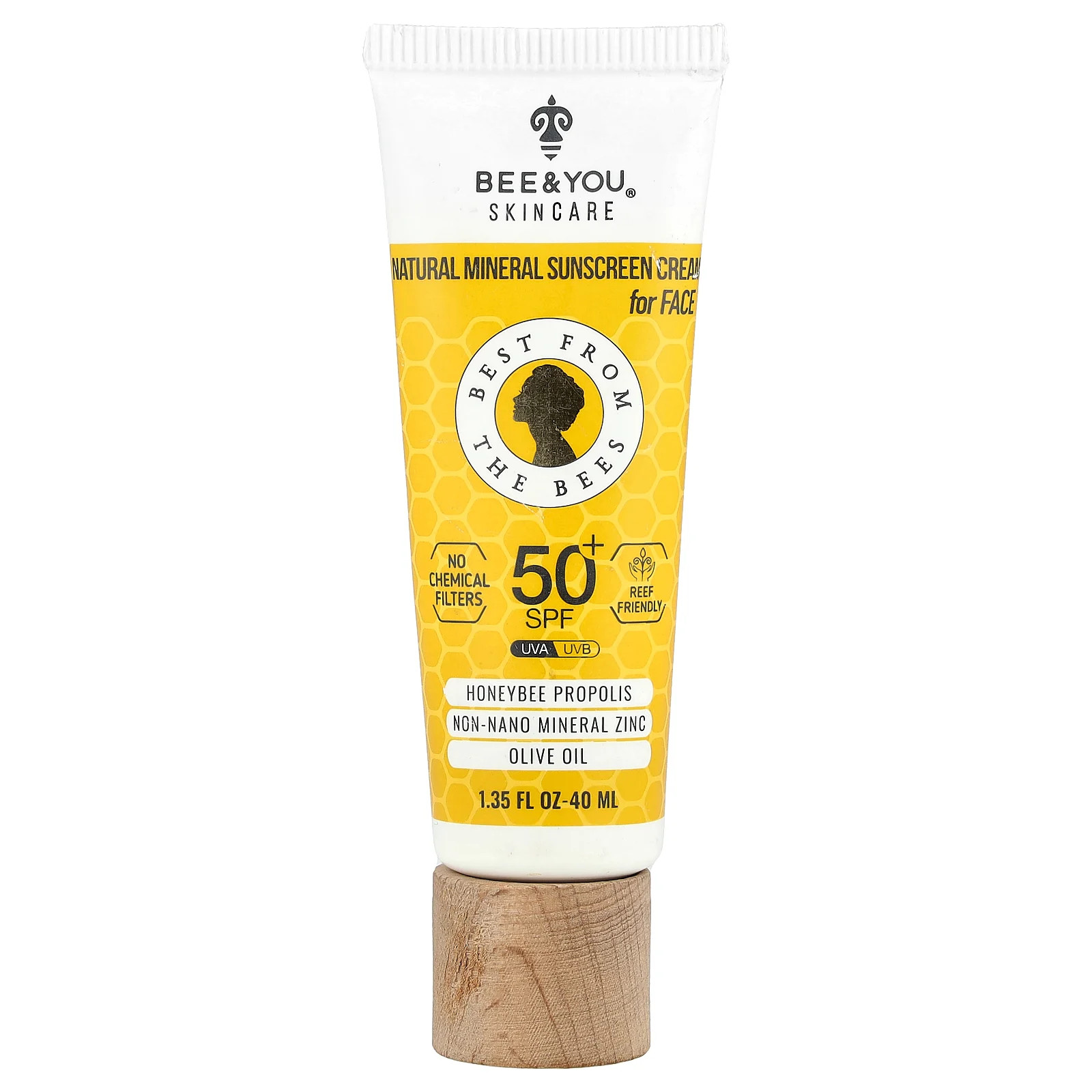 Natural Mineral Sunscreen Cream, For Face, 50+ SPF, 1.35 fl oz (40 ml)$18.06View on eBay
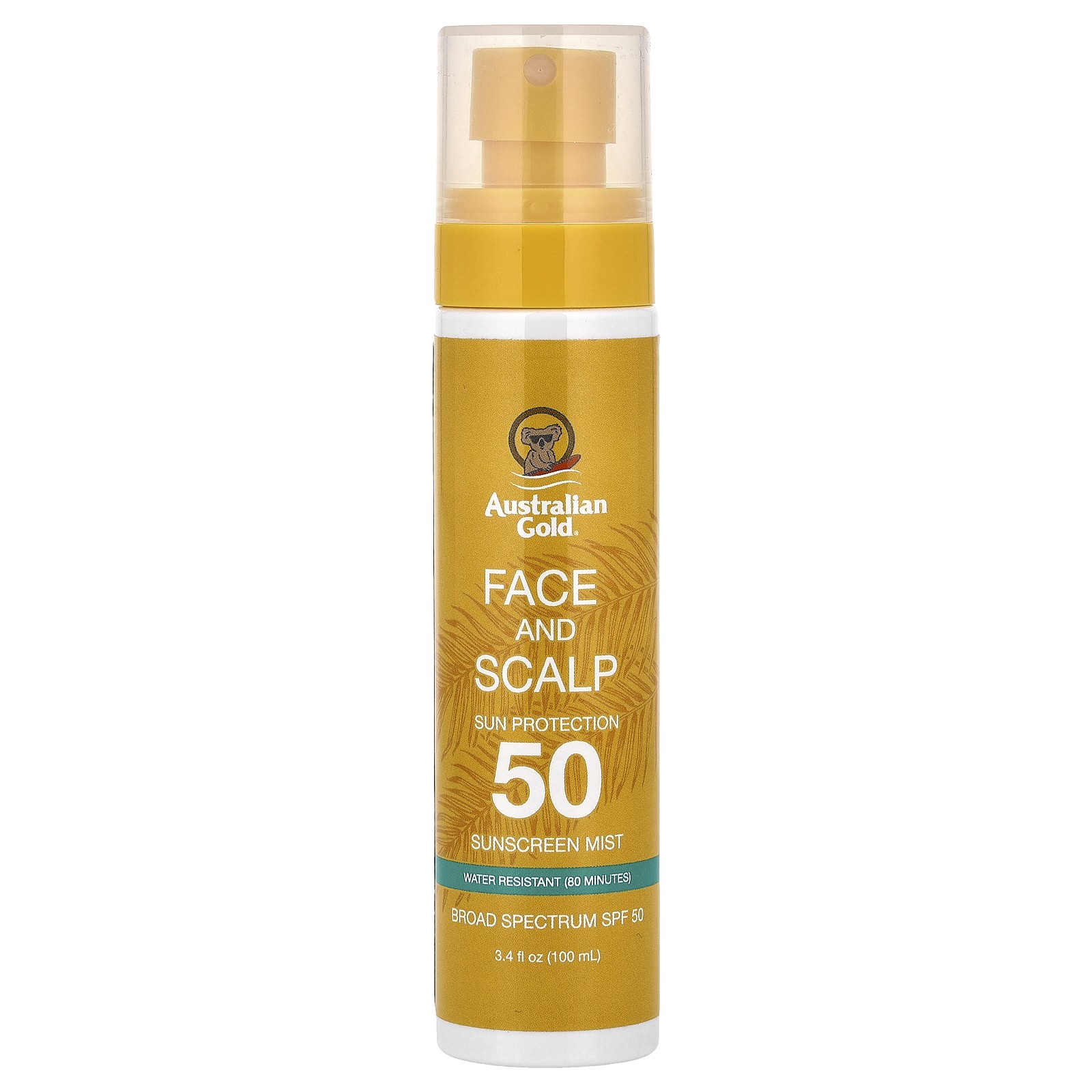 Face and Scalp Sunscreen Mist, SPF 50, 3.4 fl oz (100 ml)$18.18View on eBay
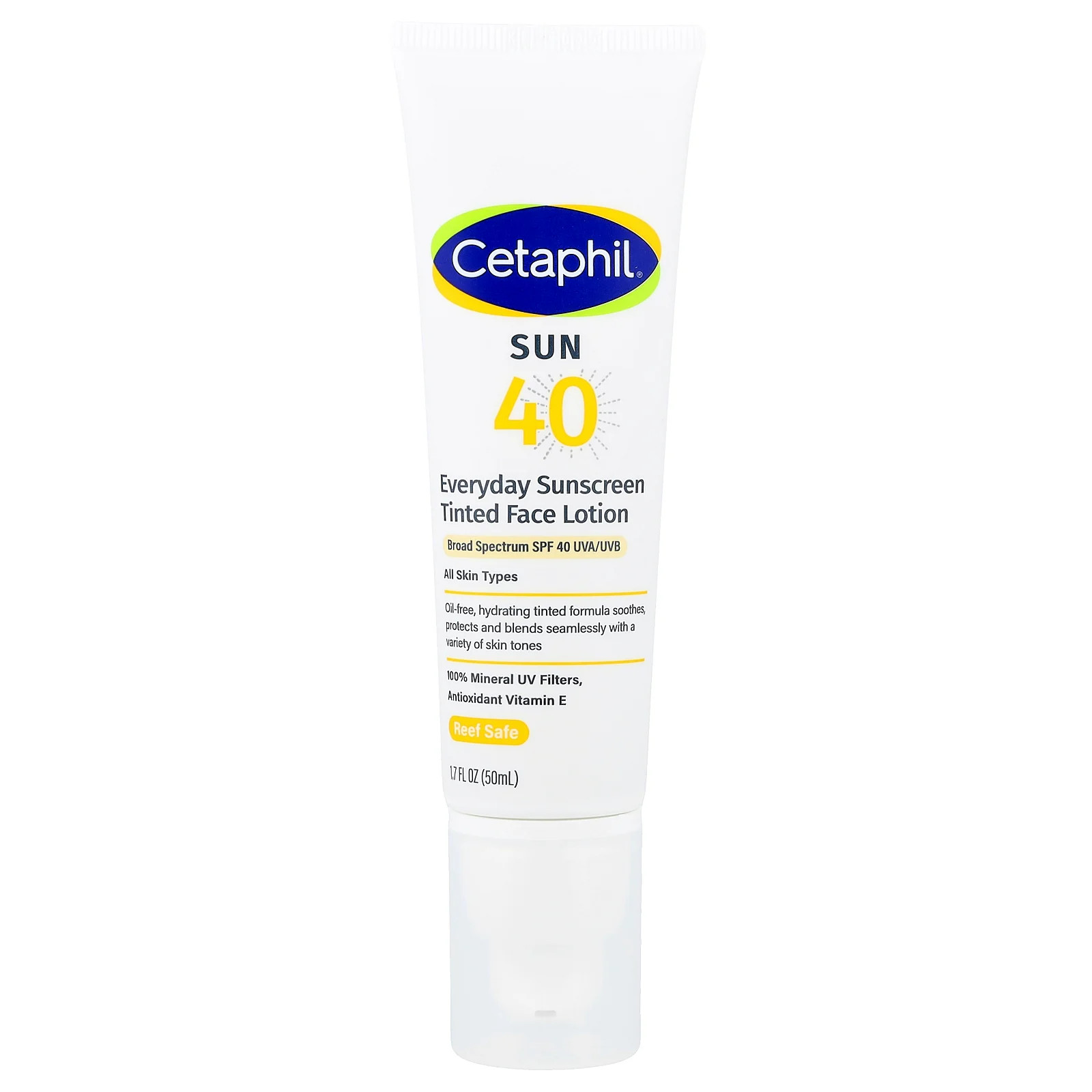 Everyday Sunscreen, Tinted Face Lotion, All Skin Types, SPF 40, 1.7 fl oz (50$18.47View on eBay
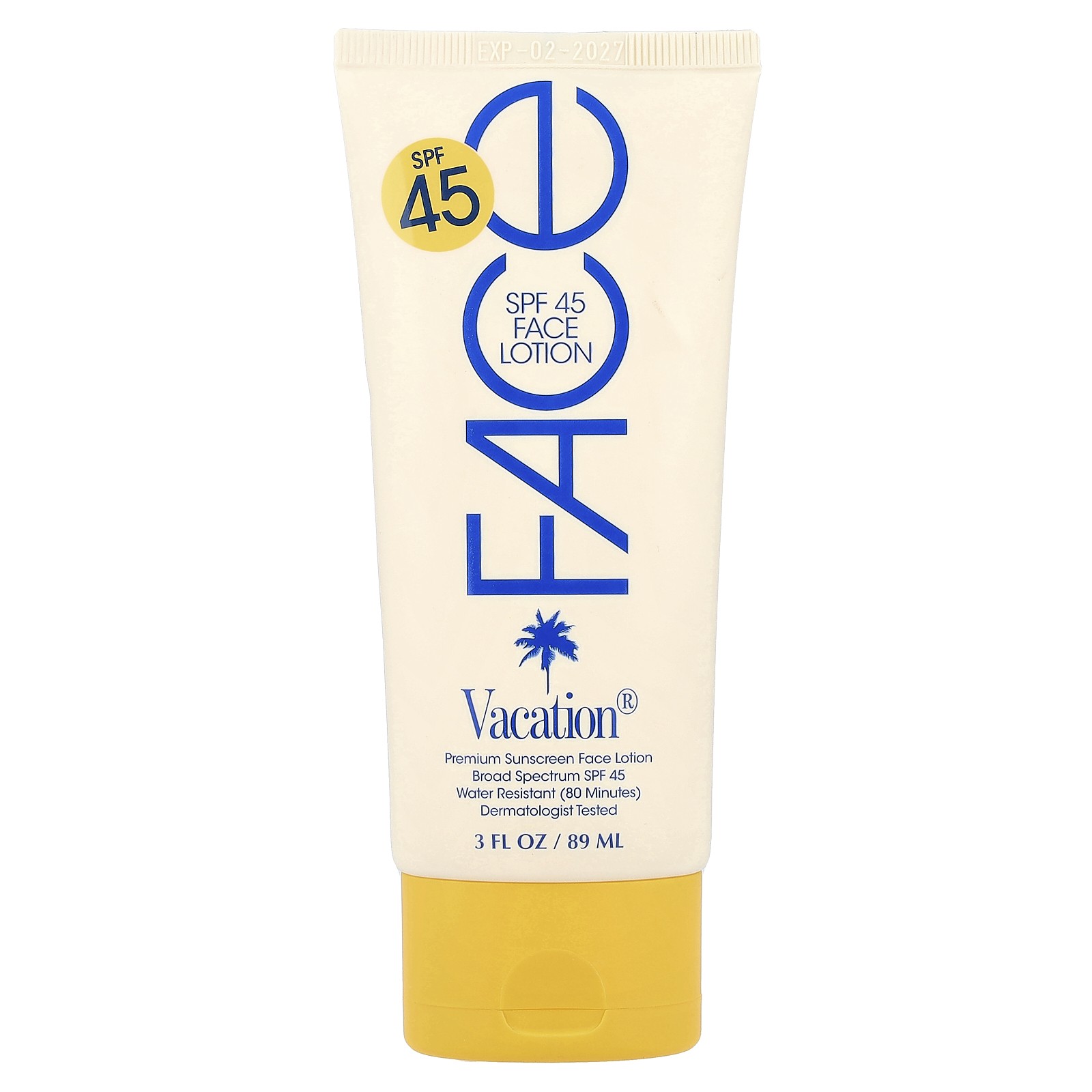 Premium Sunscreen Face Lotion, SPF 45, 3 fl oz (89 ml)$19.26View on eBay
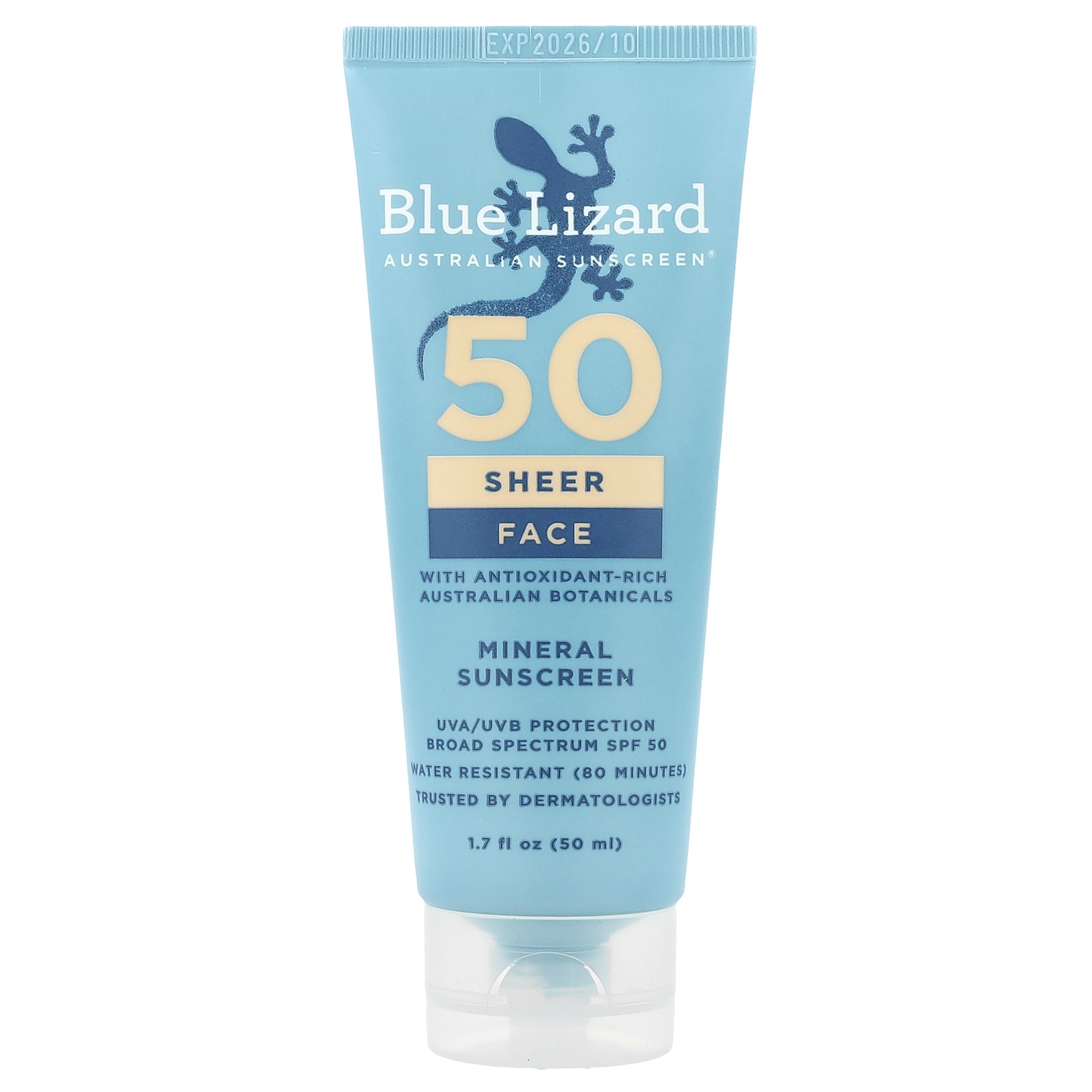 Sheer Face Mineral Sunscreen, SPF 50, 1.7 fl oz (50 ml)$19.83View on eBay
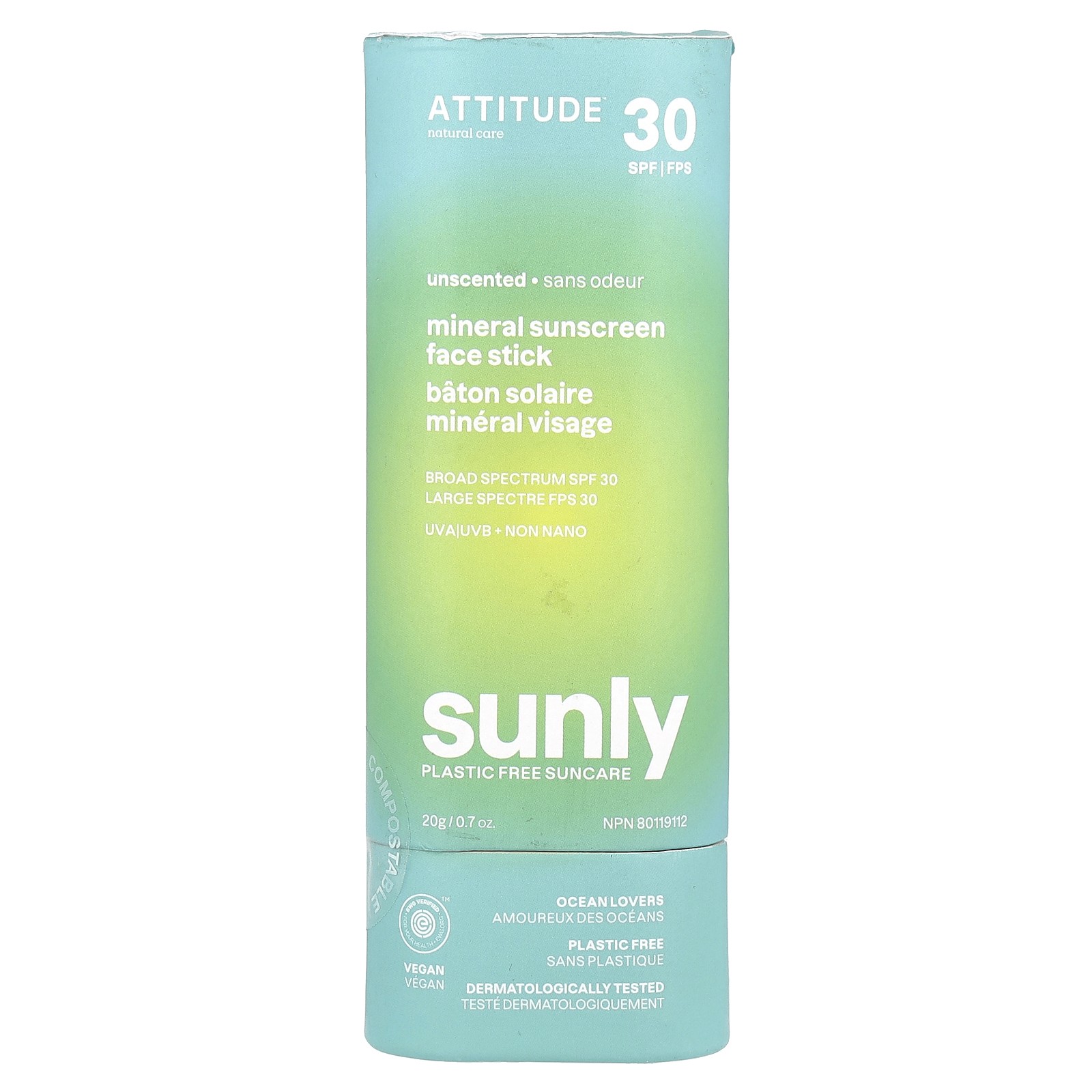 Sunly, Mineral Sunscreen Face Stick, SPF 30, Unscented, 0.7 oz (20 g)$19.99View on eBay
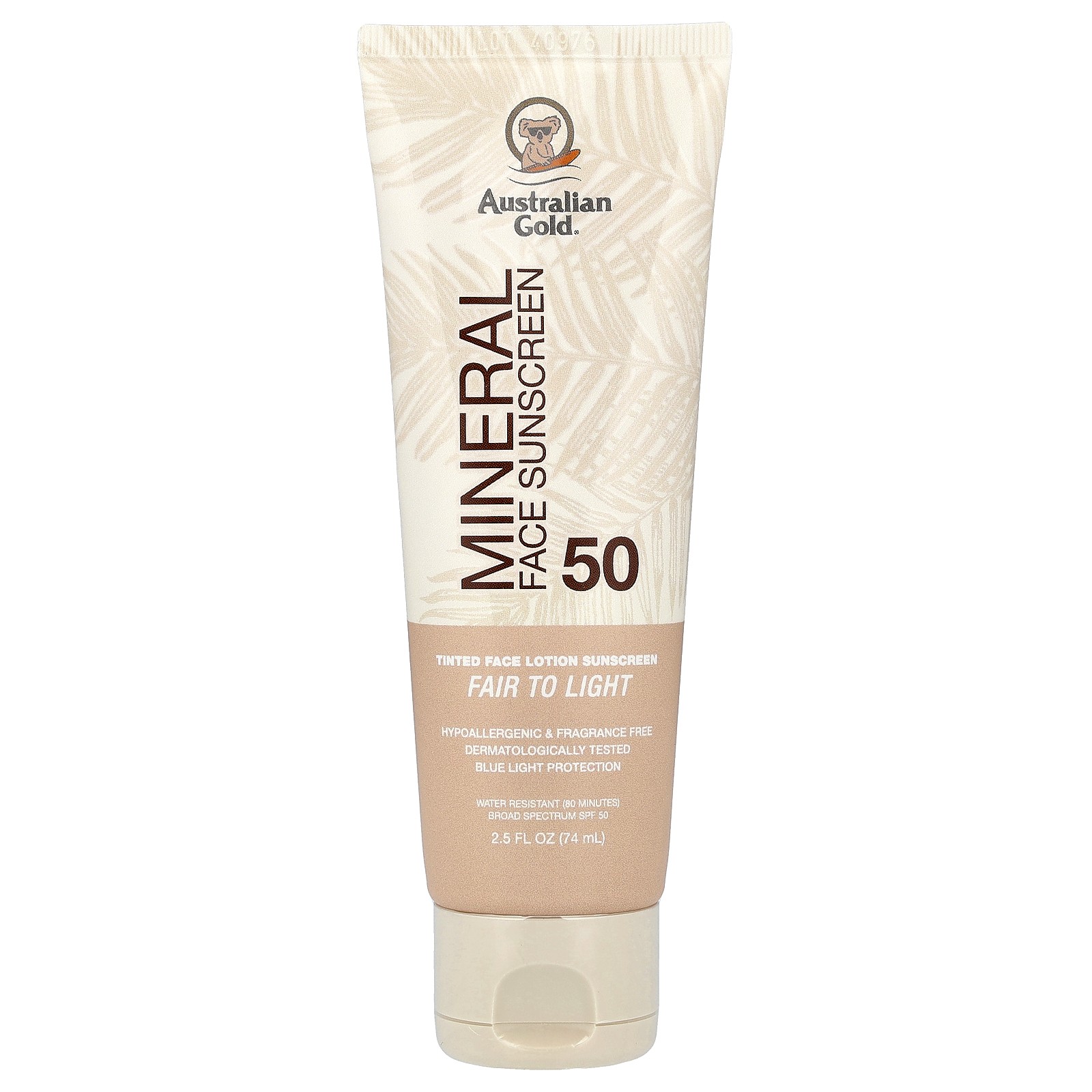 Mineral Tinted Face Lotion Sunscreen, SPF 50, Fair to Light, 2.5 fl oz (74 ml)$20.32View on eBay
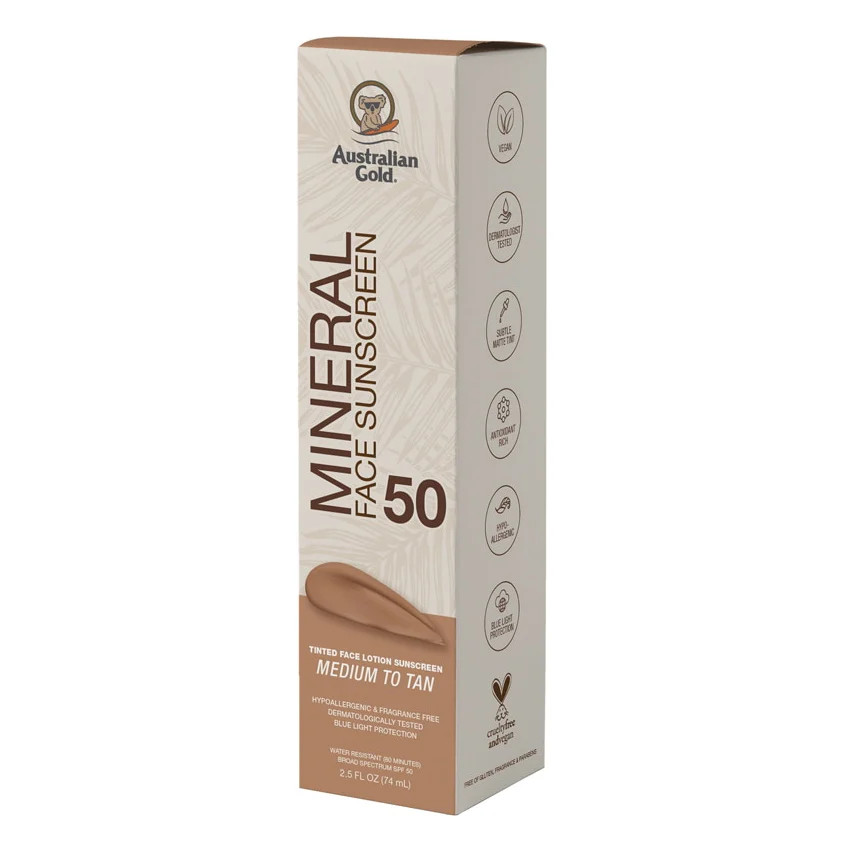 Mineral Tinted Face Lotion Sunscreen, SPF 50, Medium to Tan, 2.5 fl oz (74 ml)$20.32View on eBay
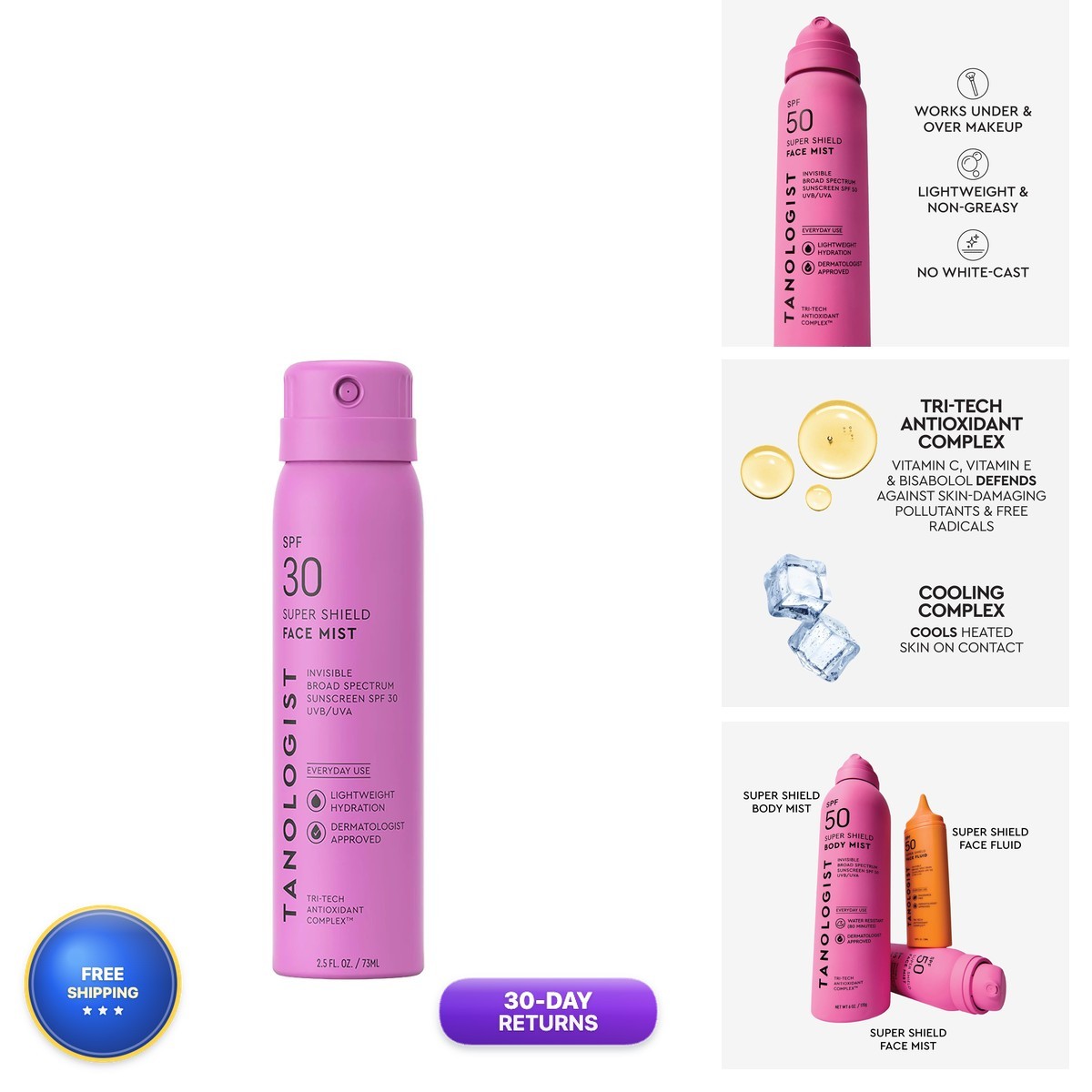 Tanologist SPF 50 Super Shield Face Fluid Sunscreen 1.7 oz Bottle$21.59View on eBay
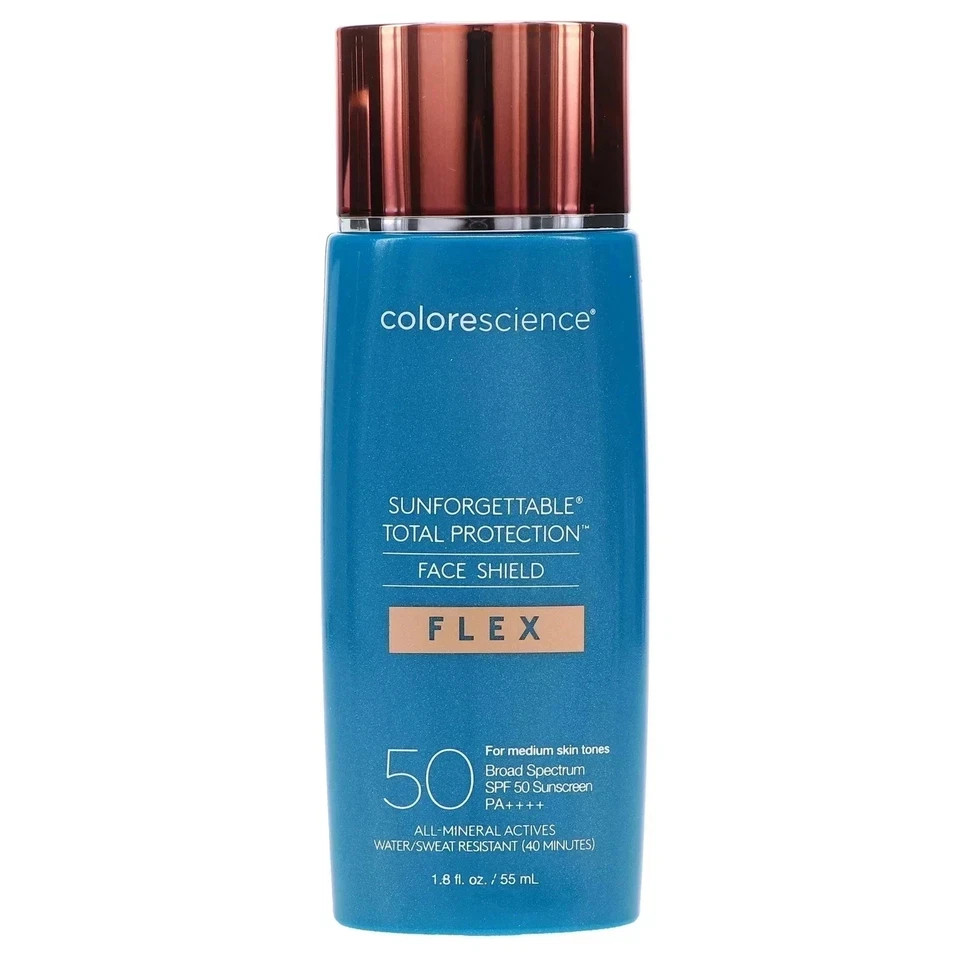 Colorescience Sunforgettable Total Protection Face Shield Flex SPF 50 Medium$23.99View on eBay
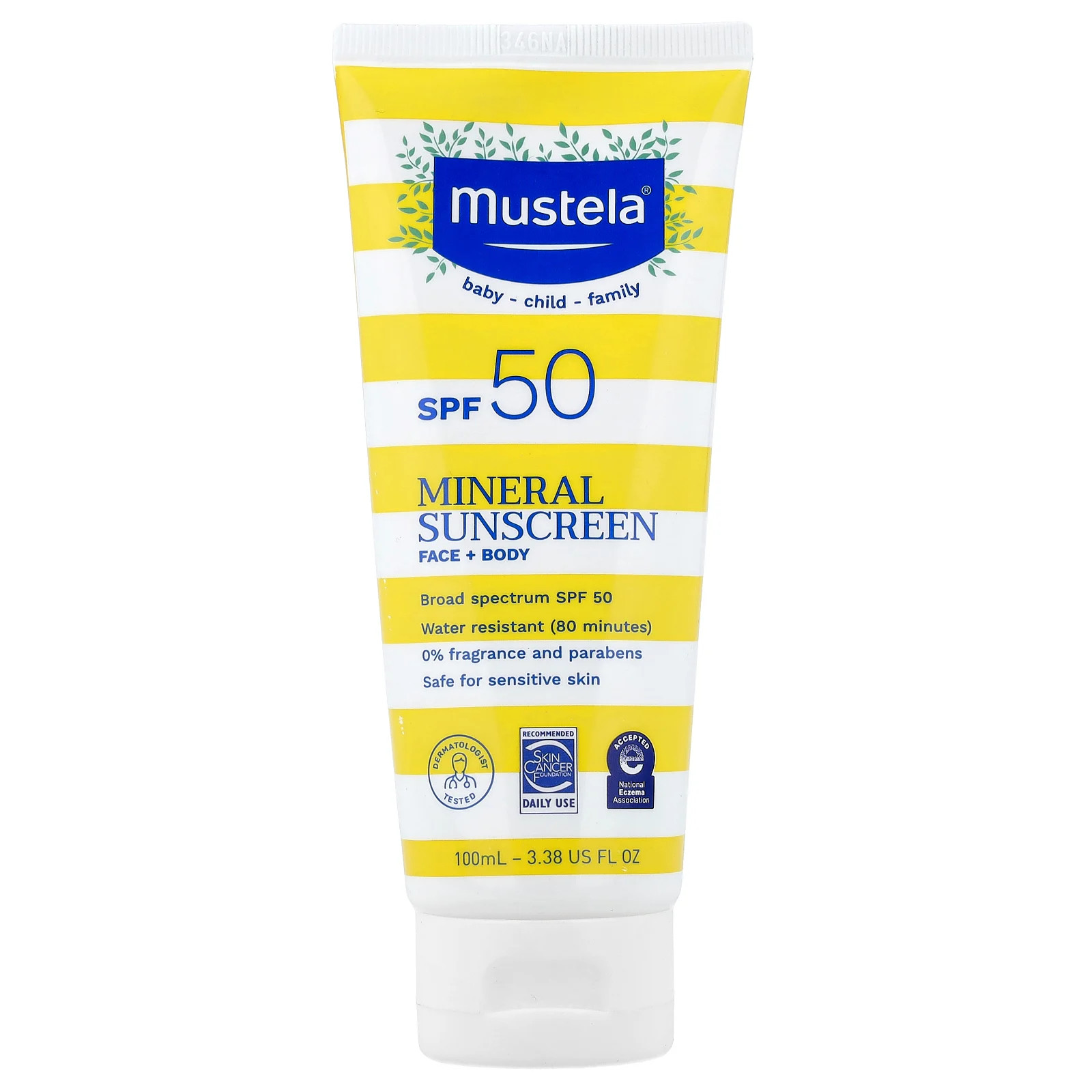 Mineral Sunscreen, Face + Body, SPF 50, 3.38 fl oz (100 ml)$24.58View on eBay
Highlights
- Mineral filters (zinc oxide, titanium dioxide) sit on the skin surface and reflect UV; chemical filters (avobenzone, octinoxate, octocrylene) absorb UV and convert it to heat, requiring 20 minutes to activate.
- SPF 30 blocks about 97% of UVB rays; SPF 50 blocks about 98%—the marginal gain is small, so reapplication every 2 hours matters more than the SPF number.
- Non-nano zinc oxide particles (above 100 nm) are safer for sensitive skin and coral reefs but leave a white cast; nano-sized particles disappear cosmetically but may penetrate compromised skin.
- Facial formulas are typically 1.7–2 fl oz (50–59 ml) versus 6–8 fl oz body sizes; a face-only application uses about 0.04 fl oz (1.2 ml) per use, so a 1.7 fl oz bottle lasts roughly 40 daily applications.
Best use cases
- Best fit for sensitive or reactive skin: pick a fragrance-free, mineral-only SPF 30–50 with non-nano zinc oxide and no alcohol denat; skip chemical-filter lotions with oxybenzone or added fragrance.
- Best fit under makeup: choose a chemical or hybrid fluid SPF 50 with a dry-touch or matte finish and no white cast; apply as the last skincare step and wait 2–3 minutes before foundation.
- Best fit for outdoor sport or extended sun: select a water-resistant SPF 50 (80-minute rating) in a larger 3 fl oz face/body format; skip cosmetic daily moisturizers with SPF 30 for beach or high-altitude use.
- Wrong fit to skip: tinted mineral SPF in deep shades without a matching undertone range, or spray-only face SPF—sprays give uneven coverage and are not recommended for facial application.
Buying tips
- For sensitive skin, scan the inactive list for 'fragrance,' 'essential oils,' and 'alcohol denat.'—any of these raises irritation risk; choose formulas labeled fragrance-free and paraben-free.
- Under makeup, avoid heavy cream or balm textures; pick fluid or gel-lotion textures labeled 'invisible,' 'sheer,' or 'dry-touch' and check that the finish is non-greasy.
- Match SPF to exposure: SPF 30 for incidental daily exposure (commute, office), SPF 50 for outdoor activity over 2 hours; reapply every 2 hours regardless of label.
- Check water resistance: 'water-resistant (40 min)' or 'very water-resistant (80 min)' is required for swimming or heavy sweating; no sunscreen is truly waterproof.
Specs
| Filter Type | Mineral (ZnO/TiO2) vs Chemical vs Hybrid |
|---|---|
| SPF Rating | SPF 30 (daily) / SPF 50 (outdoor) |
| Face Bottle Size | 1.7–2 fl oz (50–59 ml) |
| Water Resistance | 40-min / 80-min rating or none |
Related searches
What to check before buying
- Confirm your skin type: oily/acne-prone skin needs non-comedogenic, oil-free fluid; dry skin benefits from hydrating lotion with glycerin or hyaluronic acid; sensitive skin needs mineral-only, fragrance-free.
- Measure your face application: about 1.2 ml (roughly a nickel-sized amount) covers the face and neck—a 1.7 fl oz bottle gives about 40 uses, so plan repurchase frequency.
- Check compatibility with your makeup routine: silicone-based foundations can pill over thick mineral creams; choose a fluid SPF and allow 2–3 minutes to set before applying base.
- Verify UV filter regulations in your region: oxybenzone is restricted in Hawaii and some markets; mineral filters are universally accepted for reef-safe claims.
FAQ
Data sources: eBay / Amazon listings and product attribute feeds Data updated Nov 15, 2026.
Some links on this page are affiliate links. If you buy after clicking one, we may earn a commission at no extra cost to you. This does not change which products appear here or their order. Affiliate disclosure.