Photos from current listings. Actual item, color, and included accessories may vary.
Face Cream With Spf Buying Guide
A face cream with SPF combines daily moisturizing with UV protection, so the core trade-off is between a lightweight, non-greasy finish and broad-spectrum coverage that actually lasts. The decisive rule: choose a formula with labeled SPF 30+ and PA+++ or higher, a clear UV filter architecture (mineral or modern chemical), and a texture matched to your skin type; anything below SPF 30 or without UVA rating is a compromise.

At a glance
- Category
- Sun Care
- Data updated
- Nov 15, 2026
Current offers
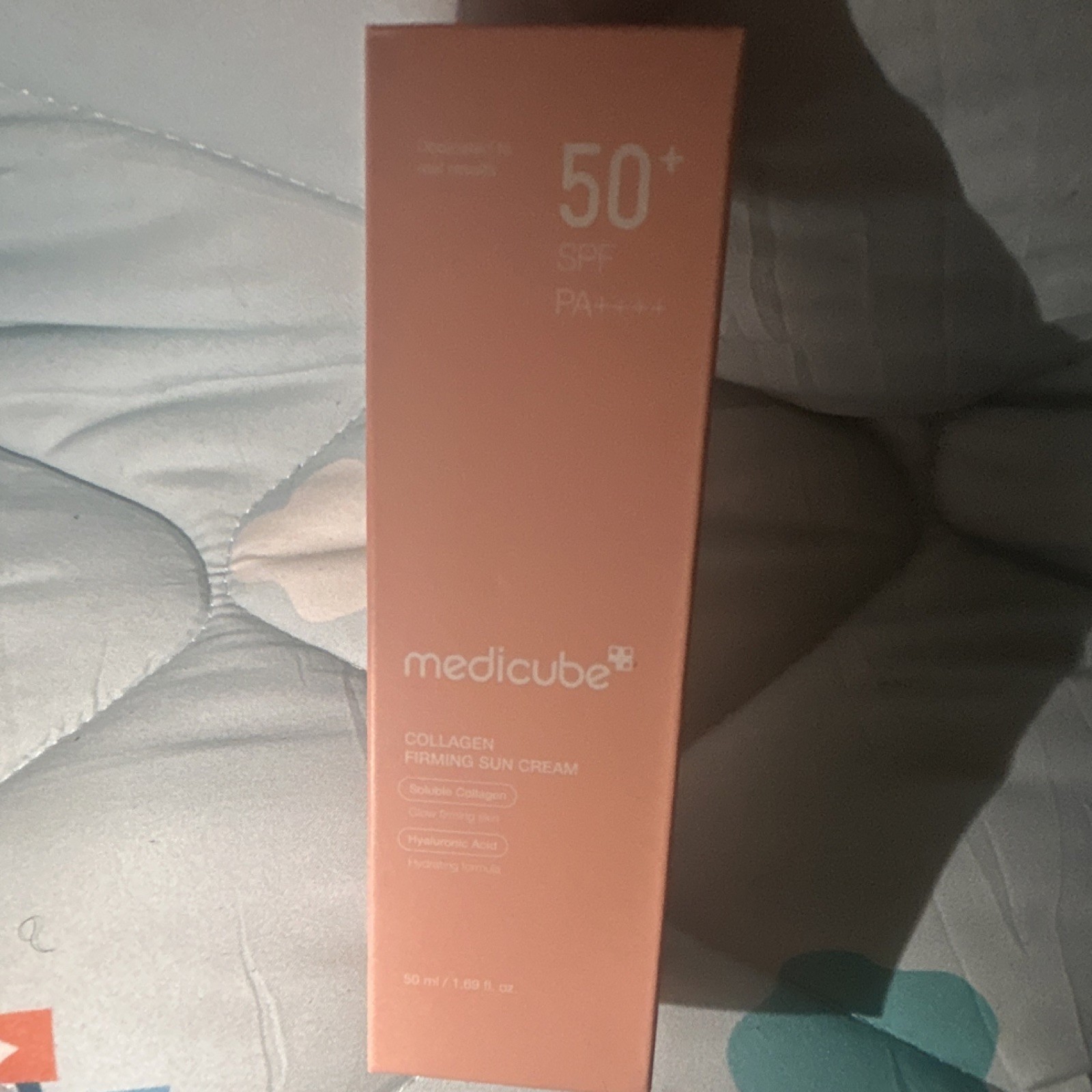 medicube Collagen Firming Sun Cream SPF50+ PA++++ Face, Collagen/HA 50ml$15.79
 View on eBay
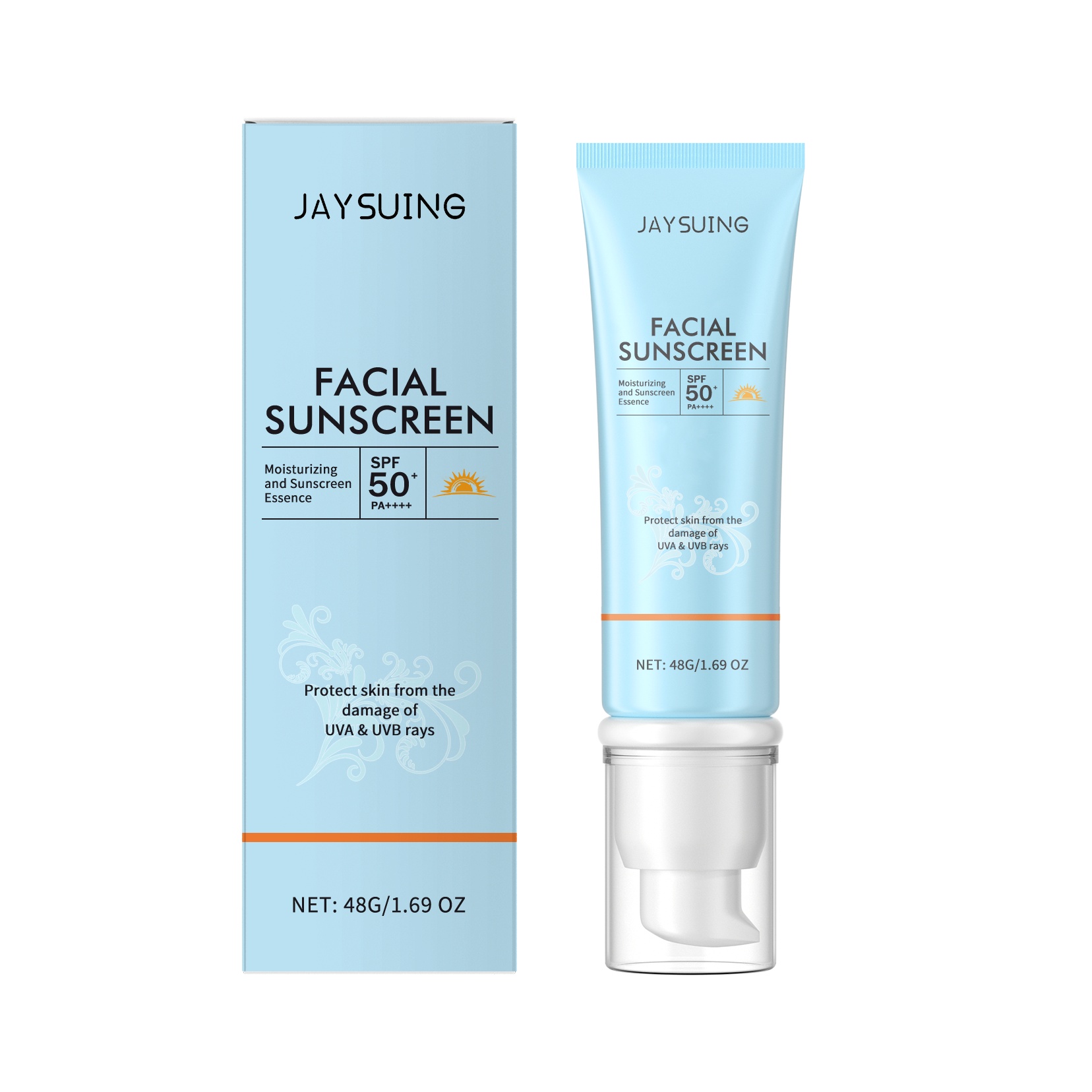 Refreshing Face Protection Cream, 48g, Facial Sunscreen for All Skin Types$21.99
 View on Mallflare
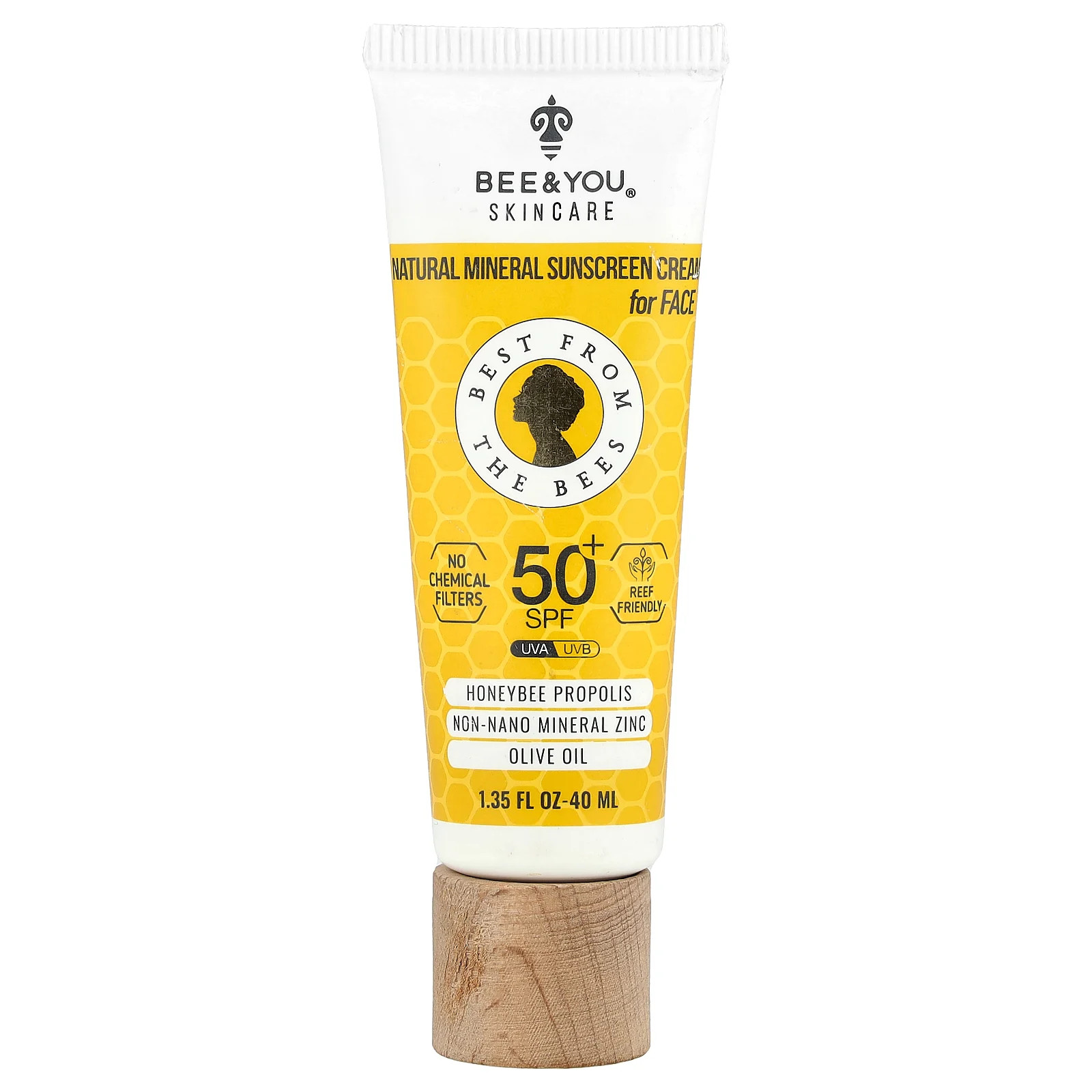 Natural Mineral Sunscreen Cream, For Face, 50+ SPF, 1.35 fl oz (40 ml)$18.06View on eBay
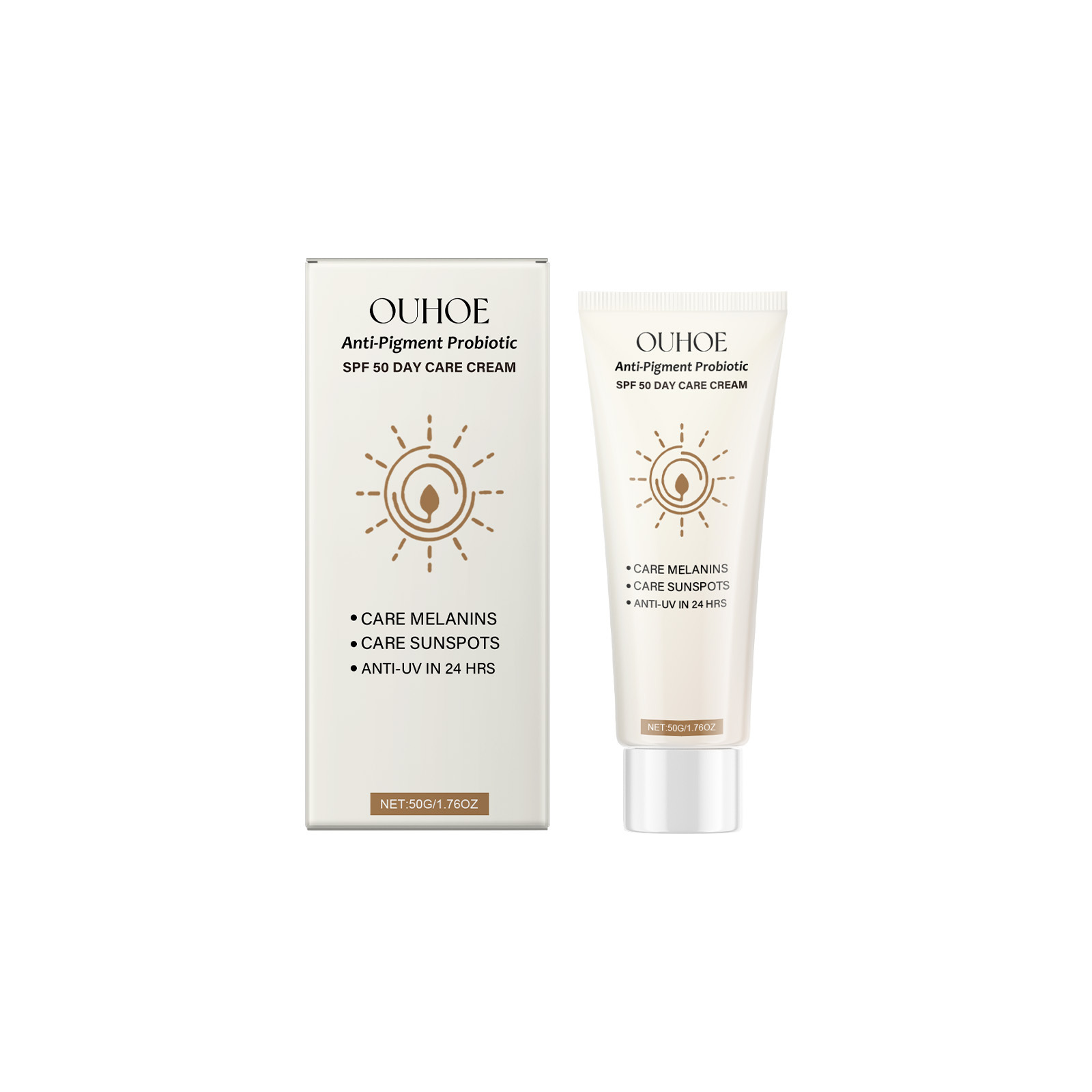 Protective Moisturizing Cream, 50g, Body Protection, Face for All Skin Types$21.99View on Mallflare
Highlights
- SPF 50+ PA++++ is the current high-protection benchmark in K-beauty and global sunscreens, blocking roughly 98% of UVB and offering strong UVA defense.
- Mineral formulas use zinc oxide or titanium dioxide and suit sensitive skin; chemical formulas use filters like avobenzone, octocrylene, or newer agents for lighter texture.
- Modern chemical filters (Tinosorb, Uvinul) deliver broad-spectrum UVA/UVB without the white cast and heaviness of older mineral-only creams.
- Moisturizing SPF creams typically carry 40–50 ml and pair humectants like hyaluronic acid or collagen with UV filters for combined daily hydration and protection.
Best use cases
- Best fit: daily office or commute use under makeup — pick a lightweight chemical SPF 50+ PA++++ cream in 50 ml with a matte or satin finish; skip heavy mineral balms.
- Best fit: sensitive or reactive skin — choose a mineral zinc oxide SPF 50 cream with no fragrance; skip chemical filter blends if you react to avobenzone or oxybenzone.
- Best fit: dry skin or cold climates — select a moisturizing SPF cream with collagen or hyaluronic acid and a cream texture; skip gel or water-based sunscreens that leave tightness.
- Best fit: oily or acne-prone skin — use an oil-free, non-comedogenic chemical SPF 50+ fluid; skip rich body-oriented protective creams that pill and clog pores.
Buying tips
- Look for SPF 30 minimum for daily wear, but SPF 50+ PA++++ is the reliable tier for real sun exposure and prevents most pigmentation.
- For face use, choose 40–50 ml packaging — larger body sunscreens are often thicker and not formulated for facial pores or makeup layering.
- Mineral sunscreens need zinc oxide 10–20% for SPF 30+; below that, protection is insufficient unless boosted by chemical filters.
- Check for broad-spectrum or PA++++ labeling — UVA protection matters more than SPF alone for aging and dark spots.
Specs
| UV Filter Type | Mineral (ZnO/TiO2) vs Chemical |
|---|---|
| SPF / UVA Rating | SPF 30–50+ / PA+++ to PA++++ |
| Face Cream Size | 40–50 ml (1.35–1.7 fl oz) |
| Skin Type Fit | Dry / Oily / Sensitive / All |
Related searches
What to check before buying
- Confirm your skin type: dry skin needs cream or balm textures; oily skin needs gel, fluid, or lotion SPF formulas.
- Check the UV filter list for allergens — avoid oxybenzone or fragrances if you have reactive or eczema-prone skin.
- For makeup wearers, test whether the cream pills under foundation; lighter chemical fluids layer best.
- Verify the size suits face use (40–50 ml) and that the tube or pump dispenses hygienically for daily application.
FAQ
Data sources: eBay / Amazon listings and product attribute feeds Data updated Nov 15, 2026.
Some links on this page are affiliate links. If you buy after clicking one, we may earn a commission at no extra cost to you. This does not change which products appear here or their order. Affiliate disclosure.