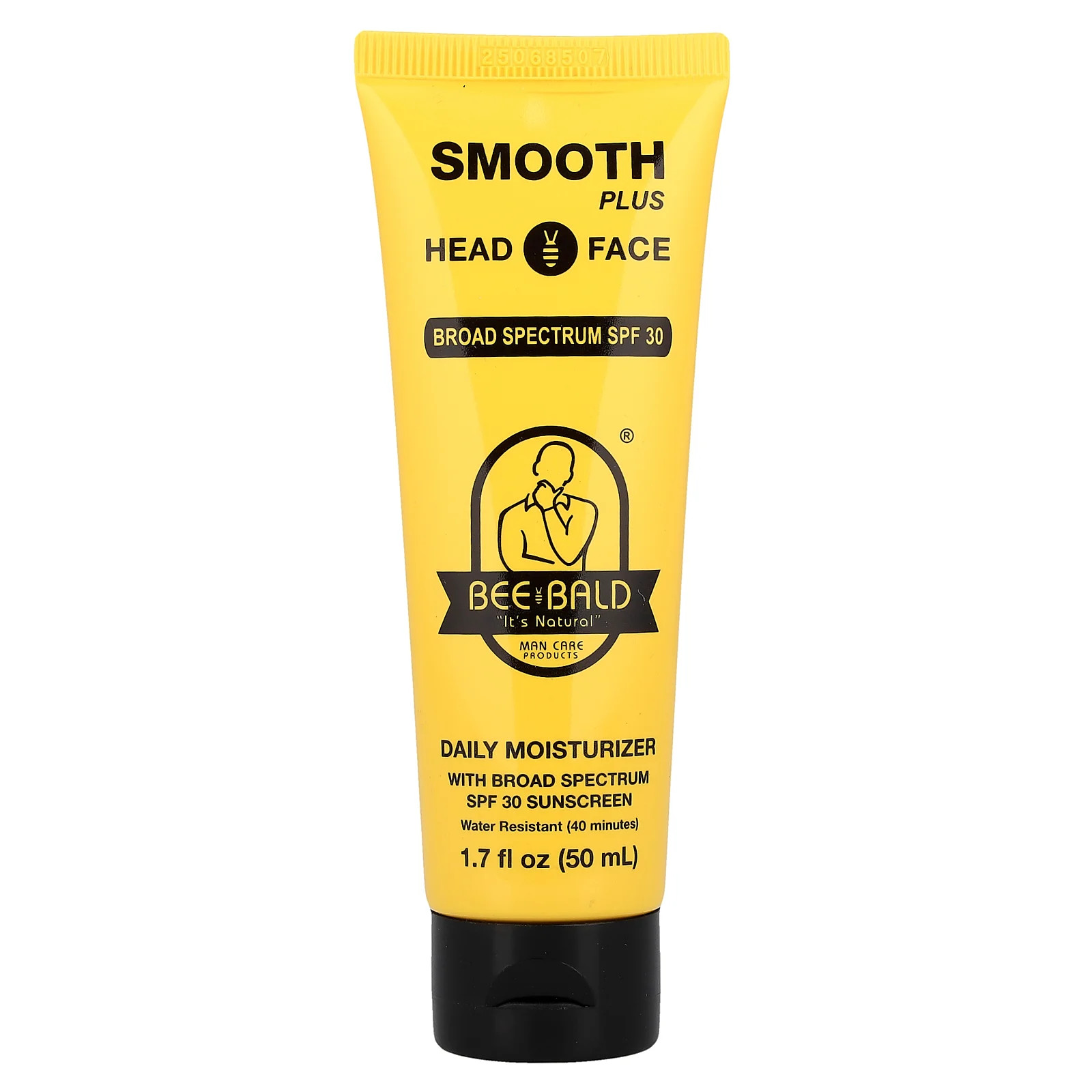

Photos from current listings. Actual item, color, and included accessories may vary.
Spf Moisturizer Buying Guide
SPF moisturizer combines daily hydration with broad-spectrum UV protection in one step, but the core trade-off is formulation elegance versus certified protection: mineral (zinc oxide/titanium dioxide) filters offer gentler, reef-safe coverage with potential white cast, while chemical filters deliver invisible finish but may irritate sensitive skin. The clear decision rule: choose a product labeled broad-spectrum SPF 30 or higher with a verified PA rating for daily use, and treat any moisturizer without a drug-facts panel or PA grade as a compromise, not sun protection.


At a glance
- Category
- Sun Care
- Data updated
- Nov 15, 2026
Current offers
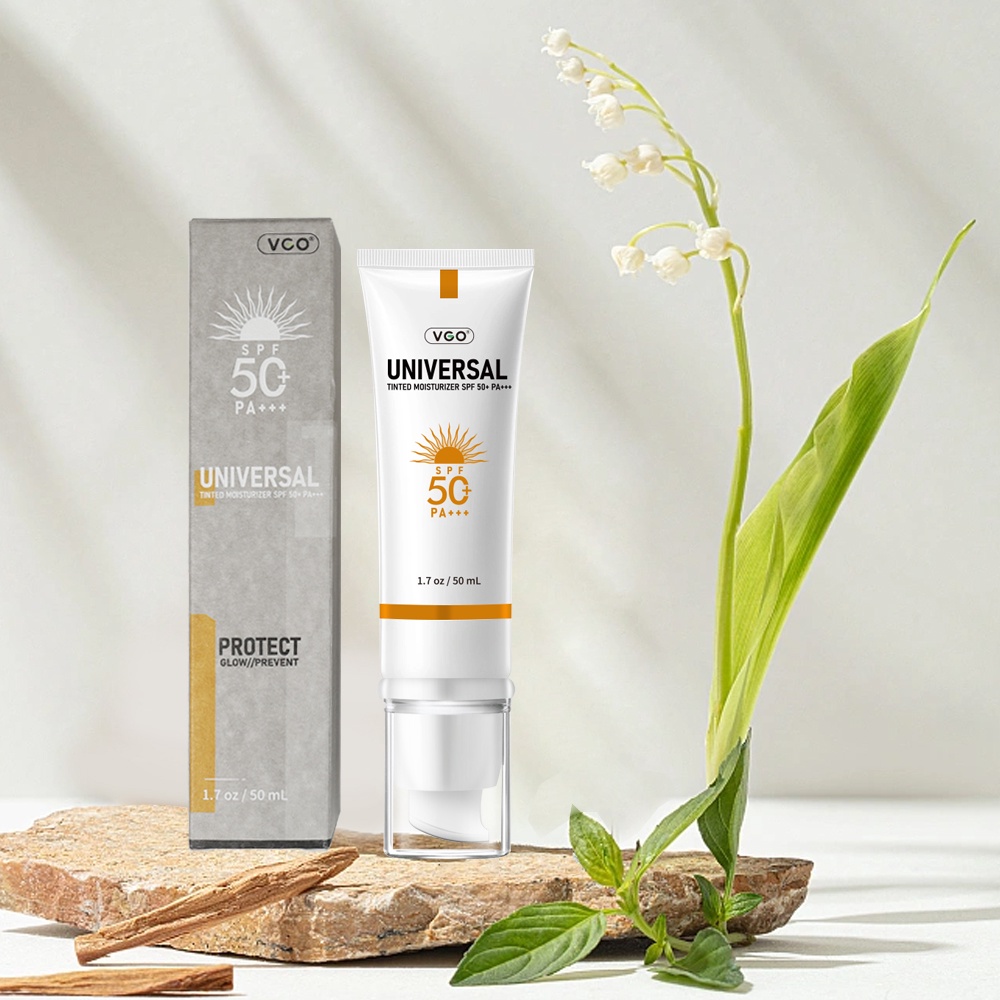
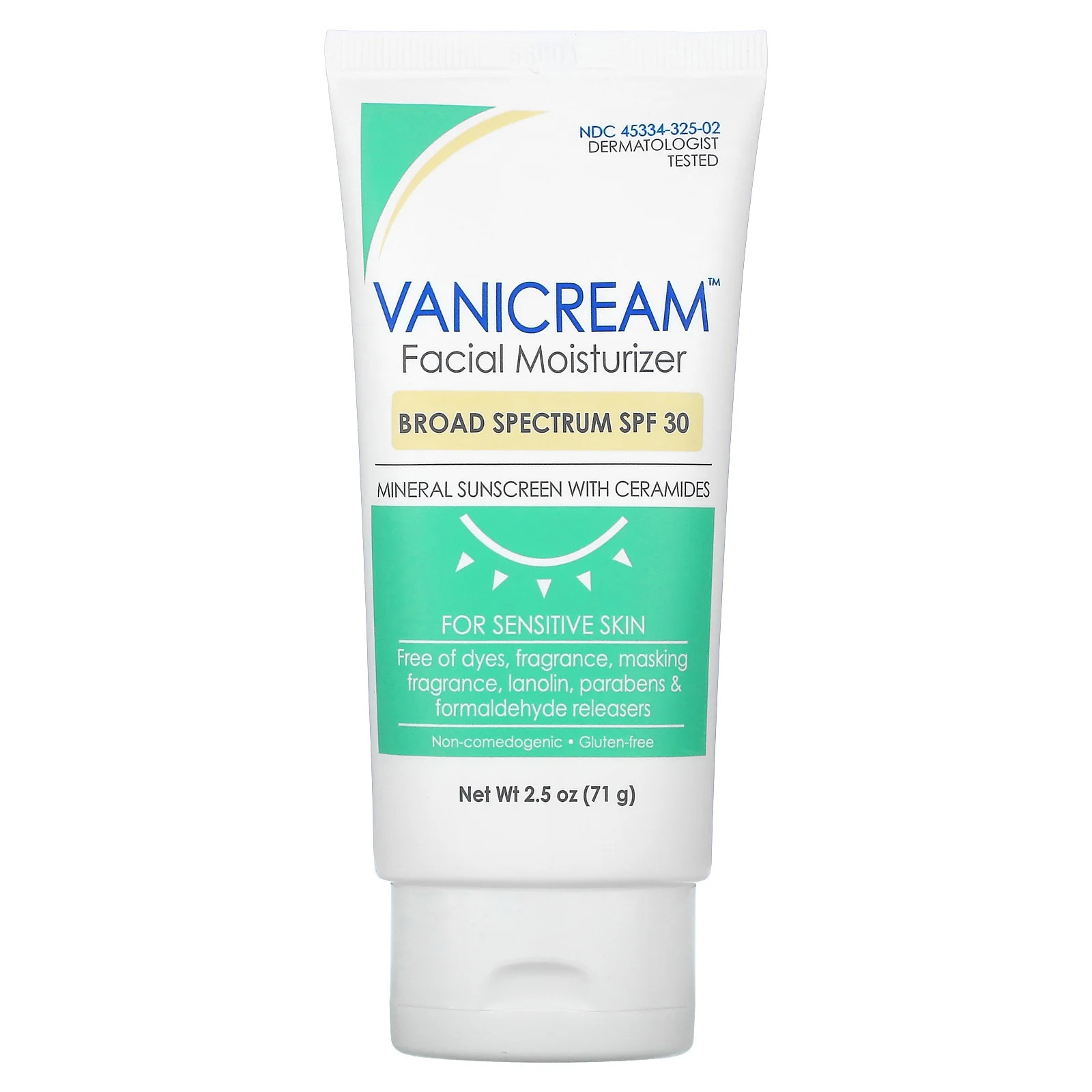
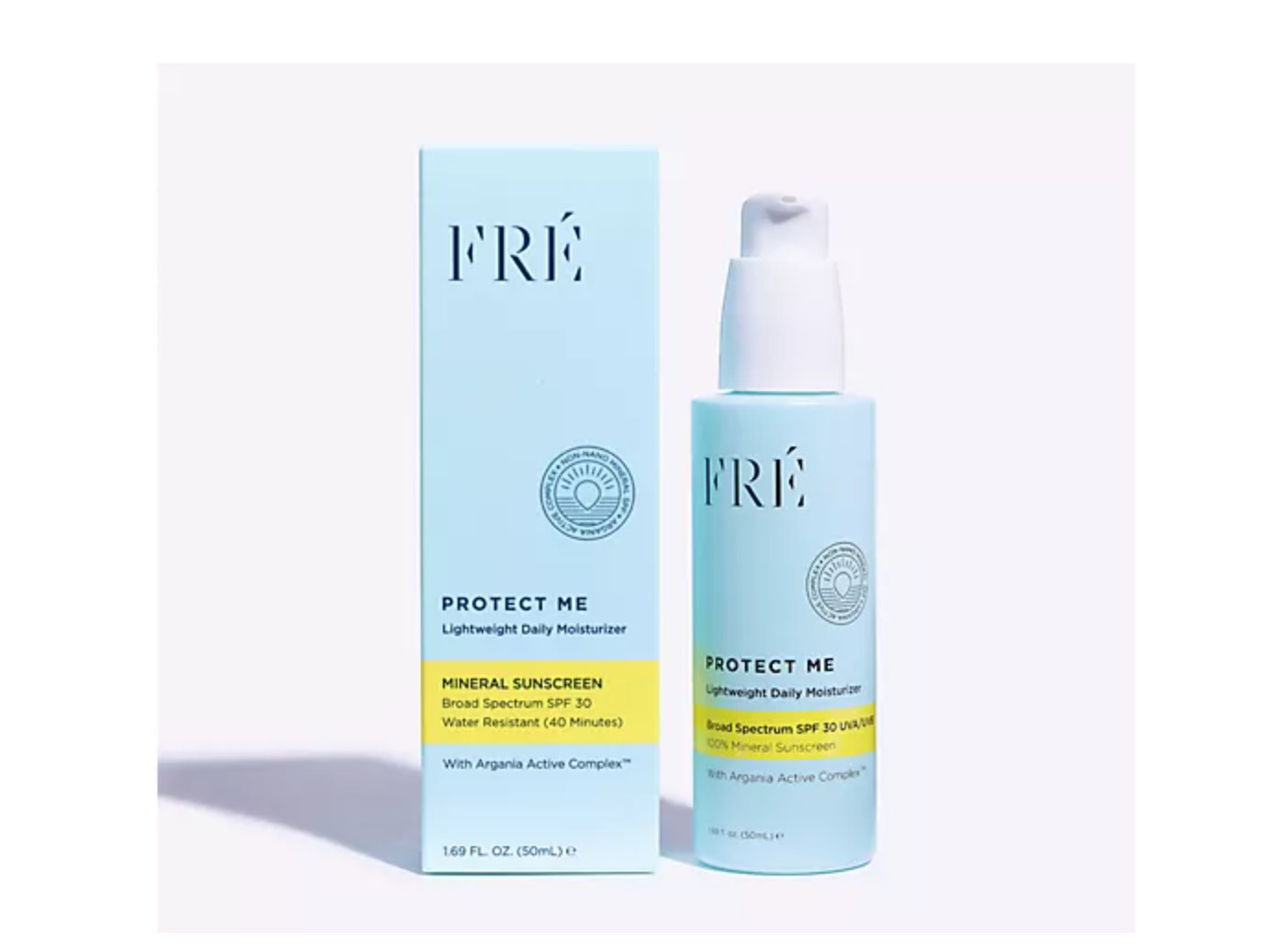
Highlights
- Broad-spectrum SPF 30 blocks ~97% of UVB; SPF 50 blocks ~98%, so SPF 30 is the evidence-backed daily minimum, not a marketing ceiling.
- Mineral filters (zinc oxide, titanium dioxide) sit on the skin surface and are photostable; chemical filters (avobenzone, octinoxate) absorb UV but degrade faster and require stabilizers.
- PA rating (PA+ to PA++++) measures UVA protection; for daily anti-aging and pigmentation defense, PA+++ or PA++++ is the meaningful threshold.
- Water resistance is rated 40 or 80 minutes per FDA testing; no moisturizer retains full SPF after sweat, swimming, or towel drying without reapplication.
Best use cases
- Best fit: oily or acne-prone skin — pick a gel-cream chemical-filter SPF 30-50 with non-comedogenic labeling and PA+++ or higher; skip heavy mineral creams that can pill under makeup.
- Best fit: sensitive or reactive skin — choose a mineral SPF 30+ with ceramides or niacinamide and no fragrance; skip chemical-filter products containing oxybenzone or high alcohol content.
- Best fit: daily office/commute use — an SPF 30 moisturizer with PA+++ is sufficient; skip SPF 50+ water-resistant sport formulas that feel greasy for indoor all-day wear.
- Wrong fit: extended outdoor sun or swimming — a moisturizer alone is insufficient; use a dedicated water-resistant SPF 50 sunscreen and reapply every 2 hours.
Buying tips
- Verify the drug-facts panel: a legitimate SPF moisturizer carries an active-ingredient list and 'Broad Spectrum' statement; a cosmetic moisturizer with 'SPF' in the name but no panel is unregulated sun protection.
- Match filter type to skin: mineral formulas with zinc oxide above 10% give reliable UVA coverage but leave white cast on medium-to-deep skin tones; tinted mineral versions offset this.
- For under-makeup wear, choose a chemical-filter SPF 30-50 labeled non-comedogenic and oil-free; mineral creams with dimethicone can ball up under silicone primers.
- Reapplication math: two finger-lengths (~1/4 teaspoon) covers the face and neck; a 1.7 fl oz (50 ml) bottle lasts roughly 30-40 full-face applications, so daily use depletes it in about 6 weeks.
Specs
| Filter Type | Mineral (ZnO/TiO2) vs Chemical |
|---|---|
| SPF Rating | SPF 30 daily min / SPF 50 outdoor |
| UVA Rating | PA+++ to PA++++ |
| Water Resistance | 40 or 80 min (FDA tested) |
Related searches
What to check before buying
- Confirm the product carries a PA rating (PA+++ or PA++++ preferred) in addition to SPF; SPF alone does not quantify UVA defense.
- Check the active ingredients list: mineral = zinc oxide/titanium dioxide; chemical = avobenzone, octocrylene, octinoxate, bemotrizinol.
- For sensitive skin, scan for fragrance, essential oils, and alcohol denat near the top of the ingredient list and skip those formulas.
- If wearing under makeup, test texture: gel or fluid lotions absorb in 2-3 minutes; thick mineral creams need 5+ minutes and may pill.
FAQ
Data sources: eBay / Amazon listings and product attribute feeds Data updated Nov 15, 2026.
Some links on this page are affiliate links. If you buy after clicking one, we may earn a commission at no extra cost to you. This does not change which products appear here or their order. Affiliate disclosure.