Photos from current listings. Actual item, color, and included accessories may vary.
Daily Spf Buying Guide
Daily SPF is a facial sunscreen formulated for everyday wear under makeup or alone, where the core trade-off is mineral (zinc oxide/titanium dioxide) physical protection versus chemical filter elegance and finish. The decisive rule: choose a broad-spectrum SPF 30–50 with a finish and filter system that matches your skin type and reapplication habits, not the highest SPF number.


At a glance
- Category
- Sun Care
- Data updated
- Nov 15, 2026
Current offers
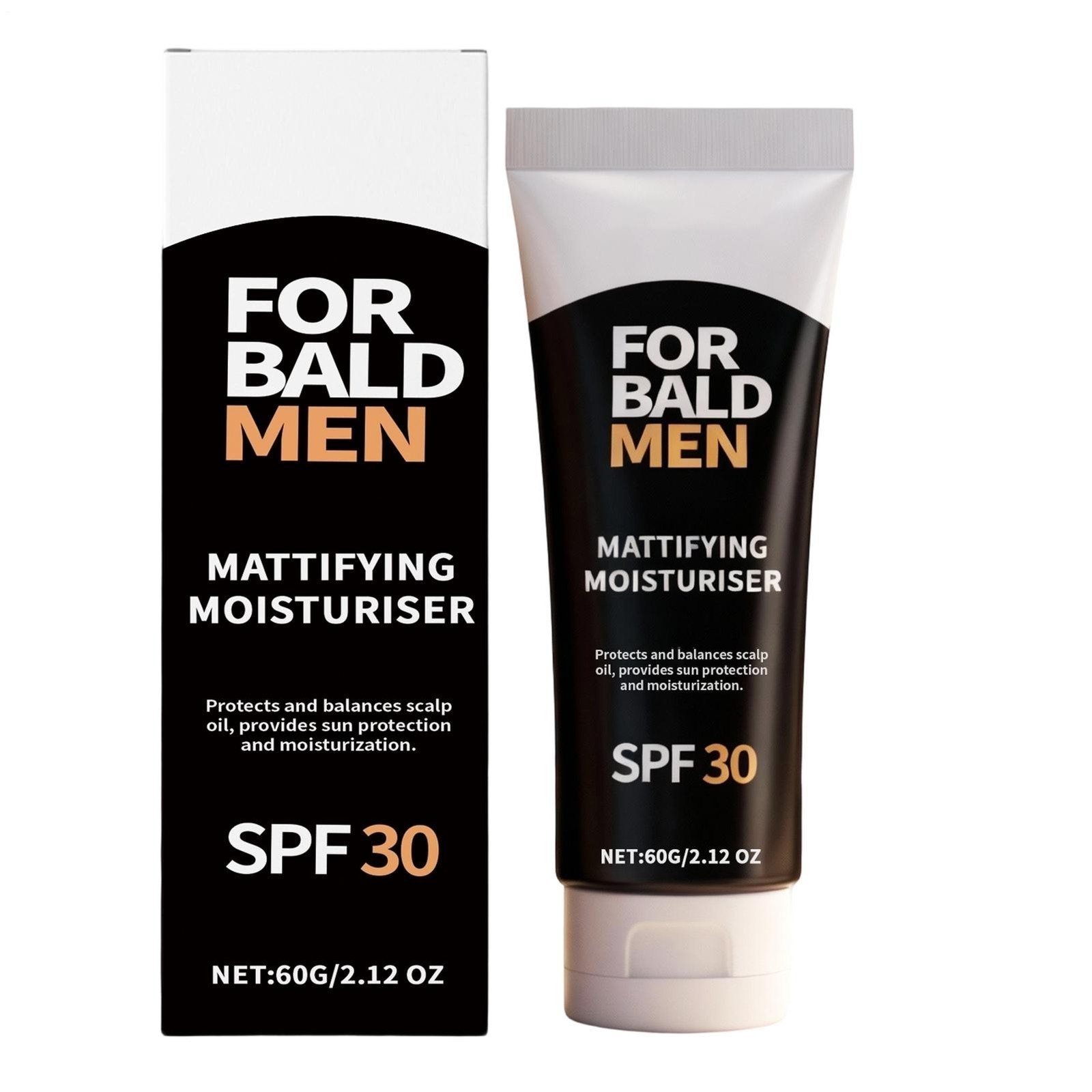 Daily SPF 30 for Bald Men –Mattifying Gel Moisturiser with UVA/UVB Protection Us$18.99
 View on eBay
- Daily SPF 30 for Bald Men–Mattifying Gel Moisturiser with UVA/UVB Protection US.$18.99View on eBay
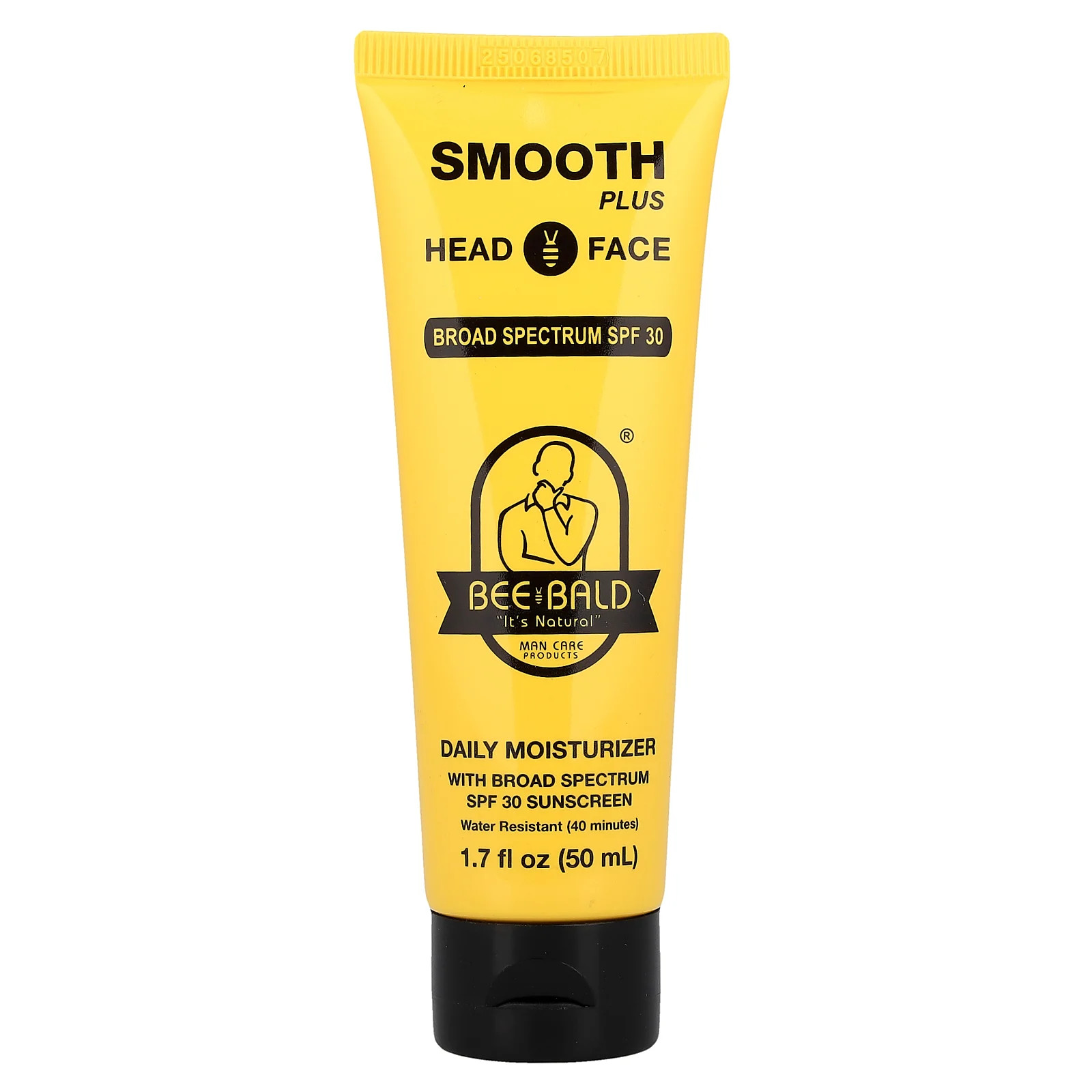 Smooth Plus Head & Face, Daily Moisturizer, SPF 30, 1.7 fl oz (50 ml)$11.49View on eBay
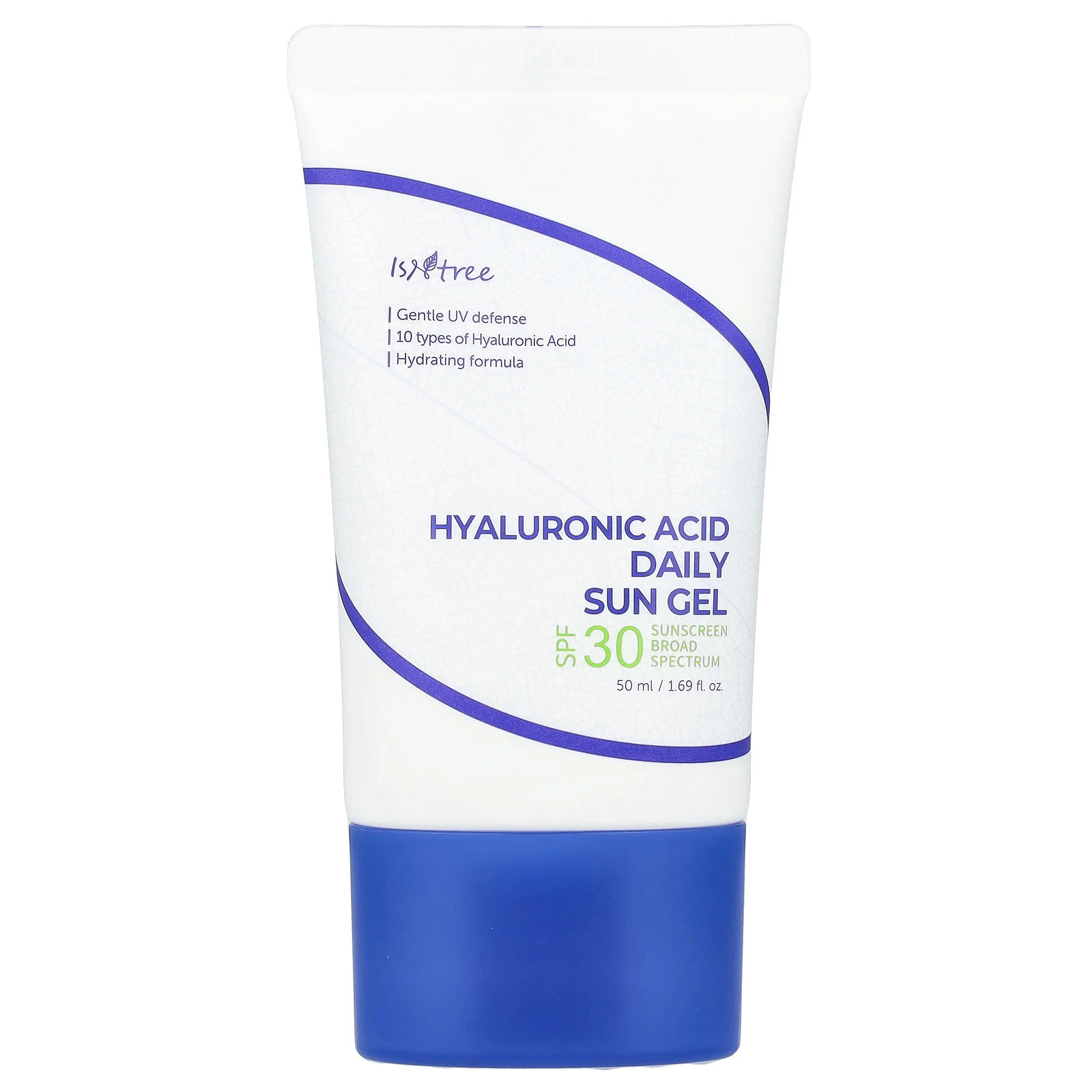 Hyaluronic Acid Daily Sun Gel, SPF 30, 1.69 fl oz (50 ml)$17.29View on eBay
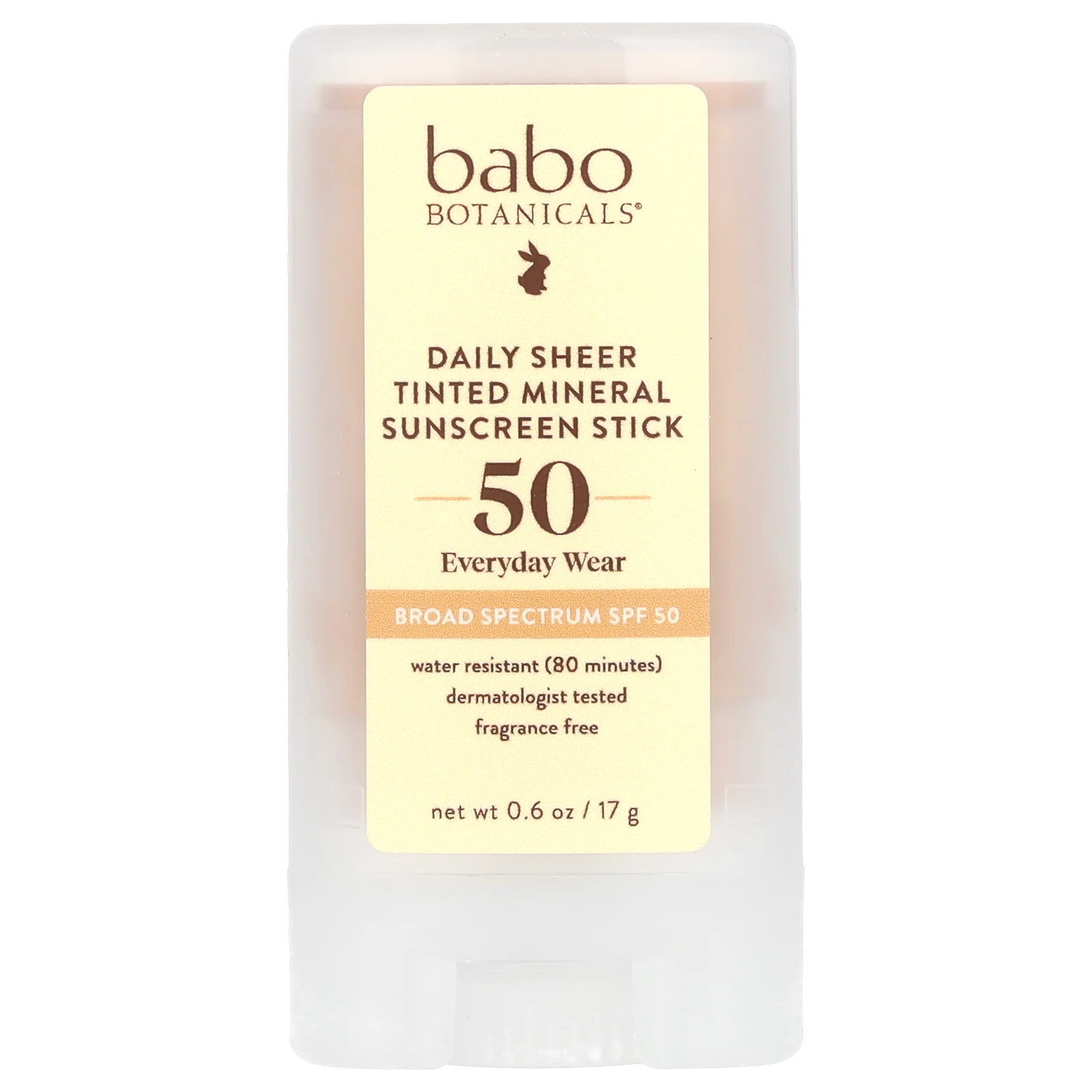 Daily Sheer Tinted Mineral Sunscreen Stick, SPF 50, Fragrance Free, 0.6 oz (17$18.33View on eBay
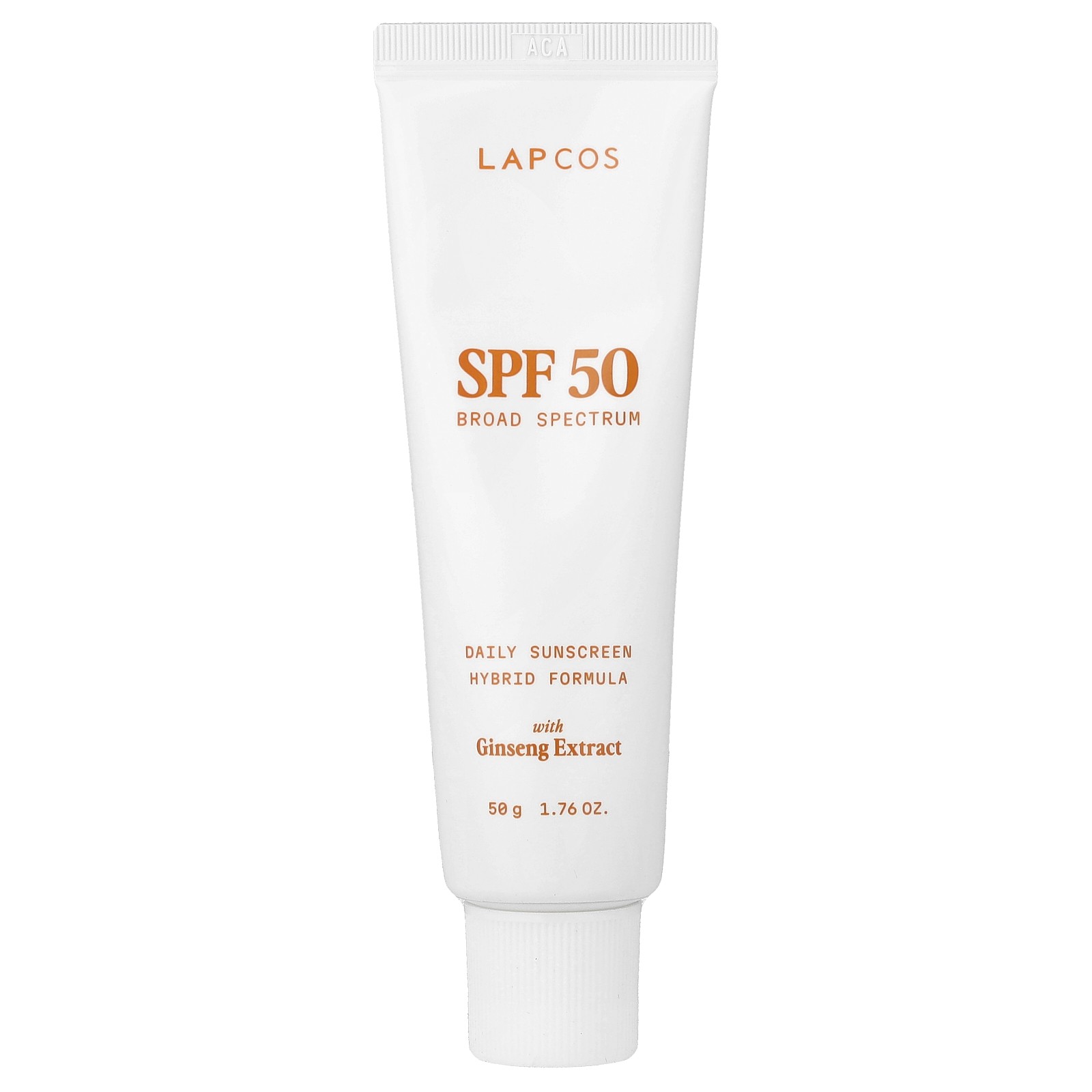 Daily Sunscreen Hybrid Formula, SPF 50, 1.76 oz (50 g)$23.54View on eBay
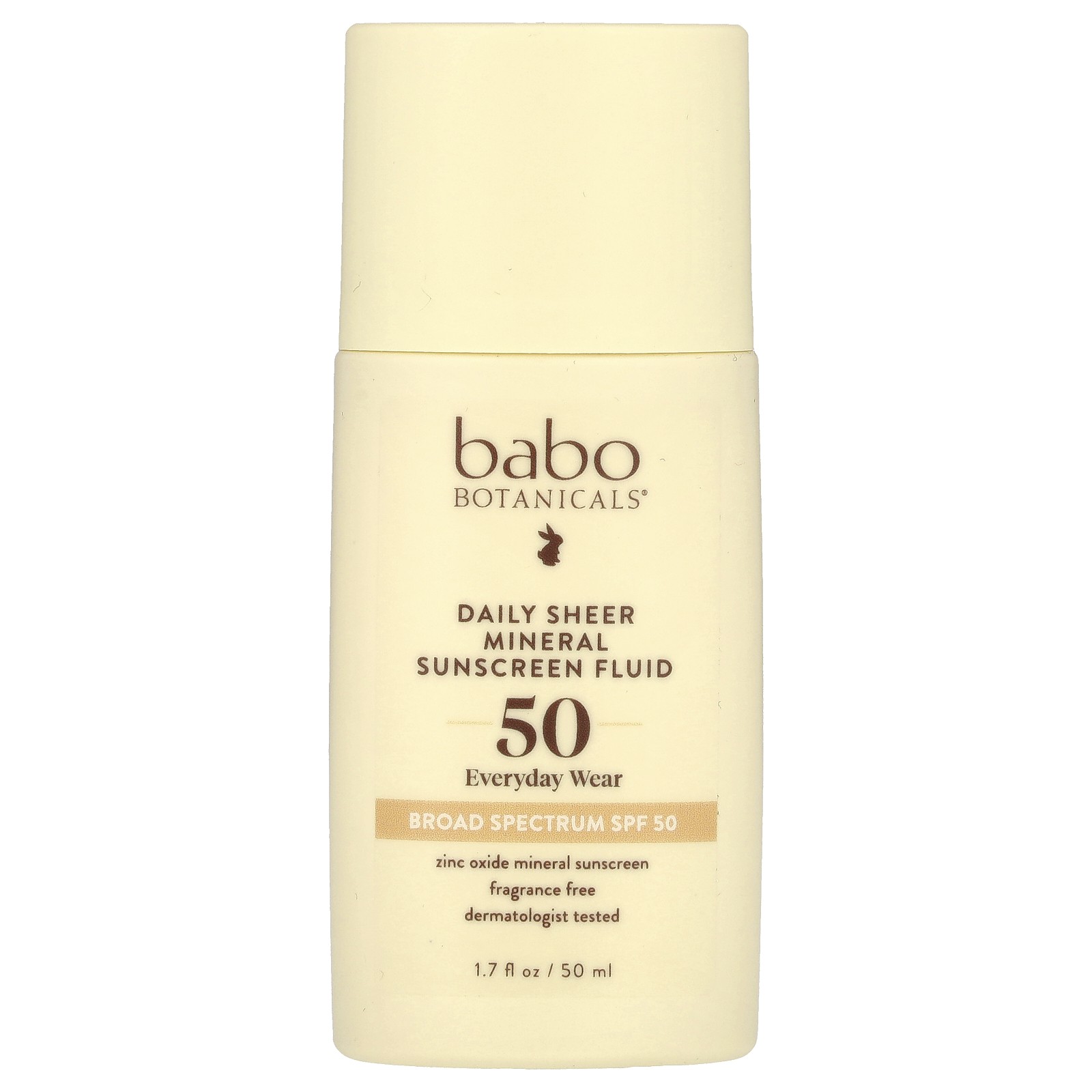 Daily Sheer Mineral Sunscreen Fluid, SPF 50, Fragrance Free, 1.7 fl oz (50 ml)$26.25View on eBay
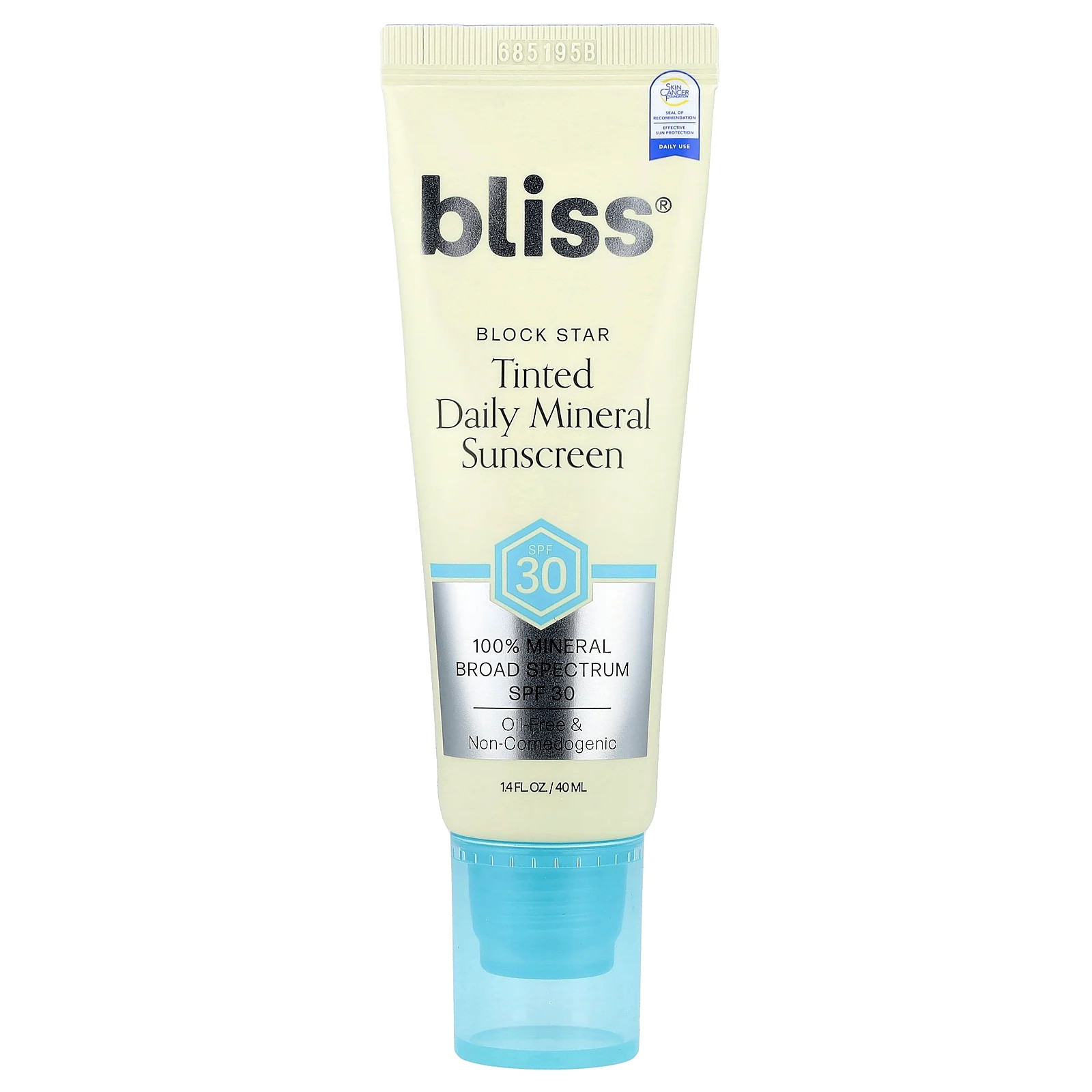 Block Star, Tinted Daily Mineral Sunscreen, SPF 30, 1.4 fl oz (40 ml)$40.66View on eBay
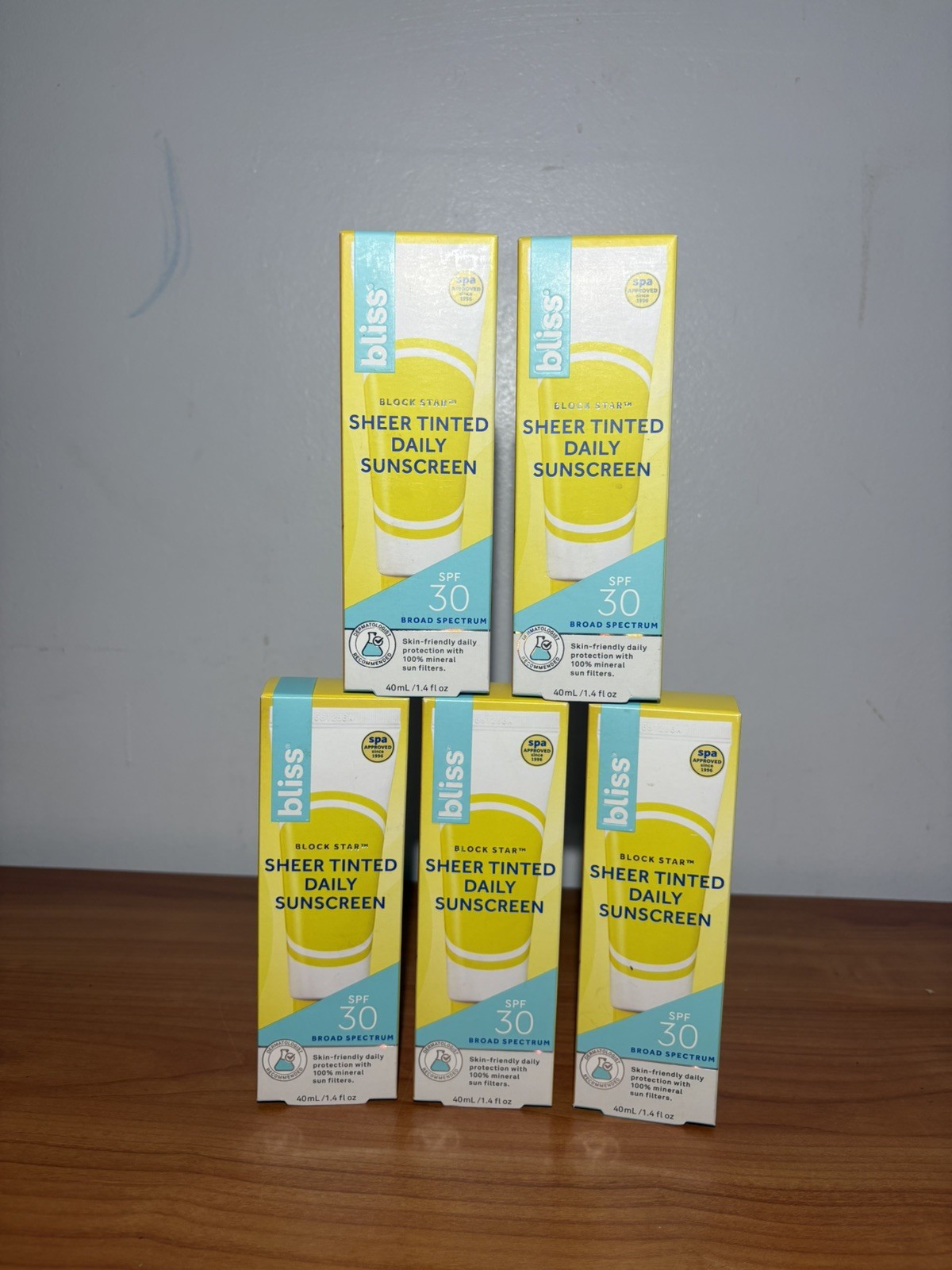 5 PACK Block Star, Tinted Daily Mineral Sunscreen, SPF 30, 1.4 fl oz EXP 6/27$59.95View on eBay
Highlights
- Broad-spectrum labeling (UVA + UVB) is the primary performance marker; SPF alone measures UVB burn protection, while UVA-PF or PA++++ ratings indicate aging and pigmentation defense.
- Mineral filters (zinc oxide, titanium dioxide) sit on the skin surface and suit sensitive or reactive skin; chemical filters (avobenzone, octinoxate, newer filters like Tinosorb) absorb UV and deliver thinner, invisible finishes.
- SPF 30 blocks roughly 97% of UVB rays and SPF 50 roughly 98%, so the marginal gain above SPF 50 is minimal; formulation elegance and reapplication frequency matter more than the number.
- Water resistance is rated in 40- or 80-minute intervals; daily-use formulas typically skip water resistance for texture, while hybrid or sport formulas add film-formers that can feel heavier.
Best use cases
- Best fit: oily or acne-prone skin — pick a gel, fluid, or mattifying hybrid with SPF 30–50 and non-comedogenic labeling; skip heavy mineral creams that can pill or feel occlusive.
- Best fit: dry or mature skin — choose a moisturizing mineral or hybrid formula with hyaluronic acid or glycerin; skip alcohol-heavy gels that can sting or flake under makeup.
- Best fit: sensitive or post-procedure skin — select fragrance-free mineral SPF 30–50 with zinc oxide as the primary filter; skip chemical formulas with oxybenzone or added fragrance.
- Wrong fit: extended outdoor exposure or swimming — daily SPF textures are not water-resistant; use a dedicated sport or water-resistant SPF 50 instead.
Buying tips
- Match filter type to skin: mineral (zinc/titanium) for reactive skin, chemical or hybrid for invisible finish and easier layering under makeup.
- Choose SPF 30 for incidental daily exposure and SPF 50 for high-UV climates or prolonged outdoor time; above SPF 50 the added protection is marginal.
- Check the ingredient list for niacinamide, hyaluronic acid, or antioxidants if you want skincare benefits; fragrance-free labeling is the safest bet for facial use.
- Prefer a consistency that matches your routine: fluid or gel for oily skin, cream or lotion for dry skin, stick for targeted reapplication over makeup.
Specs
| Filter Type | Mineral vs Chemical vs Hybrid |
|---|---|
| SPF Rating | SPF 30 / 50 / 50+ (broad-spectrum) |
| UVA Protection | PA++++ or UVA-PF rated |
| Finish / Texture | Gel, fluid, cream, stick, tinted |
Related searches
What to check before buying
- Confirm your skin type (oily, dry, sensitive, combination) before selecting mineral versus chemical and gel versus cream texture.
- Verify broad-spectrum UVA/UVB labeling and the SPF number on the package; PA++++ or UVA-PF ratings add clarity for UVA protection.
- Check product size against your usage rate: 1.7 fl oz (50 ml) lasts about 4–6 weeks with daily full-face application at the standard 2 mg/cm² dose.
- For makeup wearers, test whether the formula layers without pilling; fluid and gel textures generally sit better under foundation than thick mineral creams.
FAQ
Data sources: eBay / Amazon listings and product attribute feeds Data updated Nov 15, 2026.
Some links on this page are affiliate links. If you buy after clicking one, we may earn a commission at no extra cost to you. This does not change which products appear here or their order. Affiliate disclosure.