Photos from current listings. Actual item, color, and included accessories may vary.
Mouthwash Buying Guide
Mouthwash is a liquid or tablet-based oral rinse used after brushing to reduce bacteria, control breath odor, and support gum health. The primary trade-off is between alcohol-heavy antiseptic formulas that kill bacteria fast but dry tissue, versus alcohol-free or herbal rinses that are gentler but may lack clinical-strength actives. The decision rule: choose a rinse with a proven active (cetylpyridinium chloride, chlorhexidine, or essential oils) and zero or low alcohol if you have gum sensitivity; skip dye-heavy, alcohol-dominant cosmetic rinses for therapeutic use.

At a glance
- Category
- Oral Care
- Data updated
- Nov 15, 2026
Current offers
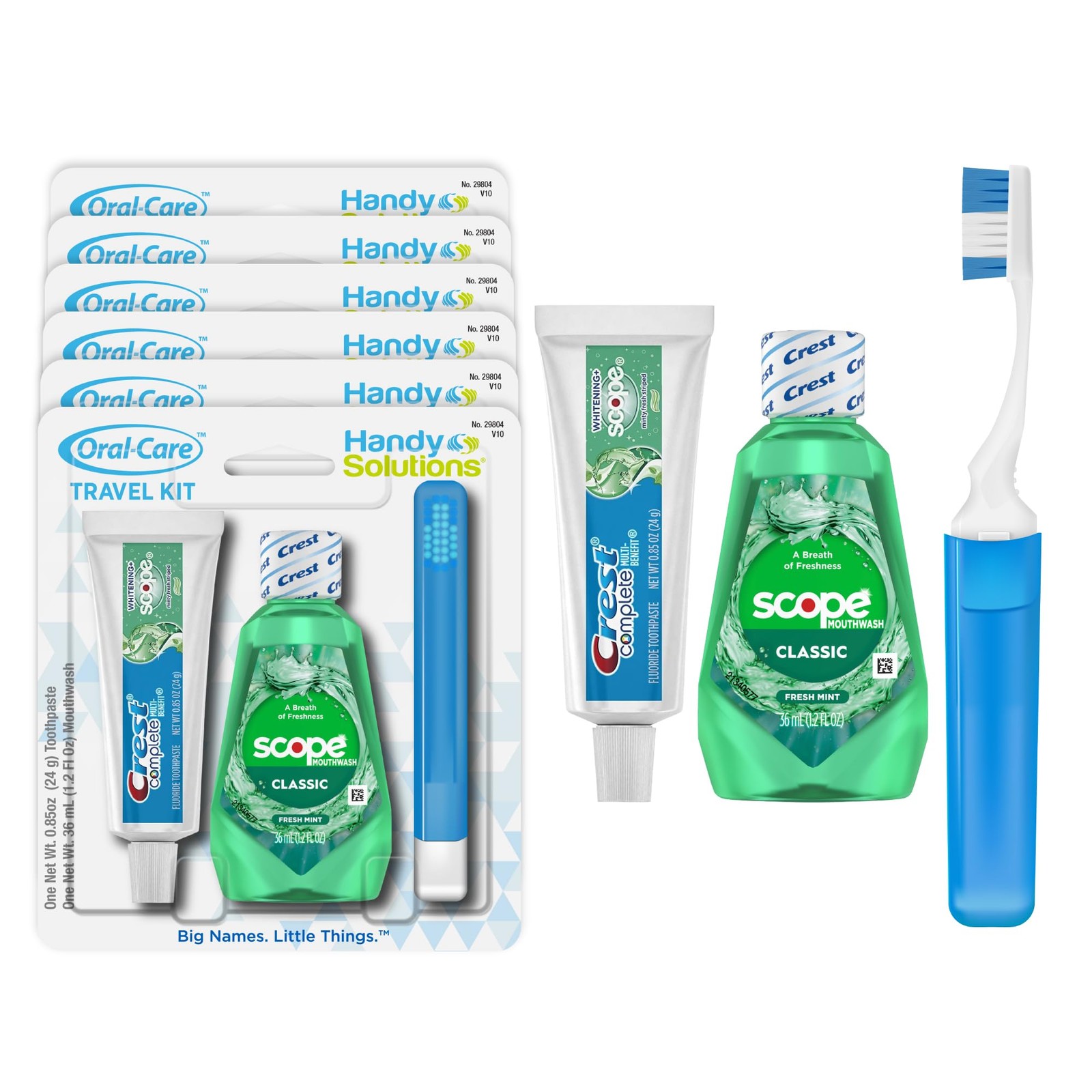 Travel Size Oral Hygiene Set - Mouthwash, Toothpaste & Folding Toothbrush (6 pk)$34.59
 View on eBay
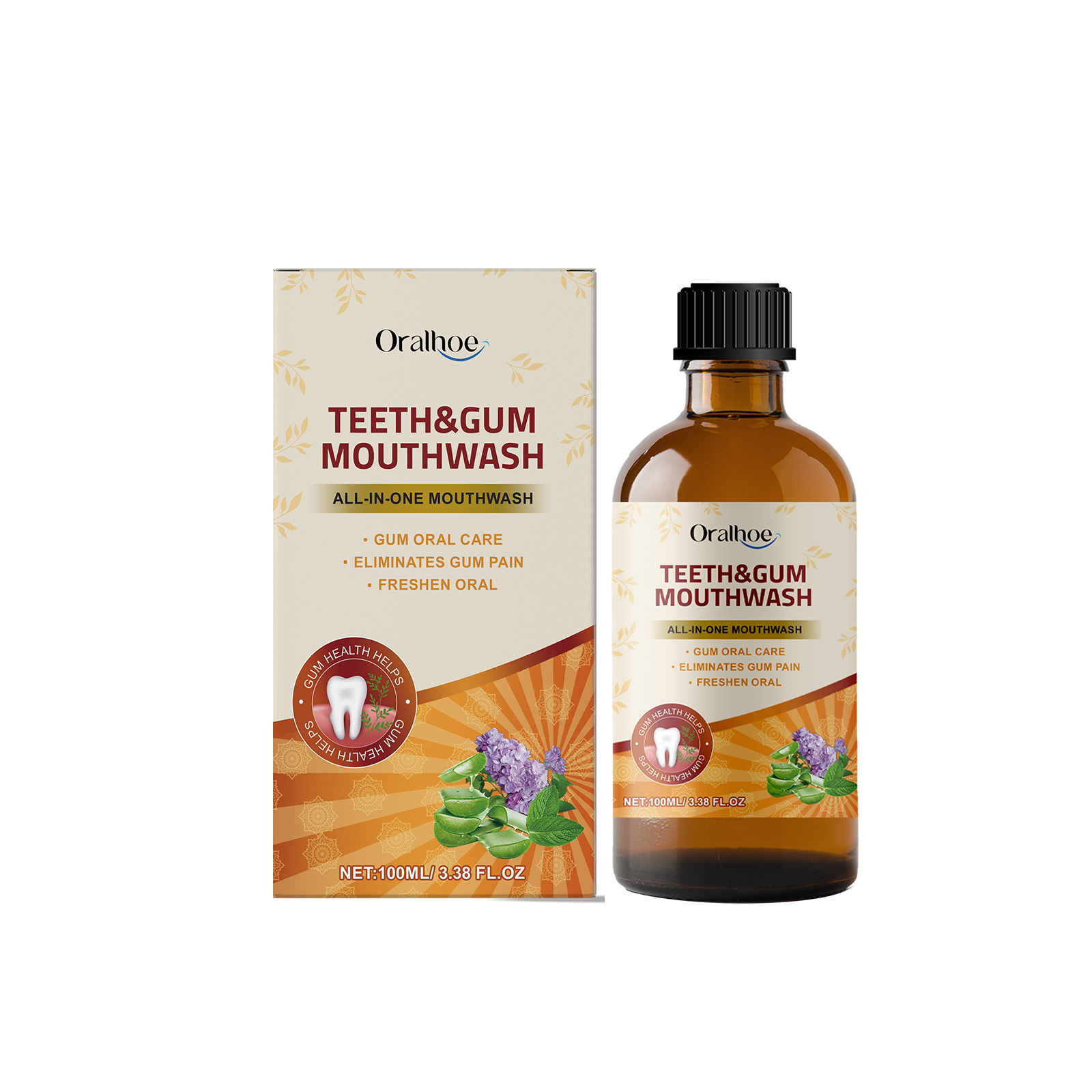 Oralhoe Herbal Mouthwash, Ingredients Gently Clean Teeth Odor Daily Care$18.99
 View on Mallflare
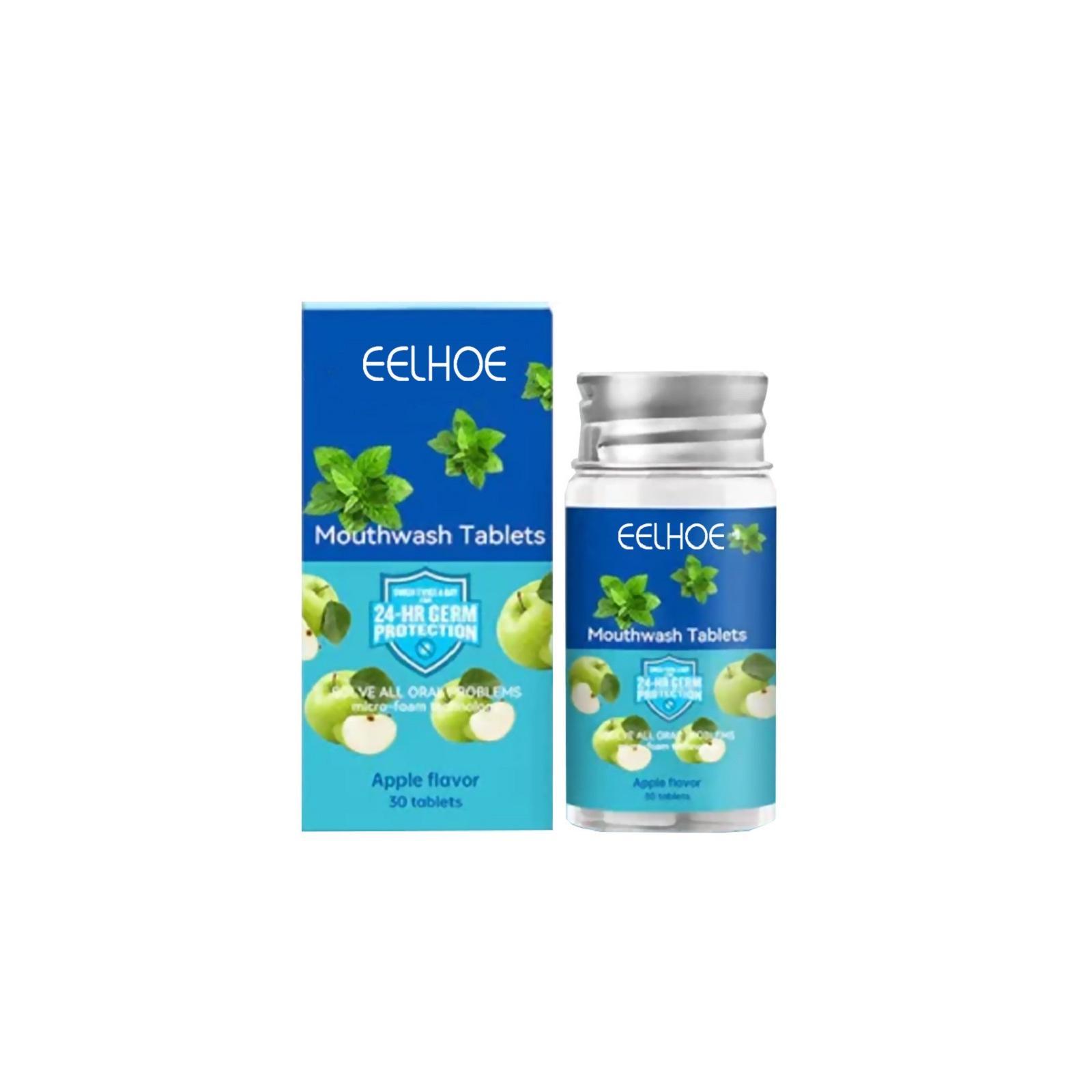 Mouthwash Tablets, Relieve Oral Problems for Daily Care$21.99View on Mallflare
 Oralhoe Peach Flavor Teeth Cleaning Mouthwash Pellets Breath Long Lasting Fragrance Clean Gums Portable$25.99View on Mallflare
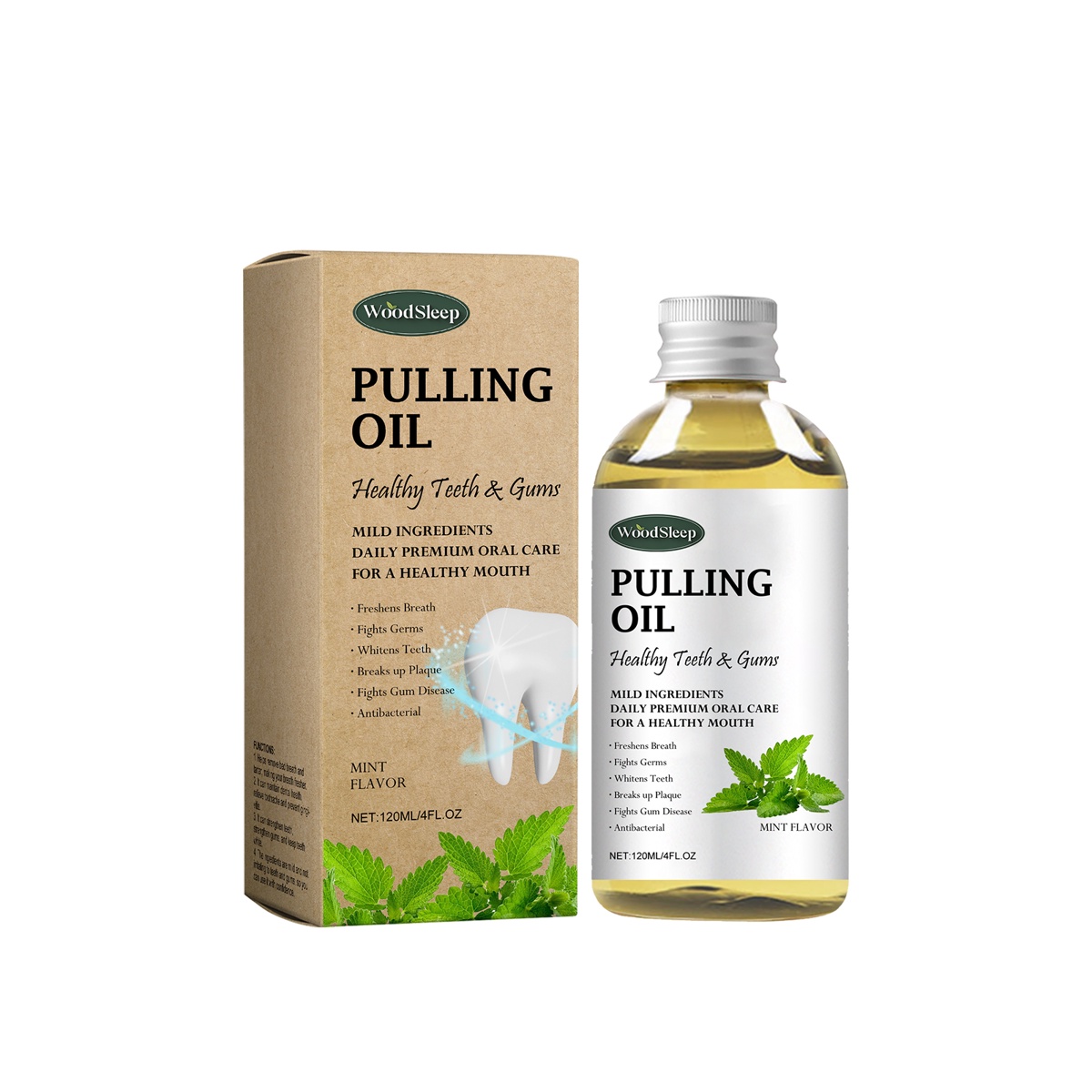 WoodSleep Coconut Mouthwash 120ml Soothing Repair Deep Cleaning Refreshing Gentle Formula for Daily Oral Care$25.99View on Mallflare
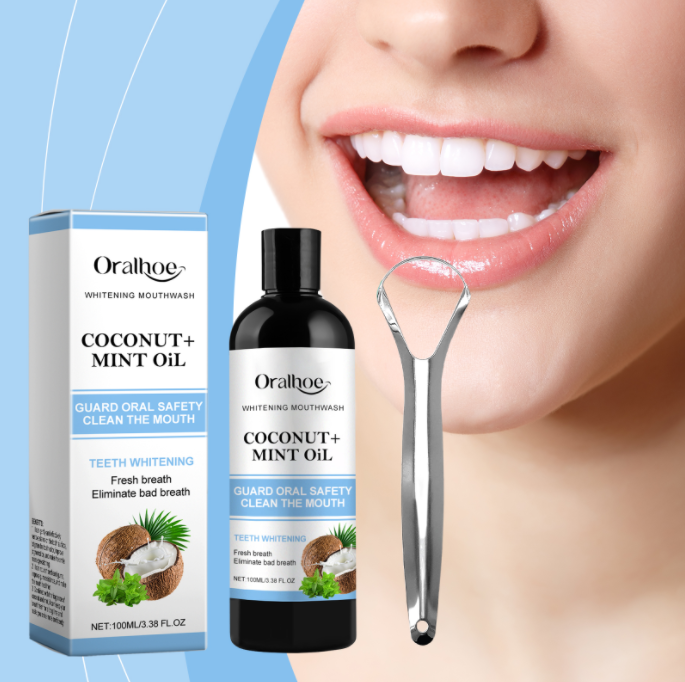 Oralhoe Coconut Mint Oil, Mouthwash Breath Care Gum Stain Removal$25.99View on Mallflare
Highlights
- Active ingredient determines efficacy: cetylpyridinium chloride (CPC) 0.05–0.1% and essential oils (thymol, eucalyptol, menthol) are proven antiseptics; chlorhexidine 0.12% is prescription-grade for gingivitis but can stain teeth with extended use.
- Alcohol content above 20% (ethanol) provides rapid bacteria kill but causes dry mouth and mucosal irritation; alcohol-free formulas rely on CPC or essential oils and are preferred for daily or sensitive-gum use.
- Tablet and pellet formats are concentrated mouthwash alternatives: one tablet dissolves in water to make a rinse, offering portability and no liquid restrictions—but they lack the immediate coating and freshness of liquid rinses.
- Fluoride-containing mouthwashes (sodium fluoride 0.05% or 225 ppm F) add cavity protection; fluoride-free rinses address only bacteria and breath, so buyers needing decay prevention must select a fluoride formula.
Best use cases
- Best fit: post-brushing daily rinse for plaque and gingivitis control—pick an alcohol-free CPC or essential-oil mouthwash with fluoride if you want cavity protection.
- Best fit: travel and on-the-go freshness—choose mouthwash tablets or pellets (dissolve one in water) or a 120ml travel-size liquid set; skip large 500ml+ bottles for carry-on.
- Wrong fit: treating active gum disease (bleeding, swelling) with cosmetic herbal rinses—use a chlorhexidine 0.12% rinse short-term as directed by a dentist, not a daily herbal product.
- Wrong fit: buyers with dry mouth or mucosal sensitivity using high-alcohol (20%+) rinses—switch to alcohol-free, glycerin-based, or essential-oil formulas to avoid irritation.
Buying tips
- Match the active to your goal: CPC 0.05–0.1% or essential oils for daily plaque control; chlorhexidine 0.12% for short-term gingivitis treatment; fluoride 225 ppm for cavity prevention.
- Check alcohol percentage on the label—if above 20% ethanol and you have dry mouth, gum recession, or sensitivity, choose an alcohol-free alternative instead.
- For tablets/pellets, confirm the dilution ratio (typically one tablet per 20–30ml water) and that the formula is fluoride-free or fluoride-added per your needs; tablets are not a substitute for brushing.
- Liquid mouthwash shelf life after opening is typically 6–12 months; buy 120–250ml sizes for single-user daily use and avoid bulk multi-packs unless shared or used within expiry.
Specs
| Active Ingredient | CPC / Essential Oils / Chlorhexidine |
|---|---|
| Alcohol Content | Alcohol-free vs 20%+ ethanol |
| Fluoride Level | 225 ppm F / 0.05% NaF or none |
| Format | Liquid 120–500ml / Tablets / Pellets |
Related searches
What to check before buying
- Confirm you have no allergy to active ingredients (chlorhexidine, CPC, essential oils like thymol/eucalyptol) or to artificial dyes and flavors.
- For travel, verify bottle size ≤100ml for carry-on or choose tablets/pellets that bypass liquid restrictions.
- If using chlorhexidine, plan for short-term use (max 2–4 weeks) and expect possible tooth staining; do not combine with fluoride rinse at the same time.
- Check that the rinse is compatible with your brushing routine—most mouthwashes are used after brushing and not rinsed with water; fluoride rinses should not be followed by water.
FAQ
Data sources: eBay / Amazon listings and product attribute feeds Data updated Nov 15, 2026.
Some links on this page are affiliate links. If you buy after clicking one, we may earn a commission at no extra cost to you. This does not change which products appear here or their order. Affiliate disclosure.