Photos from current listings. Actual item, color, and included accessories may vary.
Electric Toothbrush Buying Guide
Electric toothbrushes use either oscillating-rotating or sonic drive systems to remove plaque more effectively than manual brushing. The primary trade-off is between proven cleaning mechanics (oscillating-rotating) and gentler, higher-frequency sonic action, with battery type and waterproof rating determining long-term durability. Choose a rechargeable Li-ion model with IPX7 and a pressure sensor for daily use; skip AA-powered or NiMH units if you want consistent power and longevity.

At a glance
- Category
- Oral Care
- Data updated
- Nov 15, 2026
Current offers
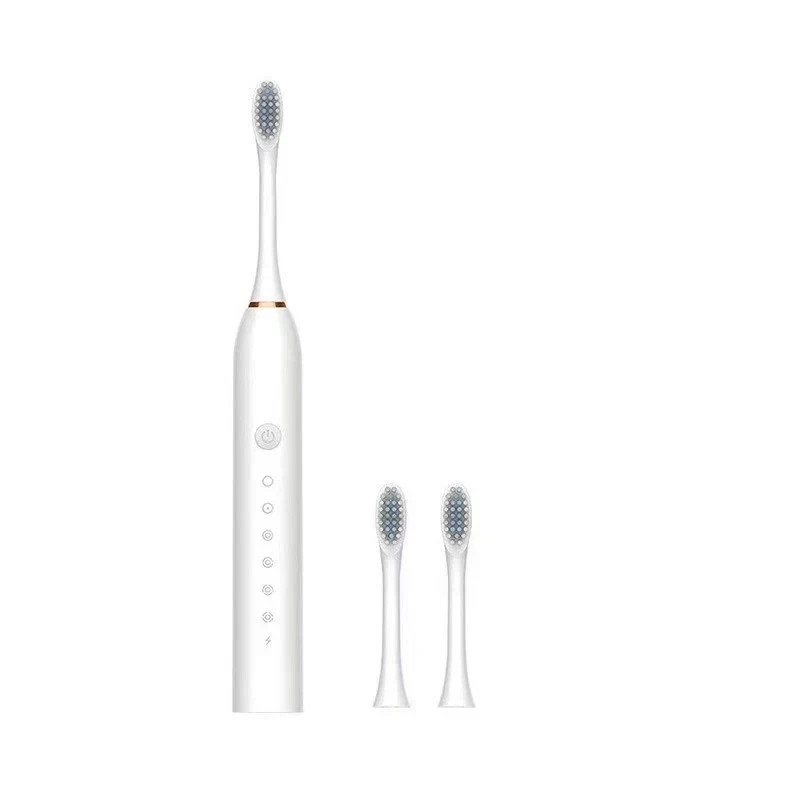 Sonic Electric Toothbrush Rechargeable 6 Mode with 3 Brush Head Precise Cleaning$6.99
 View on eBay
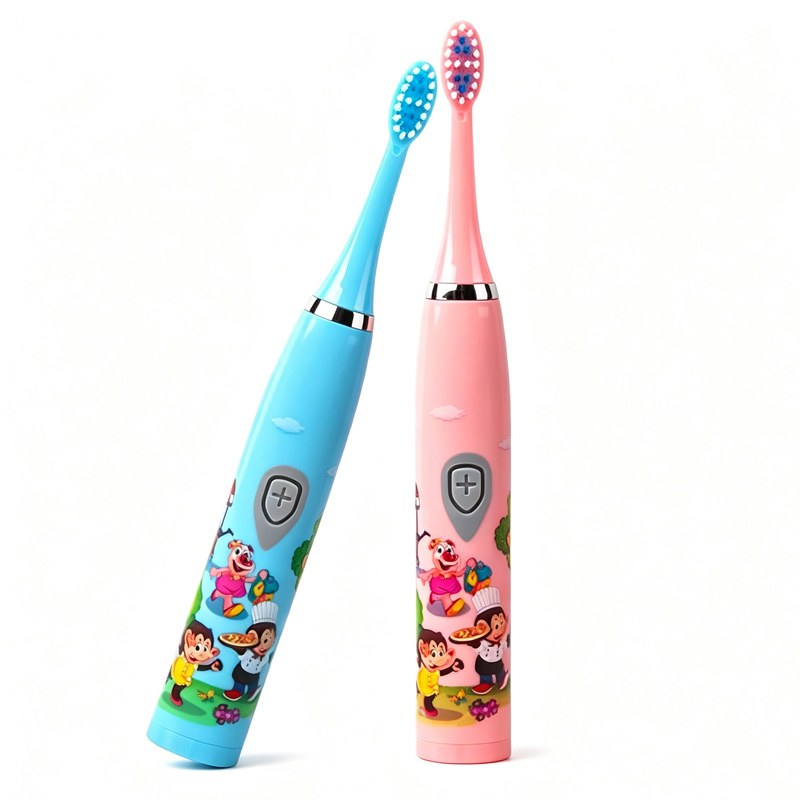 Children Sonic Electric Toothbrush IPX6 Waterproof Colorful Cartoon For Kid Use Soft Bristle Replaceable With 6 Tooth$19.99
 View on Mallflare
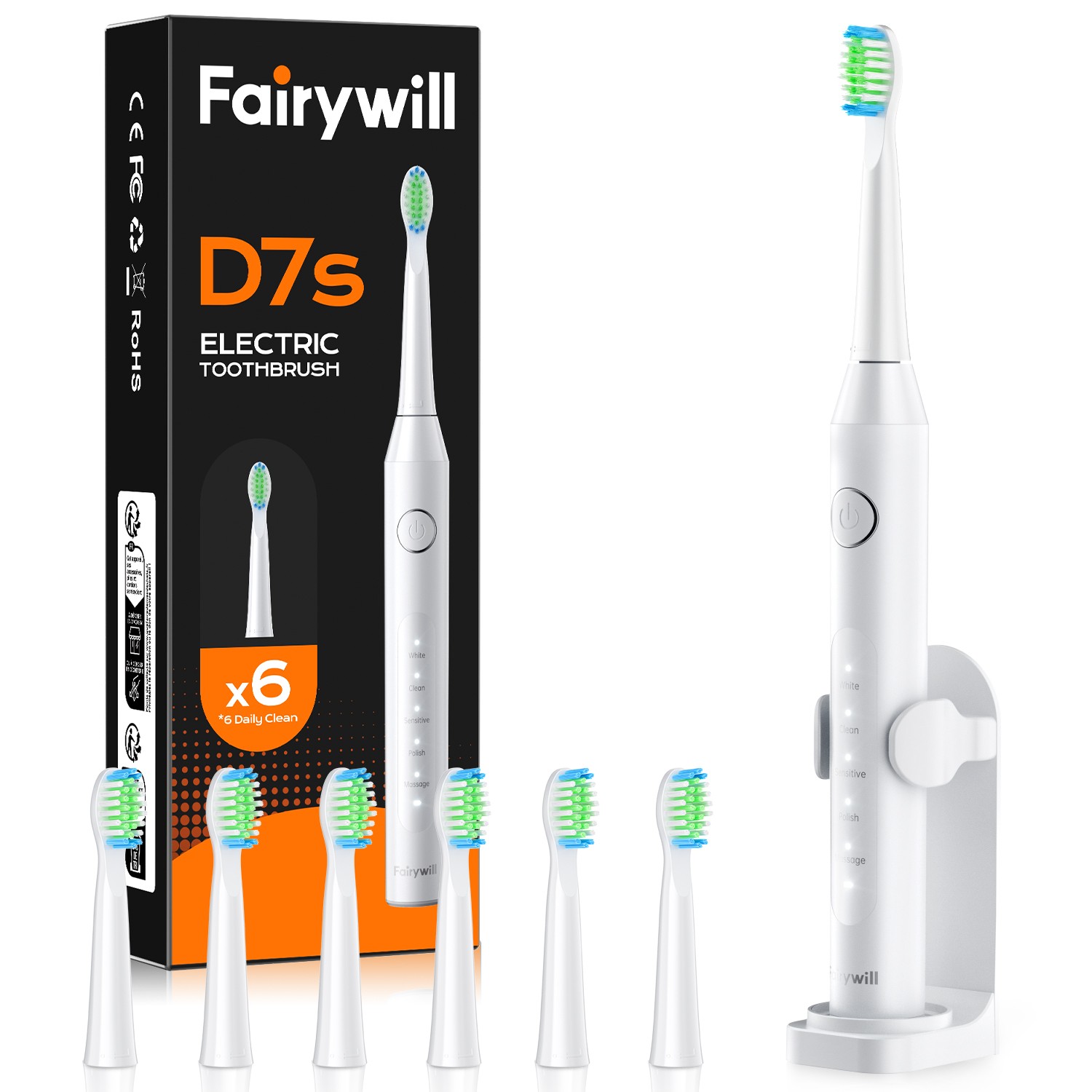 Fairywill Electric Toothbrush Rechargeable with 6 Brush Heads 5 Modes 47,000 VPM$13.84View on eBay
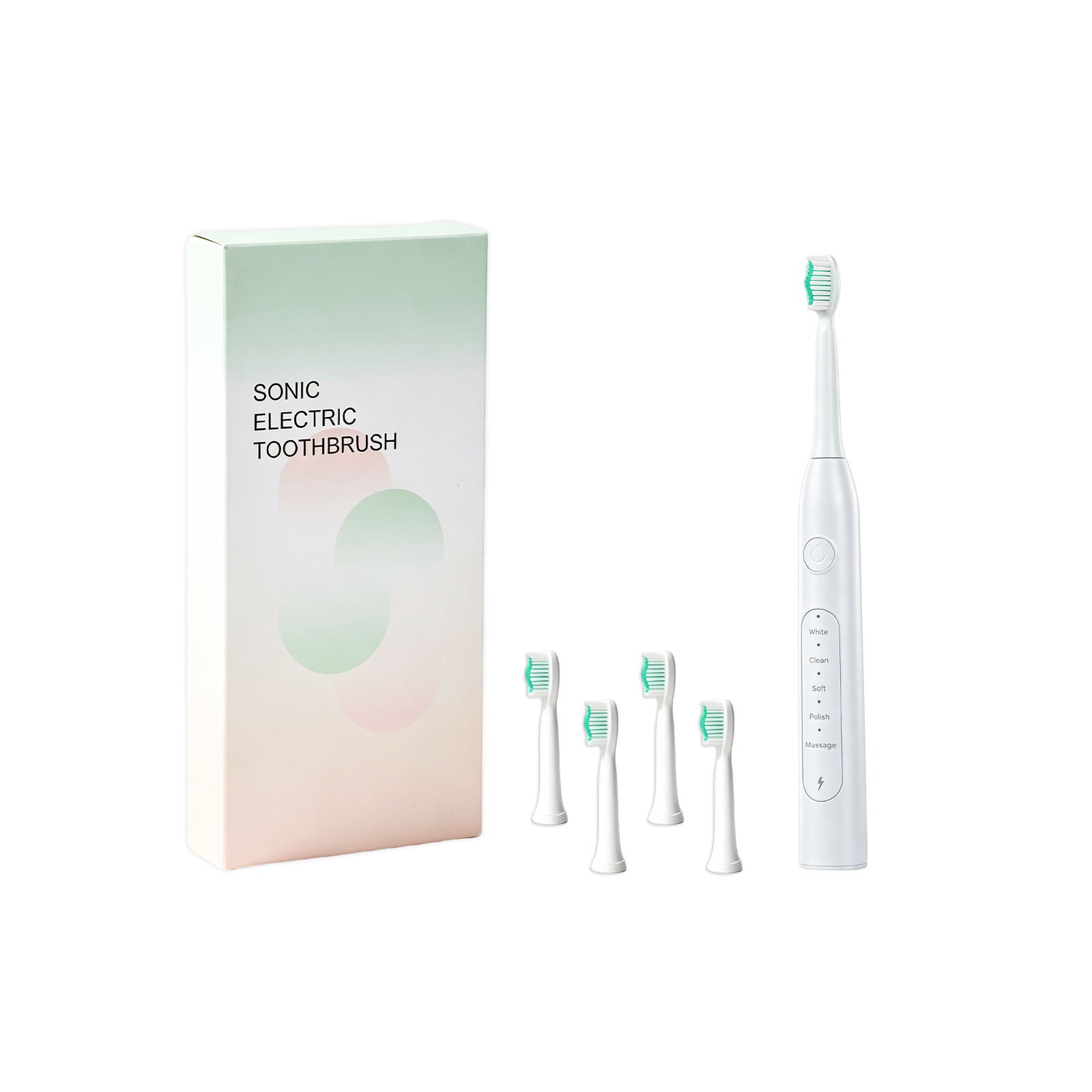 AMZ Ch-926 Electric Toothbrush - White, 4-Brush Head, Usb Charging Version, Soft Bristles, Effective For Cleaning Teeth$25.99View on Mallflare
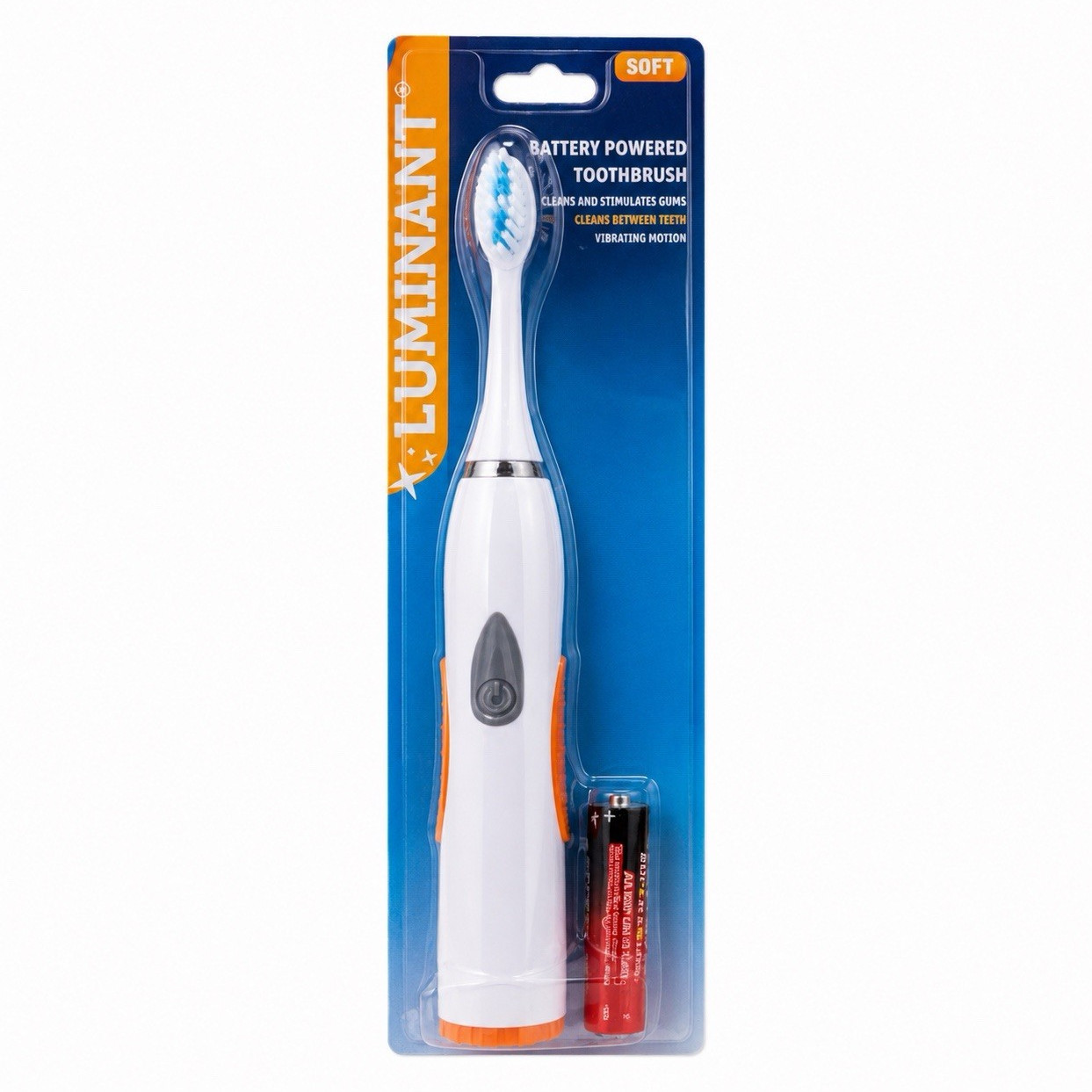 Luminant Battery Powered Electric Toothbrush Vibrating Soft Bristles$14.25View on eBay
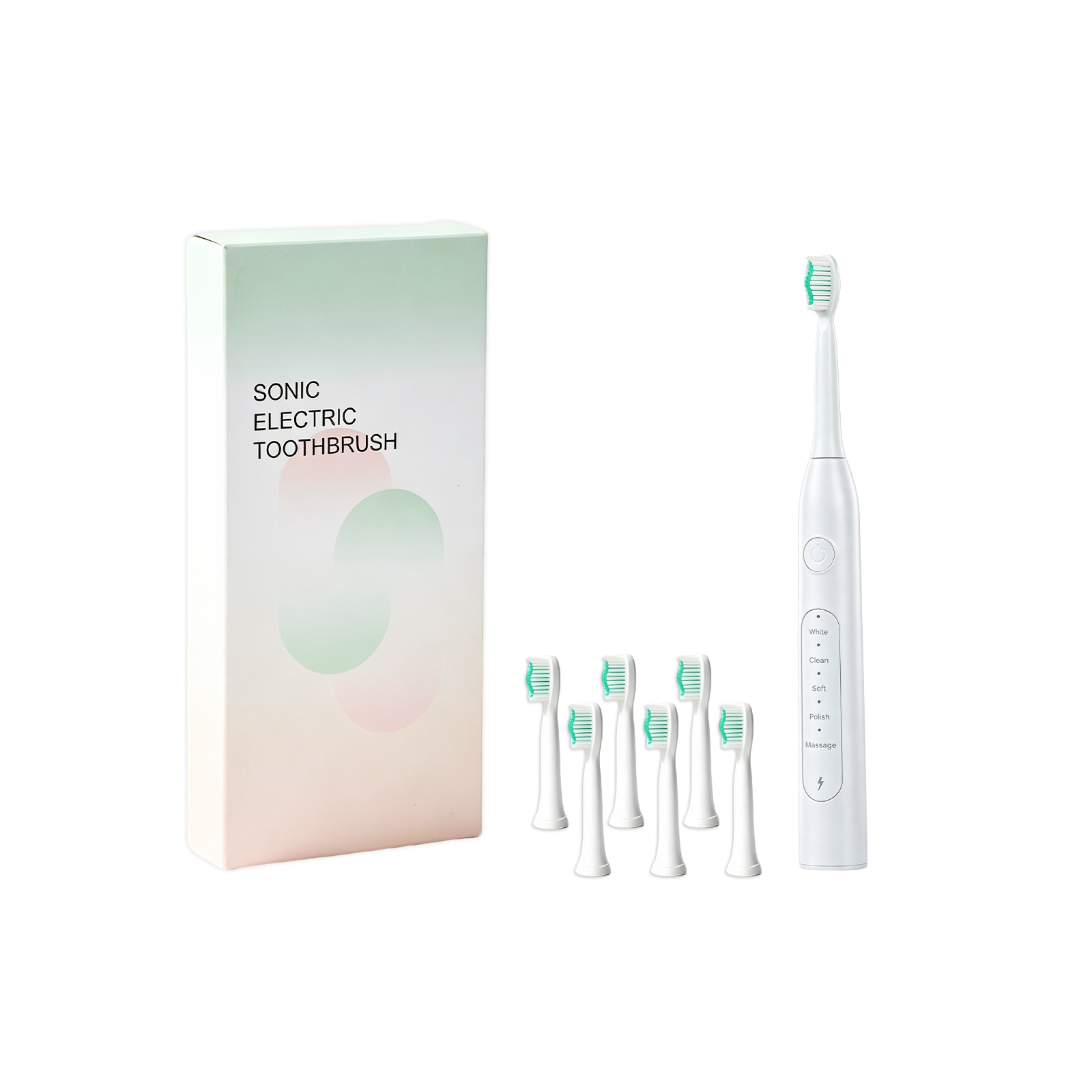 AMZ Ch-926 Electric Toothbrush - White, 6-Brush Head, Usb Charging Version, Soft Bristles, Effective For Cleaning Teeth$25.99View on Mallflare
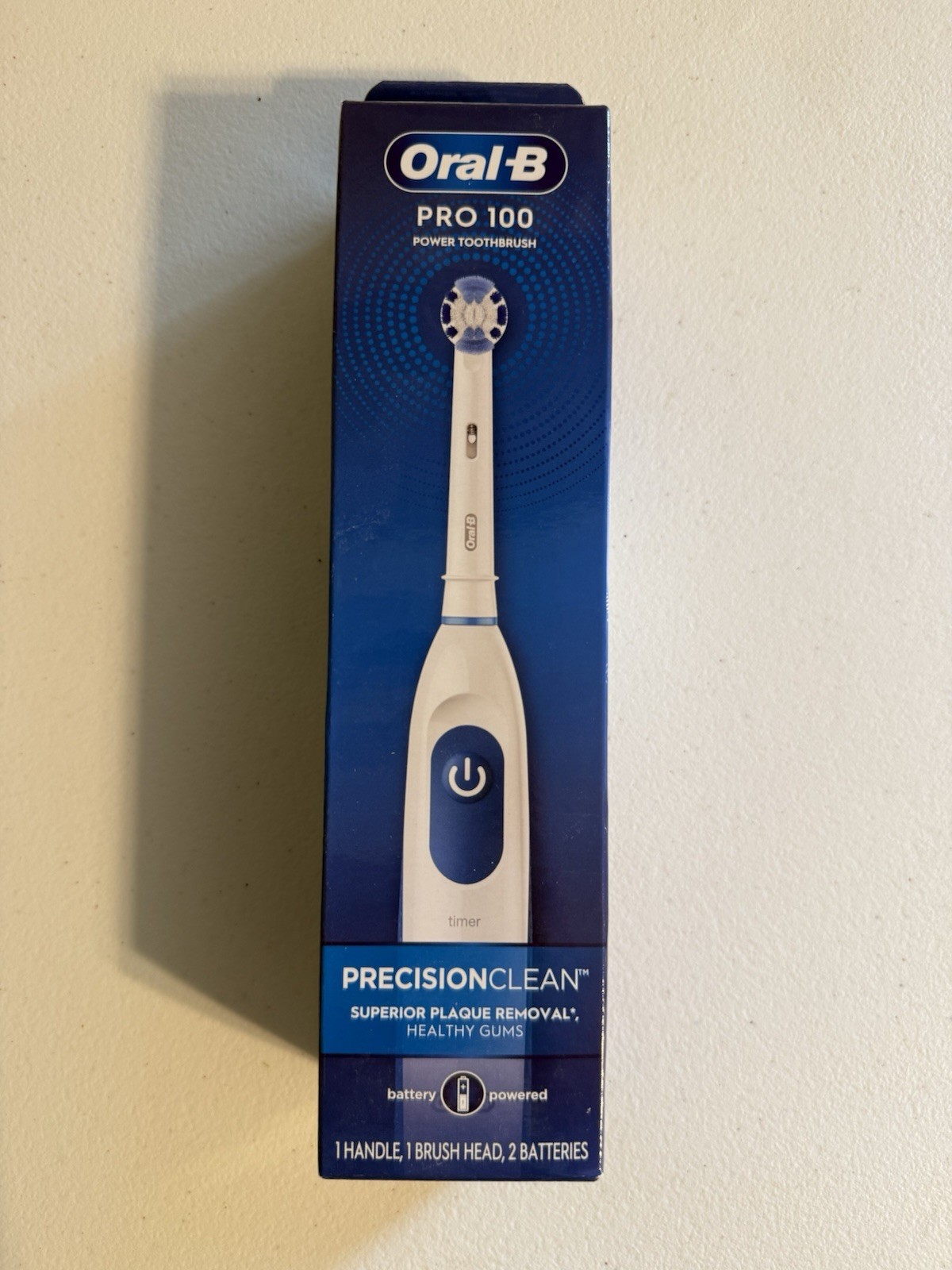 Oral-B Pro 100 Precision Clean Battery Powered Electric Toothbrush New Sealed$15.00View on eBay
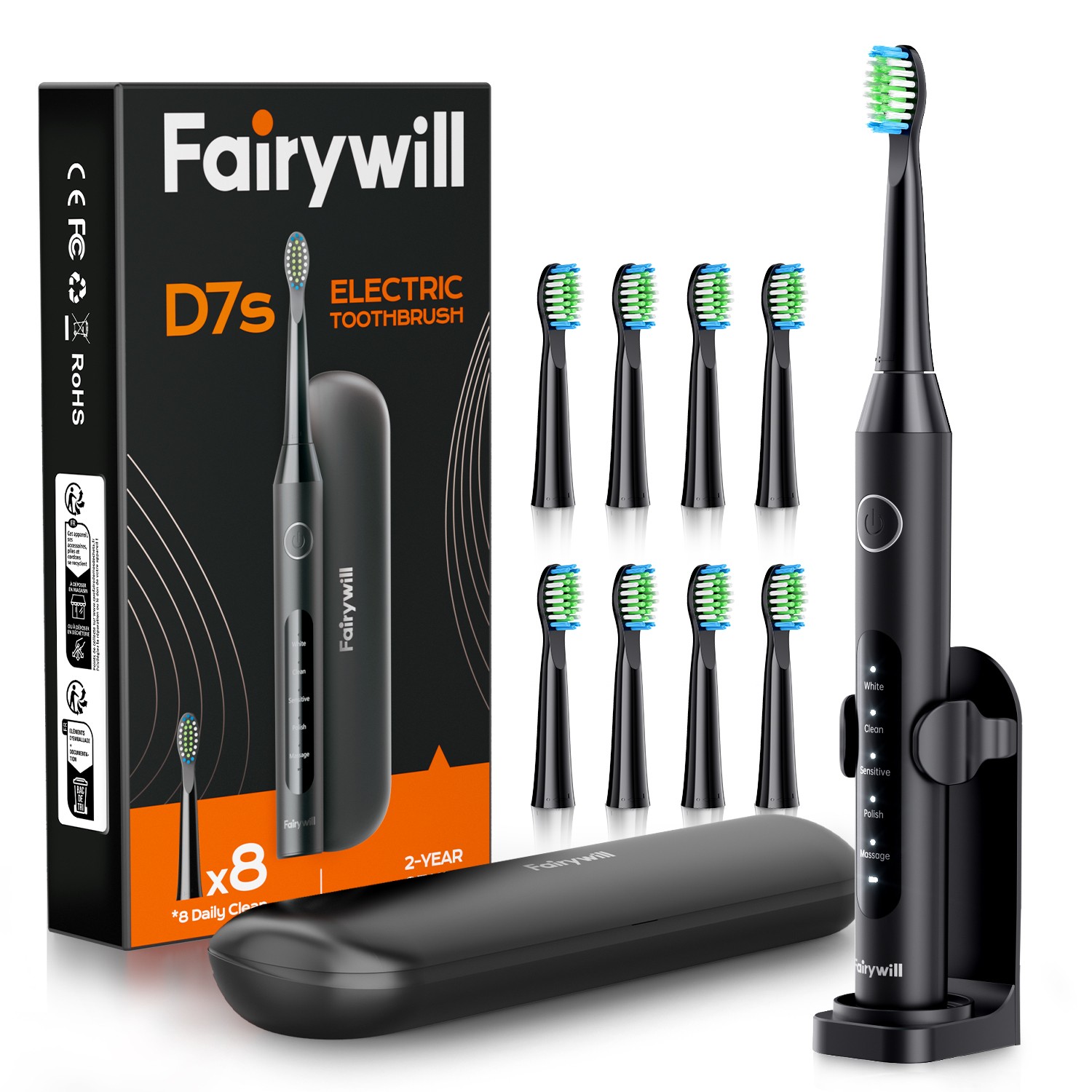 Fairywill Sonic Rechargeable Electric Toothbrush 8 Brush Head 5 Mode Travel Case$16.72View on eBay
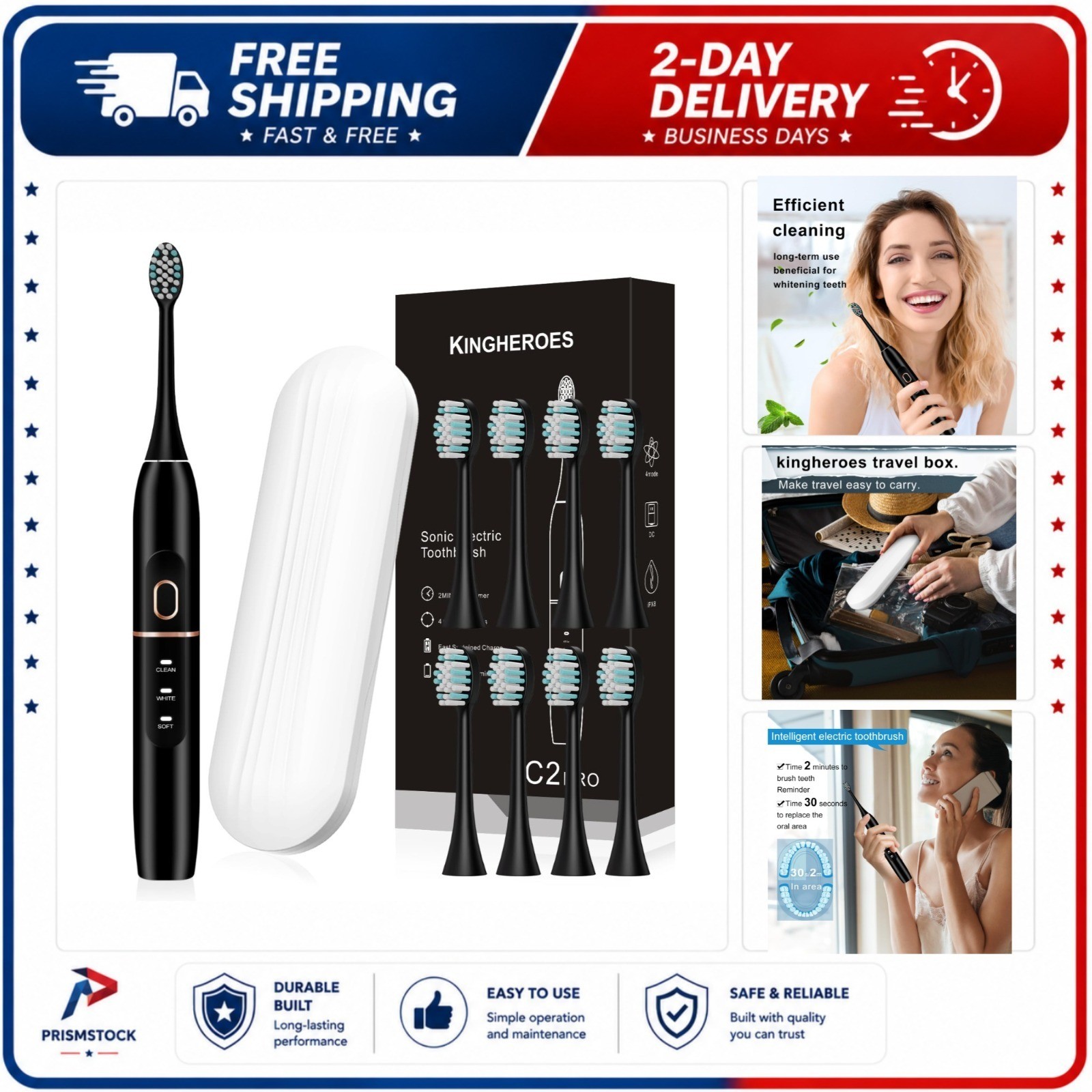 Kingheroes Electric Toothbrush Set 8 Heads Travel Case 4 Modes Black$16.99View on eBay
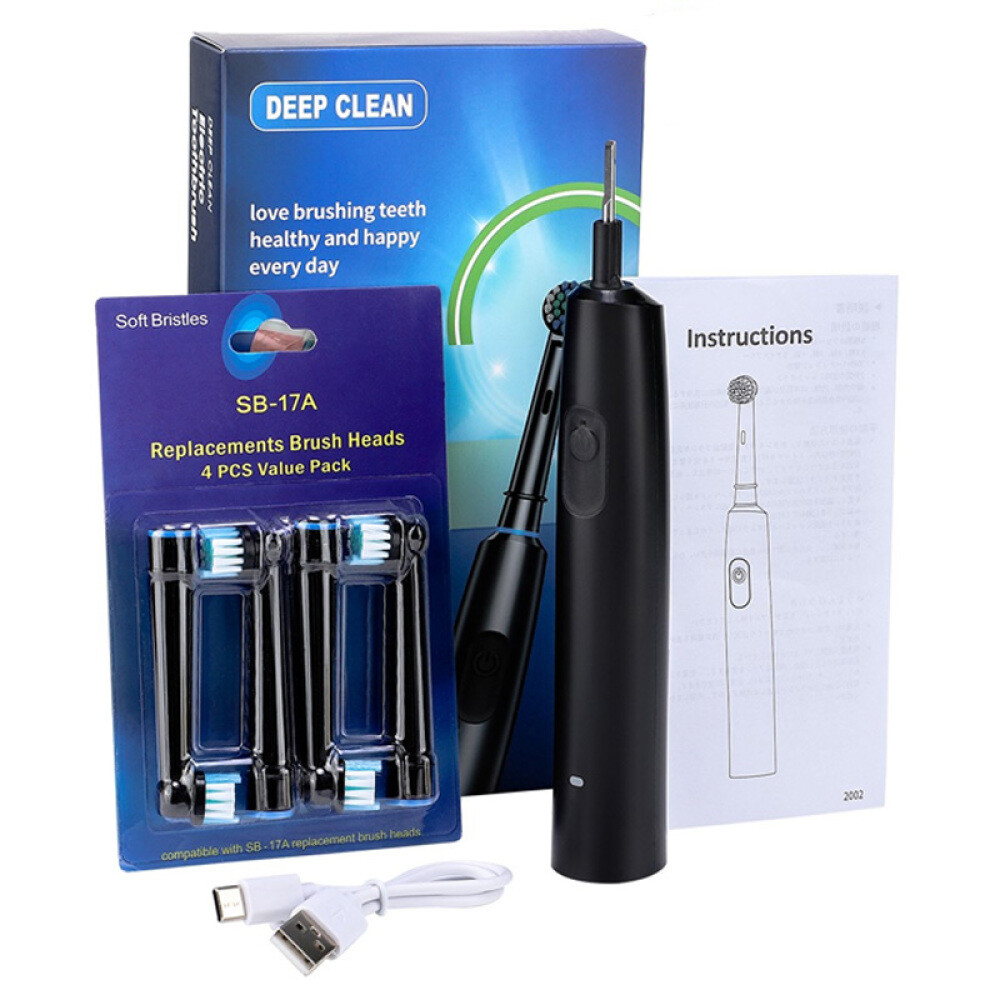 Pro Rotating Electric Toothbrush Rechargeable With 4 Brush Heads 5 Modes Timer$17.45View on eBay
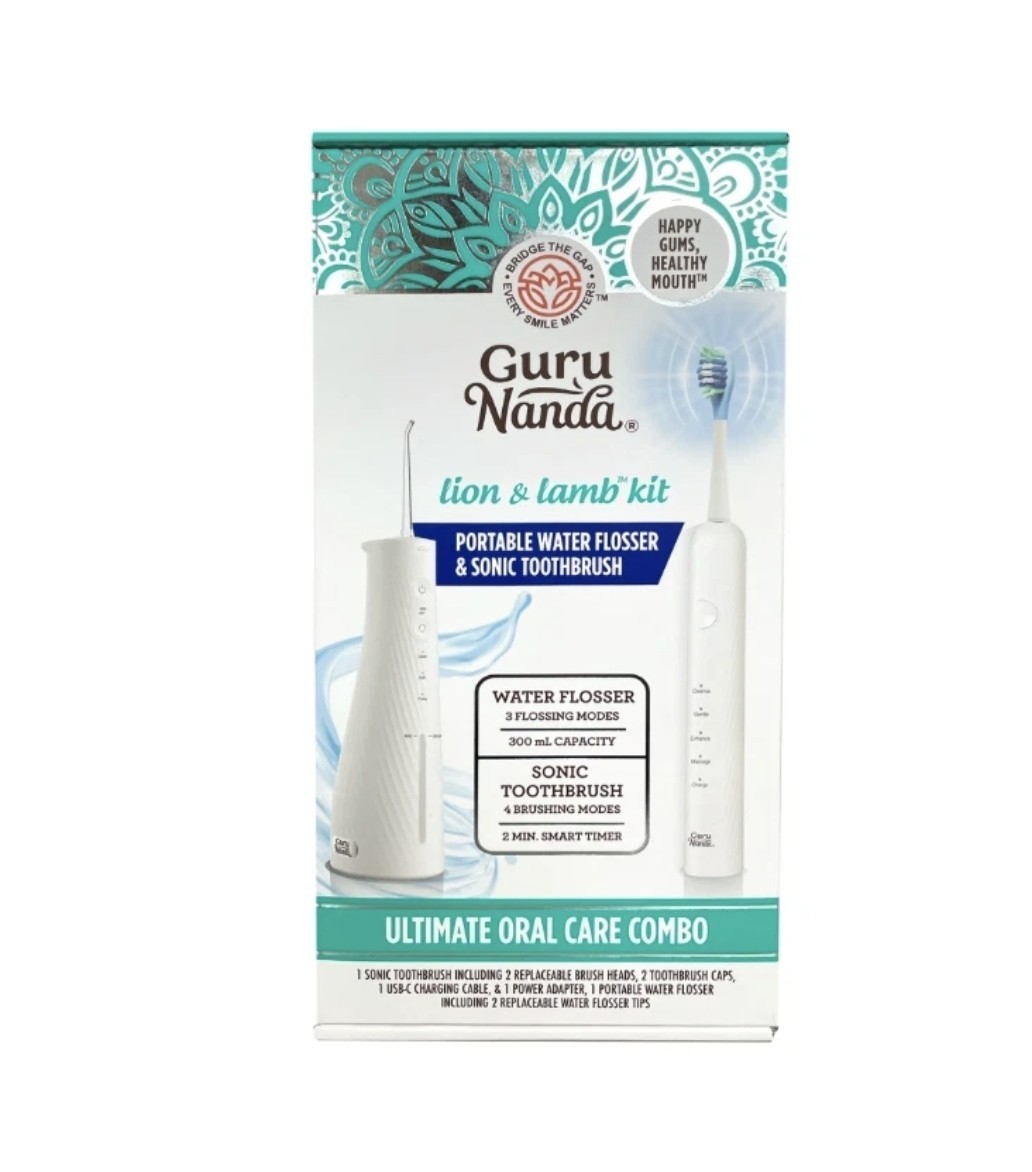 Guru Nanda Lion & Lamb Kit Electric Toothbrush with Water Flosser Combo$22.99View on eBay
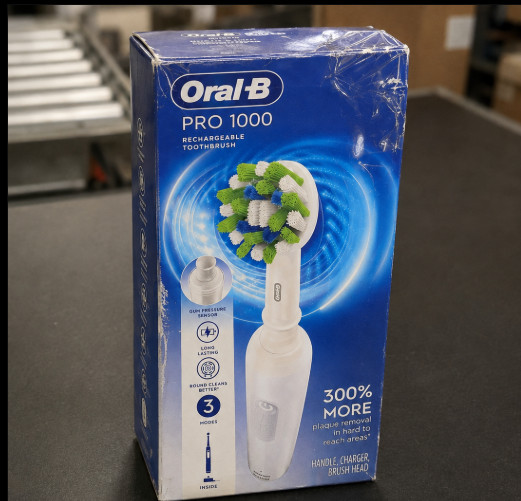 Oral-B Pro 1000 3d CrossAction Rechargeable Electric Toothbrush$24.99View on eBay
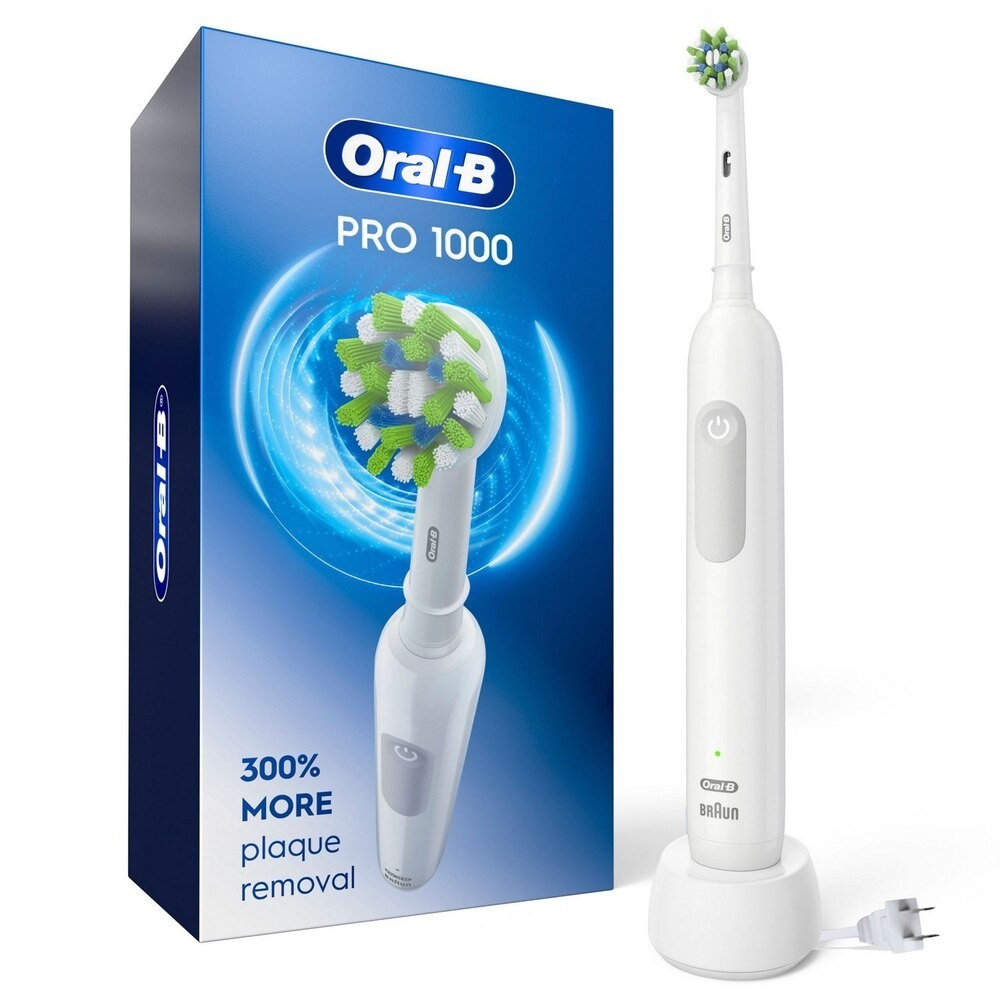 Oral-B Pro 1000 3D CrossAction Rechargeable Electric Toothbrush$32.99View on eBay
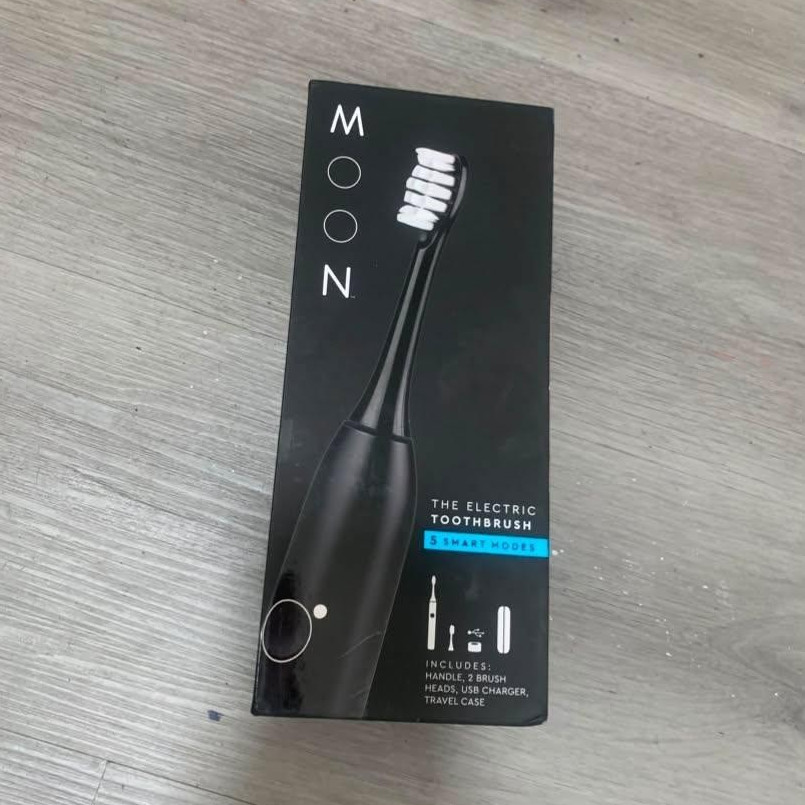 MOON Electric Toothbrush – Onyx Black – Brand New$39.00View on eBay
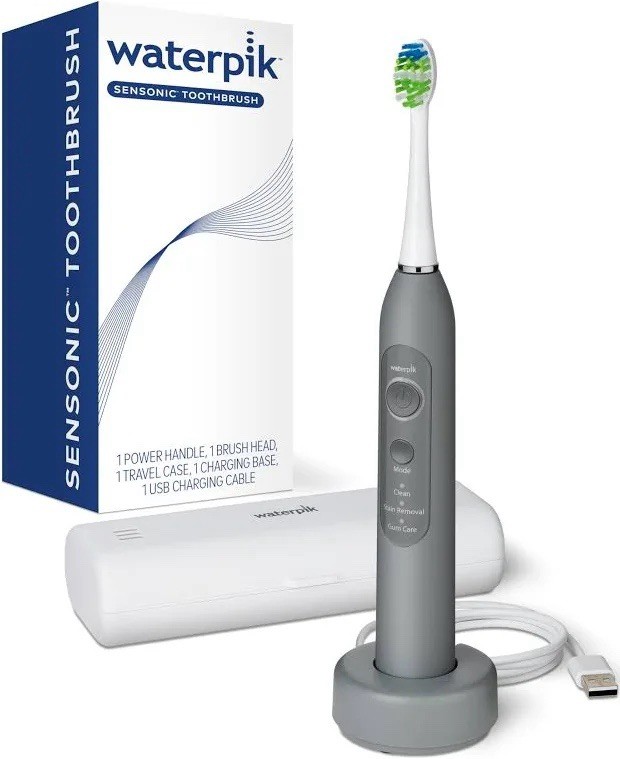 New In Box Waterpik Sensonic Sonic Electric Toothbrush, Rechargeable Toothbrush$40.00View on eBay
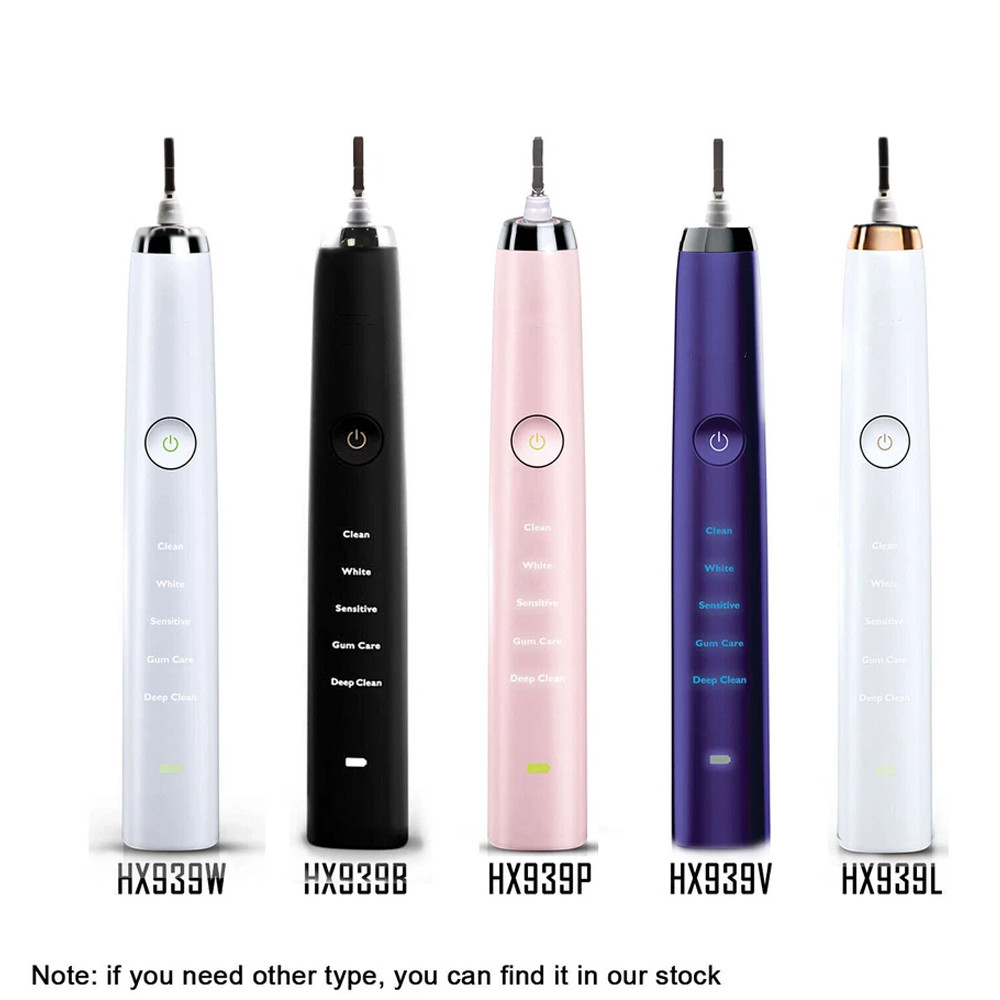 Electric Toothbrush Smart Handle for Philips Sonicare DiamondClean HX93xx HX99xx$52.99View on eBay
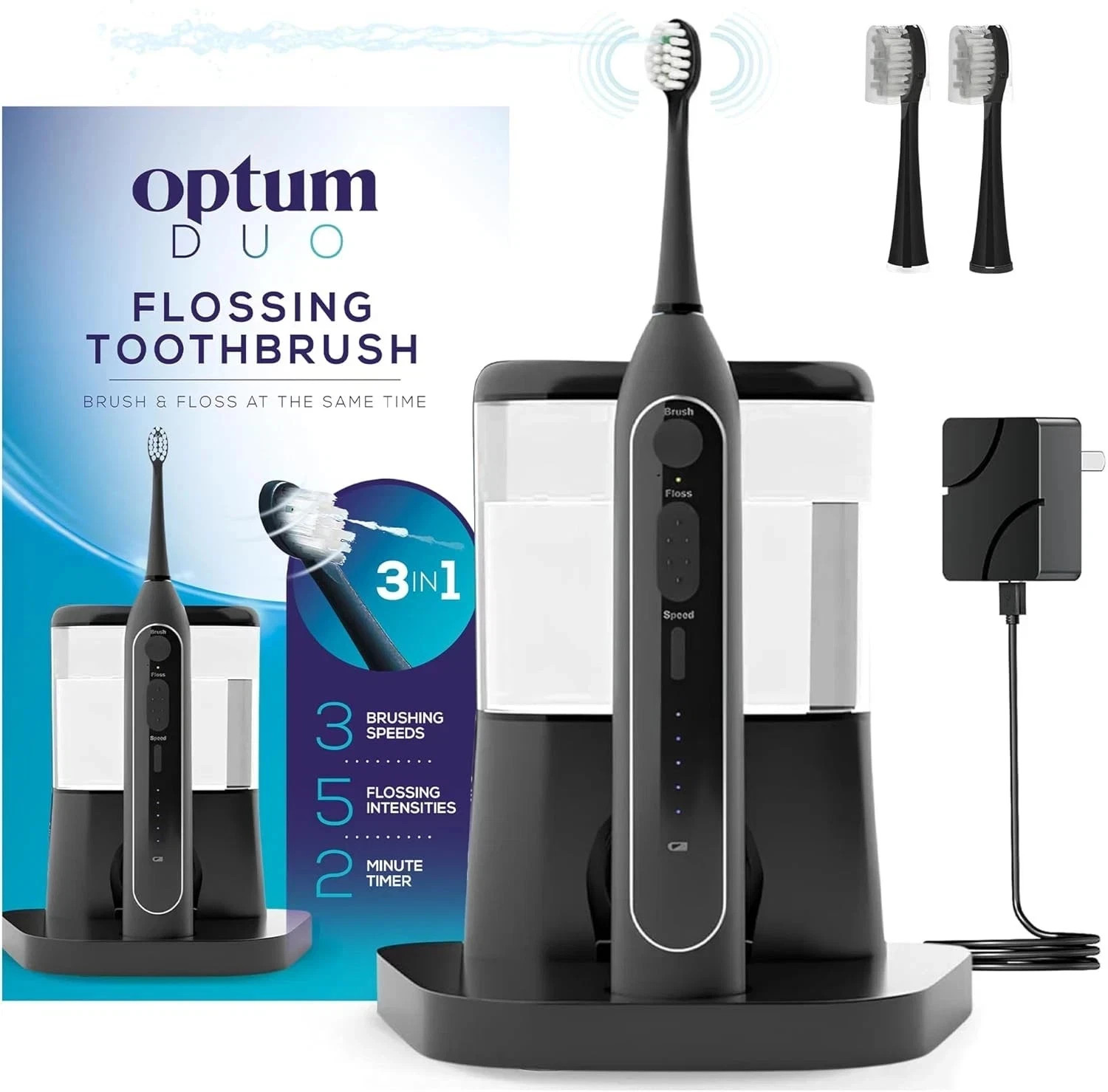 Flossing Toothbrush Rechargeable Electric Toothbrush with Water Flosser$55.00View on eBay
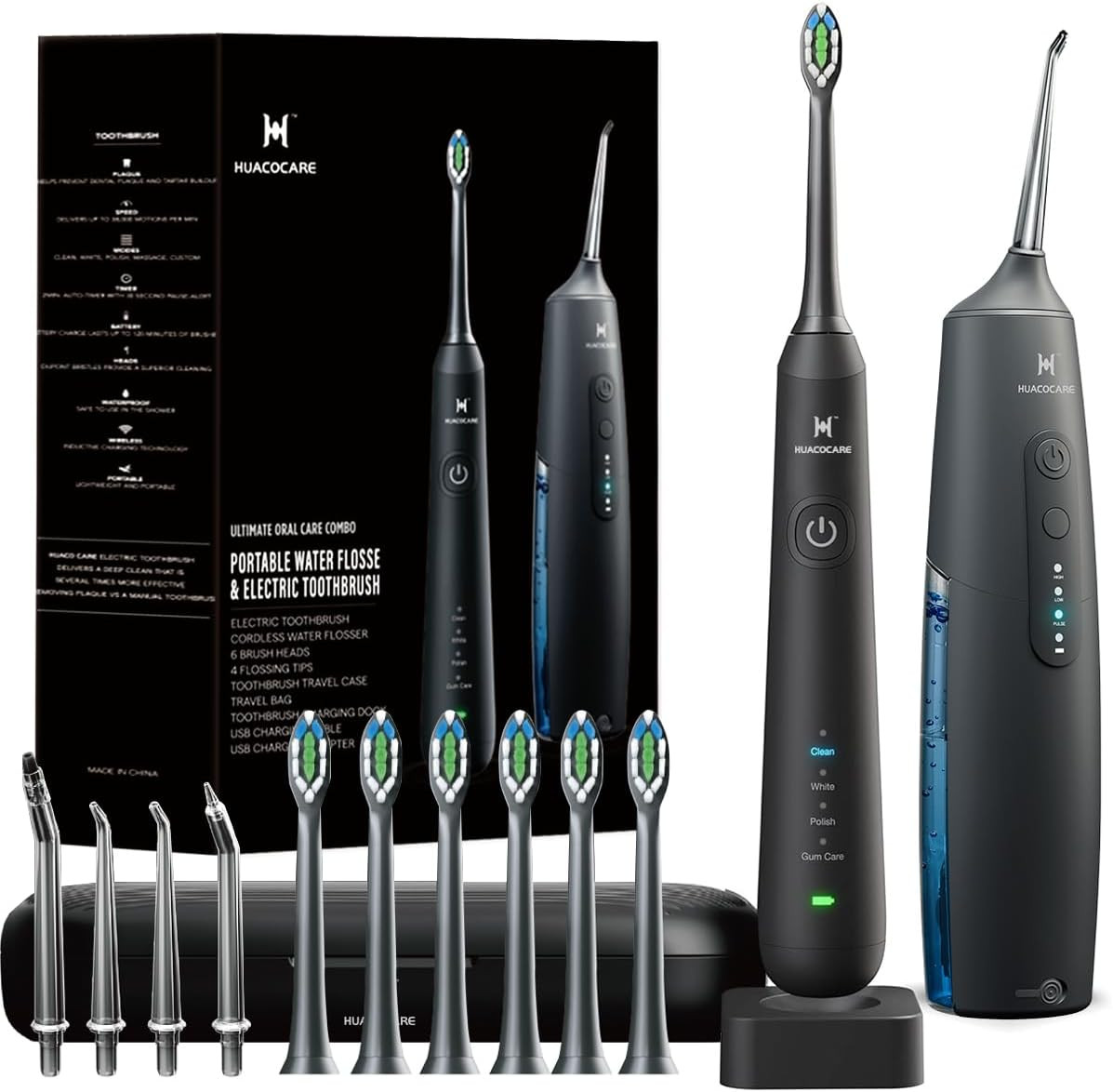 Water Flosser Electric Toothbrush Combo Oral Care Kit Black$81.61View on eBay
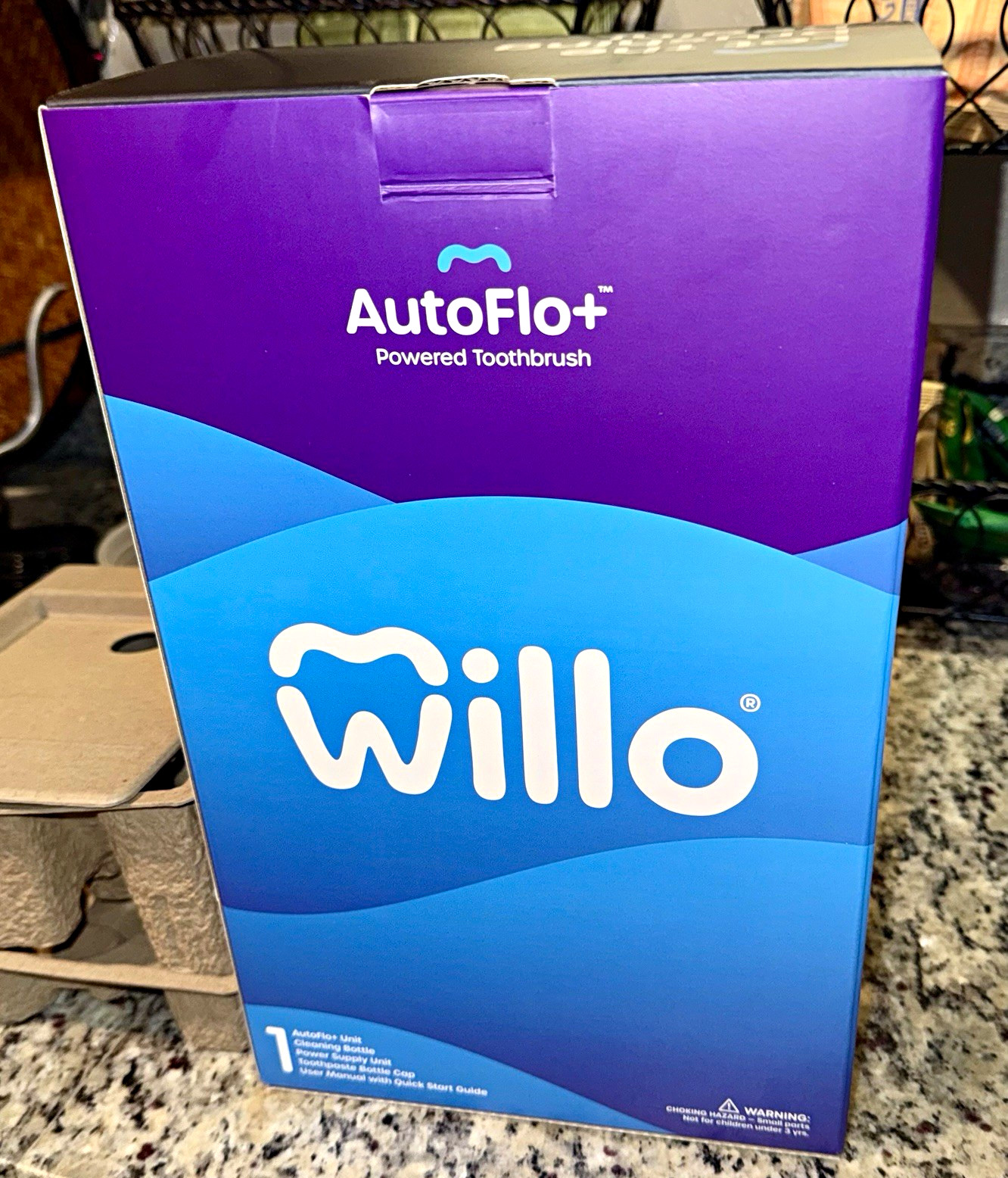 Willo AutoFlo+ Kids Adults Autism Electric Toothbrush Starter Kit, 2-Speed$125.00View on eBay
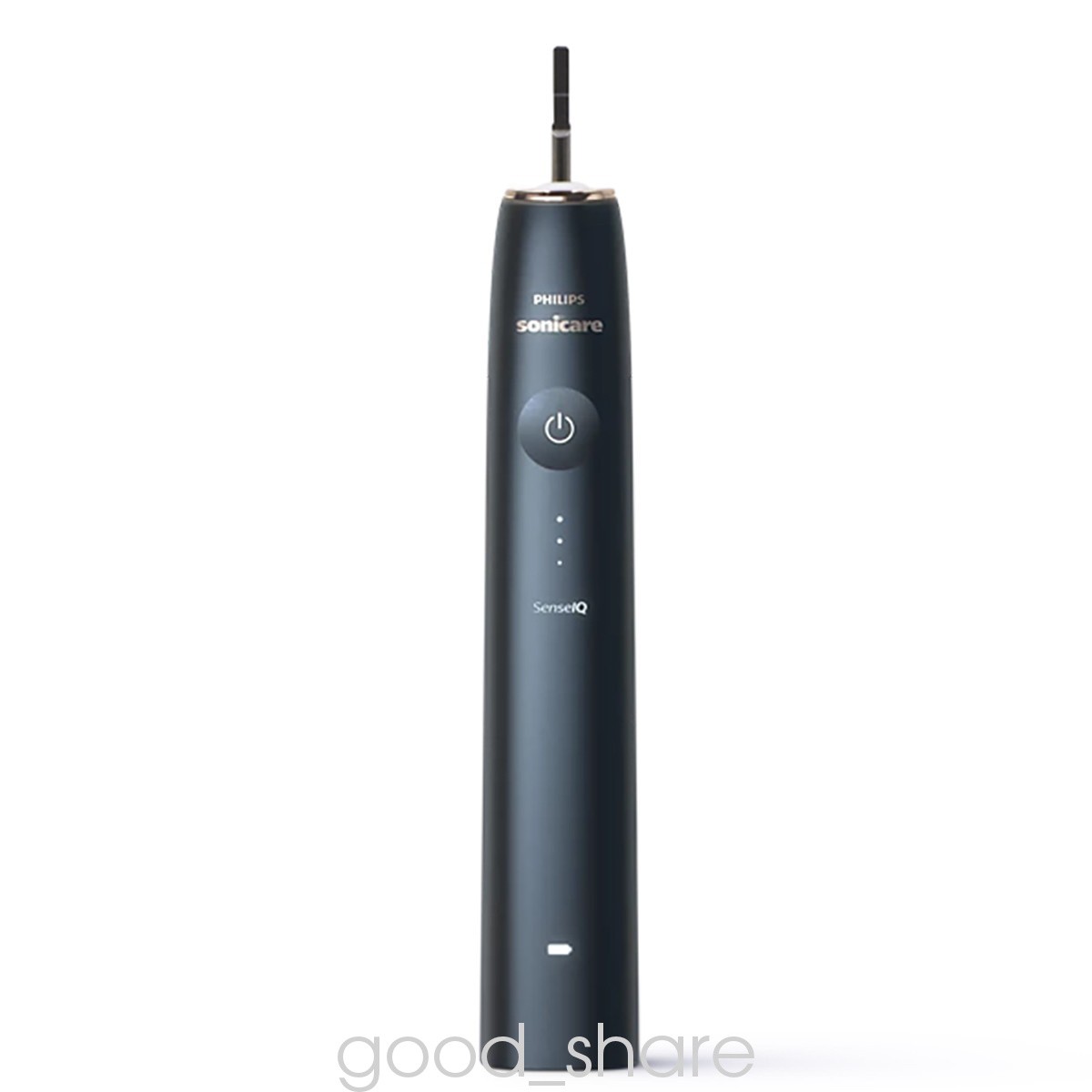 Sonic Electric Toothbrush Handle HX999B Blue FOR Philips Sonicare Prestige 9900$128.00View on eBay
Highlights
- Oscillating-rotating heads spin and pivot to mechanically scrub plaque, while sonic heads vibrate at 30,000–47,000 VPM to drive fluid between teeth—each suits different gum sensitivities and cleaning goals.
- Li-ion batteries hold peak power for years and recharge via USB-C or inductive bases; NiMH and AA cells suffer voltage sag and require frequent replacement or charging.
- IPX7 allows full submersion for rinsing, while IPX6 only resists splashes—critical for bathroom environments and hygienic cleaning.
- A built-in 2-minute timer with 30-second quadrant pacing and a pressure sensor prevents overbrushing and gum recession, features absent on basic models.
Best use cases
- Best fit: daily adult users with sensitive gums—choose a sonic model with soft bristles, pressure sensor, and IPX7; skip high-VPM budget units without pressure feedback.
- Best fit: plaque-prone or orthodontic users—pick an oscillating-rotating brush with round heads and 2-minute timer; skip large sonic heads that struggle to reach around brackets.
- Best fit: children—select a compact sonic brush with IPX6 minimum, soft bristles, and 2-minute timer; skip adult-sized oscillating heads that are too bulky for small mouths.
- Wrong fit: travelers wanting ultra-light kit—avoid inductive-charge bases and heavy NiMH handles; choose USB-C Li-ion models with travel case.
Buying tips
- Match brush head size to mouth: small round oscillating heads (≤1 cm diameter) reach molars; sonic heads should be compact (≤2.5 cm wide) for maneuverability.
- Prioritize Li-ion over NiMH: Li-ion maintains consistent brushing power and lasts 2–3 weeks per charge; NiMH fades and self-discharges in weeks.
- Insist on IPX7 for handles stored in wet bathrooms—IPX6 resists splashes but fails if submerged during rinsing or dropped in sink.
- Verify timer and pressure sensor: a 2-minute timer with quadrant pulses is non-negotiable; pressure sensors alert when you exceed 300 g of force.
Specs
| Drive Type | Oscillating-rotating vs Sonic |
|---|---|
| Battery Type | Li-ion vs NiMH vs AA |
| Waterproof Rating | IPX6 vs IPX7 |
| Timer & Sensor | 2-min timer / pressure sensor |
Related searches
What to check before buying
- Measure bathroom counter space and outlet access: inductive bases need 10 cm clearance; USB-C models require a nearby USB port or adapter.
- Check voltage compatibility: rechargeable handles are 100–240 V for global use; AA models need separate batteries and are not USB rechargeable.
- Confirm brush head replacement availability and cost—proprietary heads can cost more over a year than the handle itself.
- Assess water exposure: if the brush is stored in a shower caddy or rinsed under tap, IPX7 is mandatory; IPX6 suffices only for dry-counter storage.
FAQ
Data sources: eBay / Amazon listings and product attribute feeds Data updated Nov 15, 2026.
Some links on this page are affiliate links. If you buy after clicking one, we may earn a commission at no extra cost to you. This does not change which products appear here or their order. Affiliate disclosure.