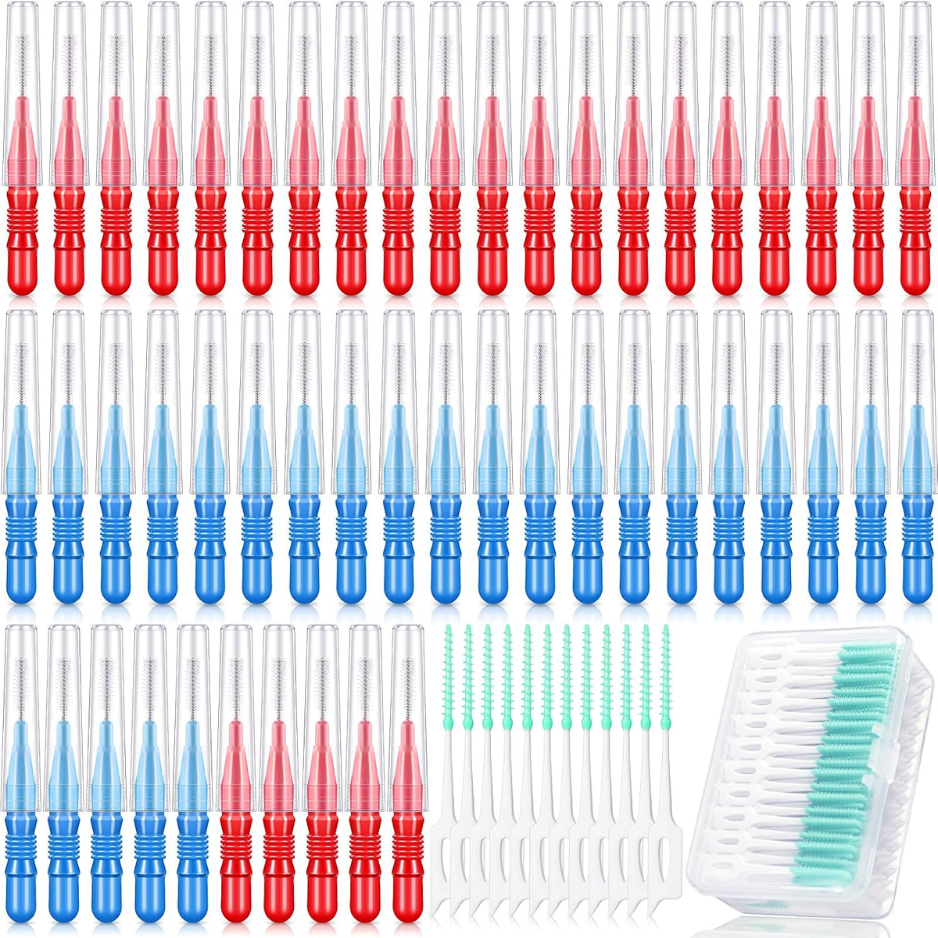

Photos from current listings. Actual item, color, and included accessories may vary.
Dental Floss Buying Guide
Dental floss is a thin filament used to remove plaque and food debris from tight interproximal spaces where toothbrush bristles cannot reach. The core trade-off is filament architecture: monofilament PTFE glides easily and resists shredding but costs more and is less biodegradable, while multifilament nylon gives more friction and cleaning action but can fray or snap in tight contacts. Choose PTFE monofilament or waxed nylon with a ADA Seal of Acceptance for daily tight-contact cleaning; treat unwaxed, ultra-thin, or floss-pick hybrids as situational tools rather than primary plaque control.


At a glance
- Category
- Oral Care
- Data updated
- Nov 15, 2026
Current offers
Highlights
- Monofilament PTFE floss (e.g., Gore Glide architecture) has the lowest coefficient of friction and will not shred, making it the best choice for tight contacts, implants, and orthodontic hardware.
- Multifilament nylon floss is waxed or unwaxed; wax coating reduces fraying and eases passage, while unwaxed nylon gives more friction for plaque disruption at the cost of higher breakage risk.
- Floss picks and interdental brushes are not substitutes for string floss in tight contacts; interdental brushes only work when the embrasure is wide enough to accept the brush without force.
- The ADA Seal of Acceptance requires independent verification of safety and efficacy, so prioritize floss carrying the seal over unverified white-label bundles.
Best use cases
- Tight contacts, implants, bridges, and braces: choose PTFE monofilament floss or a floss threader with a thin monofilament; skip thick waxed nylon that shreds on rough restorations.
- Wide embrasures and periodontal pockets: choose interdental brushes sized to the gap (probe with the smallest brush first); skip string floss alone, which cannot clean a concave root surface.
- Daily plaque control on healthy contacts: choose waxed nylon or PTFE floss with the ADA Seal; skip floss picks as a full replacement, since their short filament cannot wrap around the proximal surface.
- On-the-go cleaning: choose individually wrapped floss or a pick with a textured filament; skip bulk dispensers that cannot stay clean in a bag or car.
Buying tips
- Match floss diameter to contact tightness: PTFE monofilament at roughly 0.05–0.07 mm passes tight contacts, while standard nylon at 0.10 mm or more needs wax and a sawing motion to avoid snapping.
- For bridges and implants, use a floss threader or superfloss with a stiffened leader; standard floss cannot pass under a pontic without fraying.
- For orthodontic brackets, choose a waxed floss or a floss threader; unwaxed nylon catches on wire ligatures and shreds.
- Interdental brush sizing is measured in mm (ISO sizes roughly 0.4–1.5 mm); start with the smallest size and step up only if it passes without bending the wire.
Specs
| Filament Type | PTFE monofilament vs nylon multifilament |
|---|---|
| Coating | Waxed / unwaxed / PTFE-coated |
| Thickness | 0.05–0.10 mm typical |
| ADA Seal | Seal of Acceptance vs unverified |
Related searches
What to check before buying
- Check contact tightness with a probe or by testing floss: if floss snaps or shreds, switch to PTFE monofilament or a thinner gauge.
- For restorations, confirm floss glides over crown margins and implant abutments without catching; rough margins require PTFE or a coated floss.
- Confirm the floss carries the ADA Seal of Acceptance and lists the filament material (PTFE, nylon, or silk) on the package.
- For interdental brushes, measure the embrasure with the brush wire; the brush should pass with light resistance and not bend the wire.
FAQ
Data sources: eBay / Amazon listings and product attribute feeds Data updated Nov 15, 2026.
Some links on this page are affiliate links. If you buy after clicking one, we may earn a commission at no extra cost to you. This does not change which products appear here or their order. Affiliate disclosure.