Photos from current listings. Actual item, color, and included accessories may vary.
Floss Pick Buying Guide
Floss picks are single-use dental tools combining a plastic handle, tensioned floss, and often a pointed pick end; the core trade-off is floss quality and handle rigidity versus bulk-count economy. Durable picks use PTFE or waxed multifilament floss that shreds less and 0.6–1.0 mm rigid handles, while budget picks thin the floss and flex under pressure. Choose based on tight-contact shred resistance and grip ergonomics, not pack size.

At a glance
- Category
- Oral Care
- Data updated
- Nov 15, 2026
Current offers
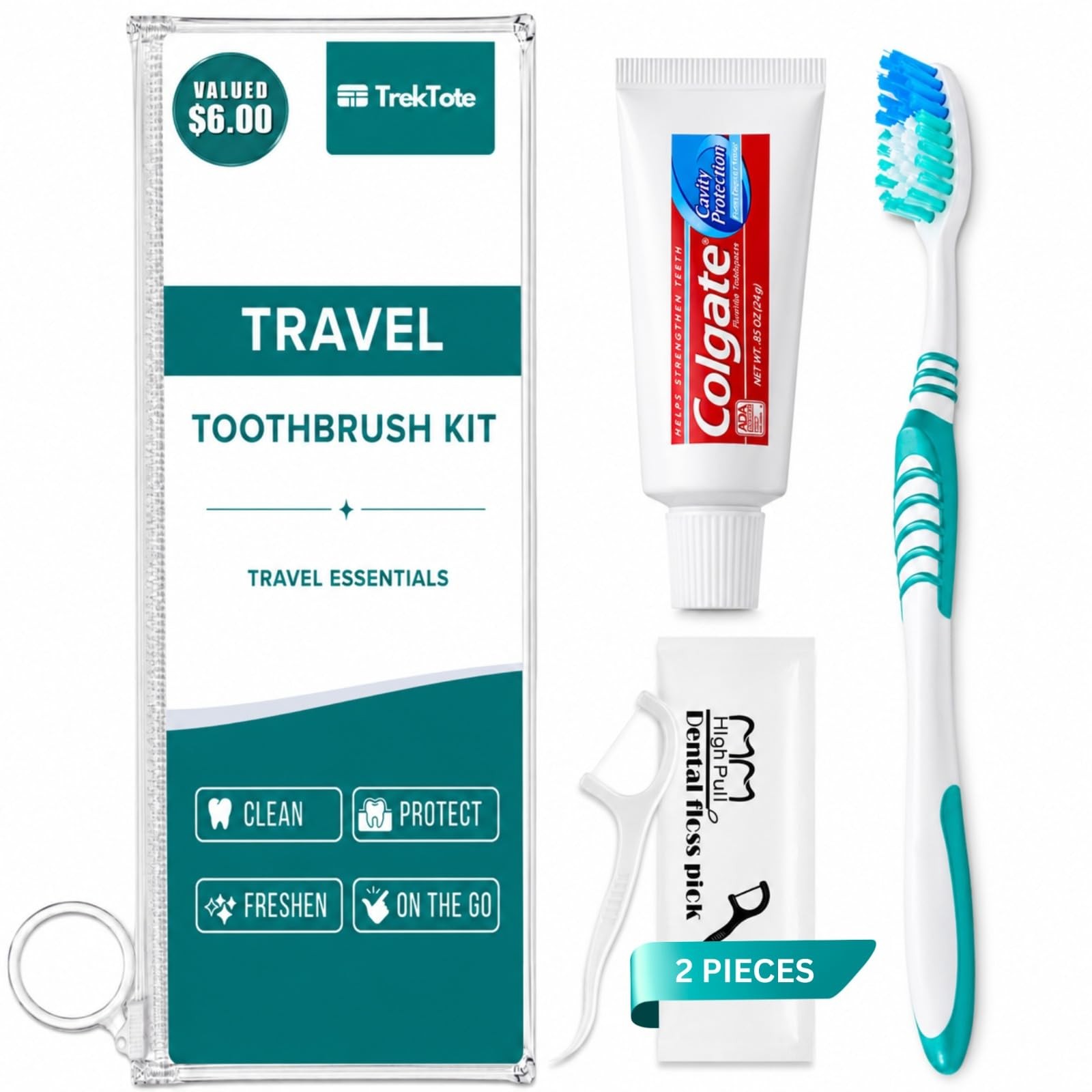 Travel Toothbrush Kit with Name Brand Toothpaste and Dental Floss Picks$8.62
 View on eBay
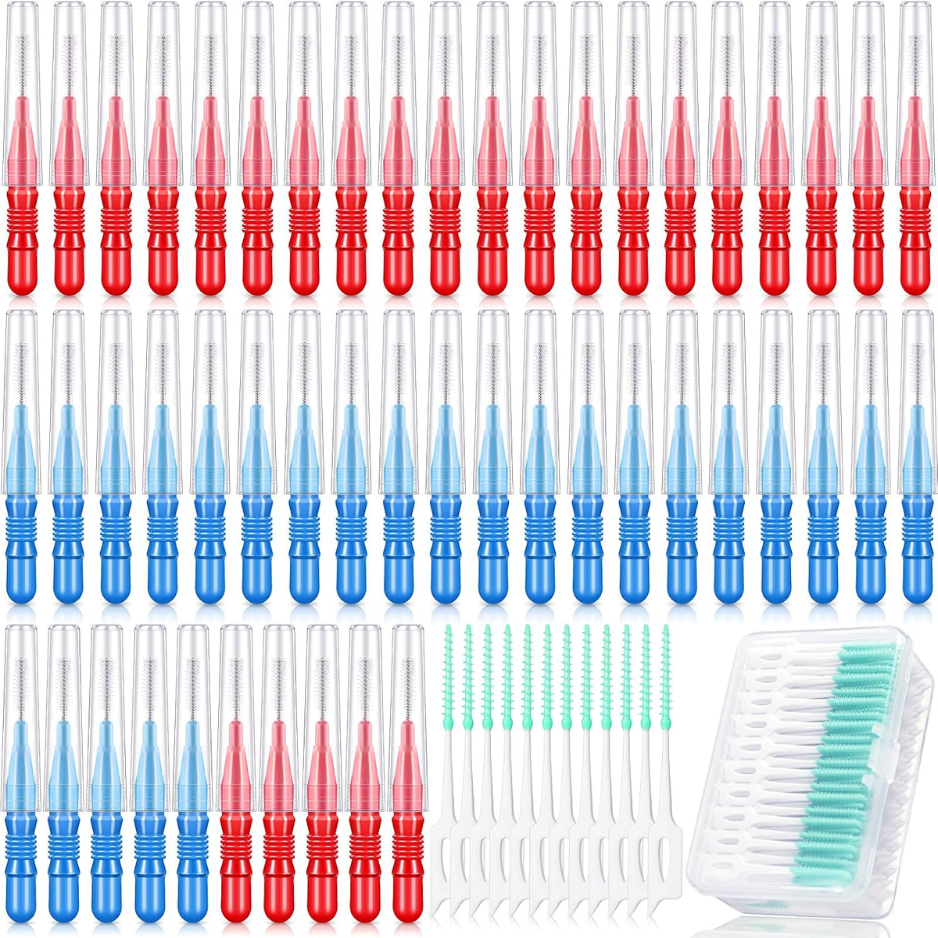 350Pcs Interdental Floss Brushes, Dental Tooth Cleaning Picks For Oral Care$99.99
 View on Mallflare
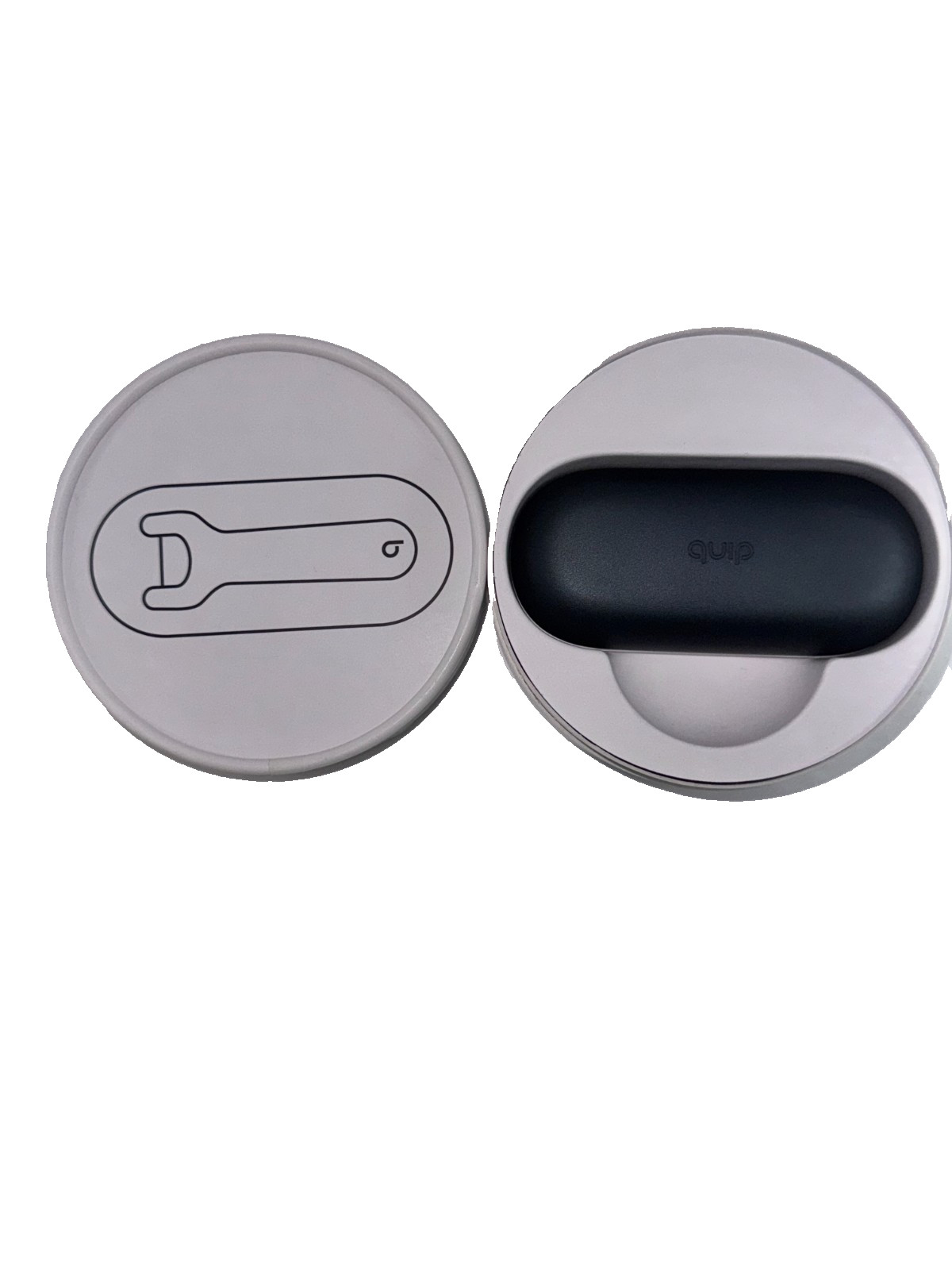 Quip Floss Pick Starter Kit Slate Metal Oral Care Set 1ct$9.99View on eBay
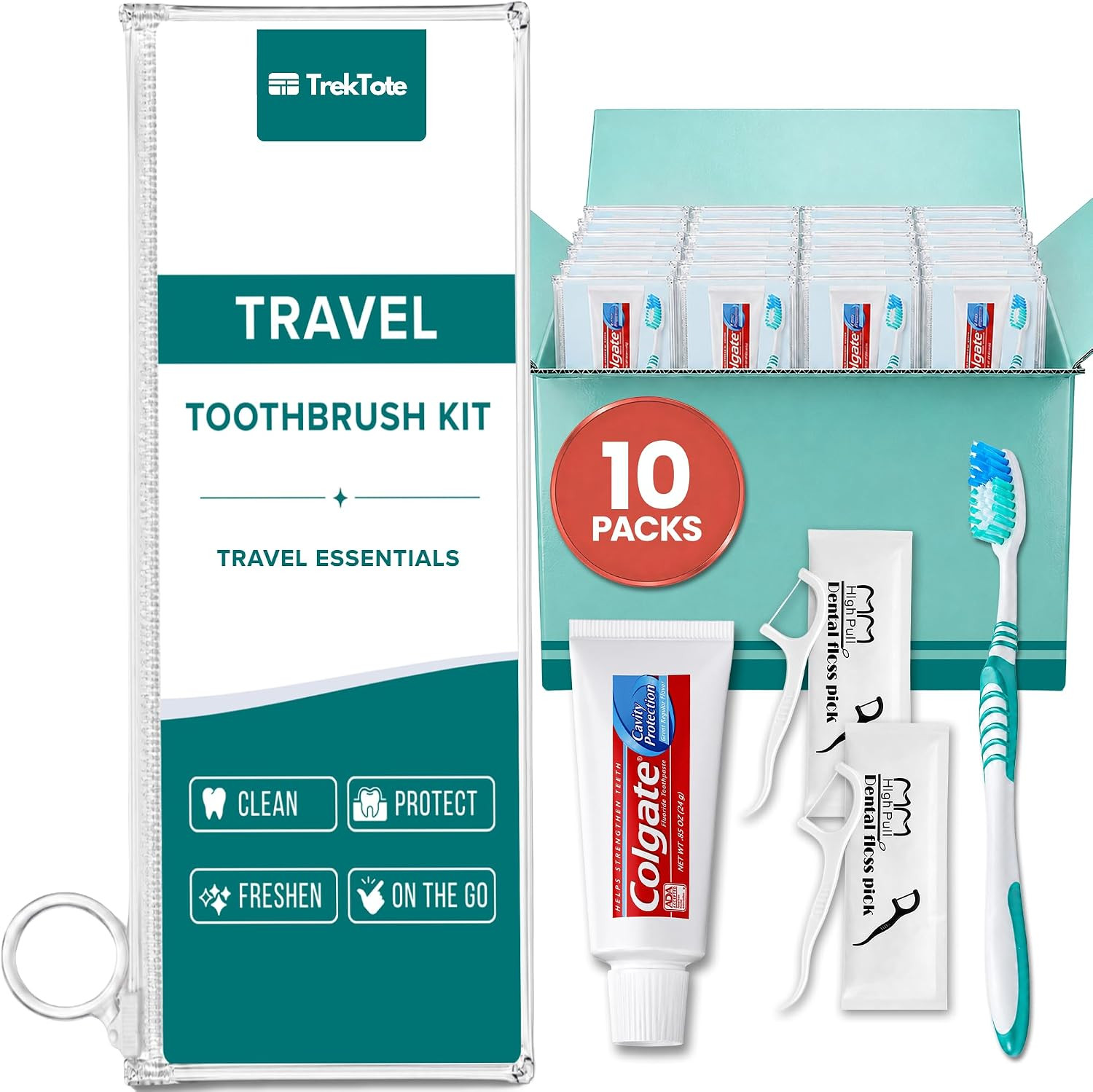 Bulk Toothbrushes and Toothpaste Kits Floss Picks Oral Hygiene (10 Pack)$62.23View on eBay
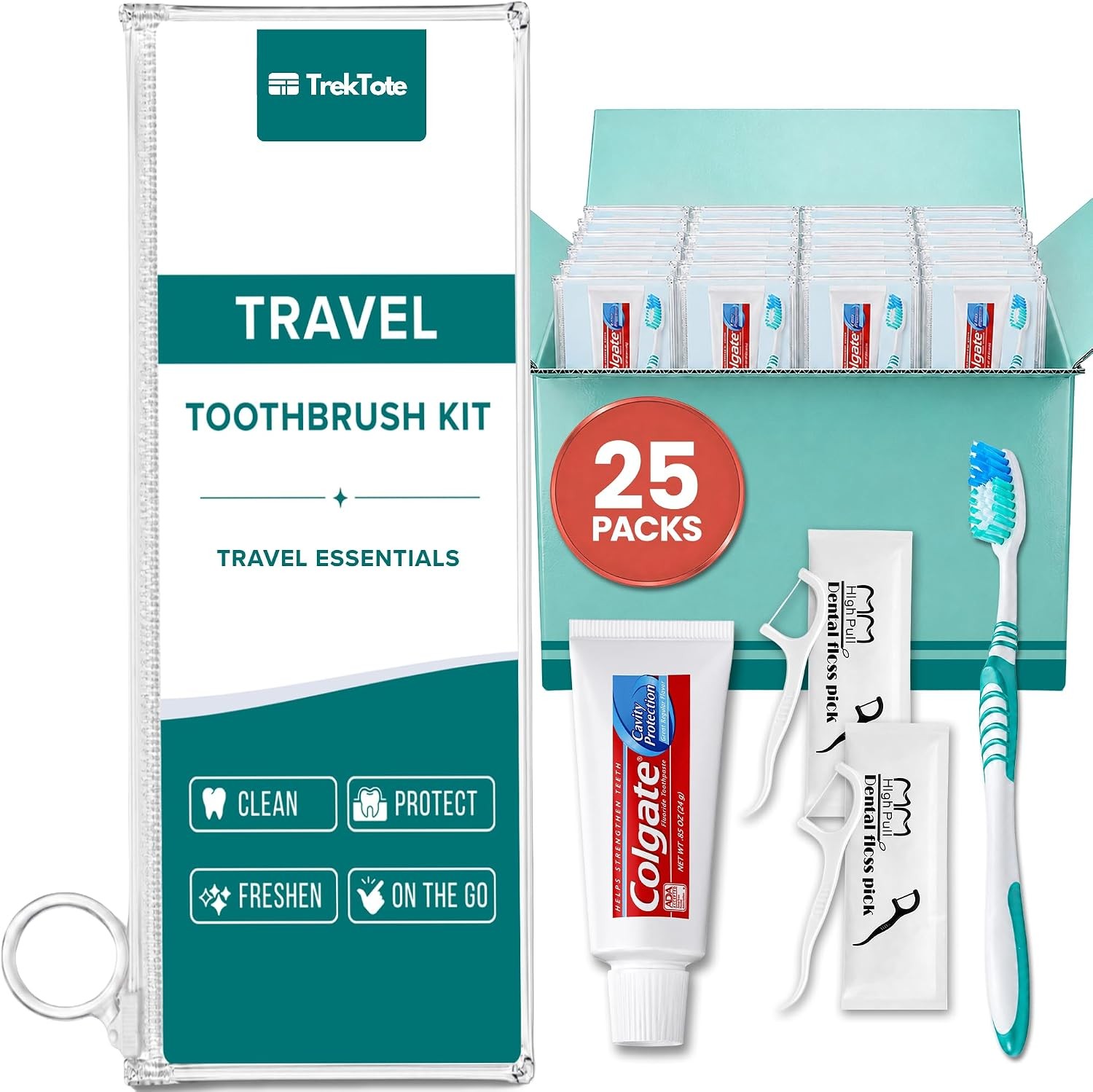 Bulk Toothbrushes and Toothpaste Kits Floss Picks Oral Hygiene (25 Pack)$108.67View on eBay
Highlights
- Floss type drives performance: PTFE (monofilament) glides through tight contacts without shredding, while waxed multifilament nylon is softer but frays on rough restorations.
- Handle rigidity separates tiers: picks under 0.6 mm flex and snap at the Y-junction; 0.8–1.0 mm reinforced handles maintain tension for posterior teeth.
- Pick-end geometry matters: tapered 1.0–1.5 mm tips reach interdental papillae; blunt or oversized tips are ineffective for tight embrasures.
- Bulk-count picks typically use thinner 40–50 denier floss and softer plastic; branded starter kits use higher-tension floss and firmer handles.
Best use cases
- Best fit: daily home users with tight contacts or crowns — choose PTFE-floss picks with rigid 0.8 mm+ handles; skip ultra-cheap bulk bags with fraying multifilament.
- Best fit: travel and on-the-go — pick compact travel kits with sealed pick cases; skip loose bulk bags that expose picks to pocket lint and moisture.
- Best fit: braces or wide gaps — choose interdental brush picks (0.8–1.2 mm bristle heads) over floss picks; standard floss picks cannot clean around brackets.
- Wrong fit: heavy calculus or bridgework — floss picks cannot replace proxy brushes or water flossers; pick interdental brushes instead.
Buying tips
- Match floss to contact tightness: PTFE for tight contacts and restorations, waxed nylon for normal gaps; unwaxed multifilament shreds fastest on rough fillings.
- Check handle thickness: 0.8–1.0 mm rigid handles resist flex; picks under 0.6 mm bend at the arch and lose floss tension.
- Verify floss tension at the Y-junction: floss should twang when plucked; sagging or loose floss indicates low-tension manufacturing.
- For bulk economy, confirm floss is PTFE or waxed and handle is at least 0.7 mm; 350-count bags often use thinner 40-denier floss.
Specs
| Floss Material | PTFE monofilament vs waxed nylon |
|---|---|
| Handle Thickness | 0.6–1.0 mm rigid vs flex |
| Pick Tip Taper | 1.0–1.5 mm tapered vs blunt |
| Pack Format | Bulk bag vs sealed travel case |
Related searches
What to check before buying
- Measure your tightest interdental contact with a probe or existing floss: if floss shreds, switch to PTFE picks.
- Check handle length against your molar reach: standard picks are 60–70 mm; short travel picks under 50 mm may not reach second molars.
- Confirm pick-end taper fits your embrasures: 1.0–1.5 mm tapered tips for tight papillae; wider tips for open gaps.
- For travel kits, verify picks are individually sealed or in a hard case; loose picks absorb moisture and lint.
FAQ
Data sources: eBay / Amazon listings and product attribute feeds Data updated Nov 15, 2026.
Some links on this page are affiliate links. If you buy after clicking one, we may earn a commission at no extra cost to you. This does not change which products appear here or their order. Affiliate disclosure.