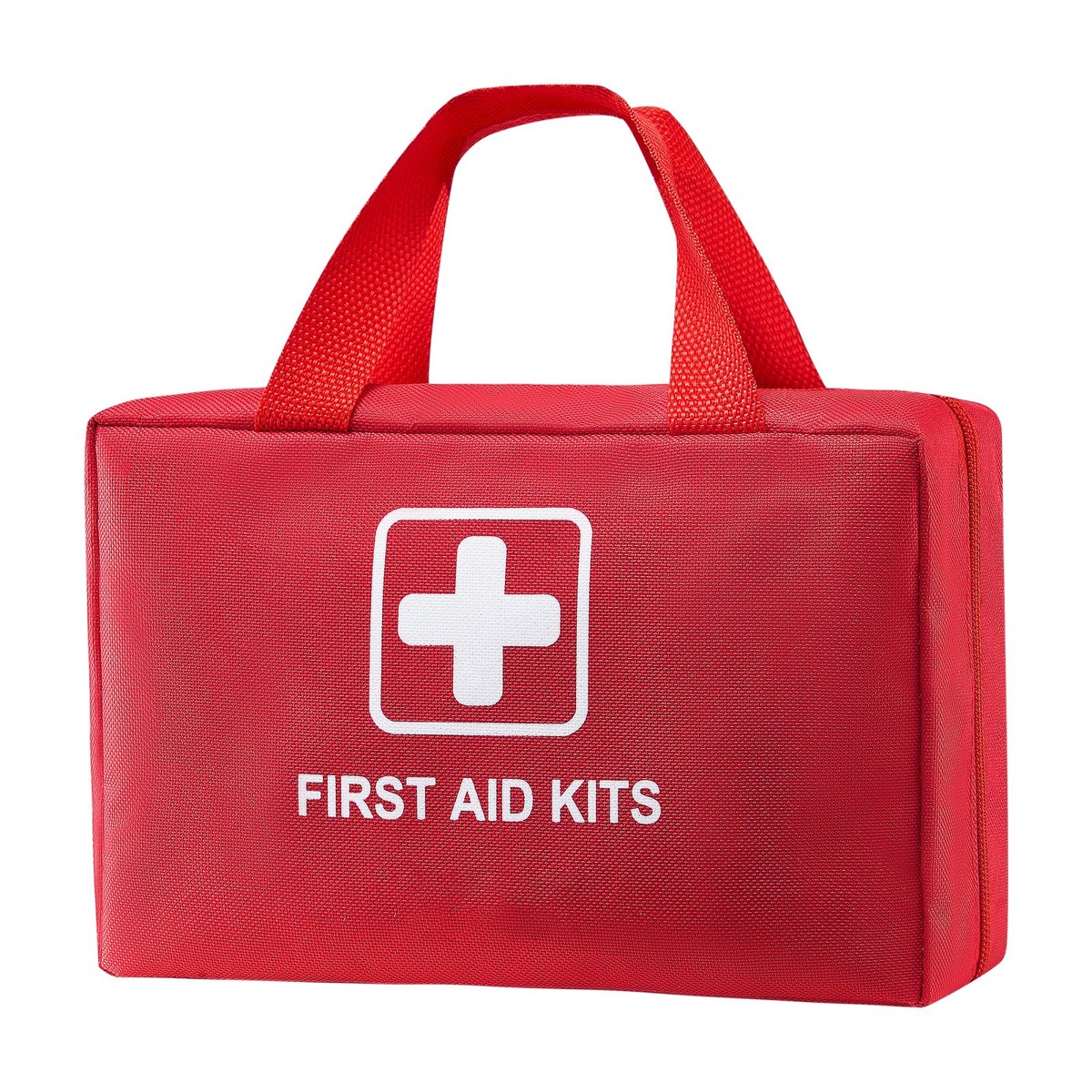

Photos from current listings. Actual item, color, and included accessories may vary.
Medical Aid Buying Guide
Medical aids encompass a broad range of products—from first-aid kits and mobility supports to monitoring devices—whose primary trade-off is between clinical-grade materials/certifications and lightweight consumer convenience. Durable options use reinforced fabrics, sealed sterile components, and standardized sizing, while compromises rely on thin shells, unsealed refills, and one-size-fits-all fit that fails under real use.


At a glance
- Category
- Health Monitors & Medical Aids
- Data updated
- Nov 15, 2026
Current offers
Highlights
- First-aid kit bags: 600D nylon with double-stitched seams and YKK zippers resist abrasion and burst pressure; 420D or polyester Oxford is lighter but tears at stress points.
- Sterile supplies must carry individual lot numbers and expiration dates; bulk unsealed bandages risk contamination and are unsuitable for workplace or vehicle kits.
- Mobility aids are rated by weight capacity—standard walkers support 250–300 lb, heavy-duty bariatric models 400–500 lb—with frame wall thickness increasing at higher ratings.
- Monitoring aids differ by sensor type: oscillometric upper-arm cuffs are clinically validated within ±3 mmHg, while wrist cuffs are more position-sensitive and less reliable for arrhythmia detection.
Best use cases
- Best fit: home and vehicle kits should be 600D nylon with organized compartments, a first-aid guide, and refills that meet ANSI/ISEA Z308.1 minimum fill standards; skip soft vinyl pouches that crack in heat.
- Best fit: workplace or OSHA-compliant settings require kits with Class A or B fill per ANSI/ISEA Z308.1 and a designated responder; skip consumer travel kits that lack burn dressings and eye wash.
- Best fit: outdoor and camping kits need waterproof cases (IPX4 or better), compact trauma supplies like tourniquets and hemostatic gauze; skip large home kits that add weight without portability.
- Wrong fit: buying a wrist blood-pressure monitor for a person with irregular heartbeats or obesity—choose a validated upper-arm cuff with an explicitly listed cuff circumference range instead.
Buying tips
- Match kit fill to ANSI/ISEA Z308.1 Class A (basic home/office) or Class B (higher risk, more supplies); kits without this label often omit required burn and eye treatments.
- For mobility aids, verify weight capacity exceeds the user’s weight by at least 20%; a 200 lb user needs a 250 lb-rated frame minimum for safe margin.
- Choose blood-pressure cuffs sized to arm circumference: most adult cuffs fit 22–42 cm; measure mid-upper-arm and pick a model with an explicit range, not a universal label.
- First-aid bag fabric: 600D nylon with PU backing resists water and abrasion; 1680D ballistic nylon is heavier-duty for truck/outdoor use, while 300D polyester is only for light home storage.
Specs
| Kit Fabric | 600D nylon vs 420D polyester |
|---|---|
| Fill Standard | ANSI/ISEA Z308.1 Class A / B |
| Mobility Capacity | 250–300 lb std / 400–500 lb bariatric |
| BP Cuff Type | Upper-arm validated vs wrist |
Related searches
What to check before buying
- Measure storage space: a 500-piece kit bag typically runs 12–16 inches wide; confirm shelf or trunk depth before choosing a large survival bag.
- Check expiration dates on all sterile items and medications; kits with short-dated refills need replacement within 12–24 months.
- For mobility aids, measure doorway width (standard 32 in) and floor transitions; walkers and wheelchairs need at least 30–32 in clearance.
- Verify voltage and plug standard for any electronic medical aid (monitors, nebulizers) if importing; US devices require 120V 60Hz and FDA clearance for clinical claims.
FAQ
Data sources: eBay / Amazon listings and product attribute feeds Data updated Nov 15, 2026.
Some links on this page are affiliate links. If you buy after clicking one, we may earn a commission at no extra cost to you. This does not change which products appear here or their order. Affiliate disclosure.