Photos from current listings. Actual item, color, and included accessories may vary.
Back Brace Buying Guide
Back braces range from soft elastic lumbar supports to rigid postural trainers and powered traction devices, with the core trade-off being passive stabilization versus active correction. Durable options use breathable, multi-layer fabric with rigid stays or air chambers, while compromises rely on thin elastic and weak hook-and-loop closures. The decision rule: choose a passive support for load relief during lifting or prolonged sitting, and an active posture trainer only for short, supervised correction sessions.


At a glance
- Category
- Health Monitors & Medical Aids
- Data updated
- Nov 15, 2026
Current offers
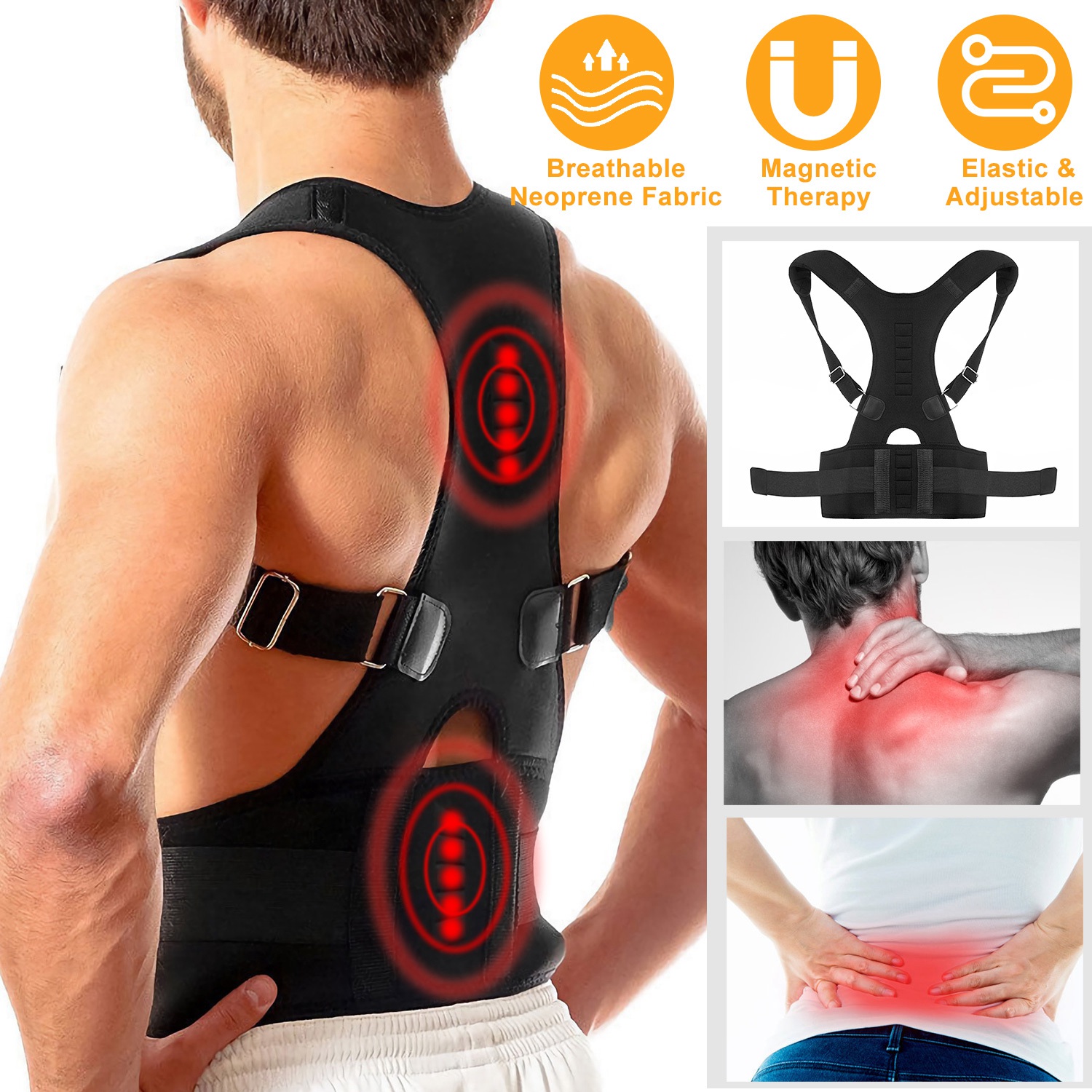 Unisex Posture Corrector Support Magnetic Lumbar Back Belt Adjustable Upper Braces Clavicle Shoulder Brace Pain Relief Therapy$27.99
 View on Mallflare
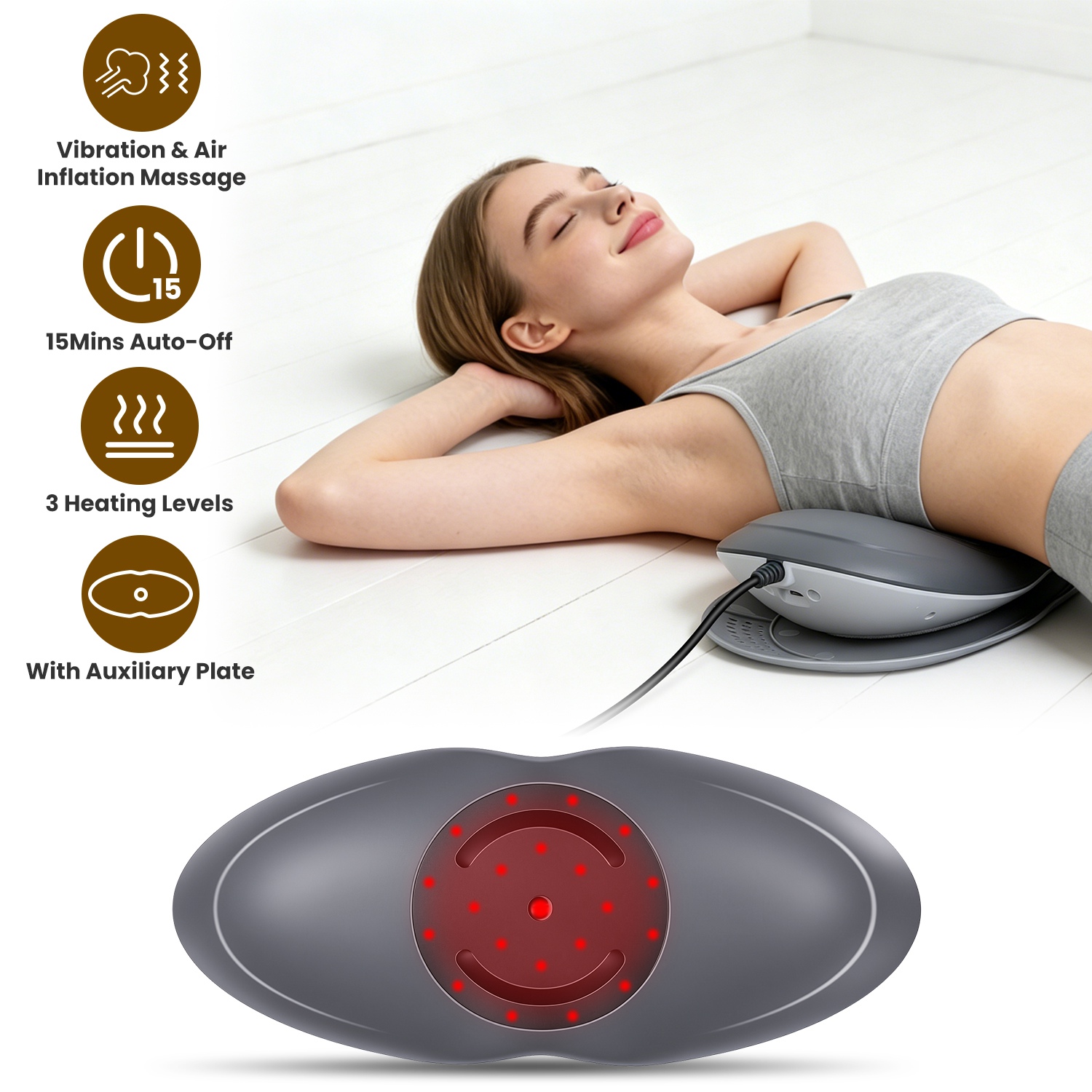 Electric Lumbar Traction Device For Lower Back Support Rechargeable Stretcher With Air Pressure Vibration Massage Heat Soothing Red Blue Light 15-Min Auto Timer$94.99View on Mallflare
Highlights
- Soft lumbar braces use 3-5mm perforated neoprene or elastic webbing with 4-6 vertical plastic stays for compression and proprioceptive feedback.
- Posture correctors are passive clavicle-shoulder retractors; they do not strengthen muscles and should be limited to 15-30 minute sessions.
- Powered traction devices use rechargeable air pumps with 15-minute auto timers; heat and vibration are adjuncts, not substitutes for mechanical decompression.
- Hook-and-loop closures lose grip after repeated washing; nylon-backed loops and double-stitched seams extend service life beyond typical 6-12 months.
Best use cases
- Best fit: a soft lumbar brace with adjustable side pulls and 4+ stays for lifting, prolonged sitting, or mild lower-back discomfort; skip rigid postural trainers for dynamic work.
- Best fit: a clavicle posture corrector for short, supervised retraining sessions; skip it for heavy lifting or as a standalone treatment for chronic pain.
- Best fit: a powered lumbar traction device for intermittent home decompression with a 15-minute timer; skip it if you have osteoporosis, spinal fractures, or implanted hardware.
- Best fit: a rigid thoracic-lumbar brace only under clinician direction post-injury; skip over-the-counter rigid braces for general posture improvement.
Buying tips
- Measure waist circumference at the navel and add 2-4 inches for comfort; most soft braces fit 28-48 inches with overlapping sizes.
- Choose 4-6 plastic or aluminum stays for lumbar support; fewer than 4 stays provides minimal vertical rigidity.
- For posture correctors, select underarm straps with padded edges and a figure-8 design; thin elastic straps dig in and lose tension quickly.
- Powered traction devices should list air pressure in kPa or mmHg and a 15-minute auto shutoff; rechargeable Li-ion batteries typically deliver 8-10 sessions per charge.
Specs
| Brace Type | Soft lumbar / Posture / Rigid / Powered |
|---|---|
| Support Stays | 4-6 plastic or aluminum vertical stays |
| Closure System | Hook-and-loop with double stitching |
| Powered Timer | 15-min auto shutoff; USB-C rechargeable |
Related searches
What to check before buying
- Confirm waist or chest circumference against the brace's size chart; measure at the narrowest point for posture correctors and at the navel for lumbar braces.
- Check chair or bed clearance: rigid braces add 1-2 inches of profile and may not fit under tight desk arms or car seats.
- For powered devices, verify a standard USB-C or DC charging port and that the air bladder is replaceable or repairable.
- Ensure the brace can be worn over a thin base layer; direct skin contact with neoprene can cause irritation during prolonged wear.
FAQ
Data sources: eBay / Amazon listings and product attribute feeds Data updated Nov 15, 2026.
Some links on this page are affiliate links. If you buy after clicking one, we may earn a commission at no extra cost to you. This does not change which products appear here or their order. Affiliate disclosure.