Photos from current listings. Actual item, color, and included accessories may vary.
Blood Pressure Monitor Buying Guide
Blood pressure monitors are home medical devices that use an inflatable cuff and pressure sensor to measure systolic and diastolic pressure, with accuracy determined by cuff fit, sensor validation, and placement site. The core trade-off is upper-arm clinical accuracy versus wrist-portable convenience, and only upper-arm models with validated algorithms and correct cuff sizing meet home-monitoring standards for diagnosis and treatment decisions.

At a glance
- Category
- Health Monitors & Medical Aids
- Data updated
- Nov 15, 2026
Current offers
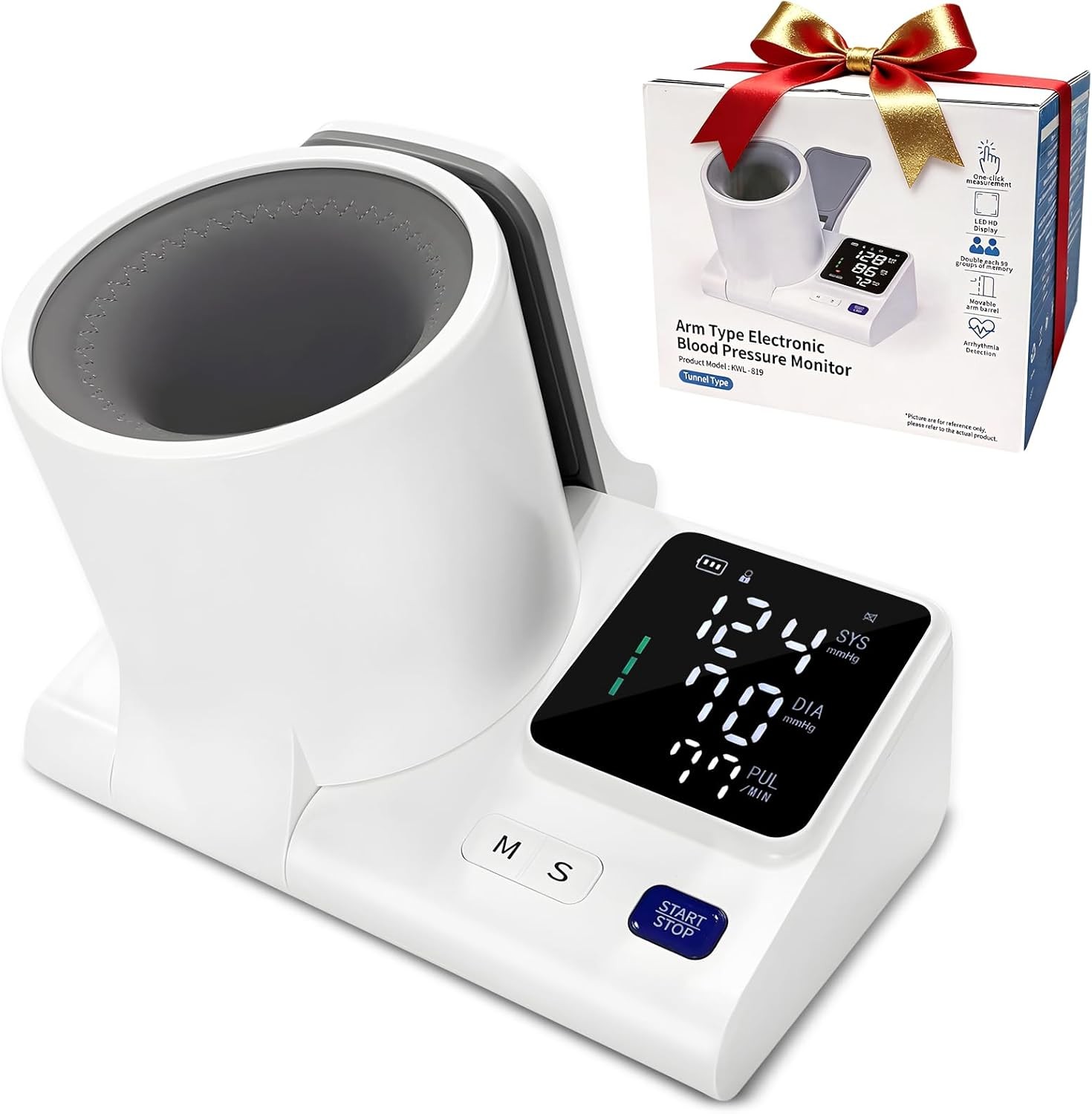 Upper Arm Blood Pressure Monitor for Home Use, One-Touch Blood Pressure Machine$78.00
 View on eBay
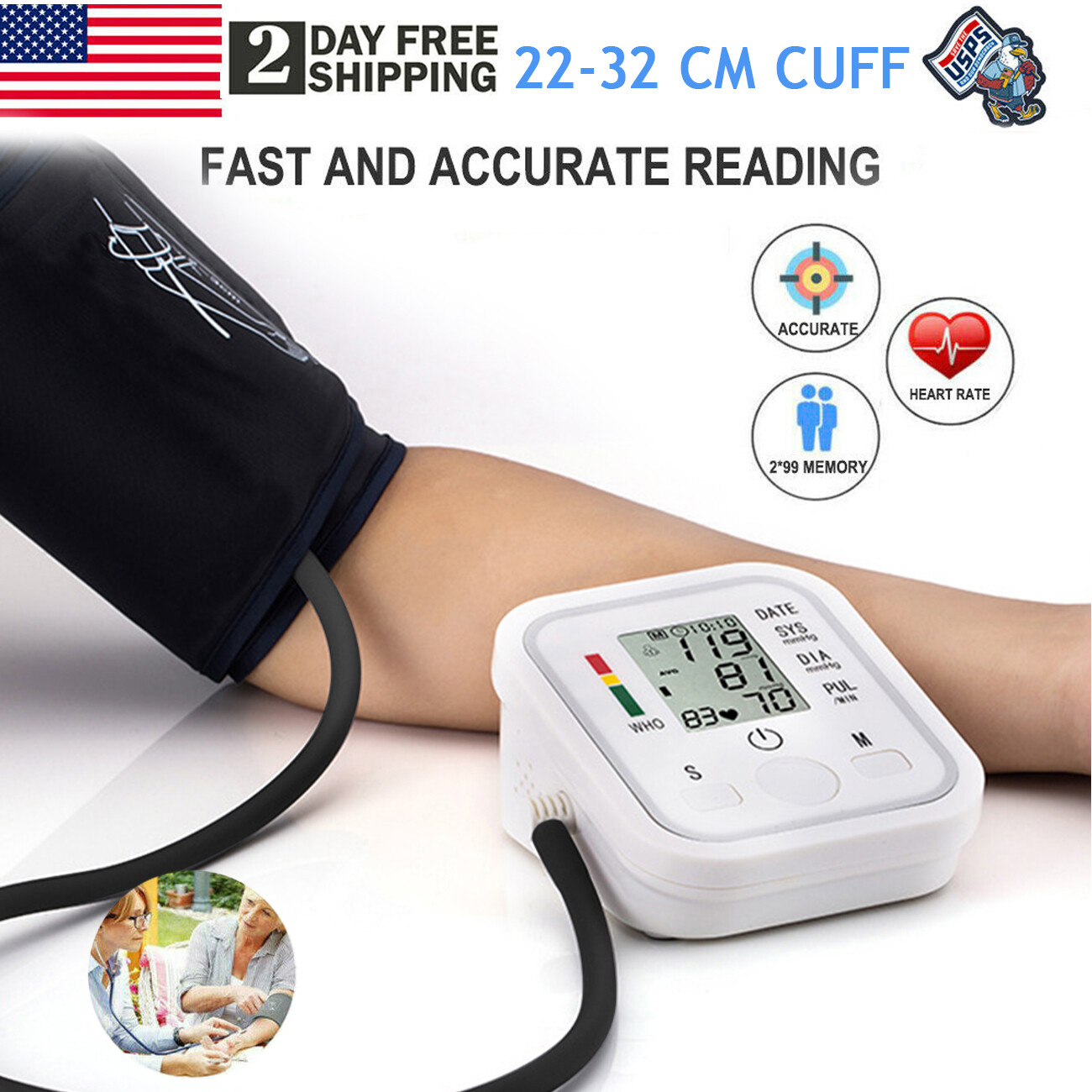 Automatic Upper Arm Blood Pressure Monitor Pulse Meter BP Machine Voice Talking$20.99
 View on Mallflare
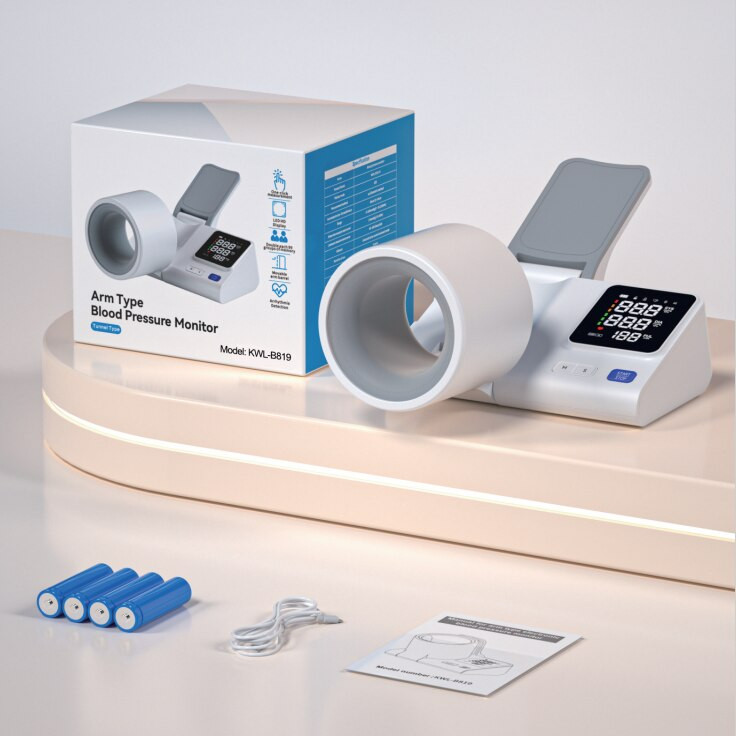 Home Blood Pressure Monitor 510(k) Cleared Upper Arm No-Wrap Automatic$88.00View on eBay
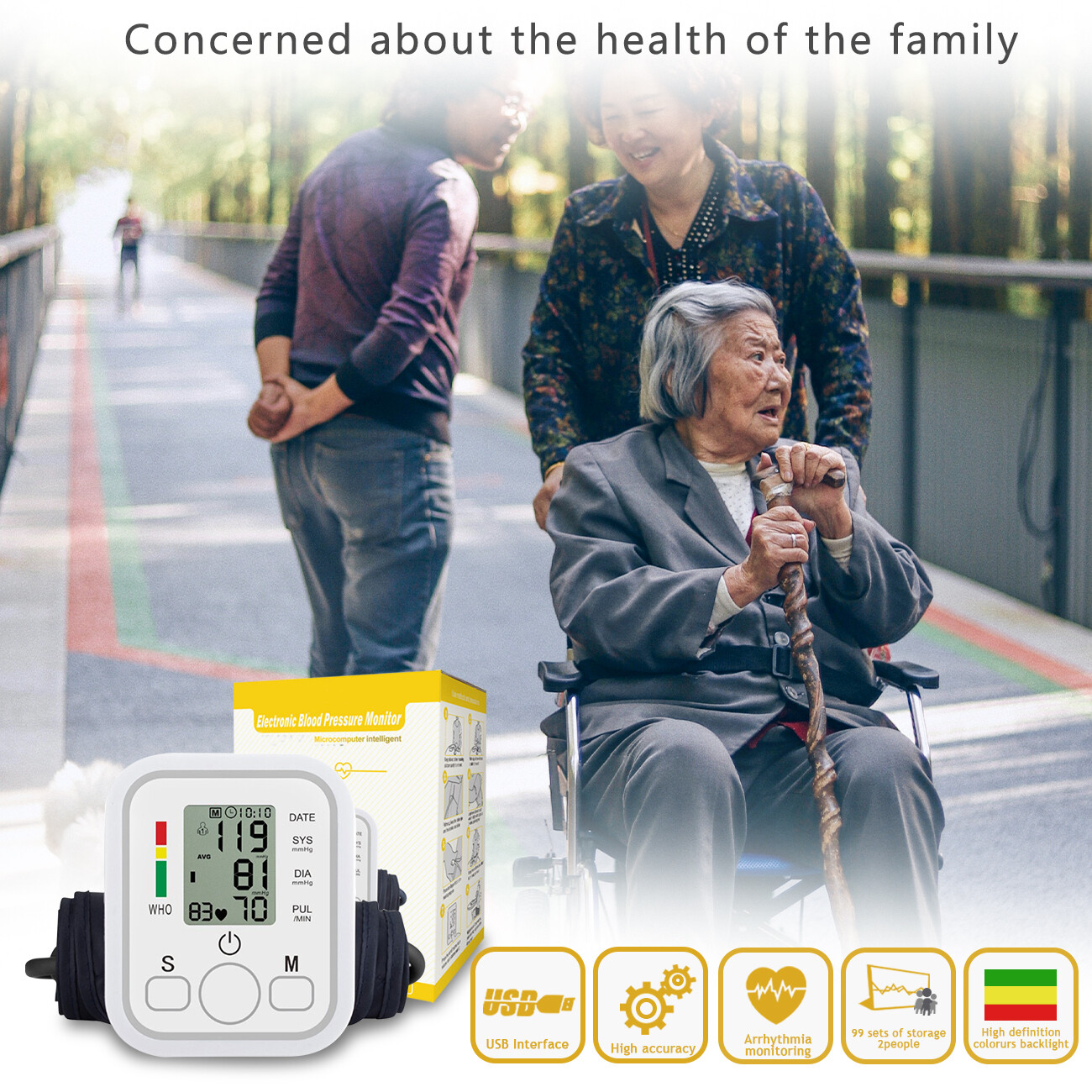 Automatic Digital Blood Pressure Monitor Upper Arm Machine Pulse Meter Cuff LCD$30.99View on Mallflare
- Home Blood Pressure Monitor 510(k) Cleared Upper Arm No-Wrap Automatic$99.00View on eBay
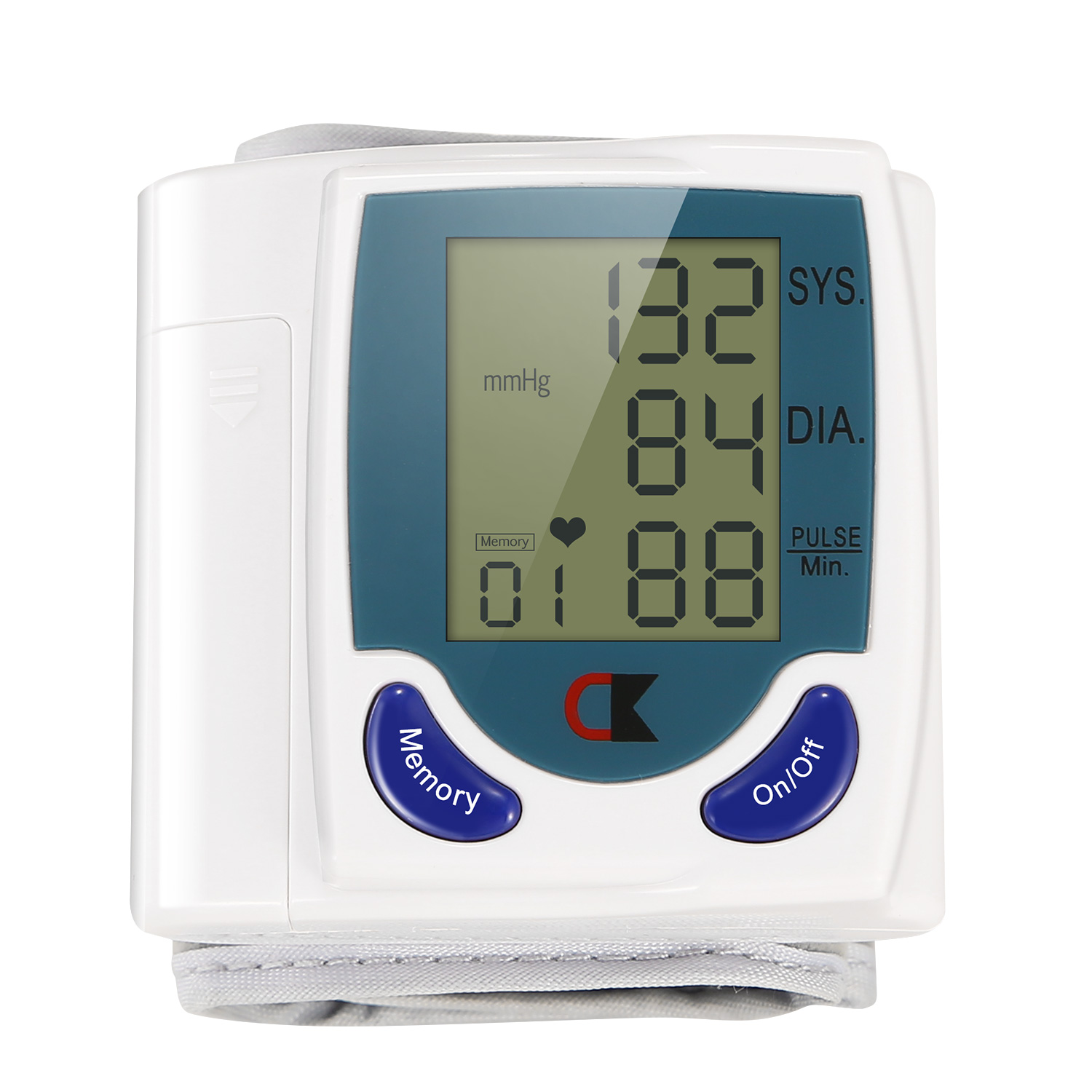 1Pc Blood Pressure Monitor Wrist Digital High Cuff Heartbeat Tester With 60 Reading Memory 1.8 Inches LCD Screen Storage Box$34.99View on Mallflare
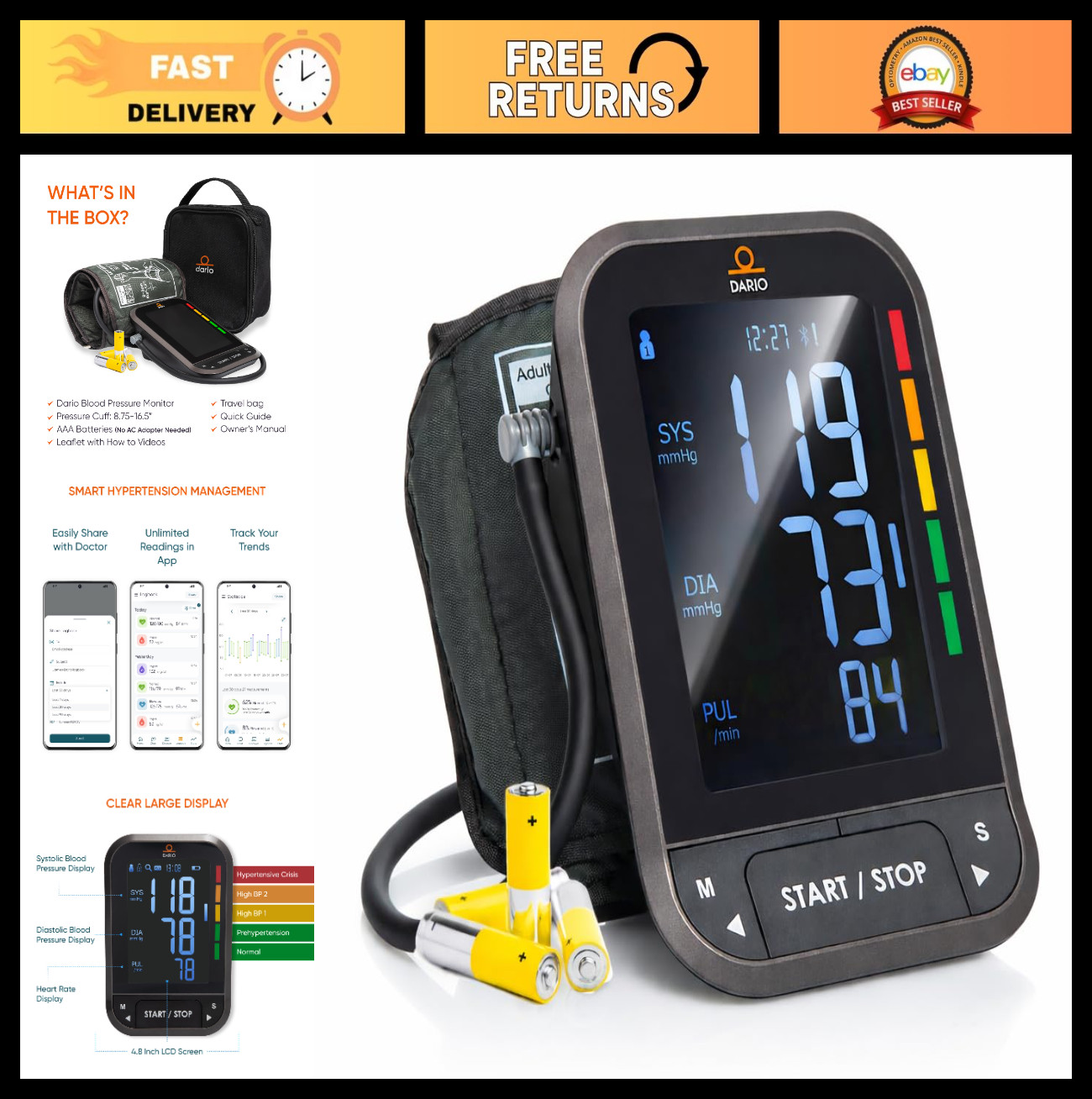 Smart Blood Pressure Monitor for Home Use | App Connectivity & Carry Case$159.99View on eBay
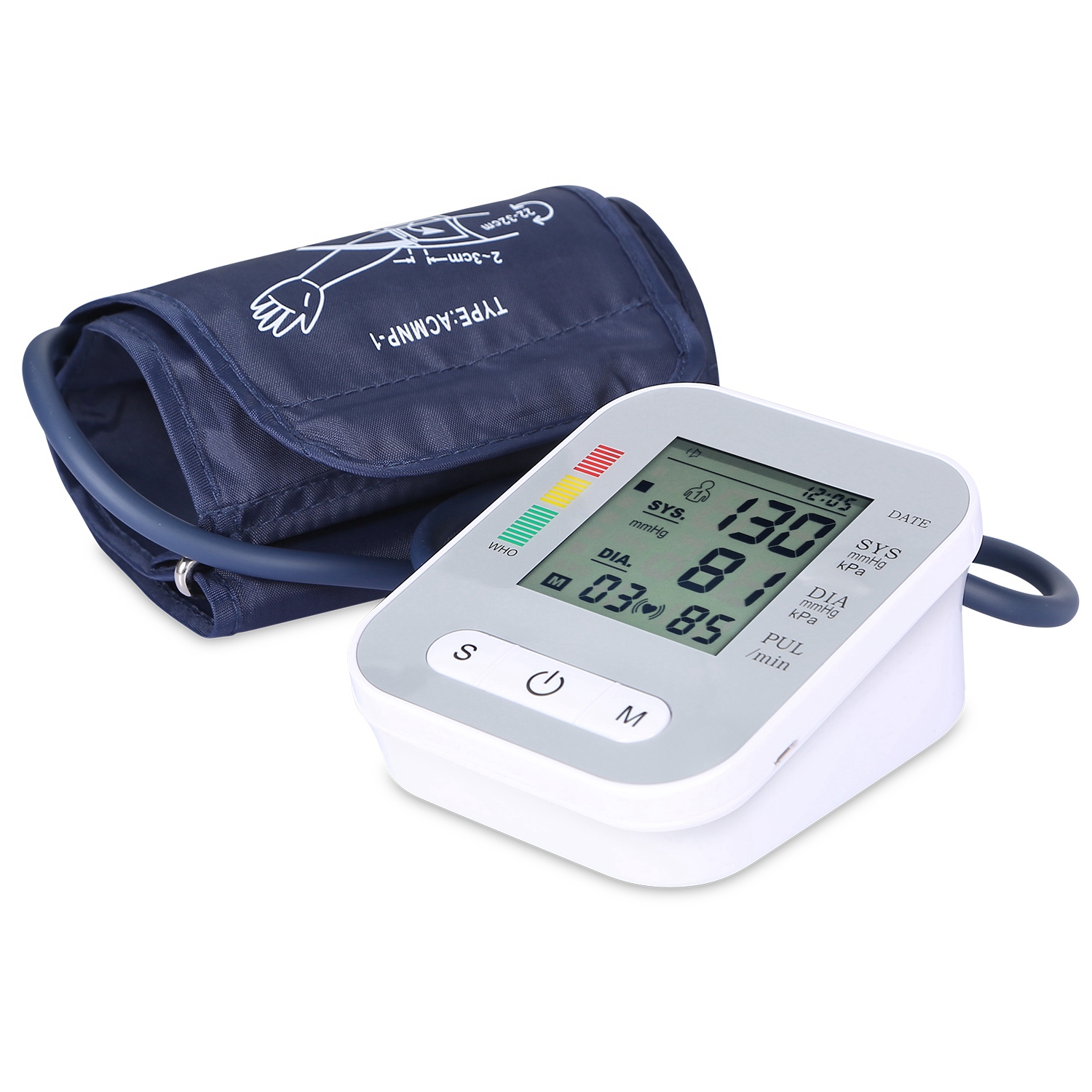 1Pc Digital Arm Blood Pressure Monitor LCD Heart Beat BP Gauge Health Test With Voice$39.99View on Mallflare
Highlights
- Upper-arm auscultatory-equivalent oscillometric monitors are the clinical reference; wrist models are more position-sensitive and prone to measurement error from wrist movement and incorrect heart-level placement.
- Cuff circumference fit is the dominant accuracy variable: an undersized or oversized cuff on the arm produces readings skewed by 5-15 mmHg, so sizing must match mid-upper-arm circumference.
- FDA 510(k) clearance indicates the device has been reviewed for safety and effectiveness; models marketed for home use without clearance lack independent validation of their measurement algorithm.
- Memory capacity and averaging features (e.g., 60-reading memory, multi-user modes, morning/evening averaging) determine whether a monitor supports trend review for a clinician versus single spot checks.
Best use cases
- Best fit: upper-arm automatic monitor with a correctly sized cuff for adults monitoring hypertension at home or sharing readings with a clinician; skip wrist cuffs and unvalidated models for diagnostic use.
- Best fit: wrist monitor with 60-reading memory and storage case for frequent travelers who need compact portability; skip it if you have irregular heart rhythms or need clinical-grade trend data.
- Best fit: voice-talking upper-arm monitor for low-vision or elderly users who need audible readouts; skip voice-only models if the display lacks large digits for backup confirmation.
- Wrong fit: app-connected smart monitors for buyers without a smartphone or reliable Bluetooth pairing routine; choose a standalone LCD model with on-device memory instead.
Buying tips
- Measure mid-upper-arm circumference before buying and select the cuff range that contains it; most monitors ship with a standard adult cuff fitting roughly 22-42 cm, and larger arms need a separate large cuff.
- Prefer upper-arm monitors for hypertension diagnosis and medication titration; reserve wrist models for travel or spot checks when upper-arm use is impractical.
- Look for FDA 510(k) clearance or an equivalent validation marking on the device label; unvalidated wrist and arm models can deviate significantly from reference standards.
- Choose a model with at least 60-reading memory and multi-user storage if more than one person will use it; single-user memory without averaging is insufficient for trend review.
Specs
| Placement Type | Upper arm vs wrist |
|---|---|
| Cuff Range | Standard ~22-42 cm; large/small available |
| Validation | FDA 510(k) cleared vs unvalidated |
| Memory Capacity | 60+ readings; multi-user modes |
Related searches
What to check before buying
- Measure mid-upper-arm circumference and confirm the included cuff range covers it; buy a large or small cuff separately if outside the standard range.
- Confirm the monitor requires no wall power and runs on batteries (typically AA or AAA) or includes an AC adapter, matching your outlet voltage and plug type.
- Check that the arm cuff fits your arm length and that the tubing reaches comfortably from a tabletop unit when seated.
- Verify the display is large enough to read without glasses and that voice prompts, if present, are in your language.
FAQ
Data sources: eBay / Amazon listings and product attribute feeds Data updated Nov 15, 2026.
Some links on this page are affiliate links. If you buy after clicking one, we may earn a commission at no extra cost to you. This does not change which products appear here or their order. Affiliate disclosure.