Photos from current listings. Actual item, color, and included accessories may vary.
Eye Drop Buying Guide
Eye drops are sterile liquid solutions for lubrication, redness relief, allergy control, or prescription treatment, and the main trade-off is between preservative-free single-use vials (maximum ocular surface safety but higher cost per dose) and multi-dose bottles with preservatives (convenient and economical but unsuitable for frequent daily use or sensitive eyes). The decision rule: choose preservative-free for more than 4-6 daily instillations or post-surgery, and pick formulation by active ingredient—not by brand or bottle size.

At a glance
- Category
- Health Monitors & Medical Aids
- Data updated
- Nov 15, 2026
Current offers
 Lubricant Eye Drops for Dry Eyes Relief, Preservative-Free,Contact Lens Friendly$22.90
 View on eBay
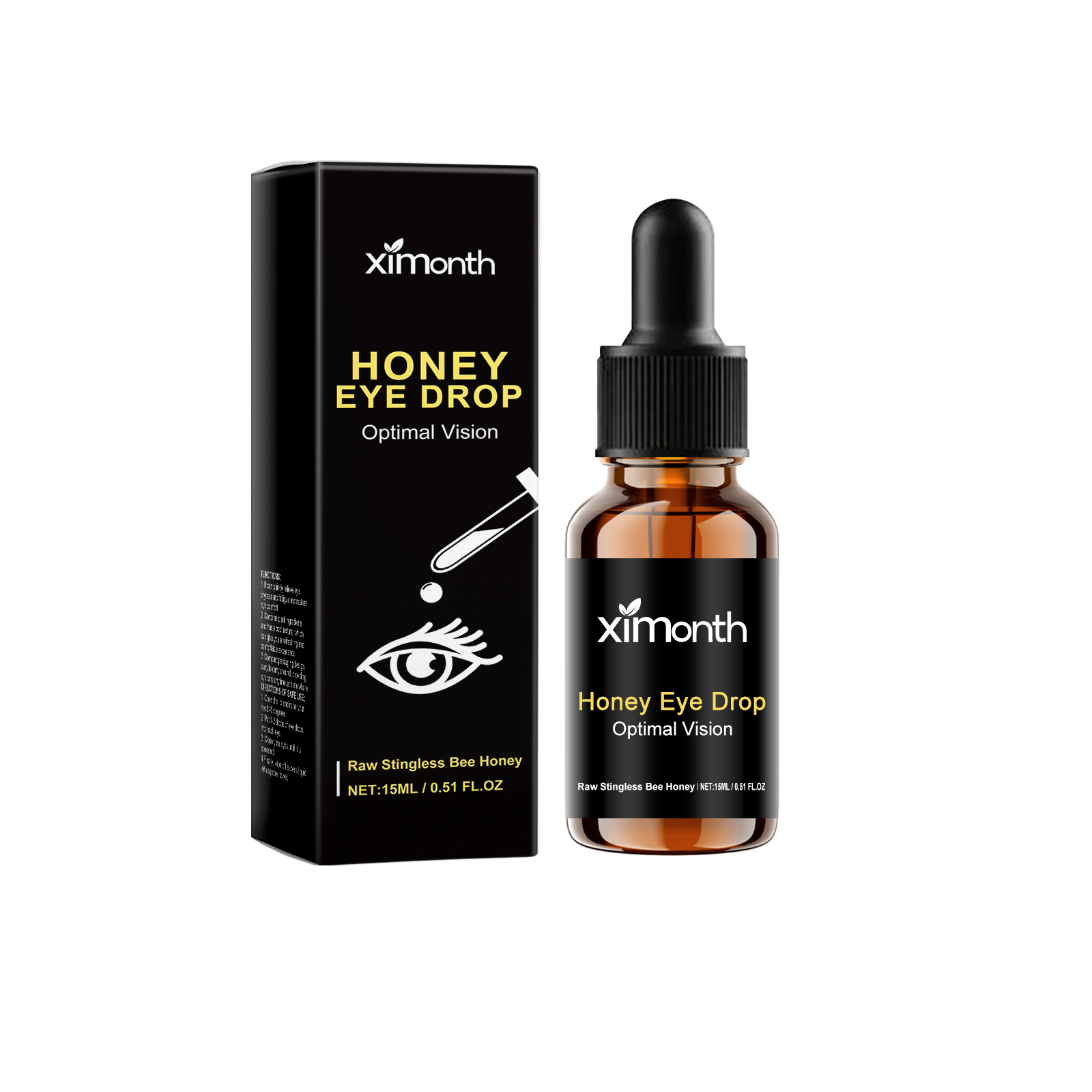 Ximonth Honey Extract Eye Drops, Refreshing, Moisturizing And Eye Care Solution$19.99
 View on Mallflare
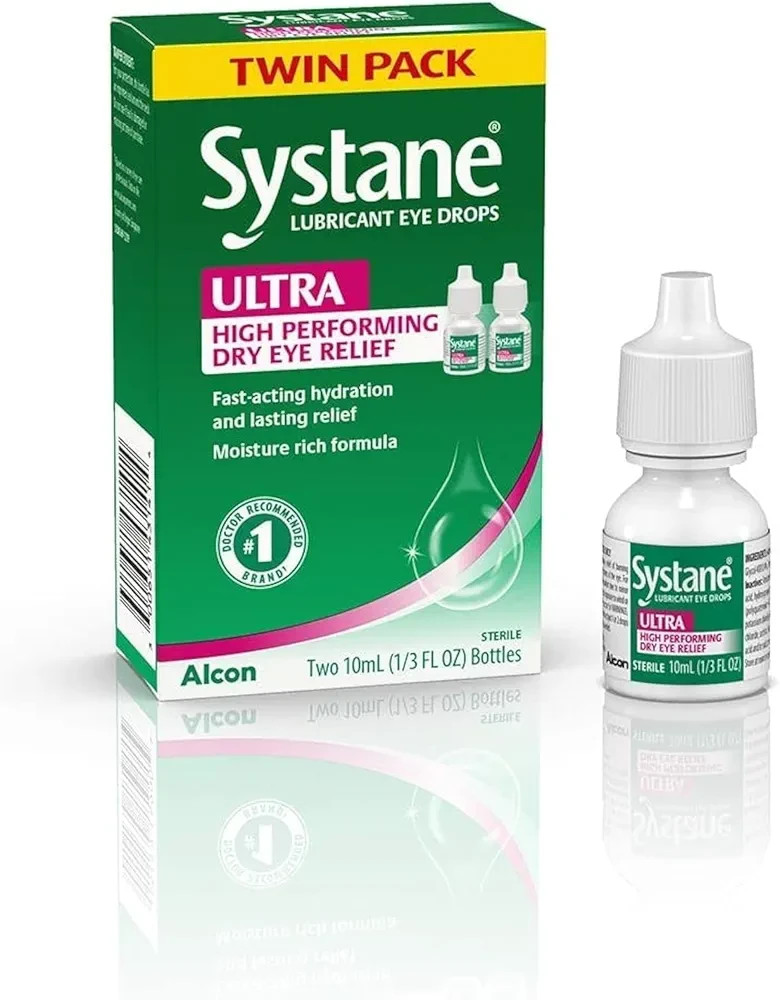 Systane Ultra Lubricant Eye Drops Dry Eye Relief 10ml 6/27$22.99View on eBay
- Systane Ultra Lubricant Eye Drops Dry Eye Relief 10ml 10/27$22.99View on eBay
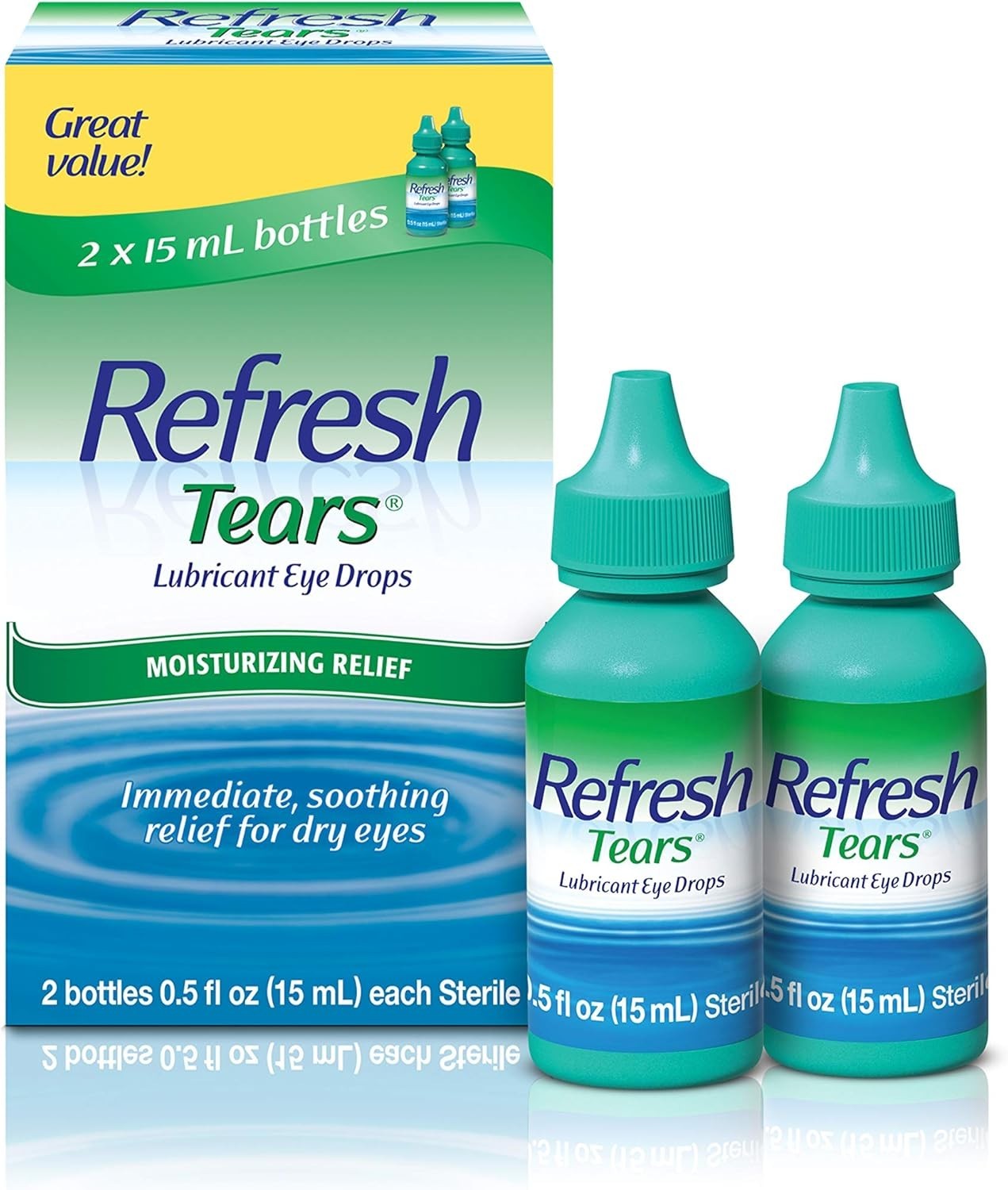 Tears Lubricant Eye Drops - 2 Bottles (0.5 fl oz) for Daily Eye Comfort$23.99View on eBay
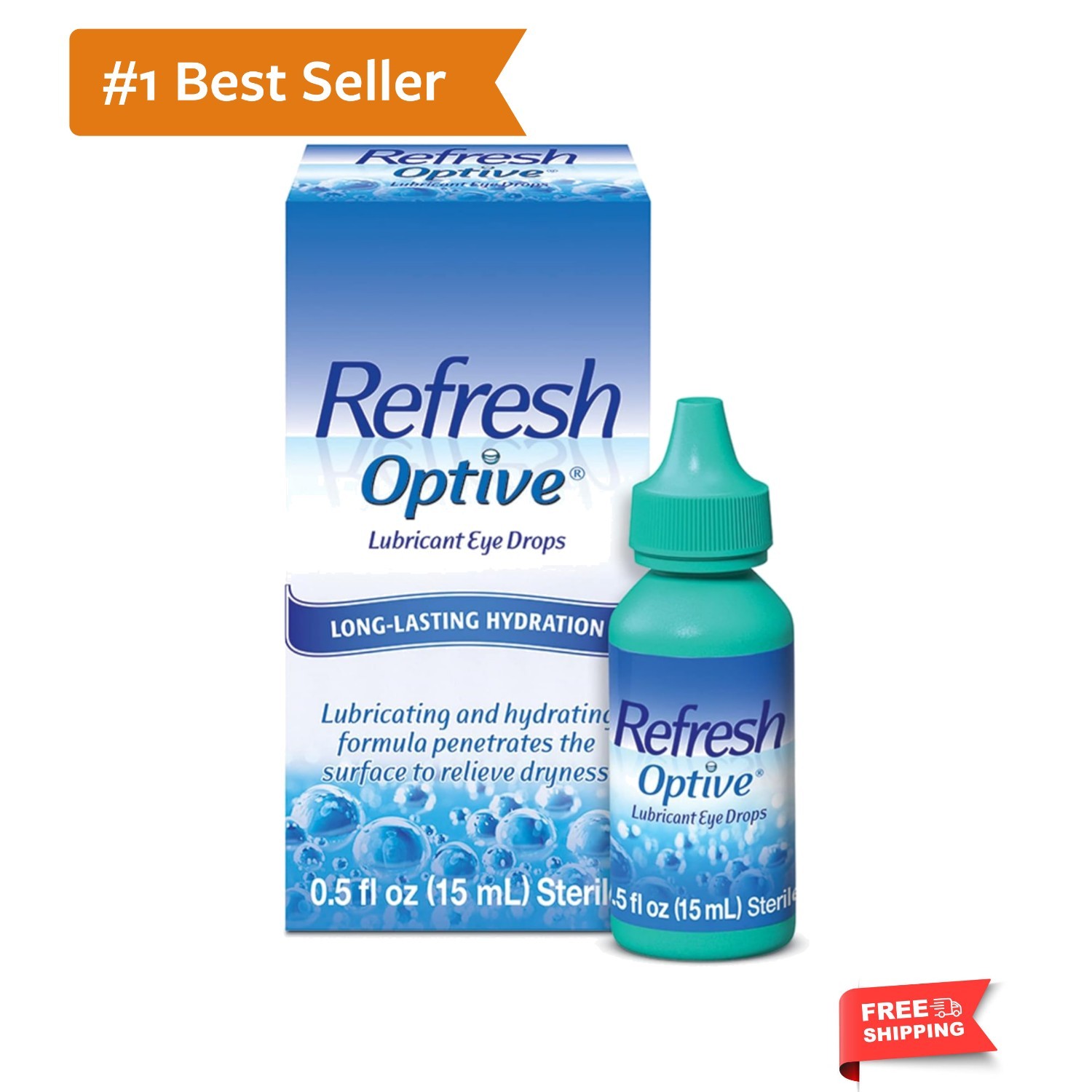 OPTIVE Lubricant Eye Drops Artificial Tears, 0.5 fl oz 15 mL$25.19View on eBay
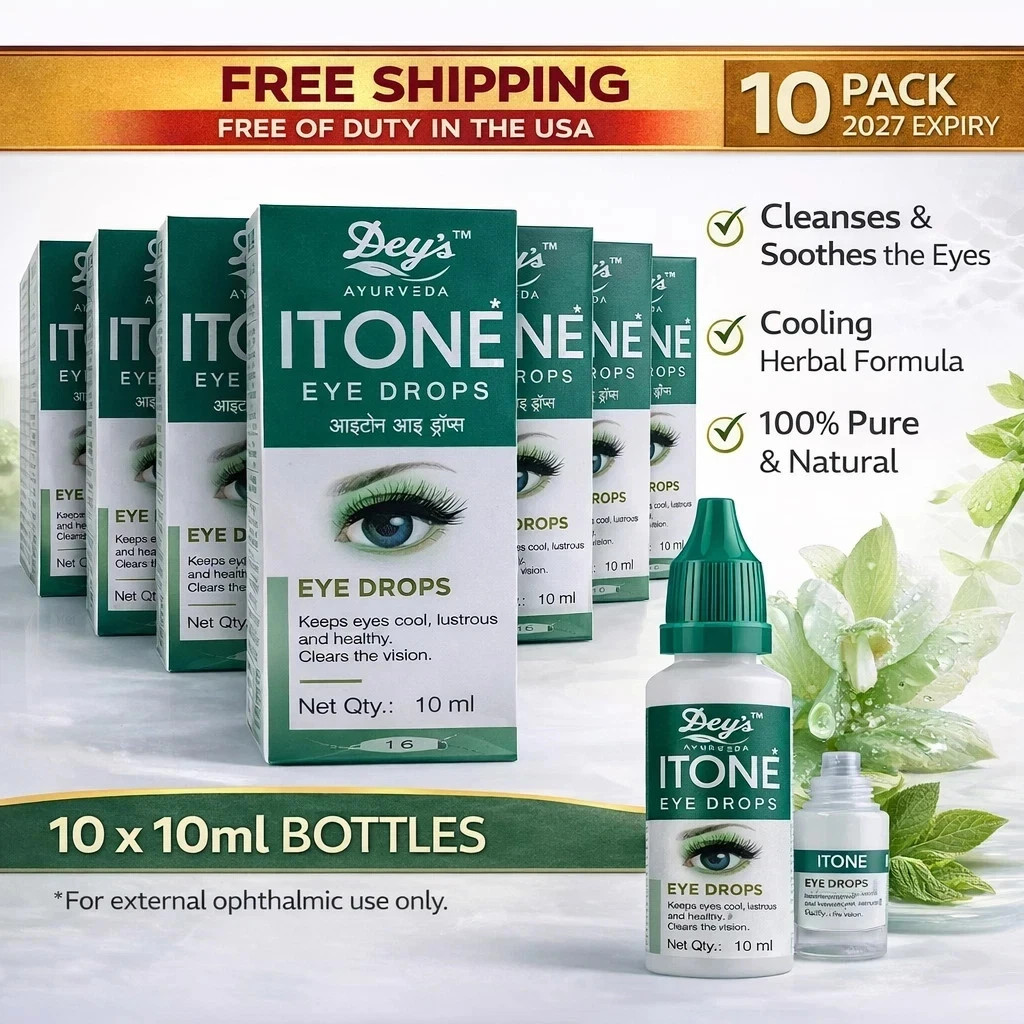 ITONE Eye Drops 10ml x 10 | Herbal Ayurvedic Eye Care Drops | 2027 Expiry$26.25View on eBay
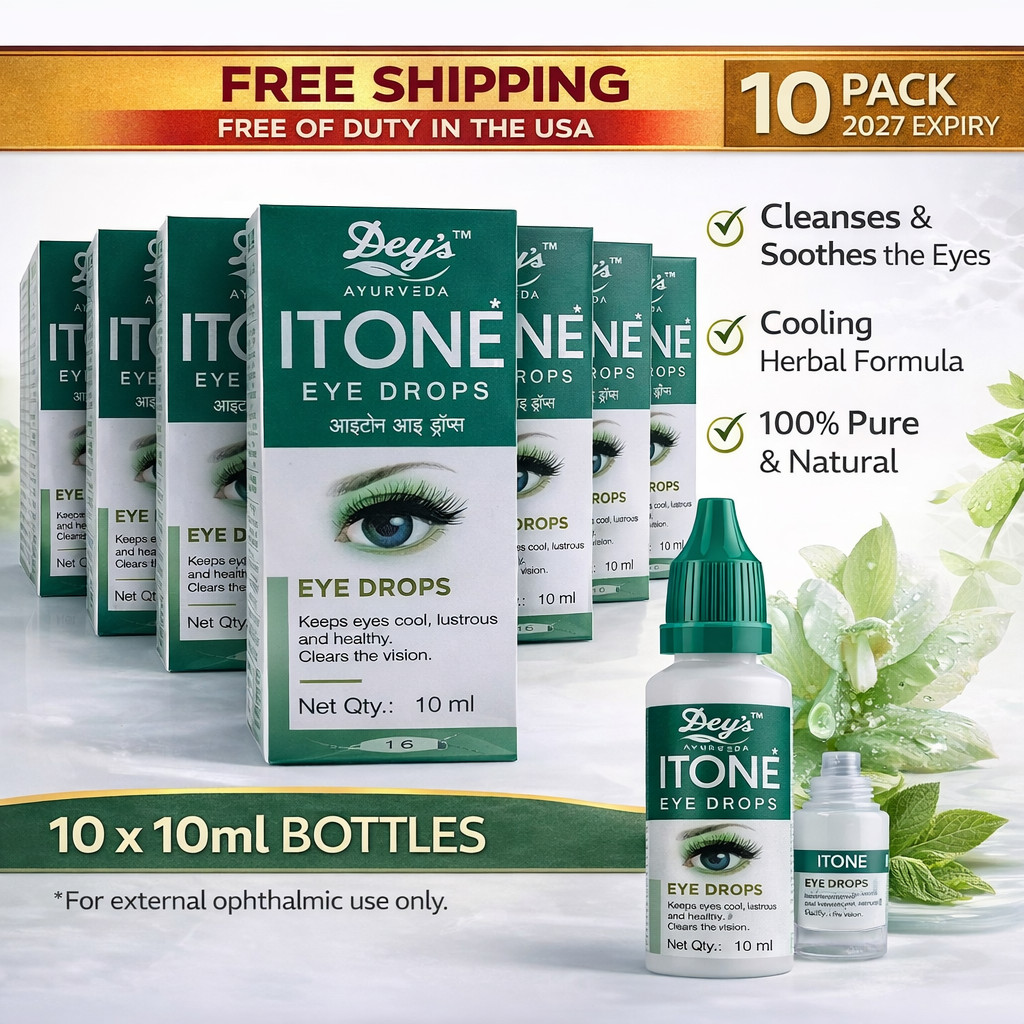 ITONE Eye Drops 10ml x 10 | Herbal Ayurvedic Eye Care Drops | 2027 Expiry$26.33View on eBay
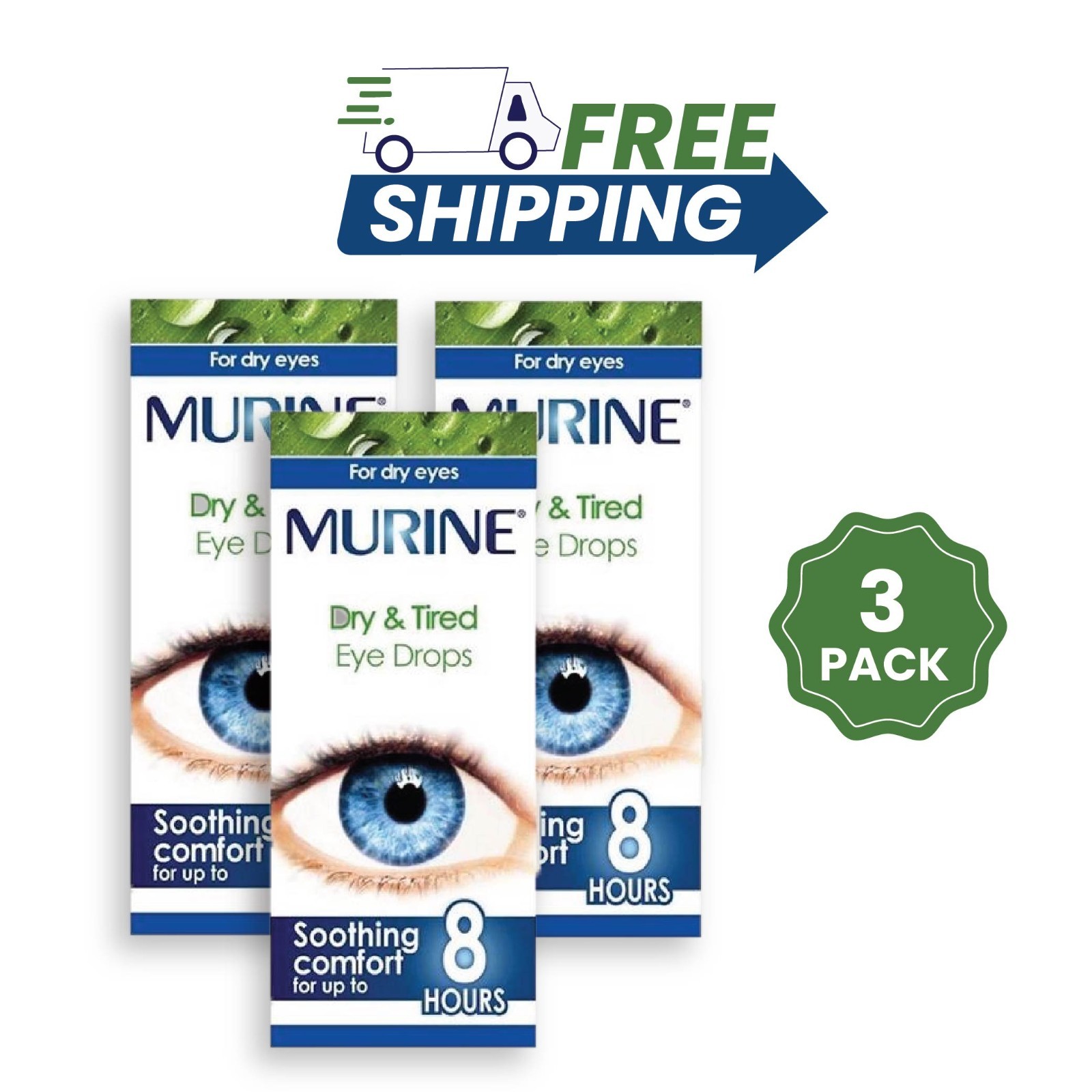 Murine Dry & Tired Eyes Lubricant 15ml Pack Of 3 Relief Eye Drops$26.49View on eBay
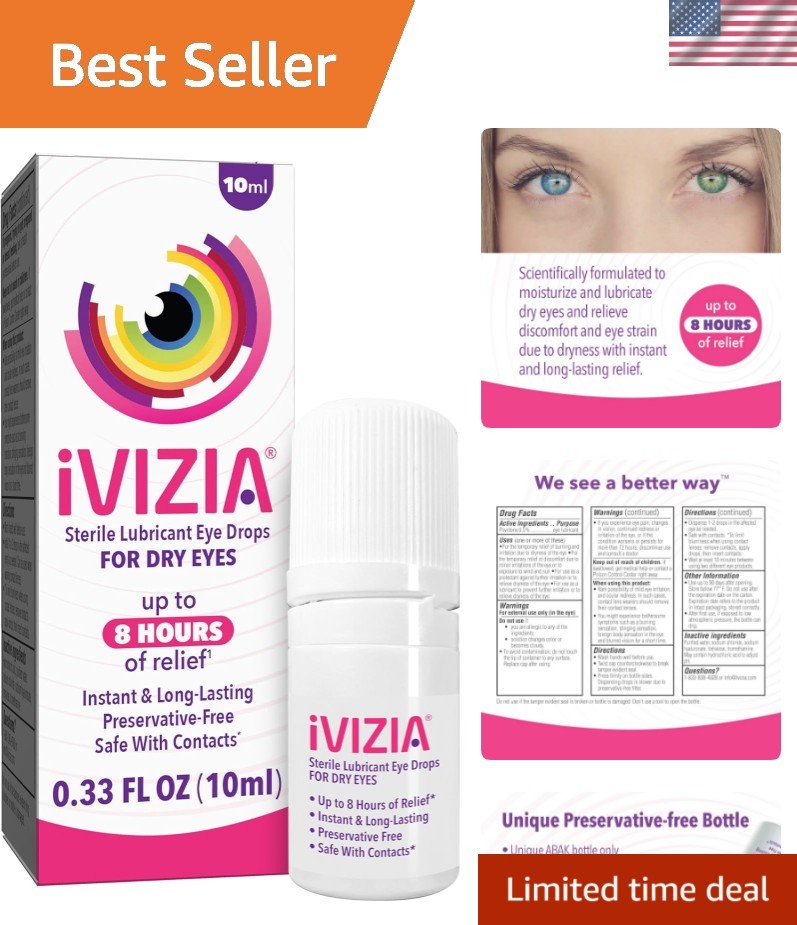 Eye Drops Dry Eyes Lubricant Relief Preservative-Free Contact Lense Friendly$26.86View on eBay
- Lubricant Eye Drops Preservative-Free,Contact Dry Eyes Relief, made for Lens ...$26.90View on eBay
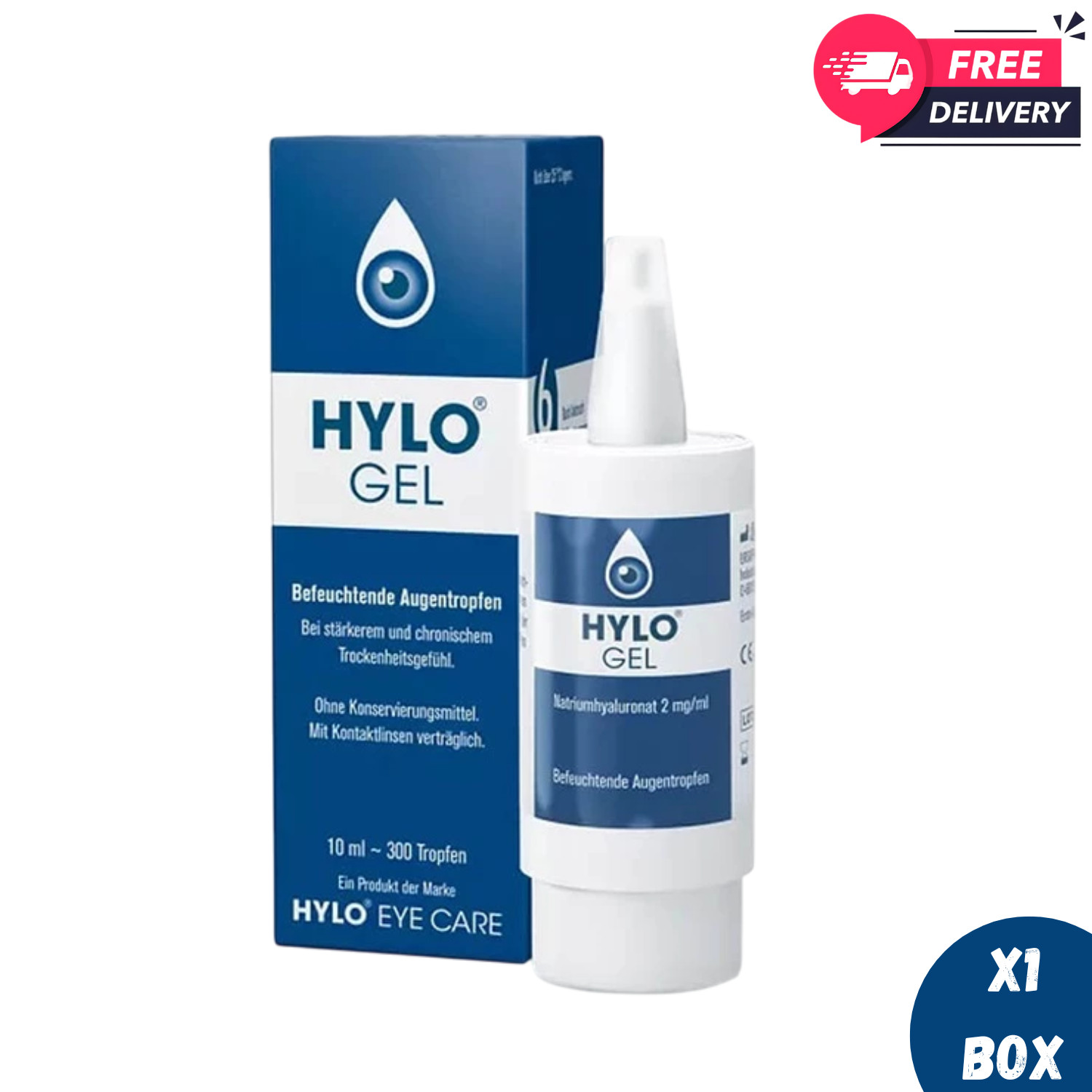 Hylo Gel 10ml Hyaluronic Eye Drops Ursapharm for Dry Eye Care$26.90View on eBay
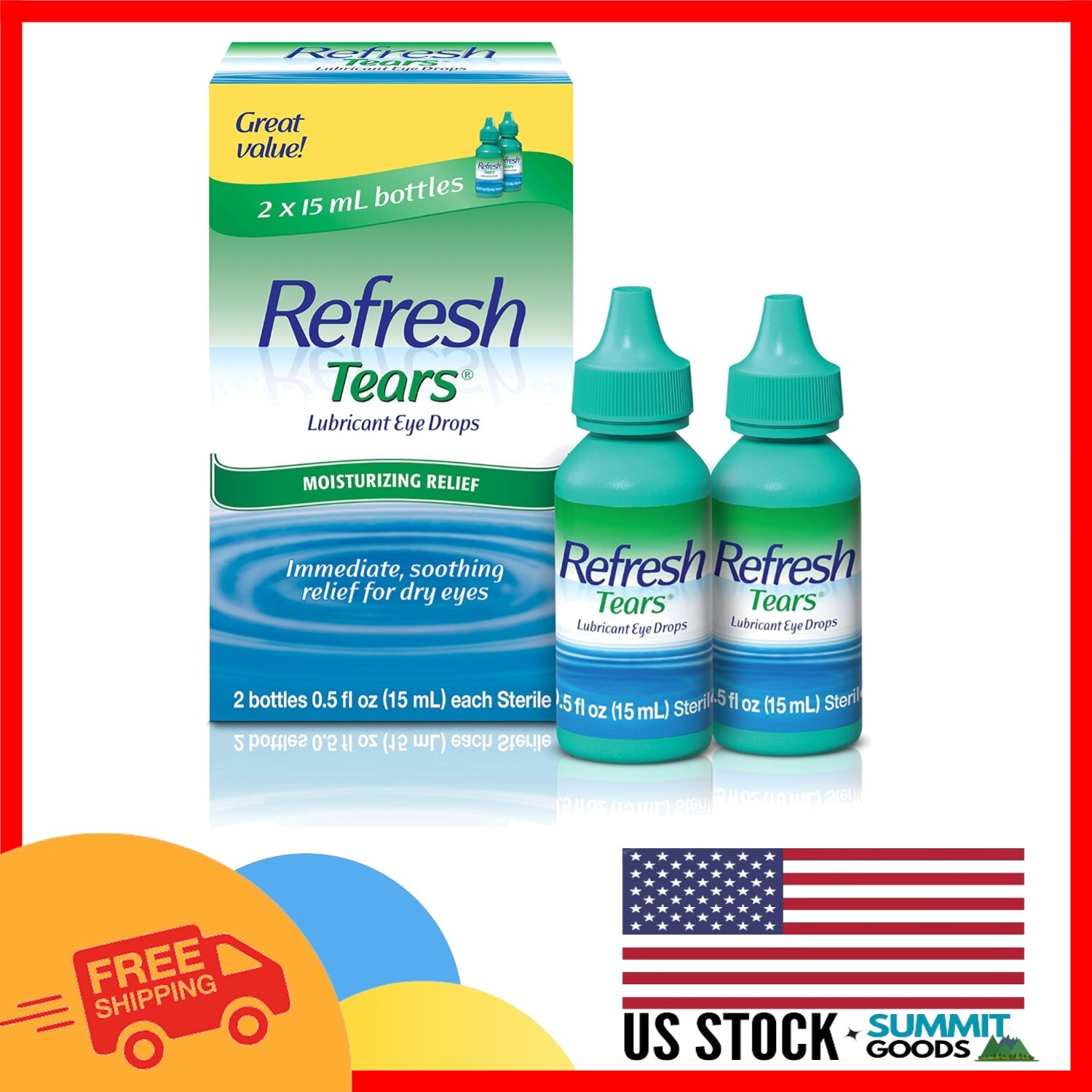 Doctor-Recommended Tears Eye Drops - Quick Relief for Dry Eyes, 0.5 fl oz x 2$26.99View on eBay
 Systane PRO PF Multi-dose Preservative-Free Lubricant Eye Drops. Exp-08/2026$26.99View on eBay
- Doctor-Recommended Tears Eye Drops - Quick Relief for Dry Eyes, 0.5 fl oz x 2$29.99View on eBay
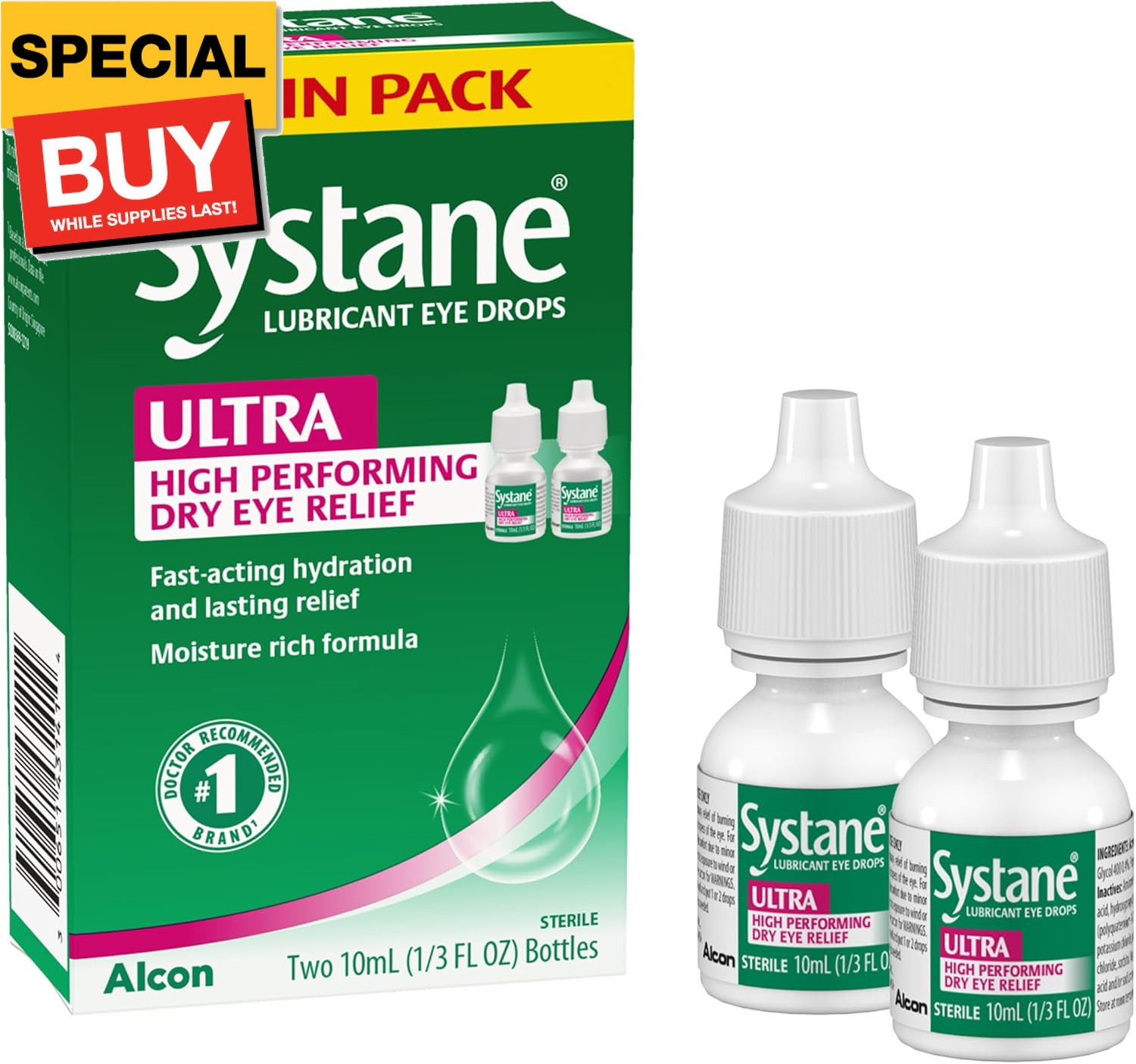 Ultra Lubricant Eye Drops, Artificial Tears for Dry Eye, Twin Pack, 10-mL Each$32.94View on eBay
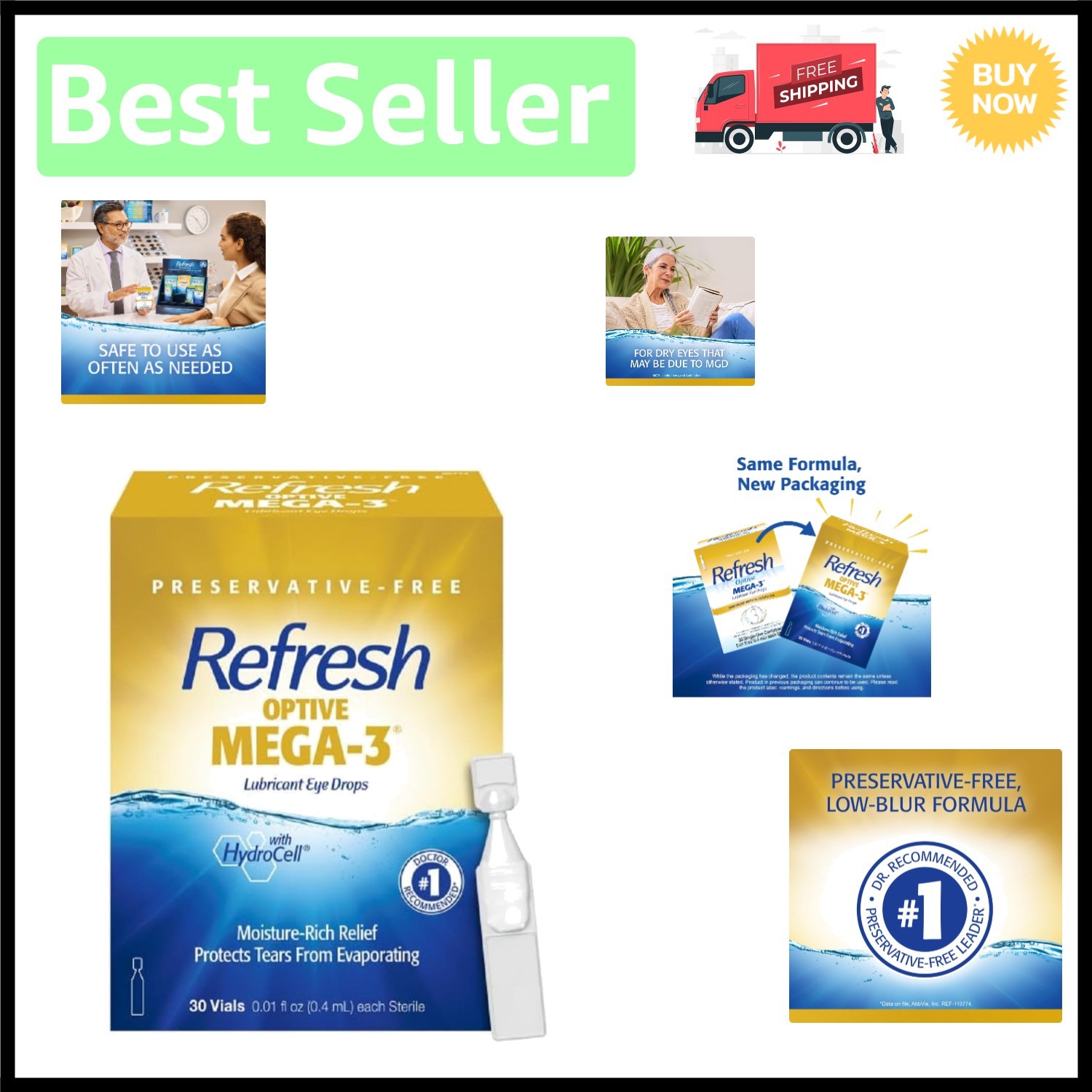 Optive MEGA-3 Preservative-Free Eye Drops, 30 Single-Use Vials for Fast Relief$33.99View on eBay
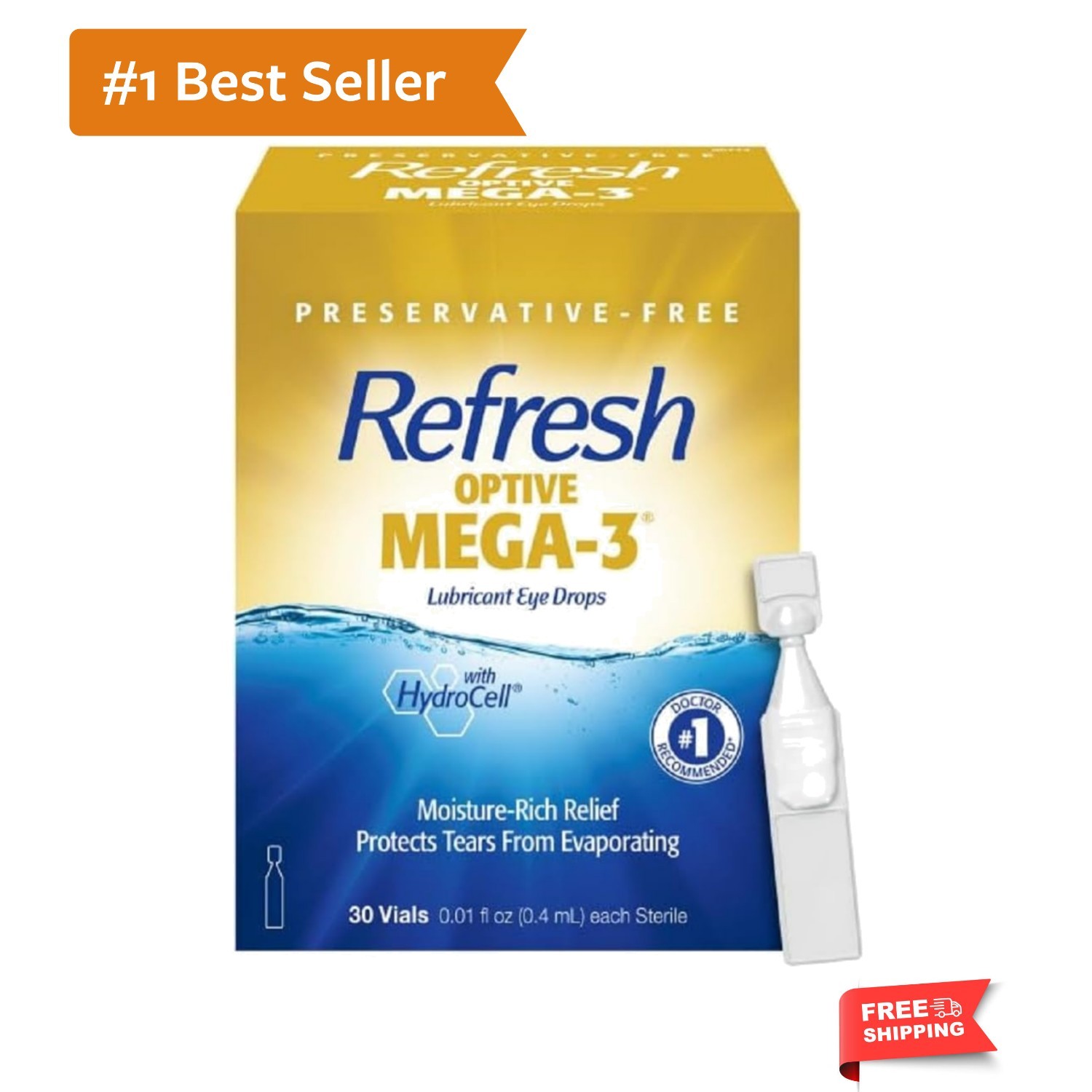 OPTIVE MEGA-3 Lubricant Eye Drops Preservative-Free Artificial Tears, 0.01 fl...$35.99View on eBay
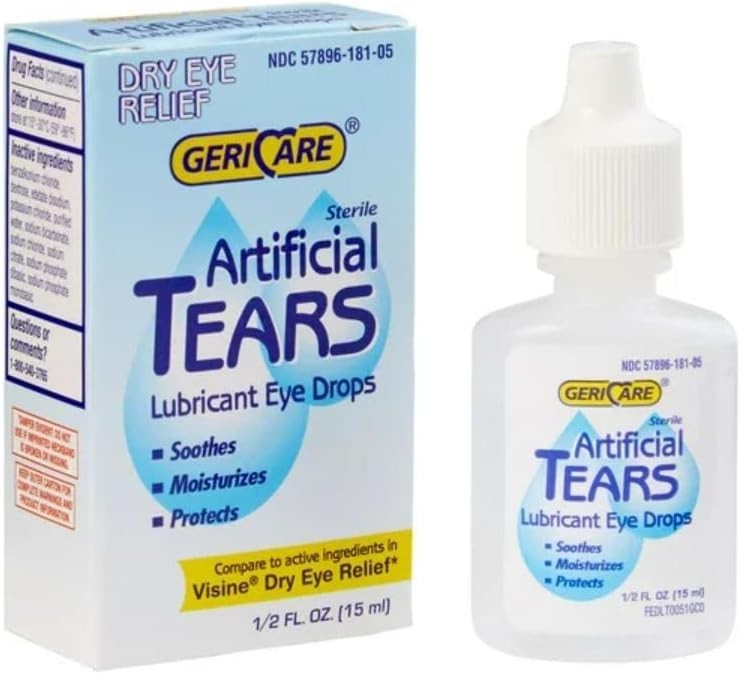 GeriCare Artificial Tears Lubricant Eye Drops Dry Eye Relief 0.5 OZ (Pack Of 6)$39.99View on eBay
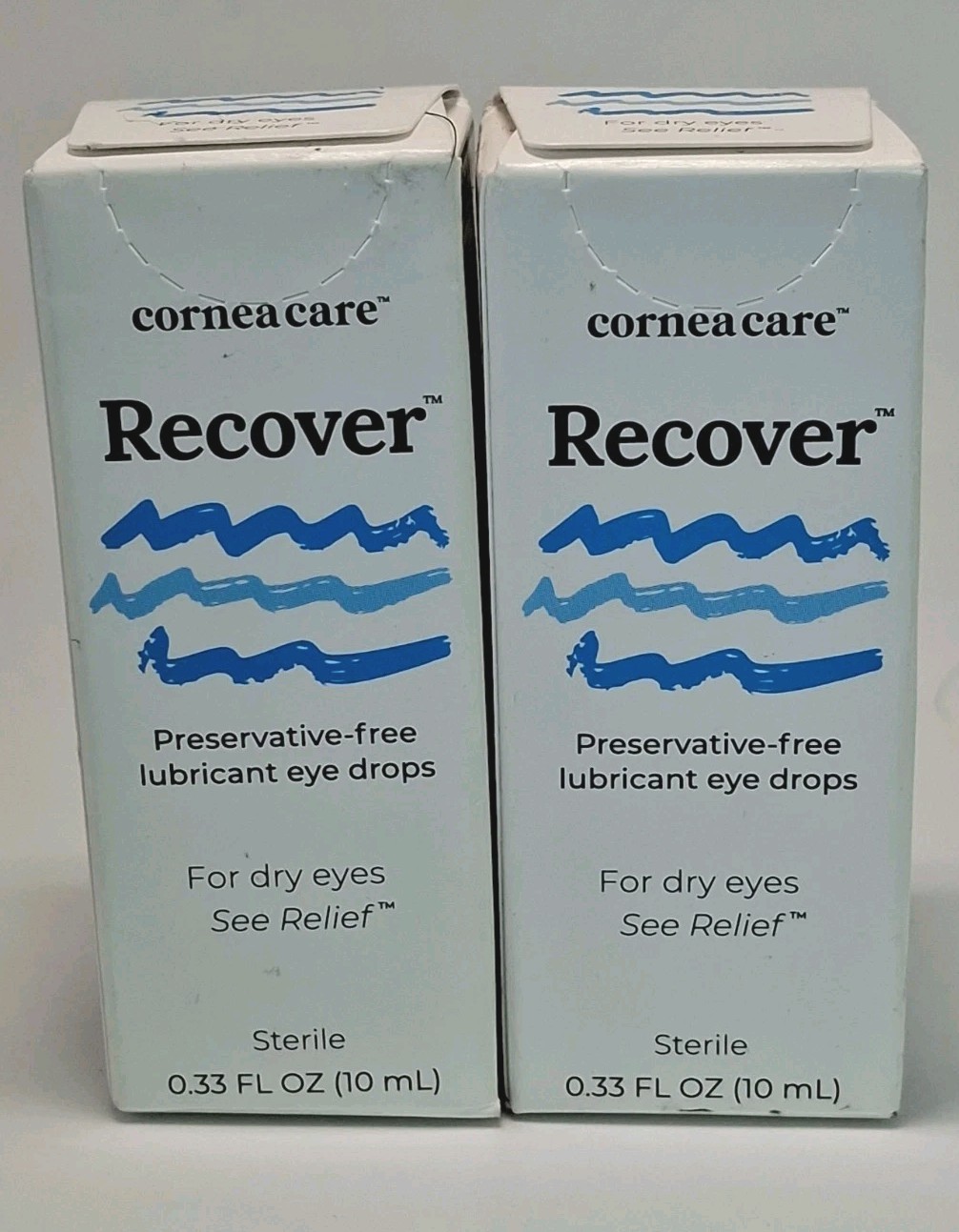 4 PACK Cornea Care RECOVER Eye Drops Preservative Free Artificial Tears 10 mL$48.95View on eBay
Highlights
- Preservative-free drops are packaged as single-use vials or OSD (ophthalmic squeeze dispersion) bottles; BAK (benzalkonium chloride) is the most common preservative in multi-dose bottles and can cause corneal epithelial toxicity with frequent use.
- Systane Ultra and Optive are PEG/propylene glycol-based artificial tears that thicken on the eye; Systane Balance adds lipid for meibomian gland dysfunction, while standard carboxymethylcellulose drops like Refresh Tears are thinner and better for mild dryness.
- Redness-relief drops use vasoconstrictors (naphazoline, tetrahydrozoline) that cause rebound hyperemia after 3-5 days of continuous use; they are not lubricants and should never substitute for artificial tears.
- Standard bottle sizes are 10 mL (0.34 fl oz) for most artificial tears and 15 mL (0.5 fl oz) for Systane/Optive; shelf life after opening is typically 28-90 days depending on formulation and package type.
Best use cases
- Best fit: Choose preservative-free single-use vials (e.g., 0.4 mL tubes) if you instill more than 4-6 times daily, wear contacts, or have moderate-to-severe dry eye; skip multi-dose BAK bottles for this profile.
- Best fit: Choose a 10 mL multi-dose artificial tear like Systane Ultra or Optive for occasional mild dryness, screen fatigue, or seasonal irritation; skip these if you need more than 4 daily doses.
- Best fit: Choose lipid-based or combination drops (Systane Balance, Refresh Optive Mega-3) for evaporative dry eye from meibomian gland dysfunction; skip pure aqueous CMC drops which lack the lipid layer.
- Wrong fit: Avoid vasoconstrictor redness-relief drops for chronic red eyes, and avoid herbal/Ayurvedic formulations (e.g., ITONE) for dry eye because they lack standardized active-ingredient dosing and preservative data.
Buying tips
- Match formulation to dry-eye type: aqueous CMC/hypromellose for mild aqueous deficiency, PEG/propylene glycol for moderate dryness with thickening, and lipid-containing drops for evaporative/MGD dry eye.
- Respect the 28-day rule: most multi-dose bottles must be discarded 28 days after opening even if partially full; single-use vials eliminate this waste and contamination risk.
- For contact lens wearers, select drops explicitly labeled 'contact lens friendly' or preservative-free; BAK-preserved drops should be instilled at least 15 minutes before lens insertion.
- Check the active ingredient, not the brand: CMC 0.5%, hypromellose 0.3%, PEG 400/propylene glycol 0.4%/0.3%, and glycerin 0.2-1% are the standard lubricant actives; combination drops add lipid or hyaluronic acid.
Specs
| Preservative | Preservative-free vs BAK-preserved |
|---|---|
| Active Ingredient | CMC / PEG / Hypromellose / Glycerin |
| Bottle Size | 10 mL (0.34 oz) / 15 mL (0.5 oz) |
| Use Frequency | ≤4/day multi-dose; >4/day preservative-free |
Related searches
What to check before buying
- Confirm whether you need preservative-free (single-use vials or OSD bottle) based on dosing frequency above 4-6 times daily, contact lens use, or ocular surface disease.
- Check the bottle's beyond-use date after opening: 28 days for most multi-dose artificial tears, 60-90 days for some OSD systems; mark the open date on the bottle.
- Verify the formulation matches your dry-eye subtype: aqueous deficiency vs evaporative (MGD) vs mixed; lipid-containing drops for MGD, aqueous for simple dryness.
- For prescription or post-surgical use, confirm the drop is preservative-free and compatible with your contact lenses and any other topical ophthalmic medications.
FAQ
Data sources: eBay / Amazon listings and product attribute feeds Data updated Nov 15, 2026.
Some links on this page are affiliate links. If you buy after clicking one, we may earn a commission at no extra cost to you. This does not change which products appear here or their order. Affiliate disclosure.