Photos from current listings. Actual item, color, and included accessories may vary.
Blood Test Strip Buying Guide
Blood test strips are single-use reagent carriers that work only with their matching meter, so compatibility—not strip count—is the first purchase decision. The key trade-off is electrochemical accuracy and strip-to-strip consistency versus generic multi-meter kits that may lack calibration codes. Buy strips bundled with or explicitly coded to your existing meter platform; skip any strip sold without a stated meter model or code system.


At a glance
- Category
- Health Monitors & Medical Aids
- Data updated
- Nov 15, 2026
Current offers
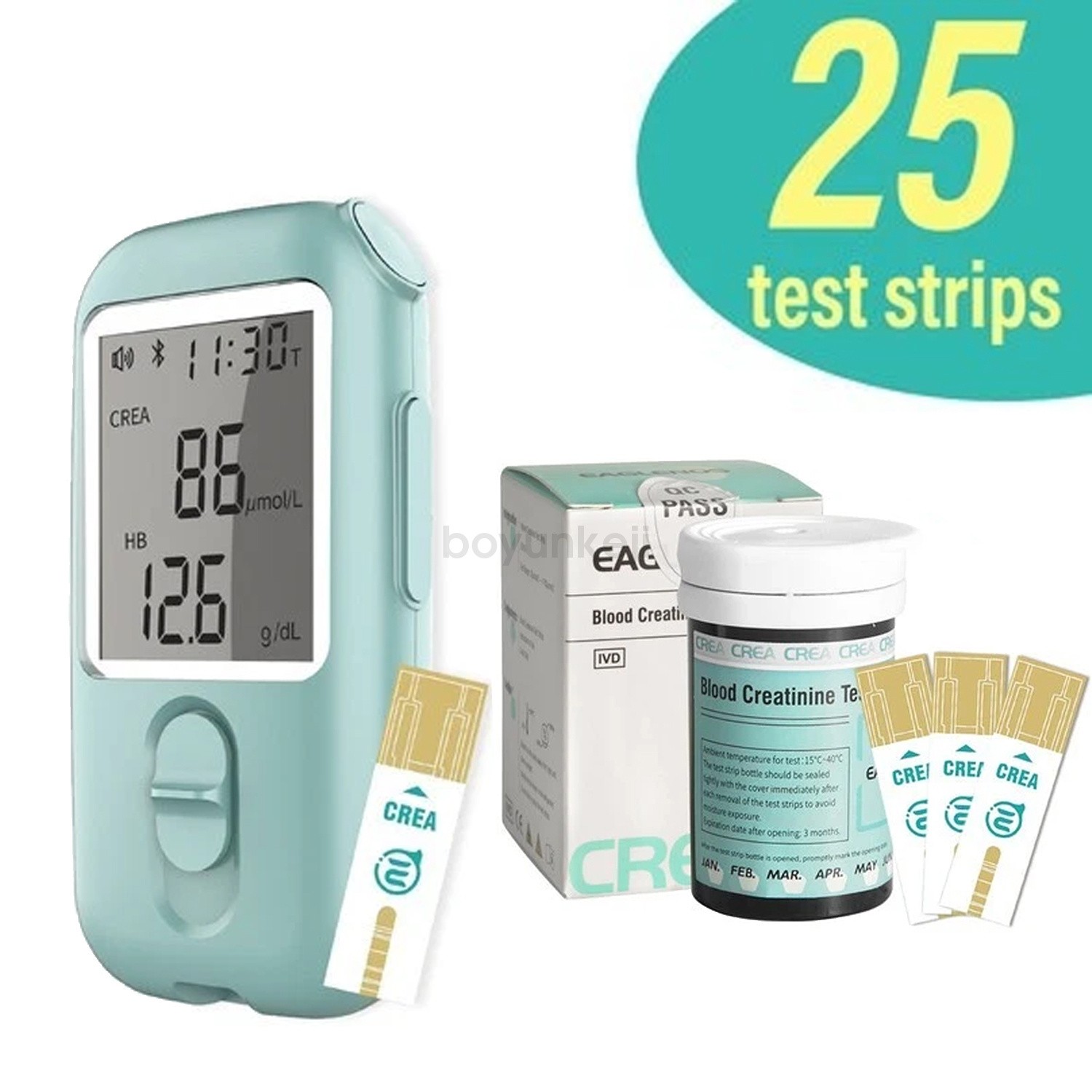 Kidney Function Monitoring Kit Home Blood Creatinine Meter with 25 Test Strips$220.00
 View on eBay
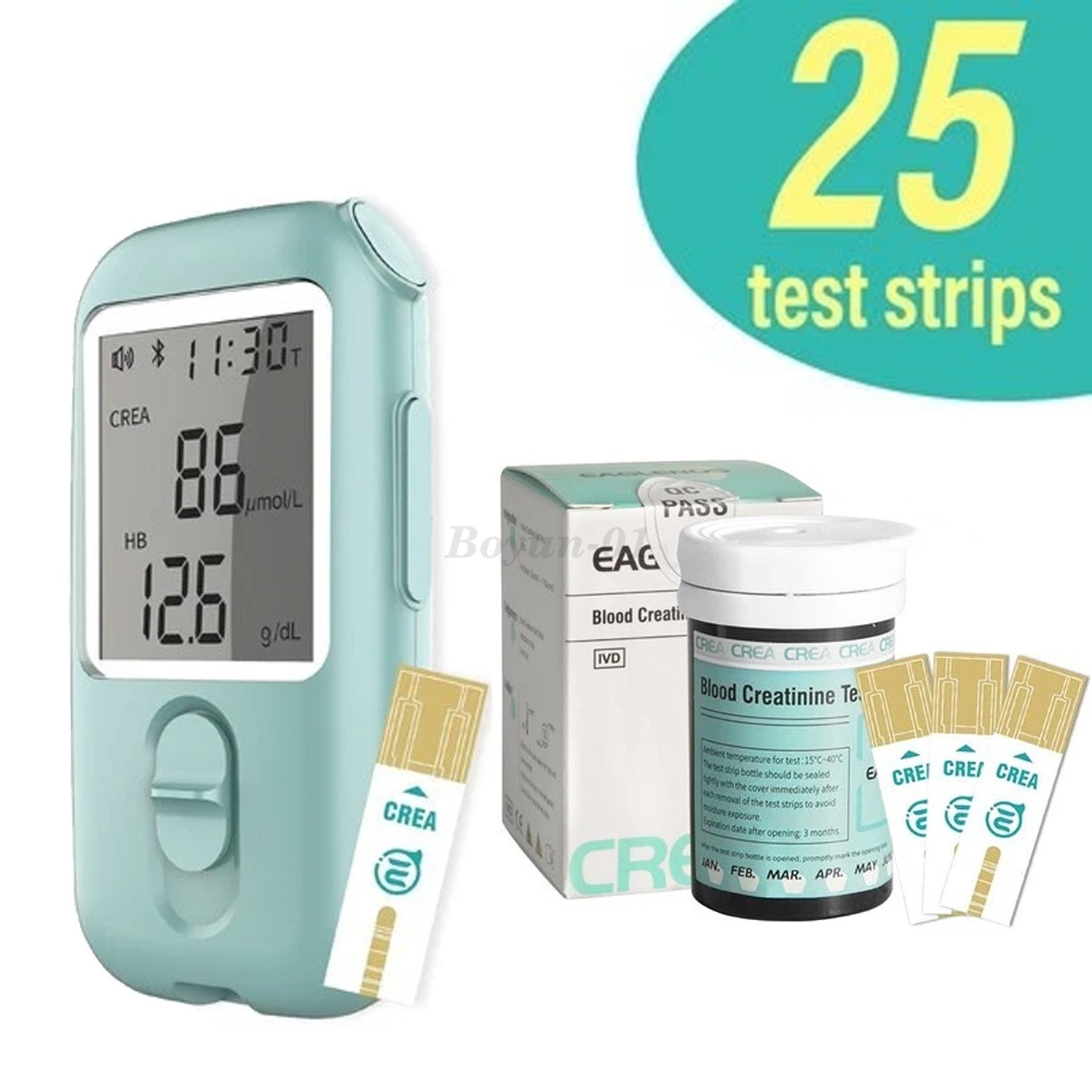 Kidney Function Monitoring Kit Home Blood Creatinine Meter with 25 Test Strips$220.00View on eBay
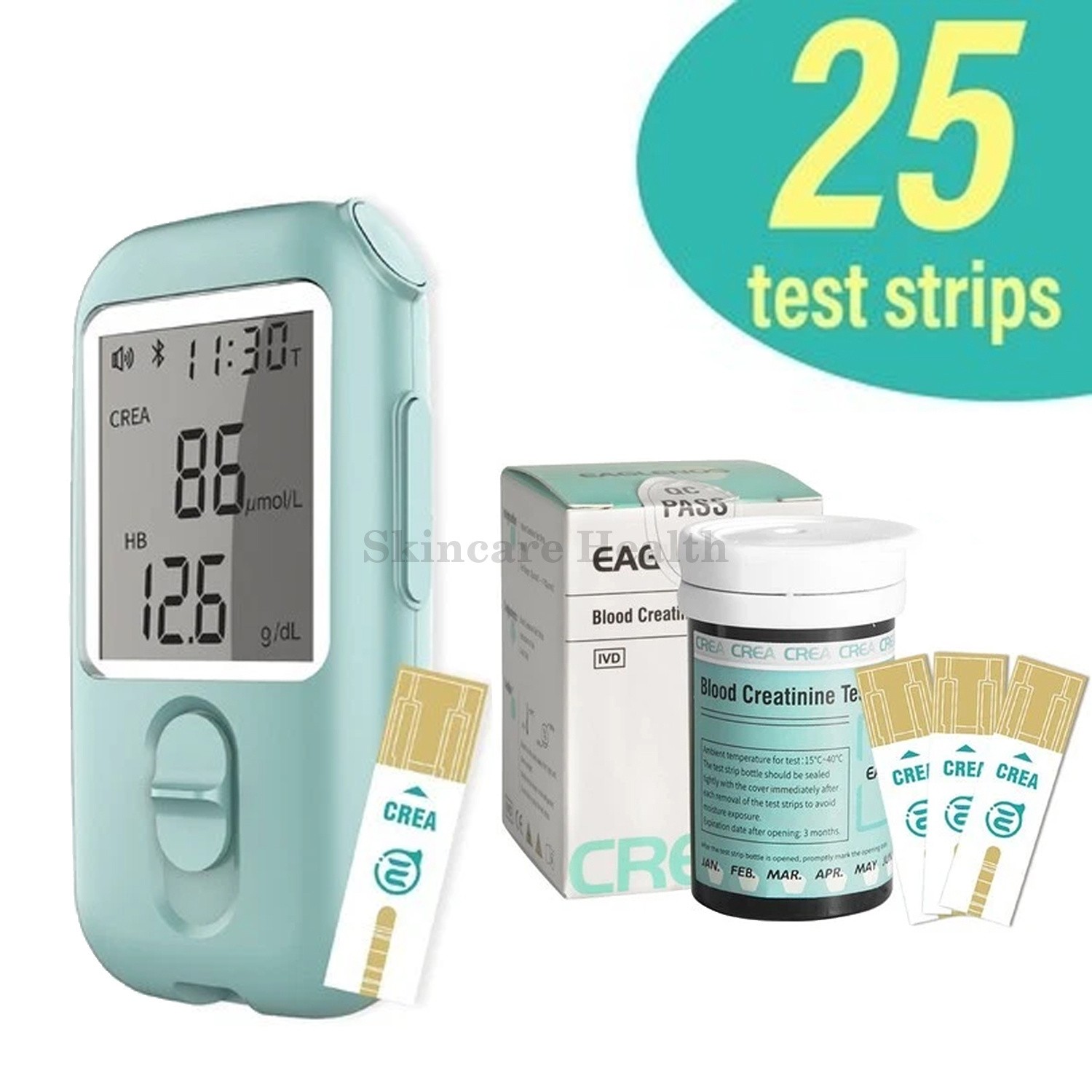 Kidney Function Monitoring Kit Home Blood Creatinine Meter with 25 Test Strips$220.00View on eBay
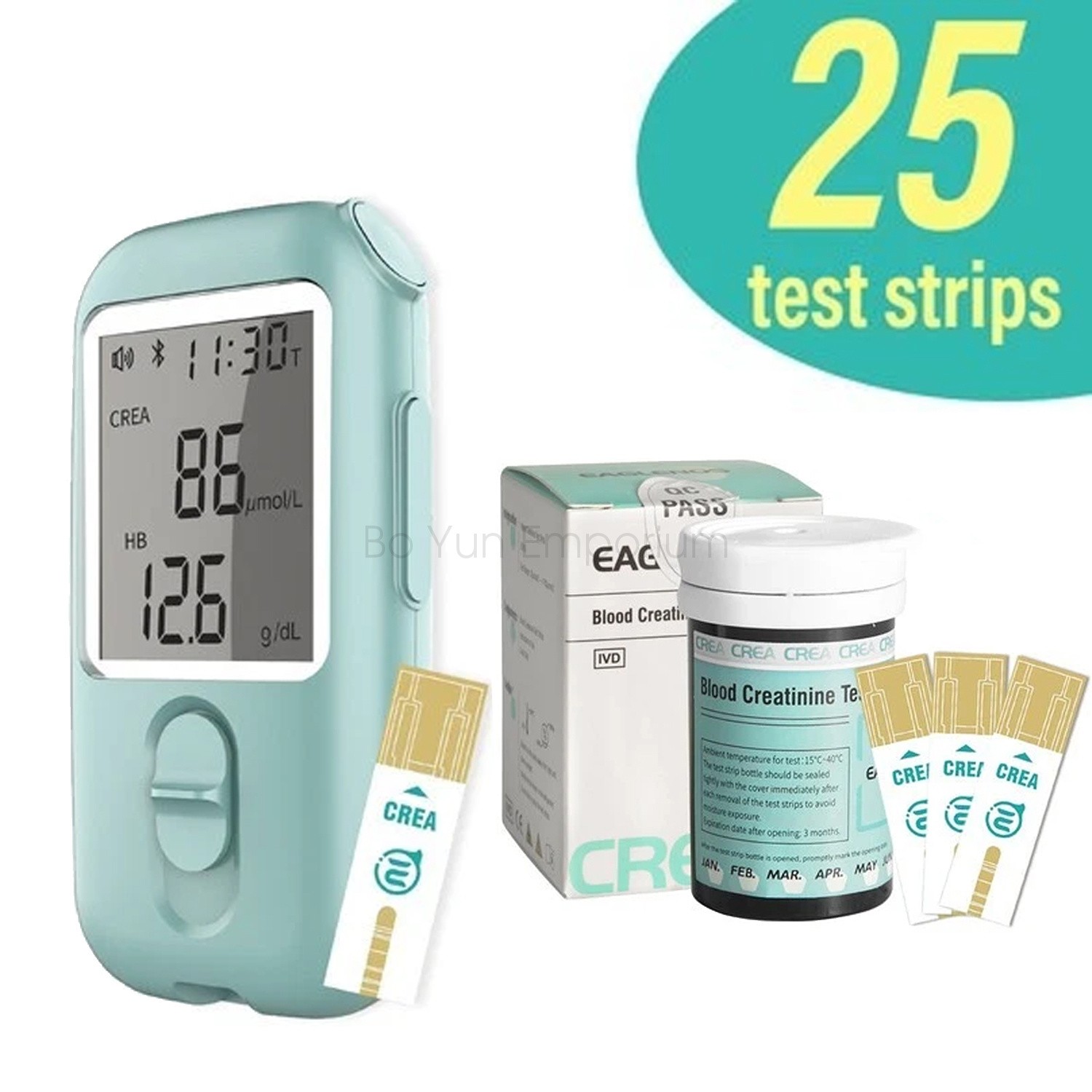 Kidney Function Monitoring Kit Home Blood Creatinine Meter with 25 Test Strips$220.00View on eBay
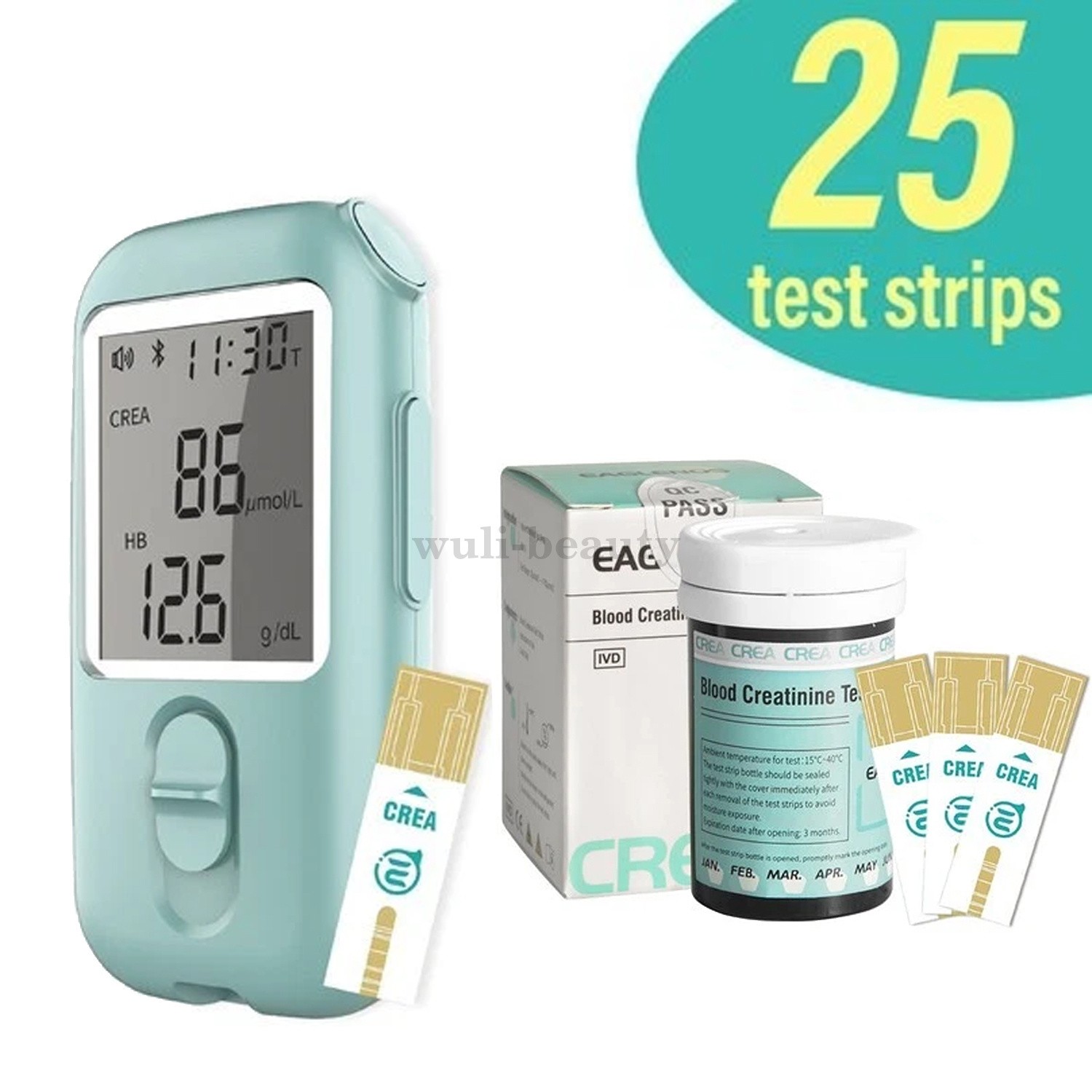 Kidney Function Monitoring Kit Home Blood Creatinine Meter with 25 Test Strips$220.00View on eBay
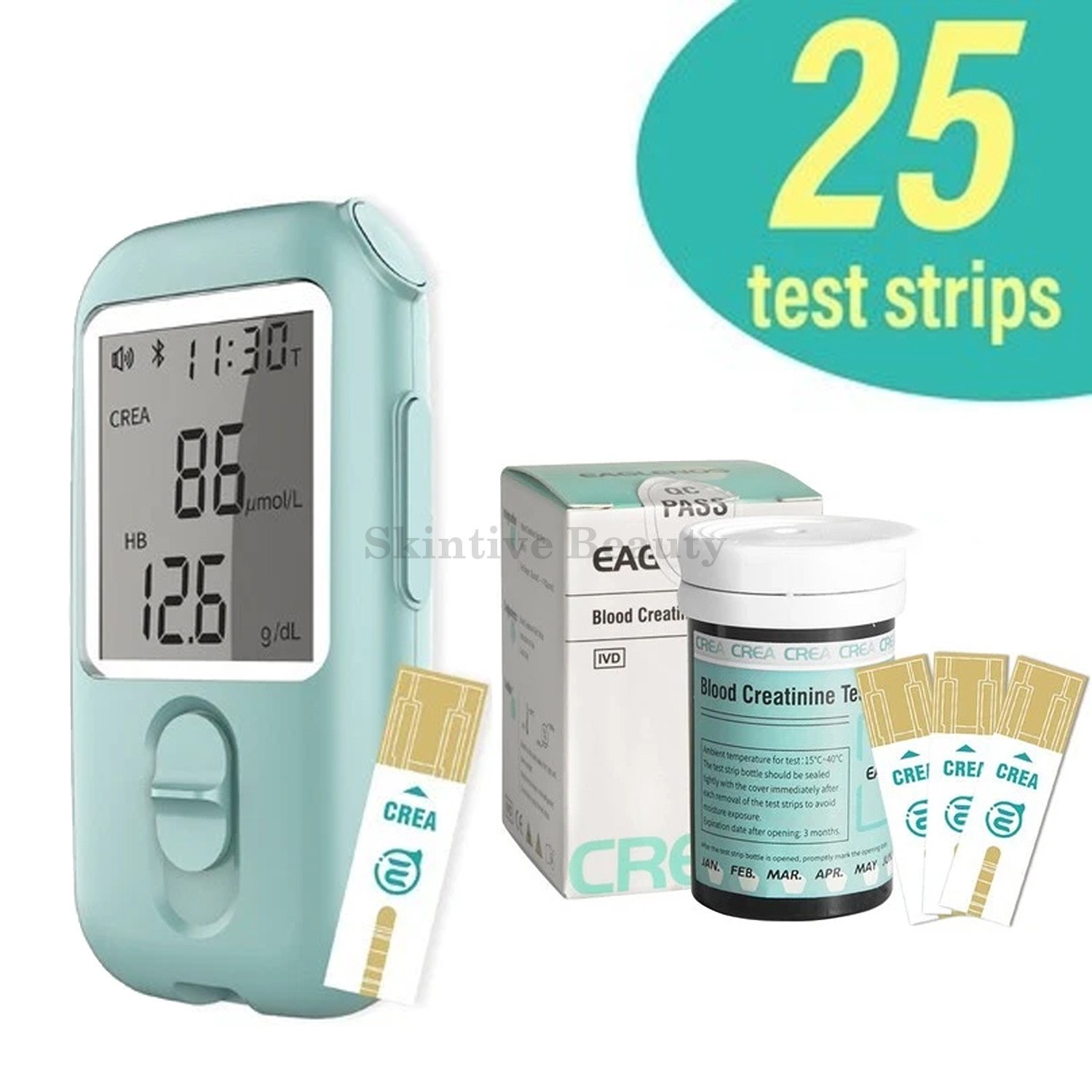 Kidney Function Monitoring Kit Home Blood Creatinine Meter with 25 Test Strips$220.00View on eBay
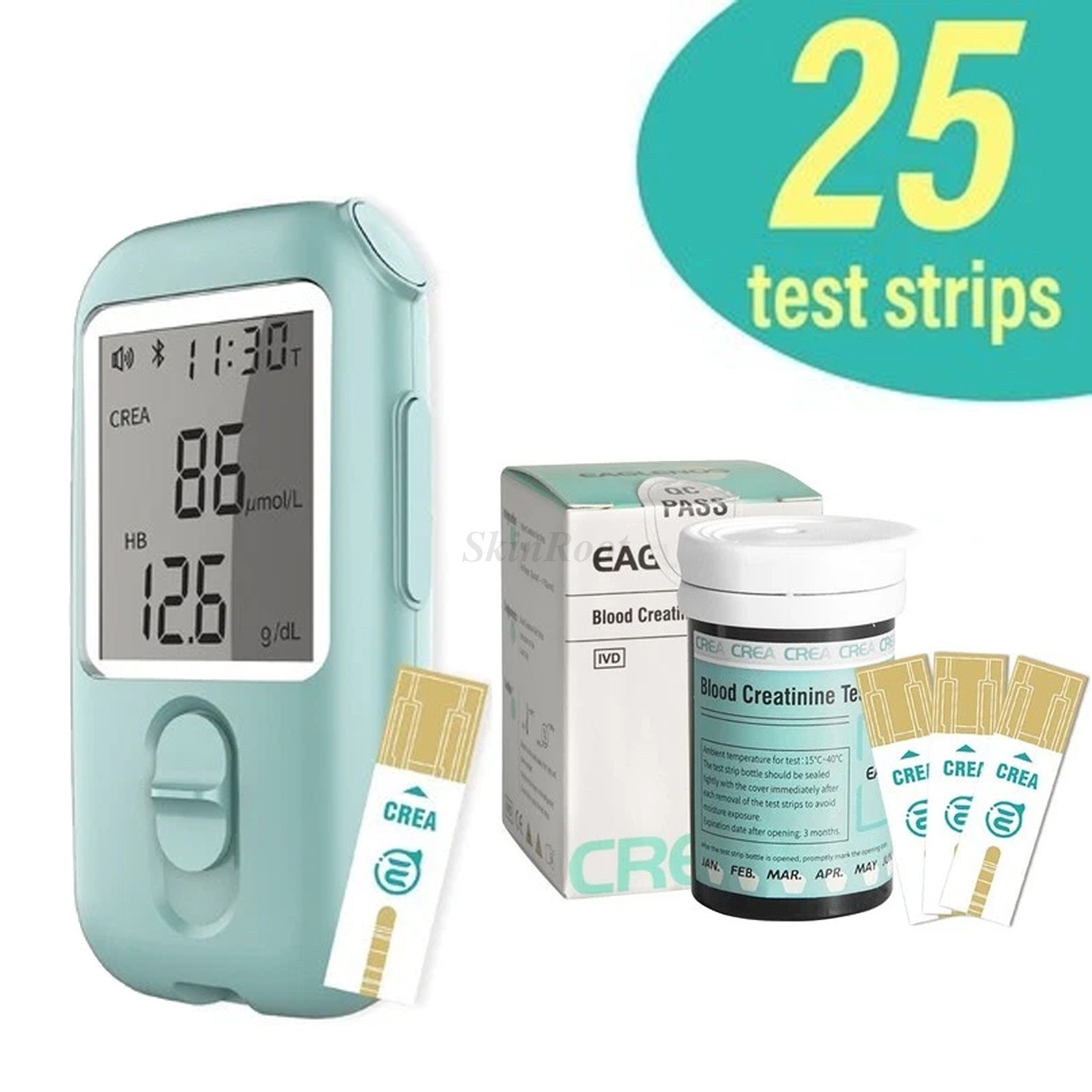 Kidney Function Monitoring Kit Home Blood Creatinine Meter with 25 Test Strips$220.00View on eBay
Highlights
- Glucose strips use glucose oxidase or dehydrogenase enzymes; hematocrit range typically 20-60% and operating temp 10-40°C determine accuracy.
- Creatinine and ketone strips use different chemistries and meters; a glucose meter cannot read creatinine strips even if the form factor looks similar.
- Strip coding systems vary: no-code, manual code-chip, and auto-calibration; mismatched coding is the leading cause of false readings.
- Vial packaging with desiccant protects strips from humidity; individually foil-wrapped strips last longer in humid climates but cost more per test.
Best use cases
- Daily glucose monitoring: pick strips coded to your meter brand and lot, with 50-100 count vials for routine use; skip mixed-brand multipacks.
- Kidney function home monitoring: choose a creatinine meter kit with matched strips and 25-count refills; do not substitute glucose or uric acid strips.
- Ketone or uric acid tracking: buy strips designed for that specific analyte and meter; generic 'multi-test' strips rarely deliver clinical-grade results.
- Travel or humid climates: choose individually foil-wrapped strips with long expiry; skip bulk vials once opened beyond 3 months.
Buying tips
- Match the strip code to the meter model exactly: no-code meters need no-code strips, while coded meters require the code chip or lot number printed on the vial.
- Check expiry and opening date: strips typically expire 3-6 months after first opening, so buy counts you will finish within that window.
- For glucose, confirm hematocrit range covers your needs; anemia or high hematocrit can skew readings outside the stated 20-60% range.
- Buy strips in the same lot when possible; lot-to-lot enzyme variation is the main source of strip-to-strip bias in home meters.
Specs
| Analyte Type | Glucose / Creatinine / Ketone / Uric acid |
|---|---|
| Coding System | No-code / Manual chip / Auto-calibration |
| Strip Count | 25 / 50 / 100 per vial |
| Shelf Life | 12-24 mo sealed; 3-6 mo opened |
Related searches
What to check before buying
- Confirm your meter brand, model, and coding system before ordering strips; the strip vial must list that meter or a compatible code.
- Check storage conditions: strips need 2-30°C, dry storage, and the vial cap sealed; humid bathrooms degrade strips quickly.
- Verify the strip count matches your testing frequency and expiry window; a 100-count vial may expire before you finish it.
- For creatinine kits, confirm the meter reads blood (not urine) and includes the matching 25-strip refill format.
FAQ
Data sources: eBay / Amazon listings and product attribute feeds Data updated Nov 15, 2026.
Some links on this page are affiliate links. If you buy after clicking one, we may earn a commission at no extra cost to you. This does not change which products appear here or their order. Affiliate disclosure.