Photos from current listings. Actual item, color, and included accessories may vary.
Skin Care Device Buying Guide
Skin care devices span five distinct architectures—LED light therapy, radiofrequency (RF) current, microcurrent, ultrasonic/thermal, and mechanical cooling—each with its own power and safety standard. The core trade-off is clinical energy output (irradiance in mW/cm², RF frequency in kHz-MHz, microcurrent in µA) versus consumer convenience and eye/thermal safety. Choose a device with stated electrical specifications and a safety certification (FDA clearance or CE) for the architecture that matches your concern; avoid generic '7-in-1' units that list no output metrics.

At a glance
- Category
- Beauty Devices
- Data updated
- Nov 15, 2026
Current offers
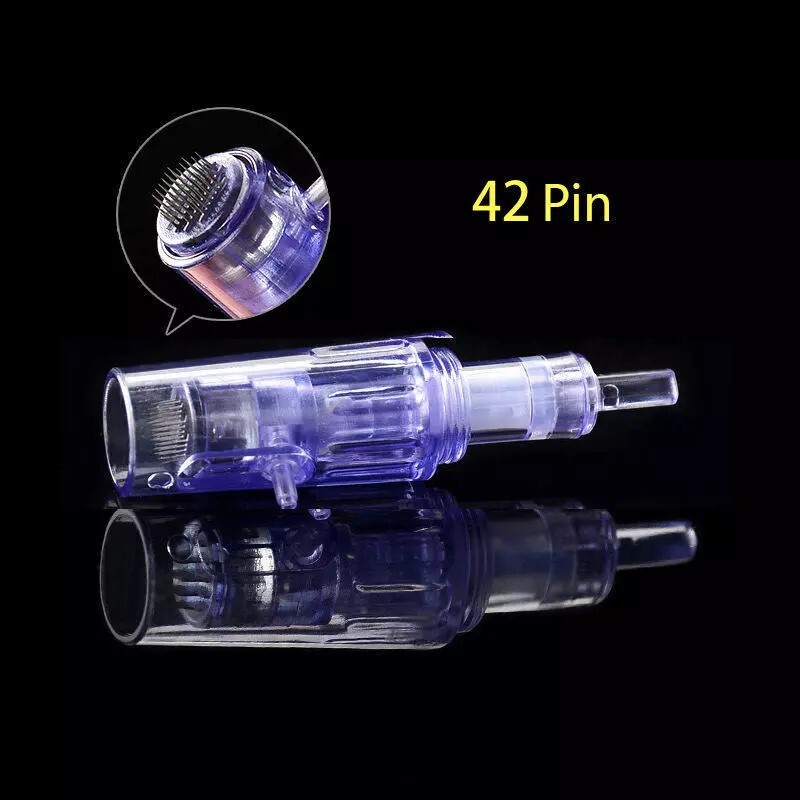 Enhanced Absorption Facial Skin Care Device Kit or Accessories for Beauty Salon$21.53
 View on eBay
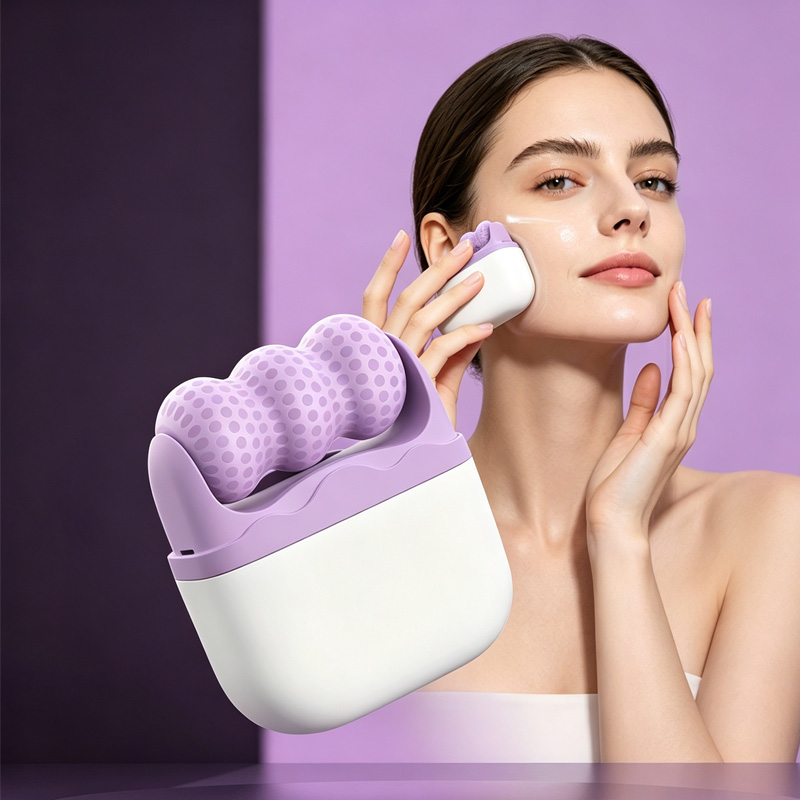 Ice Massage Device,Ice Roller Set For Face And Eyes - Facial Skin Care Tools With 2 Cold Therapy And Premium Travel$15.99
 View on Mallflare
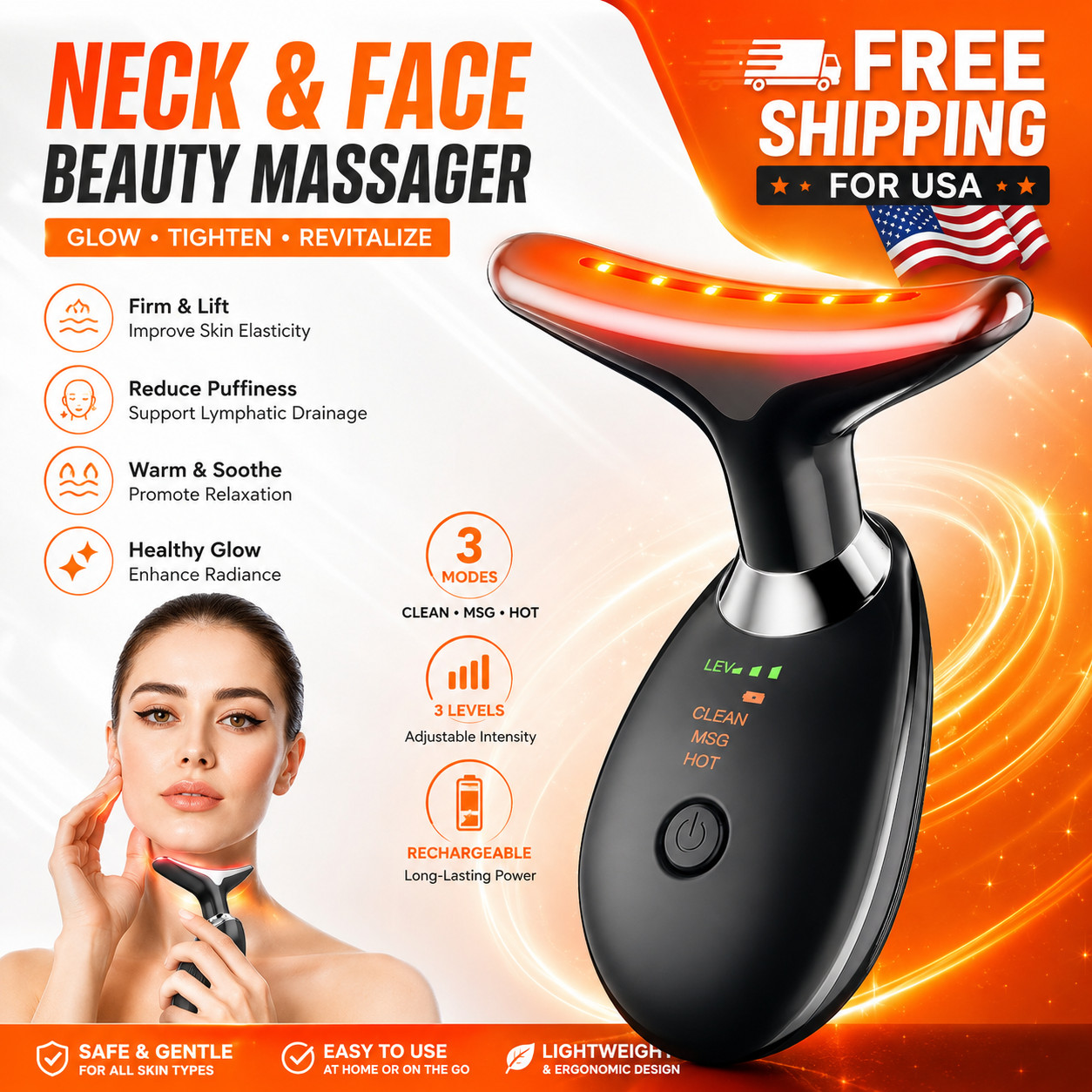 7-in-1 LED Facial Neck Massager Heat Therapy Beauty Skin Care Device Black$27.99View on eBay
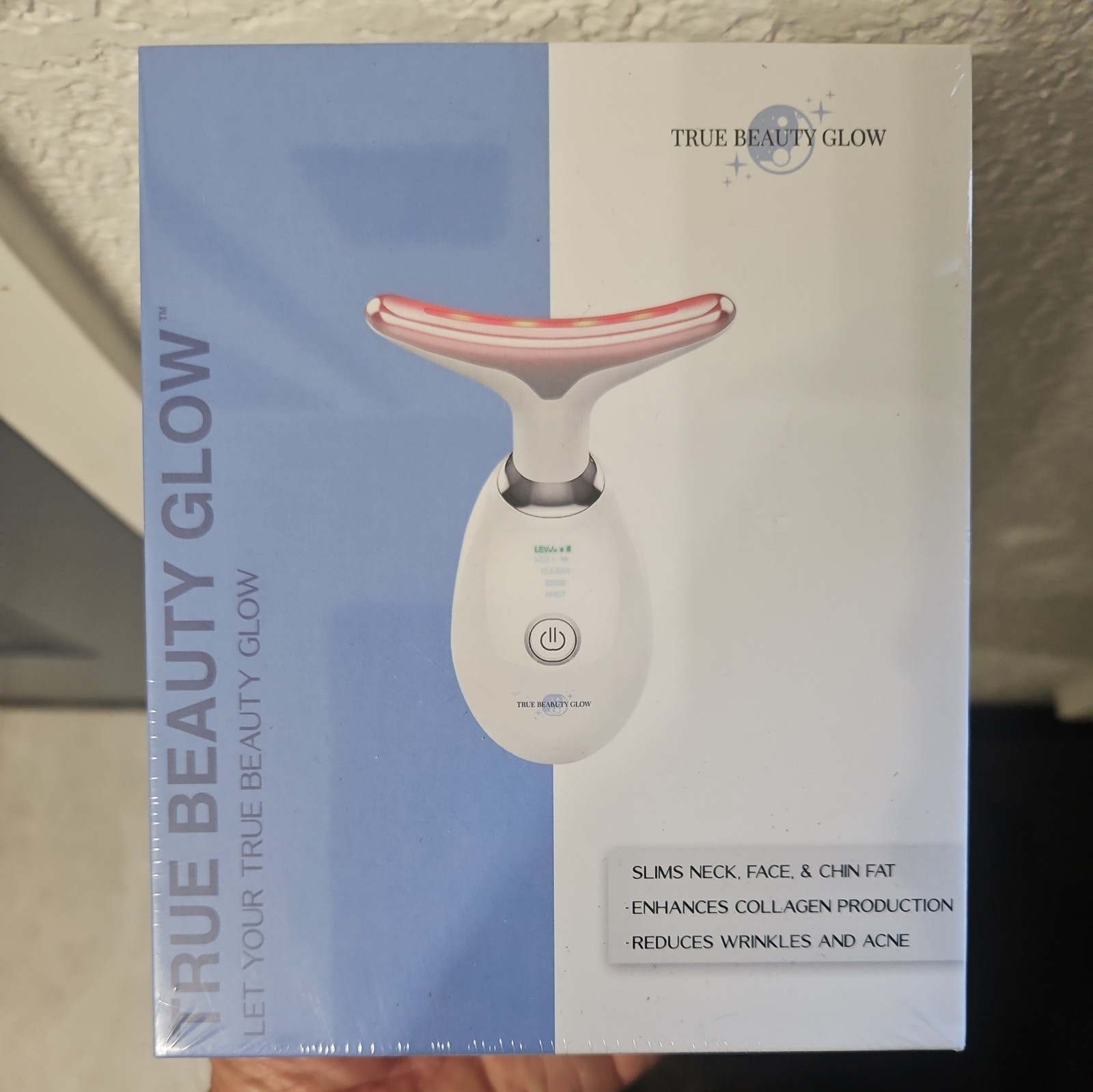 True Beauty Glow 7-Color Portable Skin Care Device for Face, Neck, and Chin$29.00View on eBay
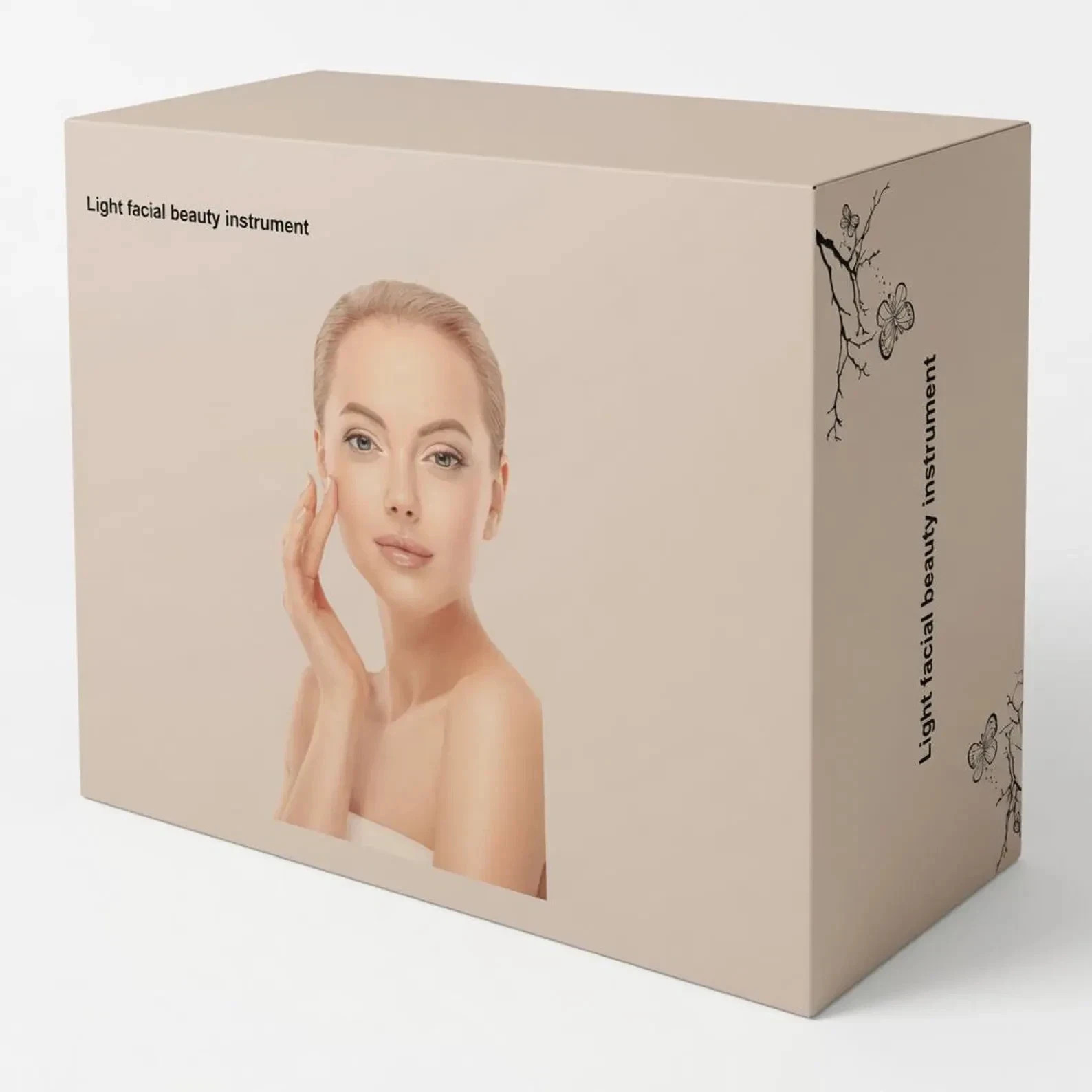 Light Facial Beauty Instrument | LED Skin Care Device | Anti-Aging Face Therapy$40.00View on eBay
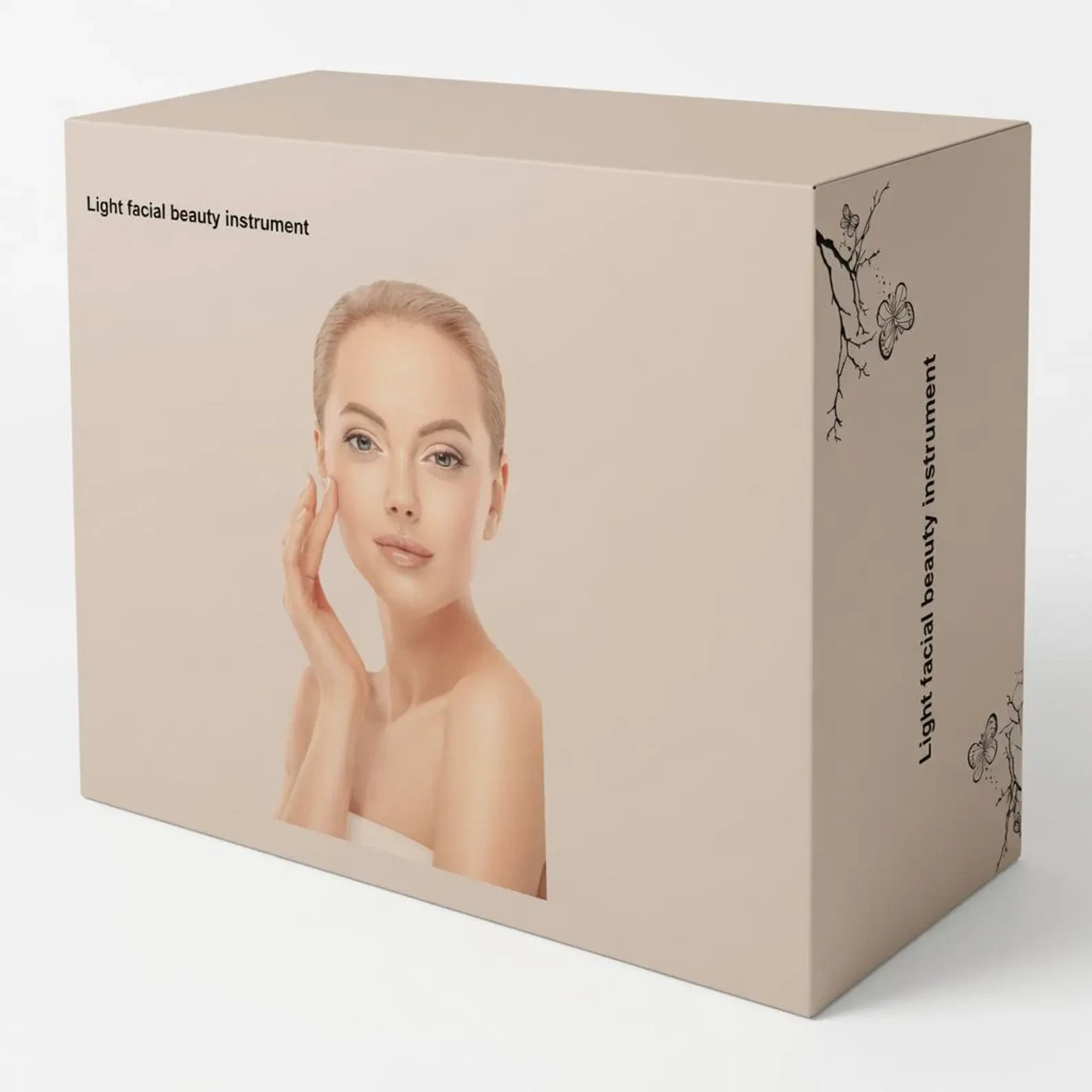 Light Facial Beauty Instrument | LED Skin Care Device | Anti-Aging Face Therapy$40.00View on eBay
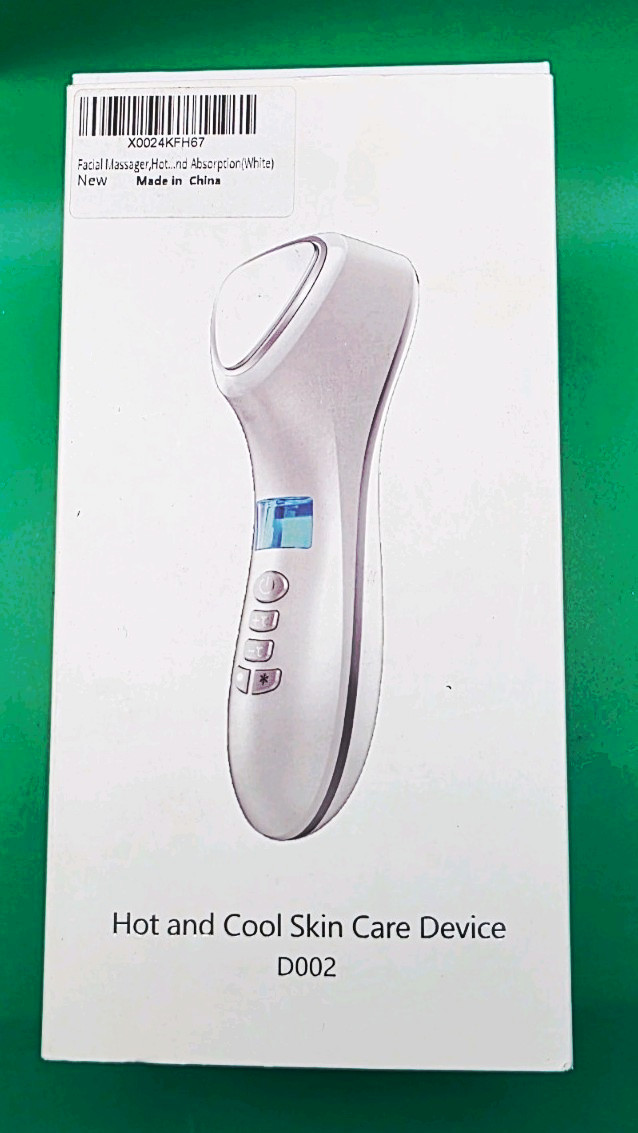 Hot & Cool Facial Massager Skin Care Device Model D002 MPN D002 White$46.00View on eBay
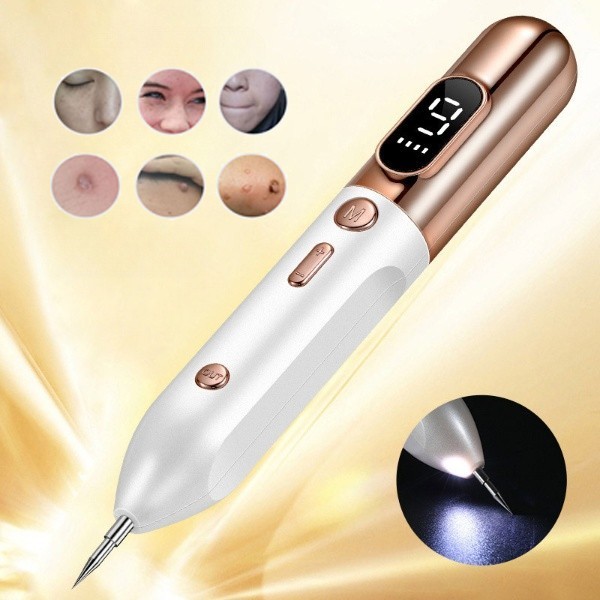 Plasma Pen Mole & Dark Spot Remover Laser Beauty Skin Care Device$55.00View on eBay
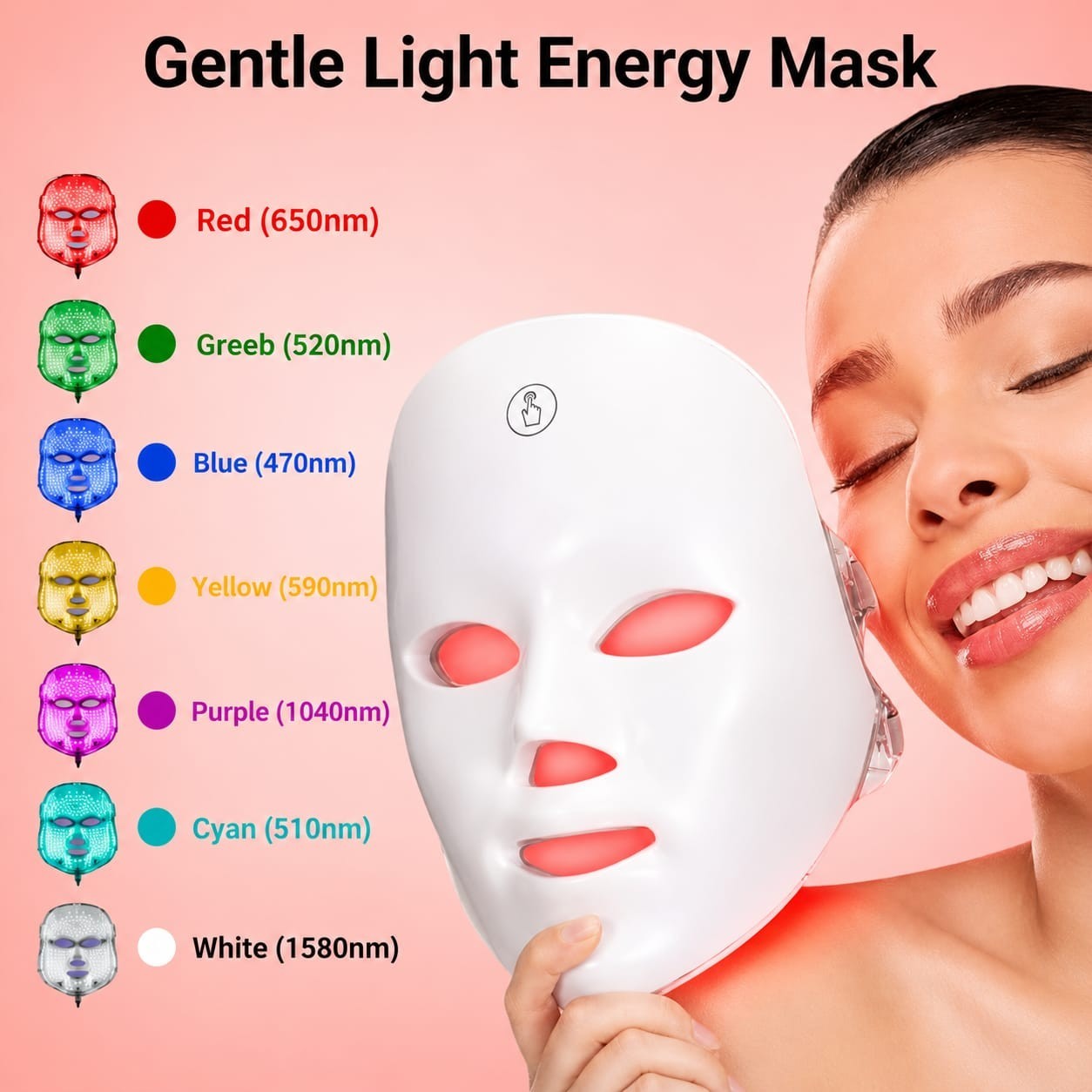 7 Color LED Face Mask Light Therapy Skin Care Device Anti Aging Facial At Home$75.00View on eBay
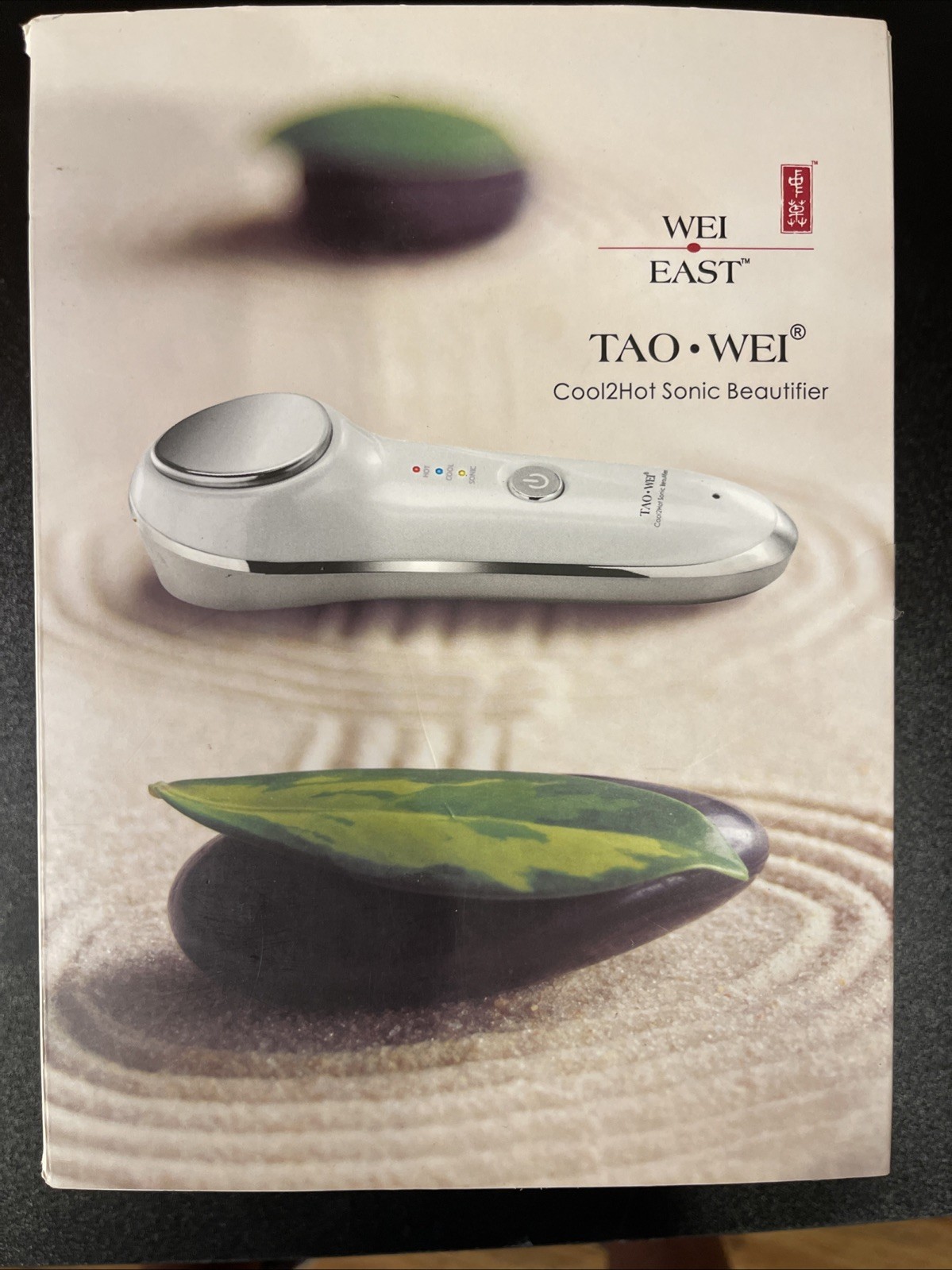 TAO WEI Cool Sonic Beautifier Skin Care Device Beauty Tool$80.00View on eBay
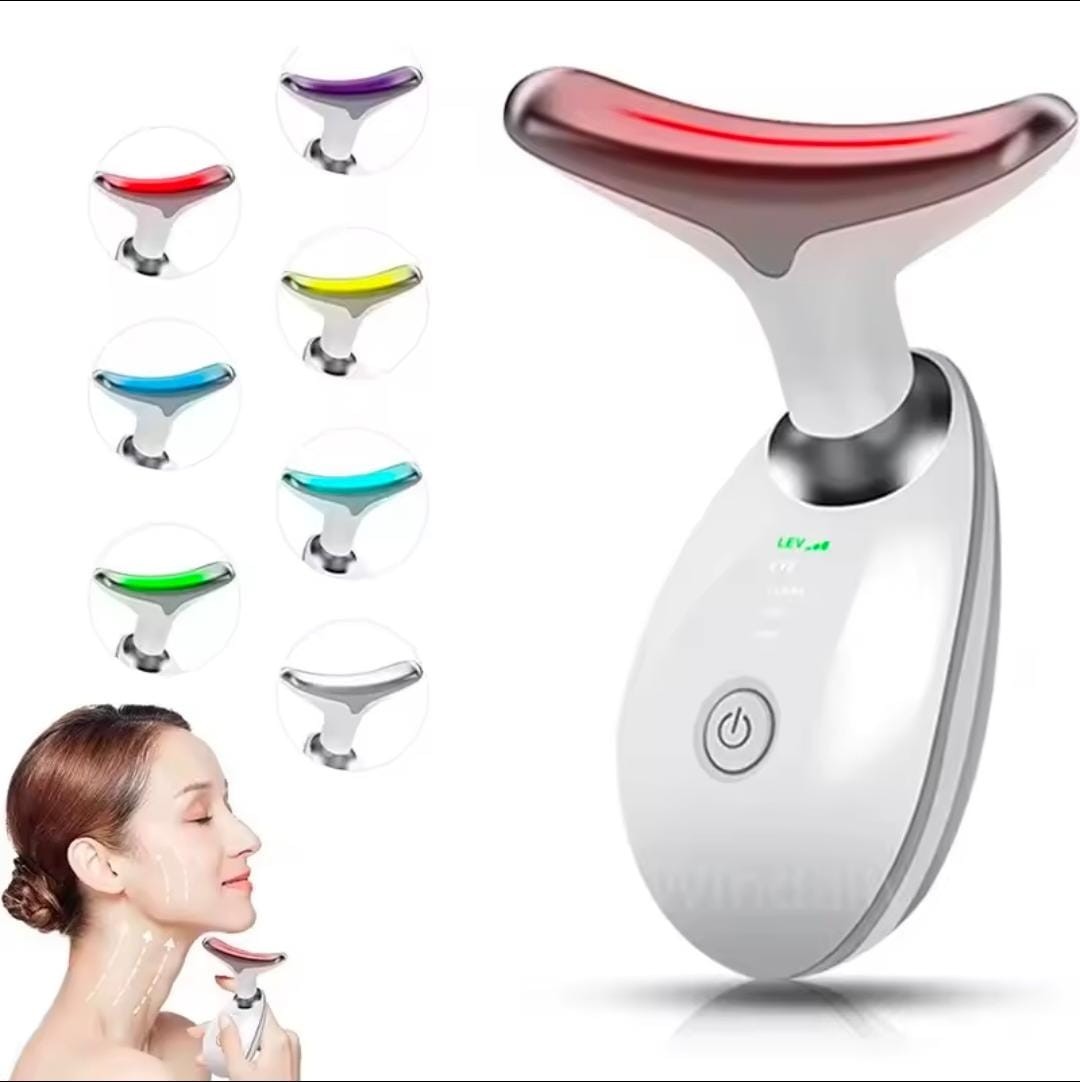 7 Color LED EMS Face Neck Warm Massager Microcurrent USB Skin Care Beauty Device$3.19View on eBay
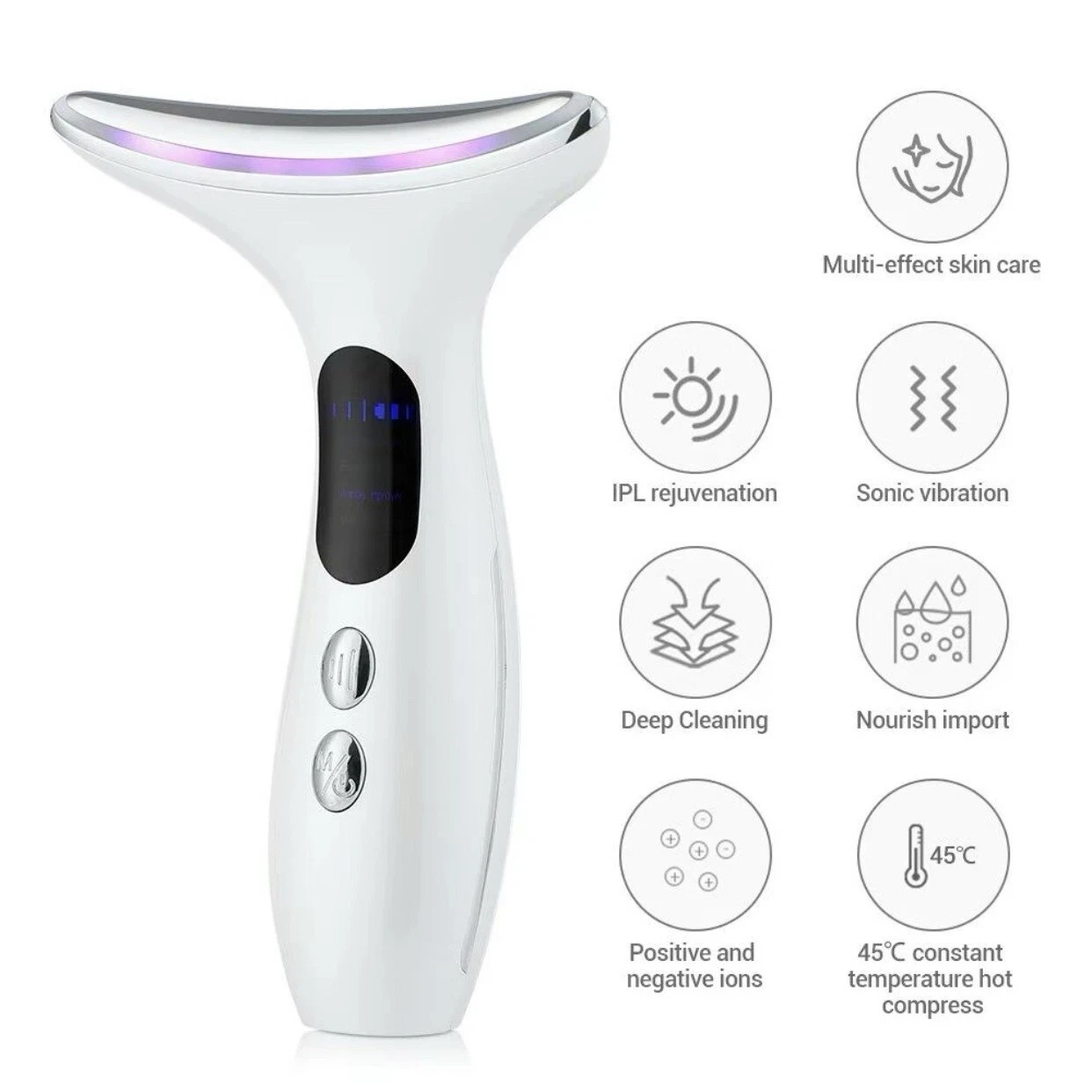 FACE AND NECK Beauty Device, Skin Care Face Massage,3 in 1 Facial Massager, Fac$13.40View on eBay
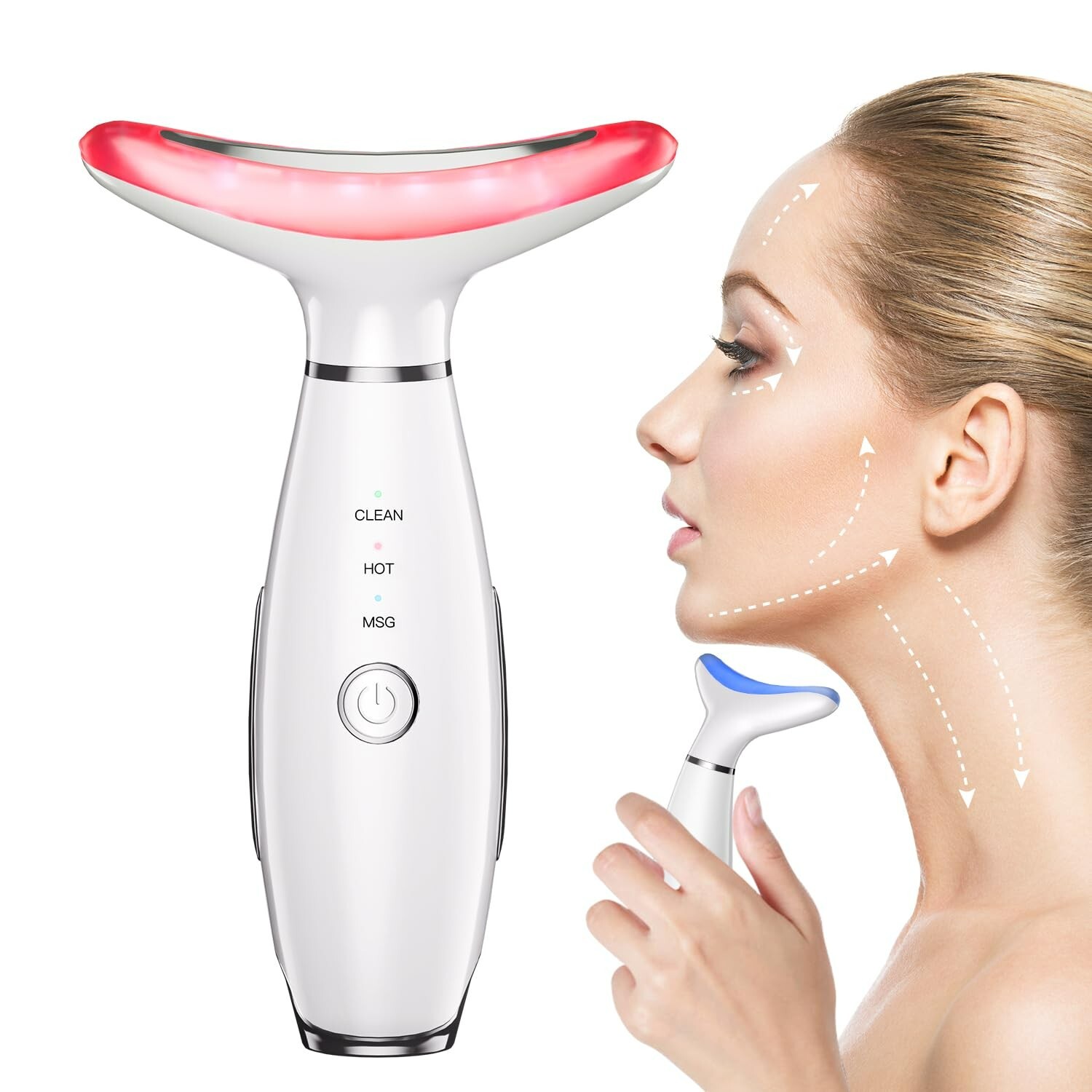 Neck Face Beauty Device, Skin Care Face Massage,3 in 1 Facial Massager, Face Scu$13.49View on eBay
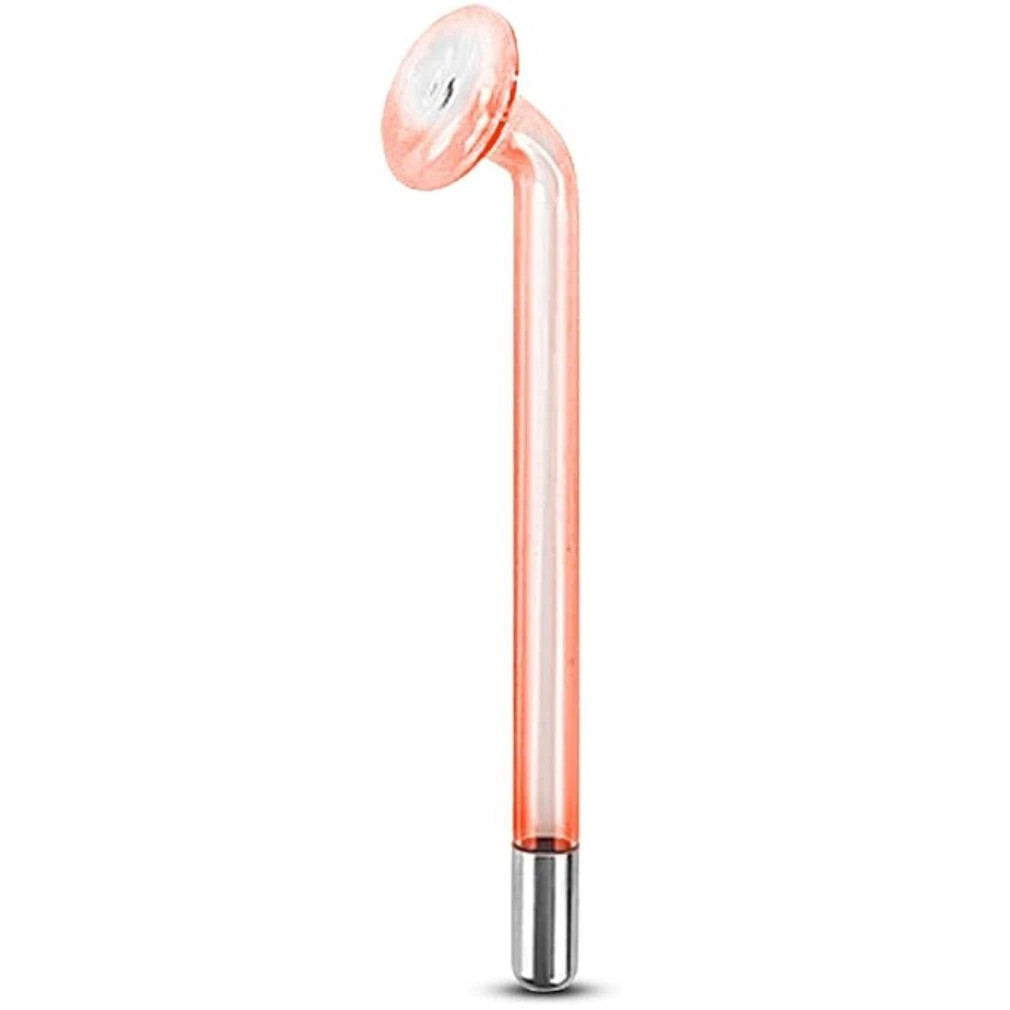 Replacement Accessories Wand For Beauty Machine Skin Care Anti-Aging Device USA$15.98View on eBay
 Facial Beauty Device, Multifunctional Facial Skin Care Tools with Vibration, Red$23.00View on eBay
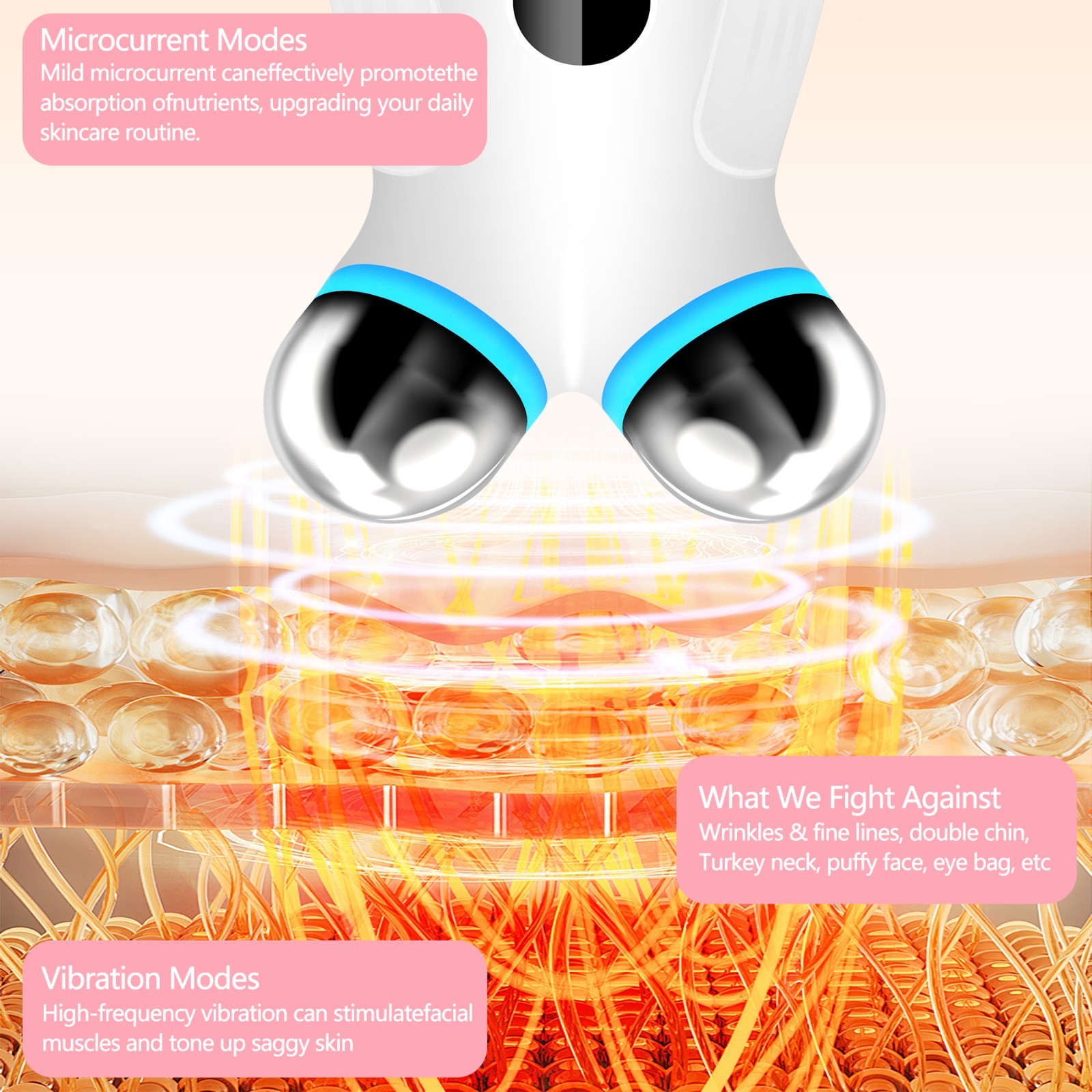 Anti Aging And Wrinkles Microcurrent Facial Device, Boost Skin Care Products Abs$23.00View on eBay
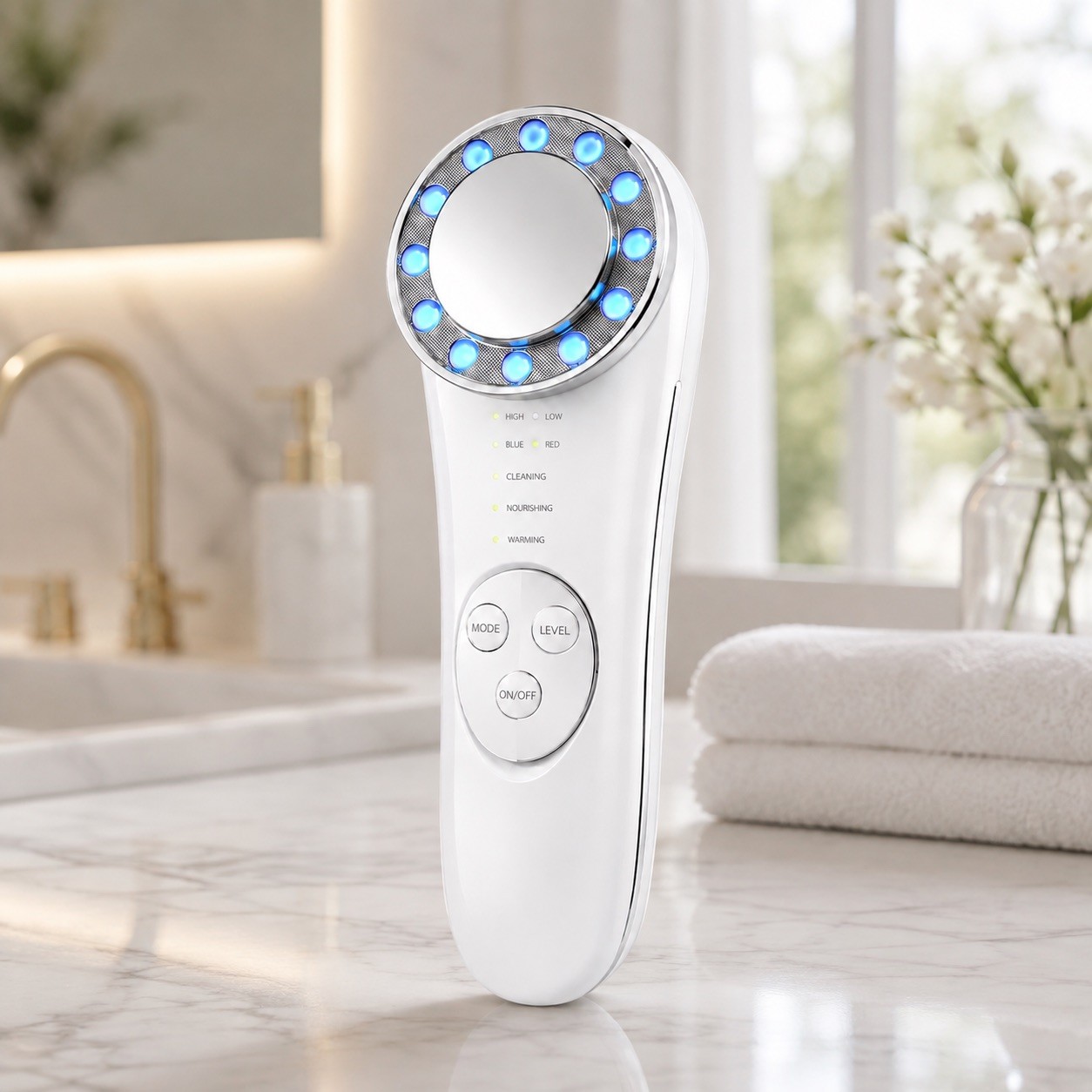 7-in-1 LED Face Massager Red Blue Light Therapy Skin Care Beauty Device$24.99View on eBay
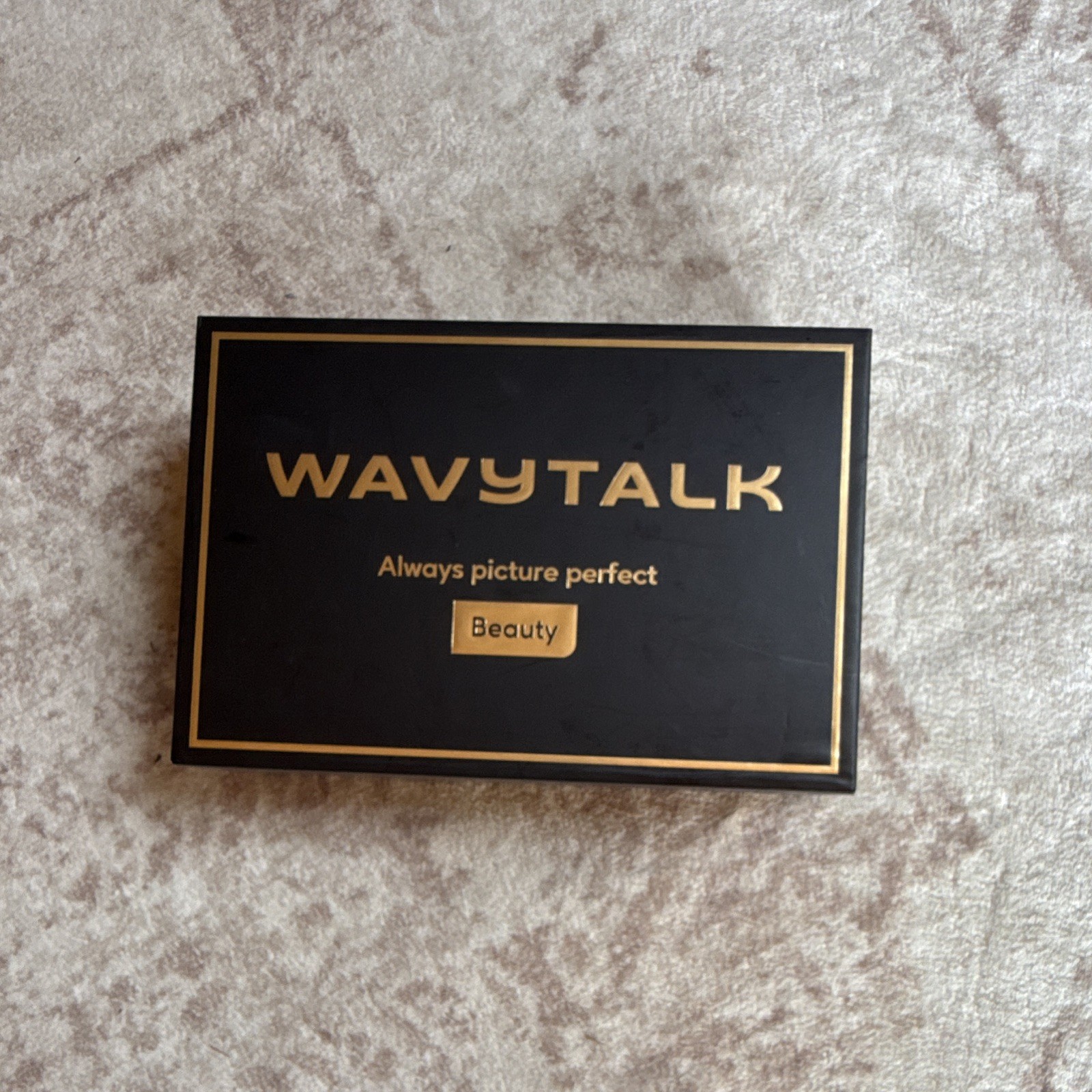 Wavytalk Multifunction 5-in-1 Skin & Eye Care Tool Beauty Device Red/Blue Light$25.95View on eBay
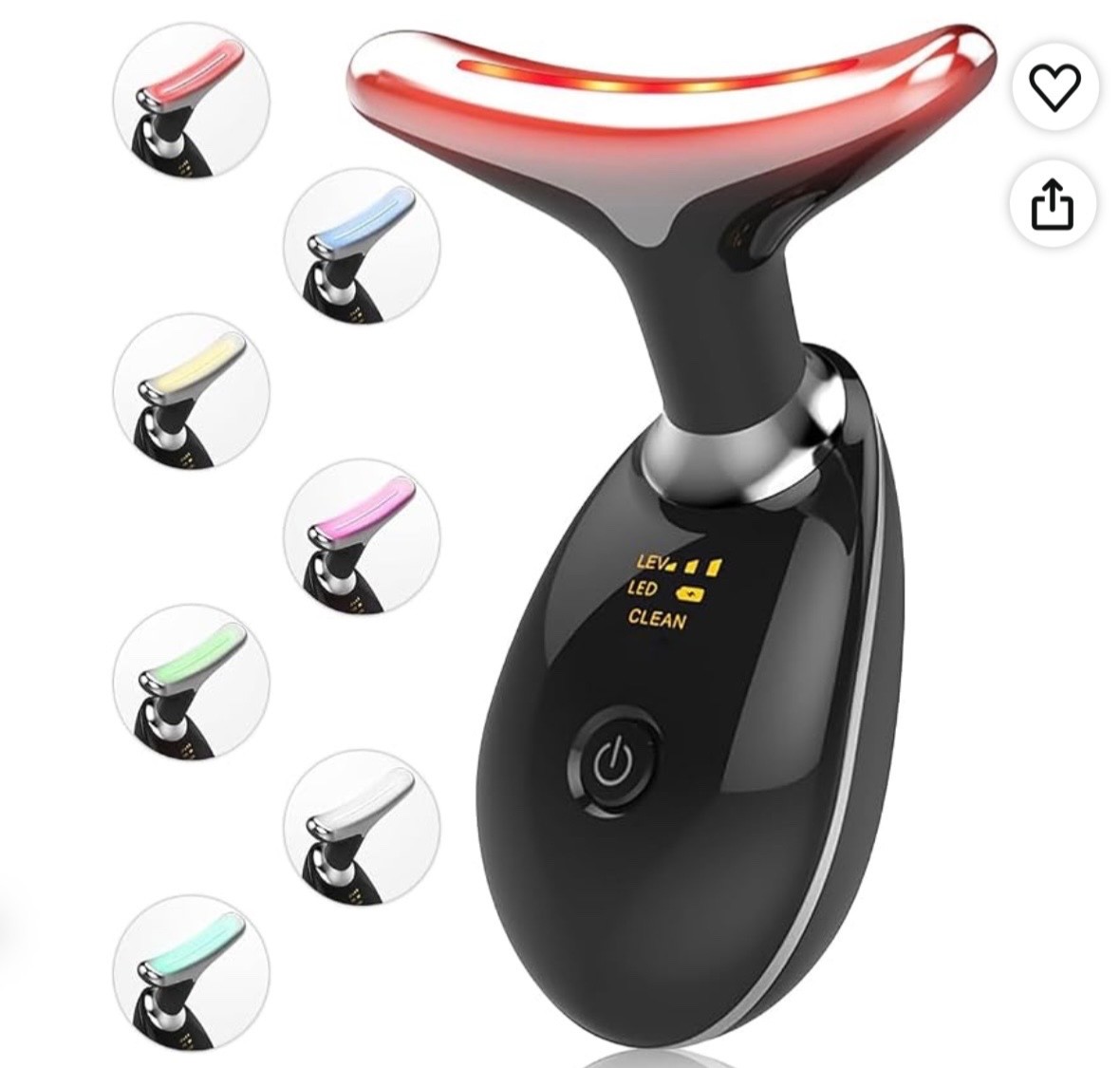 7 Color LED Face & Neck Beauty Device Facial Massager Skin Care Vibration Tool$25.99View on eBay
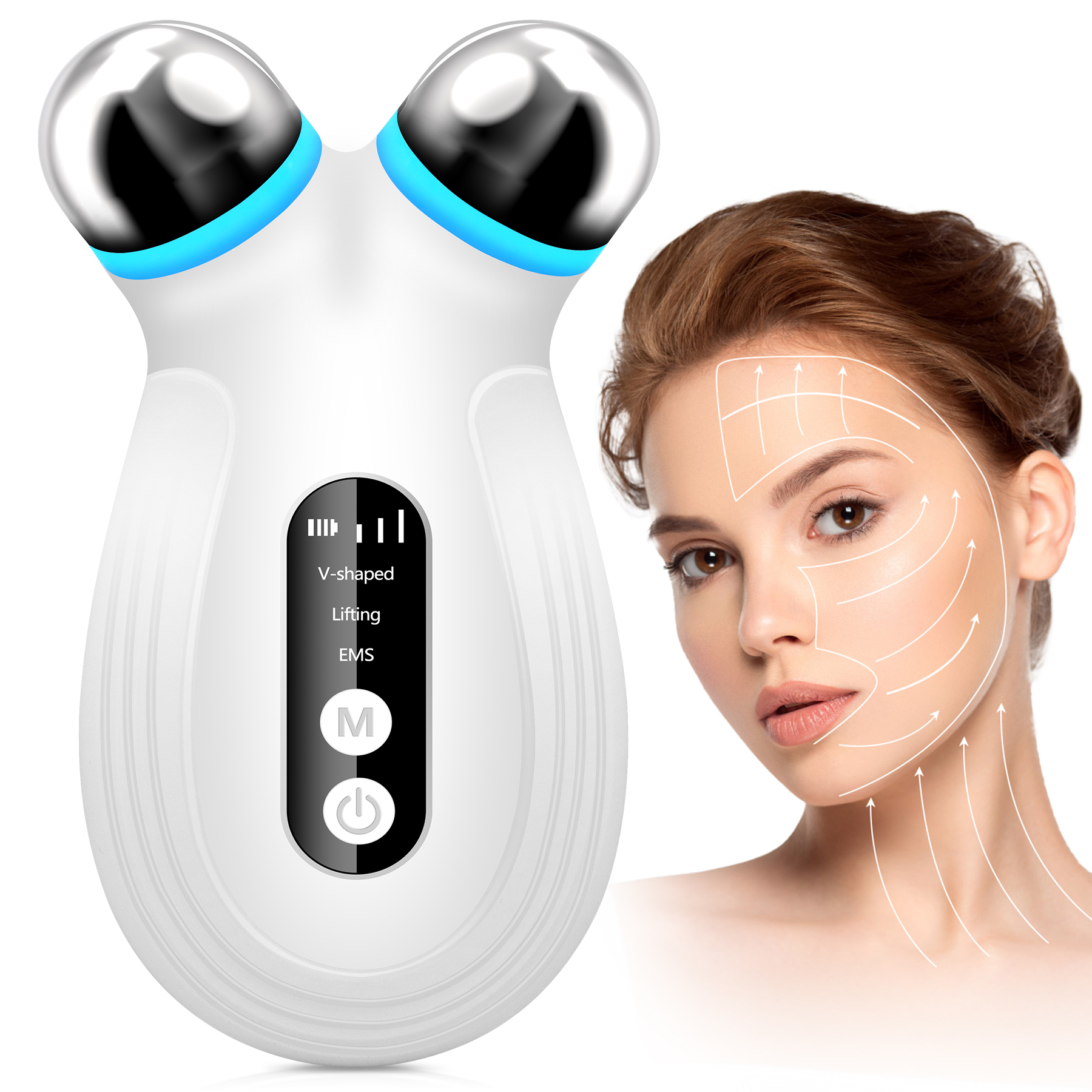 Anti Aging And Wrinkles Microcurrent Facial Device, Boost Skin Care Products Abs$28.36View on eBay
Highlights
- LED masks deliver 633 nm red (collagen) and 415 nm blue (acne); clinical efficacy needs ≥30 mW/cm² irradiance—most consumer masks output 5–15 mW/cm² and require 10–20 min sessions.
- Radiofrequency devices operate at 0.5–1 MHz (monopolar) or 1–2 MHz (bipolar/tripolar); bipolar is safer for home use because energy penetrates 2–4 mm without a grounding pad.
- Microcurrent devices output 20–400 µA at 0.1–10 Hz; anything above 500 µA crosses into TENS territory and is not a facial rejuvenation device.
- Cooling rollers and ice globes rely on thermal mass, not refrigeration—stainless steel heads retain cold 10–15 min; silicone or plastic heads lose cold in under 5 min.
Best use cases
- Best fit: LED mask (red + blue) for acne-prone or early-aging skin—pick a flexible silicone mask with stated irradiance ≥10 mW/cm² and eye cutouts; skip rigid plastic masks that leak light and feel heavy.
- Best fit: RF device for mild skin laxity (jawline, nasolabial folds)—choose bipolar RF at 1 MHz with a thermal sensor and 5-level intensity; skip monopolar RF unless you have a grounding pad and training.
- Best fit: microcurrent for morning puffiness and facial contouring—select a device with 0.1–400 µA adjustable output and conductive gel included; skip anything marketed as 'TENS' for the face.
- Wrong fit: plasma pens (mole/dark-spot removers) for home use—these are ablative devices that cause burns and scarring without professional training; no consumer-grade plasma pen is appropriate for DIY spot removal.
Buying tips
- Check the stated irradiance for LED devices: red light at 633 nm should list ≥30 mW/cm² for clinical claims; if only '7-color' is listed with no mW/cm², treat it as a low-power wellness device.
- For RF, bipolar is the home-safe standard; confirm frequency (1 MHz typical) and that the device has a skin-temperature cutoff or auto-shutoff at 42°C.
- Microcurrent output must be adjustable down to ≤100 µA for beginners; devices with fixed high output (>400 µA) risk muscle twitching and are not suitable for the eye area.
- Cooling tools: stainless steel or aluminum heads with a gel-filled interior hold cold 10–15 min; hollow plastic rollers warm to skin temperature in 2–3 min and are ineffective.
Specs
| Technology Type | LED / RF / Microcurrent / Ultrasonic / Cooling |
|---|---|
| LED Wavelength | Red 633nm / Blue 415nm / Near-IR 830nm |
| RF Frequency | Bipolar 1MHz (home) / Monopolar 0.5MHz (pro) |
| Microcurrent Output | 20-400 µA adjustable; >500 µA not facial |
Related searches
What to check before buying
- Confirm your skin type: LED blue light (415 nm) is for oily/acne-prone; red (633 nm) for dry/mature; combination masks cover both but check separate irradiance specs.
- For RF and microcurrent, you need a conductive gel or serum (water-based, no oil)—budget for a compatible gel; oil-based products block current.
- Check plug/voltage: most devices are USB-C or 5V DC; if a wall adapter is included, confirm 100–240 V for your region.
- For LED masks, measure your face width (temple to temple) and compare to mask dimensions—flexible silicone fits 13–16 cm; rigid masks may gap at the chin.
FAQ
Data sources: eBay / Amazon listings and product attribute feeds Data updated Nov 15, 2026.
Some links on this page are affiliate links. If you buy after clicking one, we may earn a commission at no extra cost to you. This does not change which products appear here or their order. Affiliate disclosure.