Photos from current listings. Actual item, color, and included accessories may vary.
LED Light Therapy Device Buying Guide
LED light therapy devices deliver non-ionizing red and blue wavelengths to modulate cellular activity and target acne or aging. The core trade-off is between flexible, lower-irradiance wands/panels and rigid, higher-irradiance masks—output dose and wavelength accuracy separate clinical-grade results from cosmetic toys. Choose a device with published irradiance (mW/cm²) and wavelength (±10 nm) from a known maker; skip any listing that hides those specs or promises overnight transformation.


At a glance
- Category
- Beauty Devices
- Data updated
- Nov 15, 2026
Current offers
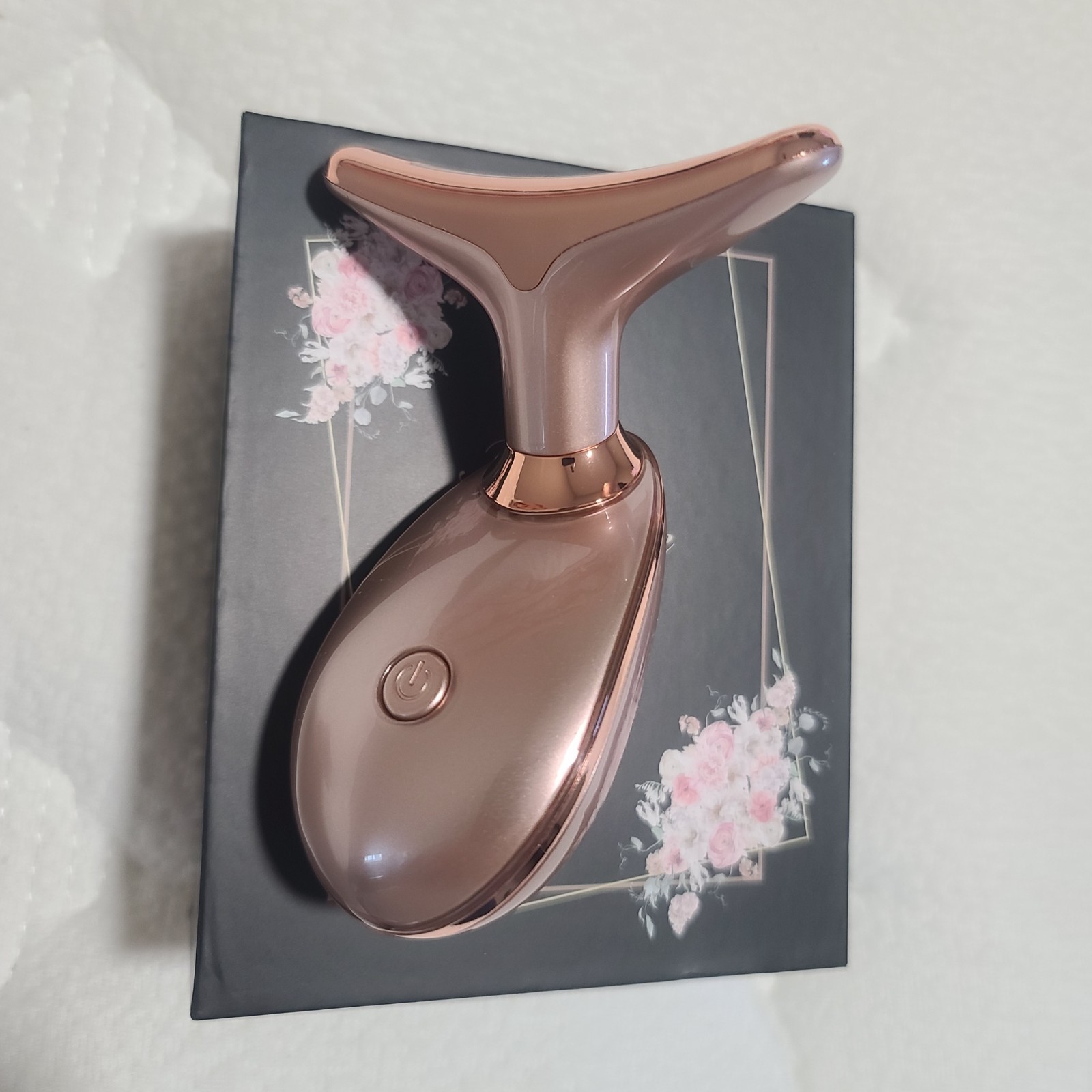 7 Color LED Light Therapy Beauty Device Face Neck Massager Skin Tighten Gold$18.95
 View on eBay
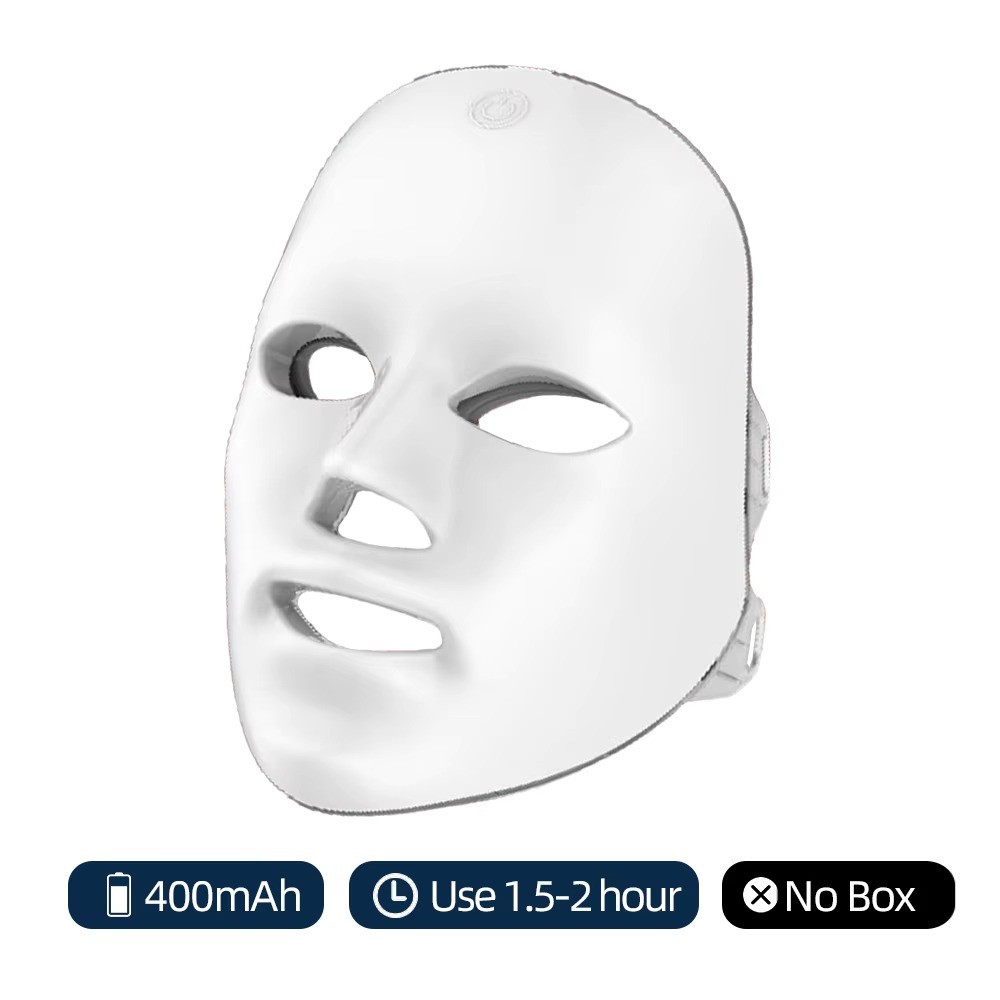 7 Color LED Facial Mask Light Therapy Photon Skin Rejuvenation Beauty Device USB$22.99View on eBay
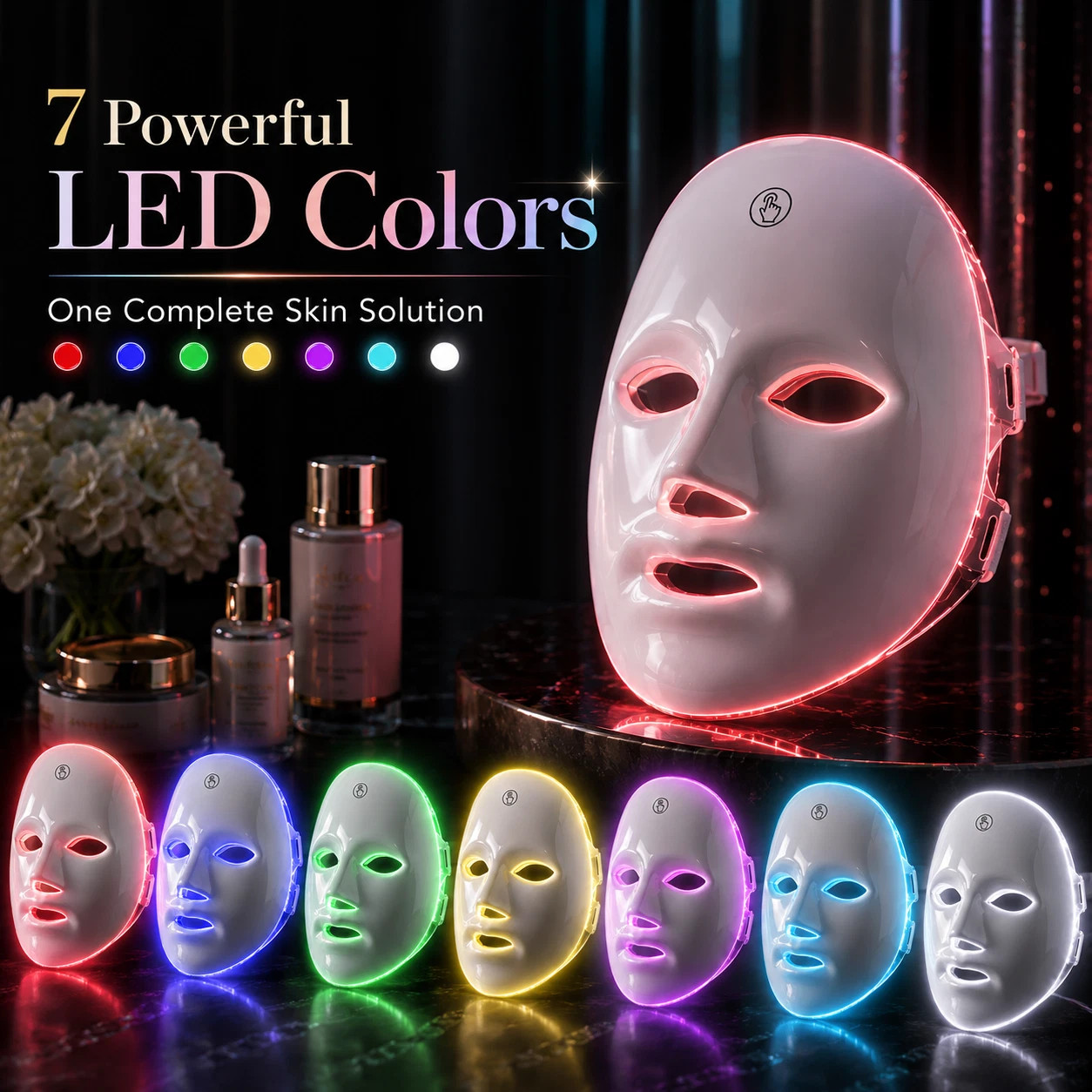 7 Color LED Facial Mask Light Therapy Skin Rejuvenation Anti Acne Beauty Device$24.88View on eBay
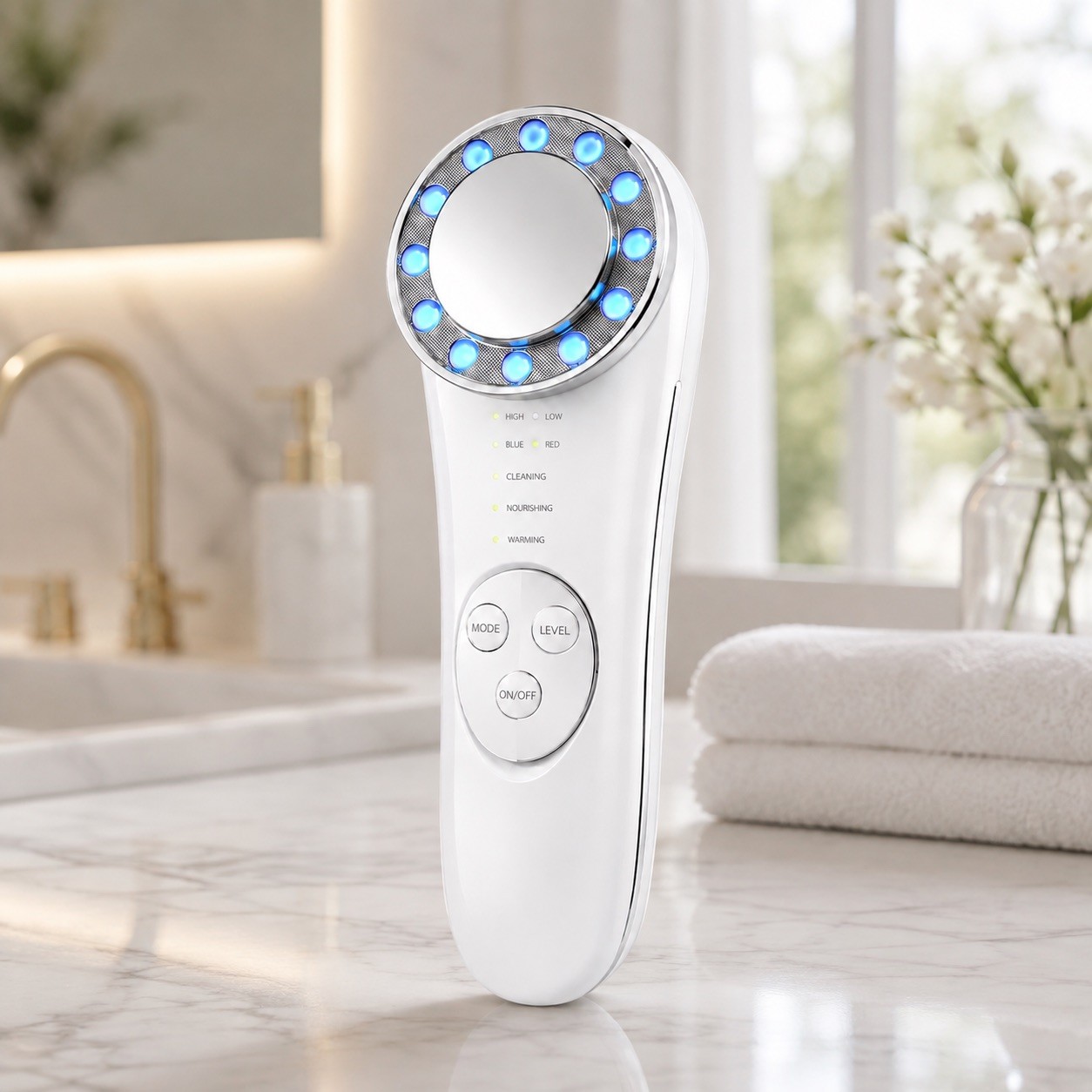 7-in-1 LED Face Massager Red Blue Light Therapy Skin Care Beauty Device$24.99View on eBay
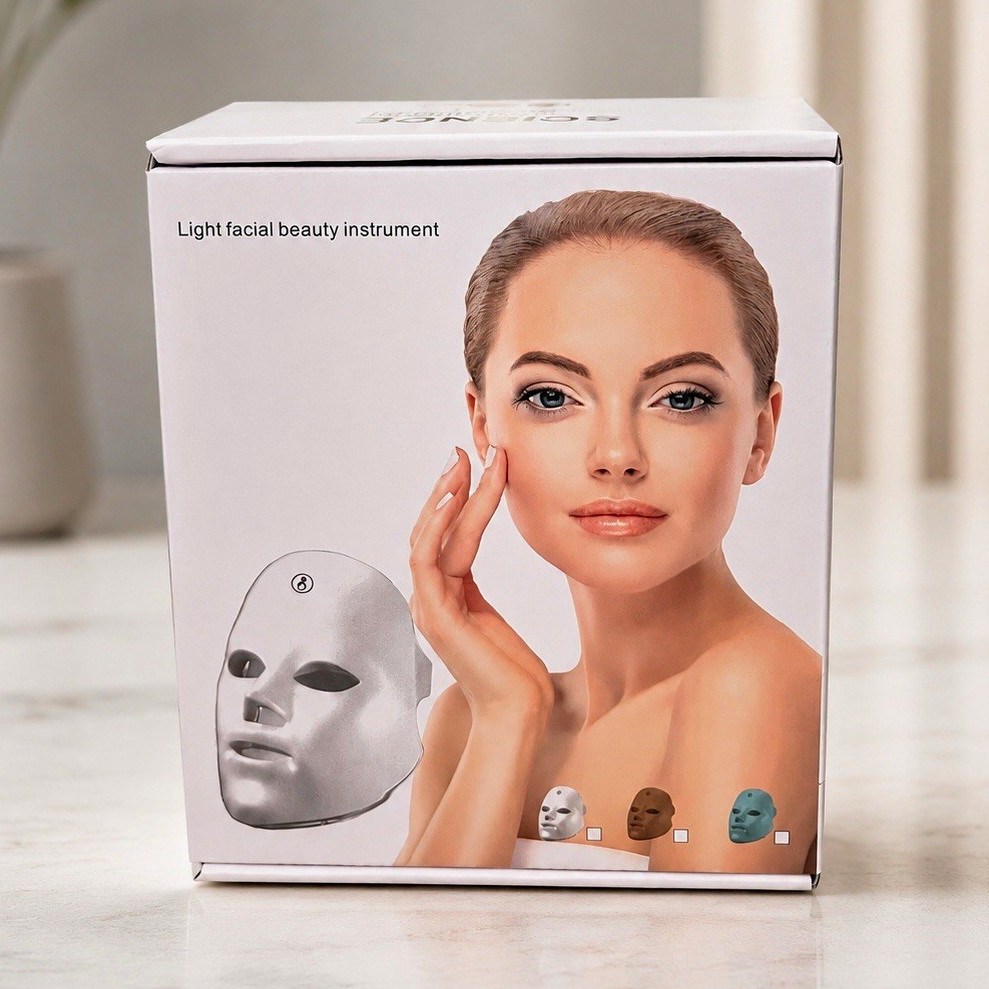 7 Color LED Light Therapy Facial Mask Rechargeable Skin Rejuvenation Device$25.00View on eBay
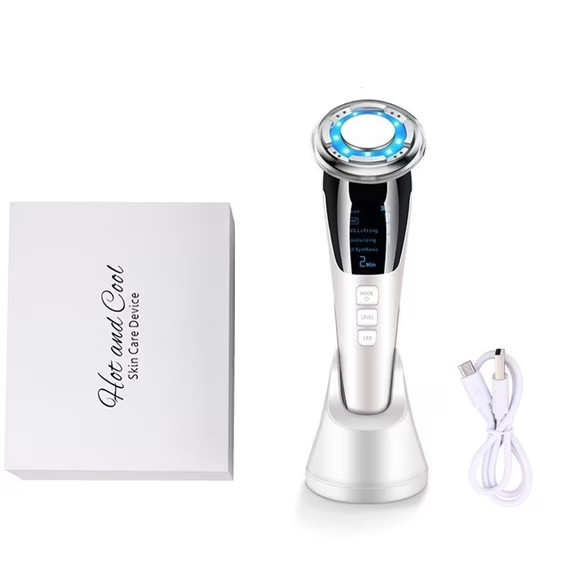 EMS Facial Massager Hot Cold LED Light Therapy Skin Tightening Device$29.99View on eBay
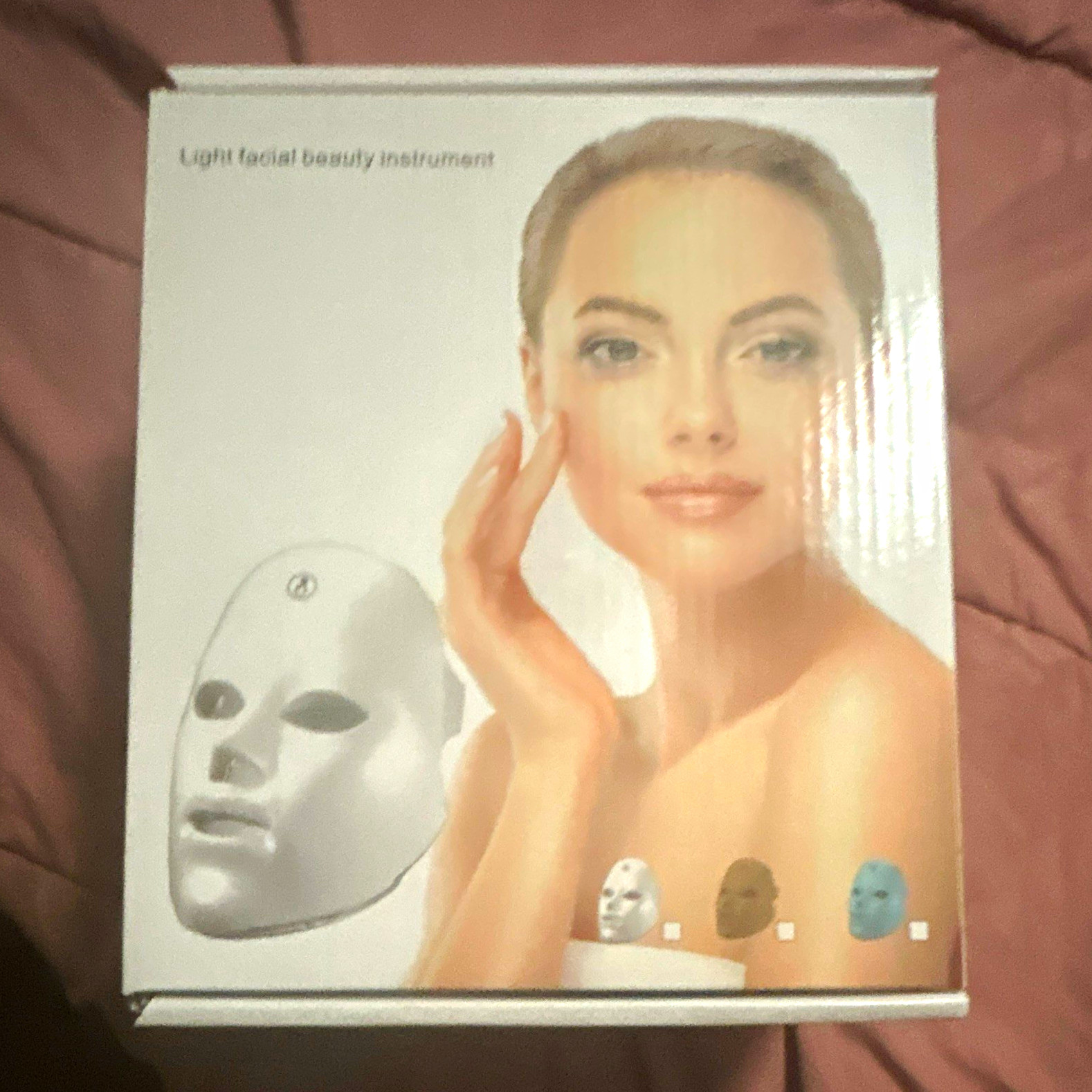 Red LED Light Therapy Face Mask Facial Beauty Device for Face Skin$32.00View on eBay
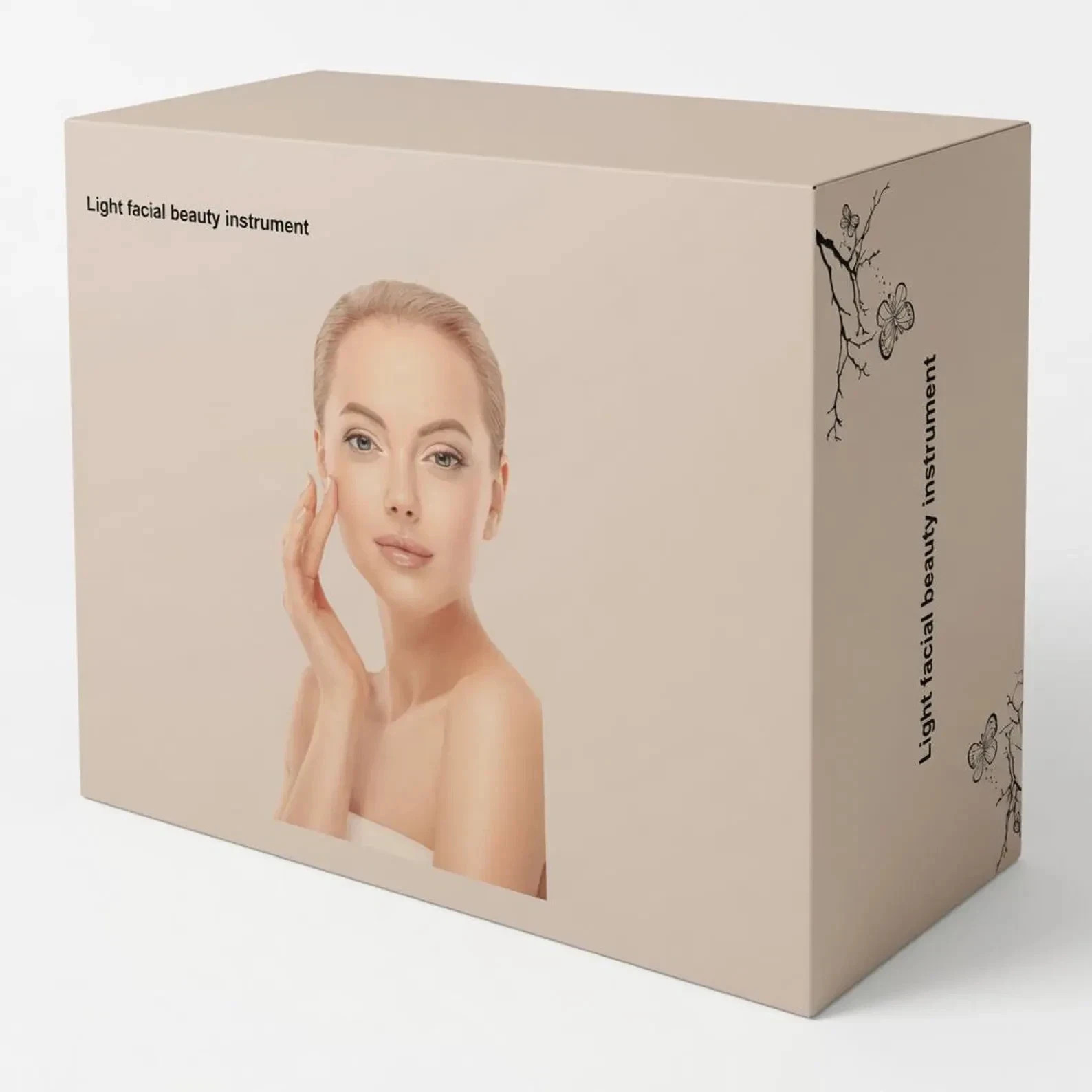 Light Facial Beauty Instrument | LED Skin Care Device | Anti-Aging Face Therapy$40.00View on eBay
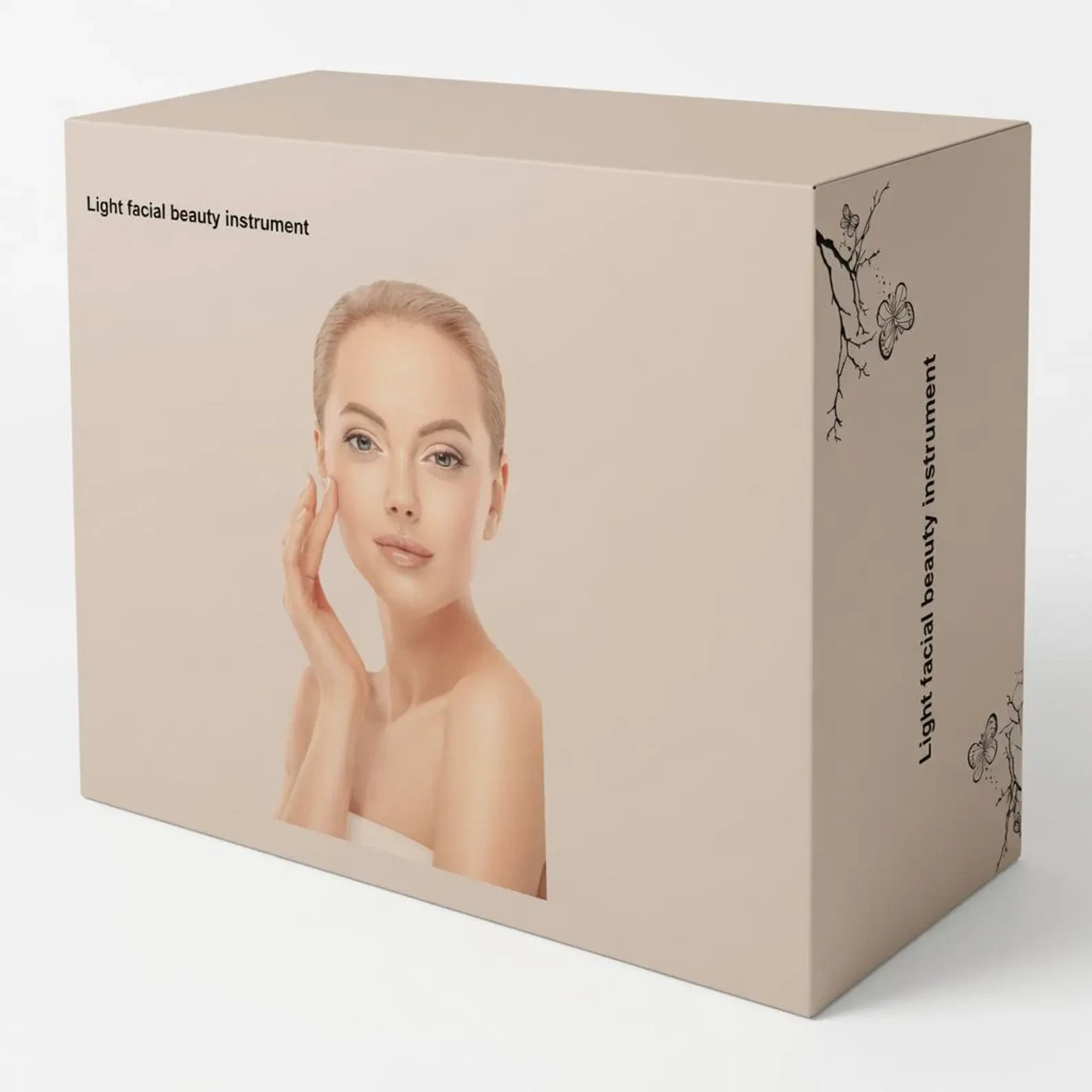 Light Facial Beauty Instrument | LED Skin Care Device | Anti-Aging Face Therapy$40.00View on eBay
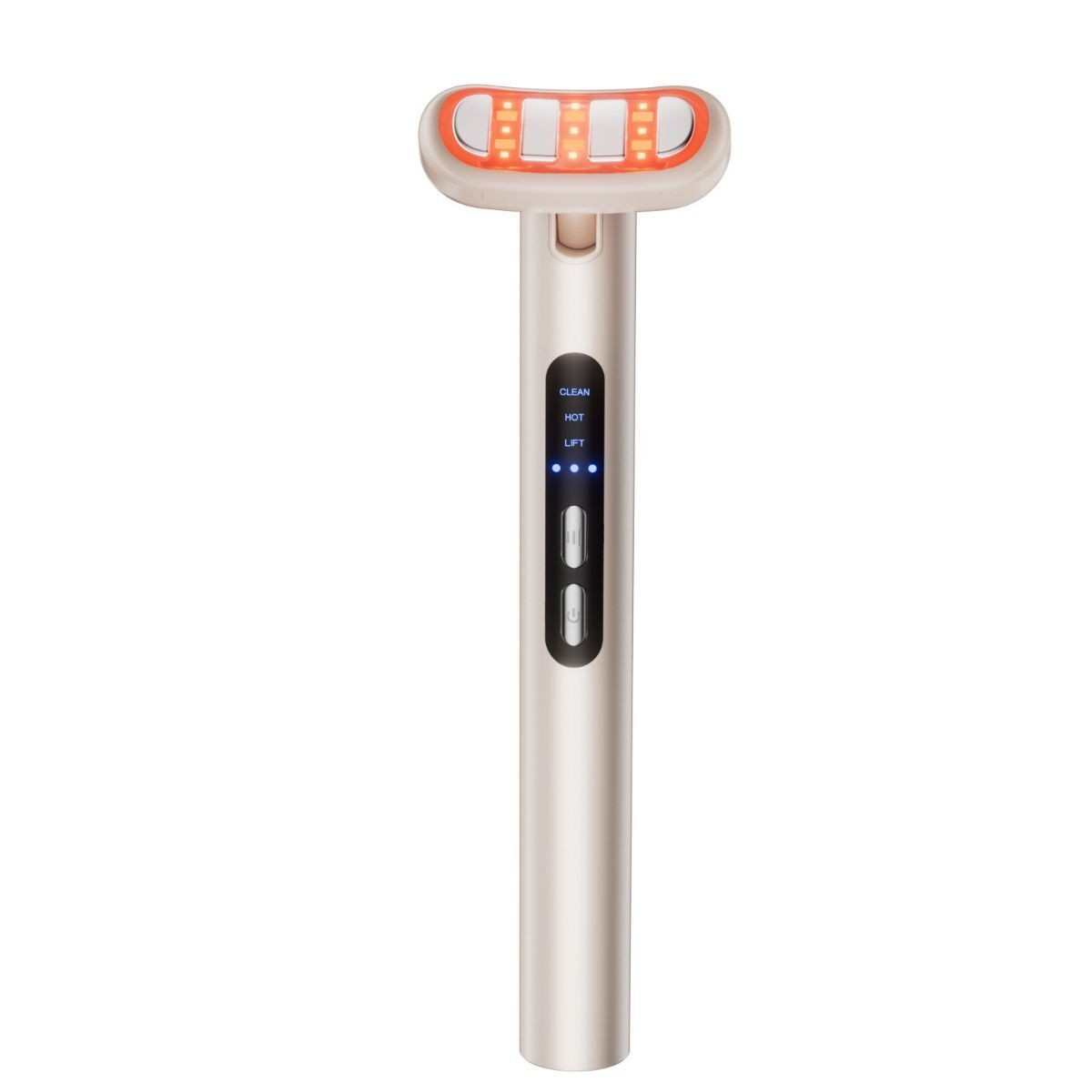 LED Facial Wand Neck Massager Red Light Therapy Beauty Device Skincare Tool - Be$48.20View on eBay
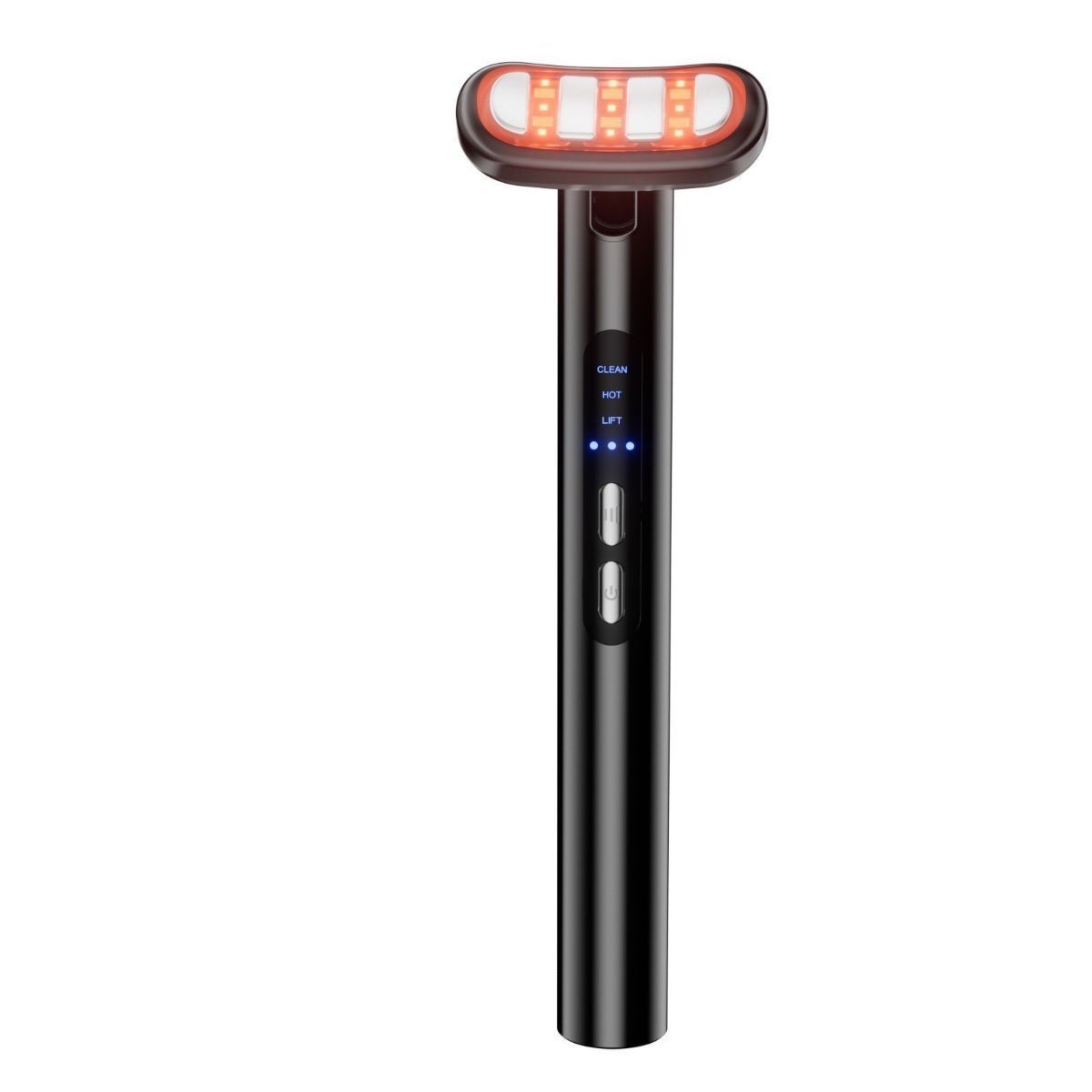 LED Facial Wand Neck Massager Red Light Therapy Beauty Device Skincare Tool - Bl$49.73View on eBay
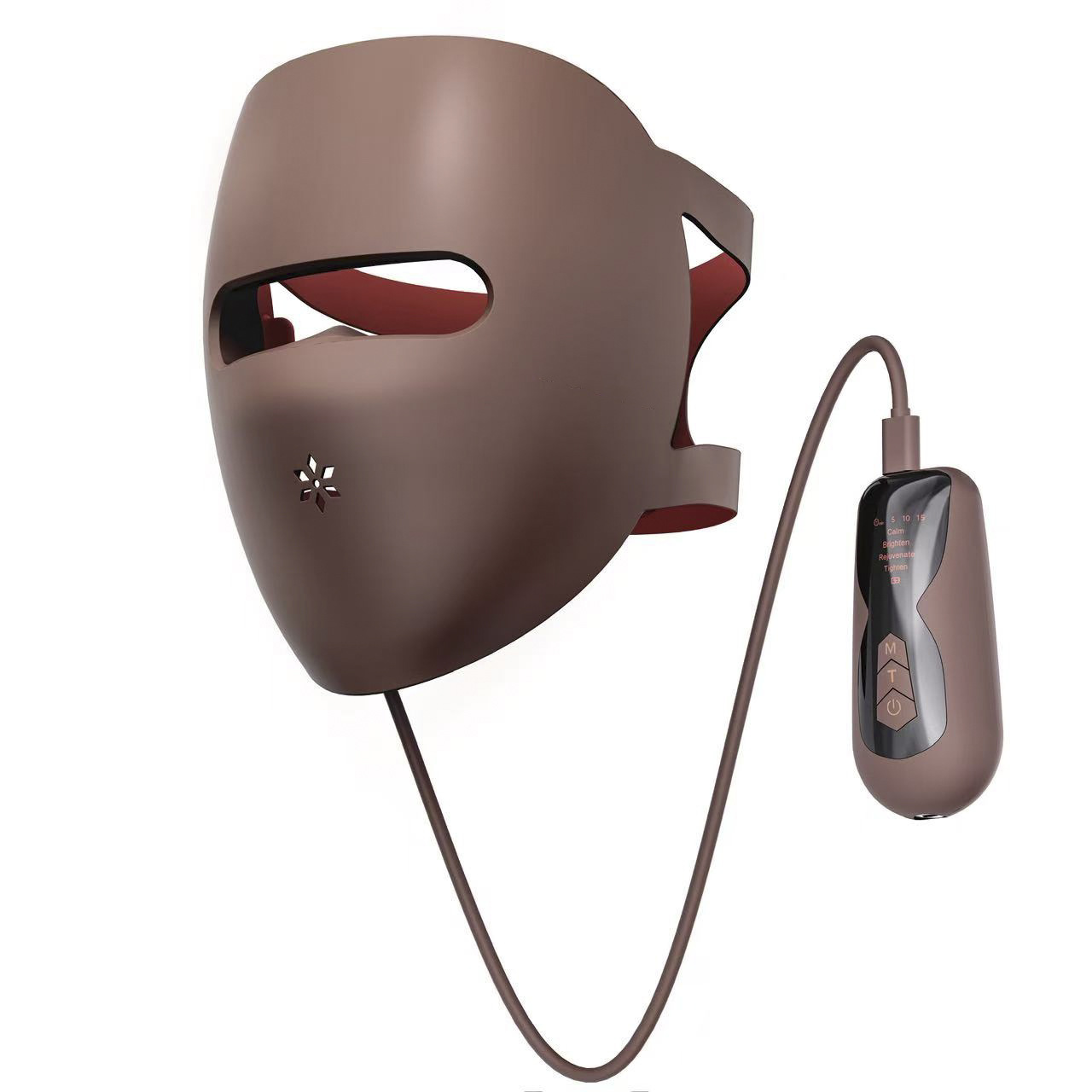 LED Silicone Facial Mask USB Light Therapy Skin Rejuvenation Beauty Face Device$72.03View on eBay
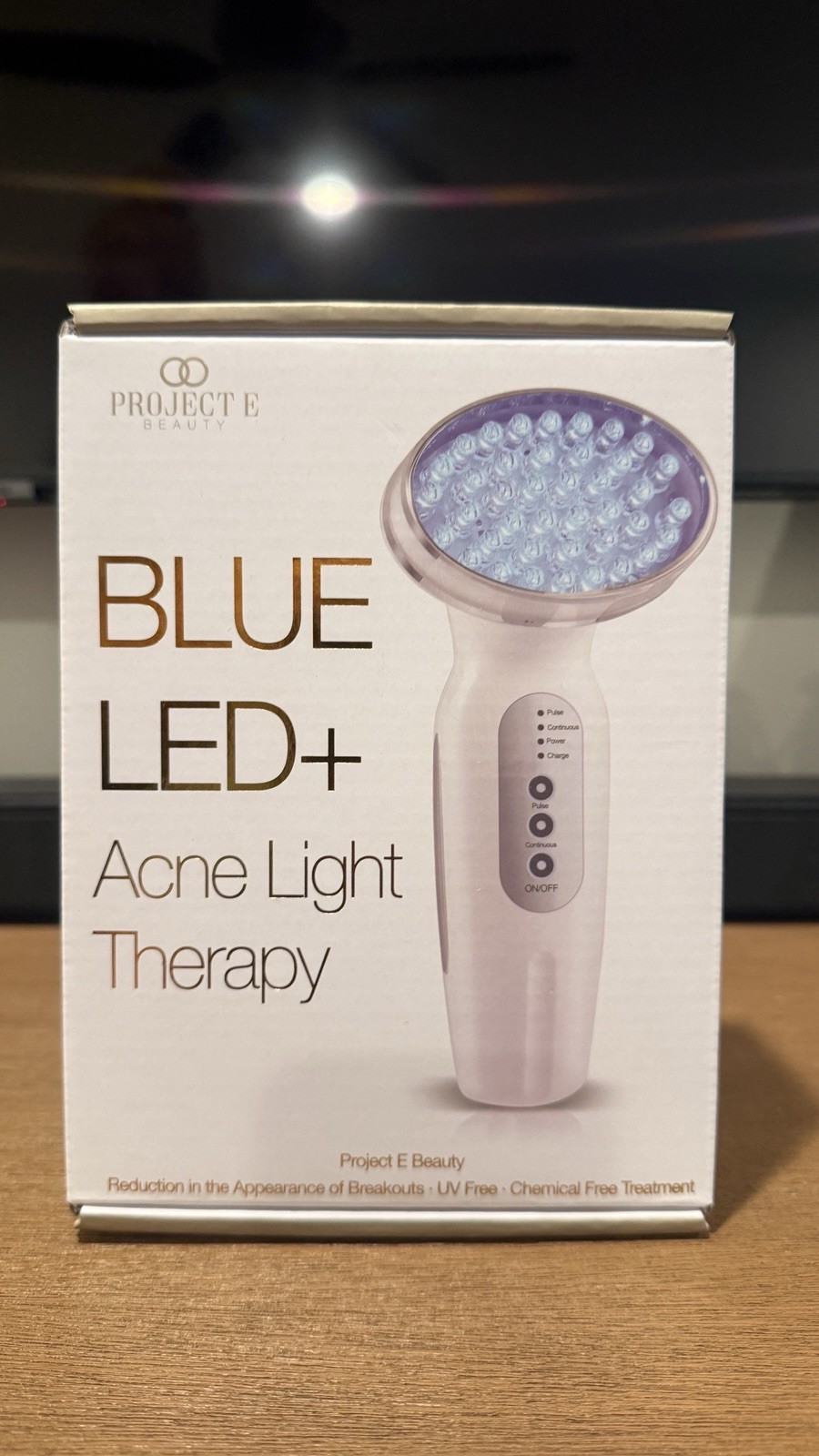 Project E Beauty LED + Blue Light Acne Anti Aging Skincare Therapy Device$75.00View on eBay
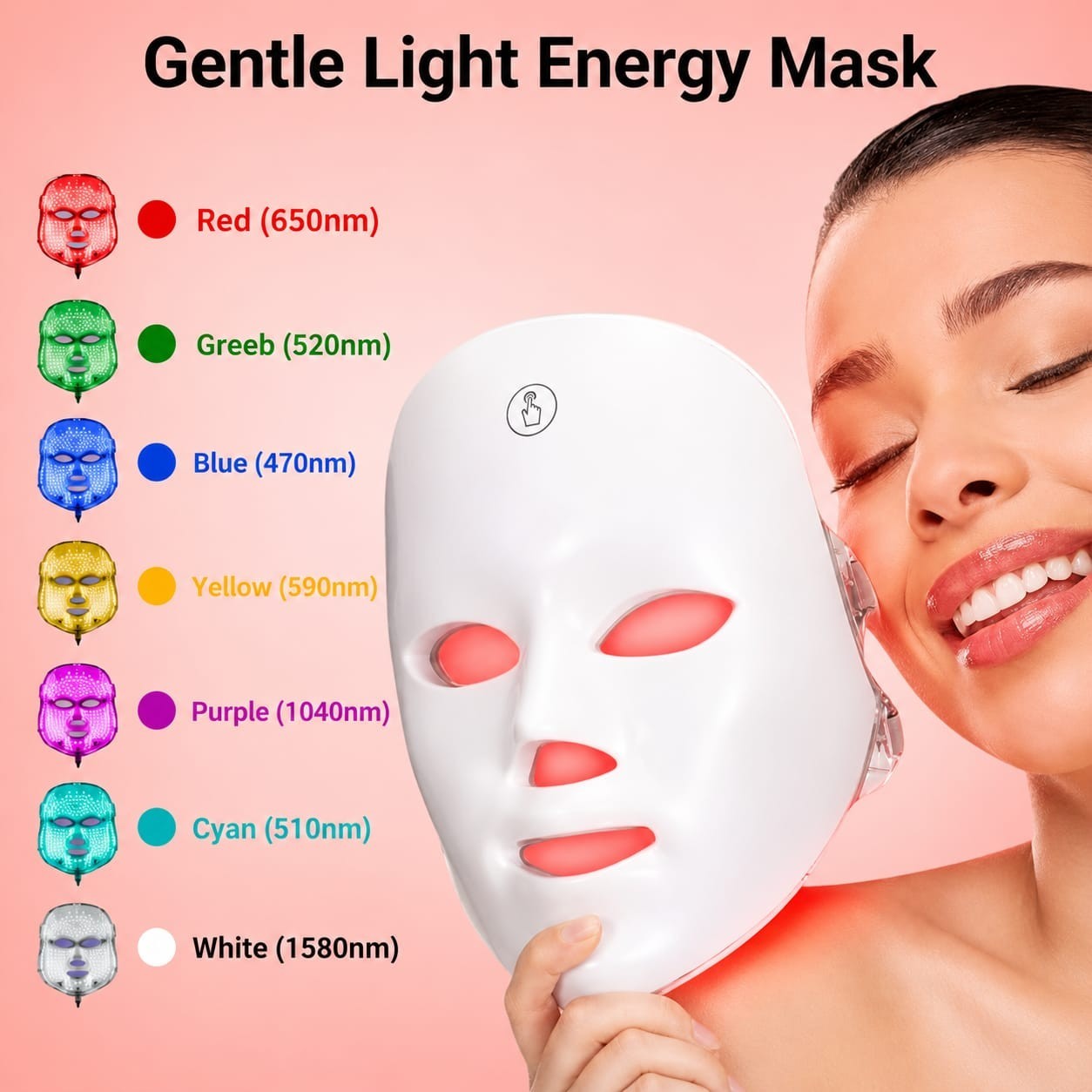 7 Color LED Face Mask Light Therapy Skin Care Device Anti Aging Facial At Home$75.00View on eBay
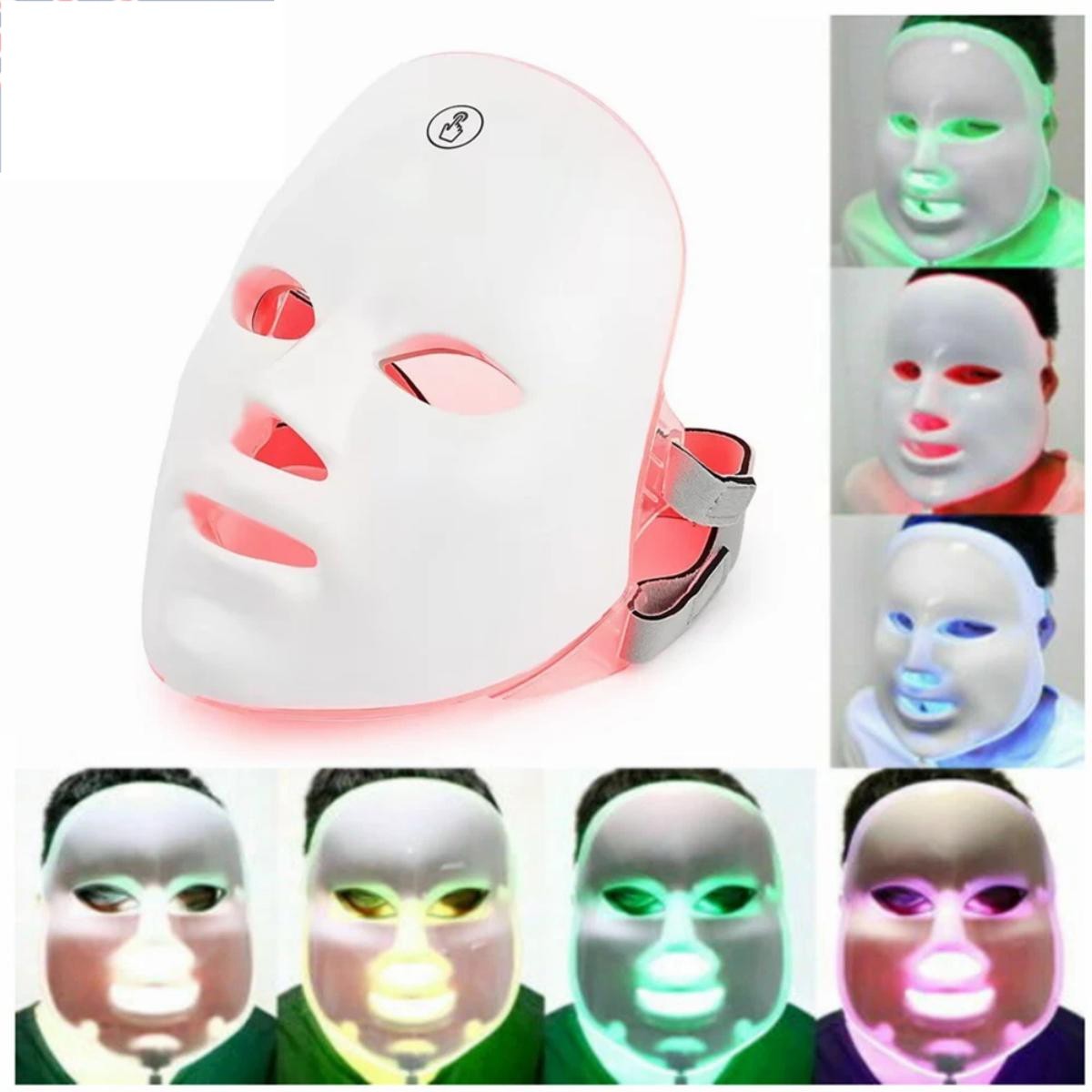 LED Face Mask 7 Color Light Therapy Skin Care Beauty Device White$89.97View on eBay
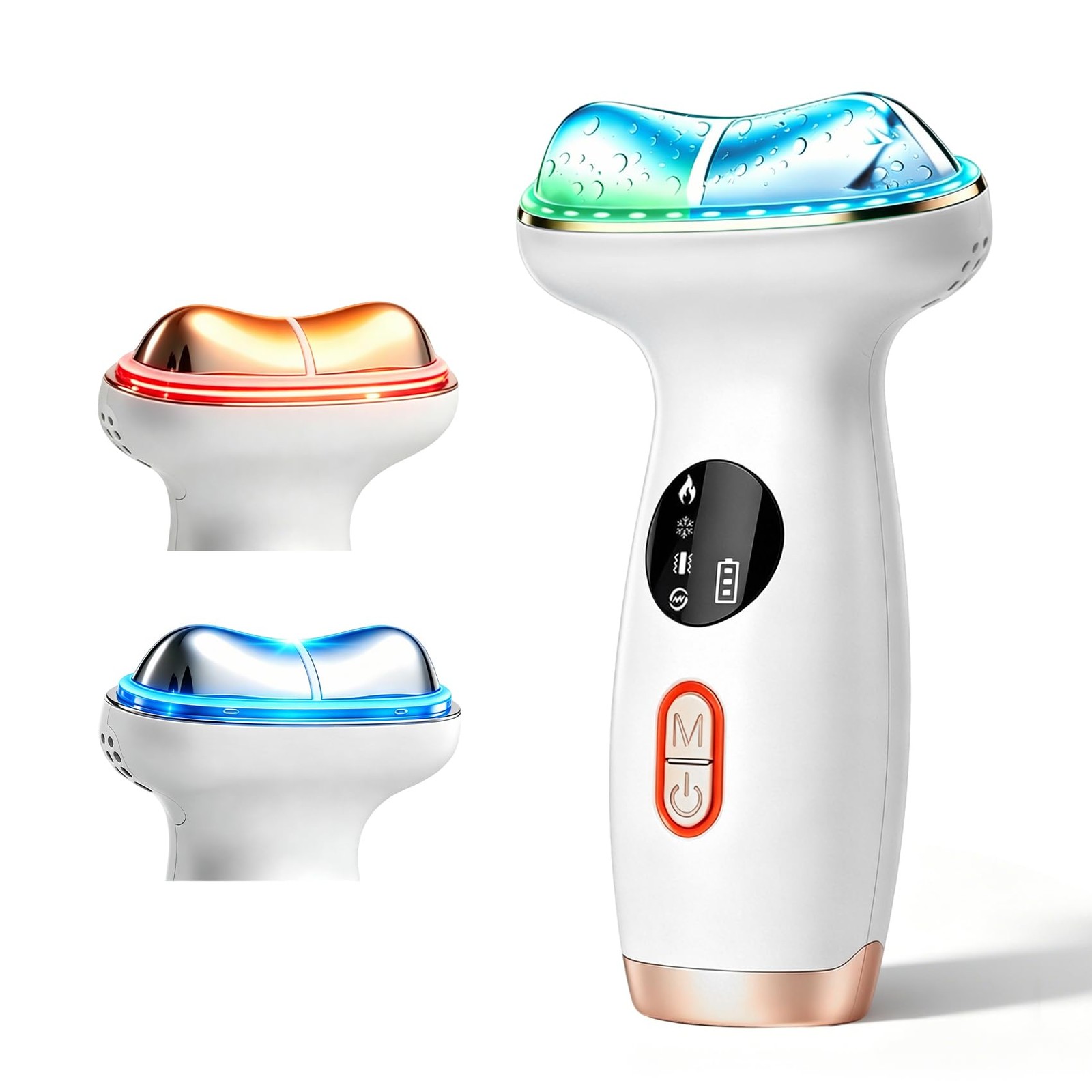 7-in-1 LED therapy Microcurrent Facial Device, Red Light Gua Sha Massager wit...$92.17View on eBay
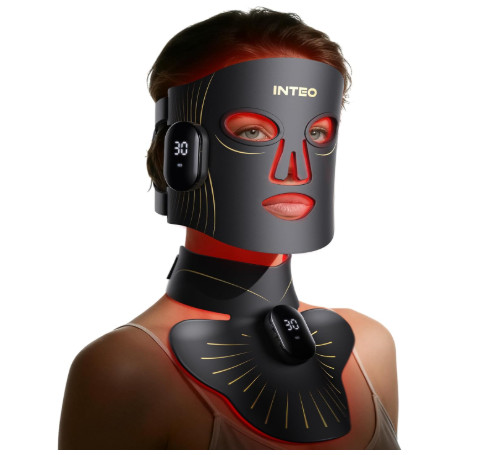 LED Light Therapy Mask Face Neck 4 Modes Cordless Skincare Beauty Device$136.00View on eBay
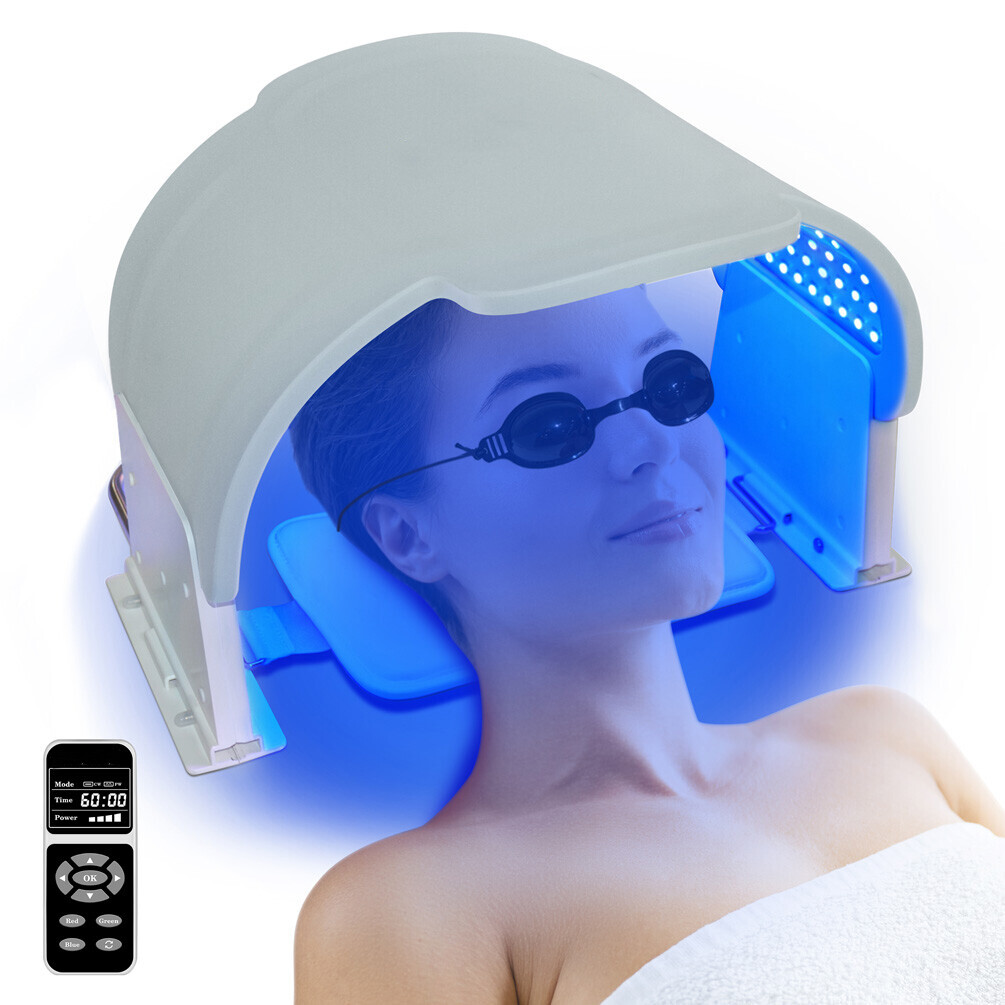 7 Colors Facial Body Beauty Skin Device LED Photon PDT Light Therapy Anti-Aging$260.00View on eBay
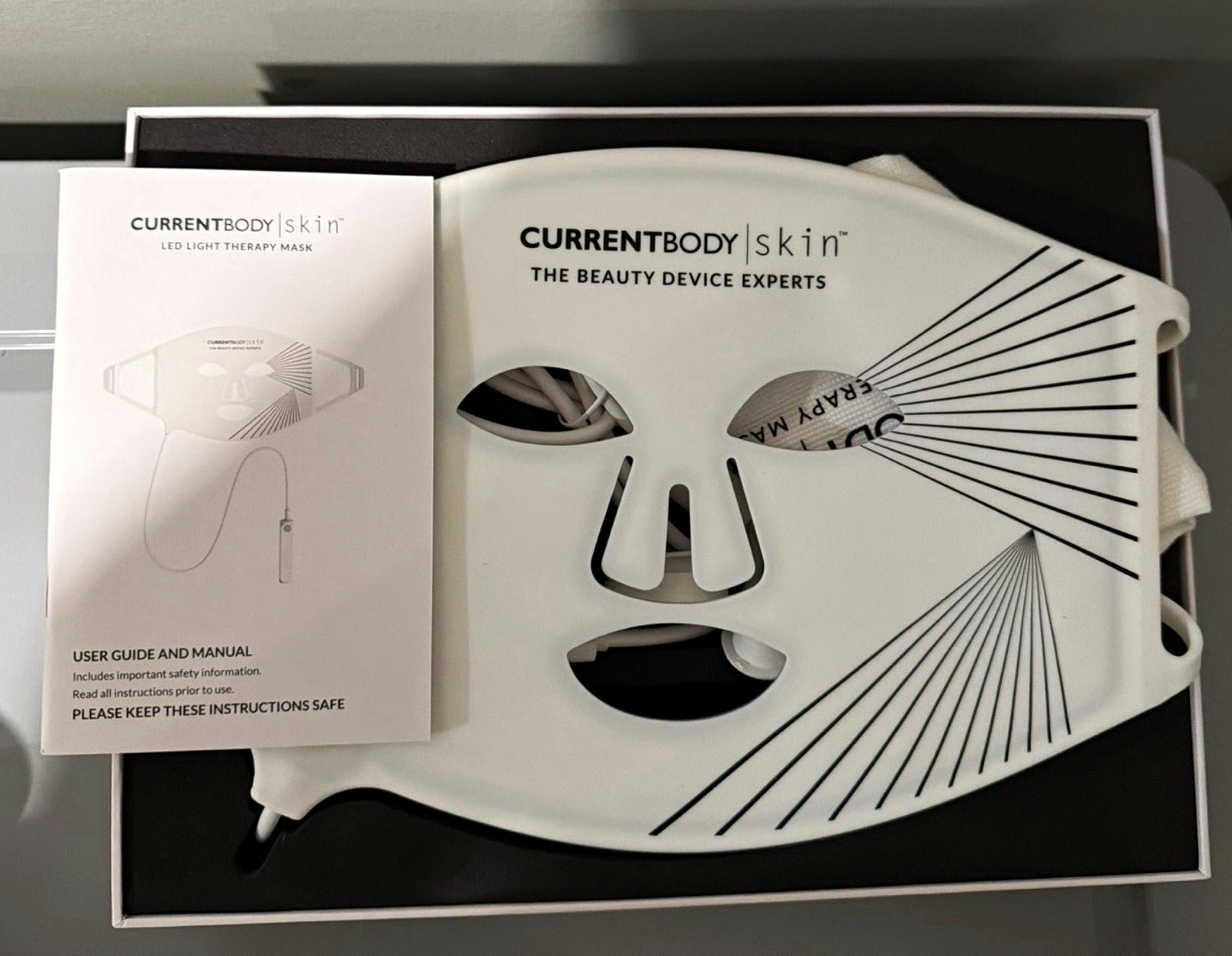 Beauty Bundle with LED Light Therapy Mask and Hair Removal Device$350.00Last checked Nov 14, 2026View on eBay
Highlights
- Clinical red light sits at 630–660 nm (collagen/anti-aging), blue at 415–445 nm (acne bacteria), and near-infrared at 810–850 nm (deeper tissue); masks tagged '7 color' typically add green/yellow/cyan whose evidence is far thinner.
- Effective dose is irradiance × time: serious masks deliver 20–50 mW/cm² at the skin, needing 10–20 minute sessions; wands often peak under 10 mW/cm² and require longer or closer use.
- LED count and chip quality matter more than color count—dense arrays of dual-chip LEDs (red+NIR together) outperform sparse '7-color' rows that cycle one wavelength at a time.
- Flexible silicone masks with rechargeable lithium cells and USB-C are the modern tier; rigid plastic masks with mains adapters and proprietary barrels are the older, less comfortable tier.
Best use cases
- Best fit: full-face anti-aging or acne maintenance—pick a flexible silicone mask with red 660 nm + NIR 850 nm and published 30+ mW/cm²; wrong fit: buying a 7-color rotating wand for daily full-face coverage, which under-doses large areas.
- Best fit: spot treatment on jawline, neck, or post-acne marks—a targeted wand or small panel with 630/660 nm red is efficient; wrong fit: a rigid full mask if you only need localized sessions and want portability.
- Best fit: acne-prone skin—a blue 415 nm mode at adequate irradiance used 3–5×/week; wrong fit: any device that lists blue but only cycles it for 30 seconds per minute, which cannot deliver a therapeutic dose.
- Best fit: sensitive or rosacea-prone skin—start with NIR-only or red-only low-irradiance sessions; wrong fit: multi-color '7-in-1' party modes with green/yellow/cyan that add variables without proven benefit.
Buying tips
- Demand published wavelength bins (±10 nm) and irradiance in mW/cm²; treat '7 color' as a marketing count, not a clinical spec—red 660 nm and blue 415 nm are the only must-haves.
- Match device format to session area: mask for whole face, panel for face+neck+chest, wand for spot and travel; a wand cannot dose a full face in a reasonable 10–20 minute session.
- Check power and eye safety: rechargeable USB-C lithium masks are convenient; ensure the kit includes opaque eye shields—never use near eyes without them, and avoid devices with exposed bare LED chips at close range.
- Prefer flexible silicone or medical-grade plastic shells with even LED spacing over rigid masks with clustered diodes; uneven spacing creates hot spots and under-treated zones.
Specs
| Wavelengths | Red 630–660 / Blue 415 / NIR 810–850 nm |
|---|---|
| Irradiance | 20–50 mW/cm² (clinical range) |
| Form Factor | Flexible mask / rigid mask / panel / wand |
| Power | USB-C rechargeable vs corded AC |
Related searches
What to check before buying
- Measure face width (temple to temple) and jaw-to-hairline length; flexible silicone masks fit most faces, but rigid masks with fixed straps can gap at the chin or press on the nose.
- Confirm your routine: LED therapy is 3–5 sessions weekly at 10–20 minutes—pick a rechargeable device with at least 60 minutes runtime per charge or a corded panel if you prefer set-and-forget.
- Check plug/voltage standard for corded panels (US 120V vs EU 230V) and confirm USB-C or included adapter for rechargeable masks; avoid proprietary barrel chargers that are hard to replace.
- If you use photosensitizing topicals (retinoids, acids) or take photosensitizing medication, schedule LED sessions on bare clean skin and consult a dermatologist before starting blue-light acne protocols.
FAQ
Data sources: eBay / Amazon listings and product attribute feeds Data updated Nov 15, 2026.
Some links on this page are affiliate links. If you buy after clicking one, we may earn a commission at no extra cost to you. This does not change which products appear here or their order. Affiliate disclosure.