Photos from current listings. Actual item, color, and included accessories may vary.
Red Light Therapy Device Buying Guide
Red light therapy (RLT) devices deliver specific wavelengths of red and near-infrared light to the skin to support collagen production and reduce inflammation. The primary trade-off is between clinically validated irradiance and wavelength precision versus cheap LED arrays that lack power density and emit broad, ineffective spectra. Choose a device with documented 630-680 nm red and 800-850 nm NIR output at sufficient irradiance (≥30 mW/cm² at the skin) from a reputable brand; avoid generic multi-color wands that prioritize novelty over therapeutic dose.


At a glance
- Category
- Beauty Devices
- Data updated
- Nov 15, 2026
Current offers
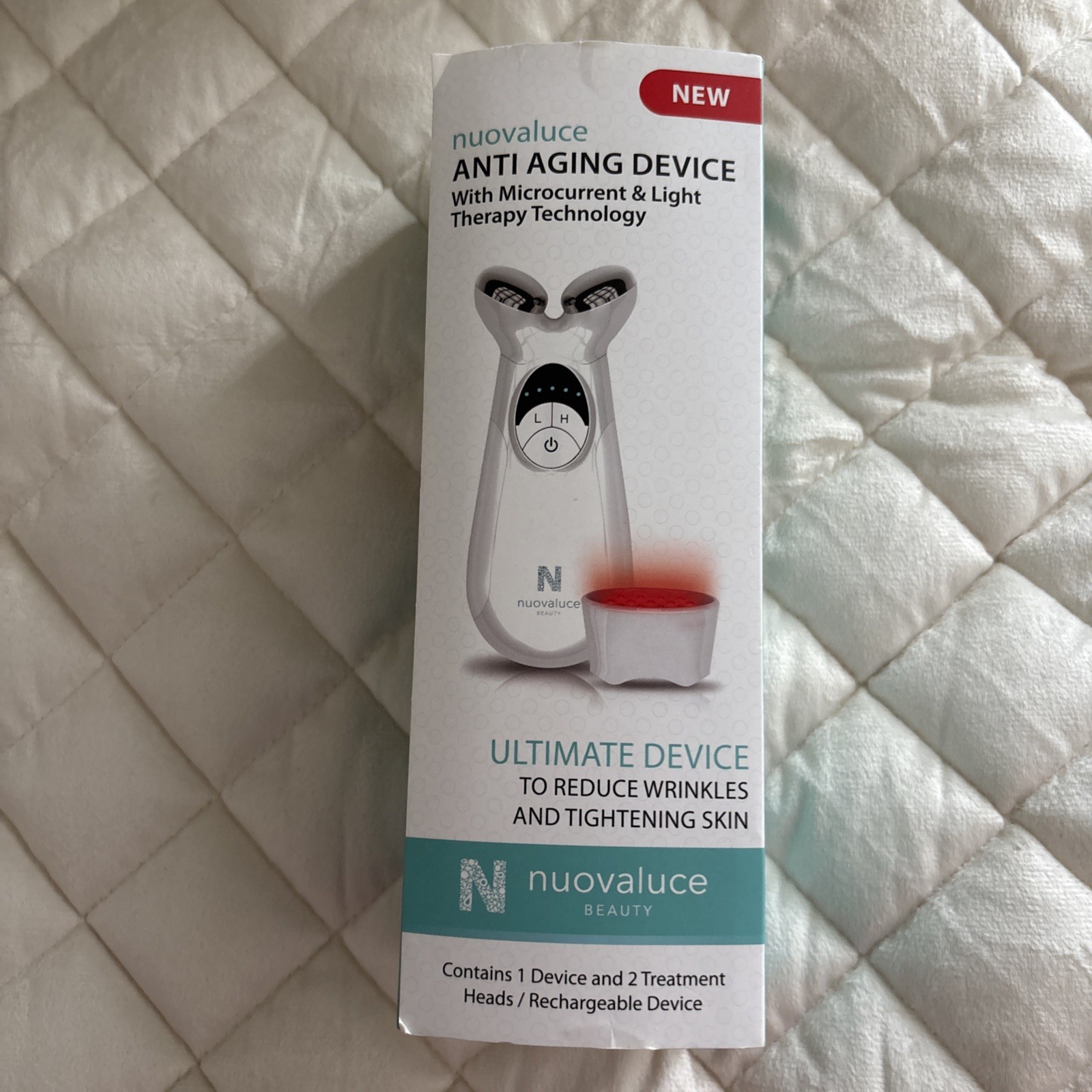 Nuovaluce Anti-Aging Microcurrent & Red Light Therapy Device Only$25.00
 View on eBay
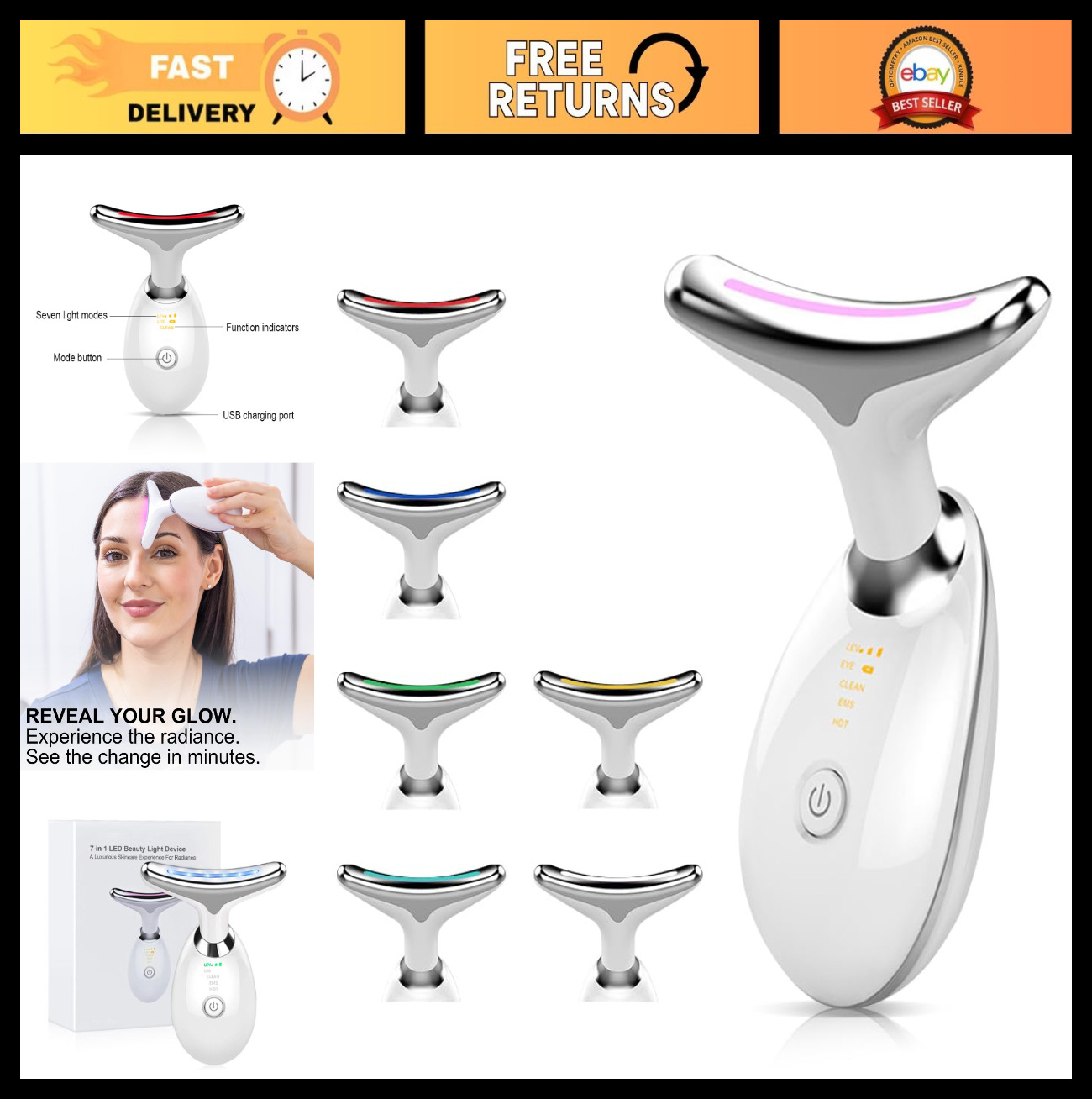 Red Light Therapy Device for Skin Care - Boost Radiance & Beauty Daily$89.99View on eBay
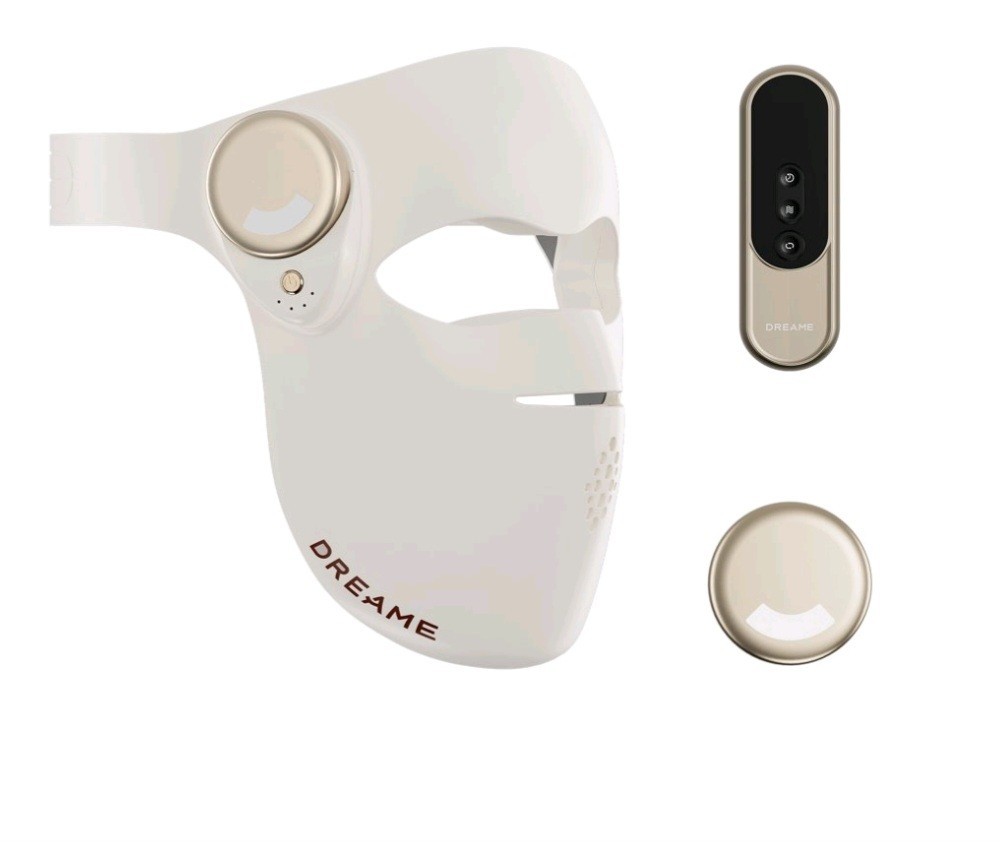 Dreama Chrona Red Light Therapy Device for Face and Neck Skin Care New In Box$100.00View on eBay
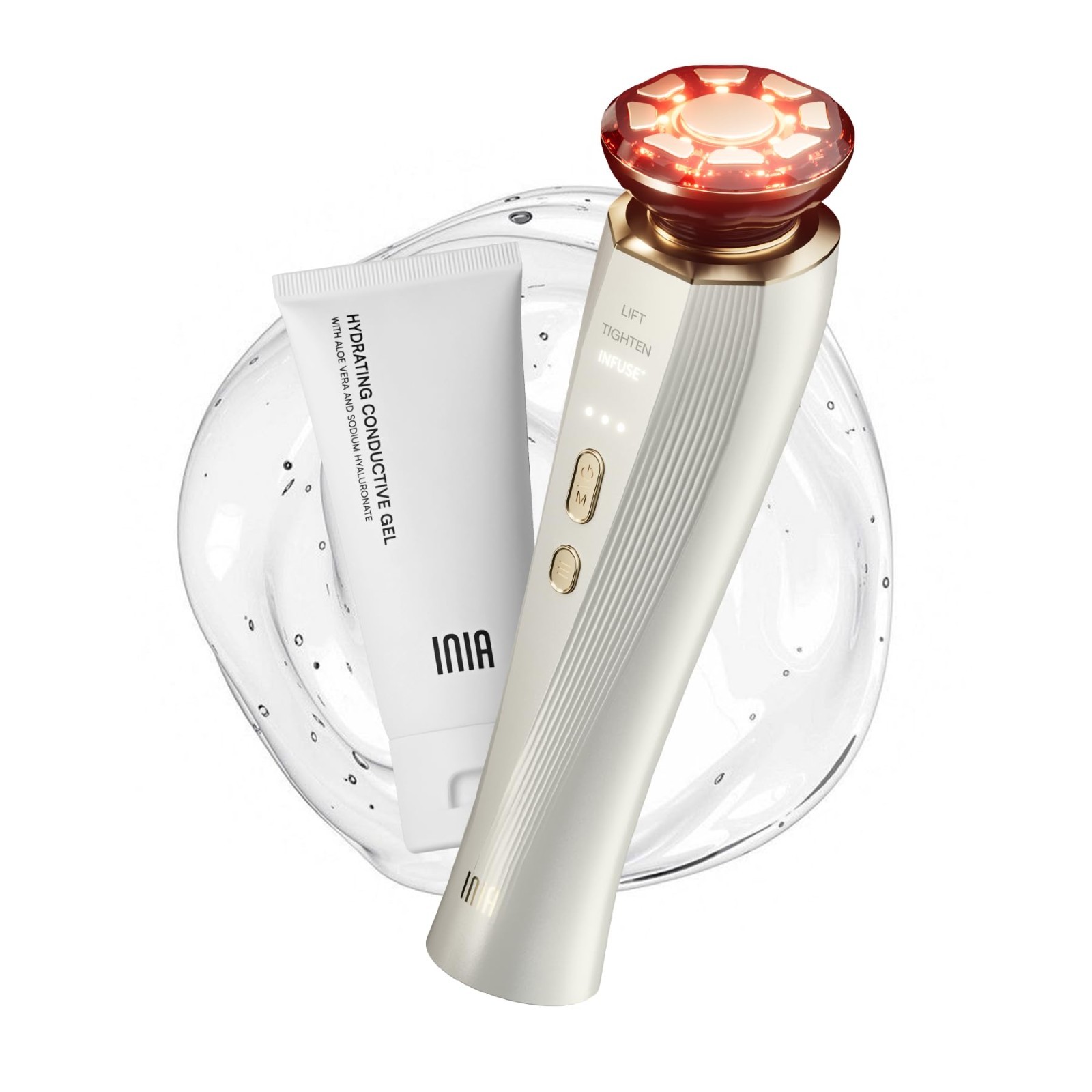 3-in-1 Red Light Therapy Device for Face & Neck | Reduce Puffiness, Firm Skin, E$152.99View on eBay
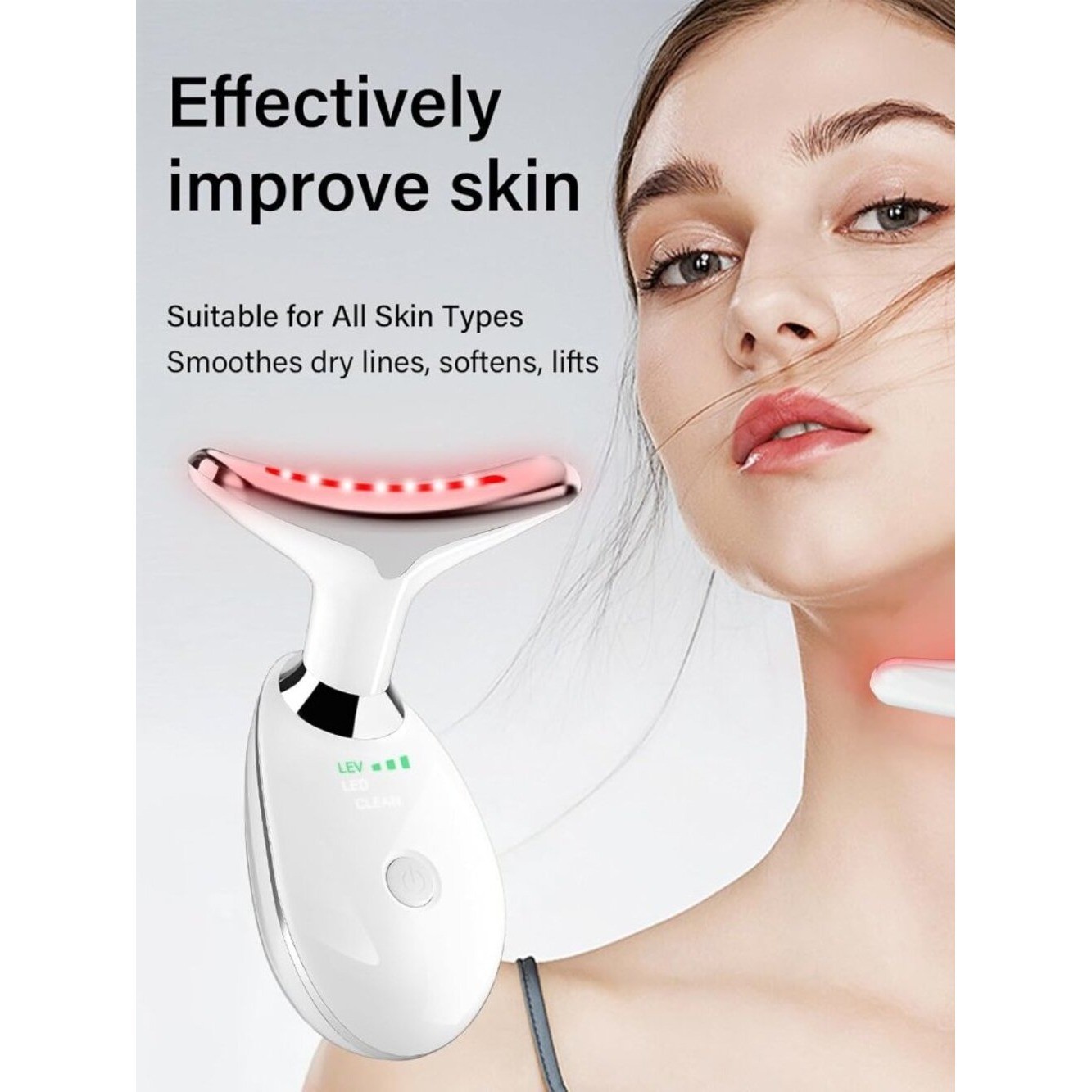 Red Light Therapy 7 Color Beauty Device for Face & Neck- NEW$19.00View on eBay
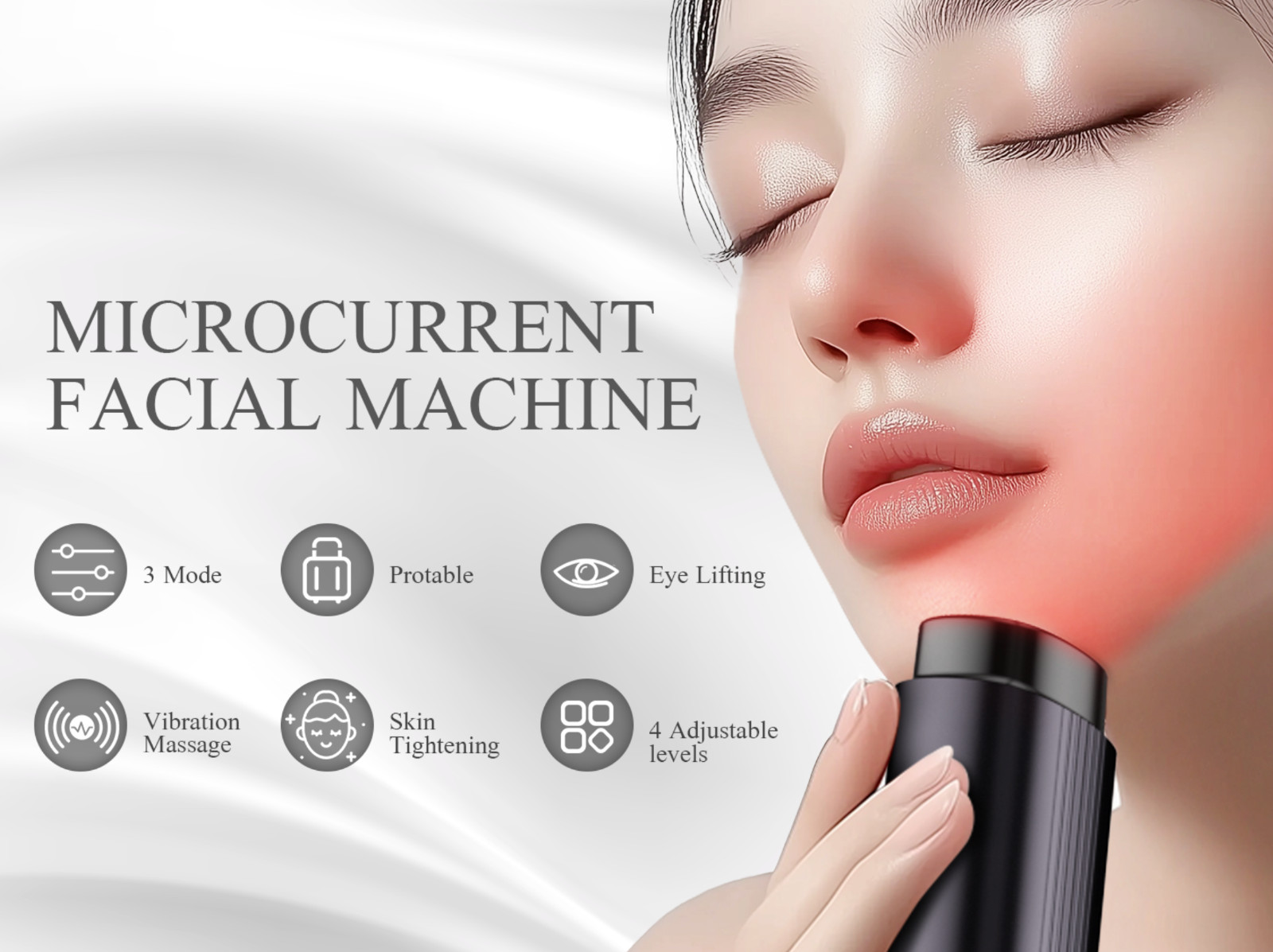 BNU 3 in 1 Red & Blue Light Facial Lift Beauty Massager Therapy Device$24.99View on eBay
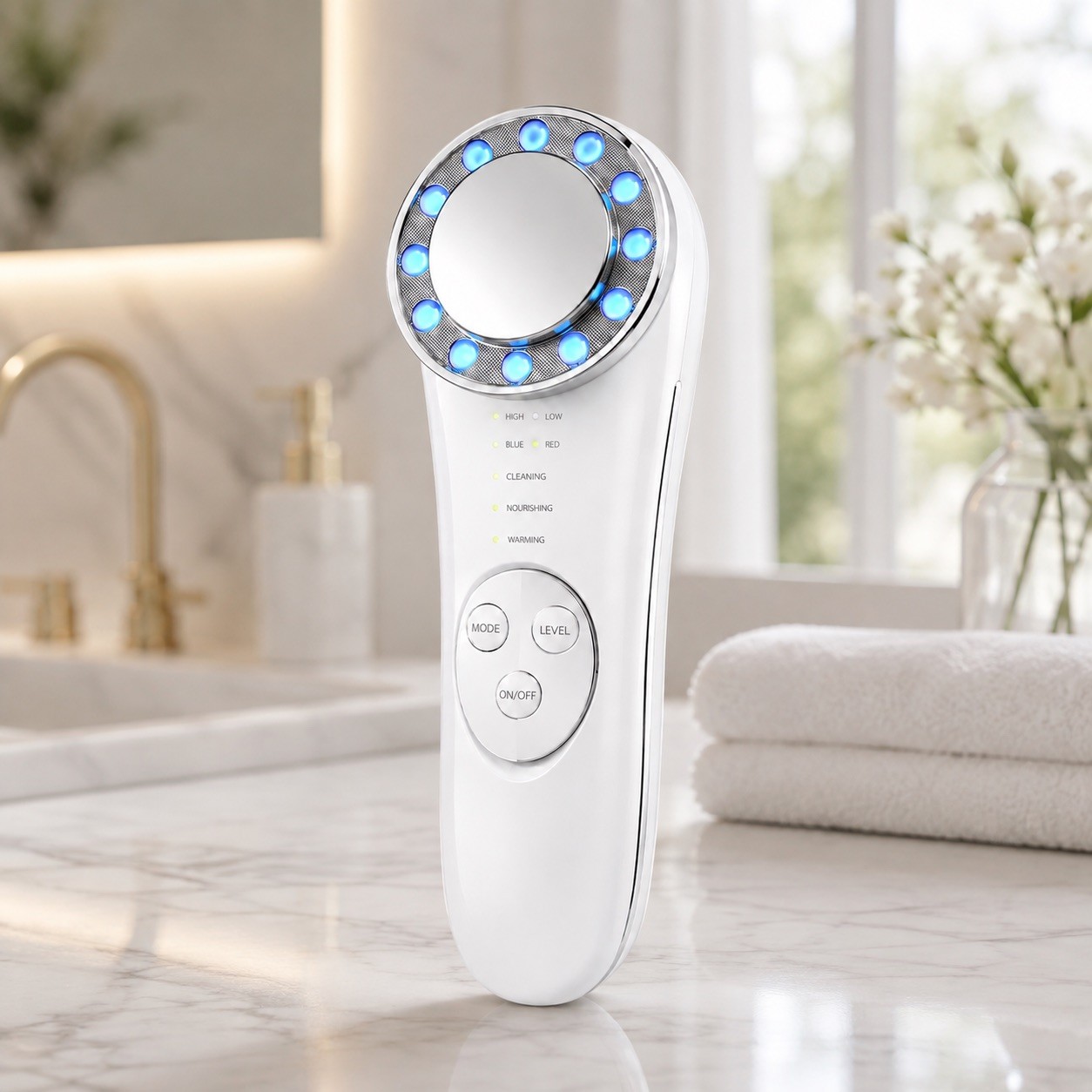 7-in-1 LED Face Massager Red Blue Light Therapy Skin Care Beauty Device$24.99View on eBay
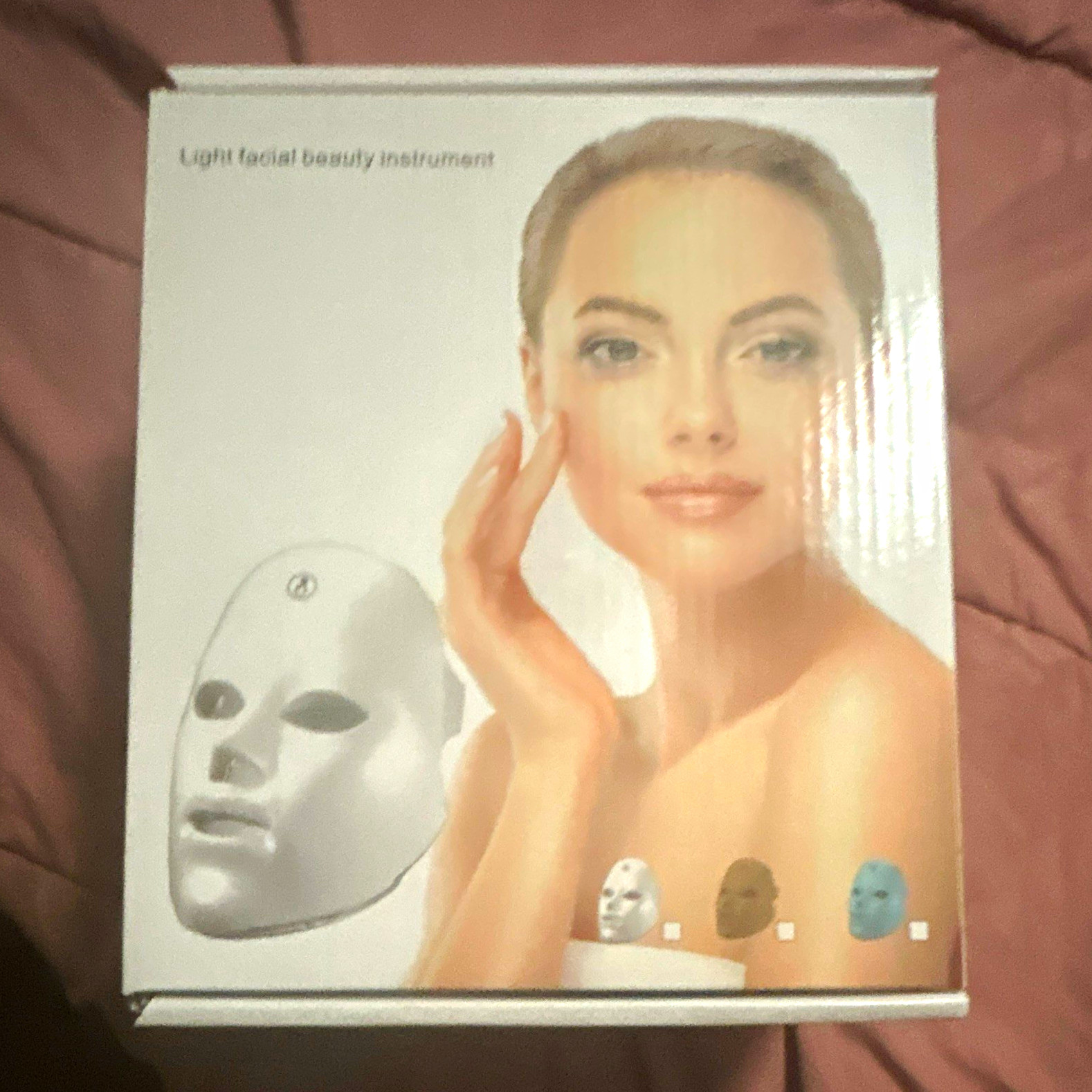 Red LED Light Therapy Face Mask Facial Beauty Device for Face Skin$32.00View on eBay
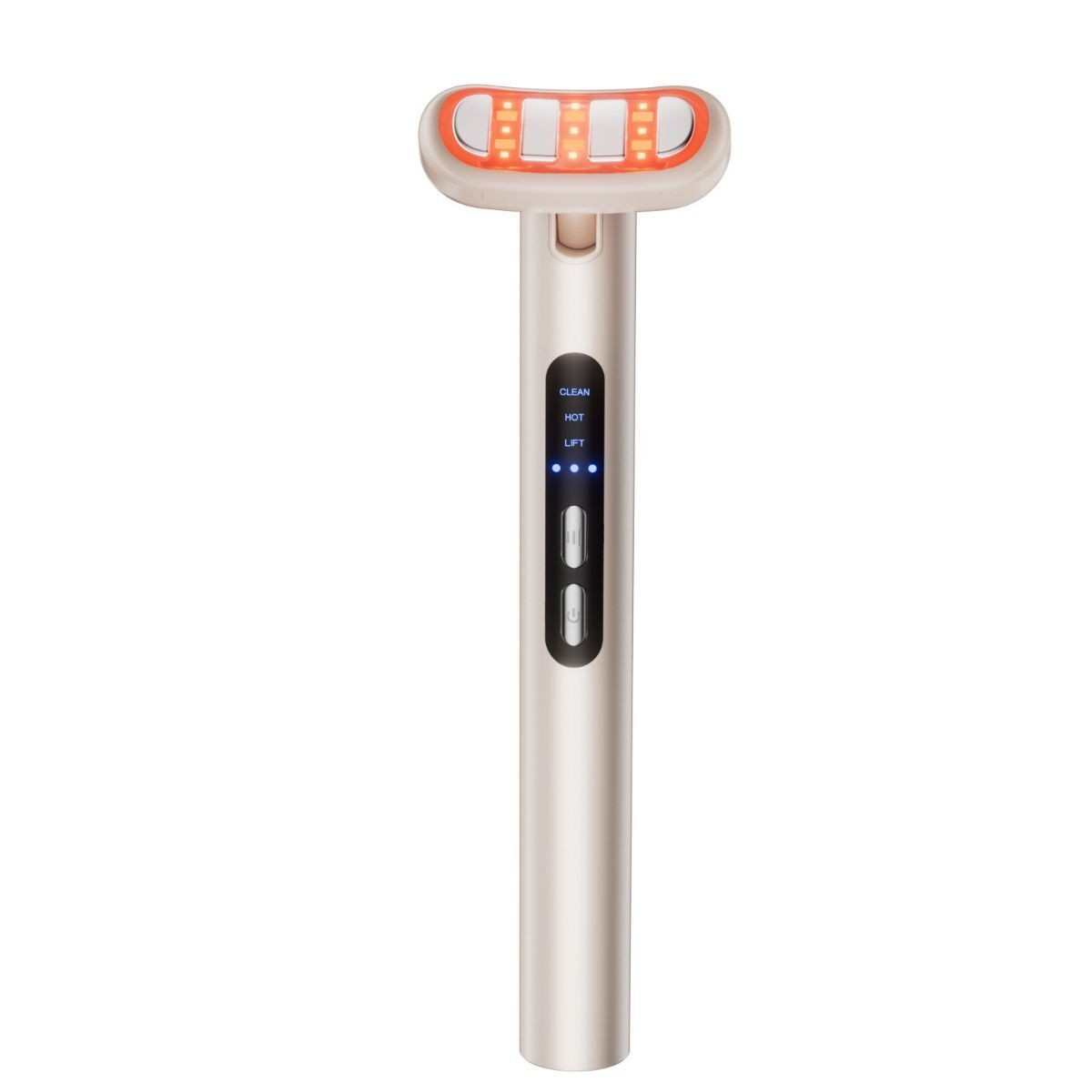 LED Facial Wand Neck Massager Red Light Therapy Beauty Device Skincare Tool - Be$48.20View on eBay
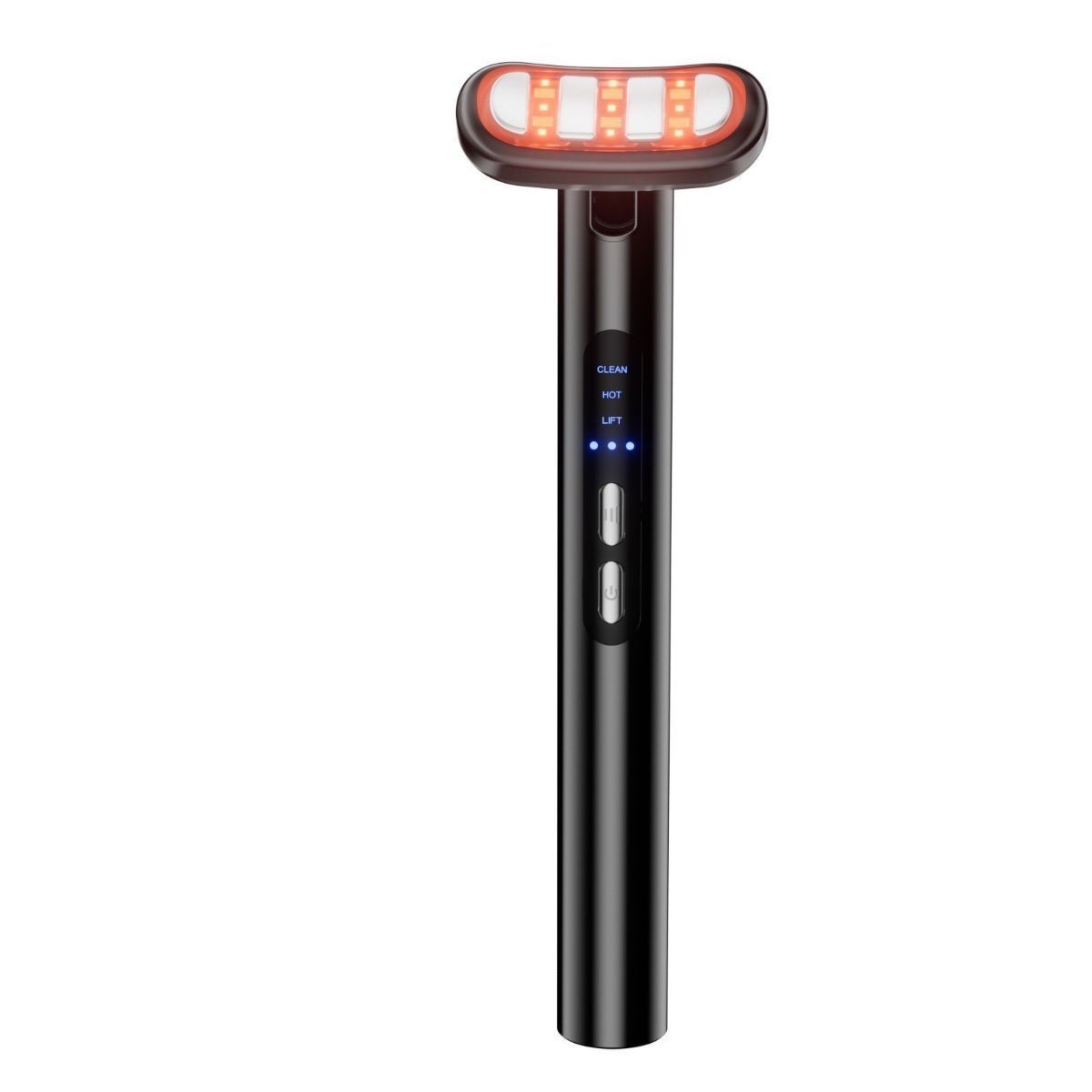 LED Facial Wand Neck Massager Red Light Therapy Beauty Device Skincare Tool - Bl$49.73View on eBay
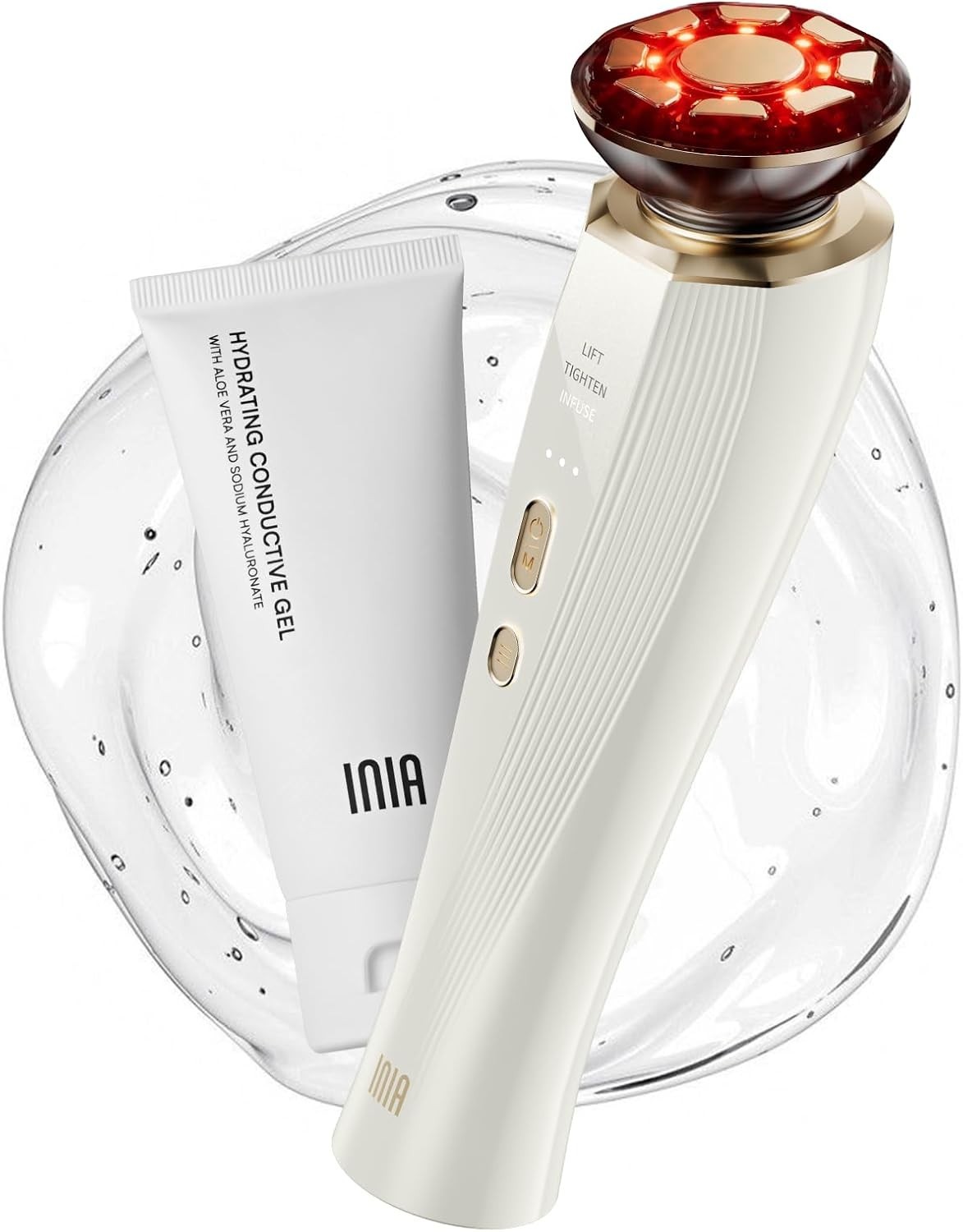 INIA 3-in-1 Red Light Therapy for Face and Neck Beauty Device$65.99View on eBay
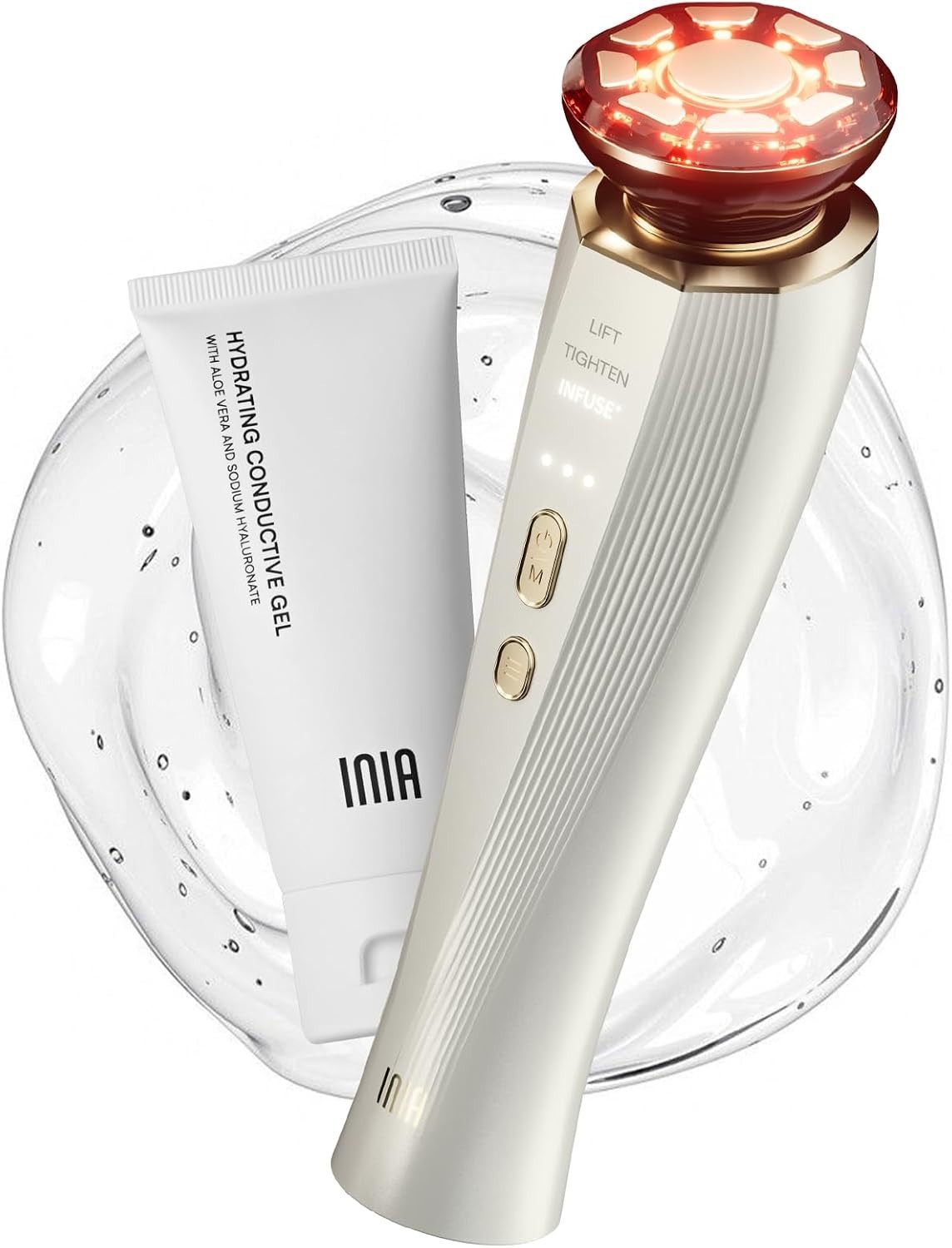 INIA 3-in-1 Red Light Therapy for Face and Neck Beauty Device$69.99View on eBay
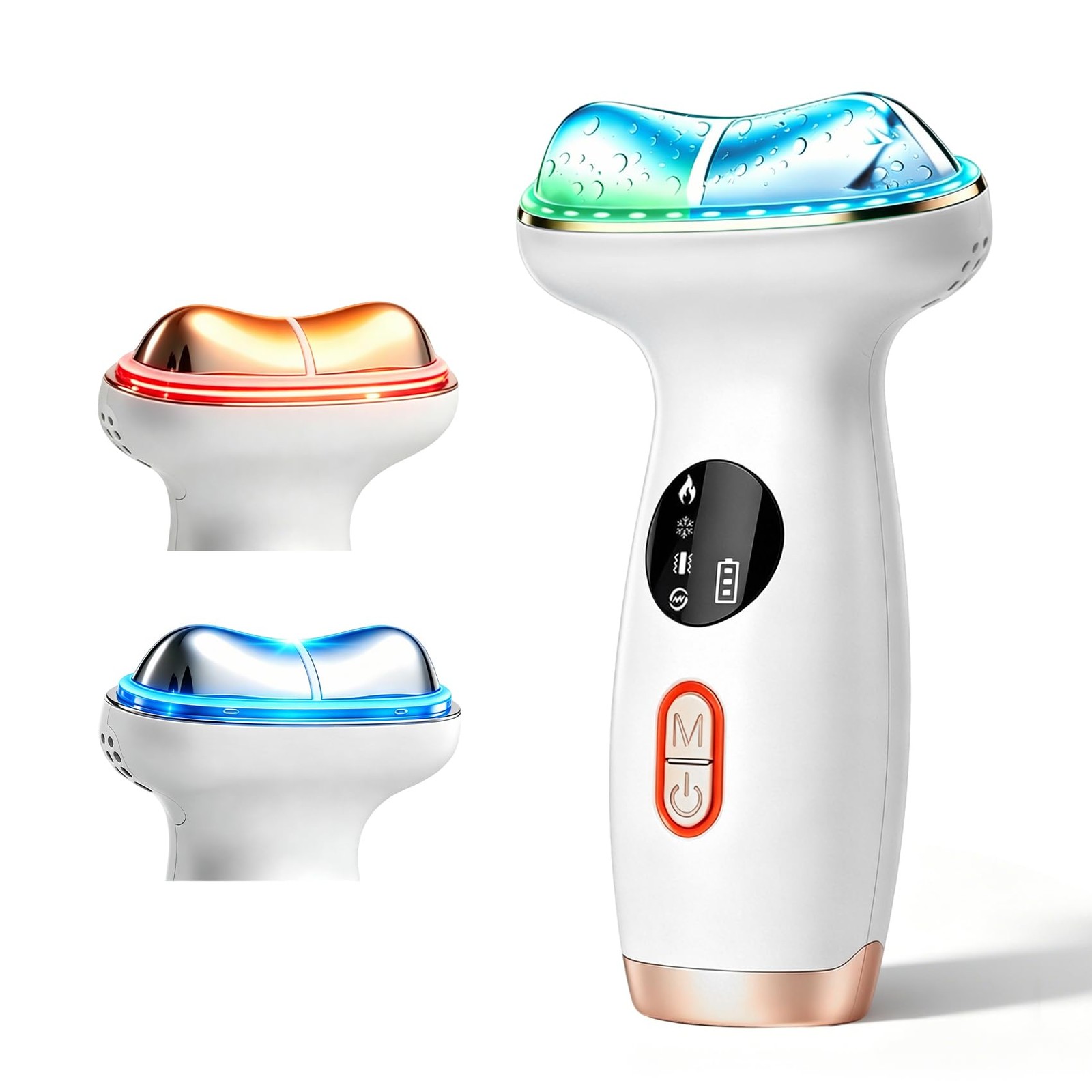 7-in-1 LED therapy Microcurrent Facial Device, Red Light Gua Sha Massager wit...$92.17View on eBay
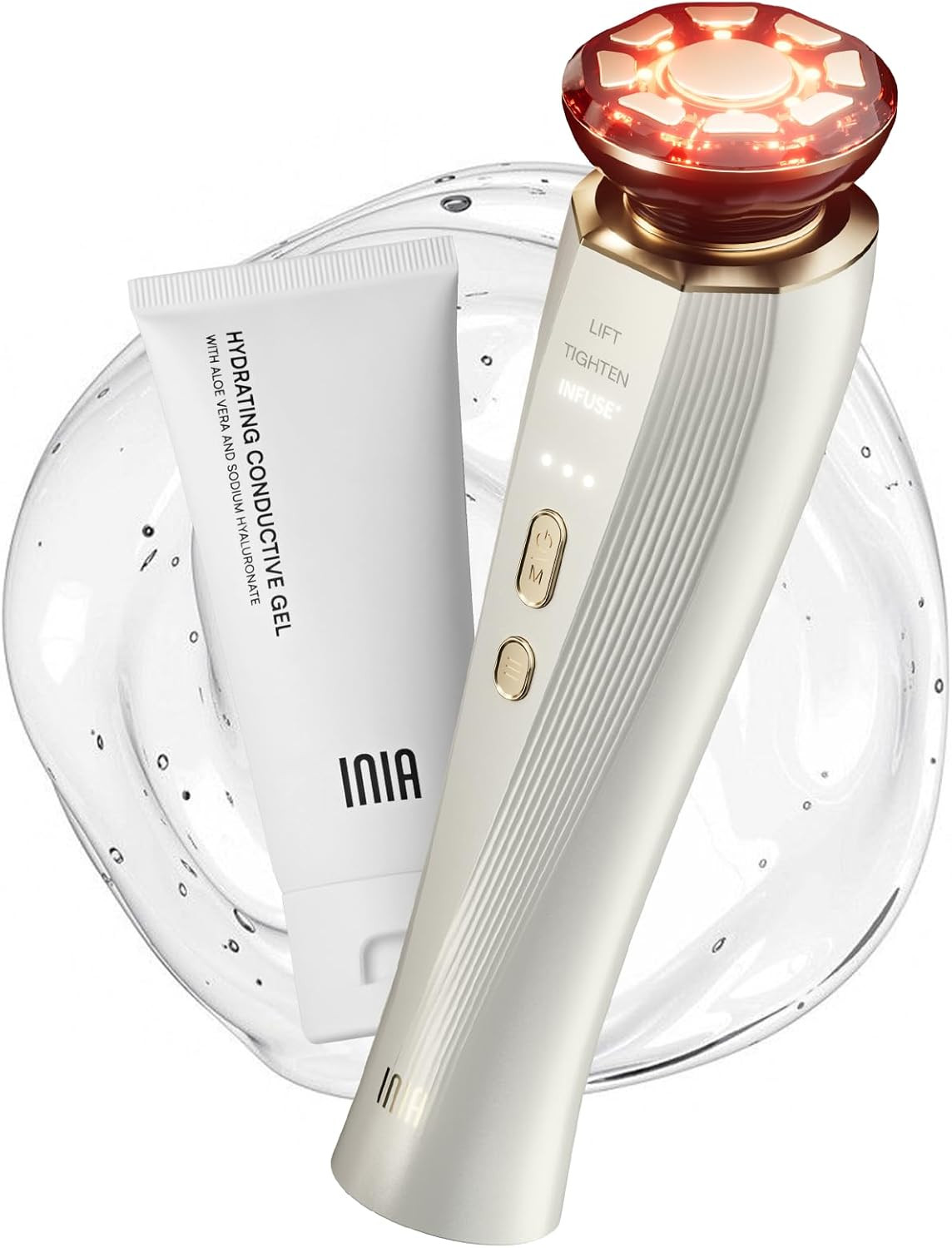 3-In-1 Red Light Therapy Beauty Device for Face & Neck Skincare | Help Reduce Pu$147.32View on eBay
Highlights
- Therapeutic efficacy depends on irradiance (mW/cm²) and dose (J/cm²), not LED count; clinical studies typically use 30-100 mW/cm² and 3-10 J/cm² per session.
- Red (630-680 nm) targets superficial skin for collagen and inflammation; near-infrared (800-850 nm) penetrates deeper for muscle and joint relief—many devices combine both.
- LED masks and panels with medical-grade certifications (FDA-cleared Class II, CE) provide verified output; unregulated wands often overstate power and lack dosimetry.
- Build quality matters: rigid panels with fans and heat sinks maintain output over time, while flexible silicone masks may have lower and inconsistent irradiance.
Best use cases
- Best for facial anti-aging and acne: choose a red+NIR LED mask or panel with FDA clearance and verified irradiance ≥30 mW/cm²; skip inexpensive multi-color wands.
- Best for localized pain or muscle recovery: pick a near-infrared (800-850 nm) device with higher power (≥50 mW/cm²) and a focused beam; avoid full-face masks that prioritize red wavelengths.
- Best for full-body or large-area treatment: invest in a freestanding panel with adjustable stand and timer; skip handheld devices that require long session times.
- Wrong fit: if you expect immediate results or have photosensitivity, RLT requires consistent use over weeks; consult a dermatologist before use.
Buying tips
- Verify wavelength specificity: look for narrow bands (e.g., 660 nm ±10 nm and 850 nm ±10 nm) rather than broad 'red light' claims without numbers.
- Check irradiance in mW/cm² at the treatment distance; reputable brands publish this. If absent, assume lower output and longer required sessions.
- Prioritize FDA-cleared Class II devices for facial use; this indicates safety and efficacy review, though not necessarily superior performance.
- Match device format to treatment area: masks for face, wands for spot treatment, panels for body; ensure timers and adjustable stands for panels.
Specs
| Wavelength | Red 630-680 nm / NIR 800-850 nm |
|---|---|
| Irradiance | 30-100 mW/cm² at skin |
| Certification | FDA Class II / CE |
| Form Factor | Mask / Wand / Panel |
Related searches
What to check before buying
- Measure treatment area: masks fit face circumference 20-24 inches; panels need 12-18 inches distance for full-body coverage.
- Confirm power requirements: most devices use 100-240 V adapters; check plug type for your region and cord length for outlet access.
- Assess environment: avoid use over photosensitizing medications or recent sunburn; ensure device has auto-shutoff and heat management.
- Check companion parts: masks may require straps or charging cables; panels may need stands or hanging kits sold separately.
FAQ
Data sources: eBay / Amazon listings and product attribute feeds Data updated Nov 15, 2026.
Some links on this page are affiliate links. If you buy after clicking one, we may earn a commission at no extra cost to you. This does not change which products appear here or their order. Affiliate disclosure.