Photos from current listings. Actual item, color, and included accessories may vary.
Ipl Hair Removal Device Buying Guide
IPL hair removal devices use intense pulsed light to disable hair follicles at home, trading clinical laser power for convenience and safety. The core trade-off is flash count and fluence (energy density) versus cooling and skin-tone safety: high fluence needs ice cooling or skin sensors, while cheap units skimp on both. Buy a device with 3+ J/cm² fluence, 300k+ flashes, and built-in skin-tone sensing; skip anything that lists only '999,999 flashes' without a fluence spec.


At a glance
- Category
- Beauty Devices
- Data updated
- Nov 15, 2026
Current offers
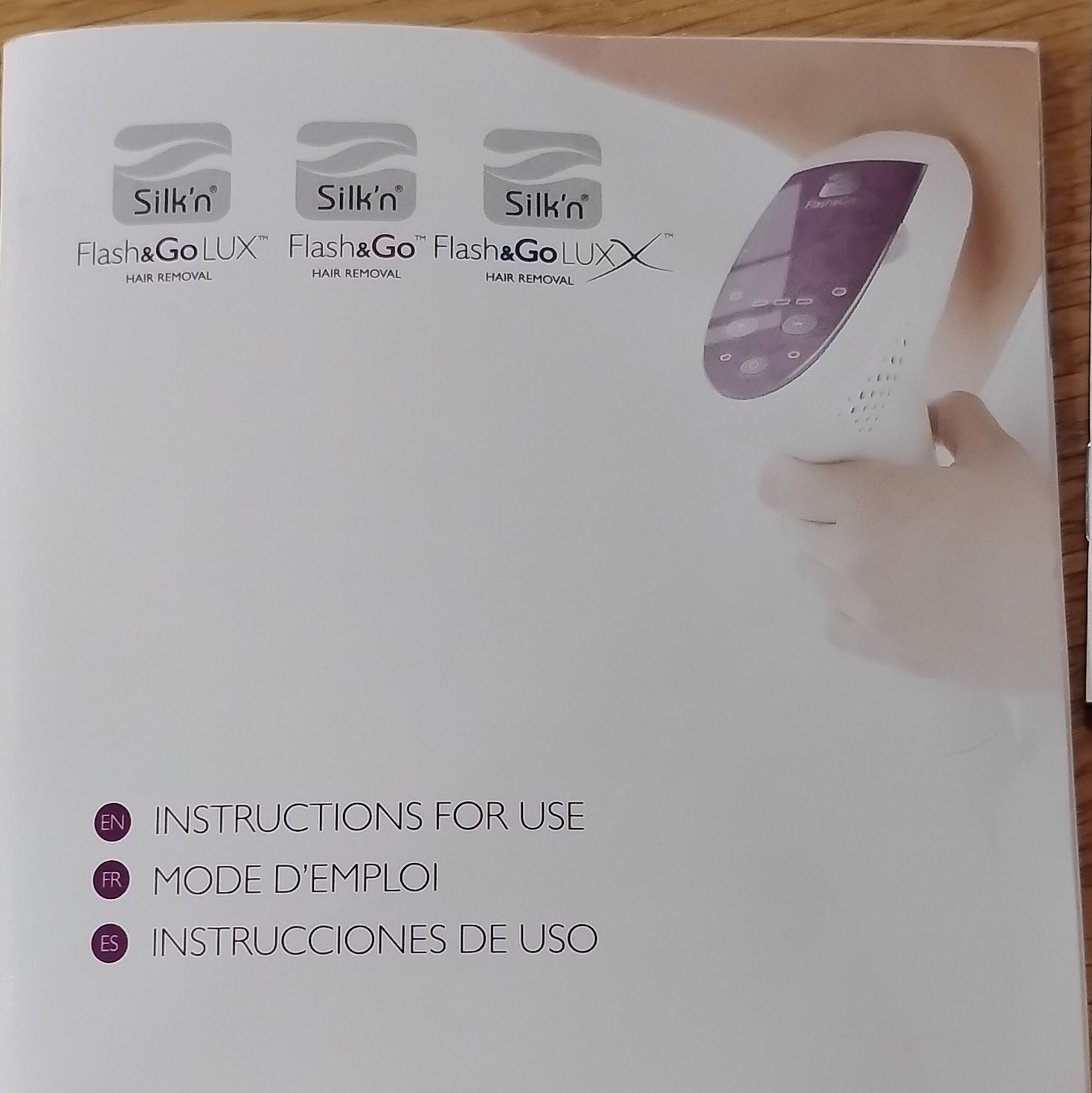 Silk'n Flash&Go Lux IPL Hair Removal Device, White/Blue, Corded Electric$37.50
 View on eBay
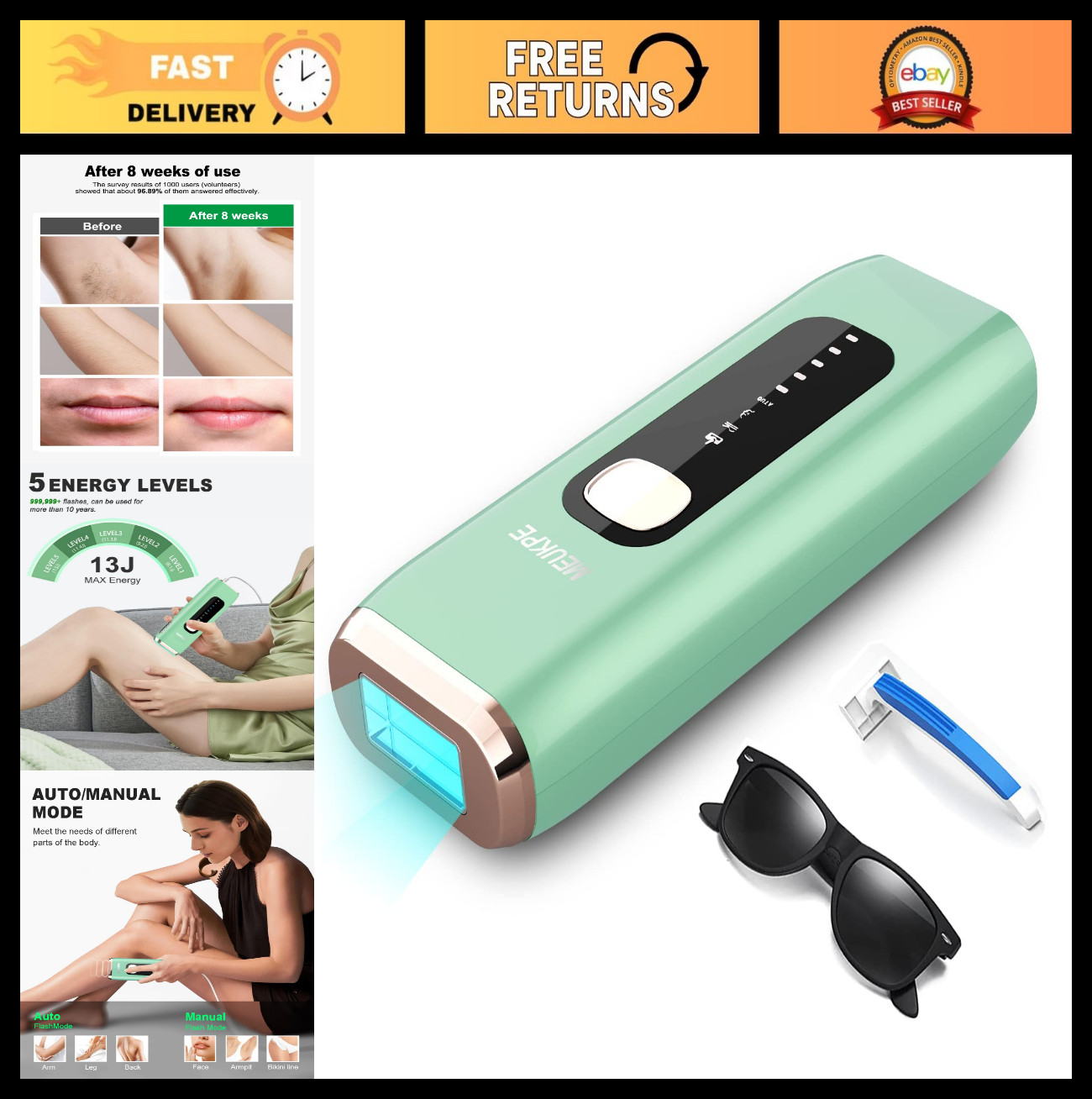 IPL Hair Removal Device for Face, Legs, Arms & Bikini Line - At-Home Laser Treat$64.99View on eBay
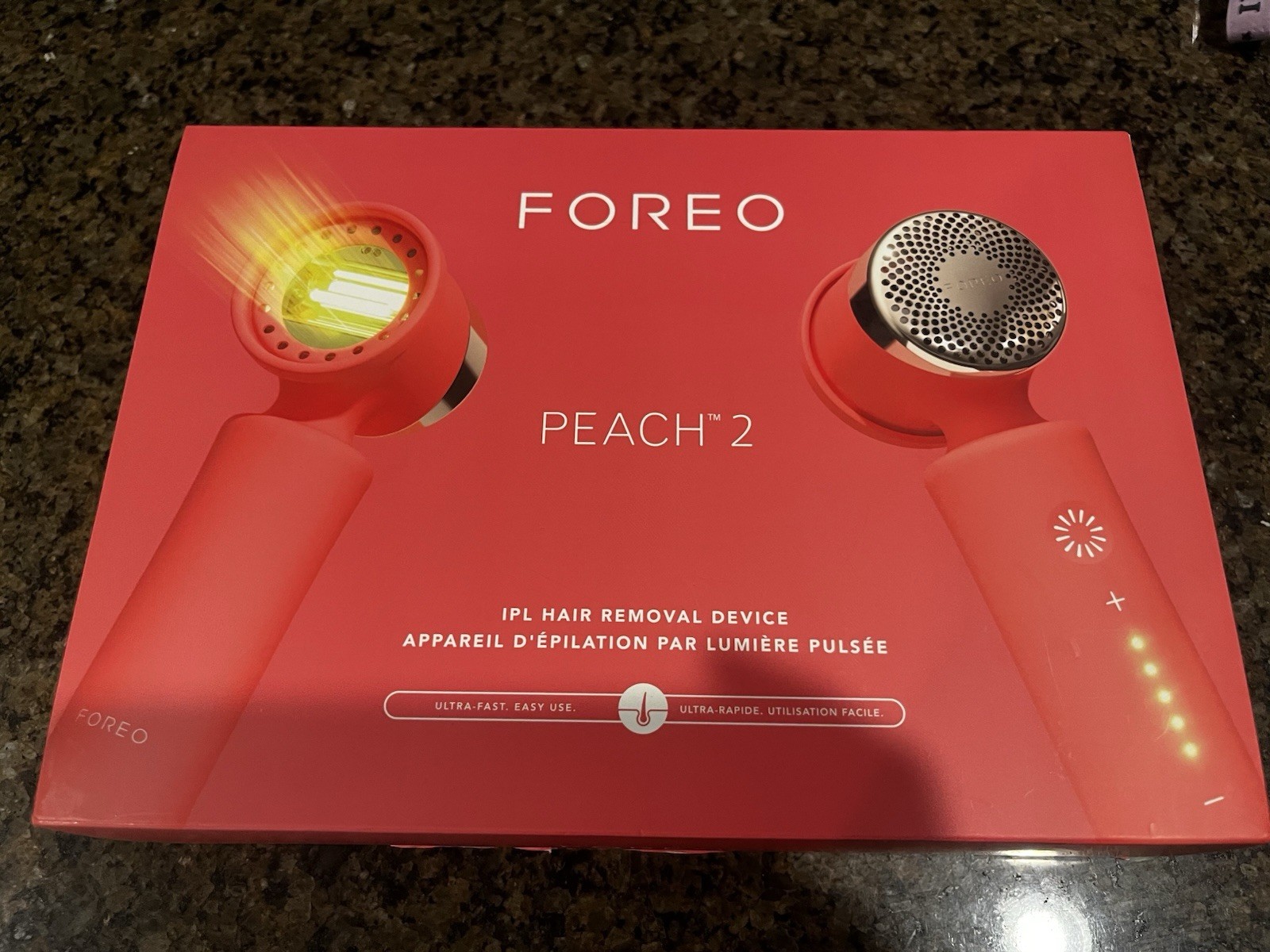 NIB FOREO PEACH 2 IPL Hair Removal Device Open Box Excellent Personal Machine$110.00View on eBay
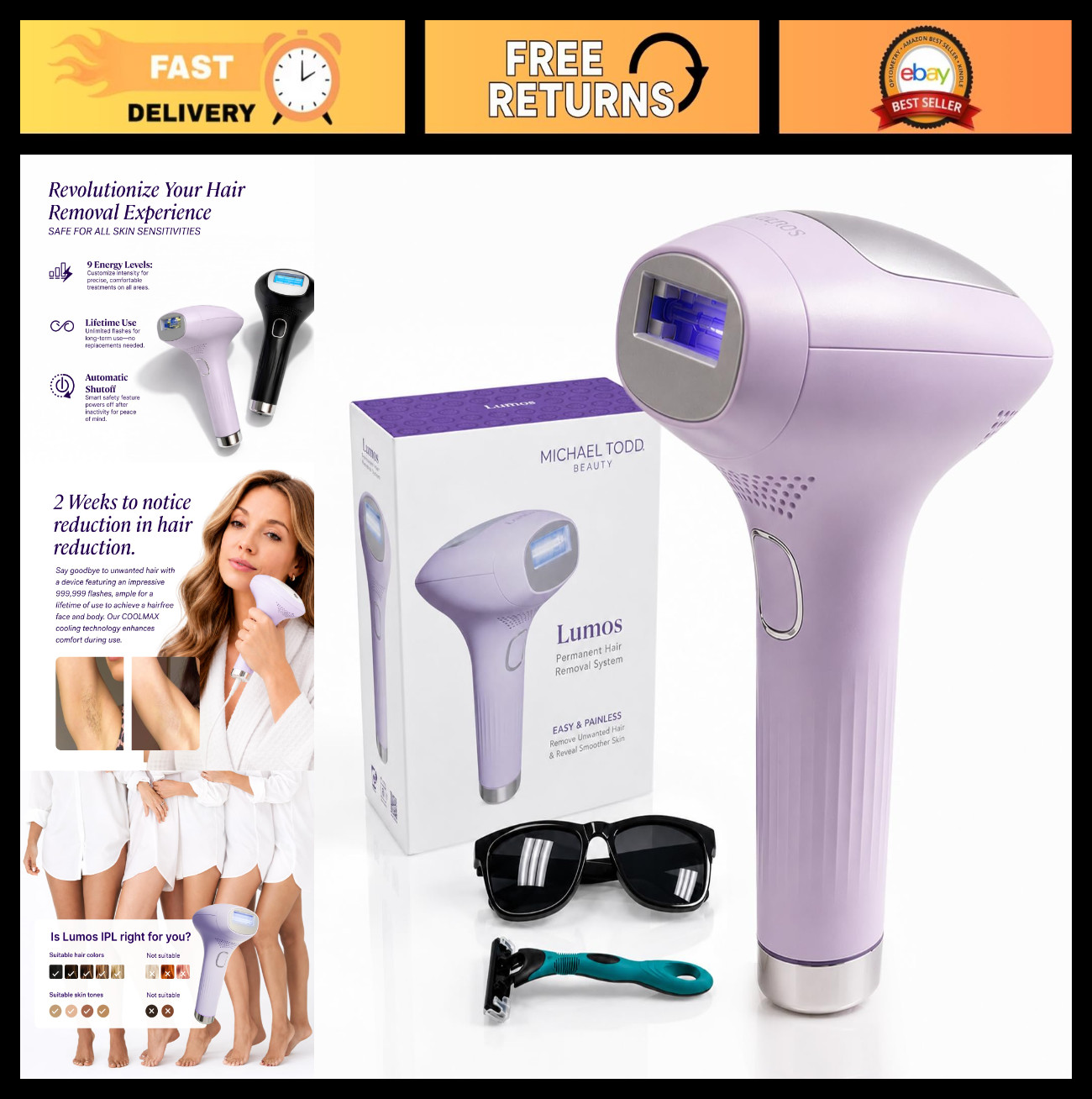 IPL Hair Removal Device for Women & Men, 999,999 Flashes, CoolMax Tech, 3-in-1$237.99Last checked Nov 14, 2026View on eBay
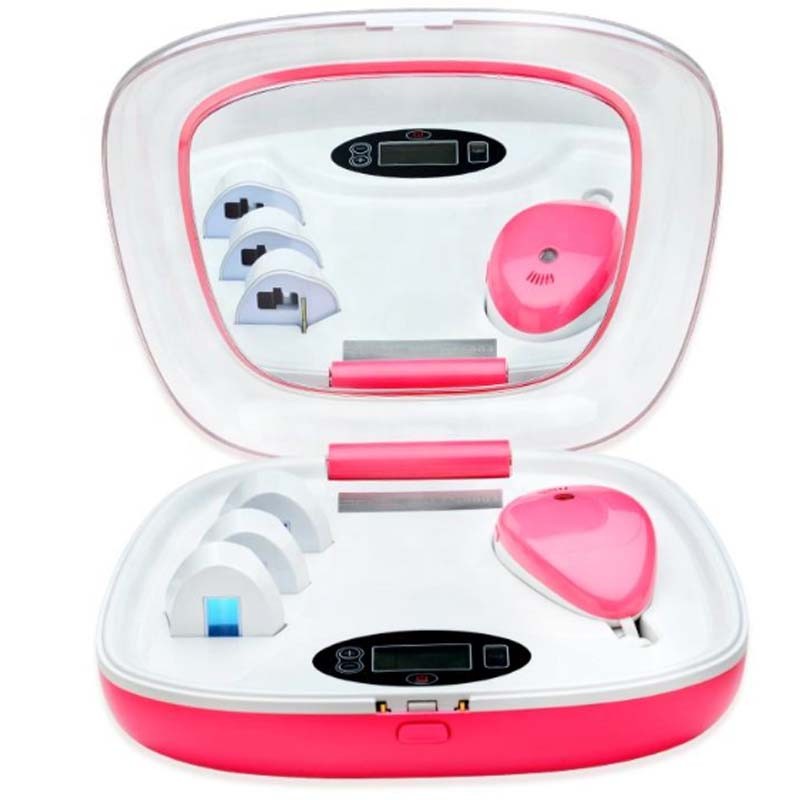 Portable IPL Hair Removal Device for Men Women Best Selling Beauty Personal Care$599.86Last checked Nov 14, 2026View on eBay
 IPL Laser Hair Removal Machine Epilator Electric Household Beauty Personal Care$30.99View on eBay
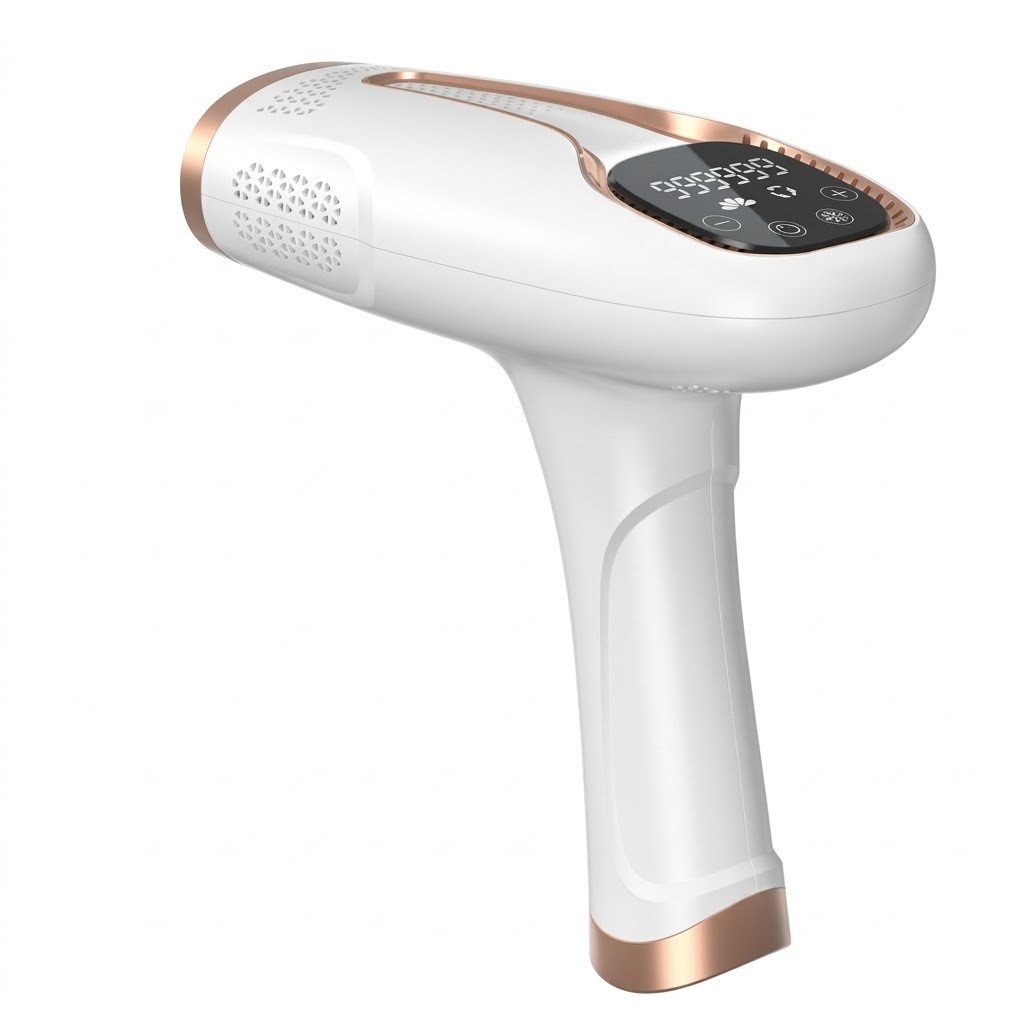 Laser Hair Removal IPL Device Painless LCD Permanent Home Beauty Tool$56.99View on eBay
 INNZA IPL Hair Removal with Ice Cooling Care Function for Women,Long-Lasting Res$58.99View on eBay
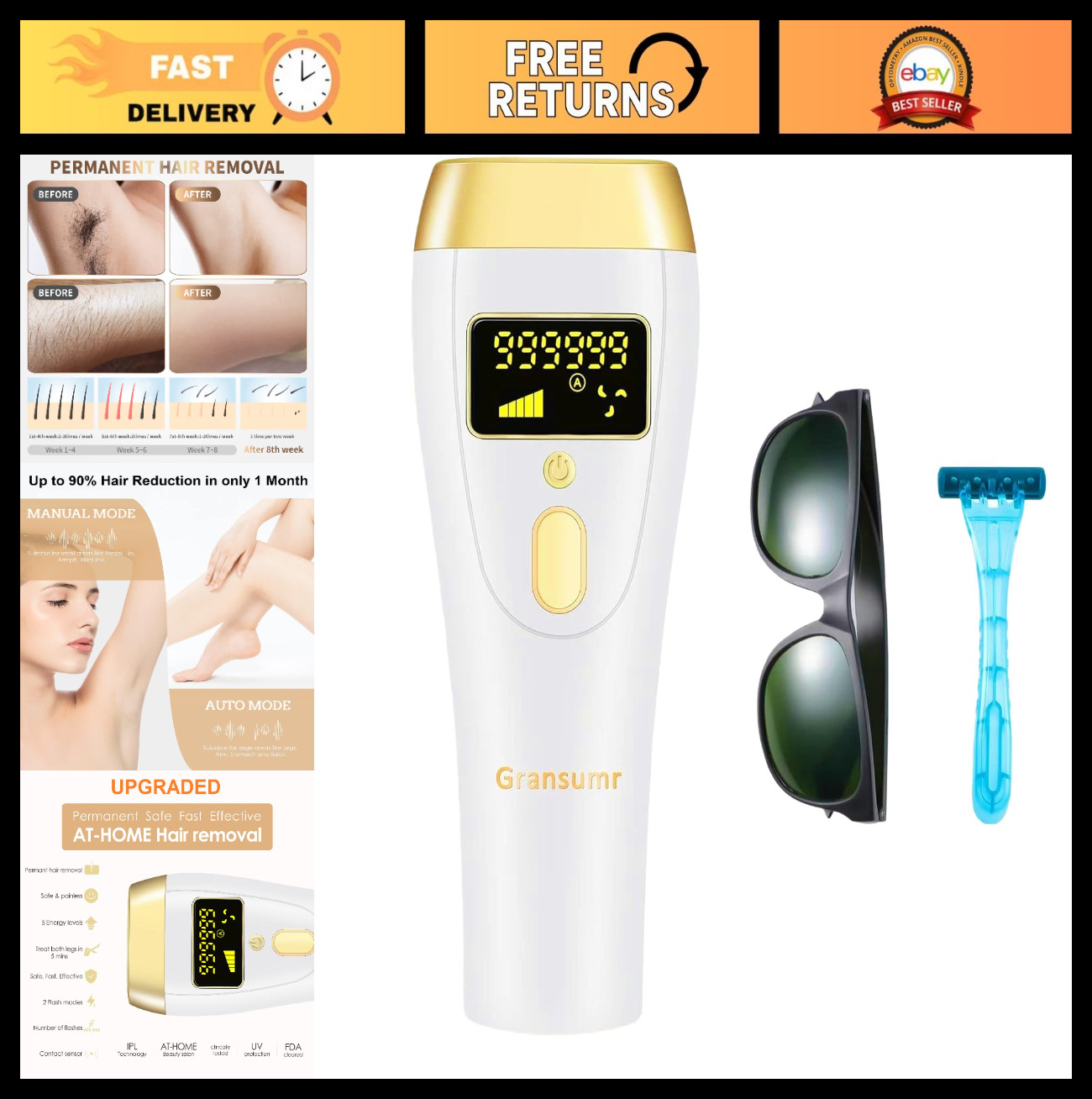 At-Home IPL Laser Hair Removal Device - Painless, 5 Modes, 86% Hair Reduction, F$74.99View on eBay
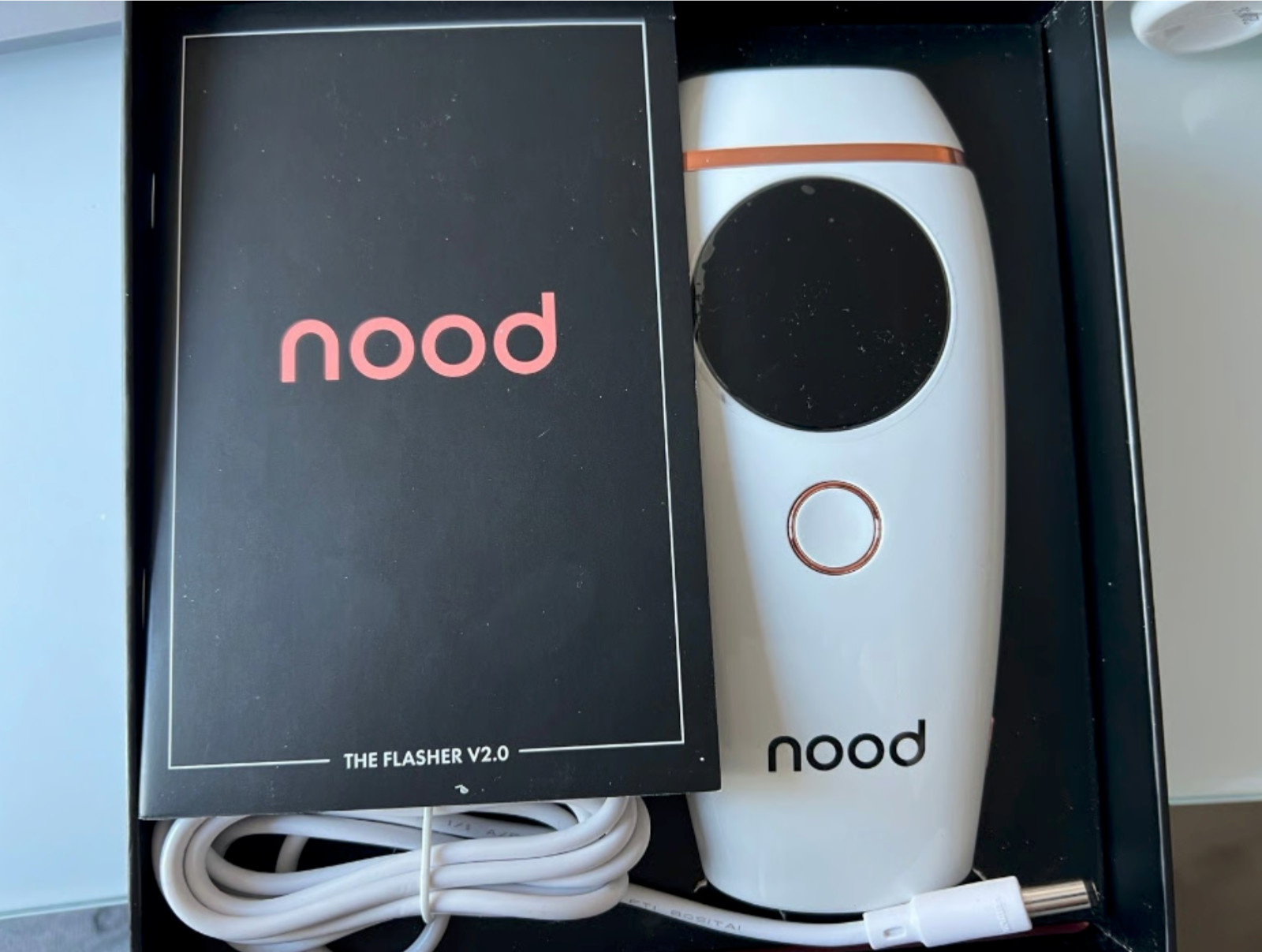 Nood The Flasher 2.0 IPL Hair Removal Kit - Includes Revealer & Reviver$75.00View on eBay
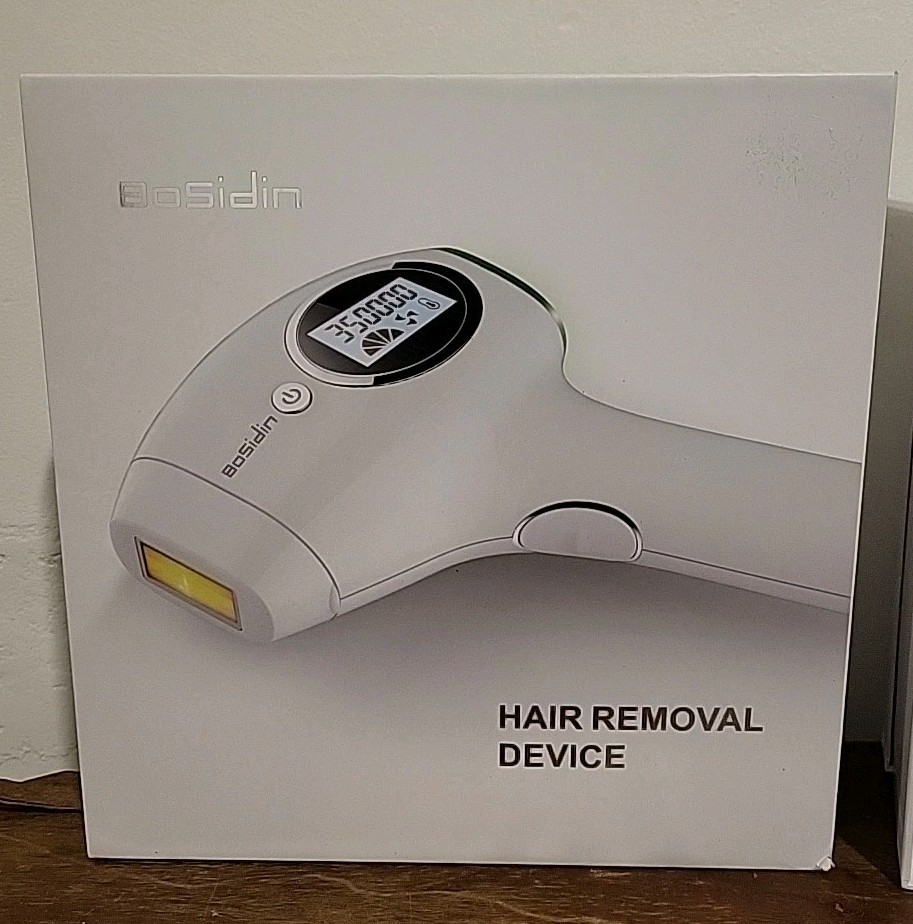 BoSidin IPL Permanent Hair Removal Device - (Women/Men) Electric Works NOB 2019$78.00View on eBay
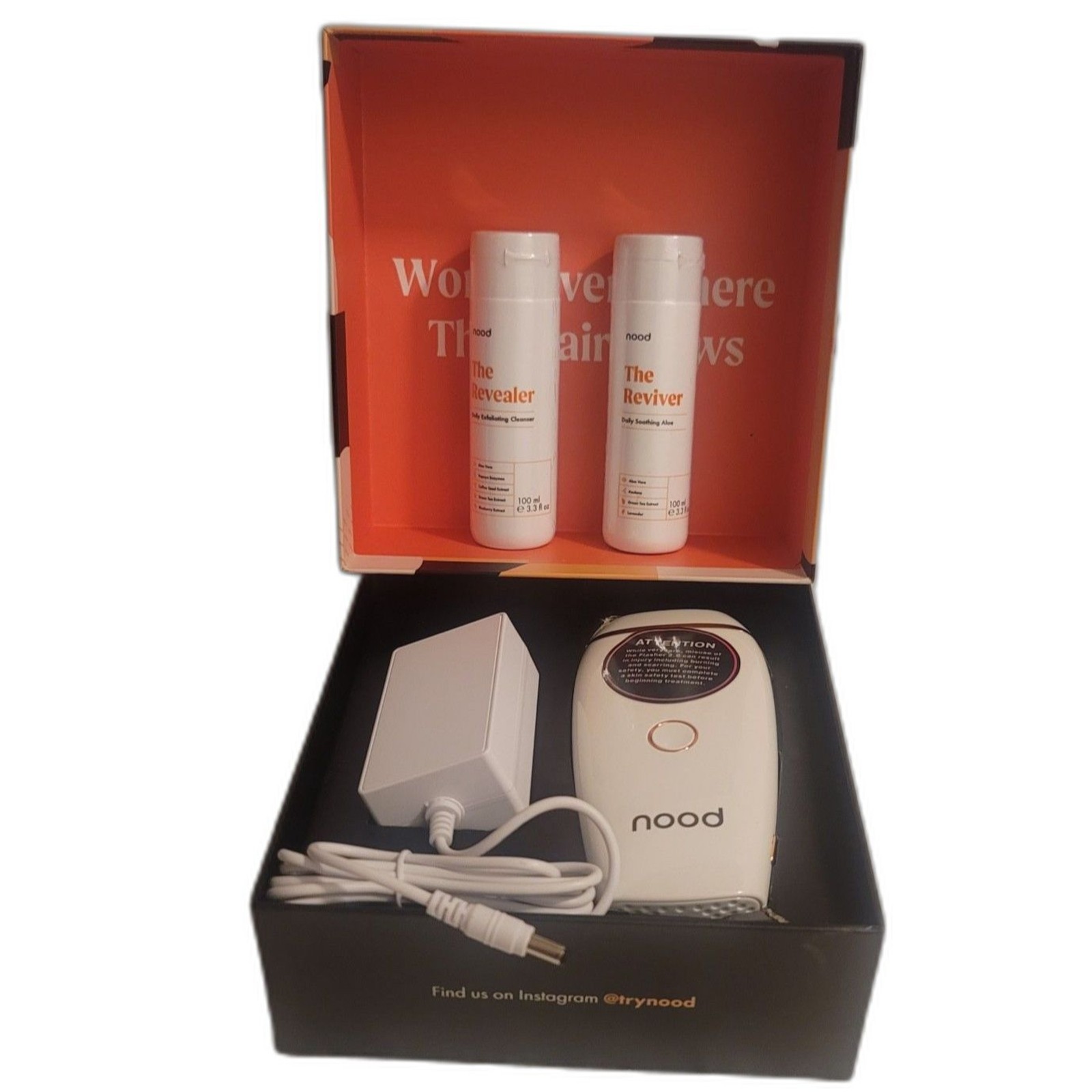 Nood The Flasher 2.0 IPL Hair Removal Kit NEW - Includes Revealer & Reviver$125.00View on eBay
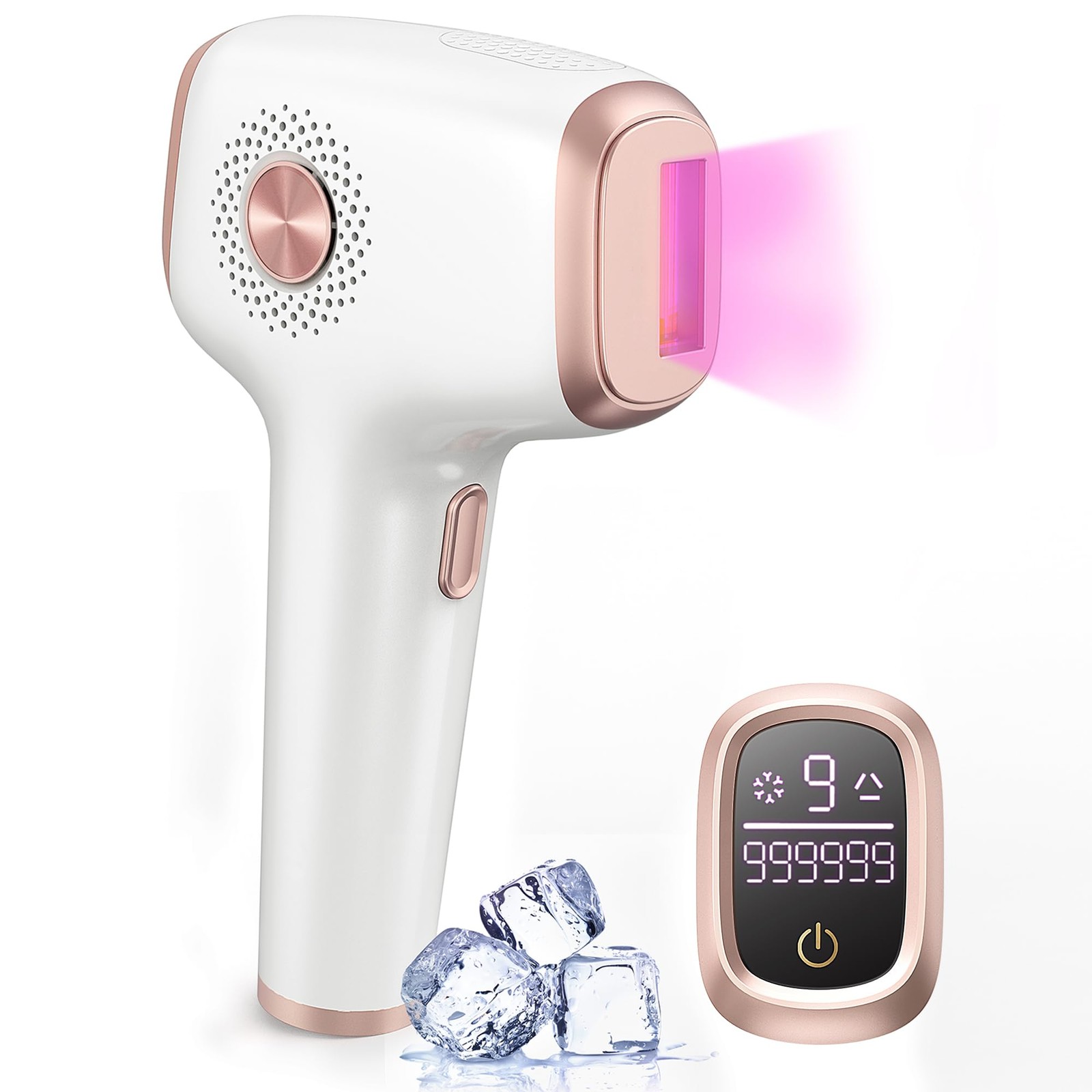 Innza Ipl Hair Removal Ice Cooling Care Function For Womenlong-Lasting$128.69View on eBay
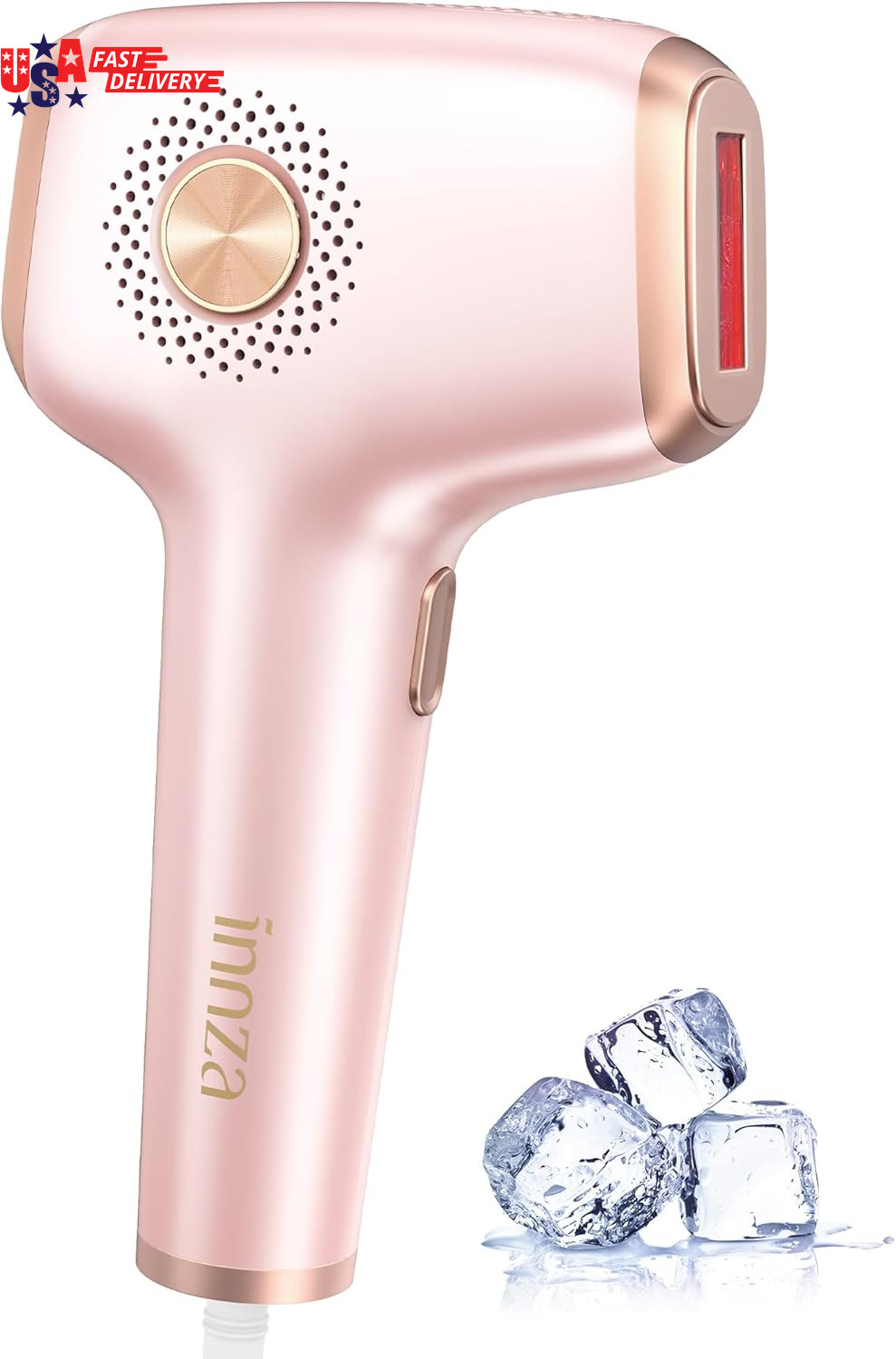 IPL Hair Removal with Ice Cooling Care Function for Women,Long-Lasting Results,9$134.58View on eBay
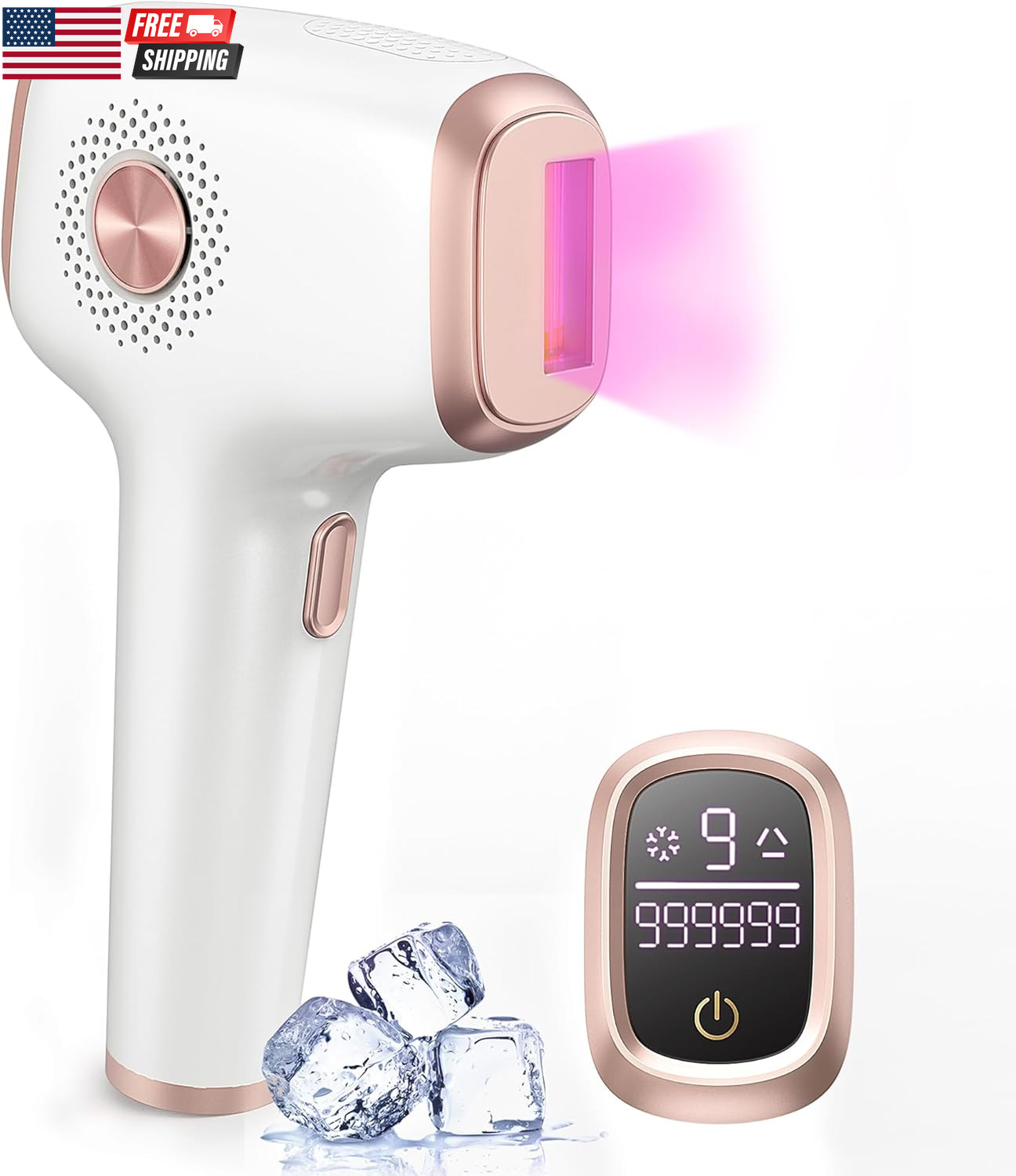 IPL Hair Removal with Ice Cooling Care Function for Women,Long-Lasting Results,9$144.46View on eBay
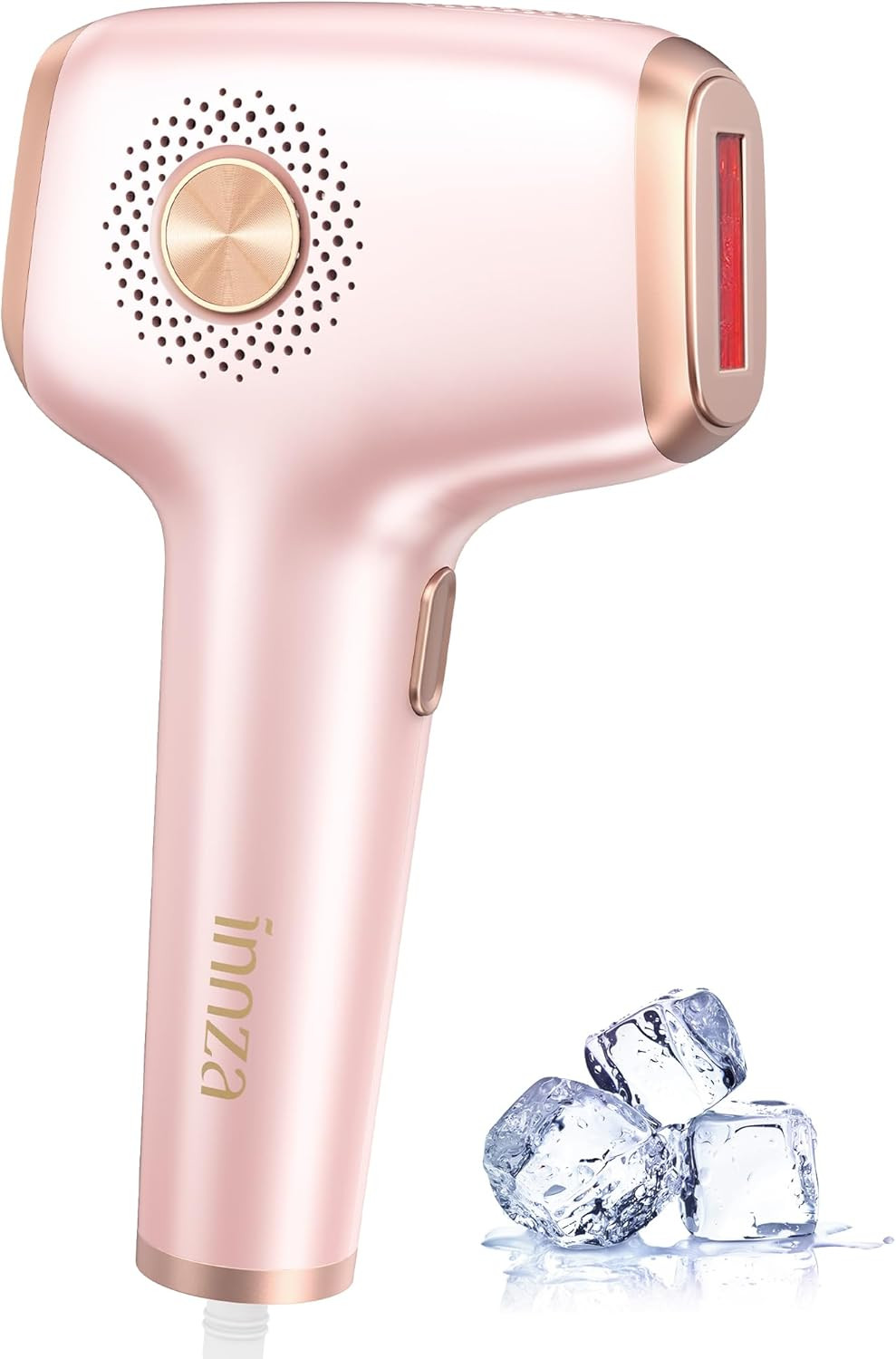 IPL Hair Removal with Ice Cooling Care Function for Women,Long-Lasting Results,9$151.49View on eBay
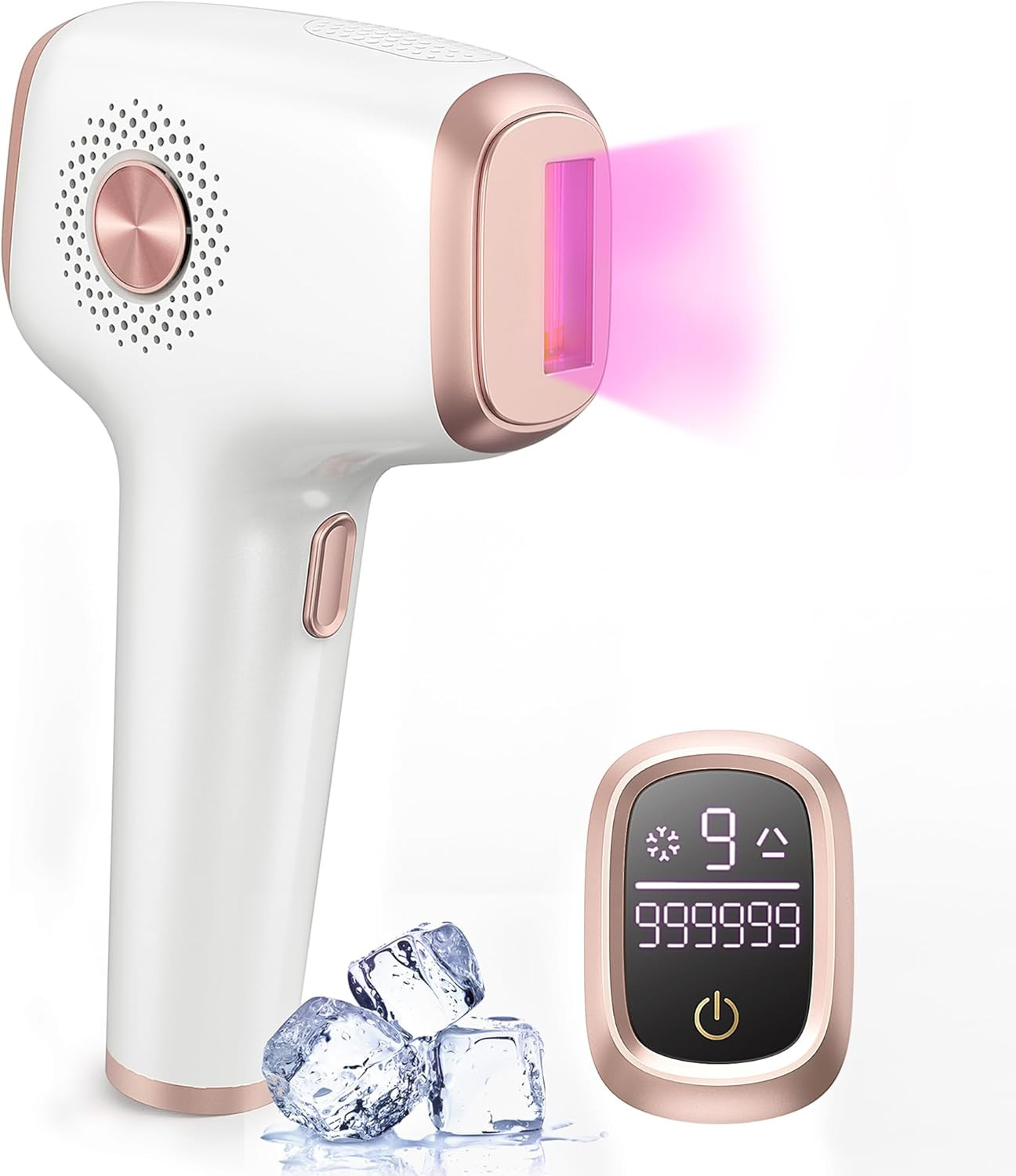 IPL Hair Removal with Ice Cooling Care Function for Women,Long-Lasting Results,9$153.55View on eBay
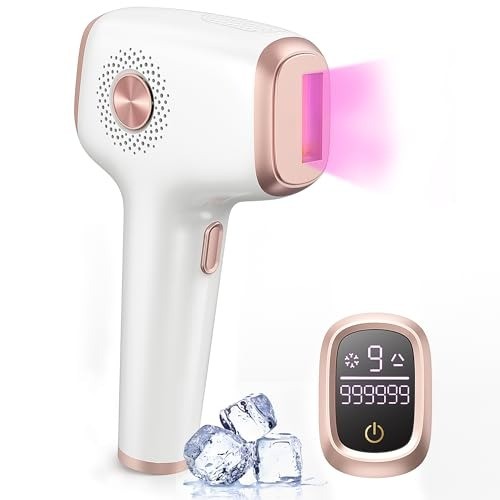 IPL Hair Removal with Ice Cooling Care Function for Women,Long-Lasting Result...$163.99View on eBay
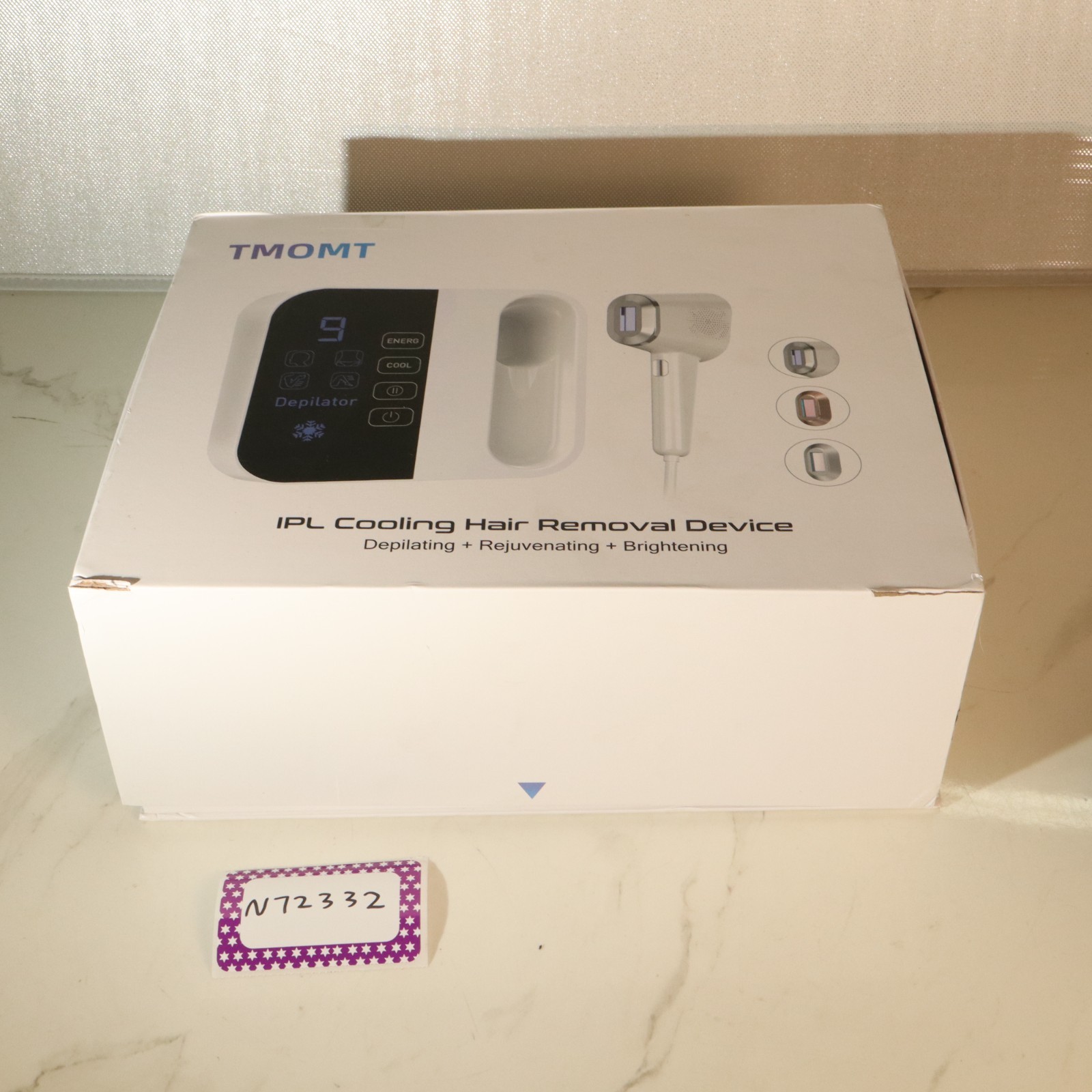 TMOMT IPL Ice Cooling Hair Removal Device Sapphire Depilator 3 Replaceable Lamp$169.99View on eBay
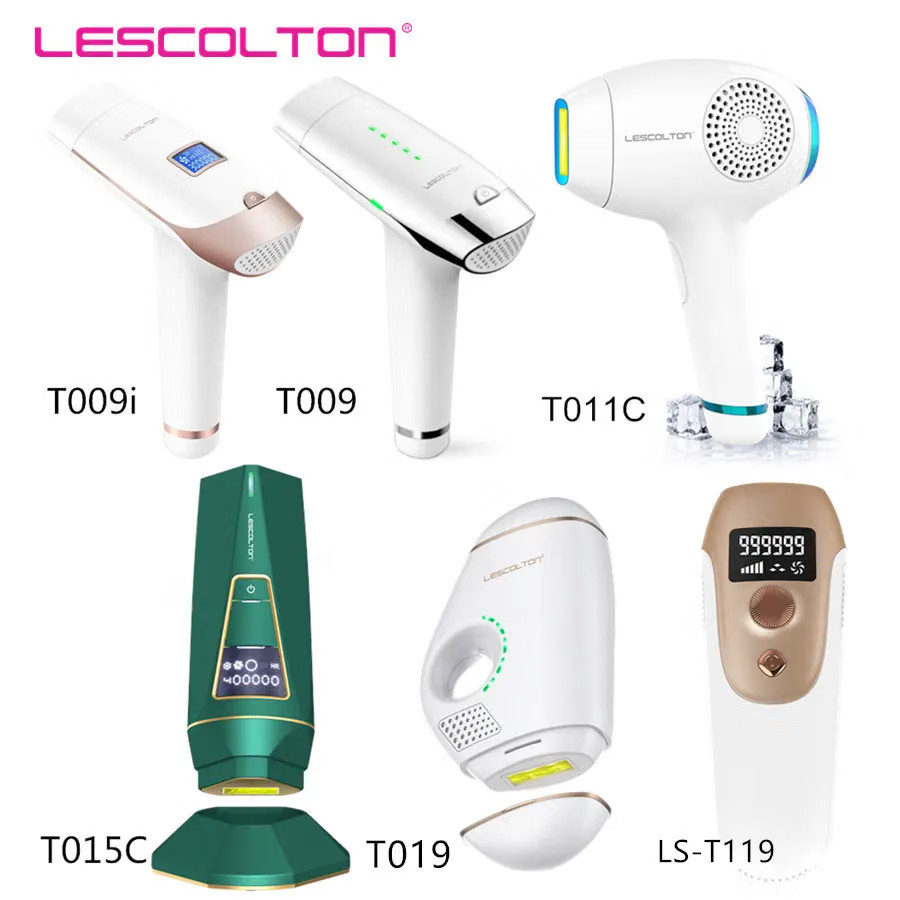 Color: PURPLE, Ships From: CHINA - Lescolton IPL Laser Permanent Hair Removal De$187.50View on eBay
Highlights
- Real IPL performance is defined by fluence (J/cm²) and flash count, not marketing flash totals; 3–6 J/cm² is the effective home range versus 10–30 J/cm² clinical lasers.
- Corded units deliver consistent high fluence, while cordless models often drop to 2–4 J/cm² to protect battery life.
- Skin-tone sensors and ice-cooling (sapphire or semiconductor) are the key safety and comfort differentiators; units without a sensor risk burns on darker skin.
- Quartz lamps last far longer than glass lamps; 300k–500k flashes is the practical minimum for full-body use over 12–18 months.
Best use cases
- Best fit: fair-to-medium skin tones wanting face, underarms, and bikini-line maintenance — pick a corded unit with 3–5 J/cm² and a skin sensor; skip cheap cordless pens.
- Wrong fit: dark skin (Fitzpatrick V–VI) or tanned skin — most home IPL is unsafe; skip IPL entirely and use a diode laser clinic or electrolysis.
- Best fit: full-body users (legs, arms, back) — choose 300k+ flashes and a large 3–4 cm² treatment window; skip small 1 cm² face-only devices.
- Wrong fit: buyers expecting permanent hair removal — IPL is long-term reduction requiring 8–12 weekly sessions plus monthly maintenance; skip if you want one-and-done.
Buying tips
- Match fluence to skin tone: 3–4 J/cm² for sensitive areas, 5–6 J/cm² for legs; anything above 6 J/cm² at home is marketing hype.
- Choose corded over cordless for consistent power; cordless IPL typically caps at 2–4 J/cm² and needs frequent recharges.
- Verify lamp type: quartz lasts 300k–500k flashes; glass lamps degrade faster and lose fluence over time.
- Check the treatment window: 3–4 cm² for body, 1–2 cm² for face; a large window speeds legs but may miss contours.
Specs
| Light Source | IPL xenon quartz vs glass lamp |
|---|---|
| Fluence Range | 3–6 J/cm² home; 10–30 J/cm² clinical |
| Flash Lifetime | 300k–500k flashes minimum |
| Power Source | Corded AC vs cordless battery |
Related searches
What to check before buying
- Confirm your Fitzpatrick skin type (I–IV) and that the device has a skin-tone sensor; V–VI is not safe for home IPL.
- Measure the treatment area and compare to the device window: legs need 3–4 cm², face needs 1–2 cm².
- Check voltage and plug standard (US 120V vs EU 220–240V) and whether the unit is corded or cordless.
- Ensure you have a dedicated outlet near a mirror and space for weekly 20–30 minute sessions; IPL needs consistency.
FAQ
Data sources: eBay / Amazon listings and product attribute feeds Data updated Nov 15, 2026.
Some links on this page are affiliate links. If you buy after clicking one, we may earn a commission at no extra cost to you. This does not change which products appear here or their order. Affiliate disclosure.