Photos from current listings. Actual item, color, and included accessories may vary.
Radio Frequency Device Buying Guide
Radio frequency (RF) beauty devices use controlled thermal energy to stimulate collagen and tighten skin, with the core trade-off between monopolar/bipolar/multipolar electrode architecture, RF frequency (0.5-2 MHz typical), and energy density (J/cm²). Durable, noticeably effective devices deliver multi-polar RF at 1-2 MHz with adjustable energy and skin-temperature feedback; compromise-tier units rely on high-frequency (HF) or low-power single-electrode designs that provide surface warmth rather than deep dermal heating.


At a glance
- Category
- Beauty Devices
- Data updated
- Nov 15, 2026
Current offers
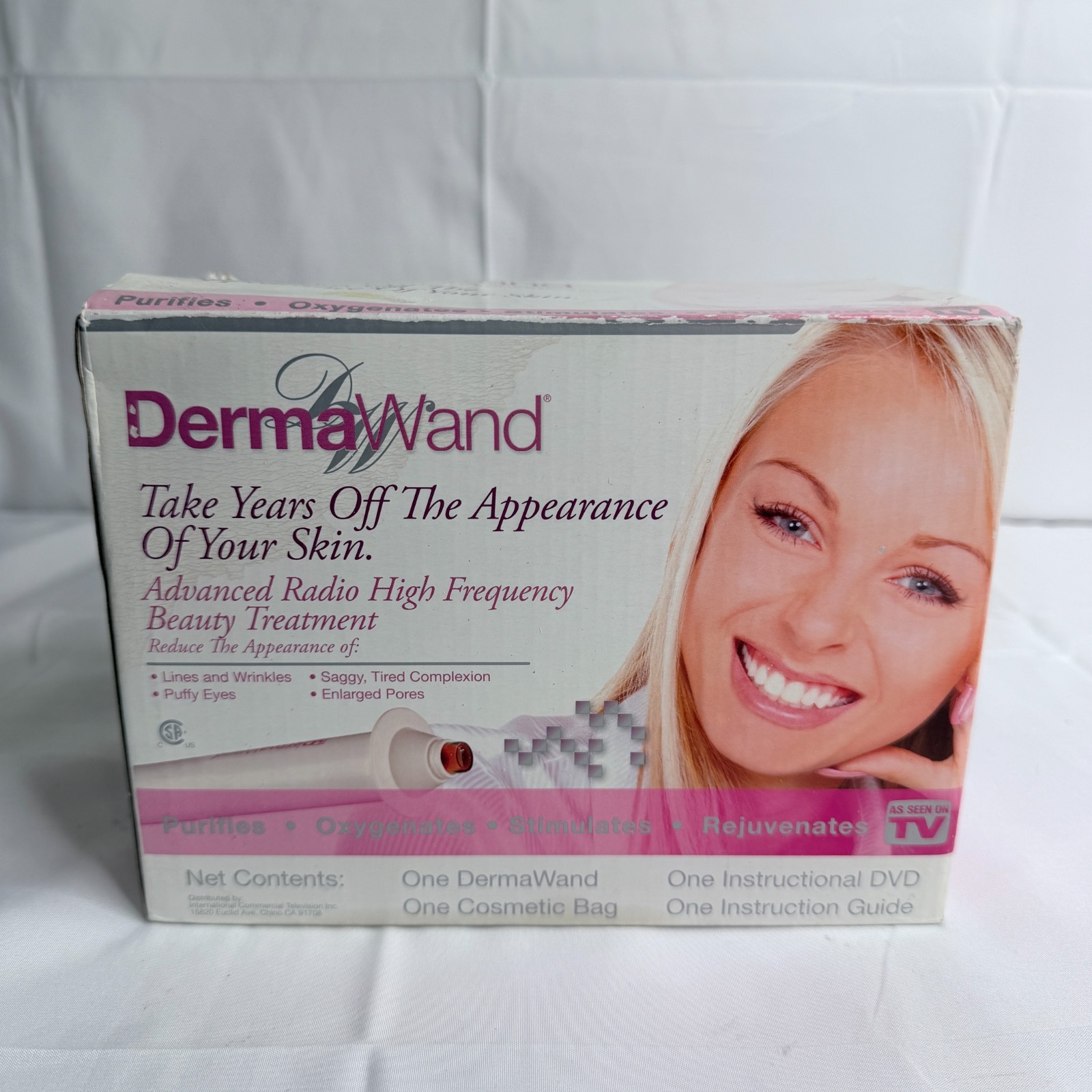 DermaWand Advanced Radio High Frequency Beauty Treatment Device w/ Products NEW$34.99
 View on eBay
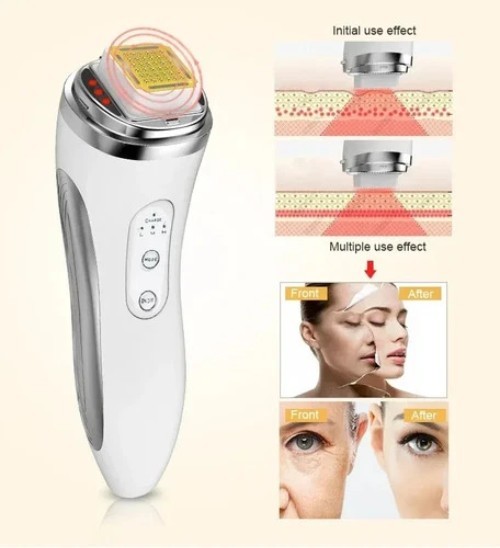 RF Radio Frequency Face Lifting Device Dot Matrix Beauty Skin Tightening Machine$69.99View on eBay
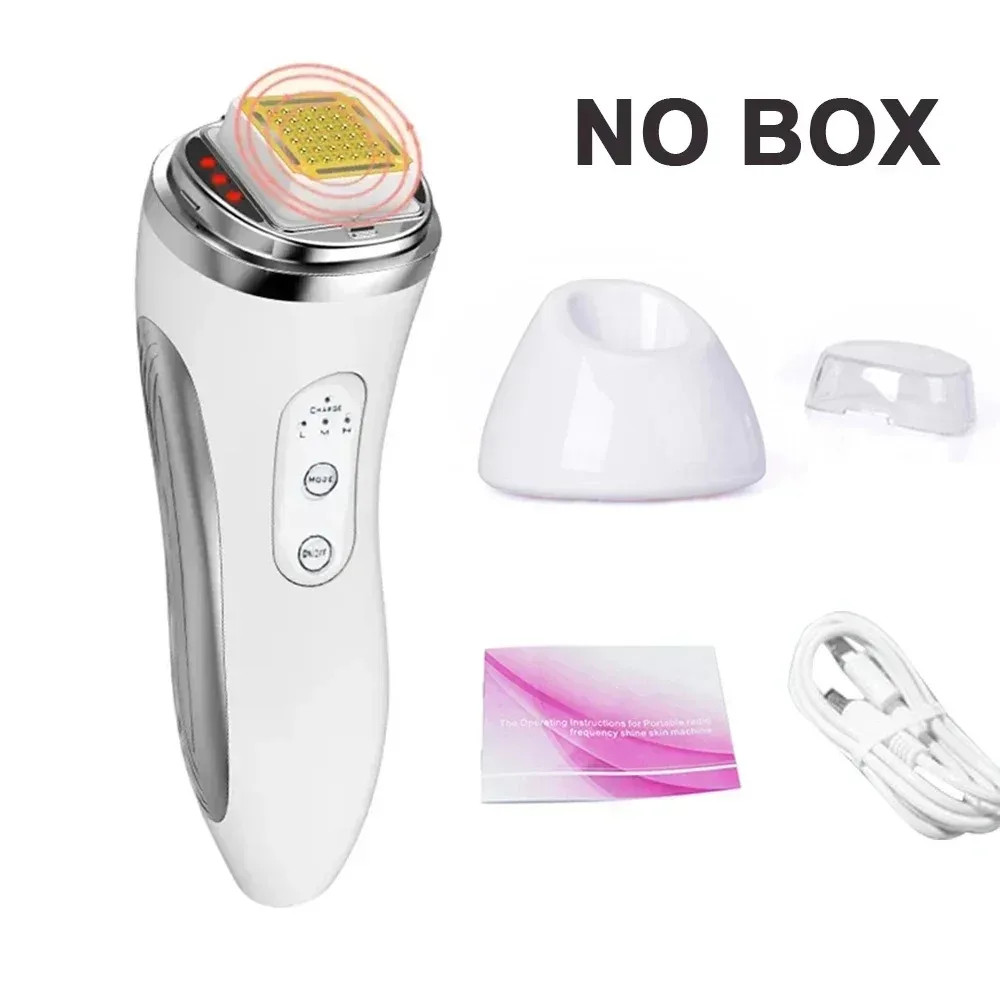 RF Radio Frequency Face Lifting Device Dot Matrix Beauty Skin Tightening Machine$84.90View on eBay
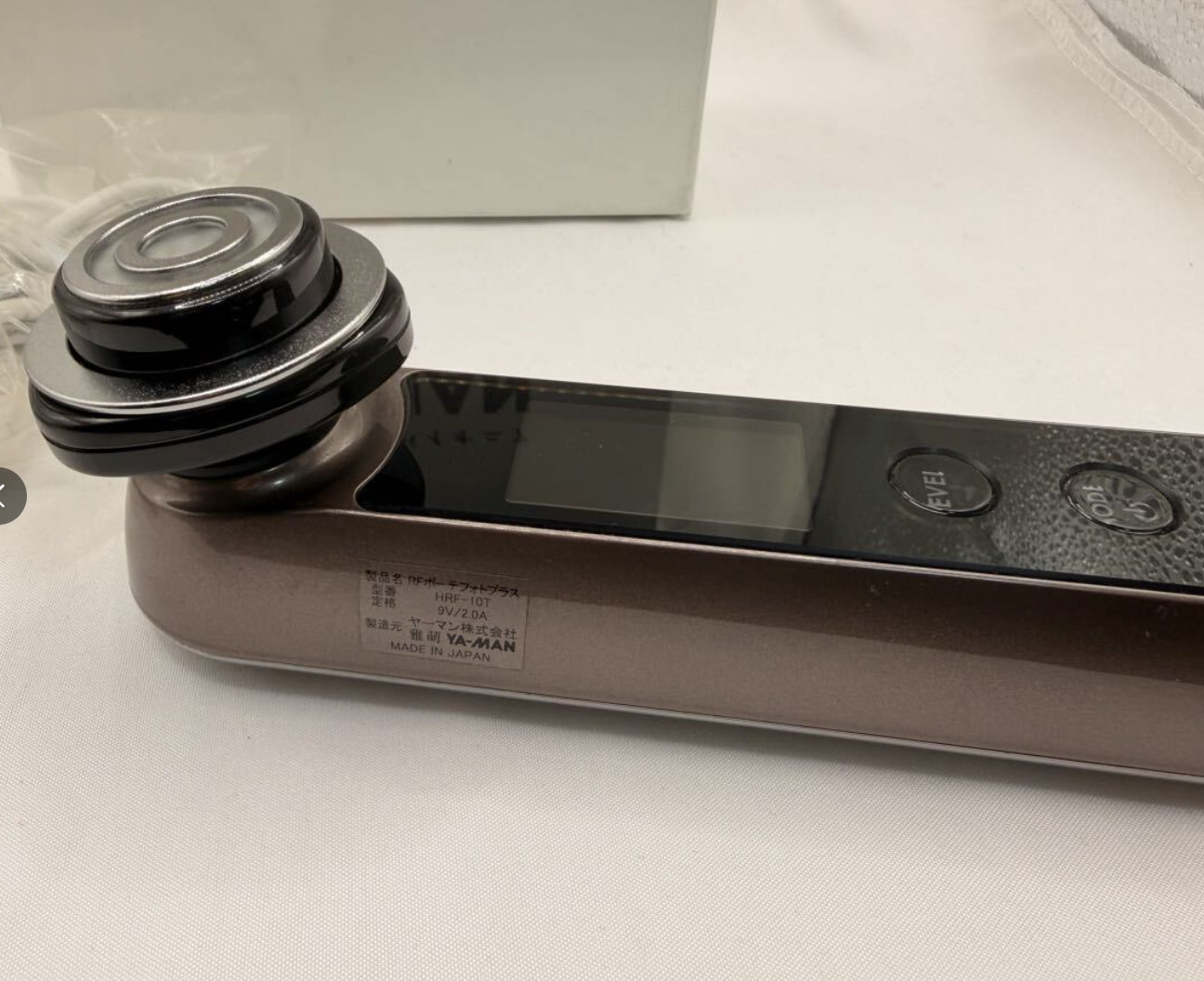 Ya-Man Photo Plus HRF-10T RF Beauty Device Facial EMS Radio Frequency Japan$89.00View on eBay
Highlights
- RF electrode architecture determines depth: multipolar arrays heat the dermis more evenly and safely than single-tip monopolar or bipolar wands at the same energy.
- Operating frequency around 1 MHz (0.9-1.2 MHz) is the clinical mainstream for at-home facial RF; higher 2-3 MHz units offer shallower, more surface-focused heating.
- DermaWand-style 'high frequency' wands are not radio frequency — they use a low-current high-voltage spark to oxygenate the surface, with no bulk dermal heating.
- Devices with real thermal cutoff and adjustable joules-per-pulse (1-5 J/cm² tiers) allow progressive, safer treatment than fixed-output wands.
Best use cases
- Best fit: at-home facial firming on mild laxity — choose a multipolar RF device with adjustable power and a temperature/safety cutoff, used 2-3x weekly.
- Best fit: combination anti-aging routines — pick an RF unit with added EMS/ion modes (e.g. Ya-Man-style multifunction) if you want one device for lifting and product infusion.
- Wrong fit: expecting clinic-grade skin tightening or wrinkle removal from a handheld wand; RF at home delivers gradual, maintenance-level results over weeks.
- Skip: high-frequency 'spark' wands if your goal is collagen stimulation — they treat surface acne/oxygenation, not dermal tightening.
Buying tips
- Match electrode count to treatment area: 3-5 electrode multipolar heads suit cheeks/jawline; single-tip wands are best for spot precision, not full-face coverage.
- Choose adjustable energy in J/cm² or power levels (low/med/high) plus a thermal cutoff; fixed-output devices risk hot spots and offer no ramp-up.
- Verify the RF frequency band (0.5-2 MHz typical) and confirm the device states RF, not just 'high frequency' or 'EMS', on the spec panel.
- For multifunction units, check that each mode has separate intensity control so RF power isn't reduced by shared EMS/ion circuitry.
Specs
| RF Architecture | Multipolar vs bipolar vs monopolar |
|---|---|
| RF Frequency | 0.5-2 MHz (facial RF band) |
| Energy Control | Adjustable J/cm² + thermal cutoff |
| Form Factor | Cordless wand vs corded multifunction |
Related searches
What to check before buying
- Skin and tolerance: RF is not for active acne, rosacea flare, pregnancy, or metal implants in the treatment area — confirm your skin type is suitable.
- Power and plug: check the device's voltage (100-240V adapter vs fixed regional plug) and whether it is cordless (battery) or corded for your routine.
- Consumables: confirm whether conductive gel is required and whether replacement heads/electrodes are available for the model.
- Treatment plan: plan 2-3 sessions weekly for 6-8 weeks and verify the device supports that cadence with a rechargeable or mains-powered design.
FAQ
Data sources: eBay / Amazon listings and product attribute feeds Data updated Nov 15, 2026.
Some links on this page are affiliate links. If you buy after clicking one, we may earn a commission at no extra cost to you. This does not change which products appear here or their order. Affiliate disclosure.