Photos from current listings. Actual item, color, and included accessories may vary.
Microcurrent Device Buying Guide
Microcurrent devices deliver low-level electrical currents (typically 50–400 µA) to facial muscles and tissue, marketed for lifting, contouring, and wrinkle reduction. The core trade-off is between cheap EMS/LED combo gadgets with vague specs and dedicated microcurrent units with clear amperage, waveform, and electrode design. Choose a device with published microamp output and conductive gel compatibility; skip generic '5-in-1' rollers that bundle EMS and LED without specifying current levels.


At a glance
- Category
- Beauty Devices
- Data updated
- Nov 15, 2026
Current offers
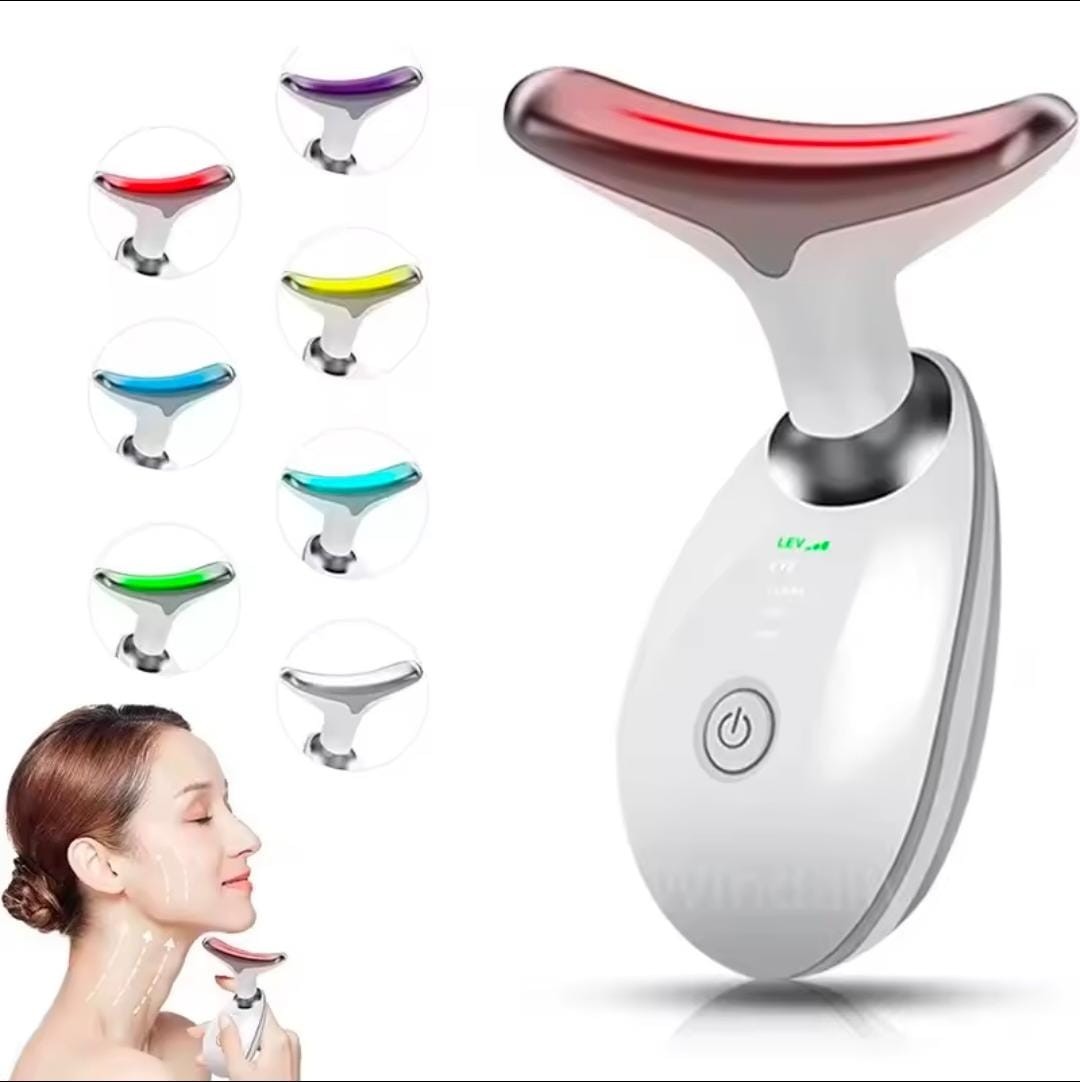 7 Color LED EMS Face Neck Warm Massager Microcurrent USB Skin Care Beauty Device$3.19
 View on eBay
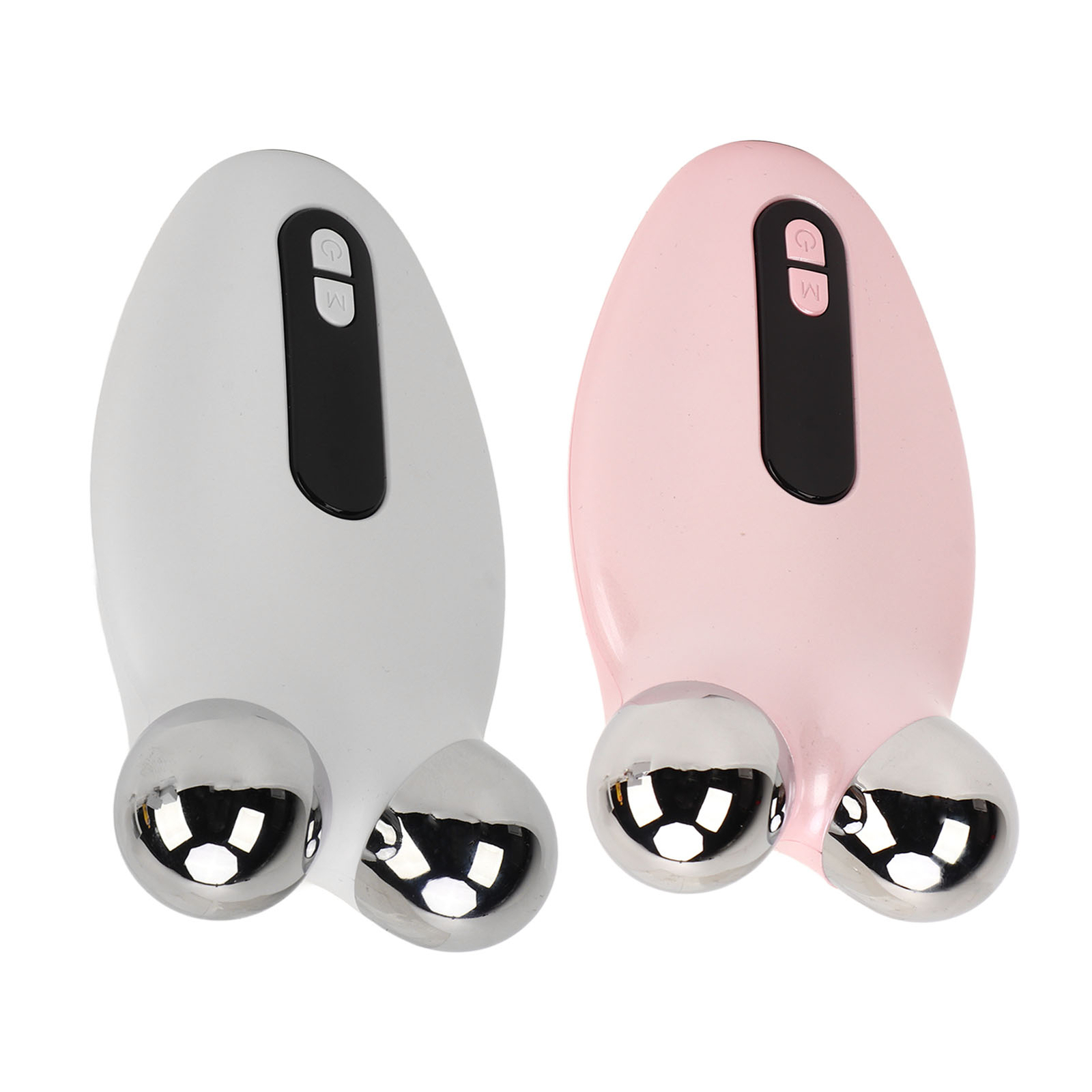 Microcurrent Facial Beauty Machine Skin Tightening Wrinkle Removal Roller$11.06View on eBay
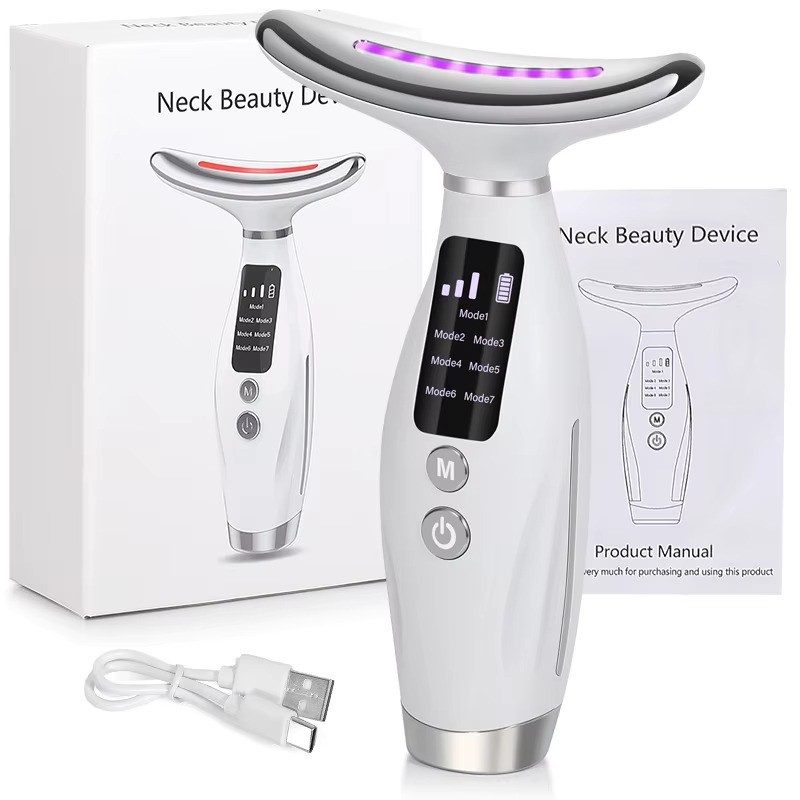 7 Color LED EMS Face Neck Massager Microcurrent Skin Tightening Ant Wrinkle Tool$11.73View on eBay
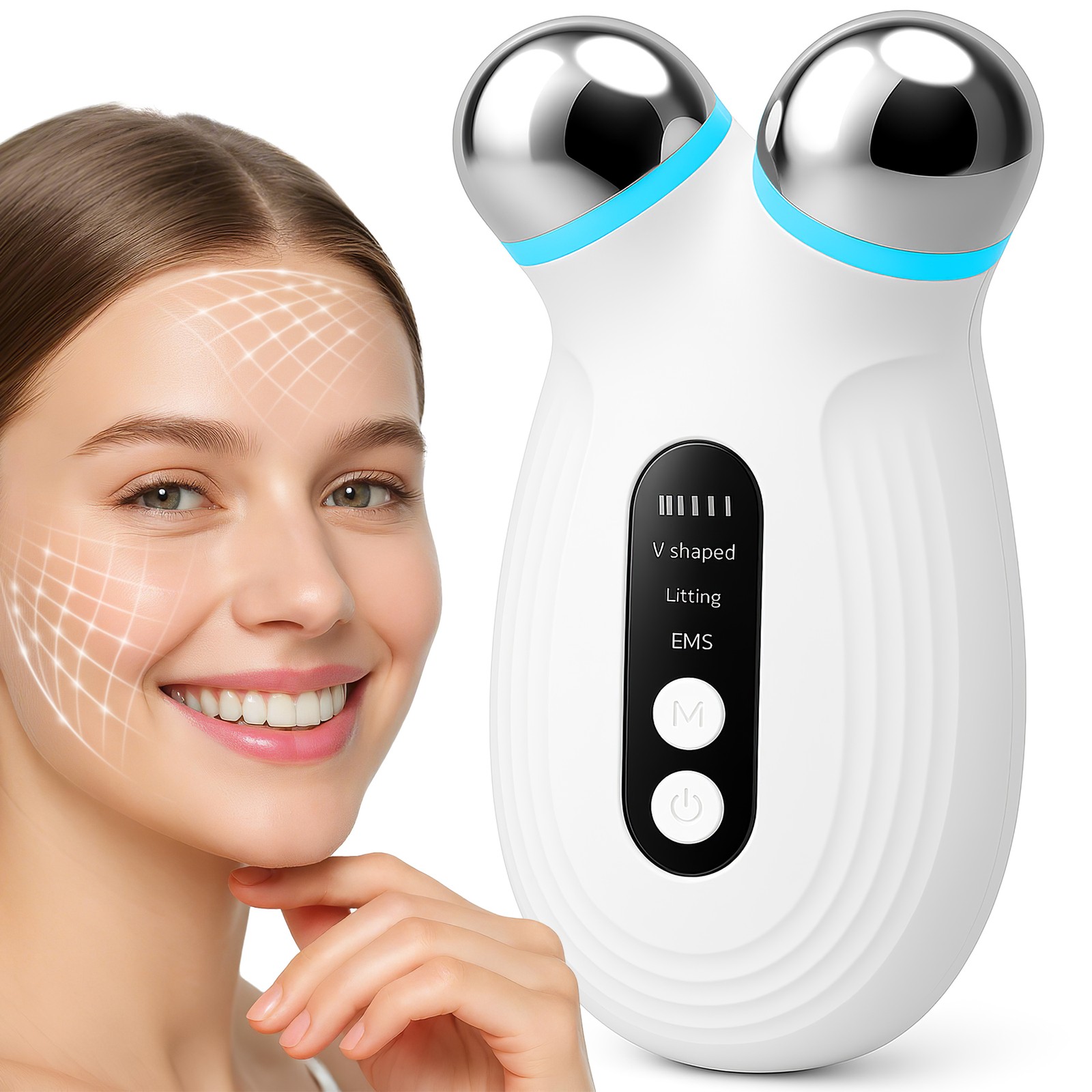 Microcurrent Facial Device Skin Tightening Anti-Aging Facial Lifting Massager$15.19View on eBay
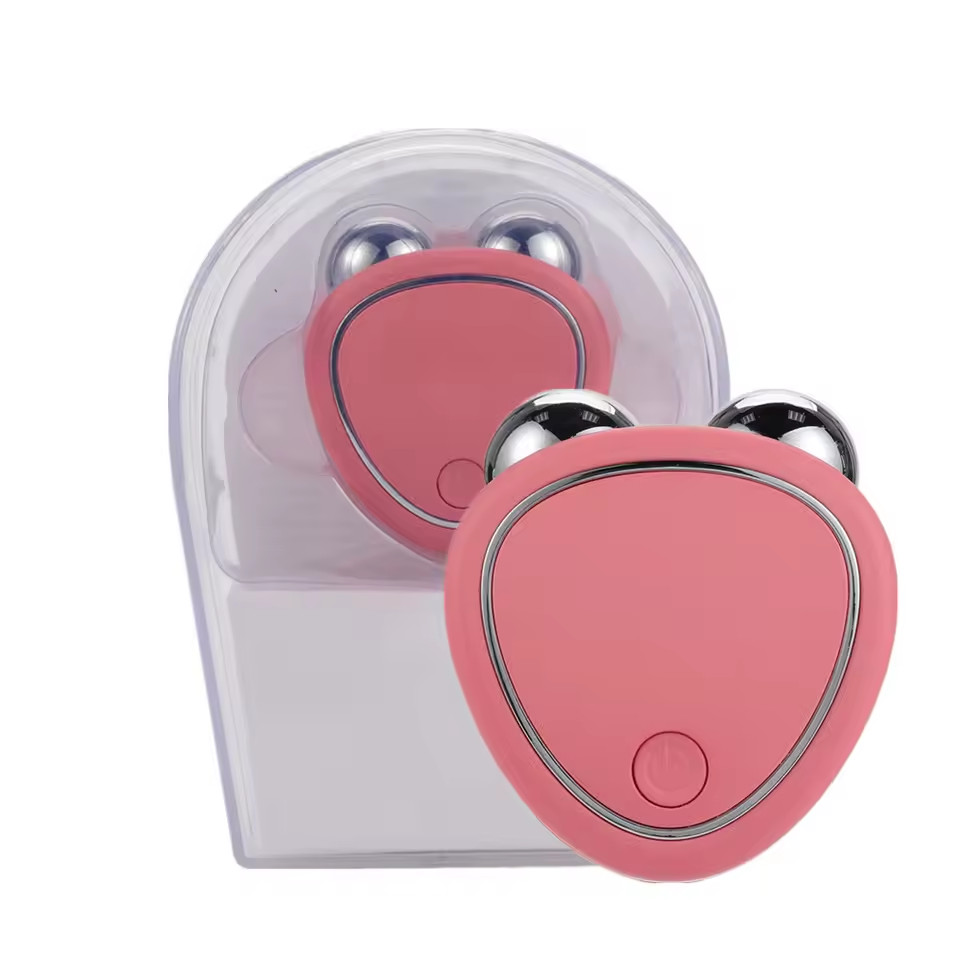 EMS Microcurrent Face Lifting Device Facial Massager Skin Tightening Roller Tool$18.99View on eBay
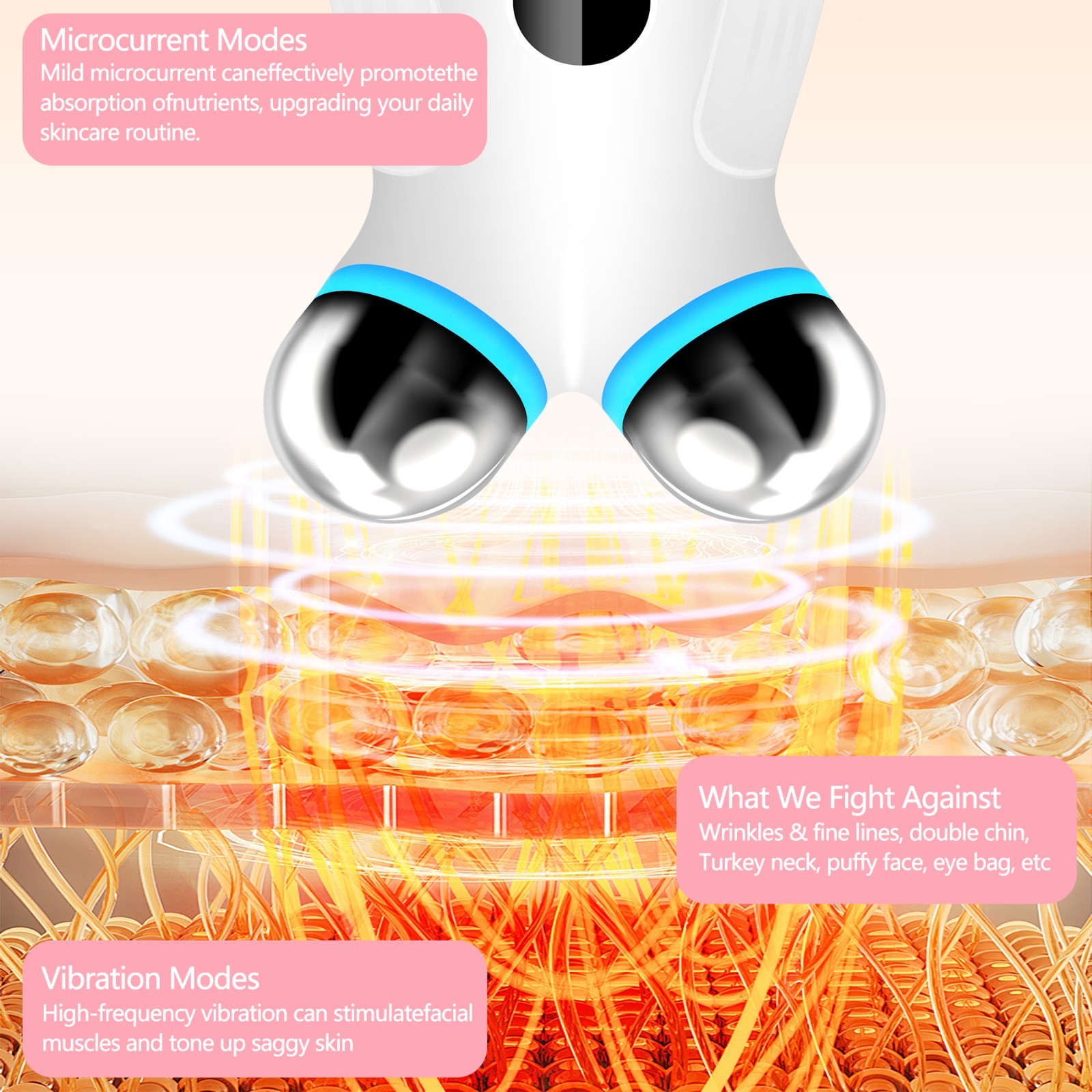 Anti Aging And Wrinkles Microcurrent Facial Device, Boost Skin Care Products Abs$23.00View on eBay
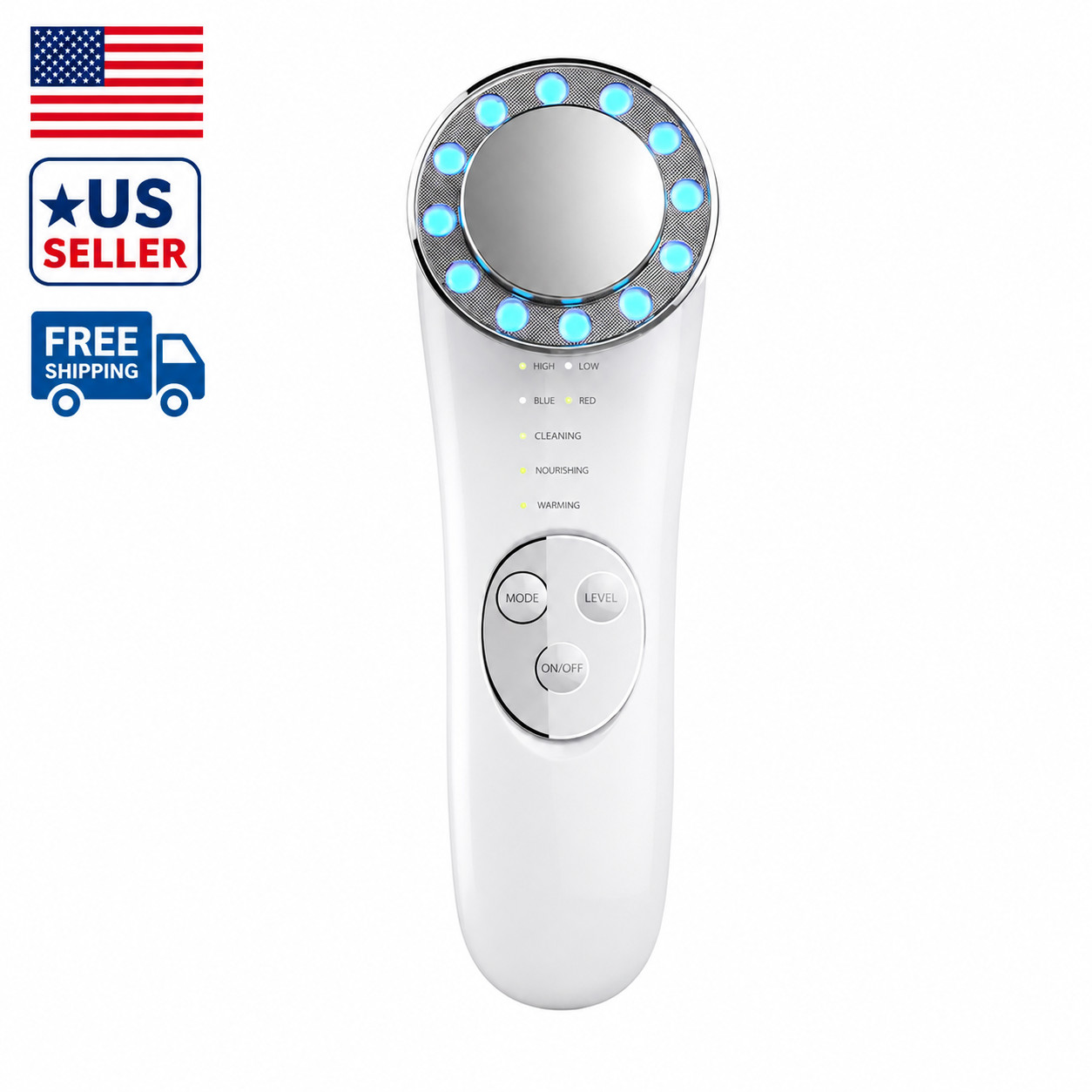 🔥5-in-1 Microcurrent Facial Device for Skin Tightening & Lifting.$24.99View on eBay
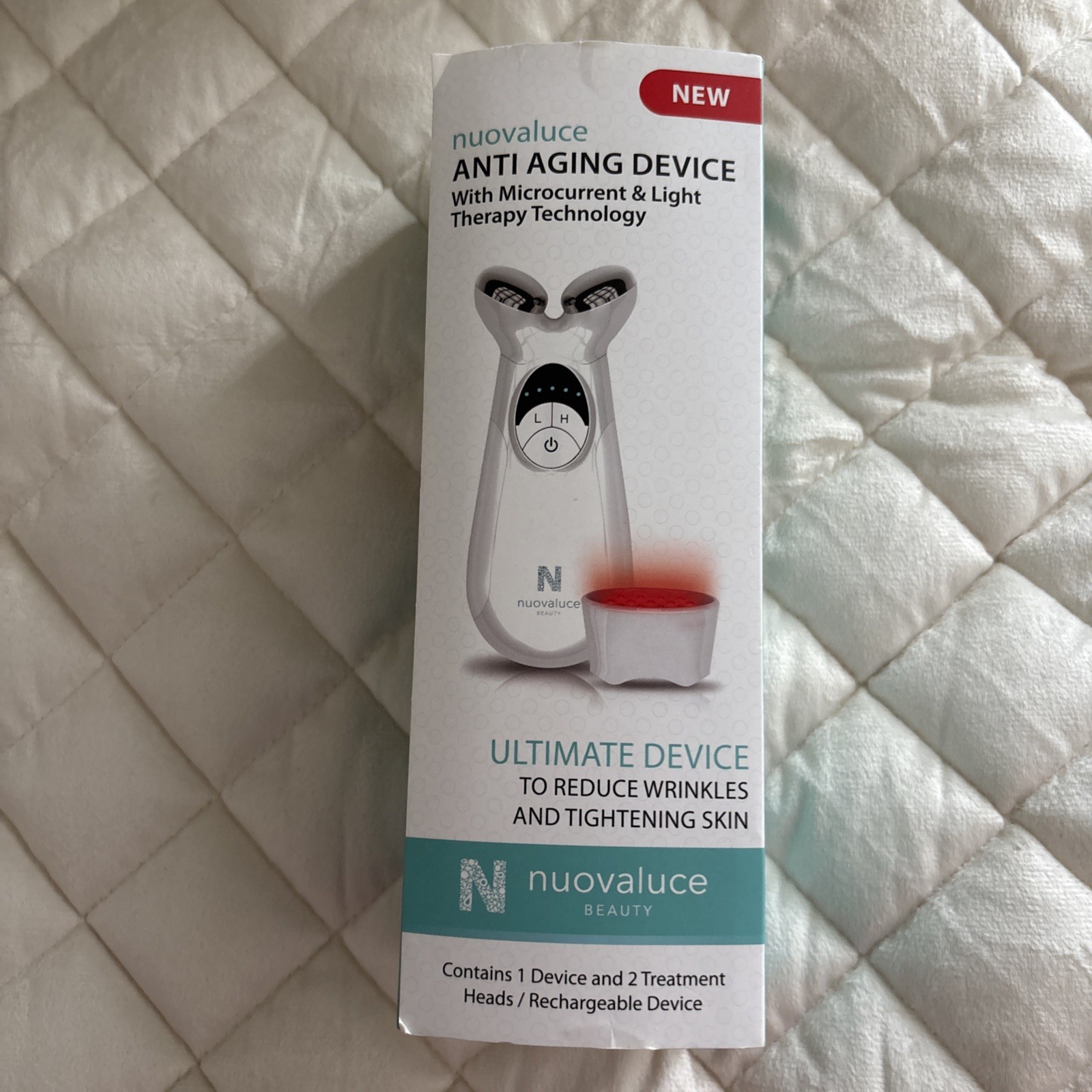 Nuovaluce Anti-Aging Microcurrent & Red Light Therapy Device Only$25.00View on eBay
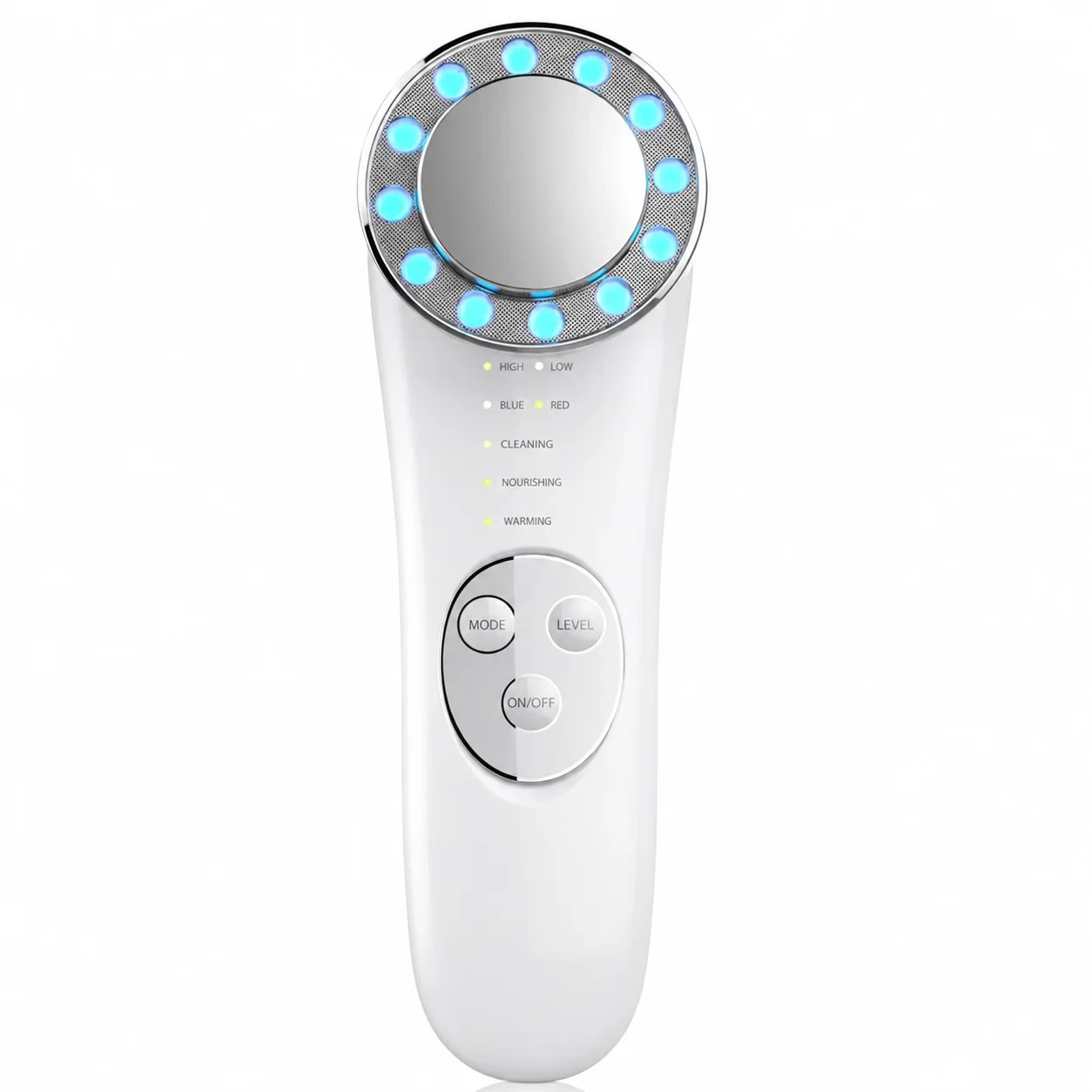 5 in 1 Microcurrent Facial Device Skin Tightening & Lifting, improves elasticity$25.95View on eBay
 5 in 1 Microcurrent Facial Device Skin Tightening & Lifting, improves elasticity$25.99View on eBay
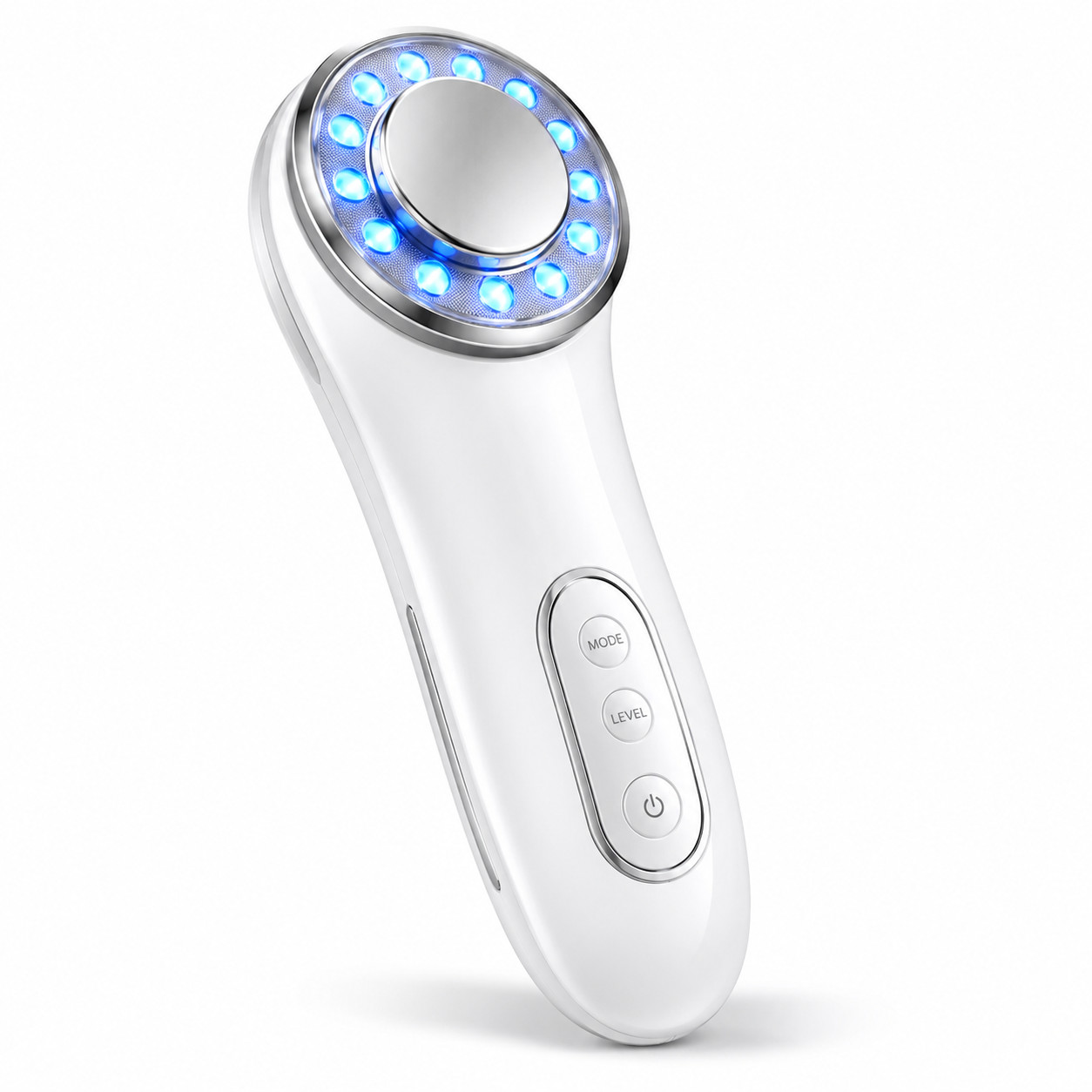 5-in-1 Microcurrent Facial Device for Skin Tightening & Lifting | Face Massager$26.95View on eBay
 🔥5-in-1 Microcurrent Facial Device for Skin Tightening & Lifting.$26.95View on eBay
 5-in-1 Microcurrent Facial Massager Skin Lifting Firming Beauty Device$27.69View on eBay
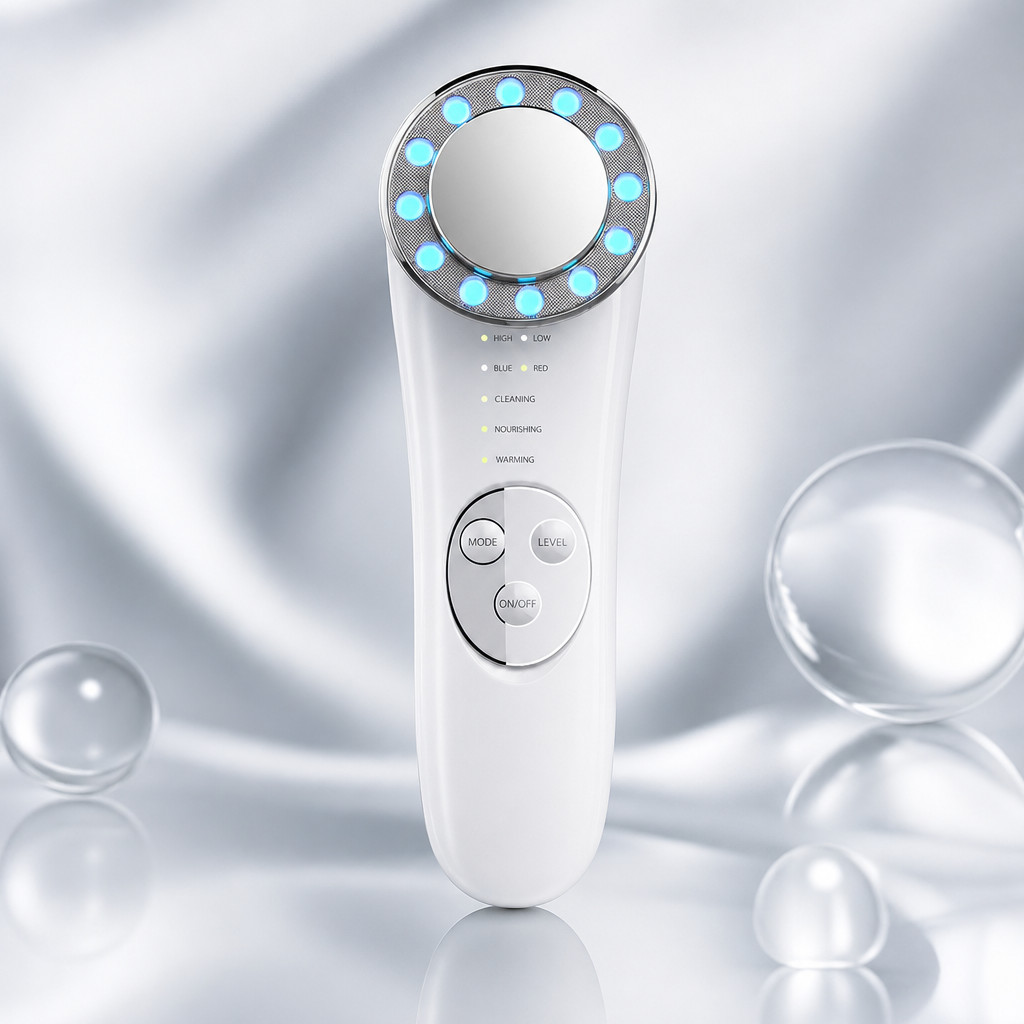 5 in 1 Microcurrent Facial Sculpting Tool Face Lifting Toning Anti Aging Device$27.80View on eBay
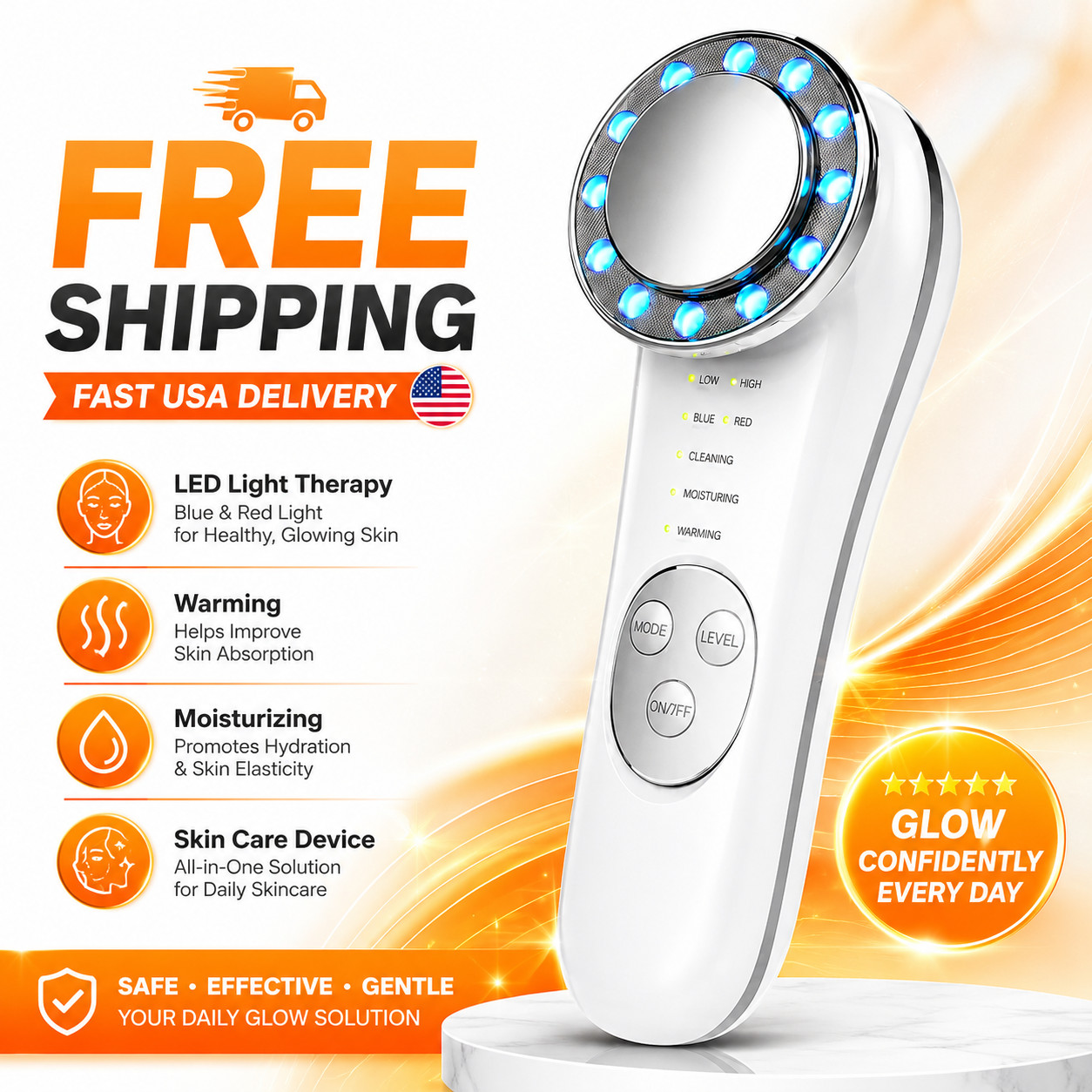 Microcurrent Facial Device 5-in-1 Face Massager Skin Tightening Lifting Tool$27.89View on eBay
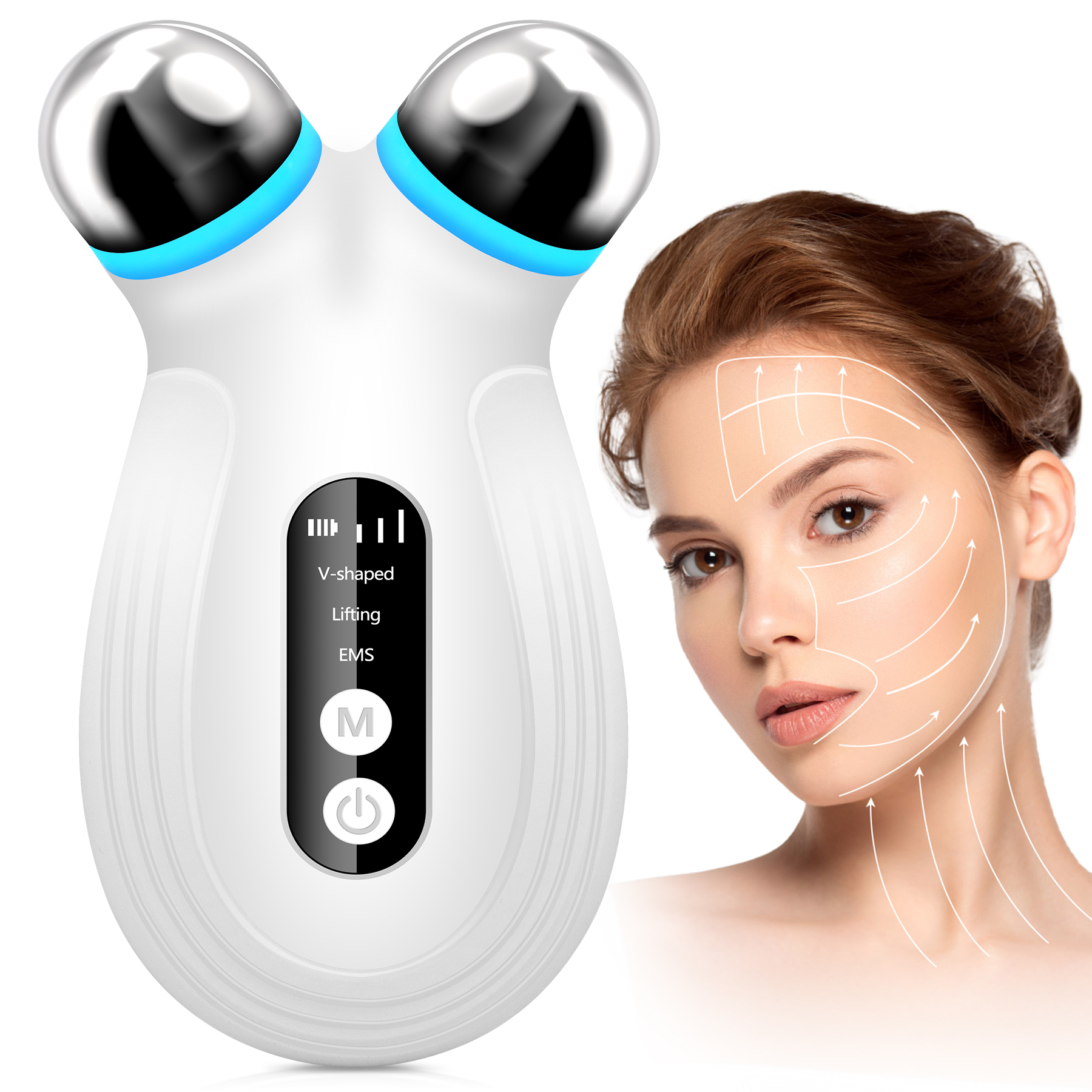 Anti Aging And Wrinkles Microcurrent Facial Device, Boost Skin Care Products Abs$28.36View on eBay
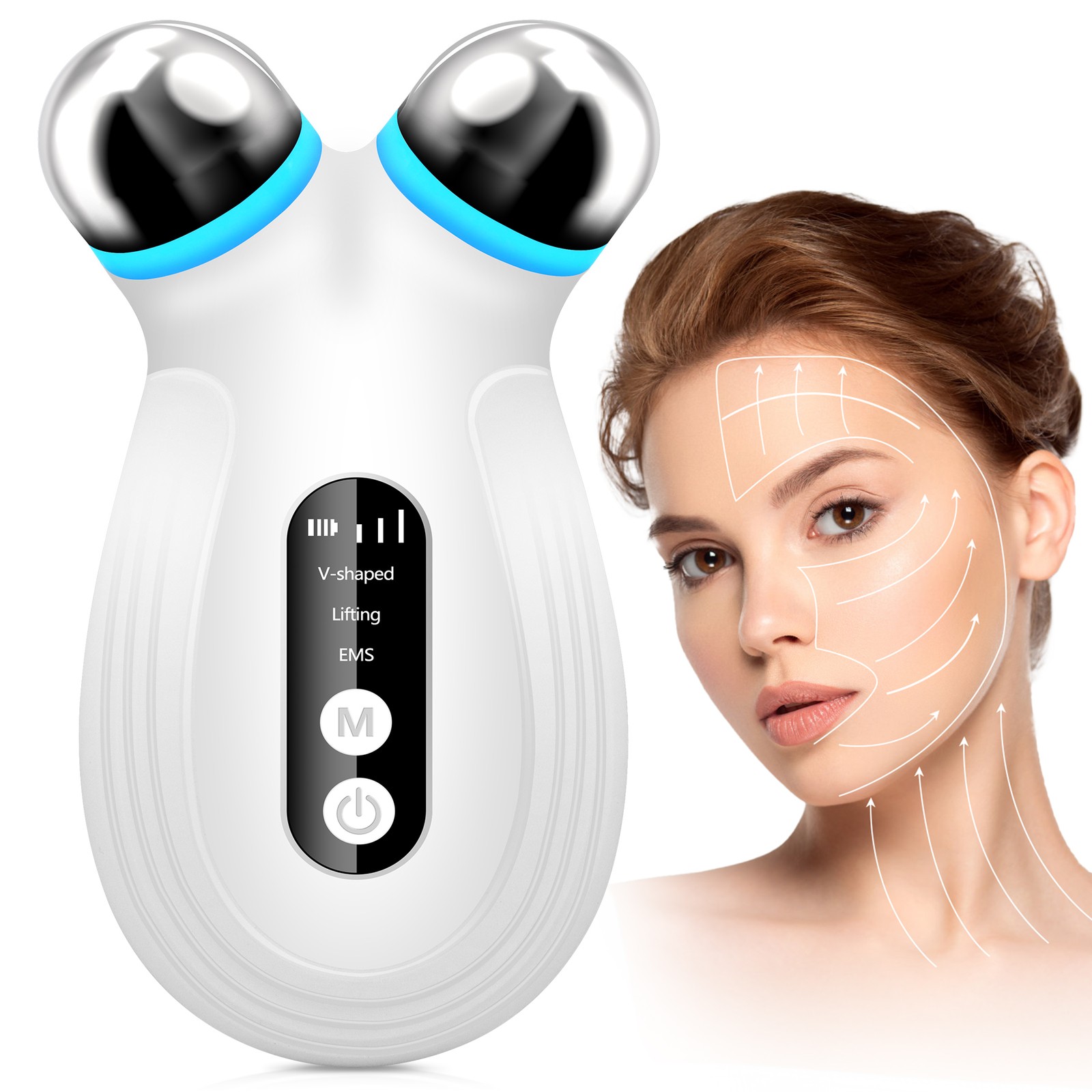 Microcurrent Facial Device for Anti-Aging & Wrinkle Reduction - Enhance Skincare$29.58View on eBay
 Microcurrent Facial Massager Device for Face and Neck – Rechargeable Beauty Tool$29.99View on eBay
- Anti Aging And Wrinkles Microcurrent Facial Device, Boost Skin Care Products Abs$29.99View on eBay
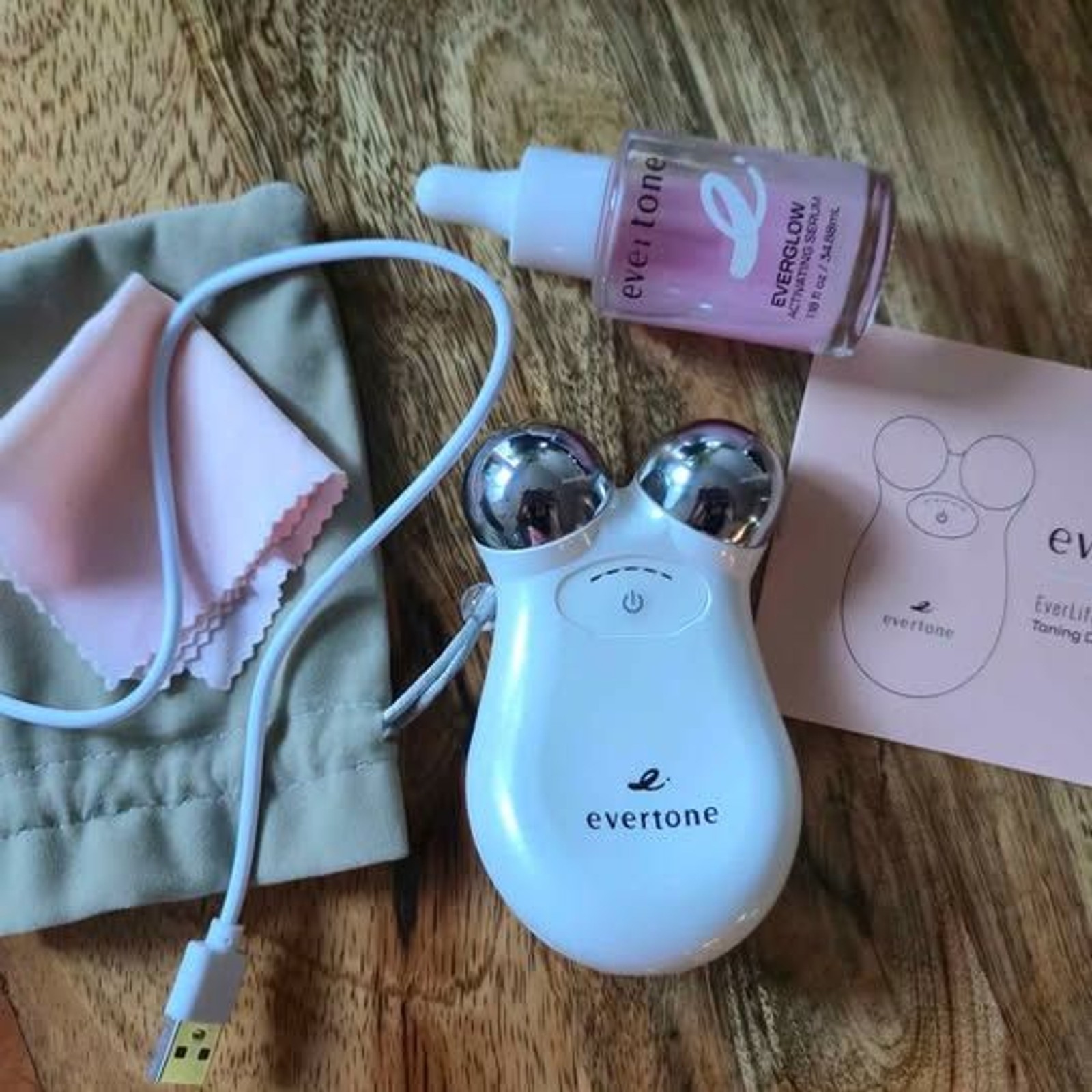 Evertone EverLift Microcurrent Facial Toning Device with EverGlow Serum$30.00View on eBay
Highlights
- True microcurrent runs 50–400 µA; EMS toning devices run 1–10 mA — over 10x stronger and not interchangeable for facial use.
- Conductive gel is mandatory: dry electrodes or water alone raise impedance, reduce current delivery, and cause pricking or redness.
- Electrode material matters: stainless steel or silver-coated contacts conduct consistently; bare plastic housings with metal strips often lose contact.
- Multi-function '5-in-1' or '7-color LED' units typically prioritize LED/EMS over precise microcurrent, so verify a dedicated µA spec.
Best use cases
- Best fit: dedicated microcurrent device with published µA output and two electrodes for facial contouring — buy this for lifting and jawline definition.
- Wrong fit: 7-color LED + EMS + roller combos when your goal is microcurrent lifting — those are LED/EMS massagers, not precise microcurrent tools.
- Best fit: a device bundled with conductive gel or clear gel compatibility for weekly sessions — buy the gel, not water-based serums.
- Wrong fit: users with pacemakers, metal implants, or pregnancy should skip microcurrent entirely and choose LED-only or manual massage.
Buying tips
- Match current to purpose: 50–400 µA for facial microcurrent; 1–10 mA EMS is for body toning, not delicate facial muscles.
- Demand a published amperage and waveform spec — 'microcurrent' without µA numbers is marketing, not a technical claim.
- Budget for conductive gel: a 250 ml tube lasts roughly 20–30 sessions; gel-free devices rely on water and underperform.
- Choose stainless steel or silver-coated electrode contacts over painted plastic strips for consistent conductivity and easier sanitizing.
Specs
| Current Type | Microcurrent 50–400 µA vs EMS 1–10 mA |
|---|---|
| Electrode Material | Stainless steel / silver-coated vs plastic |
| Power Source | USB-C rechargeable vs AA battery |
| Conductive Gel | Required — water-based gel, 250 ml |
Related searches
What to check before buying
- Confirm your skin is intact and metal-free in the treatment area — microcurrent is contraindicated over implants or broken skin.
- Check device power: USB-C rechargeable or AA battery; note plug standard (US/EU/UK) if shipping cross-border.
- Verify electrodes are replaceable or cleanable — fixed porous pads degrade and lose conductivity within months.
- Measure treatment area: facial devices need 2–3 cm electrode spacing; body EMS units are too large for jawline and eye work.
FAQ
Data sources: eBay / Amazon listings and product attribute feeds Data updated Nov 15, 2026.
Some links on this page are affiliate links. If you buy after clicking one, we may earn a commission at no extra cost to you. This does not change which products appear here or their order. Affiliate disclosure.