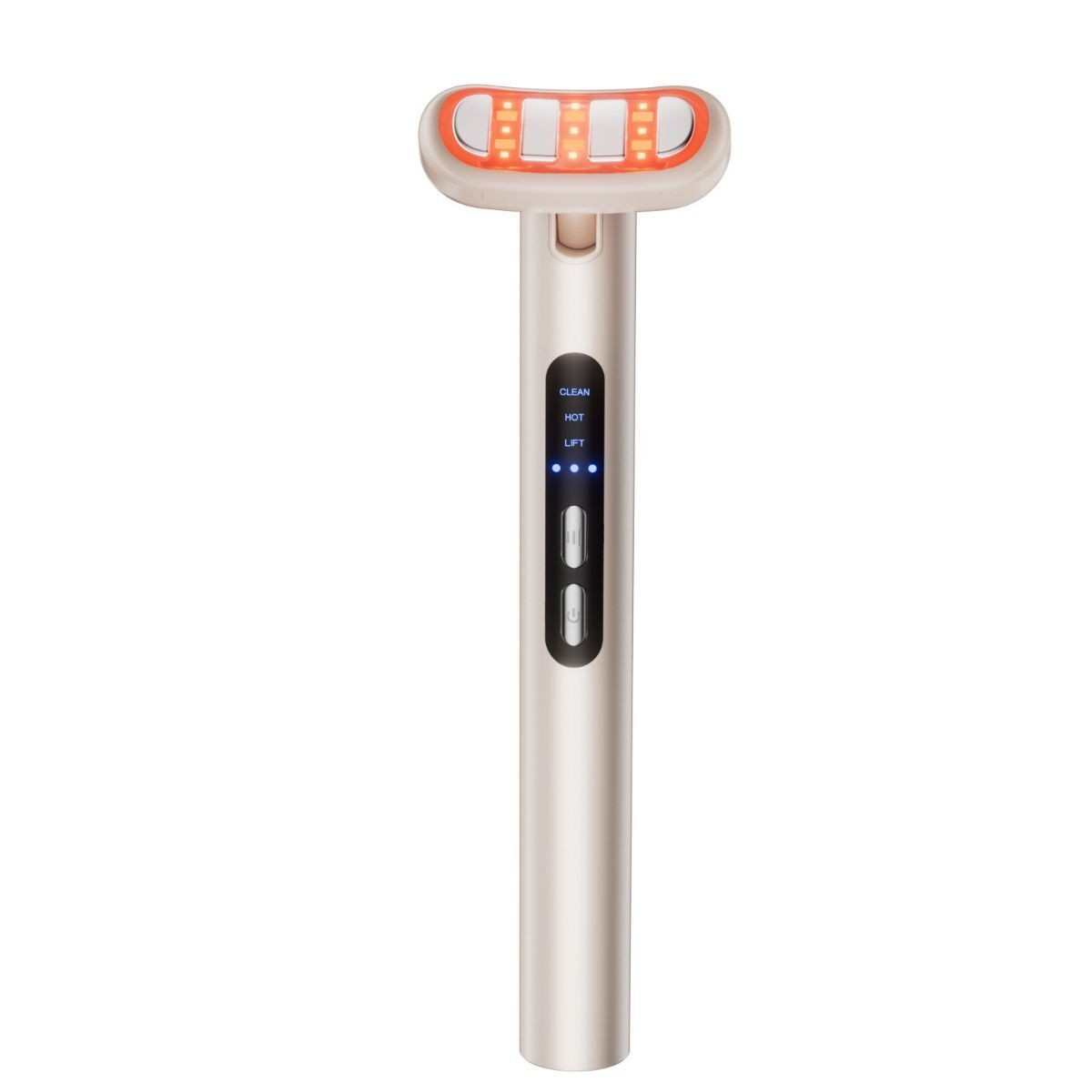

Photos from current listings. Actual item, color, and included accessories may vary.
LED Wand Buying Guide
An LED wand is a handheld skincare device that emits red or blue light (typically 630–660 nm red, 415–470 nm blue) for at-home photobiomodulation, often paired with vibration or warmth. The core trade-off is between clinical-grade irradiance and wavelength precision versus cheap decorative LEDs that deliver negligible fluence. Choose a wand with published wavelength and irradiance specs from a known brand; skip generic wands that list only 'LED light' with no nm or mW/cm² figures.


At a glance
- Category
- Beauty Devices
- Data updated
- Nov 15, 2026
Current offers
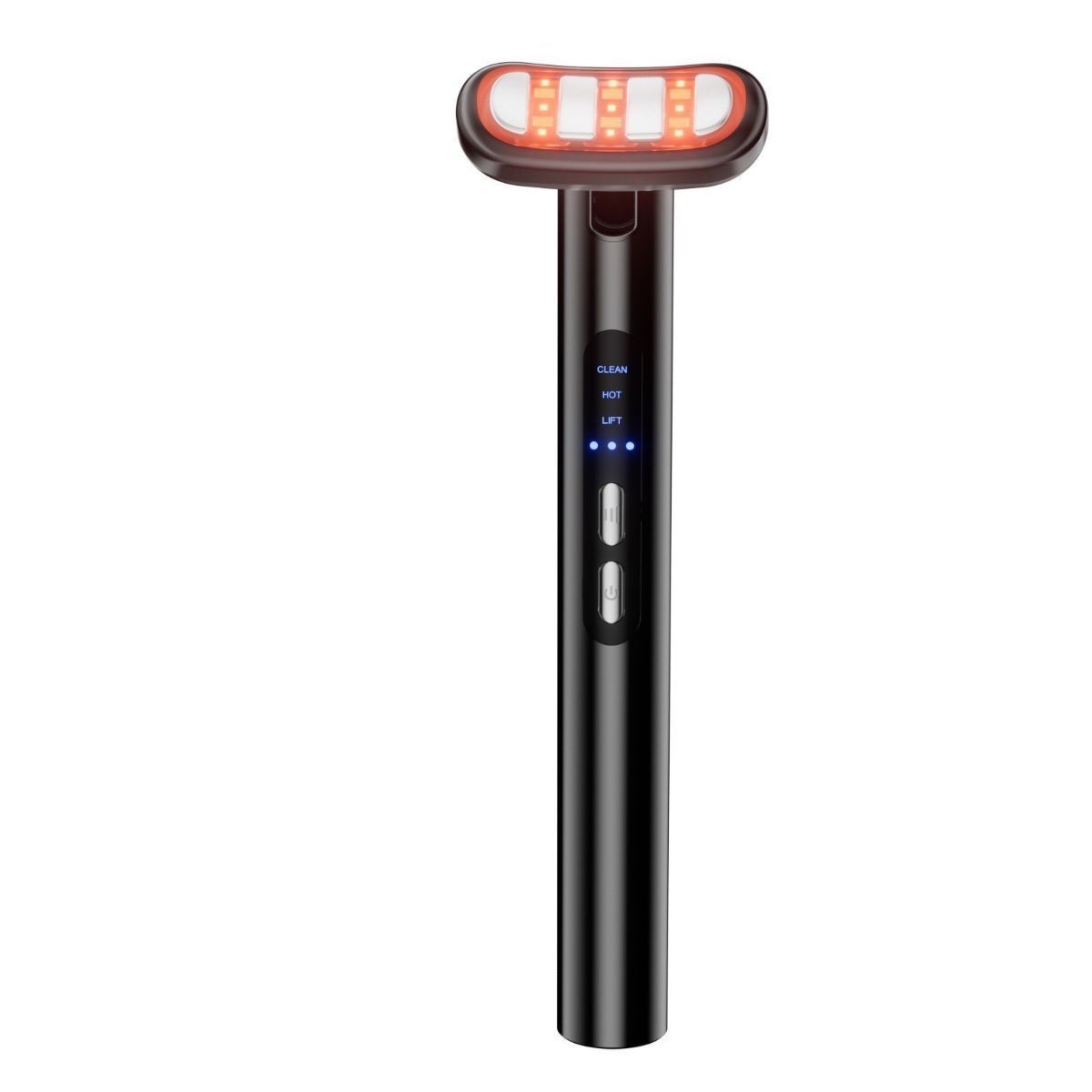
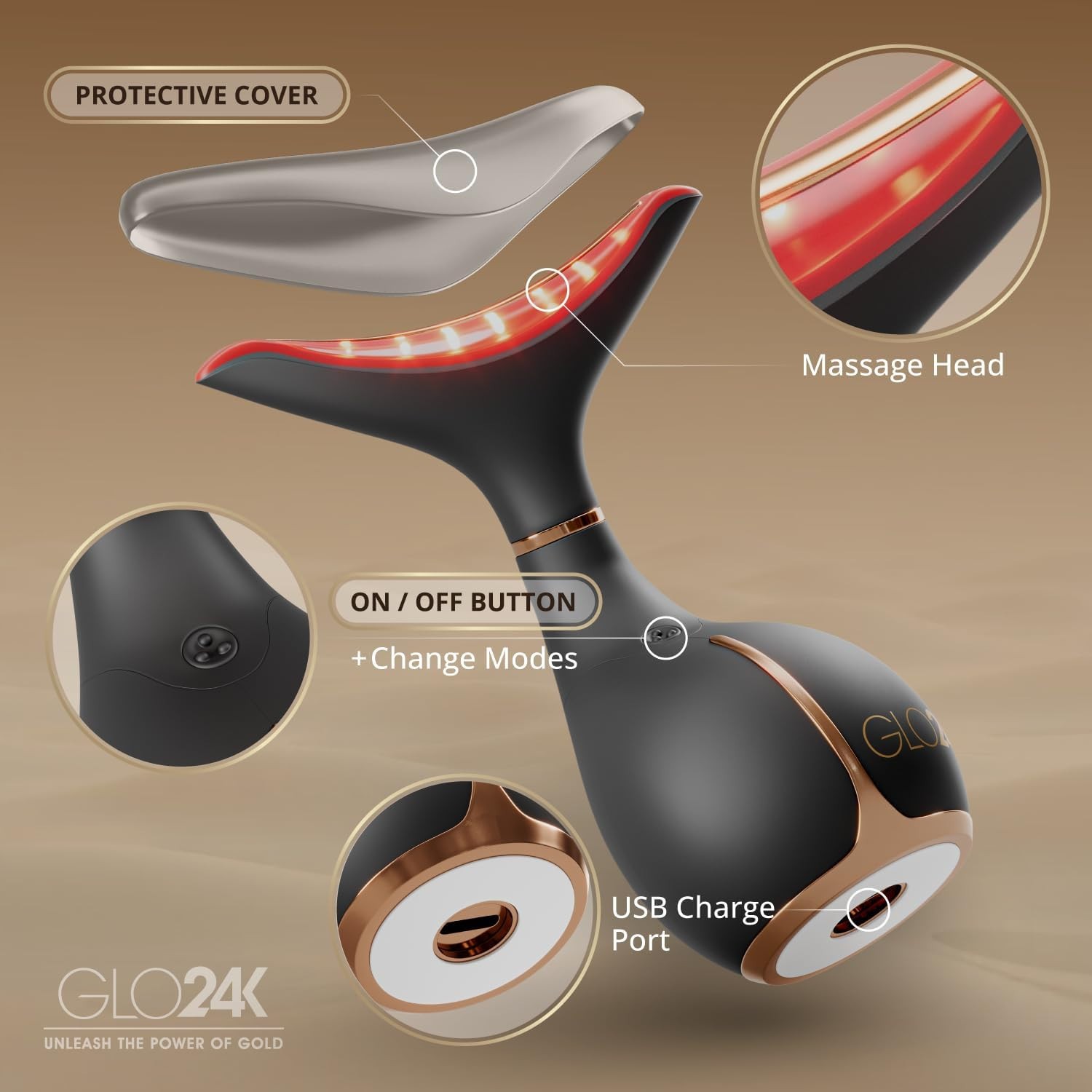
Highlights
- Red light (630–660 nm) penetrates deeper for collagen and wrinkle support; blue light (415–470 nm) targets surface acne bacteria—single-color wands limit use cases.
- Effective at-home therapy needs roughly 3–5 J/cm² per session, so irradiance (mW/cm²) and treatment time matter more than LED count alone.
- Vibration (sonic or micro-current) is an optional add-on that aids lymphatic massage but does not increase light penetration; don't pay a premium for it alone.
- Rechargeable lithium-ion wands with USB-C charging and 20–30 minute runtime per charge are the practical baseline; disposable-button-cell wands are a false economy.
Best use cases
- Best fit: buy a dual red/blue LED wand with published nm and mW/cm² specs if you want one device for both fine-line support and occasional acne flare-ups.
- Best fit: choose a red-only wand with 630–660 nm and at least 3 J/cm² per session if anti-aging/collagen support is your only goal—simpler and often better built.
- Wrong fit: skip any wand with unlisted wavelengths or 'color therapy' claims only; decorative LEDs cannot deliver therapeutic fluence.
- Wrong fit: don't buy a wand with vibration as the headline feature if light specs are absent—you're paying for a massager, not a light therapy device.
Buying tips
- Confirm the wavelength in nanometers (nm): red should be 630–660 nm and blue 415–470 nm; anything outside these bands is not standard photobiomodulation.
- Check irradiance in mW/cm² and session time—aim for a dose of 3–5 J/cm² per area; a wand with 50 mW/cm² needs 60–100 seconds per spot.
- Prefer USB-C rechargeable lithium-ion over micro-USB or button cells for cycle life and convenience; expect at least 20 minutes of continuous use per charge.
- Treat FDA 'cleared' claims cautiously—most at-home LED wands are Class II general wellness devices, not clinical-grade; build quality and spec transparency matter more than badge language.
Specs
| Light Colors | Red 630–660 nm / Blue 415–470 nm |
|---|---|
| Power Source | USB-C rechargeable Li-ion |
| Session Dose | 3–5 J/cm² per area |
| Extra Features | Vibration / warmth optional |
Related searches
What to check before buying
- Confirm the wand's treatment head size and shape suit your target areas—face, neck, or body—since small heads require longer sessions on large zones.
- Verify it includes eye protection (glasses or shield) or that you have your own; direct blue/red LED exposure to eyes is uncomfortable and unnecessary.
- Check charging port and cable type (USB-C preferred) and whether a wall adapter is included, since many wands ship with cable only.
- Ensure the wand's housing is smooth, non-porous, and easy to wipe with alcohol—skin-contact devices need simple sanitation between users.
FAQ
Data sources: eBay / Amazon listings and product attribute feeds Data updated Nov 15, 2026.
Some links on this page are affiliate links. If you buy after clicking one, we may earn a commission at no extra cost to you. This does not change which products appear here or their order. Affiliate disclosure.