Photos from current listings. Actual item, color, and included accessories may vary.
Home Facial Device Buying Guide
Home facial devices span LED masks, microcurrent/RF wands, micro-infusion pens, and multi-probe mesotherapy tools that promise clinic-like results at home. The core trade-off is between low-power cosmetic massage (safe but superficial) and higher-energy modalities like RF, microcurrent, and microneedling that demand correct technique, skin-type compatibility, and sometimes consumable tips. The decision rule: choose a device whose active modality matches your primary skin goal (acne/redness → LED; laxity → RF/microcurrent; texture/scars → micro-infusion) and skip any tool that lacks specify adjustable intensity or a safety certification.


At a glance
- Category
- Beauty Devices
- Data updated
- Nov 15, 2026
Current offers
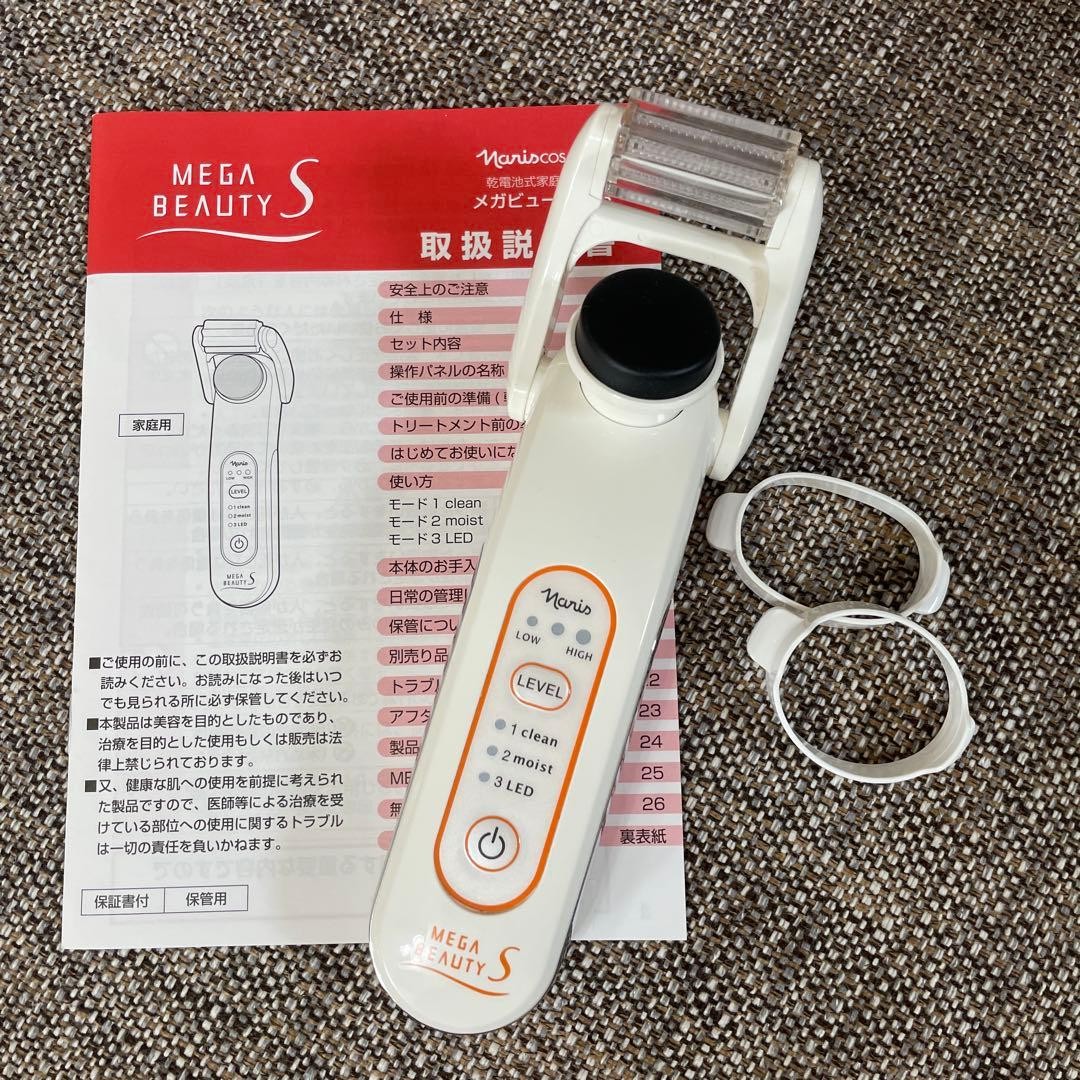 Naris Cosmetics Mega Beauty S Home Facial Device Skin Care Used From Japan$70.00
 View on eBay
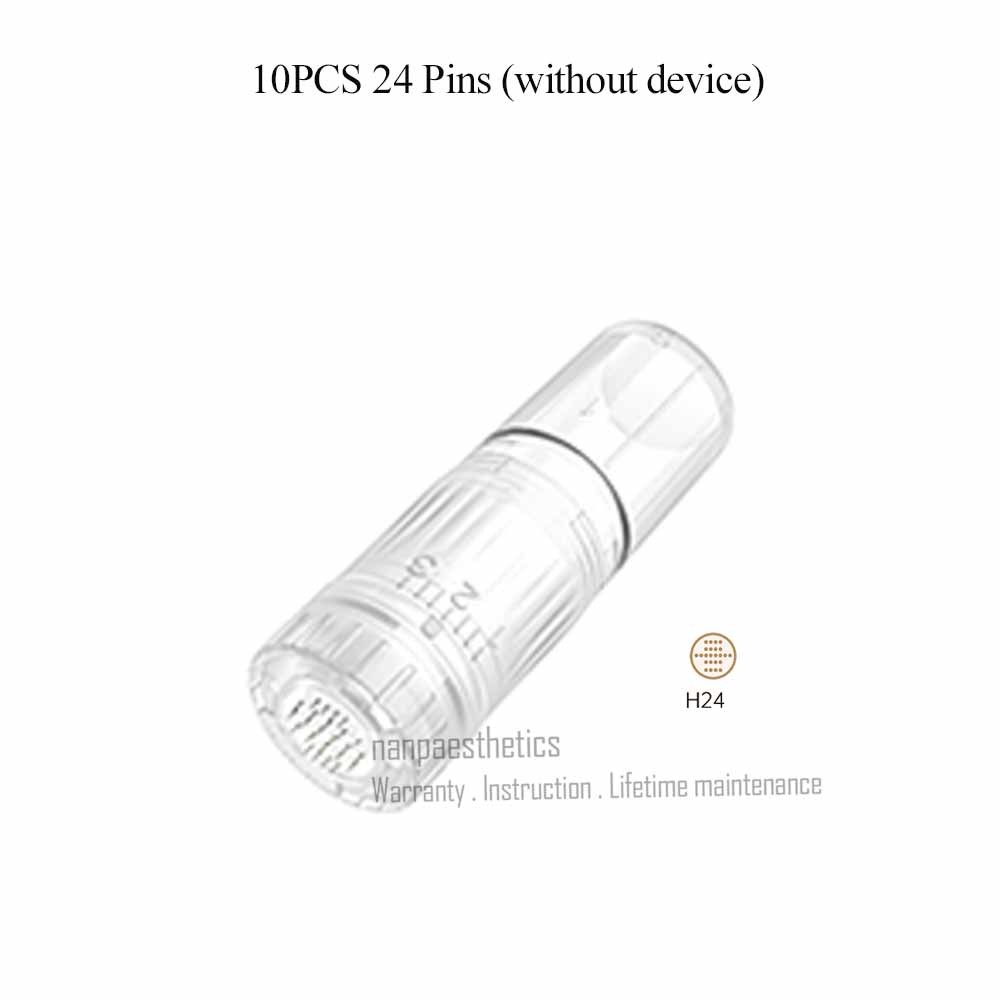 Hydra Pen Home Use Serum Micro Infusion Anti Aging Facial Beauty Device DPH5$19.99View on eBay
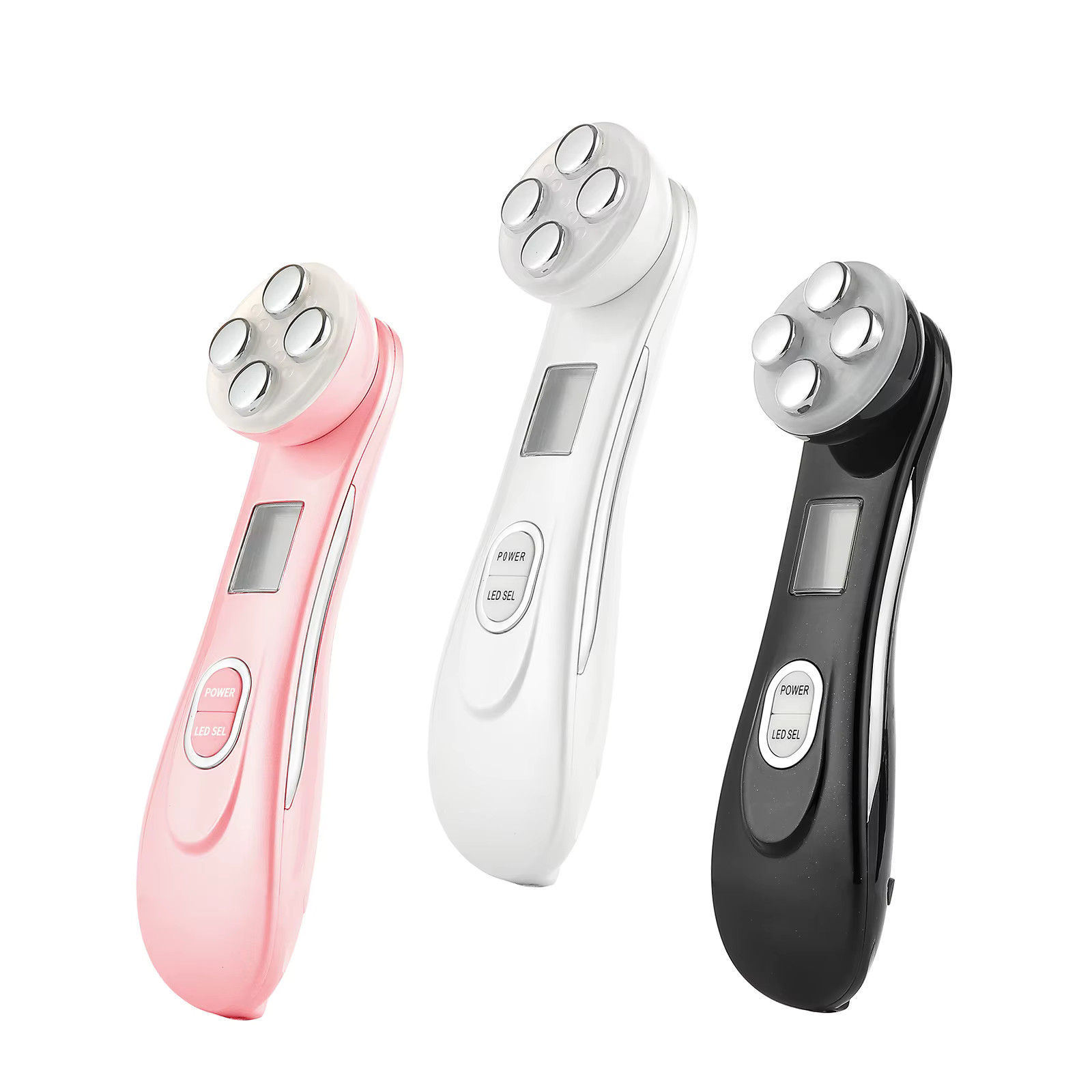 5 In 1 Home Facial Beauty Device Mesotherapy Electroporation RF Radio...$20.59View on eBay
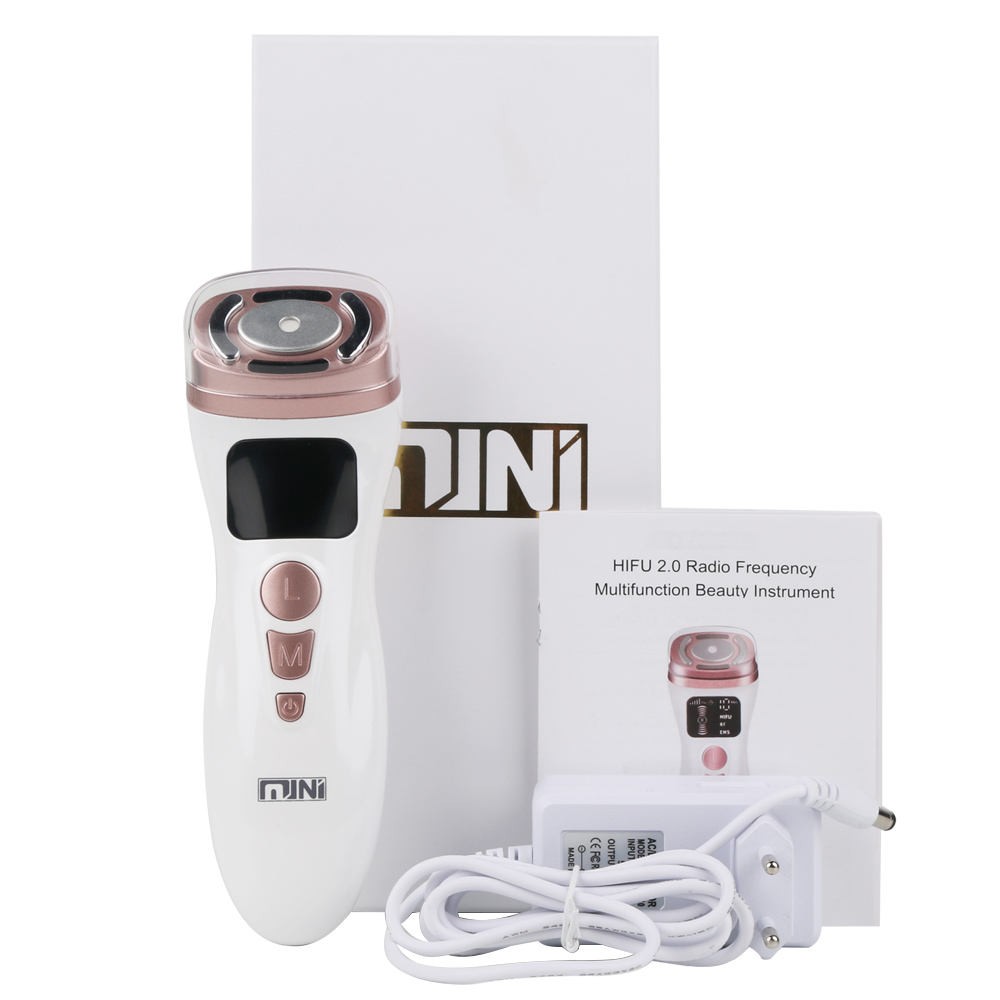 Mini Facial Massager LED Light Anti-Aging Treatment Skin Care Beauty Device Home$69.99View on eBay
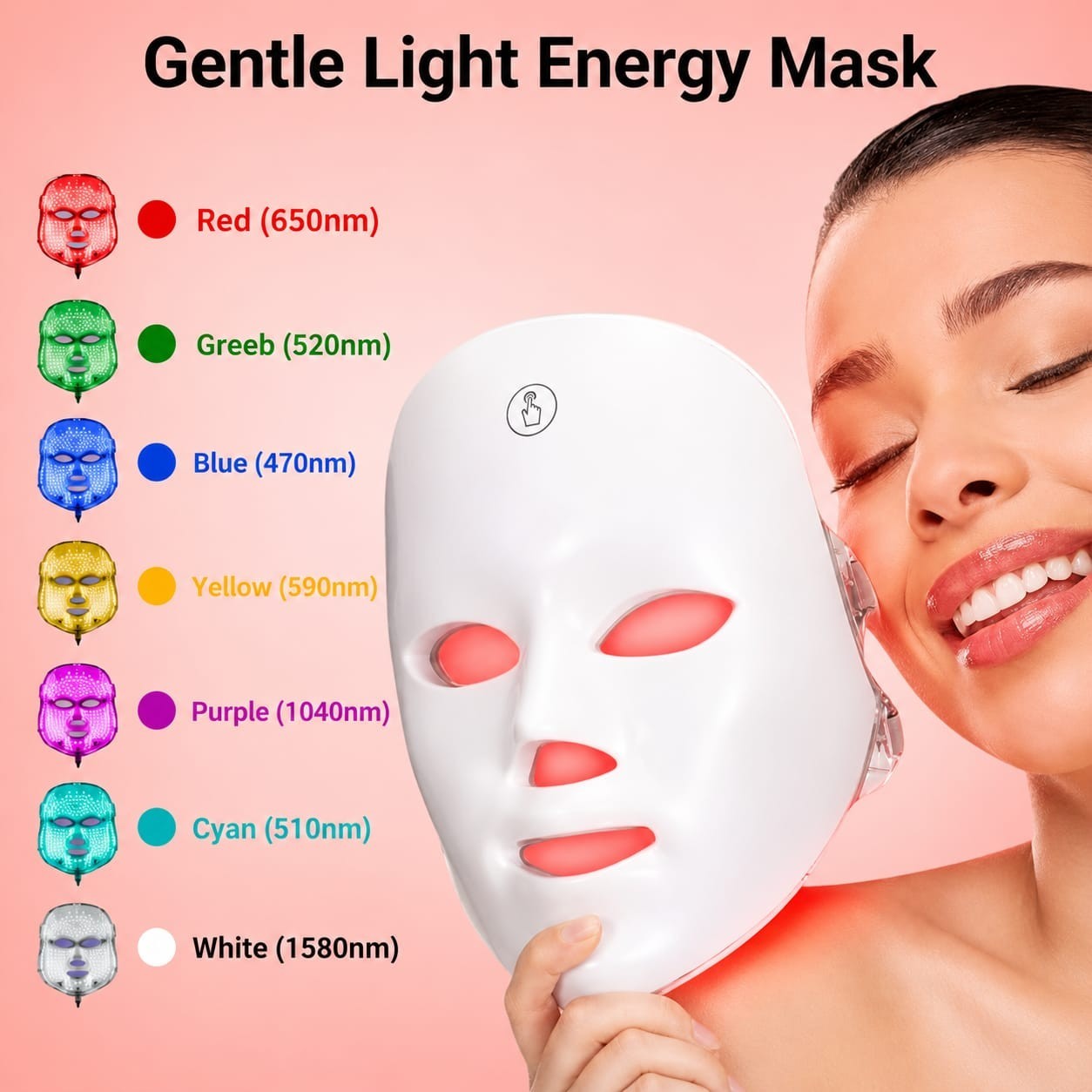 7 Color LED Face Mask Light Therapy Skin Care Device Anti Aging Facial At Home$75.00View on eBay
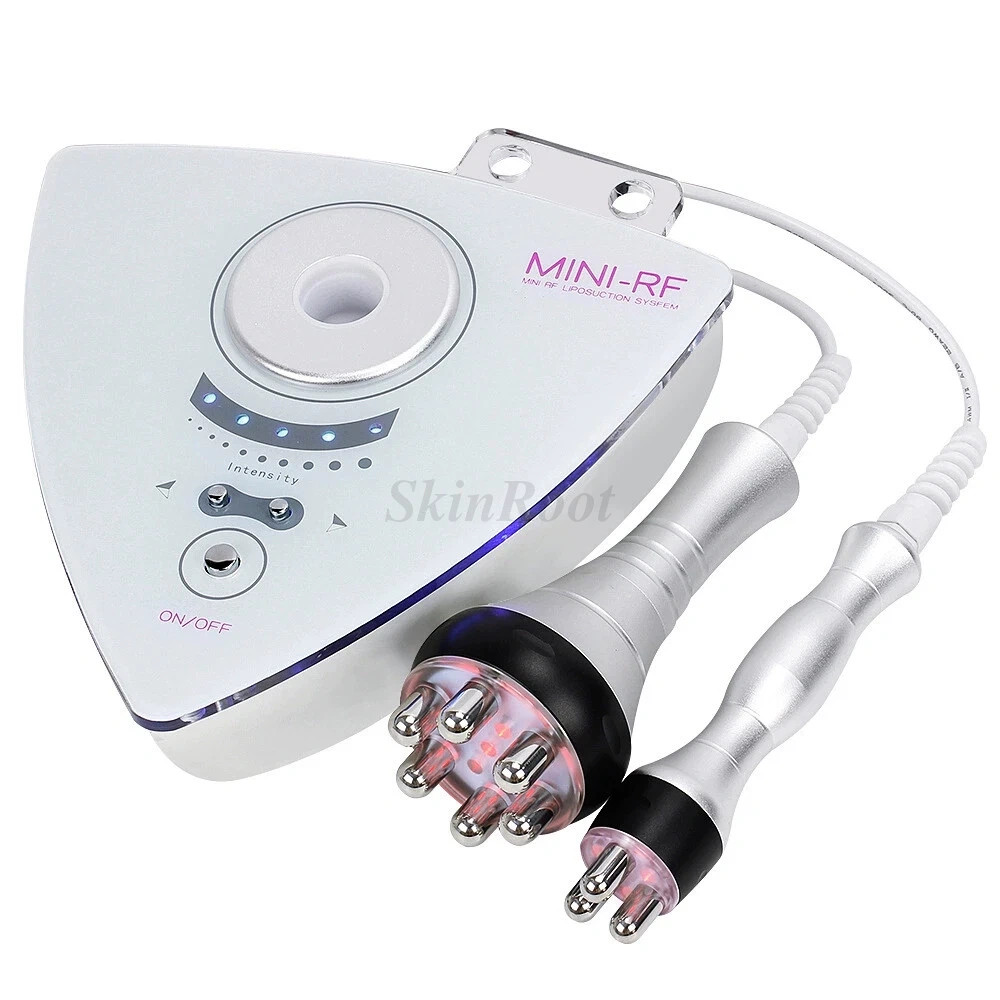 Mini R-F Facial Beauty Device Home Skin Care Tool Face Eye Massage for Skincare$130.99View on eBay
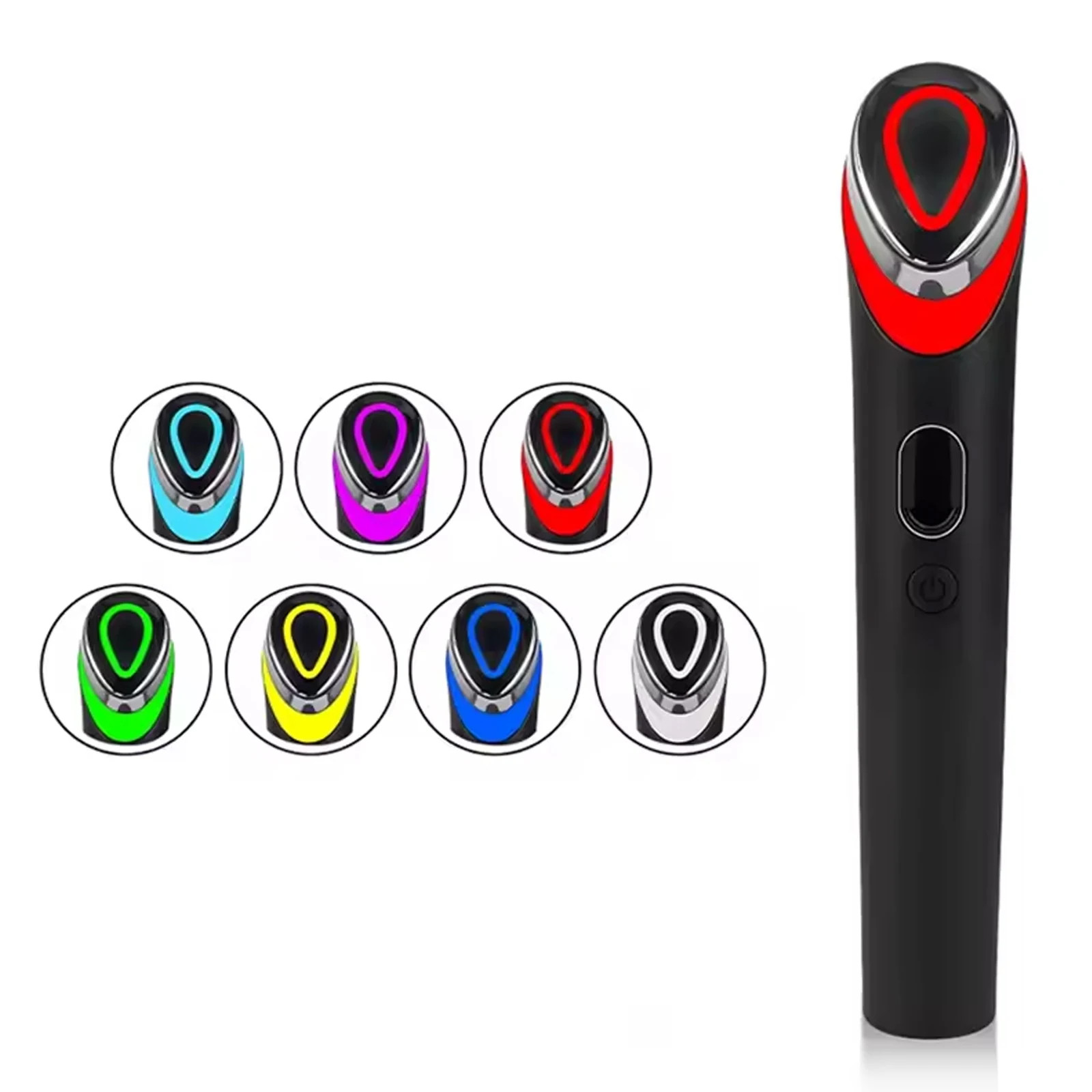 Facial Skin Care Anti Wrinkle Beauty Device Lift Massager Home Beauty Skin Care$150.38View on eBay
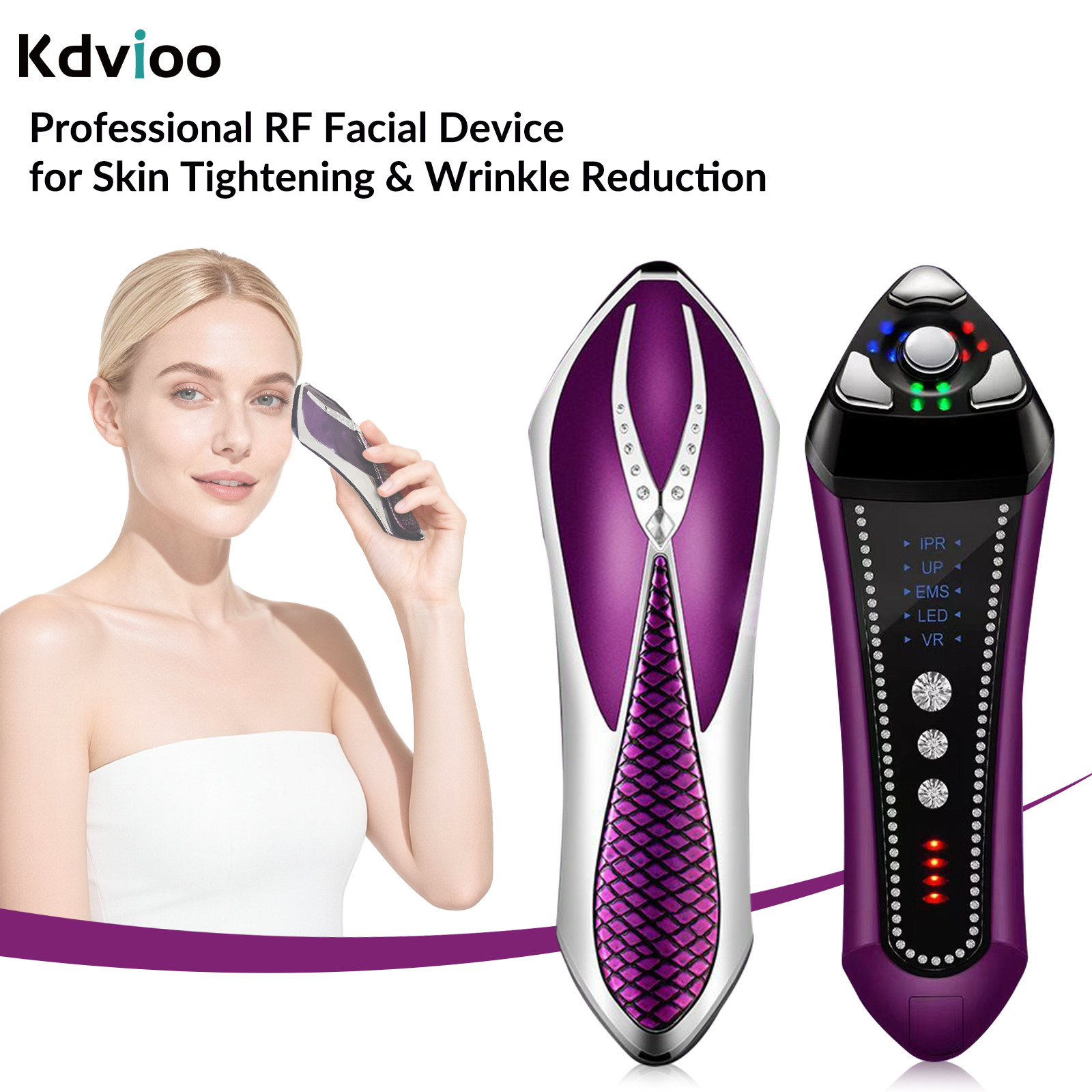 Professional Home Use Facial Device Microcurrent RF Lifting For Skin Tightening$179.00View on eBay
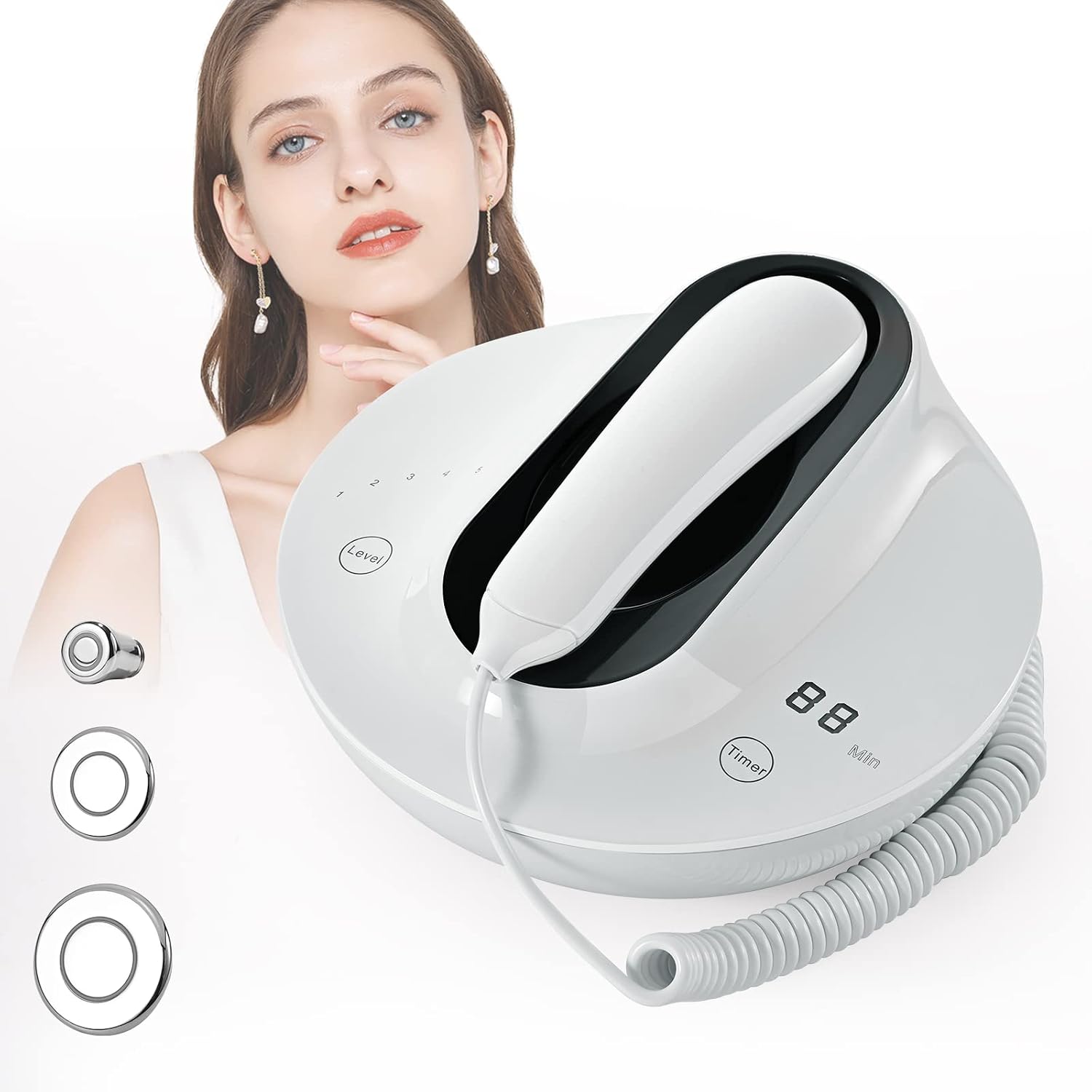 Facial Beauty Device 3 Probes Face Eye Body Skin Care Massage Tool for Home Use$189.05View on eBay
- Facial Beauty Device 3 Probes Face Eye Body Skin Care Massage Tool for Home Use$199.00View on eBay
- Facial Beauty Device 3 Probes Face Eye Body Skin Care Massage Tool for Home Use$199.00View on eBay
- Facial Beauty Device 3 Probes Face Eye Body Skin Care Massage Tool for Home Use$199.00View on eBay
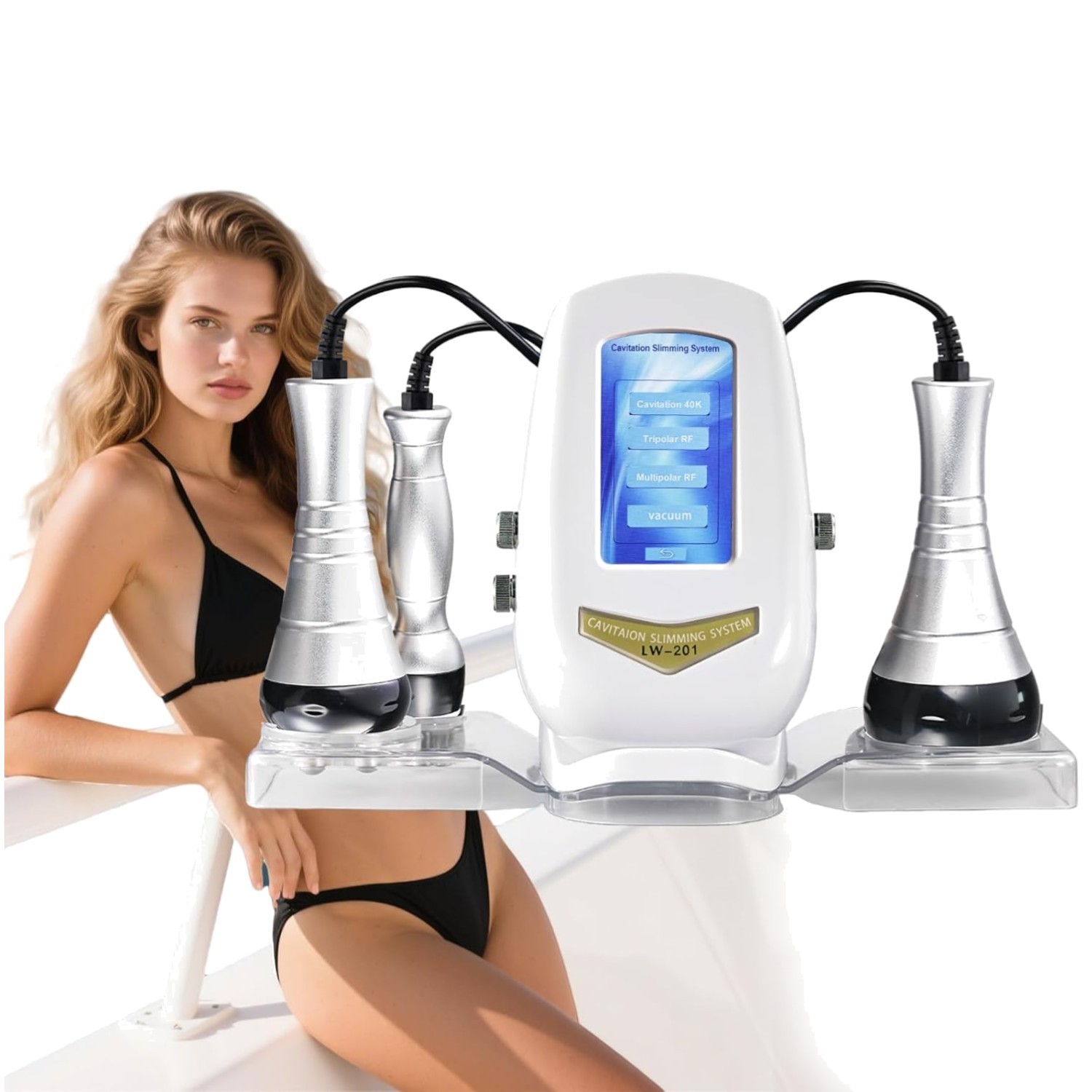 Elite Home Facial Beauty Device$230.99View on eBay
Highlights
- LED masks use 7 distinct wavelengths (red 630-660 nm, blue 415 nm, etc.); real efficacy requires irradiance ≥ 30 mW/cm² and 10-20 minute sessions, not just colored lights.
- Microcurrent devices output 20-600 µA; below 100 µA is cosmetic only, while 200-600 µA approaches physiotherapy-grade lifting but requires conductive gel and strict 5-minute-per-zone limits.
- RF facial wands typically operate 1-3 MHz; bipolar RF with 2-3 cm² active area heats dermis to 40-45°C, so devices without skin-temperature sensors or timed shutoff risk burns.
- Micro-infusion pens use 0.25-0.5 mm needle depth adjustable in 0.05 mm steps; depth under 0.5 mm stays epidermal (low pain, low downtime), while 0.5-1.0 mm reaches dermis for collagen induction and needs numbing cream.
Best use cases
- Best fit for acne-prone or sensitive skin: pick a 7-color LED mask (blue 415 nm for bacteria, red 630 nm for healing) with a flexible silicone shell and eye cutouts; skip metal-probe RF wands that drag on inflamed skin.
- Best fit for early laxity and jawline definition: choose a microcurrent or bipolar RF device with at least 3 intensity levels and a 5-minute auto-timer per zone; skip single-speed mini massagers that cannot sustain current.
- Best fit for texture, pores, and acne scars: select a micro-infusion pen with adjustable 0.25-0.5 mm depth and sterile disposable 12-pin cartridges; skip needle-free "electroporation" pens that only push serums superficially.
- Wrong fit for anyone expecting instant wrinkle removal: home devices deliver cumulative collagen remodeling over 8-12 weeks, so buyers wanting same-day lift should not buy any at-home RF or microcurrent tool.
Buying tips
- Match modality to goal: LED for inflammation/acne, microcurrent for muscle tone/lifting, RF for dermal collagen, micro-infusion for texture—avoid 5-in-1 combo tools because each mode is underpowered.
- For LED masks, verify ≥ 3 wavelengths and a stated irradiance in mW/cm²; masks listing only "7 colors" without wavelength numbers are decorative toys, not therapy devices.
- For RF wands, require a bipolar electrode pair (not unipolar) and a skin-temperature cutoff or 10-minute auto-off; unipolar RF without grounding is unsafe for home use.
- For micro-infusion pens, confirm the needle cartridge is a standard 12-pin or 36-pin disposable type with 0.25-0.5 mm adjustable depth; pens with fixed 1.0 mm+ depth are clinic-grade and not for beginners.
Specs
| Modality | LED / Microcurrent / RF / Micro-infusion |
|---|---|
| LED Wavelengths | 3-7 colors; red 630-660 nm, blue 415 nm |
| Microcurrent Output | 20-600 µA, 3+ intensity levels |
| Needle Depth | 0.25-0.5 mm adjustable home range |
Related searches
What to check before buying
- Measure your face width and mask circumference: a rigid LED mask must clear your nose bridge and eye sockets; flexible silicone masks fit 95% of adult faces, hard plastic masks often do not.
- Confirm your electrical standard: most home facial devices are USB-C or 100-240 V adapters; Japanese-market devices (like Naris) are 100 V only and need a step-down transformer in 120/230 V regions.
- Check skin sensitivity and active ingredients: microcurrent and RF require a conductive gel or water-based serum (no oil, no acid); LED masks work on clean dry skin with no consumables.
- Verify replacement consumables: micro-infusion pens need sterile cartridges every 1-2 weeks, and RF/microcurrent wands need conductive gel—factor these ongoing costs before choosing a tier.
FAQ
Data sources: eBay / Amazon listings and product attribute feeds Data updated Nov 15, 2026.
Some links on this page are affiliate links. If you buy after clicking one, we may earn a commission at no extra cost to you. This does not change which products appear here or their order. Affiliate disclosure.