Photos from current listings. Actual item, color, and included accessories may vary.
Hair Removal Device Buying Guide
Hair removal devices split into two true technologies: intense pulsed light (IPL) and diode laser, each defined by fluence and wavelength rather than marketing claims. The core trade-off is treatment energy versus safety and skin-tone compatibility, since high fluence clears hair faster but demands contrast between pigment and skin. Buy IPL for broad, affordable full-body sessions on light-to-medium skin; buy diode laser only when you need higher peak energy and can accept a smaller treatment window and higher cost.


At a glance
- Category
- Beauty Devices
- Data updated
- Nov 15, 2026
Current offers
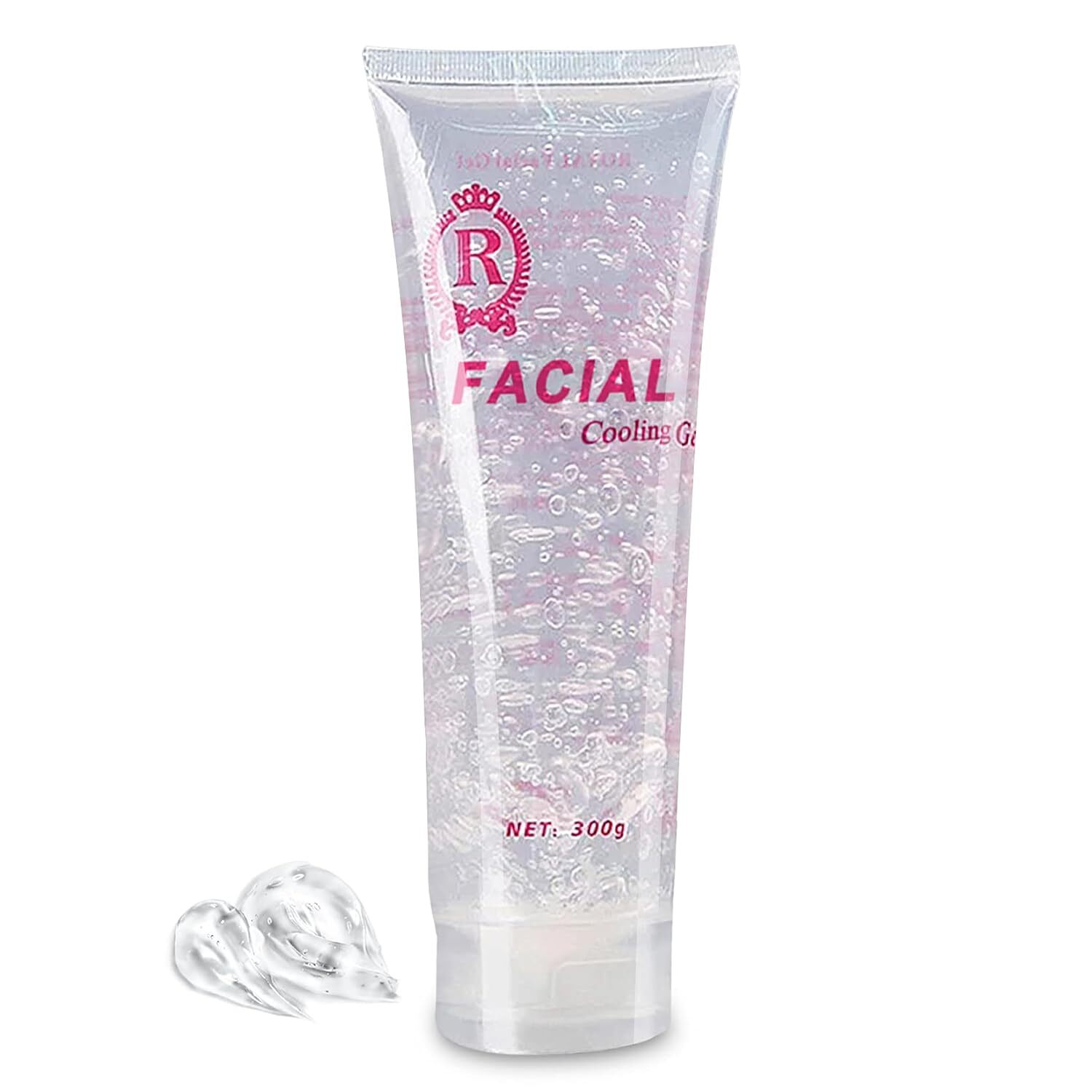 Cooling Gel For IPL Laser Hair Removal Devices Coupling Gel Facial Care Machines$12.34
 View on eBay
 Facial Hair Removal Device for Women - USB Rechargeable, LED Light, 2 Heads, Ros$35.99View on eBay
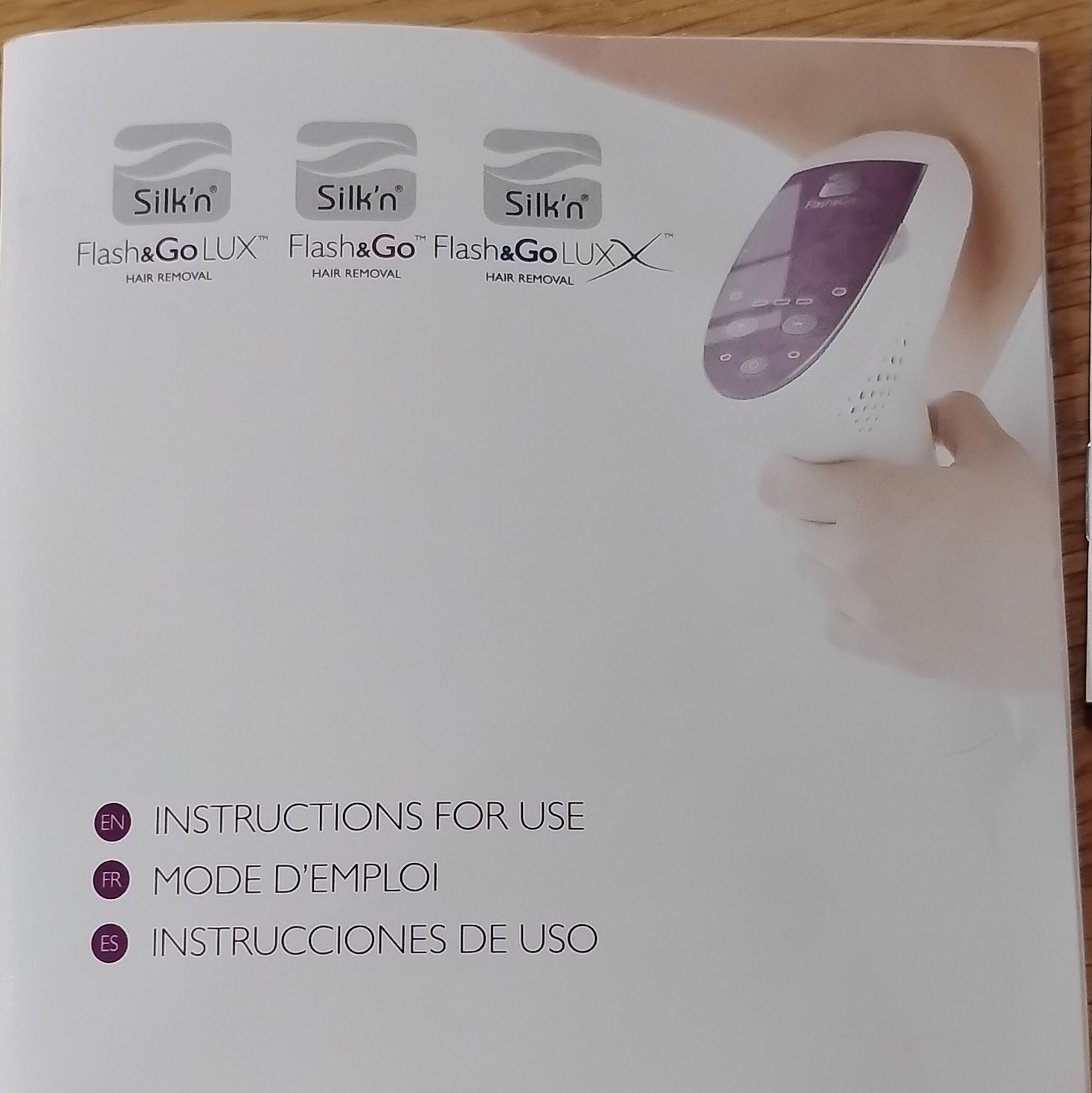 Silk'n Flash&Go Lux IPL Hair Removal Device, White/Blue, Corded Electric$37.50View on eBay
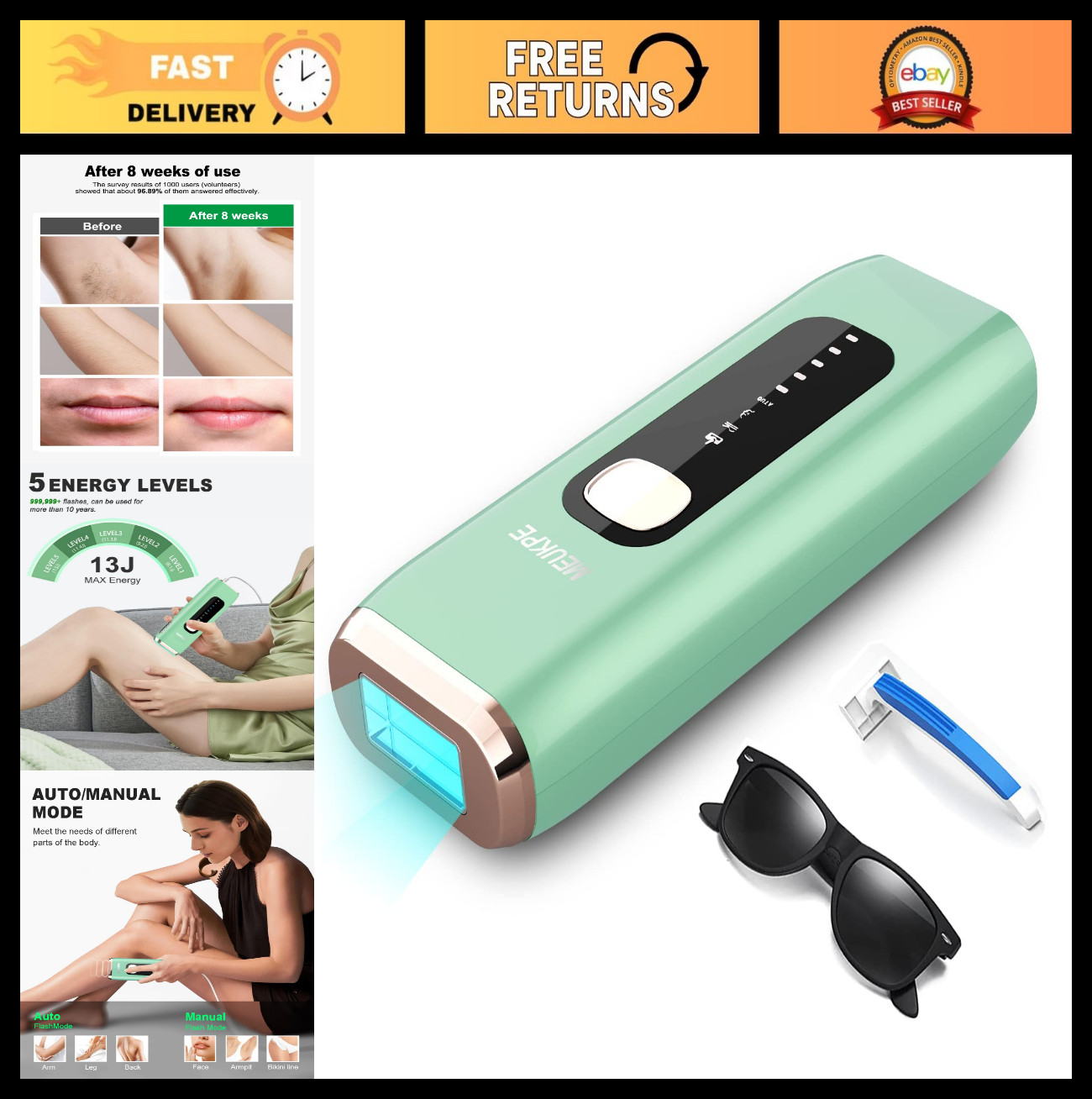 IPL Hair Removal Device for Face, Legs, Arms & Bikini Line - At-Home Laser Treat$64.99View on eBay
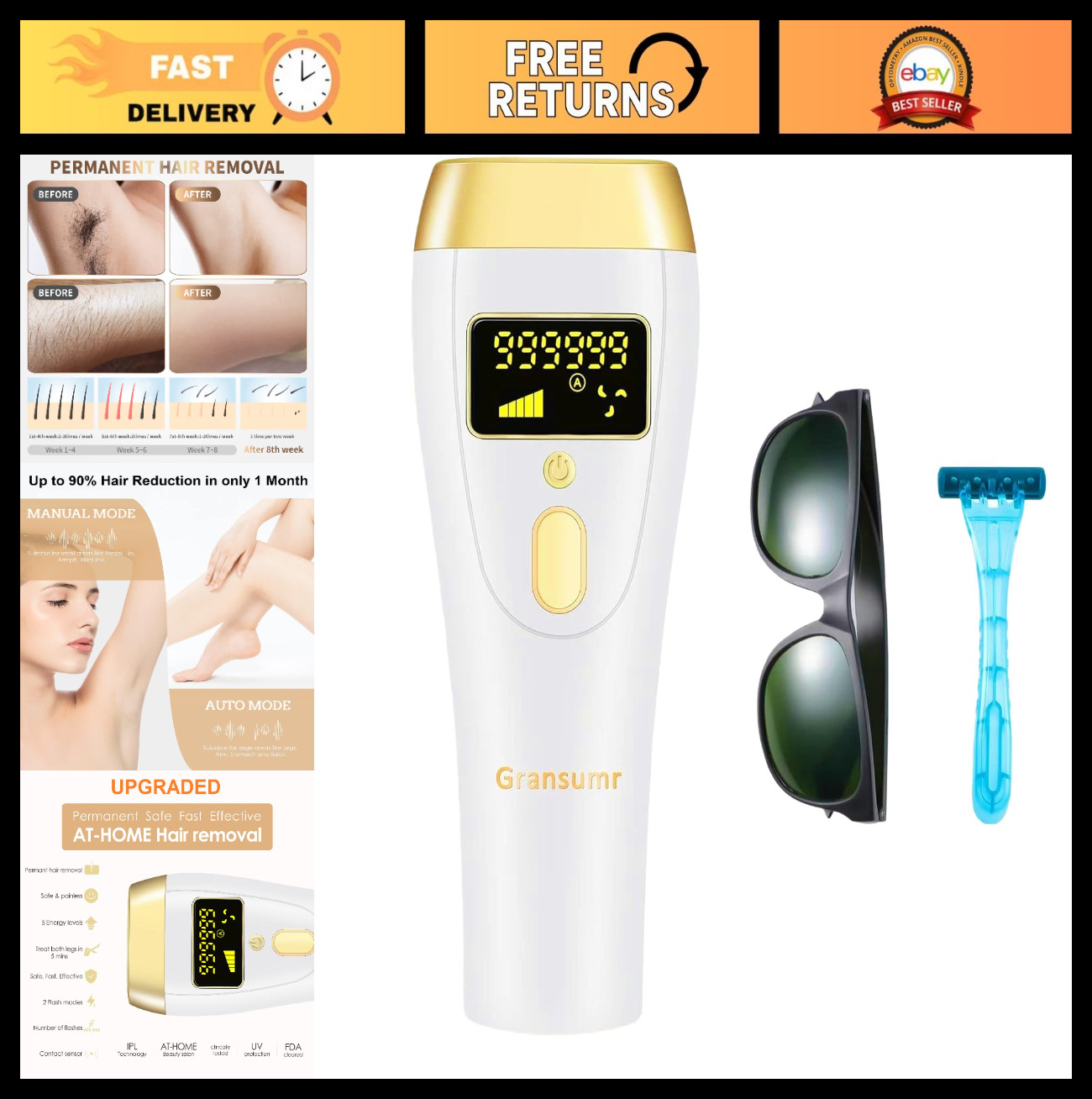 At-Home IPL Laser Hair Removal Device - Painless, 5 Modes, 86% Hair Reduction, F$74.99View on eBay
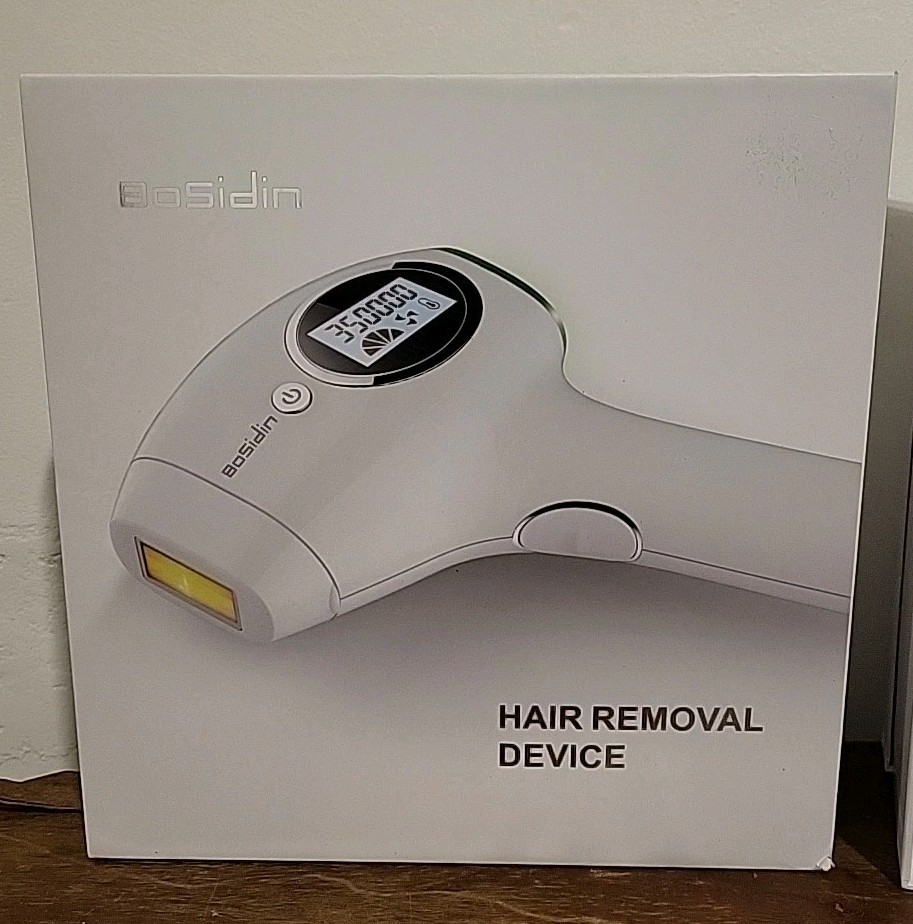 BoSidin IPL Permanent Hair Removal Device - (Women/Men) Electric Works NOB 2019$78.00View on eBay
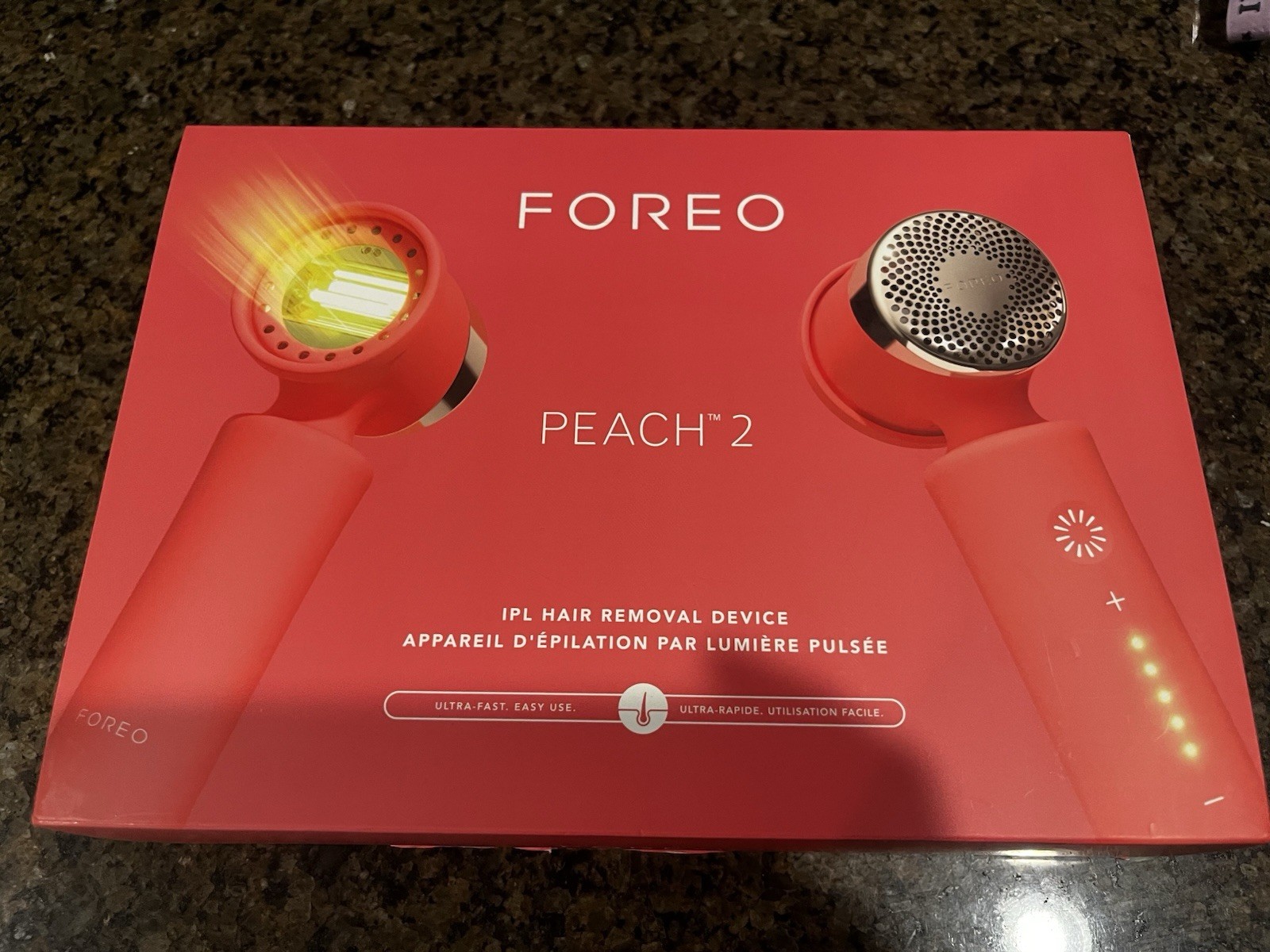 NIB FOREO PEACH 2 IPL Hair Removal Device Open Box Excellent Personal Machine$110.00View on eBay
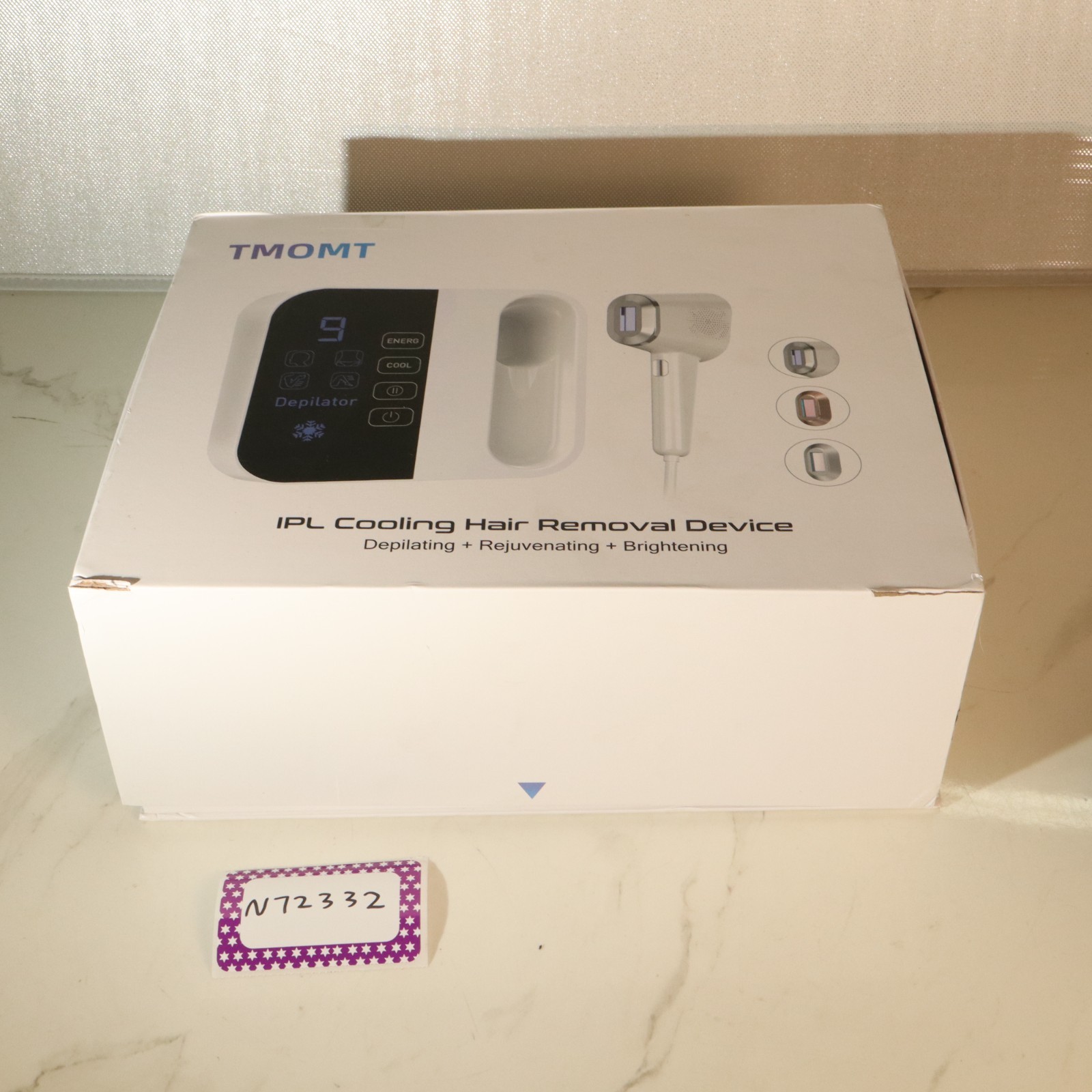 TMOMT IPL Ice Cooling Hair Removal Device Sapphire Depilator 3 Replaceable Lamp$169.99View on eBay
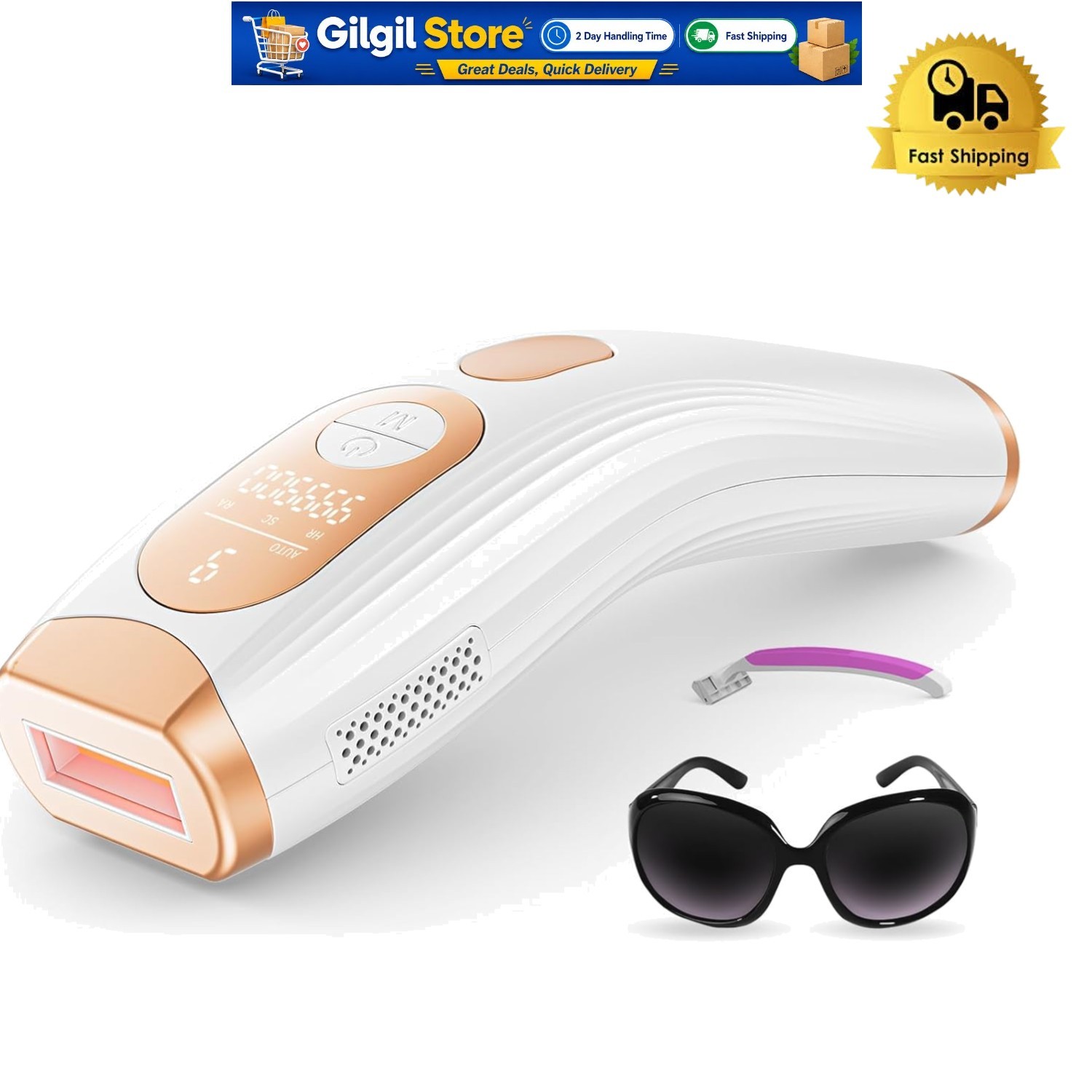 Salon-Quality Hair Removal Device with Accessory Kit - 94% Reduction in 8 Weeks$174.78View on eBay
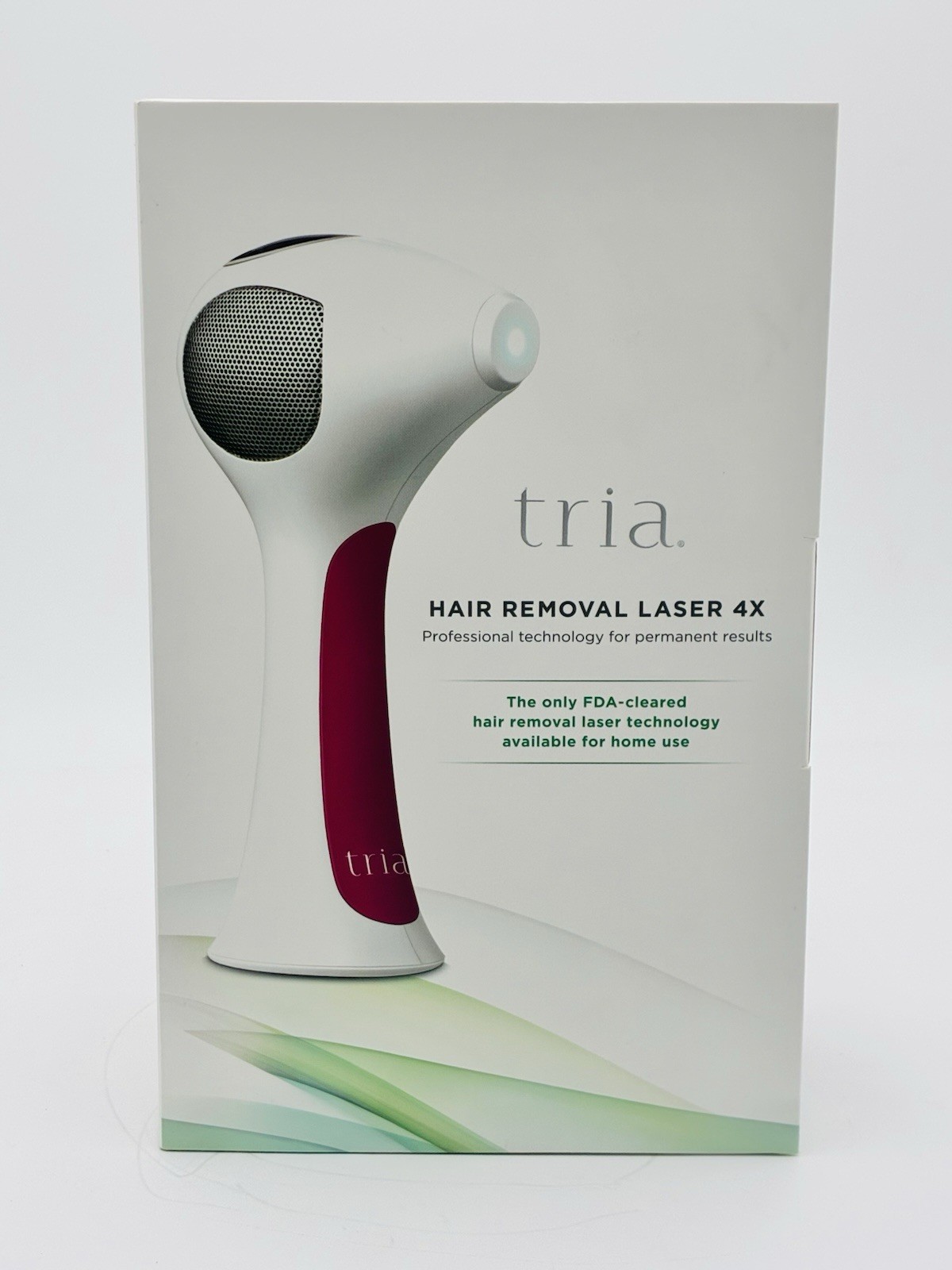 Tria Beauty 4X Diode Laser Hair Removal Device LHR 4.0 Pink & White BRAND NEW✅✅✅$189.99View on eBay
 Ulike IPL Laser Hair Removal Device Air 10 - Certified Refurbished$199.00View on eBay
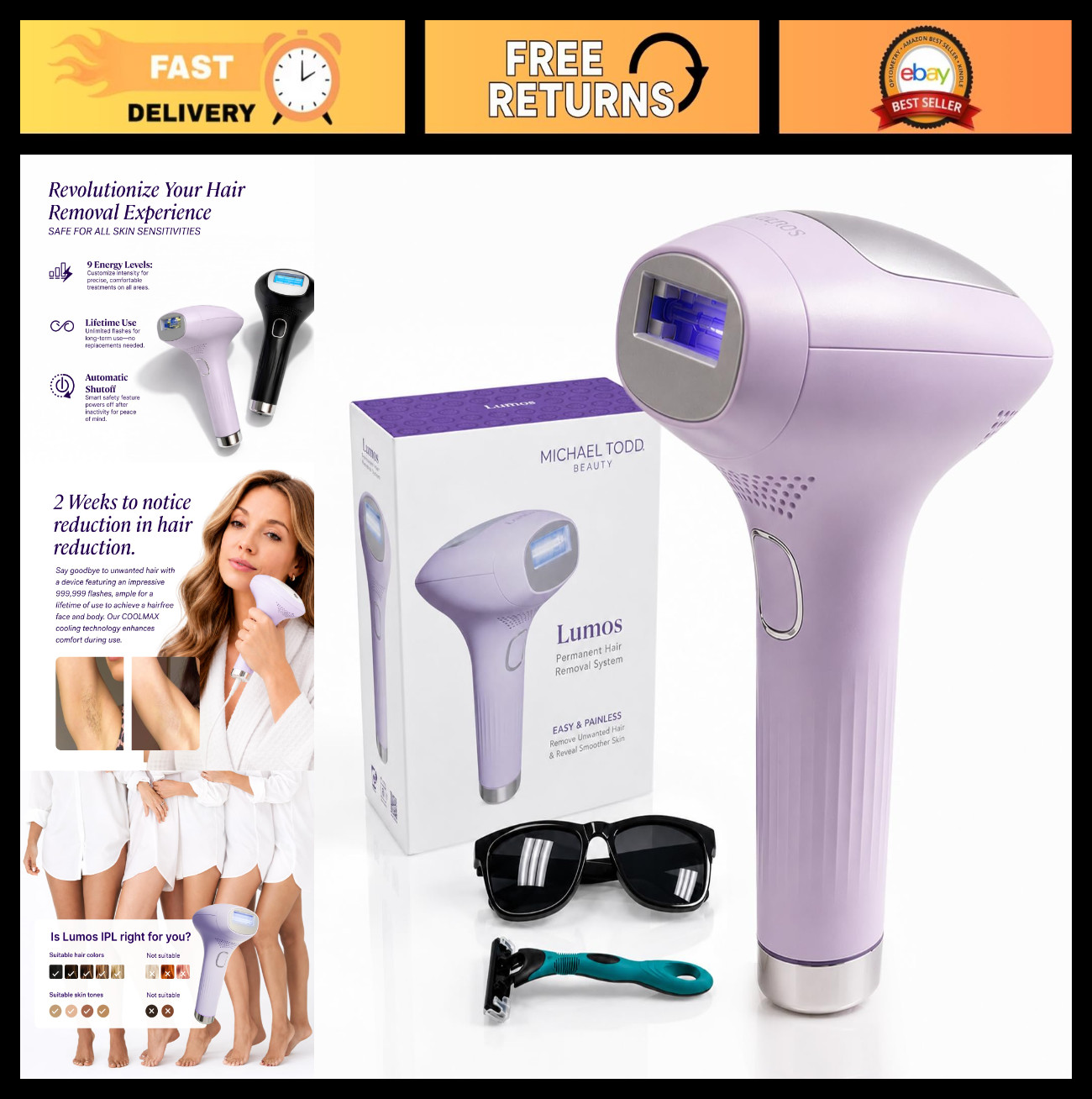 IPL Hair Removal Device for Women & Men, 999,999 Flashes, CoolMax Tech, 3-in-1$237.99Last checked Nov 14, 2026View on eBay
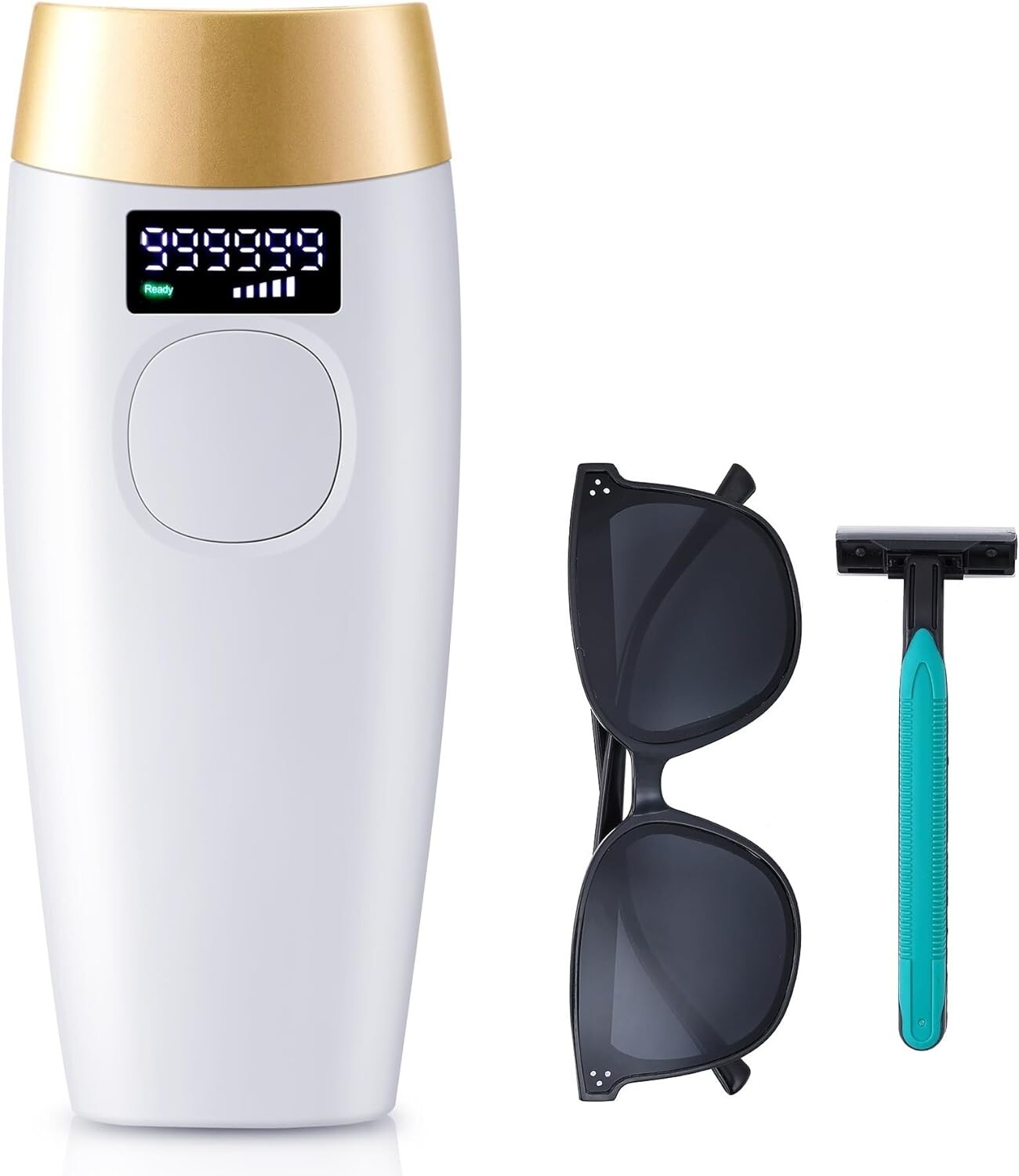 Hair Removal Devices$299.00View on eBay
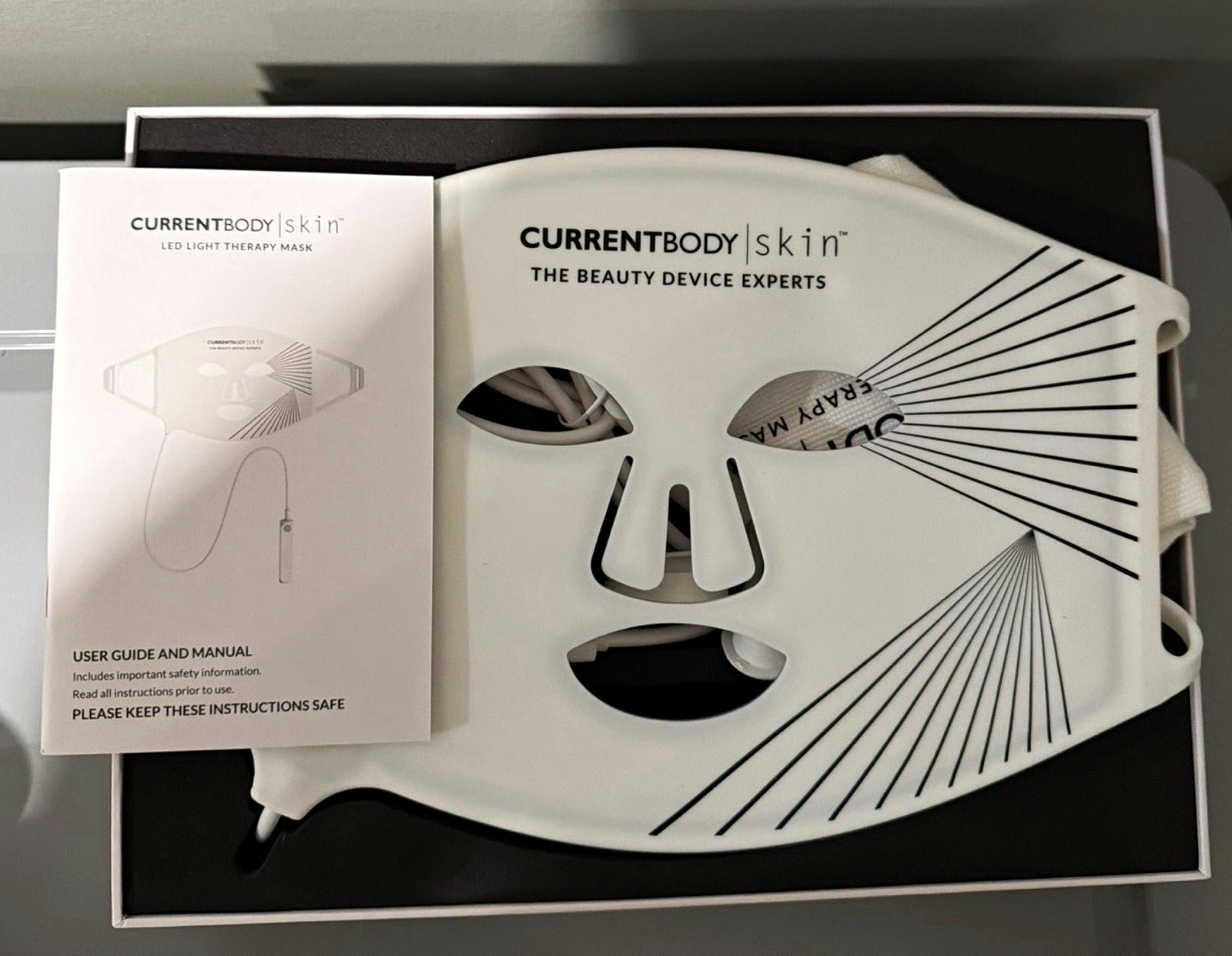 Beauty Bundle with LED Light Therapy Mask and Hair Removal Device$350.00Last checked Nov 14, 2026View on eBay
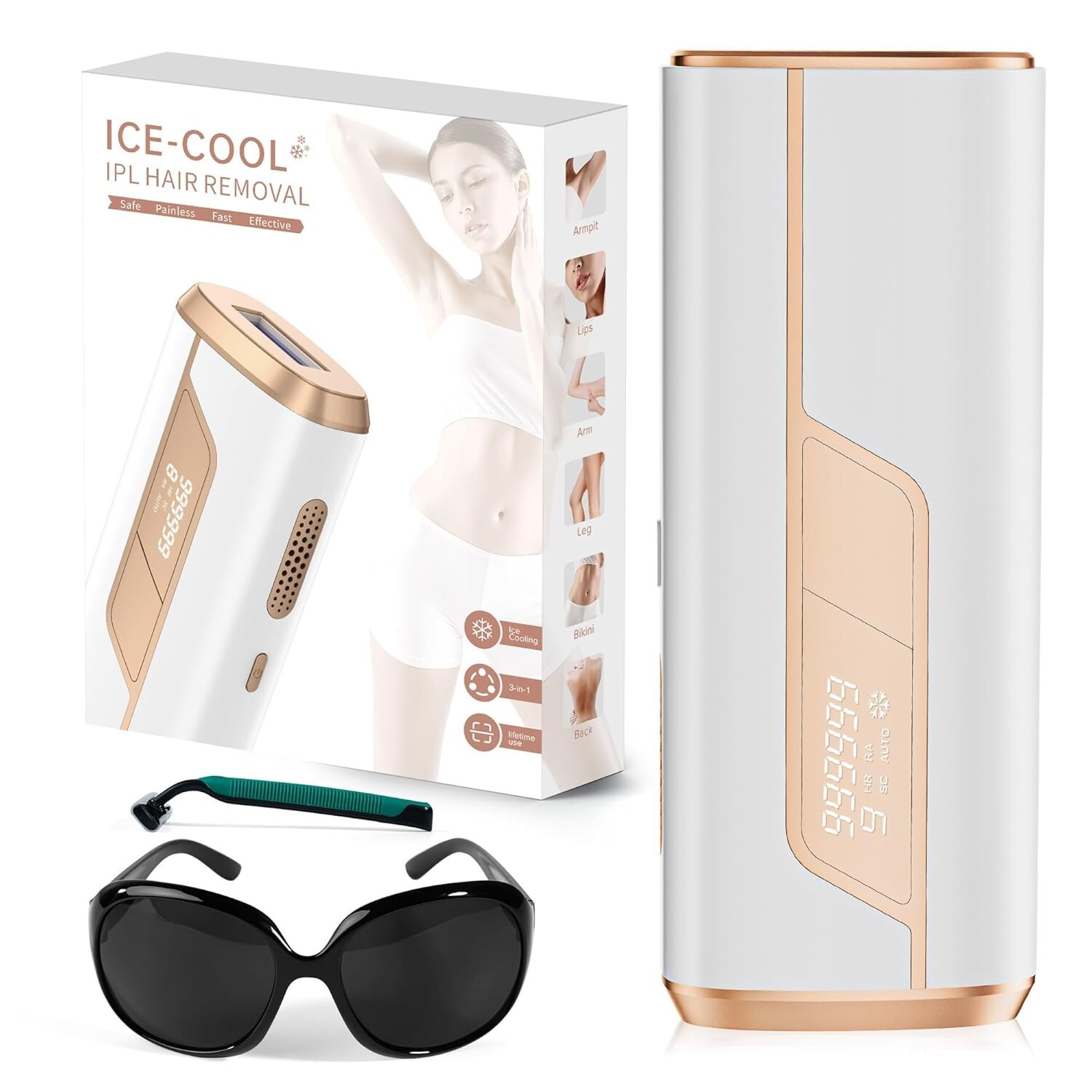 Hair Removal Devices$399.00View on eBay
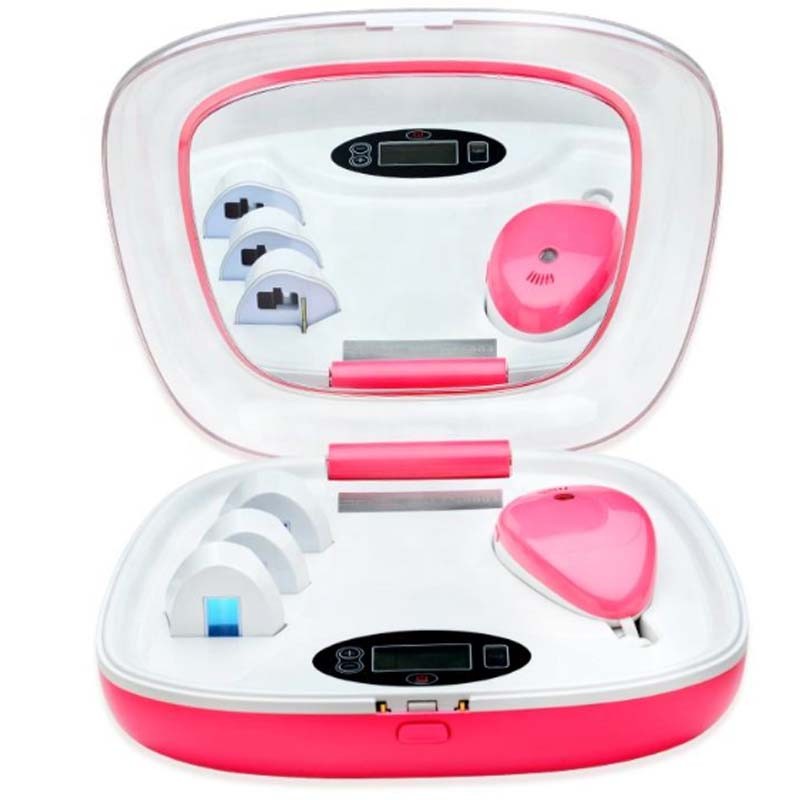 Portable IPL Hair Removal Device for Men Women Best Selling Beauty Personal Care$599.86Last checked Nov 14, 2026View on eBay
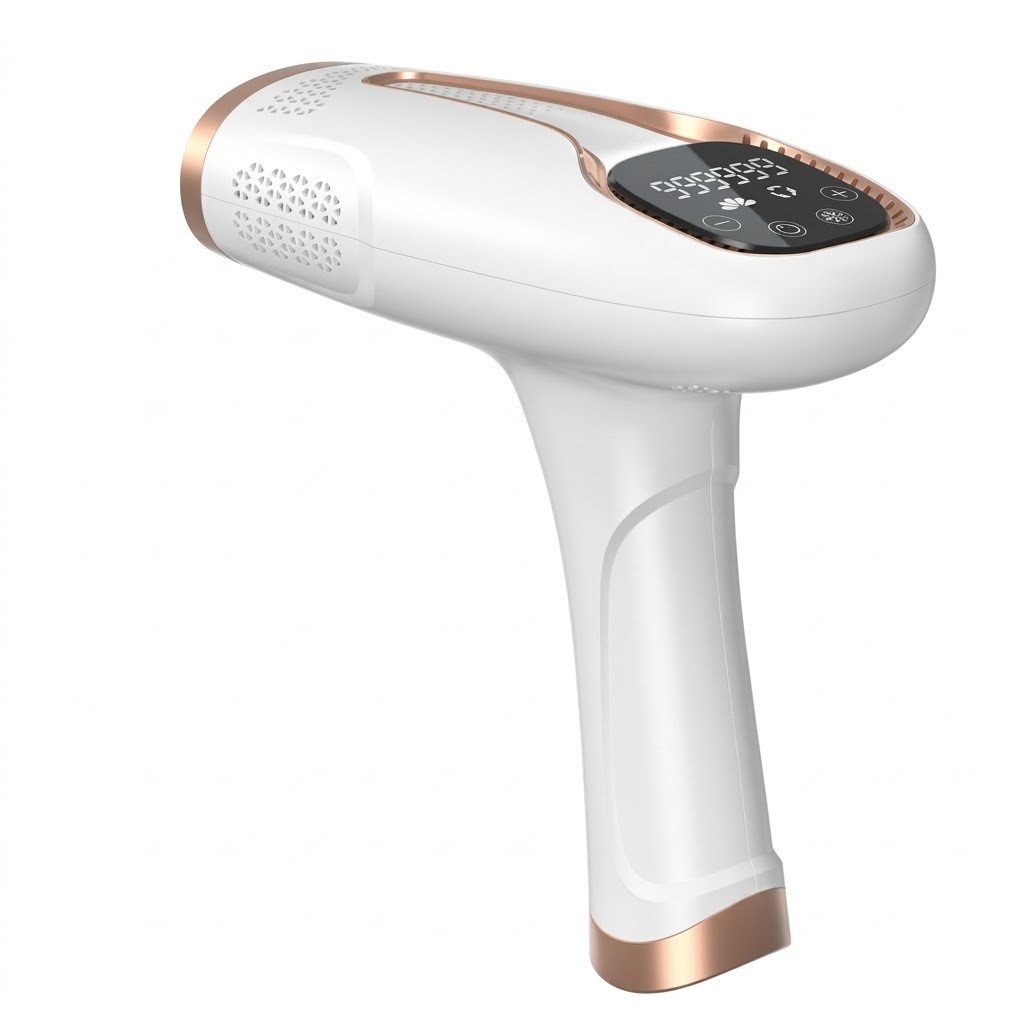 Laser Hair Removal IPL Device Painless LCD Permanent Home Beauty Tool$56.99View on eBay
Highlights
- IPL devices emit broad-spectrum 475–1200 nm pulses; diode lasers use a single ~808 nm wavelength for deeper, more concentrated follicular targeting.
- Effective IPL home devices deliver roughly 3–6 J/cm² per pulse; diode home units reach 7–12 J/cm², which is why laser sessions are fewer but more intense.
- Sapphire or ice-cooling contact windows keep skin at safe temperatures, allowing higher fluence without burning—cooling is a performance feature, not a gimmick.
- Lamp or cartridge life is the hidden consumable: IPL flashes typically last 100k–300k shots, while diode units often use replaceable cartridges rated per body zone.
Best use cases
- Best fit: light-to-olive skin with dark hair—choose a multi-fluence IPL with cooling and 300k+ flashes for face, legs, arms, and bikini line.
- Best fit: coarse or resistant hair on small areas—choose a diode laser device if you have high skin-hair contrast and want fewer, stronger sessions.
- Wrong fit: deep brown or black skin tones—skip IPL entirely unless the device explicitly lists a safe melanin sensor and low-fluence mode; diode with melanin sensing is the safer path.
- Wrong fit: white, grey, or blond hair—skip both IPL and diode, because neither targets hair without melanin pigment; these devices will not work on non-pigmented hair.
Buying tips
- Match fluence to skin tone: start at 3–4 J/cm² on medium skin and only move to 5–6 J/cm² if you have high contrast and no redness after 24 hours.
- Count flashes before buying: a full-leg plus bikini regimen needs about 20k–30k flashes per year, so a 100k-flash lamp lasts roughly 3–4 years.
- Check the spot size: 3–5 cm² windows cover legs quickly, while 1–2 cm² facial caps are needed around the upper lip and chin.
- Prefer devices with a skin-tone sensor and UV filter; these two safety features separate clinical-grade home units from unbranded low-fluence lamps.
Specs
| Technology | IPL broad-spectrum vs diode ~808 nm |
|---|---|
| Fluence Range | IPL 3-6 J/cm²; diode 7-12 J/cm² |
| Flash Life | 100k-300k shots (IPL lamps) |
| Skin Tone Support | Fitzpatrick I-IV (IPL); I-V (diode) |
Related searches
What to check before buying
- Confirm your skin tone sits on the device's Fitzpatrick scale chart—most IPL units support types I–IV, diode units often I–V with sensing.
- Measure the treatment area: a 3 cm² window needs about 8–10 passes per lower leg, so battery or corded power must sustain 30+ minutes.
- Verify plug and voltage: corded IPL units are region-specific 100–240 V; USB-rechargeable facial devices are universal but lower fluence.
- Buy the companion gel: coupling gel is required for diode and some IPL windows to transmit light and prevent surface burns.
FAQ
Data sources: eBay / Amazon listings and product attribute feeds Data updated Nov 15, 2026.
Some links on this page are affiliate links. If you buy after clicking one, we may earn a commission at no extra cost to you. This does not change which products appear here or their order. Affiliate disclosure.