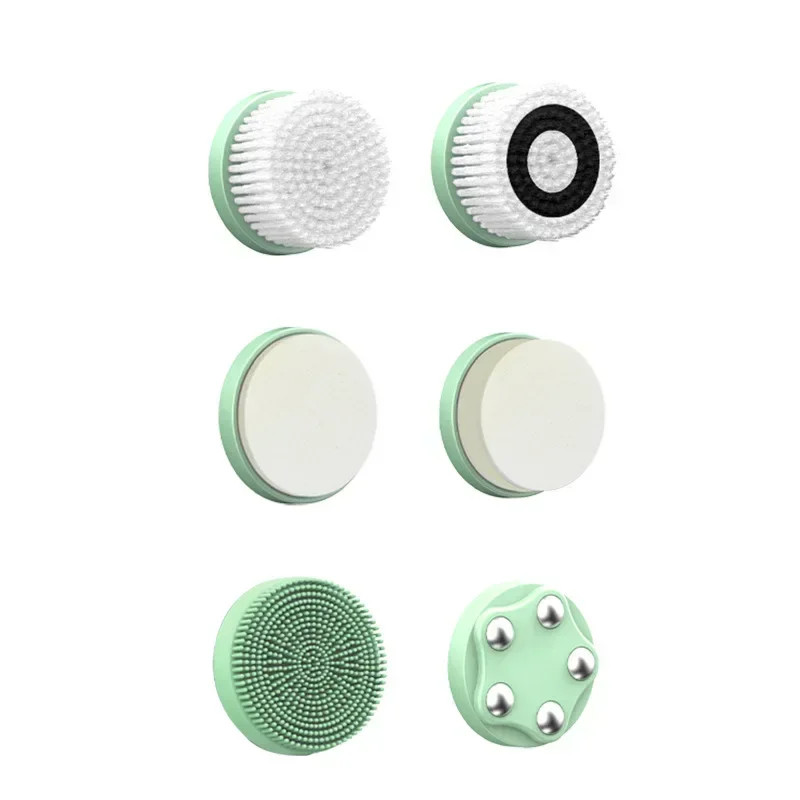

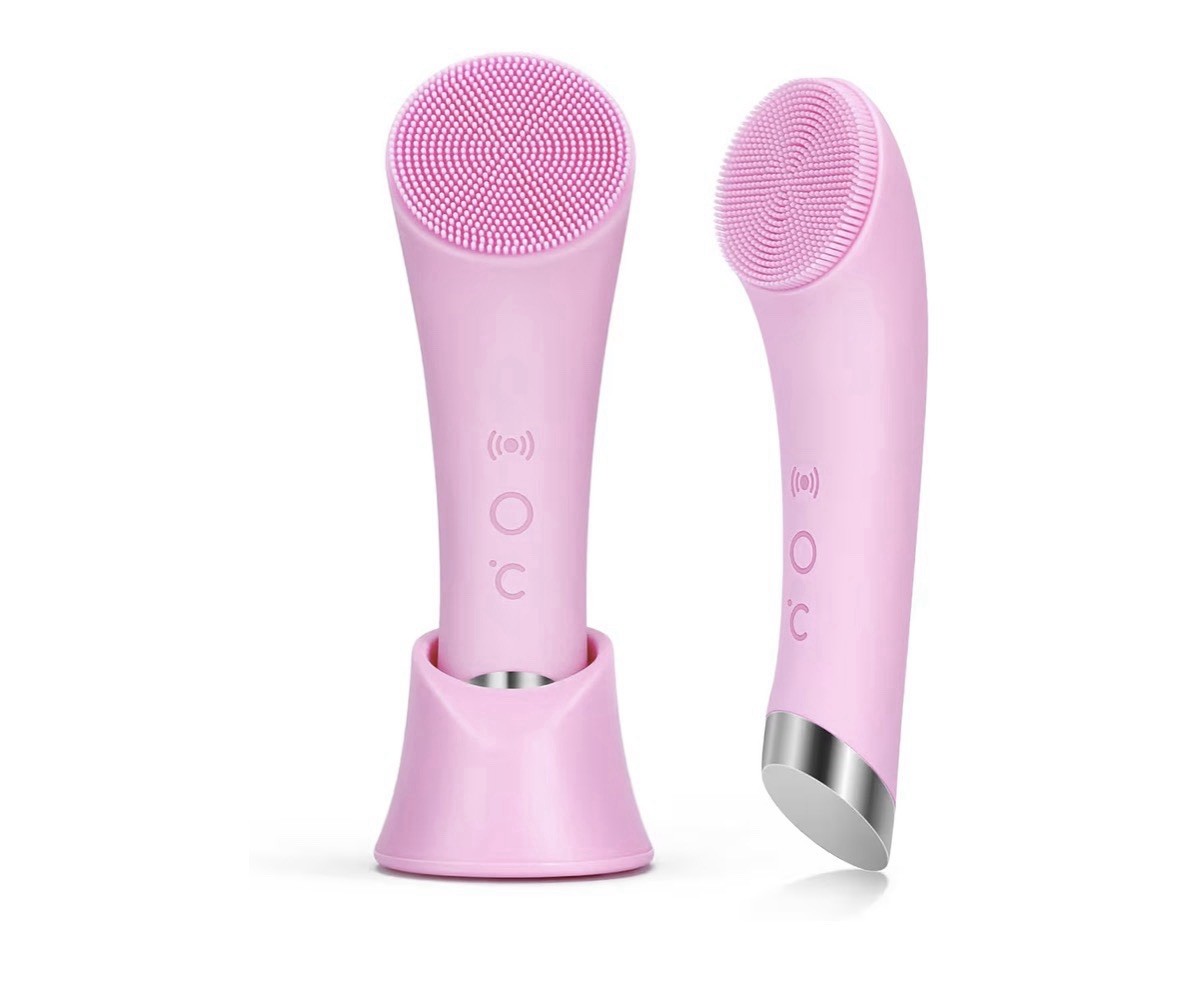
Photos from current listings. Actual item, color, and included accessories may vary.
Facial Cleansing Brush Buying Guide
A facial cleansing brush is a motorized device that uses bristle, silicone, or ultrasonic action to deep-clean pores and exfoliate dead skin. The primary trade-off is bristle stiffness and motor type: stiff nylon bristles paired with a rotating or oscillating motor deliver aggressive exfoliation but risk micro-tears, while soft silicone nubs with sonic vibration clean gently without disrupting the skin barrier. The clear decision rule: choose a soft silicone sonic device for daily use on sensitive or acne-prone skin, and reserve bristle oscillating brushes for weekly deep-clean sessions on resilient, non-reactive skin.


At a glance
- Category
- Beauty Devices
- Data updated
- Nov 15, 2026
Current offers
Highlights
- Motor architecture splits into rotating/oscillating brush heads (high friction, weekly use) and sonic vibration silicone pads (gentle, daily use).
- Bristle grade determines safety: soft nylon (0.05–0.075 mm filament) for sensitive skin; stiffer nylon (0.1 mm+) only for oily, resilient skin.
- Silicone nub devices are non-porous, hygienic, and rated for 3–5 years of daily use; bristle heads must be replaced every 3 months to prevent bacterial buildup.
- Water resistance matters: IPX7 allows full submersion and shower use; IPX5 only tolerates splashes and must be kept out of standing water.
Best use cases
- Best fit: daily gentle cleansing for sensitive or acne-prone skin—pick a silicone sonic device with soft nubs and IPX7 rating; skip stiff bristle brushes that aggravate redness.
- Best fit: weekly deep exfoliation for oily, resilient skin—choose an oscillating bristle brush with a soft-grade head and 2–3 speed settings; skip daily use to avoid barrier damage.
- Best fit: travel and shower use—select a rechargeable IPX7 silicone brush with USB-C charging; skip battery-powered models with non-sealed compartments that corrode.
- Wrong fit: using any motorized brush on active cystic acne, open lesions, or post-procedure skin—manual cleansing or a soft washcloth is the only safe option until healed.
Buying tips
- Match bristle diameter to skin type: 0.05–0.075 mm nylon for sensitive skin, 0.1 mm+ for oily skin; silicone nubs are universally safe for daily use.
- Choose sonic vibration (≈8,000–12,000 oscillations/min) for gentle daily cleansing; rotating brushes (≈300 RPM) are for weekly deep clean only.
- Confirm IPX7 waterproofing if you plan to use the brush in the shower; IPX4 or IPX5 ratings only survive splashes and must stay out of standing water.
- Prefer USB-C rechargeable models with 300+ mAh batteries for 2–4 weeks of daily use; replaceable AA batteries are a false economy in wet environments.
Specs
| Cleaning Action | Sonic silicone vs oscillating bristle |
|---|---|
| Bristle Grade | Soft nylon 0.05–0.075 mm / silicone nubs |
| Waterproof Rating | IPX7 full-submersion vs IPX5 splash-only |
| Power & Runtime | USB-C rechargeable, 300+ mAh, 2–4 weeks |
Related searches
What to check before buying
- Measure your sink or shower shelf clearance: most brushes are 15–20 cm tall and need a ventilated stand to dry between uses.
- Check your skin barrier status—if you use retinoids, acids, or have rosacea, choose silicone sonic over any bristle brush.
- Verify the charger: USB-C is universal and travel-safe; proprietary magnetic docks are easily lost and expensive to replace.
- Confirm replacement head availability and cost before buying a bristle brush—proprietary heads can cost as much as a new device over two years.
FAQ
Data sources: eBay / Amazon listings and product attribute feeds Data updated Nov 15, 2026.
Some links on this page are affiliate links. If you buy after clicking one, we may earn a commission at no extra cost to you. This does not change which products appear here or their order. Affiliate disclosure.