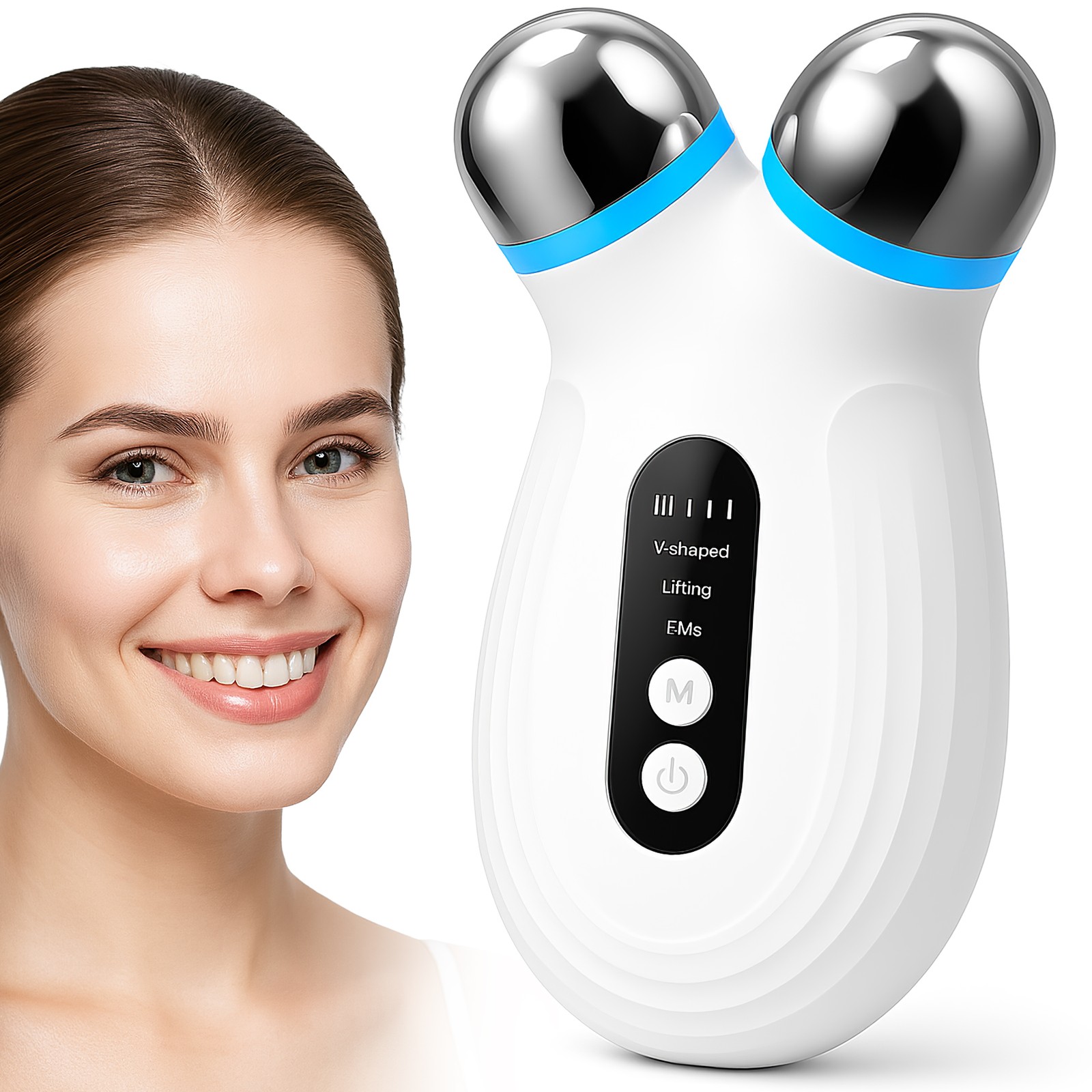

Photos from current listings. Actual item, color, and included accessories may vary.
Electric Facial Massager Buying Guide
Electric facial massagers use vibration, microcurrent, LED light, or thermal modes to stimulate facial muscles and improve circulation. The core trade-off is between simple vibration-only units (safe but limited) and multi-modal devices (microcurrent, LED, radiofrequency) that demand proper technique and skin-type compatibility. Choose a device whose active technology matches your goal—vibration for relaxation and puffiness, microcurrent for firmness, LED for tone—and skip any unit lacking adjustable intensity or clear material specs.


At a glance
- Category
- Beauty Devices
- Data updated
- Nov 15, 2026
Current offers
Highlights
- Vibration-only massagers use a brushed or brushless DC motor; brushless units run quieter, last longer, and hold consistent frequency above 6,000 RPM.
- Microcurrent devices output 20–400 µA; anything above 500 µA is not true microcurrent and risks muscle fatigue rather than firming.
- LED facial massagers use red (630–660 nm) for collagen, blue (415 nm) for acne, and near-infrared (830 nm) for depth; check actual wavelength, not just color count.
- Skin-contact surfaces should be medical-grade stainless steel, silicone, or ABS; avoid uncoated mystery metals that corrode with gels and serums.
Best use cases
- Best fit: vibration-only massager for morning puffiness and serum absorption—pick one with 3+ speed levels and waterproof head; skip microcurrent if you want zero technique learning curve.
- Best fit: microcurrent device for visible firming along jawline and cheekbones—choose one with clear µA output and conductive gel included; skip if you have a pacemaker or metal implants.
- Best fit: LED mask or wand for acne-prone or dull skin—pick red+blue combo with documented wavelengths; skip multi-color units that list colors without nm values.
- Wrong fit: radiofrequency massagers for very sensitive or rosacea-prone skin—heat-based modes can trigger flare-ups; choose vibration or LED instead.
Buying tips
- Match the mode to your goal: vibration for circulation and depuffing, microcurrent for muscle firming, LED for skin tone and acne, thermal for product absorption—no single device excels at all four.
- For microcurrent, confirm output in microamps (µA), not milliamps (mA); 100–400 µA is the usable firming range, and devices listing only 'mA' are usually too strong for facial use.
- Check charging standard: USB-C is now standard on quality devices; micro-USB and proprietary magnetic pucks are older and harder to replace.
- Waterproof rating matters for use with gels: IPX6 or higher allows rinse-cleaning; IPX4 and below should be wiped, not washed.
Specs
| Technology Type | Vibration / Microcurrent / LED / RF |
|---|---|
| Microcurrent Output | 100–400 µA (facial-safe range) |
| LED Wavelengths | Red 630–660 nm / Blue 415 nm / NIR 830 nm |
| Charging Standard | USB-C (lithium-ion) vs micro-USB |
Related searches
What to check before buying
- Confirm your skin type and sensitivity: microcurrent and radiofrequency require normal, non-irritated skin; LED and vibration are safer for sensitive skin.
- Check device contact material: stainless steel or medical silicone heads resist serum corrosion; uncoated metal or painted heads degrade.
- Verify charging port and battery type: USB-C with lithium-ion is standard; AAA or button-cell units are lower power and not waterproof.
- Measure storage and travel needs: wands and masks vary from palm-size to full-face rigs—confirm it fits your vanity or travel pouch.
FAQ
Data sources: eBay / Amazon listings and product attribute feeds Data updated Nov 15, 2026.
Some links on this page are affiliate links. If you buy after clicking one, we may earn a commission at no extra cost to you. This does not change which products appear here or their order. Affiliate disclosure.