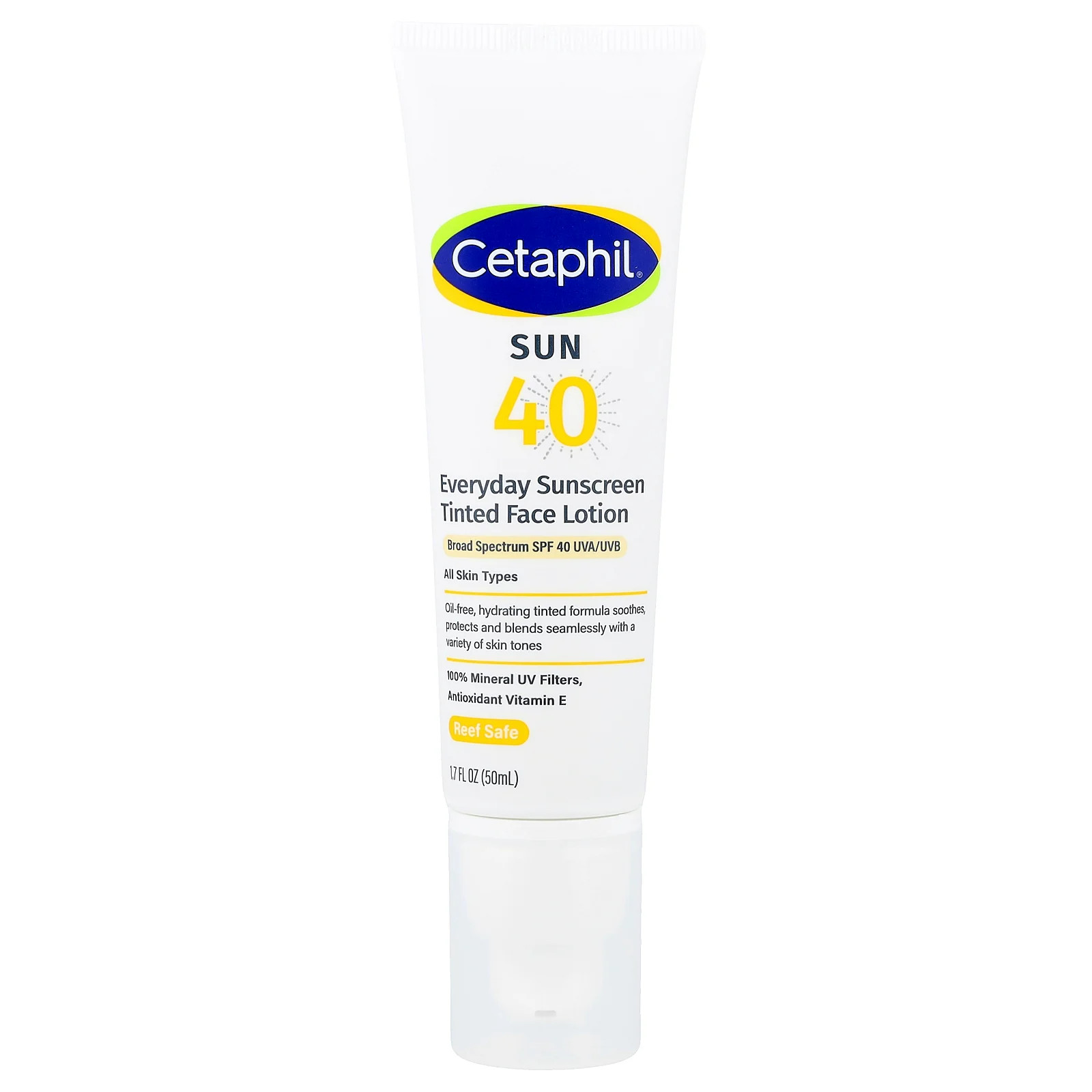

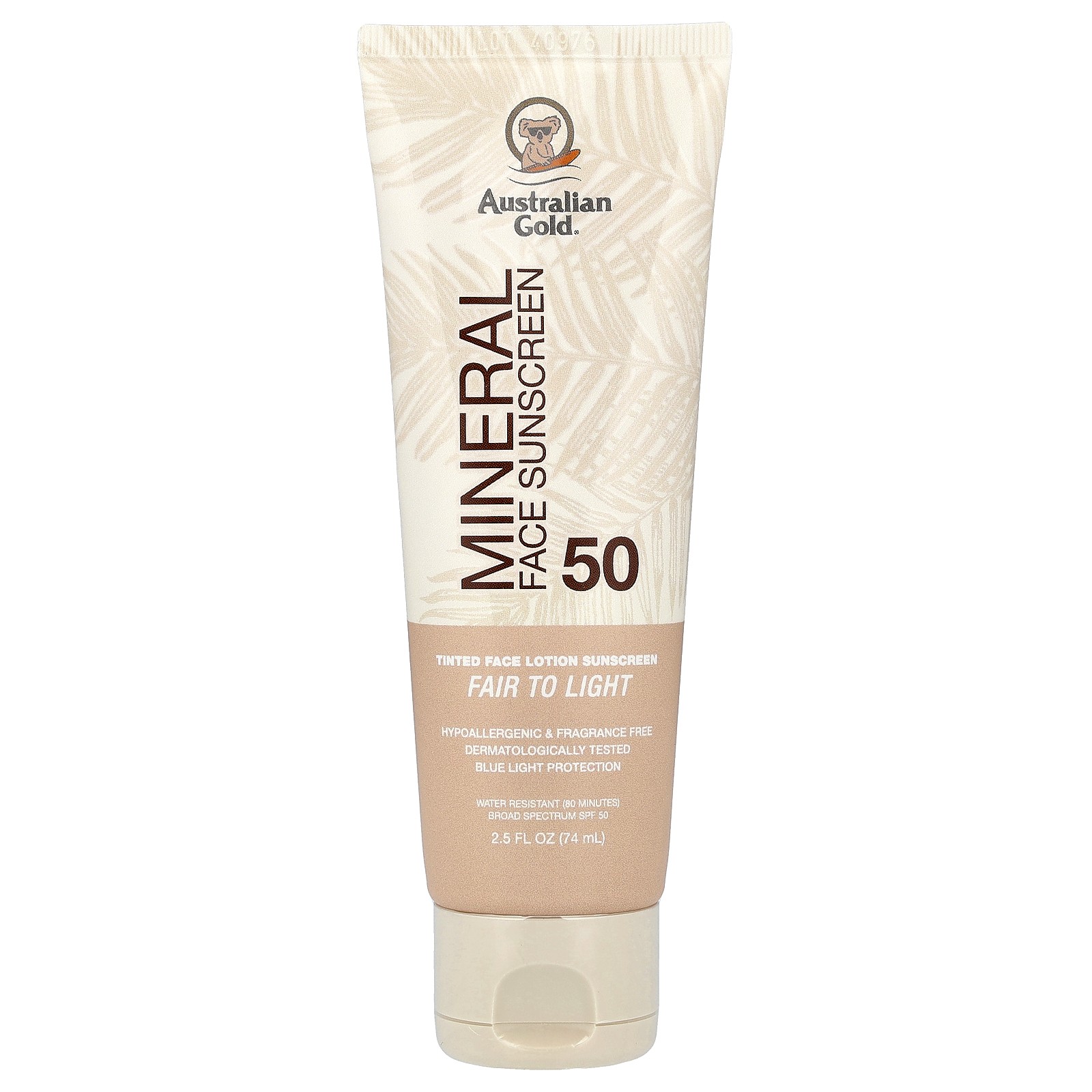
Photos from current listings. Actual item, color, and included accessories may vary.
Tinted Spf Face Buying Guide
Tinted SPF face products combine sun protection with light coverage, where the primary trade-off is between mineral (zinc oxide/titanium dioxide) and chemical filter systems—mineral options offer better sensitivity tolerance but can leave a white cast, while chemical filters feel lighter but may irritate. The decision rule is simple: choose a mineral tinted SPF with a non-nano zinc oxide base and a tint matched to your skin's undertone for daily wear, or a chemical-hybrid tinted SPF only if you prioritize weightless finish and have no reactive skin concerns.


At a glance
- Category
- Sun Care
- Data updated
- Nov 16, 2026
Current offers
Highlights
- Mineral tinted SPFs rely on zinc oxide or titanium dioxide at 10-20% concentration for broad-spectrum SPF 30-50, while chemical versions use avobenzone/octocrylene blends that absorb UV but degrade faster in heat.
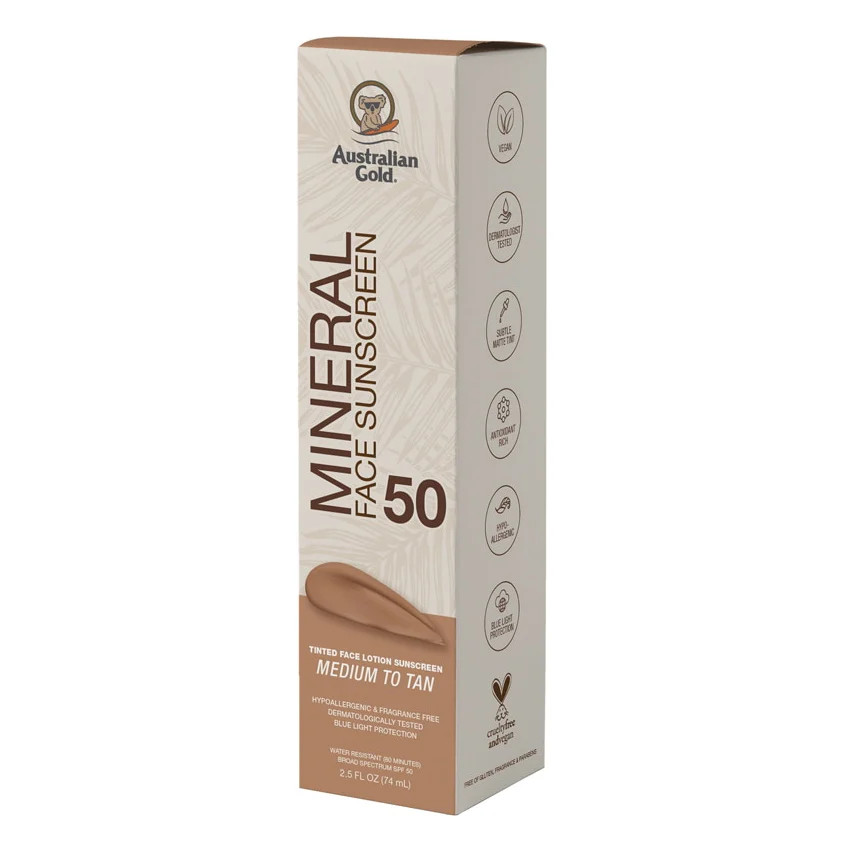
- Tint shade ranges are typically split into fair-to-light and medium-to-tan categories; mineral formulas often use iron oxides to reduce white cast and block visible light, which matters for melasma and hyperpigmentation.
- SPF 40-50 is the practical ceiling for daily facial tinted products—higher SPF claims often require heavier emollients that compromise finish and wearability under makeup.
- Water resistance ratings (40 or 80 minutes) are the clearest differentiator for active use; non-water-resistant tinted SPFs are for incidental exposure only and will migrate into eyes with sweat.
Best use cases
- Best fit: daily office or commuting wear—pick a mineral SPF 40-50 tinted lotion in fair-to-light or medium-to-tan with a matte or satin finish, skip water-resistant formulas that feel heavy under makeup.
- Best fit: sensitive or rosacea-prone skin—choose a non-nano zinc oxide mineral tinted SPF 50 with no fragrance or alcohol denat, skip chemical-filter hybrids that list avobenzone or oxybenzone.
- Best fit: outdoor exercise or humid climates—select a water-resistant (80-minute) tinted SPF 50 mineral stick or lotion, skip sheer chemical tinted fluids that sweat off within 40 minutes.
- Wrong fit: deep skin tones seeking no white cast—most mineral tinted SPFs only offer fair-to-light and medium-to-tan; pick a chemical tinted SPF with iron oxides or a tinted mineral formula explicitly rated for deep tones, and skip untinted mineral SPF layered under makeup.
Buying tips
- Match the tint category to your Fitzpatrick type: fair-to-light for types I-II, medium-to-tan for III-IV, and seek deep-tone-specific mineral formulas with iron oxide percentages above 2% for types V-VI.
- Check the active ingredient percentage on the drug facts panel—zinc oxide at 15-20% gives reliable SPF 50 mineral protection, while below 10% often means SPF 30 or less and requires more frequent reapplication.
- For acne-prone skin, choose non-comedogenic mineral tinted SPF labeled oil-free and fragrance-free; avoid chemical filters like octinoxate that can trigger breakouts in oily skin.
- Reapply every 2 hours for chemical tinted SPFs and every 2 hours or after 80 minutes of water exposure for mineral water-resistant formulas—no tinted SPF is truly all-day without reapplication.
Specs
| Filter Type | Mineral (ZnO/TiO2) vs Chemical |
|---|---|
| SPF Range | 30-50 (daily 40-50) |
| Tint Shade | Fair-Light / Medium-Tan / Deep |
| Water Resistance | None / 40 min / 80 min |
Related searches
What to check before buying
- Confirm your skin's undertone (cool, neutral, warm) against the tint shade name—fair-to-light and medium-to-tan are broad categories, so check swatch images for pink versus golden bias.
- Verify the product's water resistance rating if you swim or sweat heavily; 80-minute ratings require reapplication after towel drying, and 40-minute ratings are for incidental splashes only.
- Check the drug facts active ingredients for known allergens—mineral formulas avoid chemical filters but may contain beeswax or coconut derivatives; chemical formulas may include avobenzone or oxybenzone.
- Measure your face coverage need: 1.7 fl oz (50 ml) lasts about 4-6 weeks with daily full-face application at the recommended 2 mg/cm², while 2.5 fl oz (74 ml) suits neck and chest extension.
FAQ
Data sources: eBay / Amazon listings and product attribute feeds Data updated Nov 16, 2026.
Some links on this page are affiliate links. If you buy after clicking one, we may earn a commission at no extra cost to you. This does not change which products appear here or their order. Affiliate disclosure.