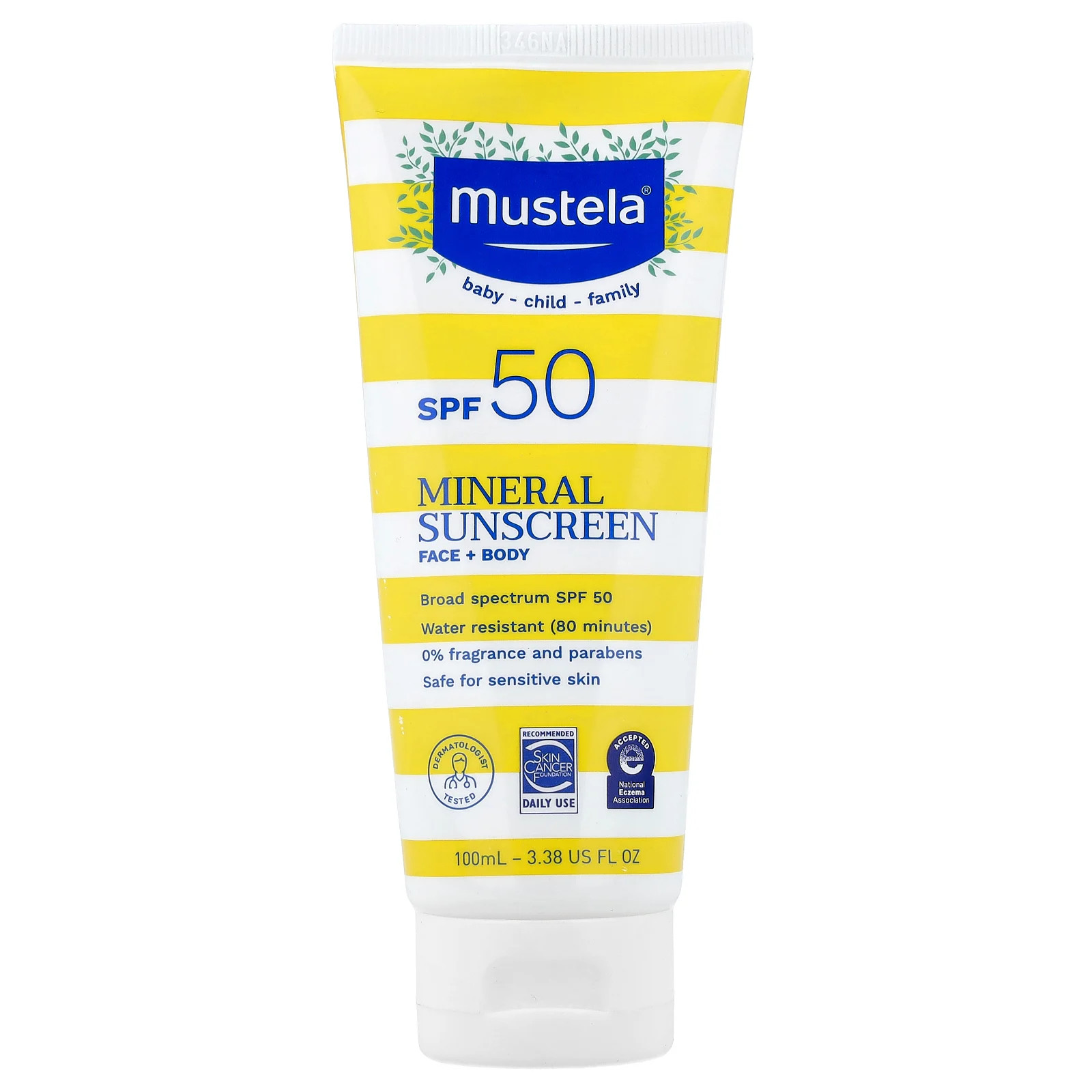

Photos from current listings. Actual item, color, and included accessories may vary.
Sunscreen Body And Face Buying Guide
Sunscreen for body and face is a UV filter formulation—mineral (zinc oxide/titanium dioxide) or chemical (avobenzone, octocrylene, etc.)—sold in lotion, stick, or spray formats for full-body and facial application. The core trade-off is broad-spectrum protection and water resistance versus cosmetic elegance and white cast, with mineral formulas being gentler for sensitive skin but harder to rub in, while chemical formulas feel lighter but may irritate. The decision rule: choose a broad-spectrum SPF 30+ with water resistance (40 or 80 min) for outdoor use, and a lightweight non-comedogenic SPF 30+ for daily facial wear—skip any product without a stated PA or broad-spectrum claim.


At a glance
- Category
- Sun Care
- Data updated
- Nov 16, 2026
Current offers
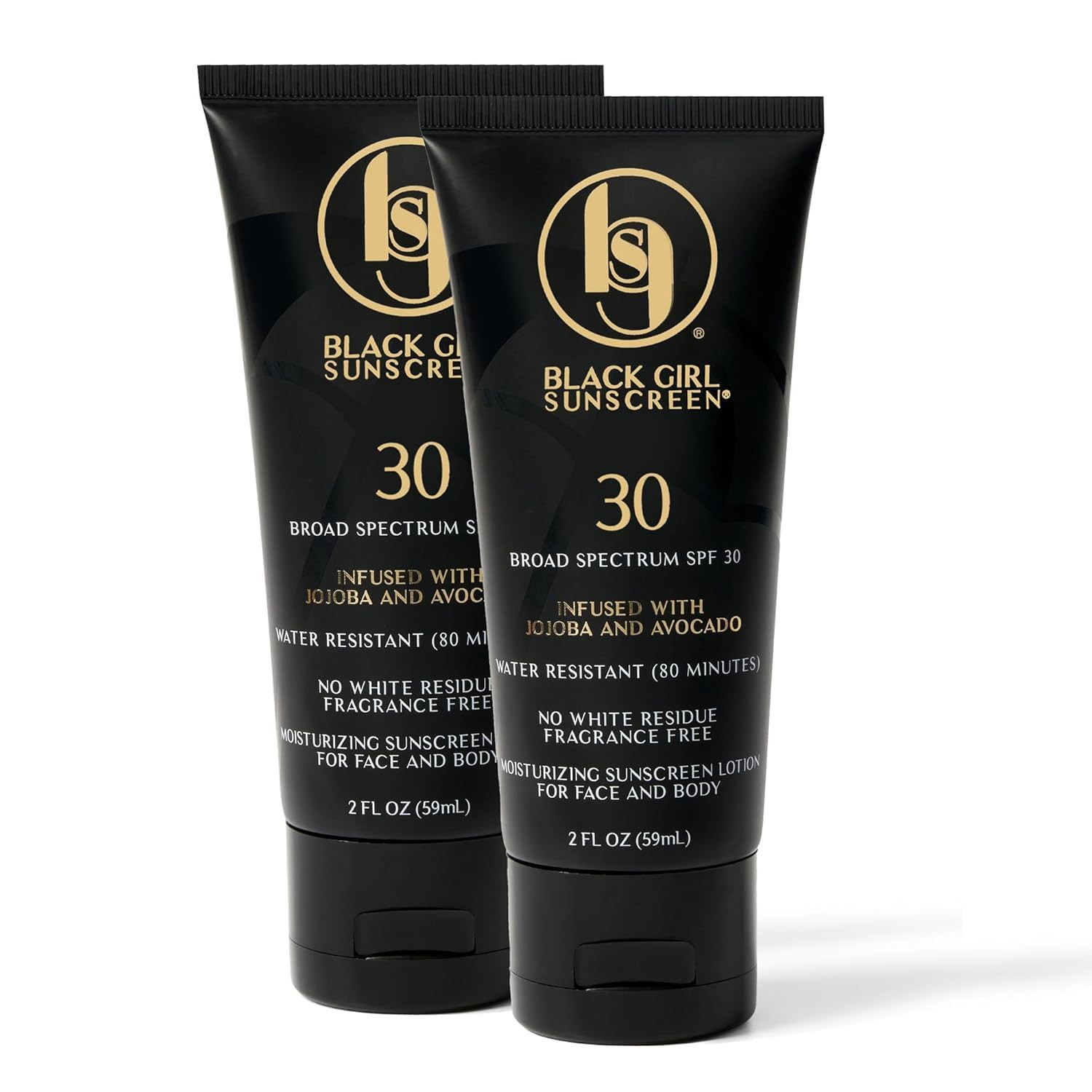
Highlights
- SPF 30 blocks ~97% of UVB, SPF 50 blocks ~98%; beyond SPF 50 gains are marginal and not a substitute for reapplication.
- Broad-spectrum labeling requires critical wavelength ≥370 nm (FDA) or PA++++ (UVA-PF ≥16) for balanced UVA/UVB defense.
- Water resistance is tested at 40 or 80 minutes; no sunscreen is truly waterproof and must be reapplied after toweling.
- Mineral filters (zinc oxide, titanium dioxide) sit on skin and suit sensitive skin; chemical filters absorb UV and need 15–20 min to activate.
Best use cases
- Daily facial wear: pick a lightweight, non-comedogenic SPF 30+ broad-spectrum lotion or fluid—skip heavy body lotions that clog pores.
- Beach or pool: choose water-resistant (80-minute) SPF 50 broad-spectrum for body, and a stick or sport formula for the face—skip non-resistant daily moisturizers with SPF.
- Sensitive or reactive skin: select a mineral-only (zinc oxide/titanium dioxide) fragrance-free formula—skip chemical filters like oxybenzone if irritation occurs.
- Full-body family use: buy a large pump or lotion format with broad-spectrum SPF 30+; skip tiny facial-only tubes that run out after one application.
Buying tips
- Use 1 oz (about a shot glass) for full-body coverage and ½ teaspoon for face and neck; a 3.38 fl oz tube yields only 3–4 full-body applications.
- Choose SPF 30 or 50 with a PA+++ or PA++++ rating (or broad-spectrum label) for balanced UVA protection.
- Match water resistance to activity: 40-minute for incidental sweat, 80-minute for swimming or heavy perspiration.
- For face, prefer non-comedogenic and fragrance-free formulas; for body, lotions and sprays are acceptable but sprays require thorough rubbing and avoid inhalation.
Specs
| Filter Type | Mineral (ZnO/TiO2) vs Chemical |
|---|---|
| SPF Rating | SPF 30 to SPF 50+ |
| UVA Rating | Broad-spectrum or PA+++ / PA++++ |
| Water Resistance | 40 or 80 minutes |
Related searches
What to check before buying
- Confirm the product states broad-spectrum and SPF 30+ on the label—SPF alone does not guarantee UVA protection.
- Check water resistance rating (40 or 80 minutes) if used for swimming, sports, or humid outdoor work.
- For facial use, verify non-comedogenic and suitable for your skin type (oil-free for oily, hydrating for dry).
- Ensure the format (lotion, stick, spray) suits your application habit; sticks are convenient for face but need 4 passes for full coverage.
FAQ
Data sources: eBay / Amazon listings and product attribute feeds Data updated Nov 16, 2026.
Some links on this page are affiliate links. If you buy after clicking one, we may earn a commission at no extra cost to you. This does not change which products appear here or their order. Affiliate disclosure.