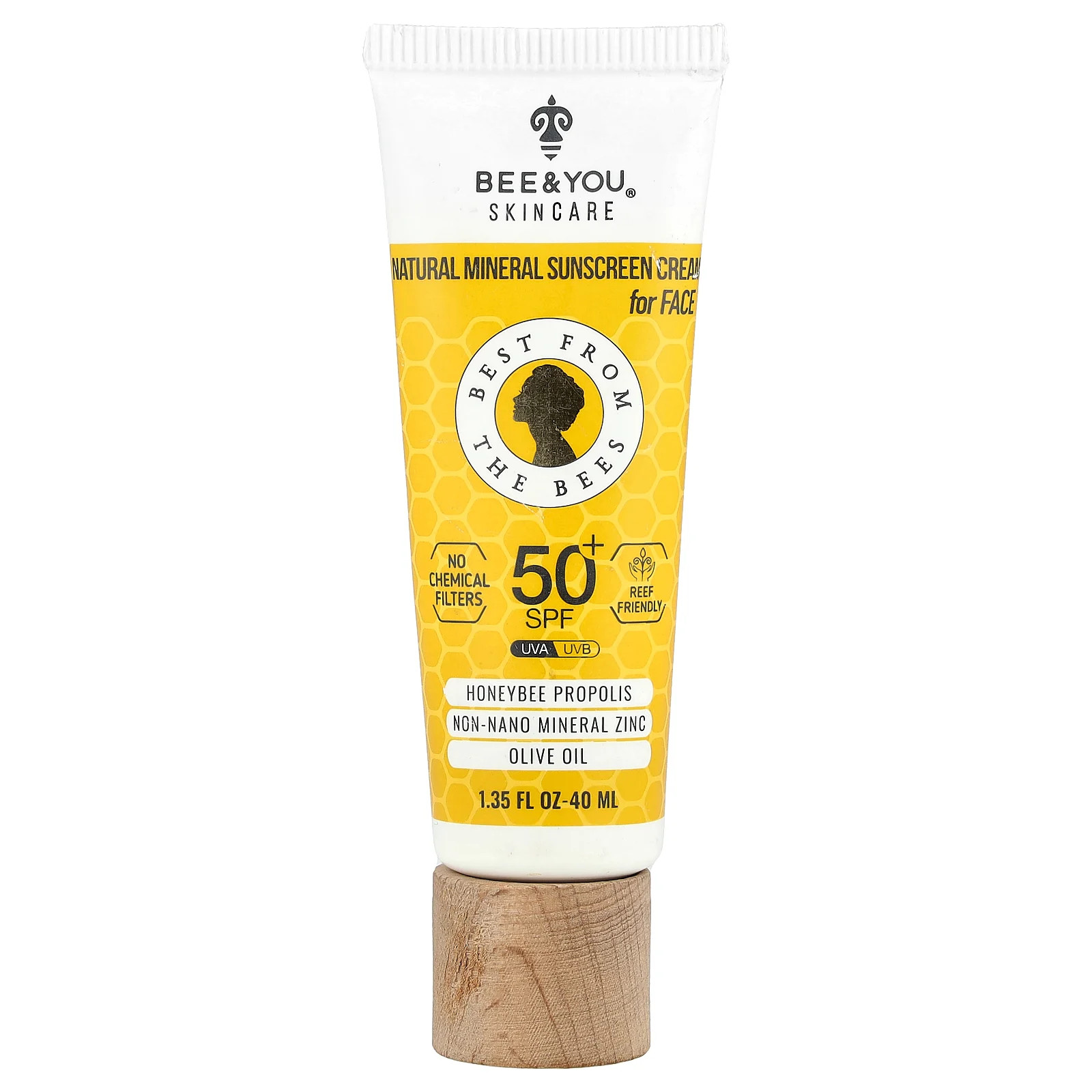

Photos from current listings. Actual item, color, and included accessories may vary.
Natural Sunscreen Face Buying Guide
Natural face sunscreens are mineral-based formulas (zinc oxide or titanium dioxide) that provide broad-spectrum UV protection without chemical filters, avobenzone, or oxybenzone. The core trade-off is cosmetic elegance versus protection: pure mineral formulas can leave a white cast and feel thick, while sheer or tinted versions sacrifice some UVA coverage or water resistance. Choose a non-nano zinc oxide formula with SPF 30-50 and broad-spectrum labeling for daily wear; compromise only if you accept a tinted format or lower water resistance for a lighter feel.


At a glance
- Category
- Sun Care
- Data updated
- Nov 16, 2026
Current offers
Highlights
- Mineral actives: non-nano zinc oxide gives broad-spectrum UVA/UVB coverage; titanium dioxide boosts UVB but needs zinc for full UVA.
- SPF and broad-spectrum: SPF 30 blocks ~97% UVB; SPF 50 blocks ~98%; PA++++ or broad-spectrum labeling confirms UVA protection.
- Water resistance: 40 or 80 minutes is the only regulated claim; no mineral face sunscreen is truly waterproof without reapplication.
- Formula base: silicone or oil-free emulsions reduce white cast; heavy plant oils and butters increase spreadability but can clog pores.
Best use cases
- Daily office or commute: pick an SPF 30-50 non-nano zinc formula in a lightweight lotion or fluid; skip thick sports balms that leave residue under makeup.
- Outdoor sport or swimming: choose a water-resistant (40-80 min) mineral stick or cream with at least 20% zinc oxide; skip sheer tinted fluids that wash off.
- Sensitive or acne-prone skin: select oil-free, fragrance-free, non-comedogenic mineral lotions; skip formulas with essential oils, coconut oil, or heavy silicones.
- Makeup wearers: use a tinted mineral fluid or primer-style SPF 30-40; skip thick white creams that pill under foundation.
Buying tips
- Check active percentage: 20%+ non-nano zinc oxide gives reliable UVA/UVB; 10-15% zinc needs titanium dioxide or a high PA rating to cover UVA.
- Match SPF to exposure: SPF 30 is sufficient for daily incidental sun; SPF 50 is for extended outdoor time, but reapplication every 2 hours matters more than the number.
- Verify broad-spectrum or PA++++ on the label; SPF alone measures UVB only, so UVA protection must be stated separately for anti-aging and pigmentation.
- For face, choose 1-2 fl oz (30-60 ml) sizes and avoid large body tubes; face formulas are thinner and less likely to clog pores than body mineral sunscreens.
Specs
| Active Filter | Non-nano zinc oxide / titanium dioxide |
|---|---|
| SPF Range | 30-50 broad-spectrum |
| Water Resistance | 40 or 80 minutes |
| Face Formula Type | Lotion, fluid, stick, tinted |
Related searches
What to check before buying
- Check your skin tone: non-nano zinc at 20%+ can leave a white cast on medium-to-deep skin; tinted or sheer formulas reduce this but may offer lower UVA.
- Confirm your daily exposure: if you are outdoors more than 2 hours, you need water resistance and a stick or cream for reapplication over makeup.
- Read the full ingredient list: avoid avobenzone, oxybenzone, octinoxate, and fragrances if you want a true natural formula; accept that preservatives are necessary in water-based lotions.
- Measure your face coverage: 1/4 teaspoon (about 1.2 ml) covers the face and neck; a 1.35 fl oz tube lasts roughly 30-35 full-face applications.
FAQ
Data sources: eBay / Amazon listings and product attribute feeds Data updated Nov 16, 2026.
Some links on this page are affiliate links. If you buy after clicking one, we may earn a commission at no extra cost to you. This does not change which products appear here or their order. Affiliate disclosure.