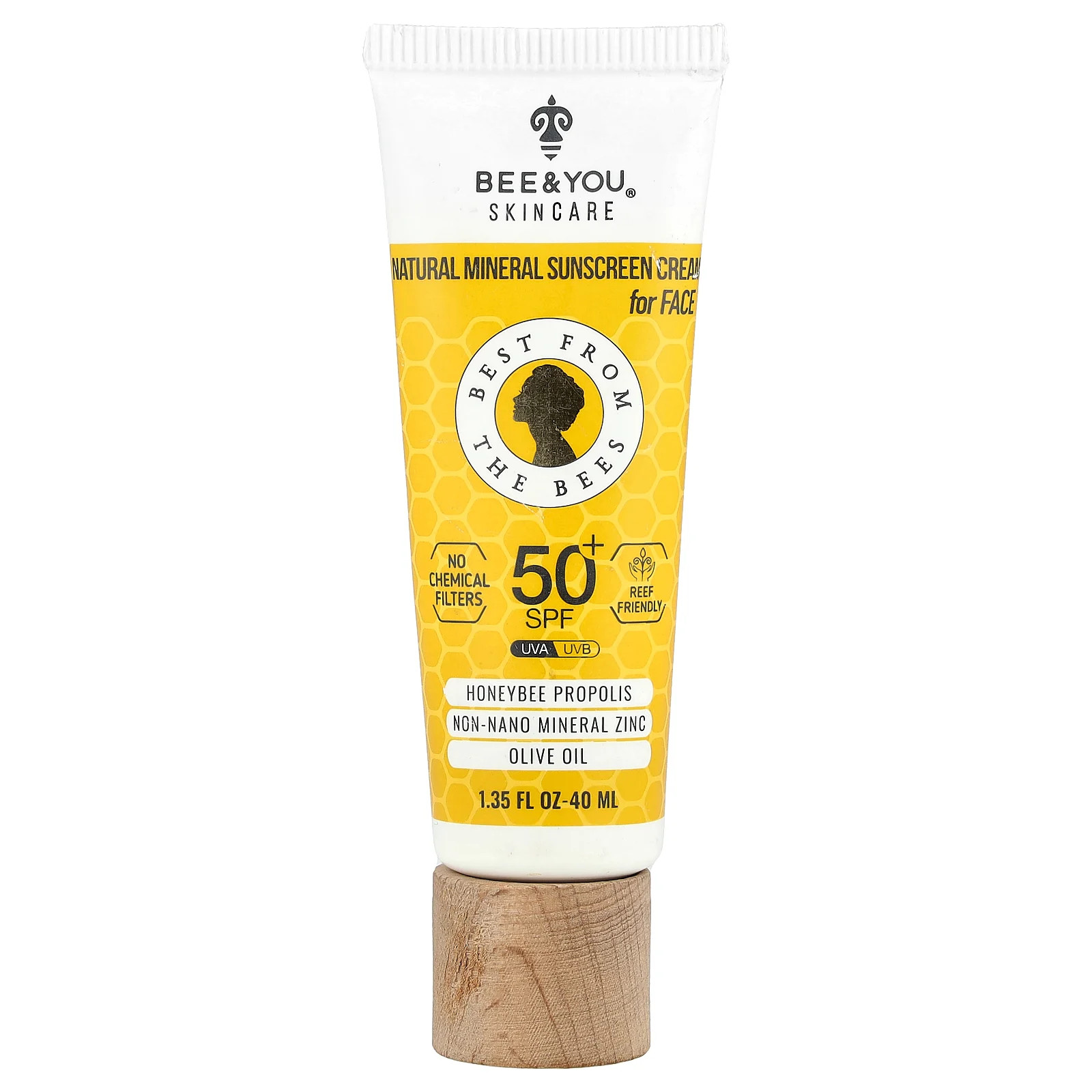

Photos from current listings. Actual item, color, and included accessories may vary.
Natural Spf Face Buying Guide
Natural SPF face sunscreens are mineral-based formulas (zinc oxide or titanium dioxide) that protect skin without chemical UV filters, but the category splits sharply between truly reef-safe, non-nano mineral products and 'natural-label' hybrids that still use octinoxate or oxybenzone. The decisive rule: choose a non-nano zinc oxide formula with SPF 30+ and broad-spectrum UVA/UVB protection, and skip any product that lists chemical filters or nano-particles if you need genuine mineral safety.


At a glance
- Category
- Sun Care
- Data updated
- Nov 16, 2026
Current offers
Highlights
- Non-nano zinc oxide at 15-25% concentration provides broad-spectrum UVA/UVB protection without systemic absorption or coral toxicity.
- Titanium dioxide offers superior UVB shielding and a lighter feel, but zinc oxide delivers better UVA coverage above 370 nm.
- SPF 30 blocks ~97% of UVB; SPF 50 blocks ~98% — the real differentiator is UVA-PF (Boots Star or PA rating), not the SPF number.
- Mineral formulas require an emulsified cream base (caprylic/capric triglyceride, jojoba) to prevent whitening; water-based serums with zinc settle and streak.
Best use cases
- Daily facial wear under makeup: pick a tinted non-nano zinc oxide SPF 30-50 cream with dimethicone for slip — skip thick beach formulas that pill under foundation.
- Sensitive or rosacea-prone skin: choose a fragrance-free, non-nano zinc oxide-only formula (no titanium dioxide, no essential oils) — skip 'natural' products with citrus or lavender oils that trigger flare-ups.
- Outdoor sport or swimming: select a water-resistant (80-minute) mineral cream with at least 20% zinc oxide — skip lightweight daily lotions that rinse off within 40 minutes.
Buying tips
- Check the active ingredient panel: 'non-nano zinc oxide' must appear as the only UV filter — if octinoxate, oxybenzone, or avobenzone is listed, it is not a true natural mineral SPF.
- Match SPF to exposure: SPF 30 for incidental daily sun (commute, office windows); SPF 50 for prolonged outdoor exposure — higher SPF mineral formulas are thicker and whiten more.
- Verify broad-spectrum UVA protection via PA+++ or PA++++ (or Boots 4-5 stars); SPF alone measures UVB only and leaves you exposed to aging UVA rays.
- For acne-prone skin, choose non-comedogenic mineral formulas with zinc oxide (anti-inflammatory) and avoid coconut oil or cocoa butter as base ingredients.
Specs
| UV Filter Type | Non-nano zinc oxide / titanium dioxide |
|---|---|
| SPF Range | 30-50+ (broad-spectrum) |
| UVA Rating | PA+++ to PA++++ |
| Water Resistance | 80 min or none (daily wear) |
Related searches
What to check before buying
- Patch-test on inner forearm for 24 hours before facial application — mineral formulas with essential oils can cause contact dermatitis.
- Confirm the product is fragrance-free and essential-oil-free if you have sensitive skin or rosacea; 'natural' scent often means lavender or citrus oils.
- Check water resistance rating (80 minutes) only if you swim or sweat heavily; daily wear formulas need no water resistance and feel lighter.
- Verify the tube lists a batch number and expiration date — zinc oxide degrades after 24-36 months, and expired mineral SPF loses broad-spectrum efficacy.
FAQ
Data sources: eBay / Amazon listings and product attribute feeds Data updated Nov 16, 2026.
Some links on this page are affiliate links. If you buy after clicking one, we may earn a commission at no extra cost to you. This does not change which products appear here or their order. Affiliate disclosure.