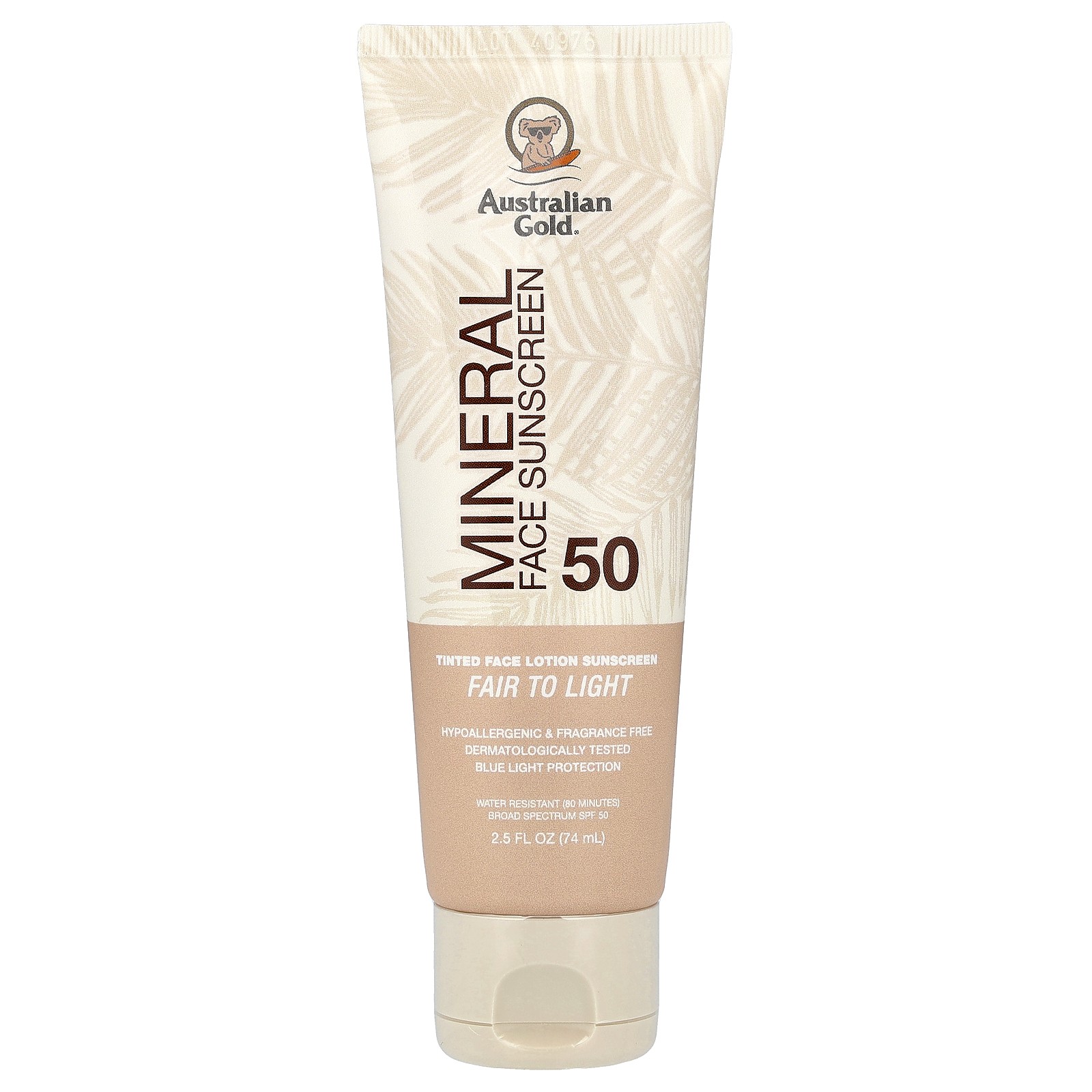

Photos from current listings. Actual item, color, and included accessories may vary.
Light Sunscreen Face Buying Guide
Light face sunscreens are fluid, fast-absorbing formulas (lotion, gel, or fluid) designed for daily wear under makeup or alone, where the core trade-off is weightless texture versus adequate UVA/UVB protection and finish. The durable choice is a broad-spectrum SPF 30-50 formula with modern filters or micronized minerals that resist pilling; compromises are heavy creams, high-alcohol gels that sting, and tinted products that only match one skin tone.


At a glance
- Category
- Sun Care
- Data updated
- Nov 16, 2026
Current offers
Highlights
- Broad-spectrum SPF 30 blocks ~97% UVB; SPF 50 blocks ~98%, so texture and UVA-PF matter more than chasing SPF 70+.
- Mineral filters (zinc oxide, titanium dioxide) sit on skin and suit sensitive types; chemical filters (avobenzone, Tinosorb, Mexoryl) feel lighter but need reapplication.
- Fluid/gel textures use 10-30% alcohol or silicone elastomers for quick dry-down; cream lotions trade speed for hydration.
- Tinted formulas use iron oxides for visible-light protection but usually offer only 3-6 shades, so fair-to-light is the most common mismatch risk.
Best use cases
- Best fit: oily or acne-prone skin seeking a matte, non-greasy daily SPF — pick an alcohol-free gel or fluid labeled non-comedogenic, skip heavy cream lotions.
- Best fit: sensitive or rosacea-prone skin — choose a fragrance-free mineral SPF 30-50 with zinc oxide and no chemical filters, skip high-alcohol gels.
- Best fit: makeup wearers — pick a silicone-based fluid that primes and resists pilling, skip thick physical blocks that ball up under foundation.
- Wrong fit: dry or mature skin needing moisture — a lightweight gel alone will feel tight, so layer a hydrating serum underneath or choose a lotion labeled hydrating.
Buying tips
- For daily facial use, 1/4 teaspoon (about 1.2 ml) covers the face and neck — a 50 ml bottle lasts roughly 6 weeks of once-daily application.
- Choose SPF 30-50 broad-spectrum; SPF 50+ adds little UVB benefit and often means heavier texture or higher filter load.
- Check the UVA rating: 'broad spectrum' meets FDA minimum, but PA++++ or a UVA-PF above 16 gives stronger aging protection.
- Mineral formulas need 15-20% zinc oxide for adequate UVA coverage; below 10% zinc, pair with antioxidants or accept lower UVA-PF.
Specs
| Filter Type | Mineral (ZnO/TiO2) vs Chemical |
|---|---|
| Broad Spectrum | SPF 30-50 / PA+++ to PA++++ |
| Texture | Fluid / Gel / Light Lotion |
| Finish | Matte, Natural, or Dewy |
Related searches
What to check before buying
- Patch-test on the jawline for 48 hours if your skin is reactive — chemical filters and fragrances are common irritants.
- Confirm the product is labeled non-comedogenic if you are acne-prone, and avoid coconut oil or isopropyl myristate near the top of the ingredient list.
- For tinted formulas, swatch on the jaw in daylight — fair-to-light shades often oxidize 1-2 shades darker within 30 minutes.
- Check expiration and PAO (period-after-opening) symbol — opened sunscreen degrades after 12 months, so buy a size you will finish.
FAQ
Data sources: eBay / Amazon listings and product attribute feeds Data updated Nov 16, 2026.
Some links on this page are affiliate links. If you buy after clicking one, we may earn a commission at no extra cost to you. This does not change which products appear here or their order. Affiliate disclosure.