Photos from current listings. Actual item, color, and included accessories may vary.
Wig Buying Guide
Wigs are cranial prostheses or fashion coverings built from human hair, heat-resistant synthetic fiber, or budget plastic, and the core trade-off is fiber quality versus cap construction: synthetic holds style but melts under heat, while human hair takes heat and dye but costs more. The decision rule is simple: buy human hair or high-grade heat-resistant synthetic with lace-front or monofilament caps for daily wear, and reserve plastic or capless synthetic for one-off cosplay.

At a glance
- Category
- Hair Care
- Data updated
- Nov 15, 2026
Current offers
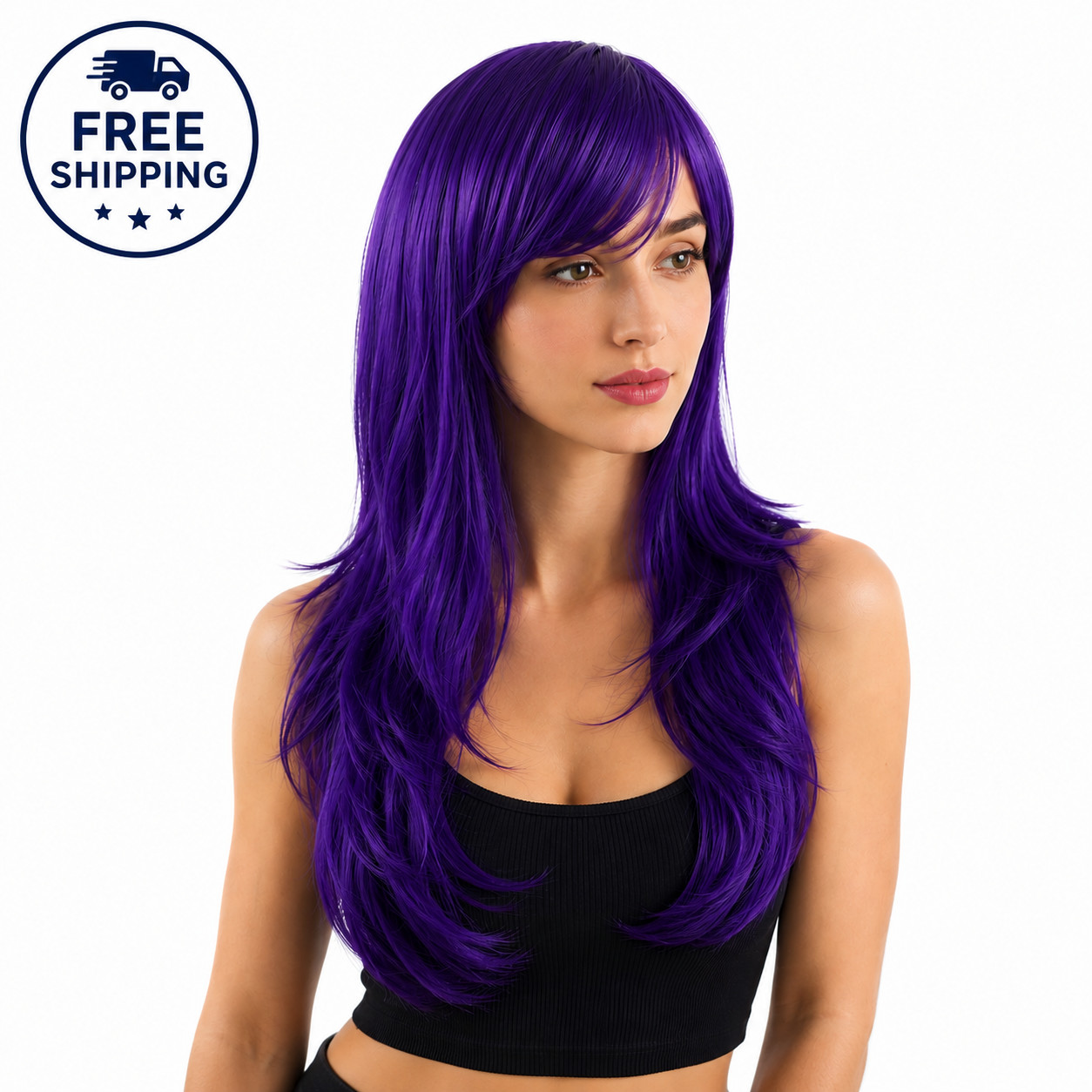 Purple 70cm Long Curly Fashion Anime Wig For Custom Party & Cosplay | Charming W$21.99
 View on eBay
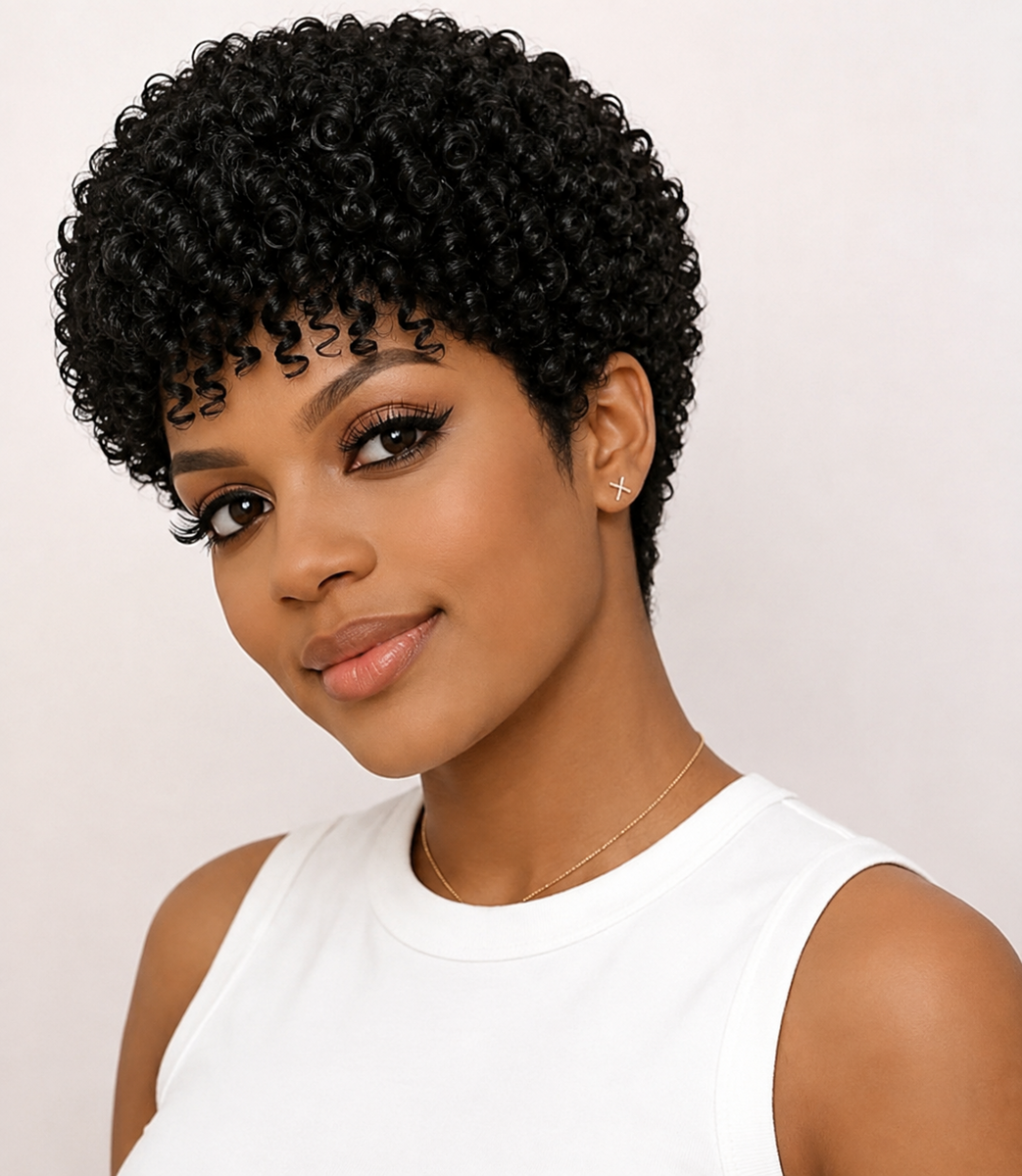 Pixie-style Human Hair Wig, Natural Color, Jerry Curly Texture, 4-inch Length.$34.99
 View on Mallflare
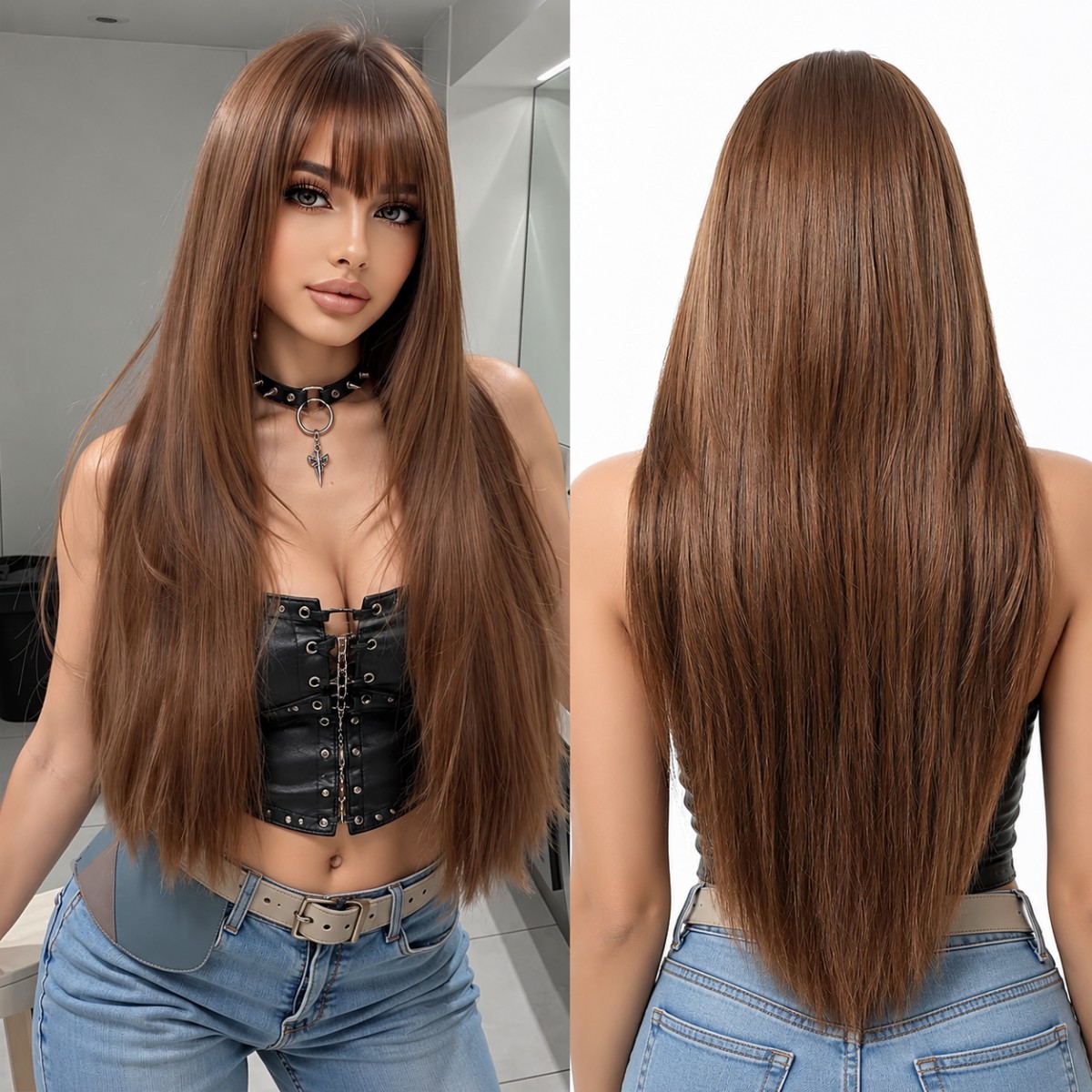 Synthetic Hair Heat Resistant Cosplay Wig With Fringe Long Straight Brown$22.77View on eBay
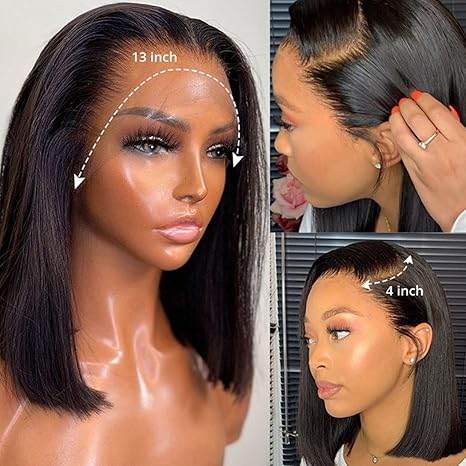 13x4 Lace Front Bob Wig, Straight Texture, Natural Color, Density$41.99View on Mallflare
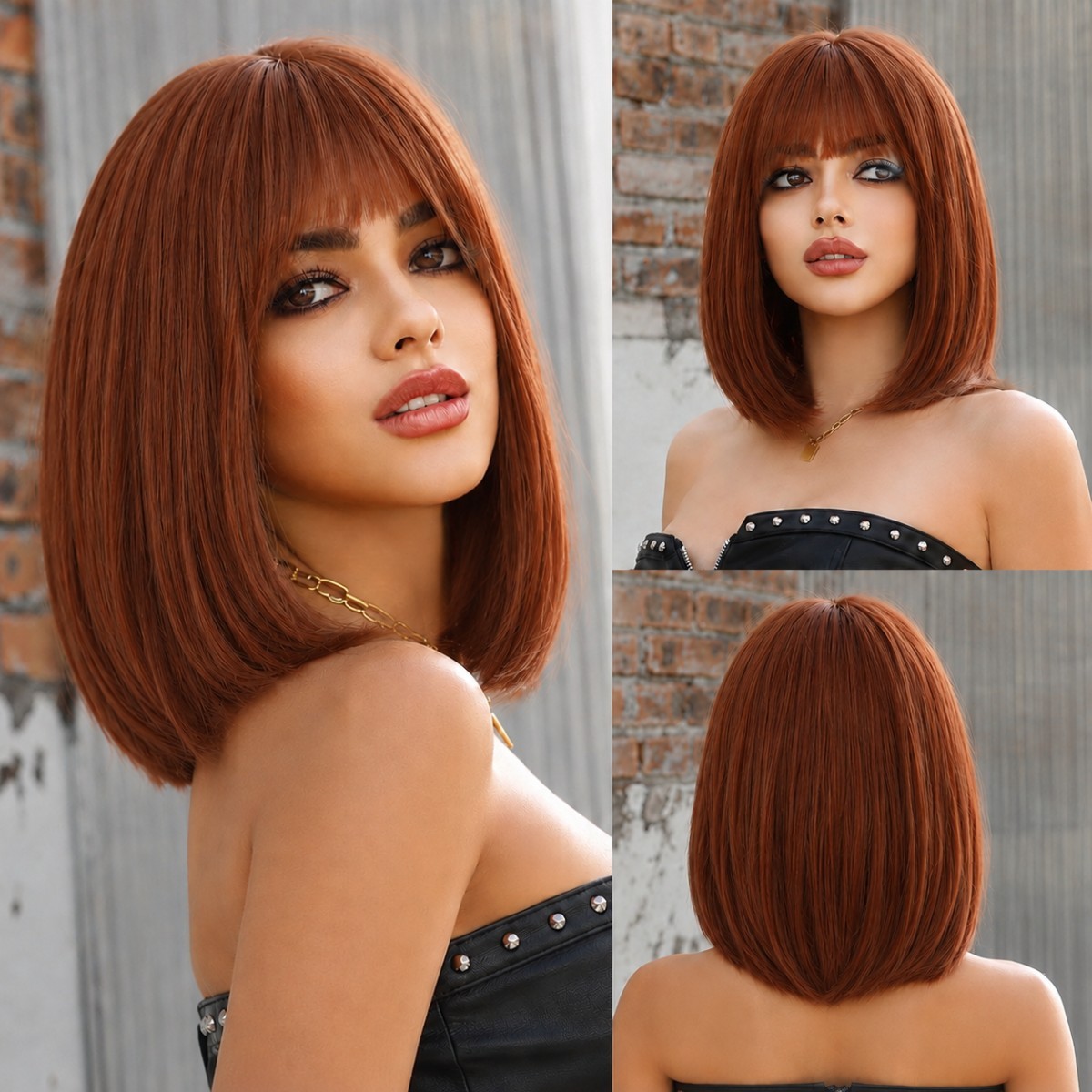 Short Straight Copper Red Cosplay Party Wig With Bangs Synthetic Hair$22.77View on eBay
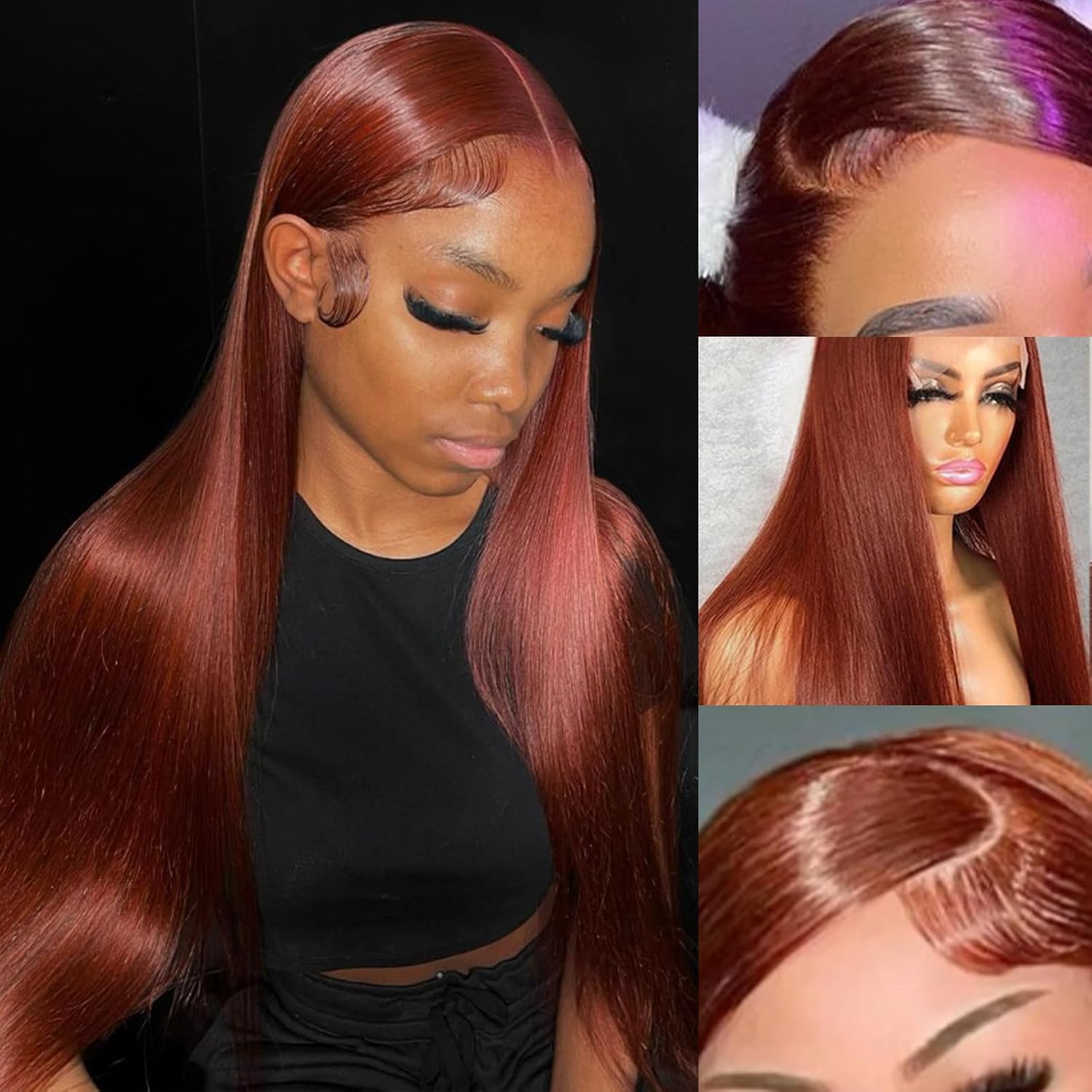 Reddish-brown 10-inch Straight 13x6 Lace Front Human Hair Wig, Density.$62.99View on Mallflare
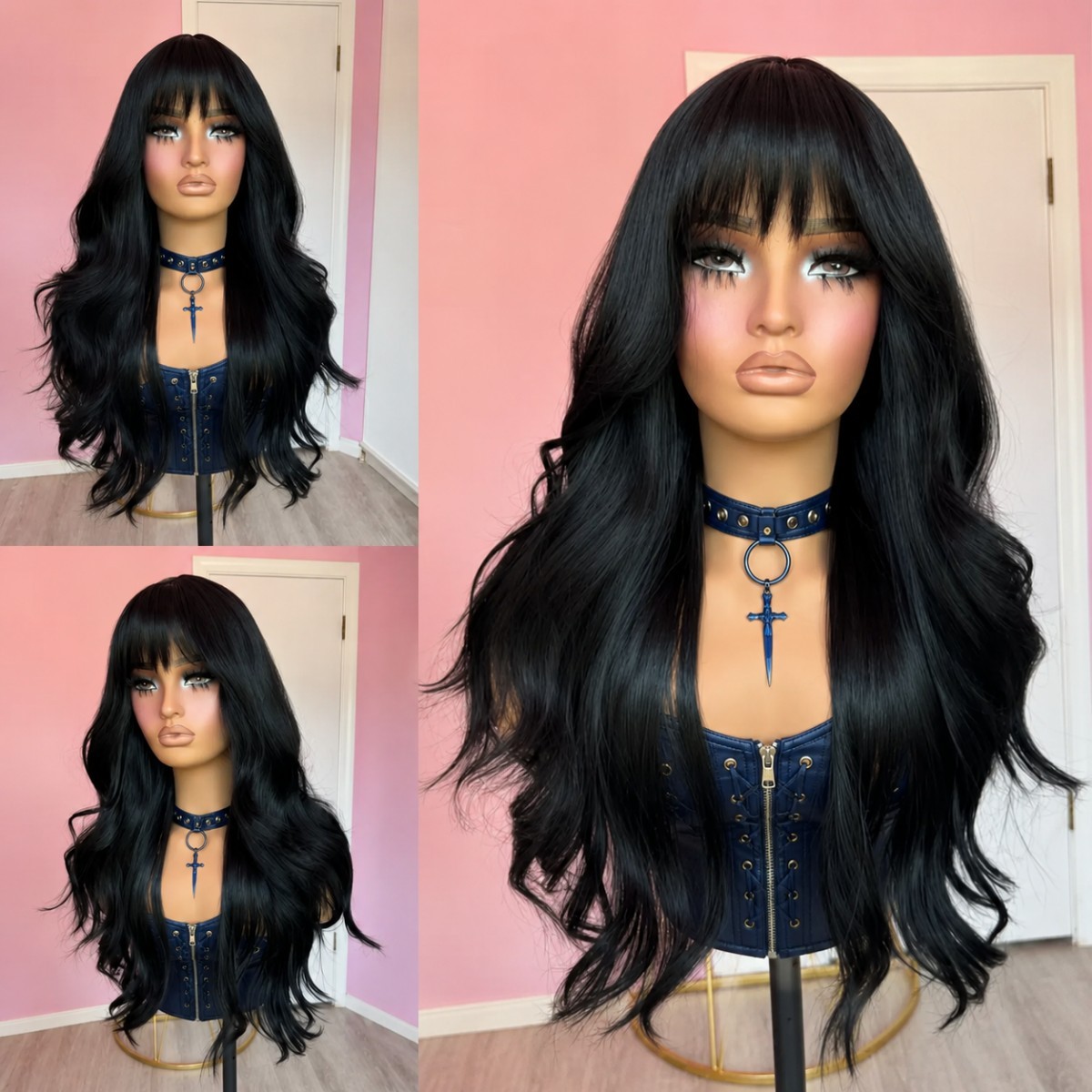 Black Heat Resistant Hair Long Wavy Cosplay Party Wigs With Bangs Natural$22.77View on eBay
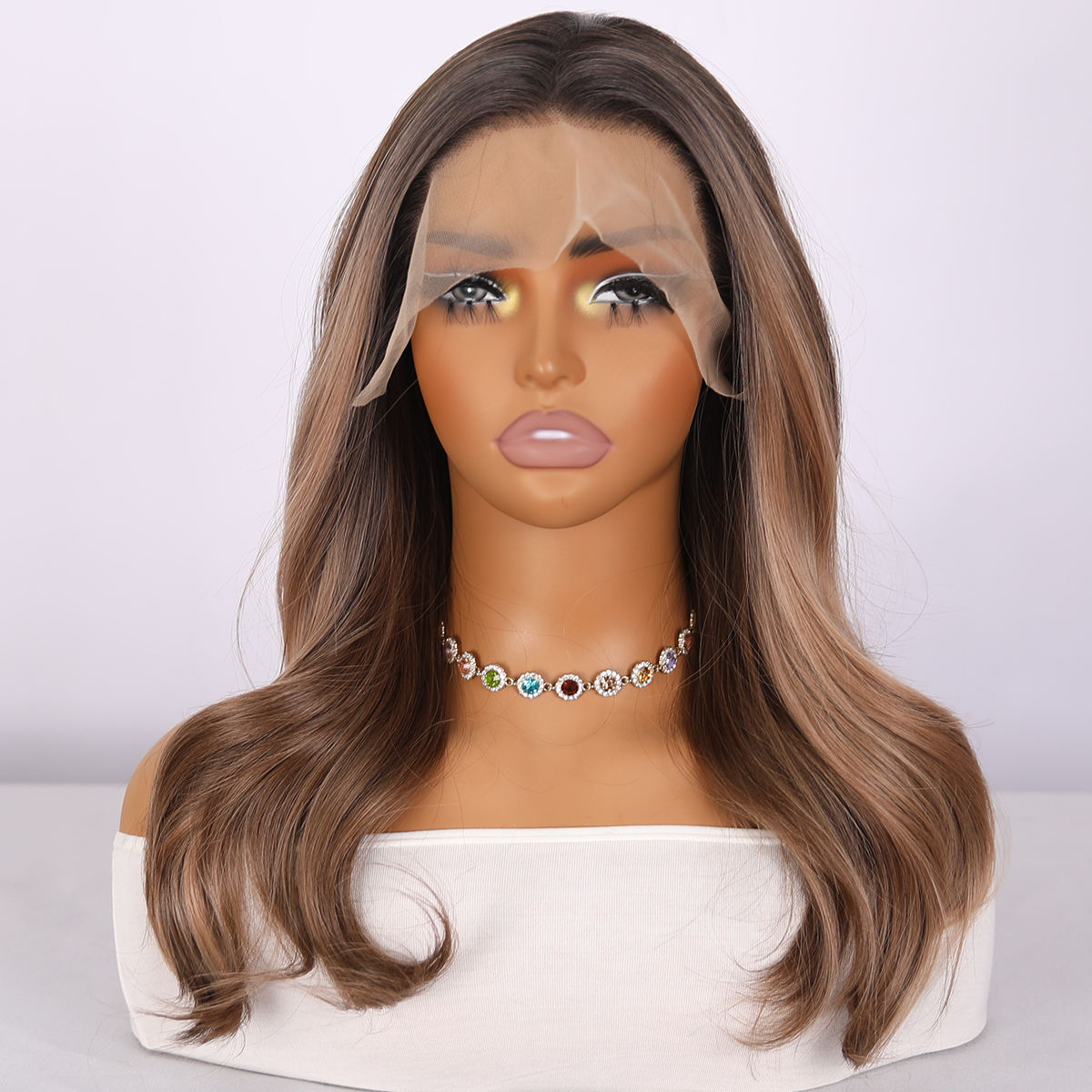 Best-selling Fashion Fake Synthetic Lace Front Brown Gradient Curly Wig Long Braided Wig$72.99View on Mallflare
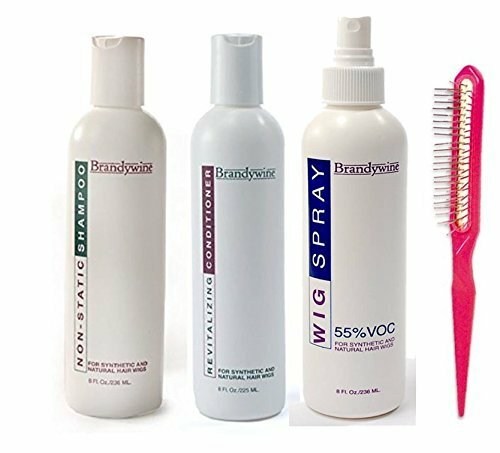 Brandywine Wig Hair Care Products 8oz Shampoo, Conditioner and Pump Wig Spray$26.88View on eBay
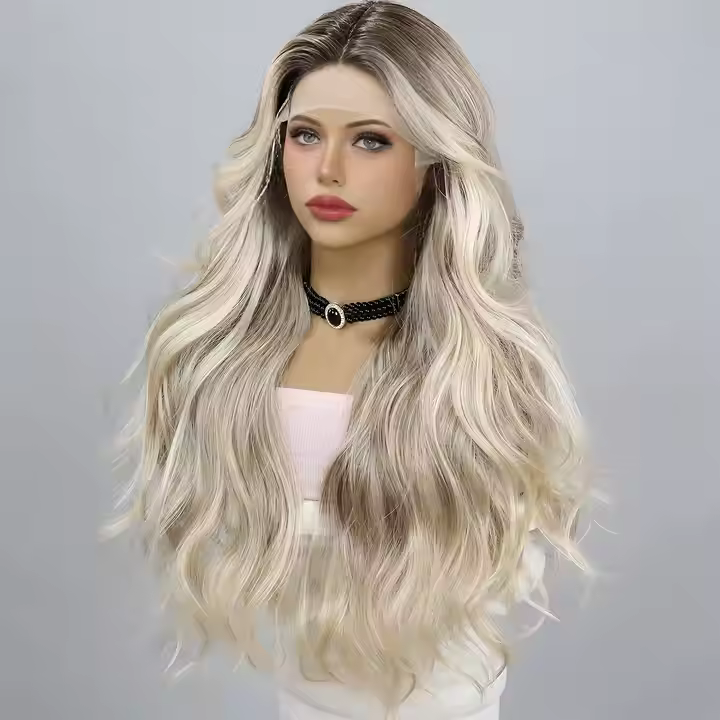 European And American Fashion T-shaped Lace Gold Gradient Wavy Curly Hair Wigs Shipped From Warehouse$73.99View on Mallflare
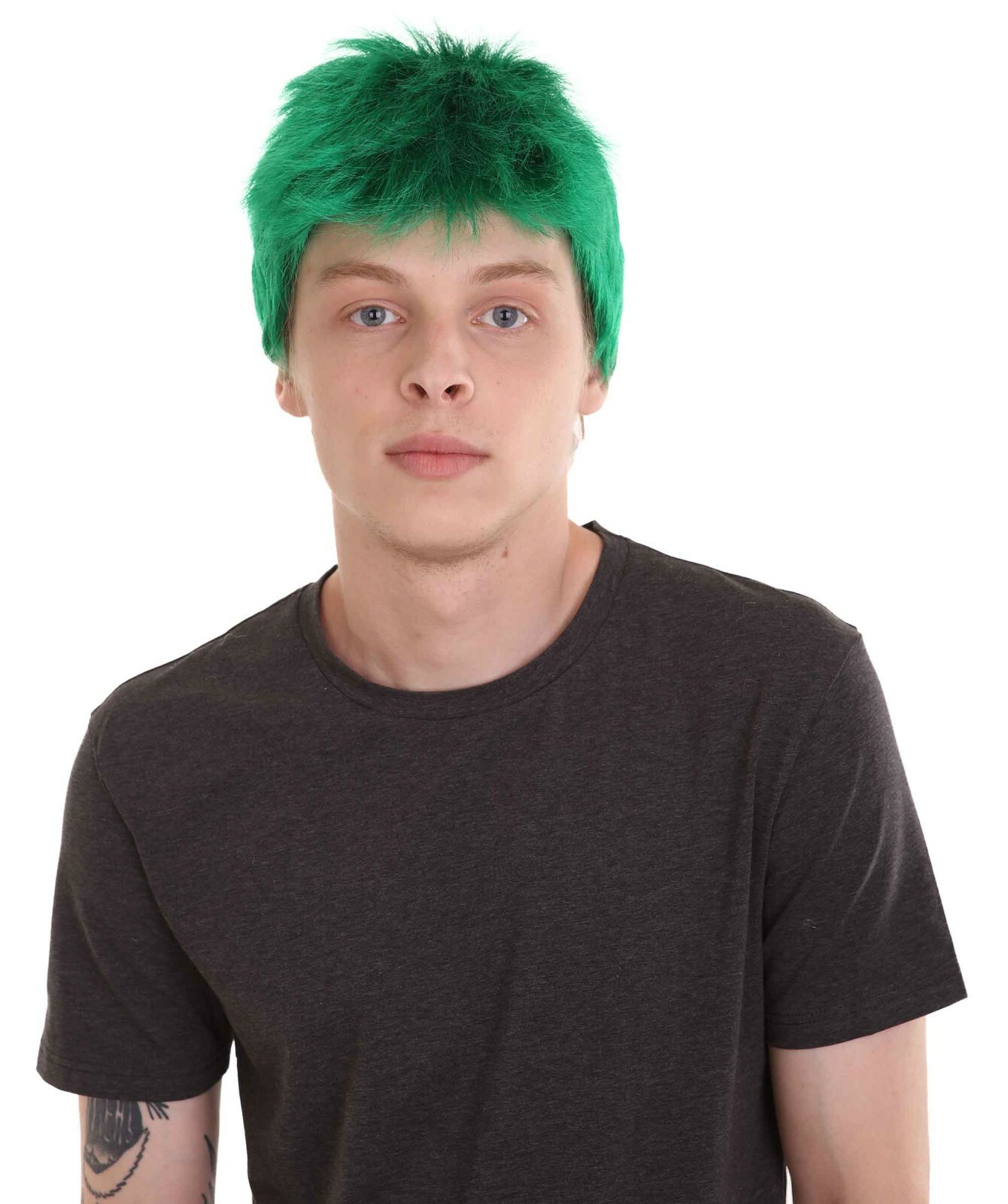 Men Fancy Green Wig, Premium Breathable Capless Cap, HM-396A$32.24View on eBay
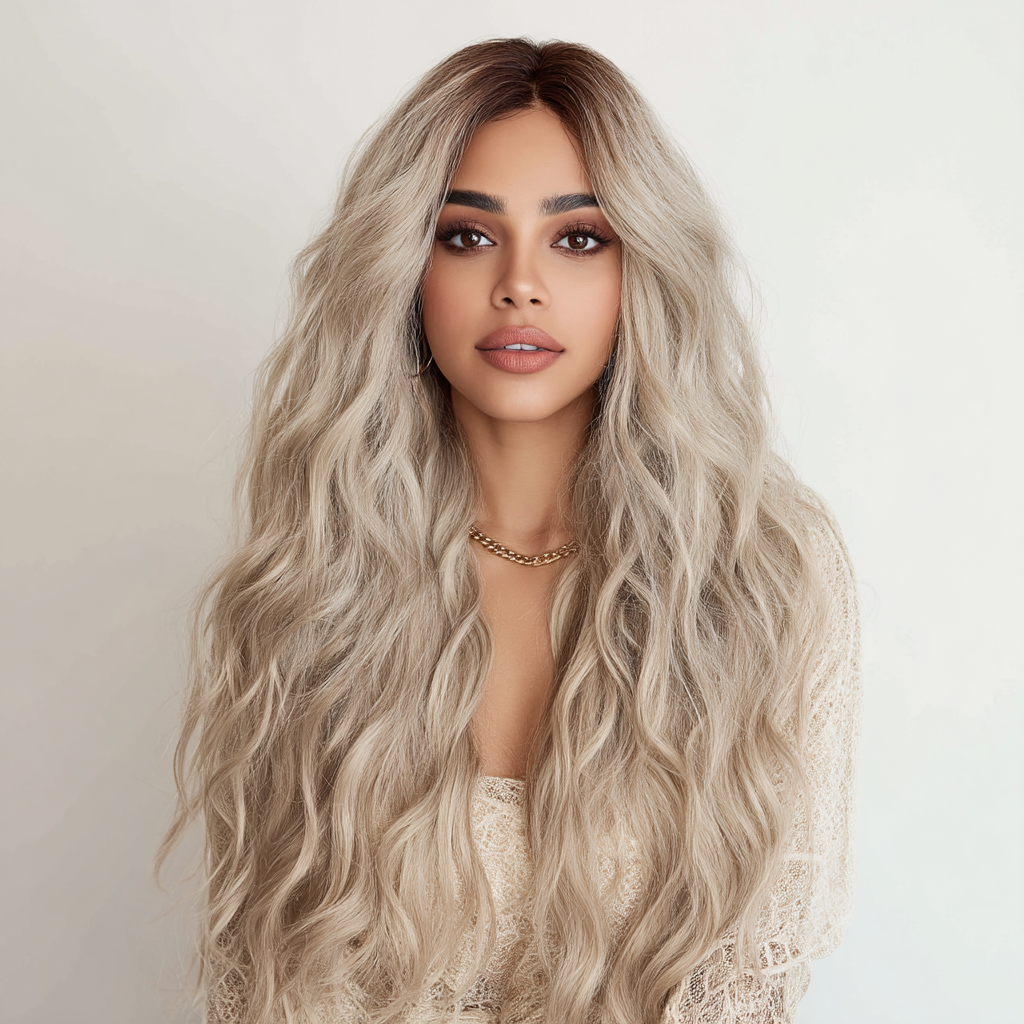 European And American Fashion T-shaped Lace Front Wig Gray Gradient Wavy Curly Hair Wig For Women SM9017$75.99View on Mallflare
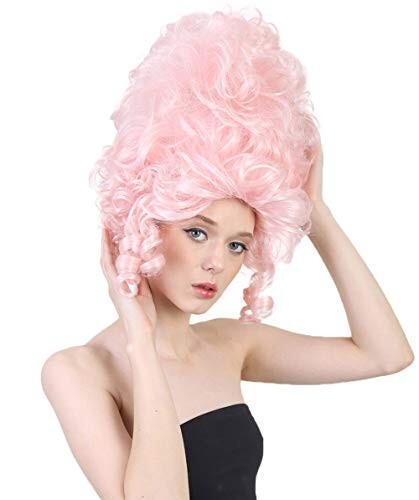 Rococo Style French Revolution Womens Wig, Queen Character Cosplay Halloween Wig$47.36View on eBay
 4x6 Lace Human Hair Wig Reddish-Brown Body Wave, Density, 10 Inches$75.99View on Mallflare
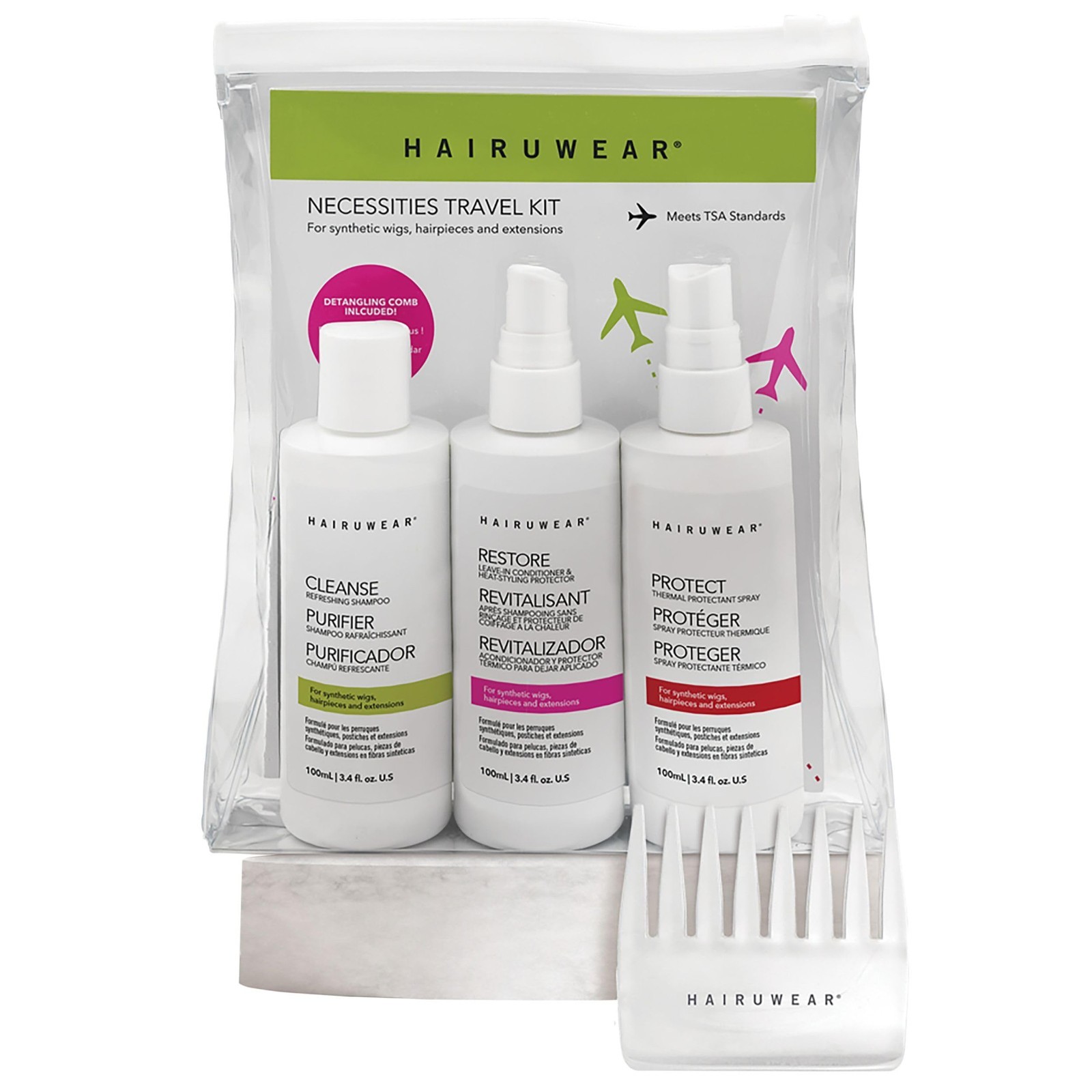 Synthetic Hair Wig Care Set - Detangling Comb & Travel Accessories for Extension$54.99View on eBay
 4x6 Lace Human Hair Wig Chocolate Brown Body Wave, Density$80.99View on Mallflare
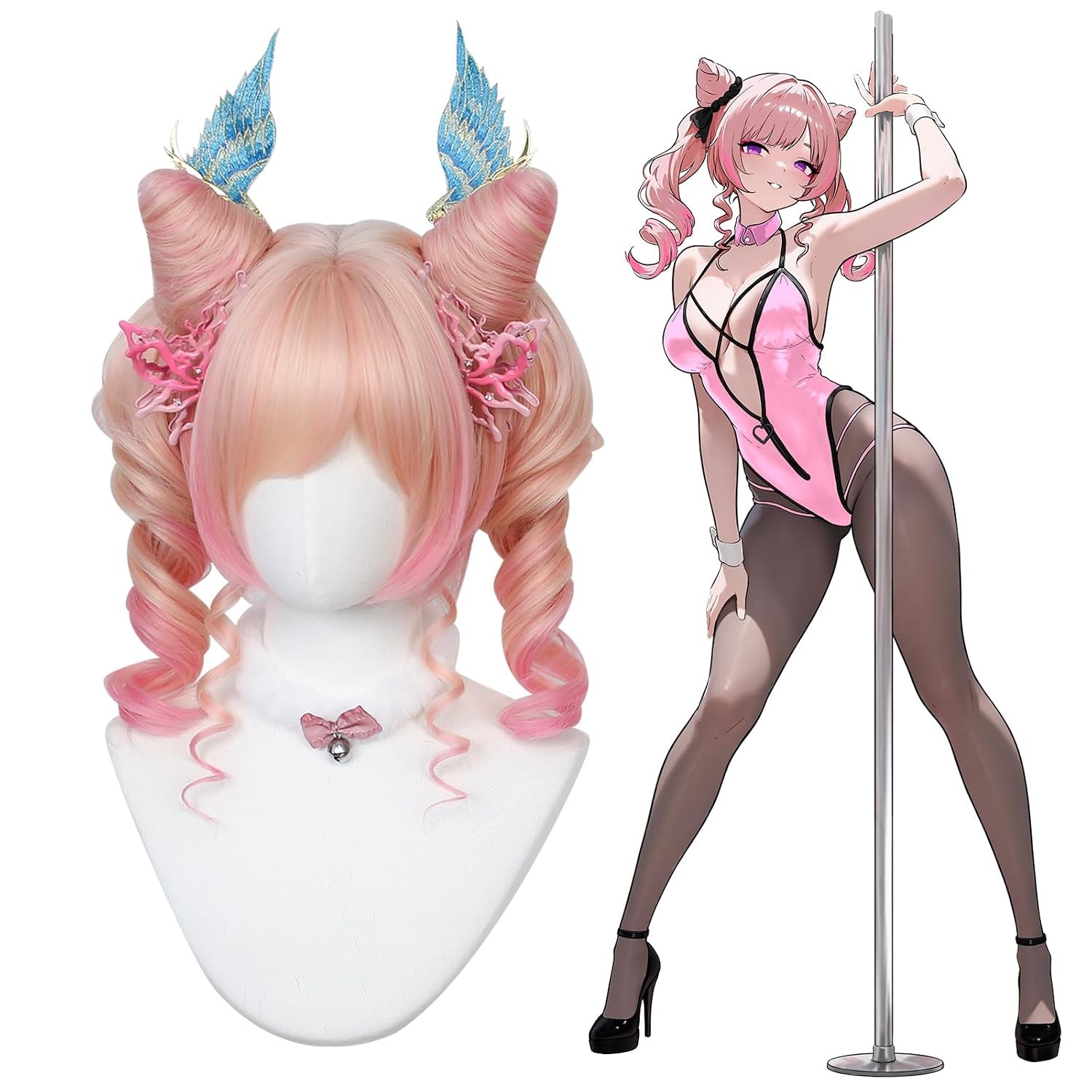 Anime Lolita Pink Gradient Cosplay Wig Taurus Color Anime Hair Anime Wig$70.99View on eBay
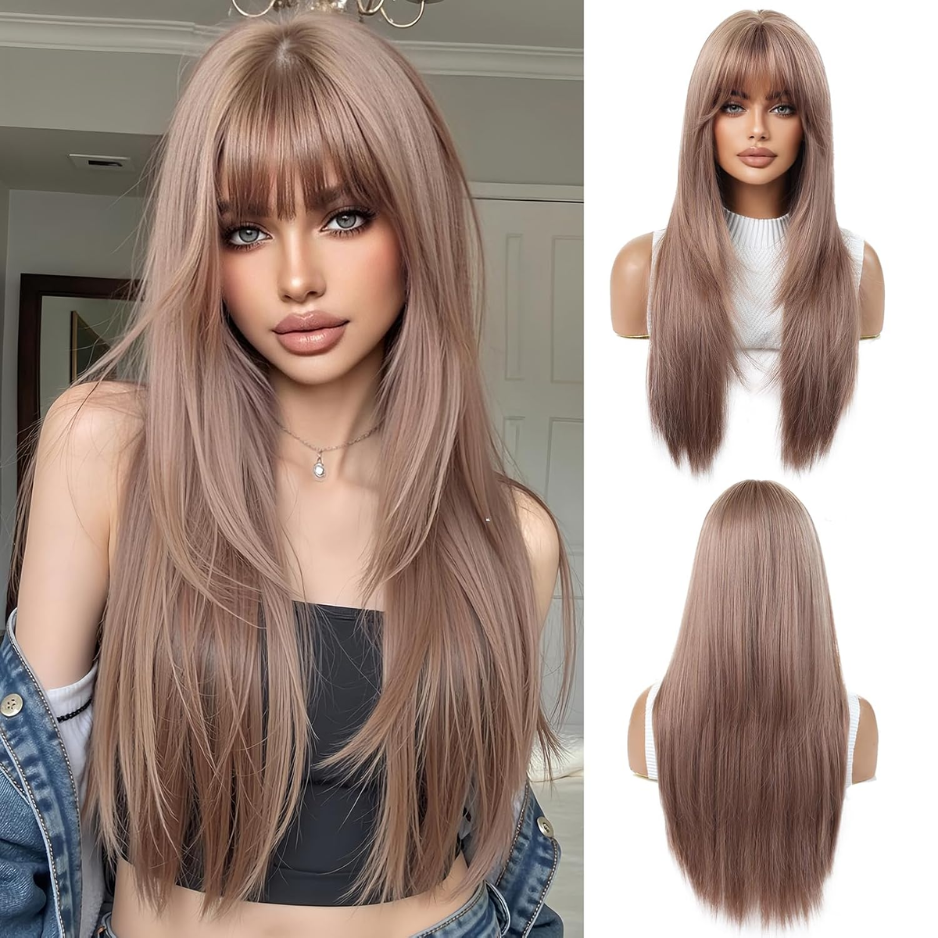 Blonde Wigs For Women With Bangs Long Natural Straight Synthetic Hair Heat Resistant For Daily Party Cosplay Wear$80.99View on Mallflare
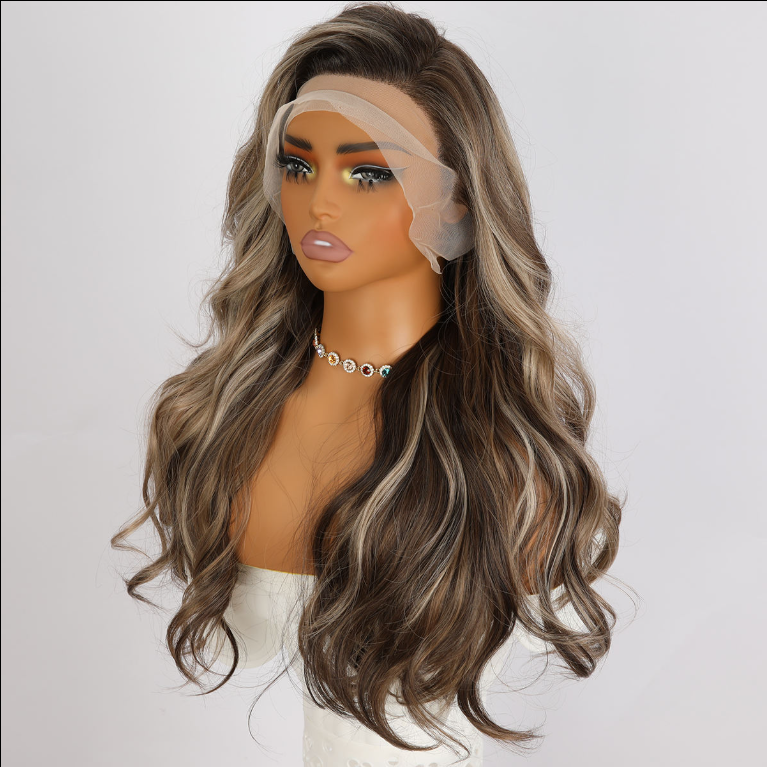 Hot Selling Synthetic Hair Wigs Highlight Wear Go For Black Women Glueless$81.99View on Mallflare
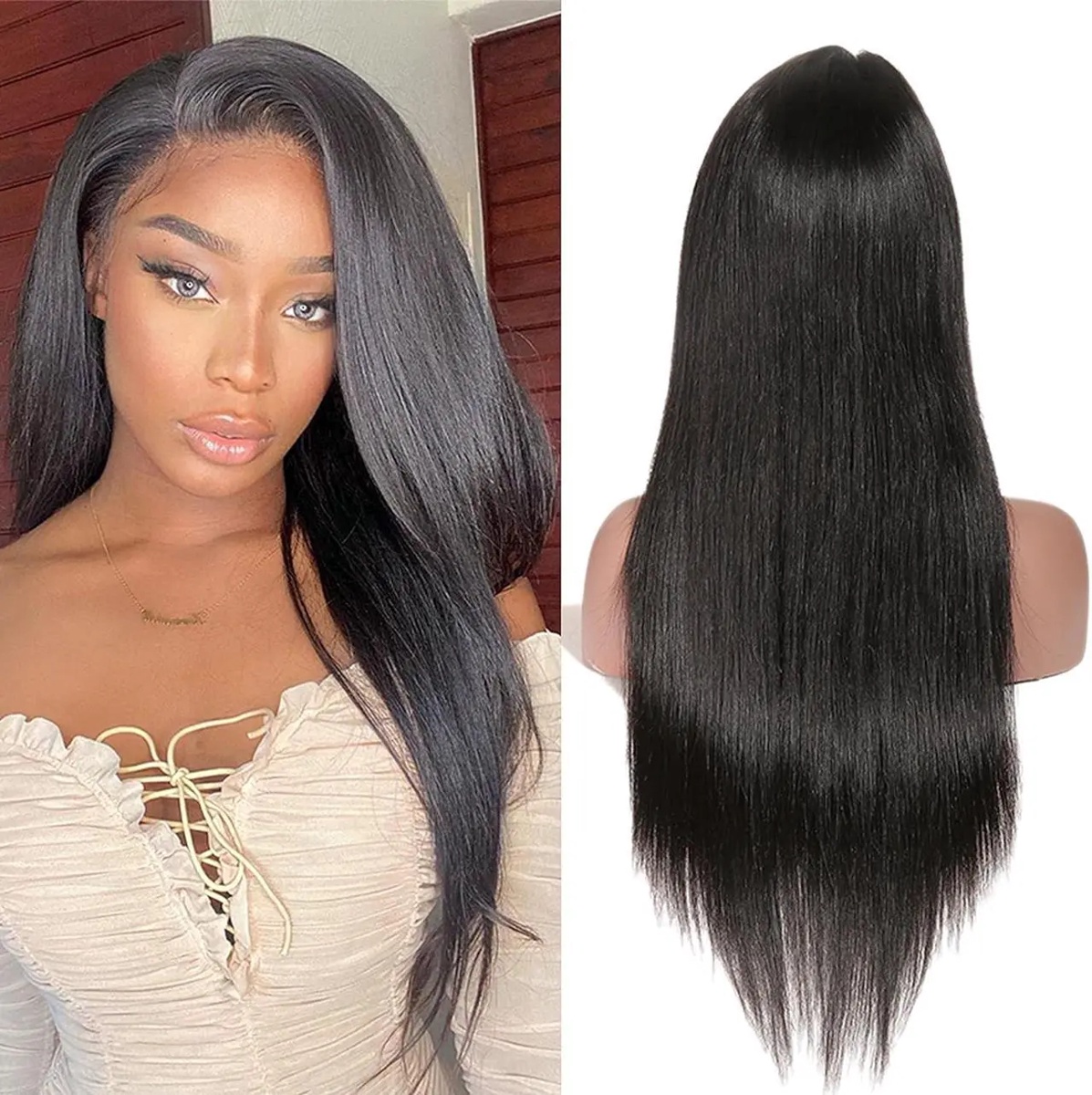 4x4 Pre-cut Lace Straight Human Hair Wig, Natural Color, Density$83.99View on Mallflare
Highlights
- Human hair tolerates flat irons up to 450°F and can be dyed; heat-resistant synthetic caps at 250-350°F and cannot be lightened.
- Lace-front (13x4, 13x6) and T-shaped lace melt into the hairline for a natural part; capless wefts show bulk at the crown.
- Density is rated 130-180%: 150% reads natural daily, 180%+ is styled for volume and sheds more under glue.
- Monofilament or silk-top caps allow multidirectional parting; closed-weft caps limit styling to one part line.
Best use cases
- Daily wear or medical hair loss: choose 100% human hair with a 13x4 lace-front and 150% density; skip plastic-fiber caps that tangle after two weeks.
- Cosplay or party one-off: pick heat-resistant synthetic (250-350°F rated) with bangs; skip human hair unless you plan repeated restyling.
- Color experimentation: buy human hair for bleach and dye; skip synthetic, which cannot be lightened and frizzes under high heat.
- Glueless or sensitive-scalp wear: choose a T-shaped or U-part cap with adjustable straps and clips; skip full-lace caps that require adhesive.
Buying tips
- Match lace size to styling: 13x4 covers ear-to-ear with a 4-inch part; 13x6 gives a deeper side part and more parting room.
- Cap size must match head circumference: measure around the hairline and nape; standard caps fit 21.5-22.5 inches, large 23-24 inches.
- For synthetic, confirm an explicit heat-resistance rating (250-350°F); unrated plastic fiber scorches at low iron settings.
- Length math: 10 inches hits the shoulders, 14 inches the chest, 20 inches the waist; curly textures shrink 2-4 inches visually.
Specs
| Fiber Type | Human hair / heat-resistant synthetic |
|---|---|
| Lace Front | 13x4, 13x6, T-shape, none |
| Density | 130-180% (150% natural daily) |
| Heat Limit | Human 450°F / synthetic 250-350°F |
Related searches
What to check before buying
- Measure head circumference, ear-to-ear, and nape-to-hairline before choosing cap size; average adult is 22 inches.
- Confirm fiber type and heat rating: human hair or 250-350°F synthetic, not unrated plastic.
- Check lace-front dimensions (13x4 vs 13x6) and parting direction against your styling plan.
- For human hair, verify origin (Brazilian, Indian, European) and cuticle alignment to prevent tangling.
FAQ
Data sources: eBay / Amazon listings and product attribute feeds Data updated Nov 15, 2026.
Some links on this page are affiliate links. If you buy after clicking one, we may earn a commission at no extra cost to you. This does not change which products appear here or their order. Affiliate disclosure.