Photos from current listings. Actual item, color, and included accessories may vary.
Hair Product Buying Guide
Hair products span shampoos, conditioners, leave-ins, oils, and treatments, where the primary trade-off is cleansing strength versus moisture retention balanced against hair porosity and scalp condition. The decisive rule: match surfactants and conditioning agents to your hair's porosity and density, and treat bond-builders or growth kits as targeted treatments, not daily staples.

At a glance
- Category
- Hair Care
- Data updated
- Nov 15, 2026
Current offers
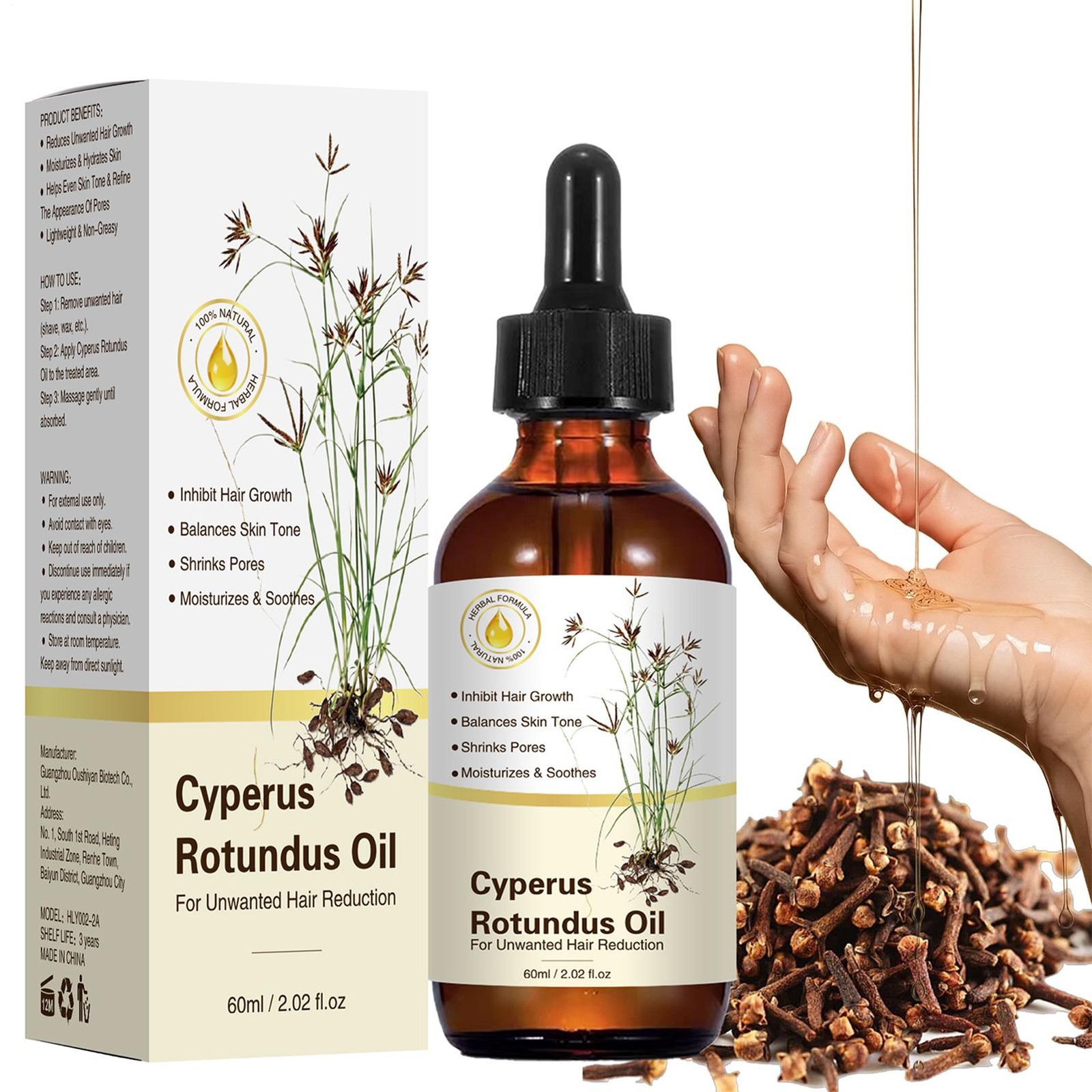 Hair Removal Oil Cleansing Smooth Skin Care Products 60ml Hydrating successful$16.87
 View on eBay
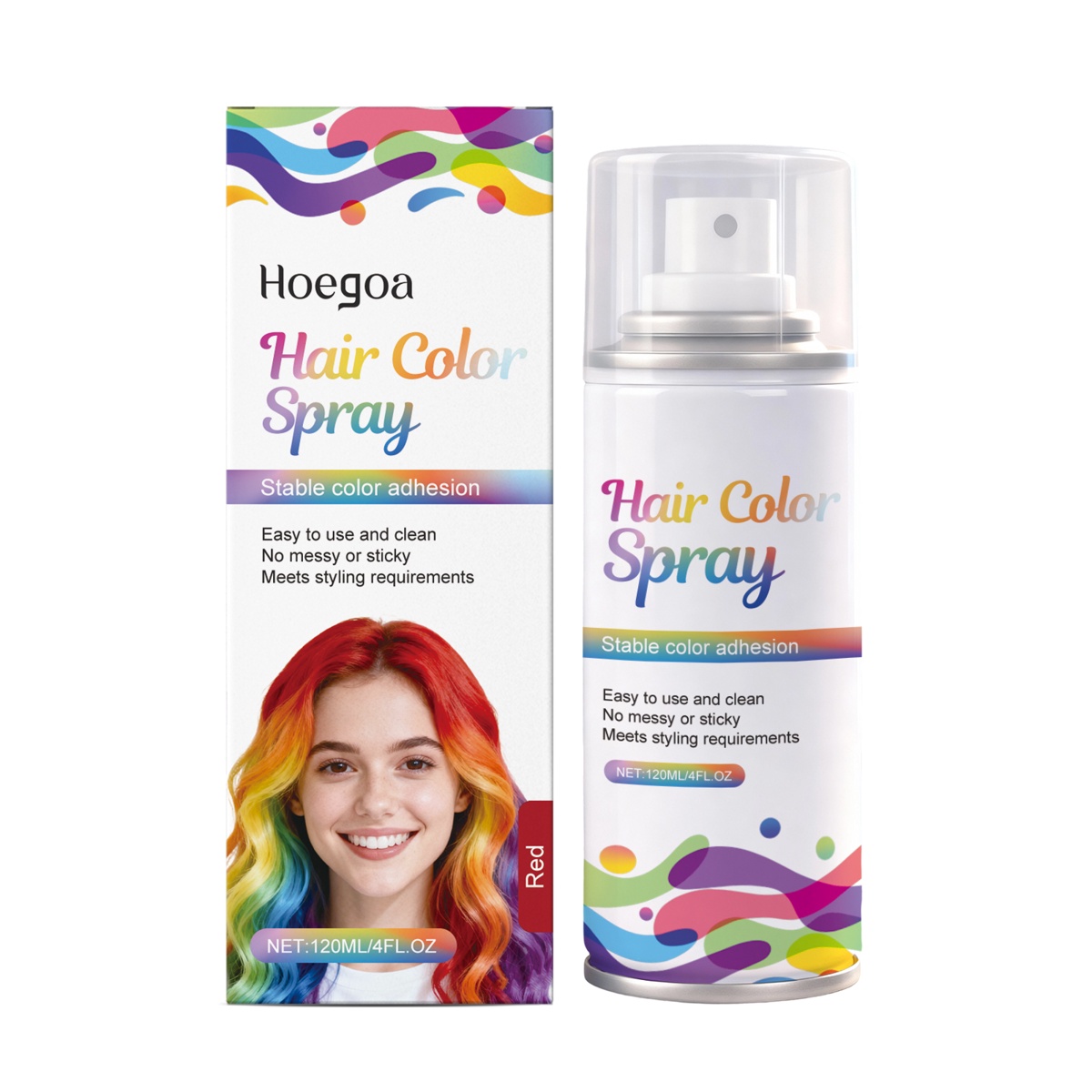 Hoegoa Red Temporary Hair Spray Offers A Dazzling Color That Naturally Shows Evenly And Covers Fashionable Care Products$19.99
 View on Mallflare
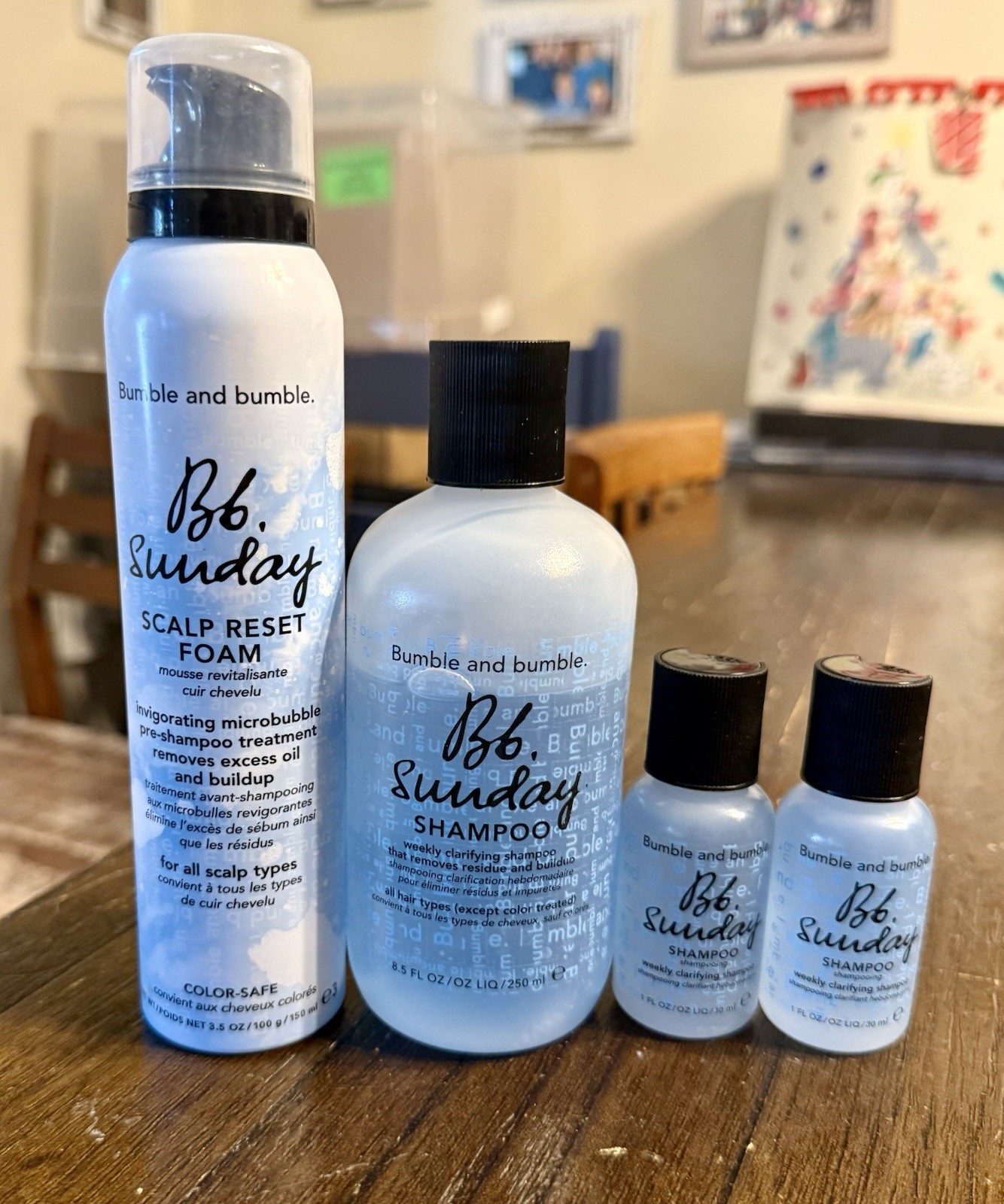 Lot of 4 Bumble & Bumble Sunday Hair Care Products- PLEASE READ DESCRIPTION$20.00View on eBay
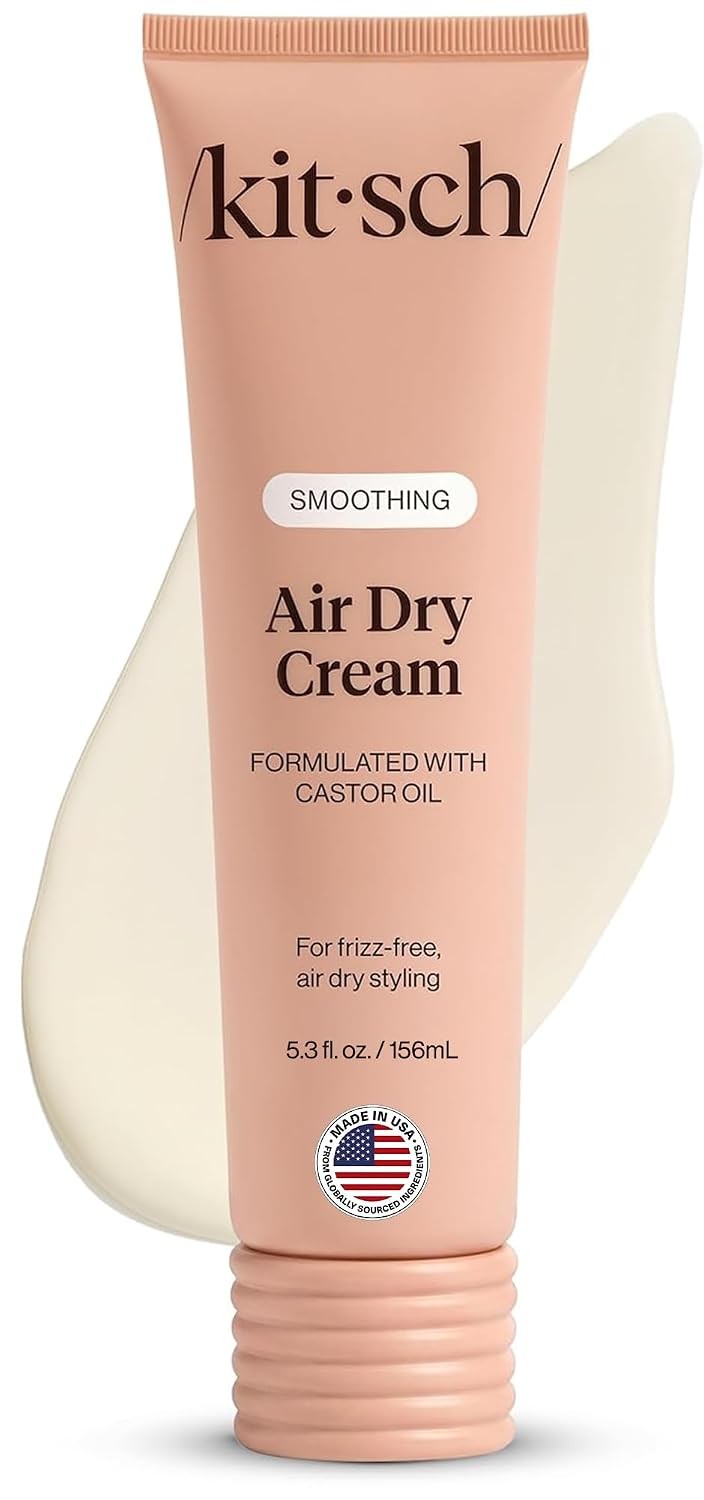 Kitsch Smoothing Air Dry Cream for Hair – Frizz Control Hair Care Product with C$20.90View on eBay
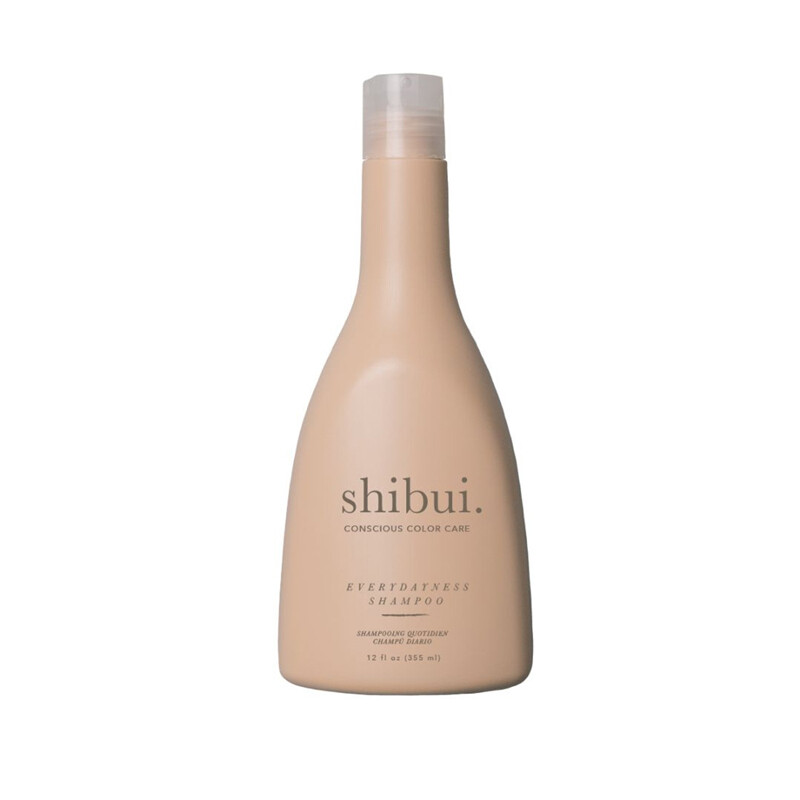 Shibui Hair Care Products$22.00View on eBay
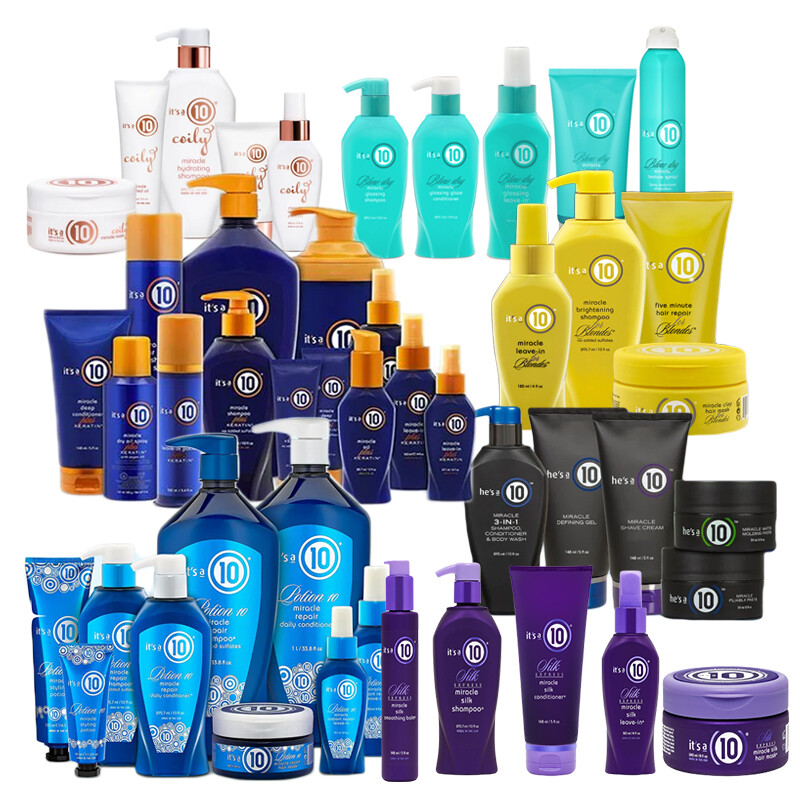 Its A 10 Hair care Products$24.80View on eBay
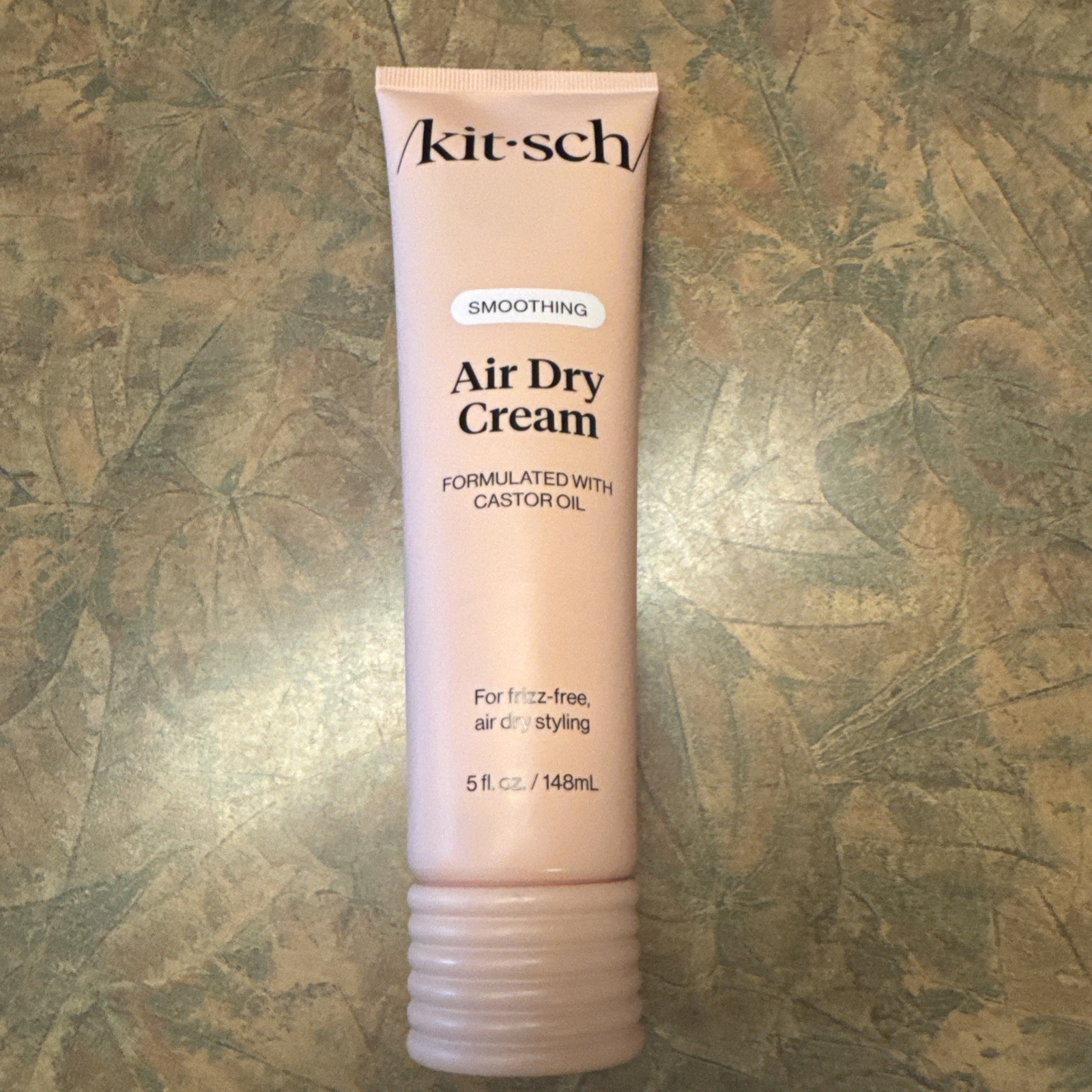 Kitsch Smoothing Air Dry Cream for Hair – Frizz Control Hair Care Product with C$24.99View on eBay
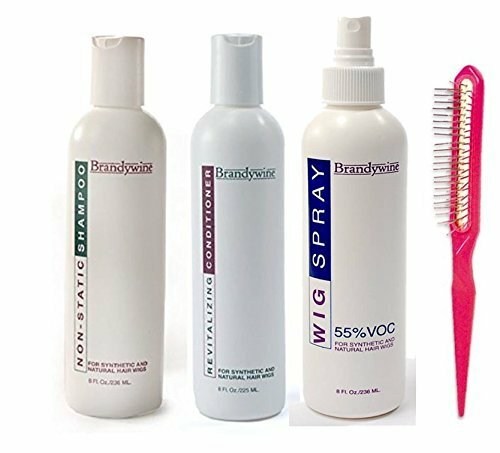 Brandywine Wig Hair Care Products 8oz Shampoo, Conditioner and Pump Wig Spray$26.88View on eBay
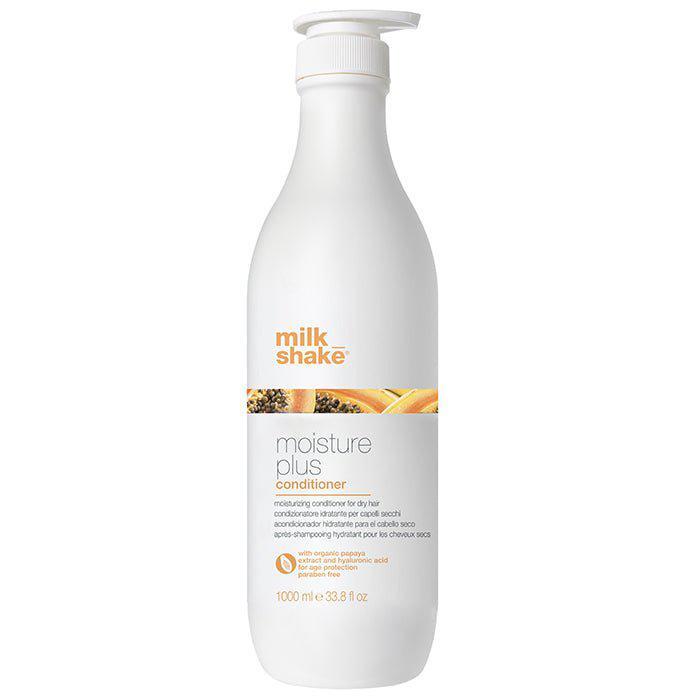 Milk Shake Hair Care Products$59.40View on eBay
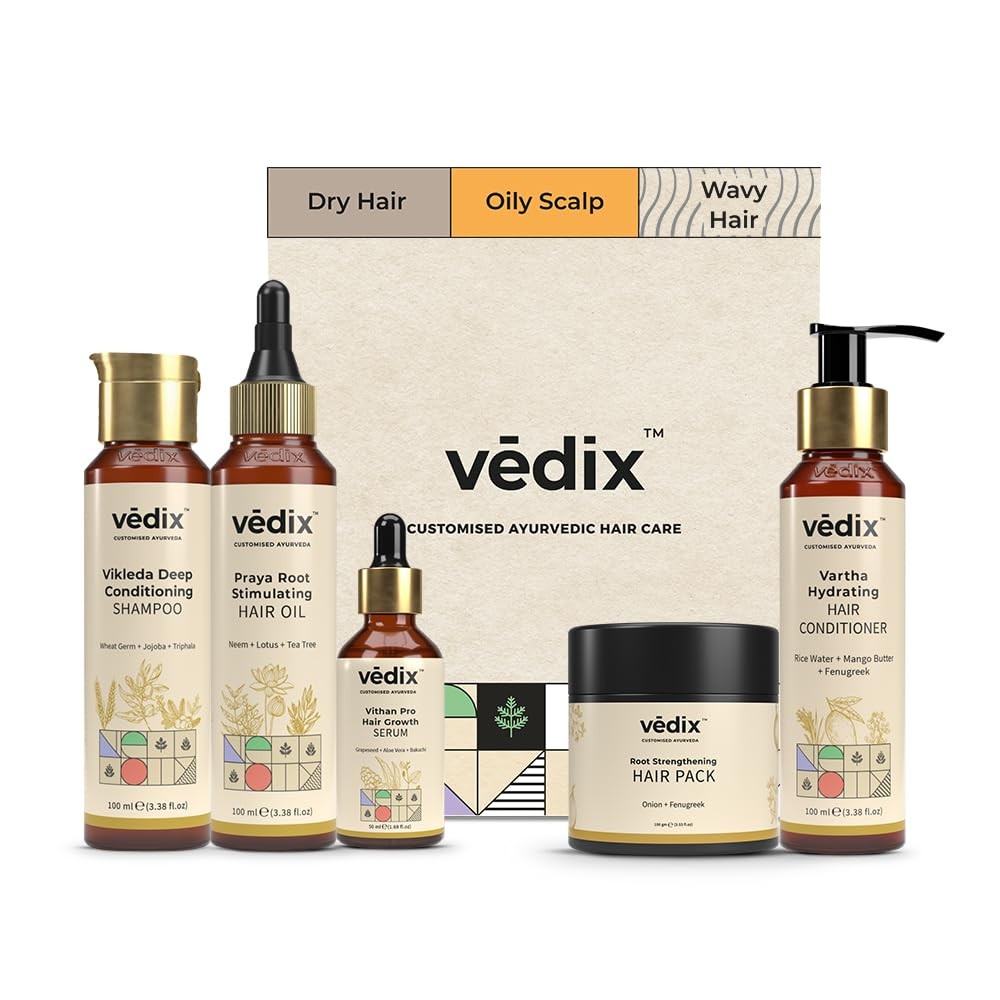 Vedix Ayurvedic Hair Growth Kit | 5 Products for Dry, Curly Hair & Scalp$63.00View on eBay
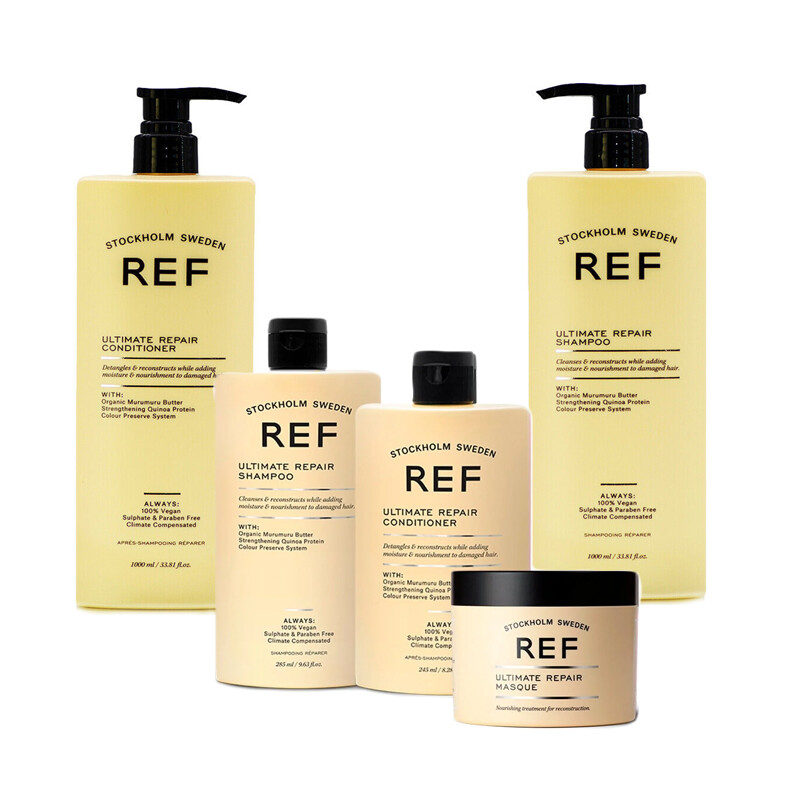 REF Hair Care Products$95.99View on eBay
Highlights
- Sulfate-free formulas use gentler surfactants (cocamidopropyl betaine, sodium cocoyl isethionate) that preserve color and natural oils; sulfate shampoos (SLS/SLES) cleanse heavier buildup but strip moisture from dry or fine hair.
- Frizz control relies on humectants (glycerin, hyaluronic acid) and film-formers (silicones like dimethicone) that seal the cuticle; in high humidity, lighter water-soluble silicones prevent weighed-down fine hair.
- Bond-repair treatments use patented actives (bis-aminopropyl diglycol dimaleate in Olaplex, maleic acid in K18) that rebuild disulfide bonds; they work on chemically damaged hair, not as general conditioners.
- Scalp-focused growth kits (Vedix-type Ayurvedic sets) combine cleansers, serums, and oils targeting scalp health; efficacy depends on consistent use and addressing underlying scalp conditions, not single-product miracles.
Best use cases
- For frizzy, humidity-prone hair: choose a sulfate-free shampoo plus a leave-in cream or serum with dimethicone or glycerin; skip heavy oils that weigh down waves.
- For dry, coarse, or curly hair: pick creamy, sulfate-free cleansers and deep conditioners with shea butter or argan oil; avoid clarifying shampoos except monthly buildup removal.
- For fine or thinning hair: select lightweight, volumizing formulas without heavy silicones or oils; skip thick masks and bond builders unless chemically damaged.
- For damaged, bleached, or chemically treated hair: use bond-repair treatments (Olaplex, K18) and protein-moisture balanced conditioners; skip sulfates and high-heat styling without protection.
Buying tips
- Match surfactant to hair type: sulfate-free for color-treated, dry, or fine hair; sulfate shampoos only for oily scalps or heavy product buildup once weekly.
- Check conditioner weight: fine hair needs lightweight conditioners with panthenol; coarse hair benefits from heavier butters and oils that seal the cuticle.
- For bond repair, verify the active ingredient (bis-aminopropyl diglycol dimaleate or maleic acid) and use as directed—typically 2-3 times weekly, not daily.
- Ayurvedic or growth kits should list full ingredients and target scalp health; consistent use for 8-12 weeks is needed to assess results, not single applications.
Specs
| Surfactant Type | Sulfate-free vs sulfate (SLS/SLES) |
|---|---|
| Hair Porosity Fit | Low / medium / high porosity formulas |
| Frizz Control Actives | Silicones, glycerin, humectants |
| Repair Technology | Bond builders vs protein vs moisture |
Related searches
What to check before buying
- Determine hair porosity (float test or feel): low porosity needs lightweight, water-based products; high porosity absorbs quickly and needs heavier sealants.
- Assess scalp condition: oily scalp may need clarifying or sulfate shampoo; dry or sensitive scalp needs sulfate-free, fragrance-free formulas.
- Account for chemical treatments (color, bleach, relaxer): these increase porosity and damage bonds, requiring bond-repair and sulfate-free care.
- Check product format and routine fit: shampoos and conditioners are daily staples; serums, oils, and masks are targeted treatments used 1-3 times weekly.
FAQ
Data sources: eBay / Amazon listings and product attribute feeds Data updated Nov 15, 2026.
Some links on this page are affiliate links. If you buy after clicking one, we may earn a commission at no extra cost to you. This does not change which products appear here or their order. Affiliate disclosure.