Photos from current listings. Actual item, color, and included accessories may vary.
Hair Serum Buying Guide
Hair serums are leave-in treatments that deliver concentrated actives—silicones for frizz control, oils for sealing moisture, or peptides for scalp health—without rinsing. The core trade-off is film-forming smoothing (dimethicone, cyclopentasiloxane) versus penetrating repair (biotin, argan oil, hydrolyzed protein), and a clear decision rule separates them: choose silicone-dominant serums for immediate humidity defense on intact hair, and oil/protein-dominant serums for dry, damaged or textured hair that needs structural reinforcement over time.

At a glance
- Category
- Hair Care
- Data updated
- Nov 15, 2026
Current offers
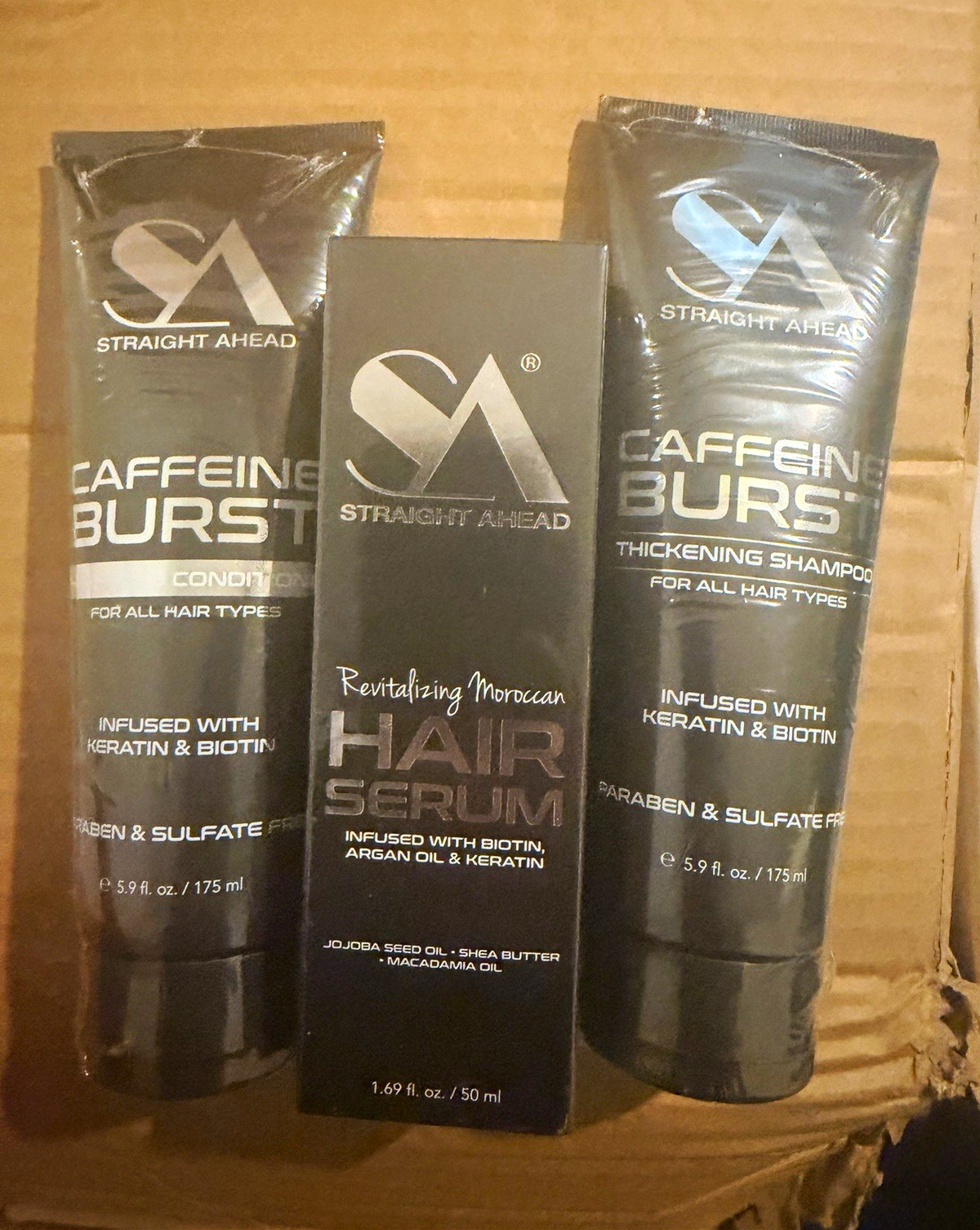 Straight Ahead Caffeine Burst hair care set -Shampoo -Conditioner -Hair Serum$25.00
 View on eBay
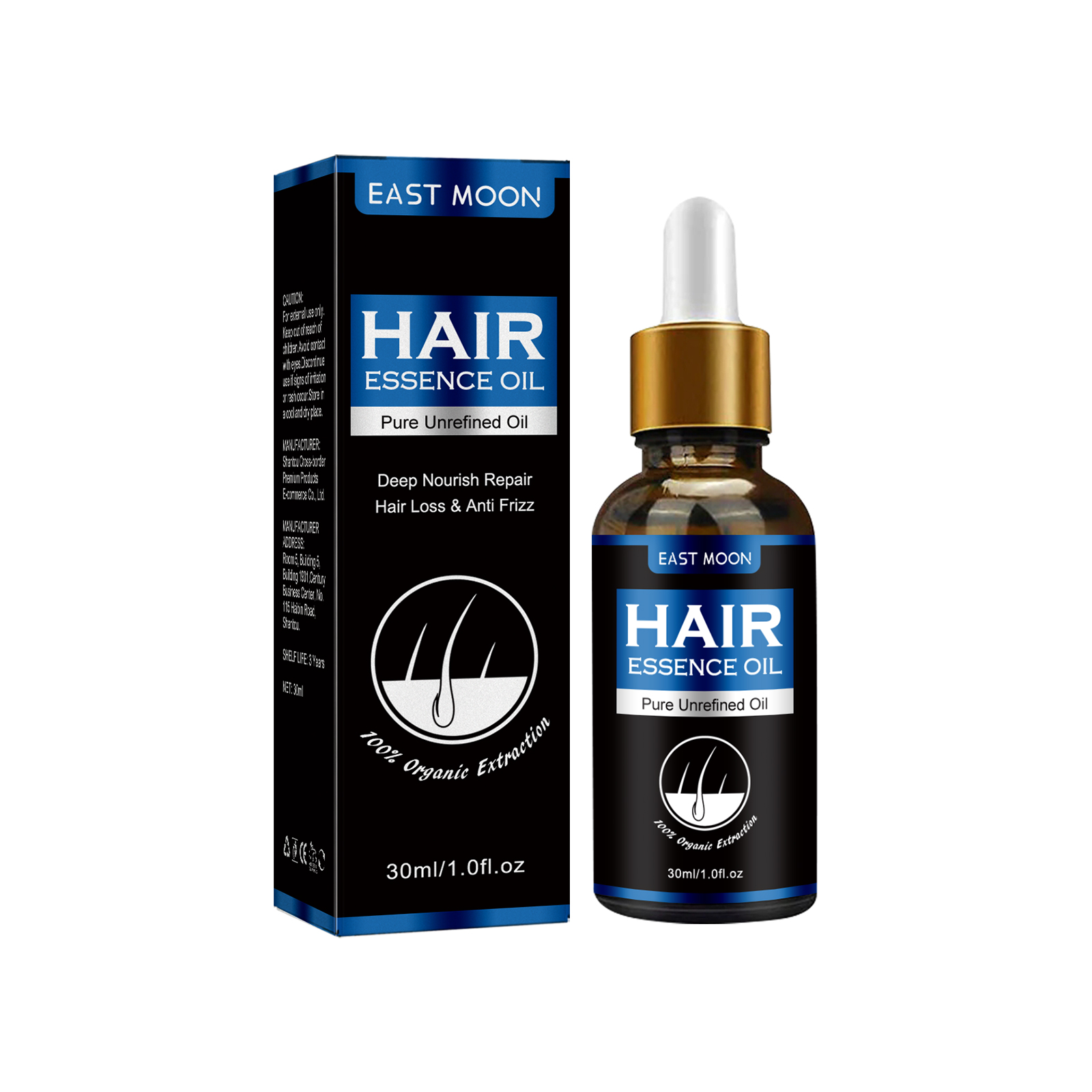 East Moon Men's Hair Serum Strengthening, Moisturizing, Treatment$22.99
 View on Mallflare
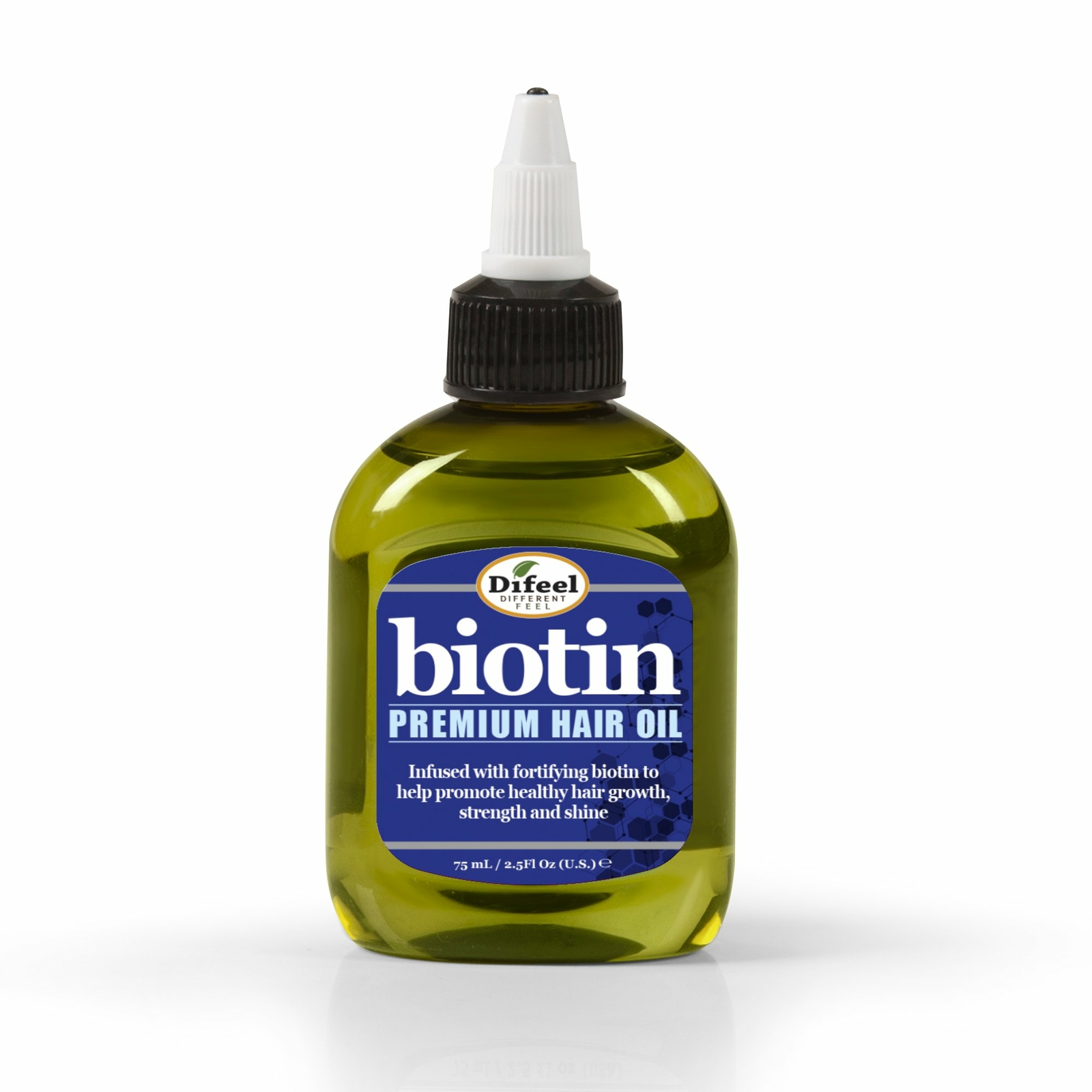 Difeel Premium Biotin Hair Oil 2.5 oz.$7.29View on eBay
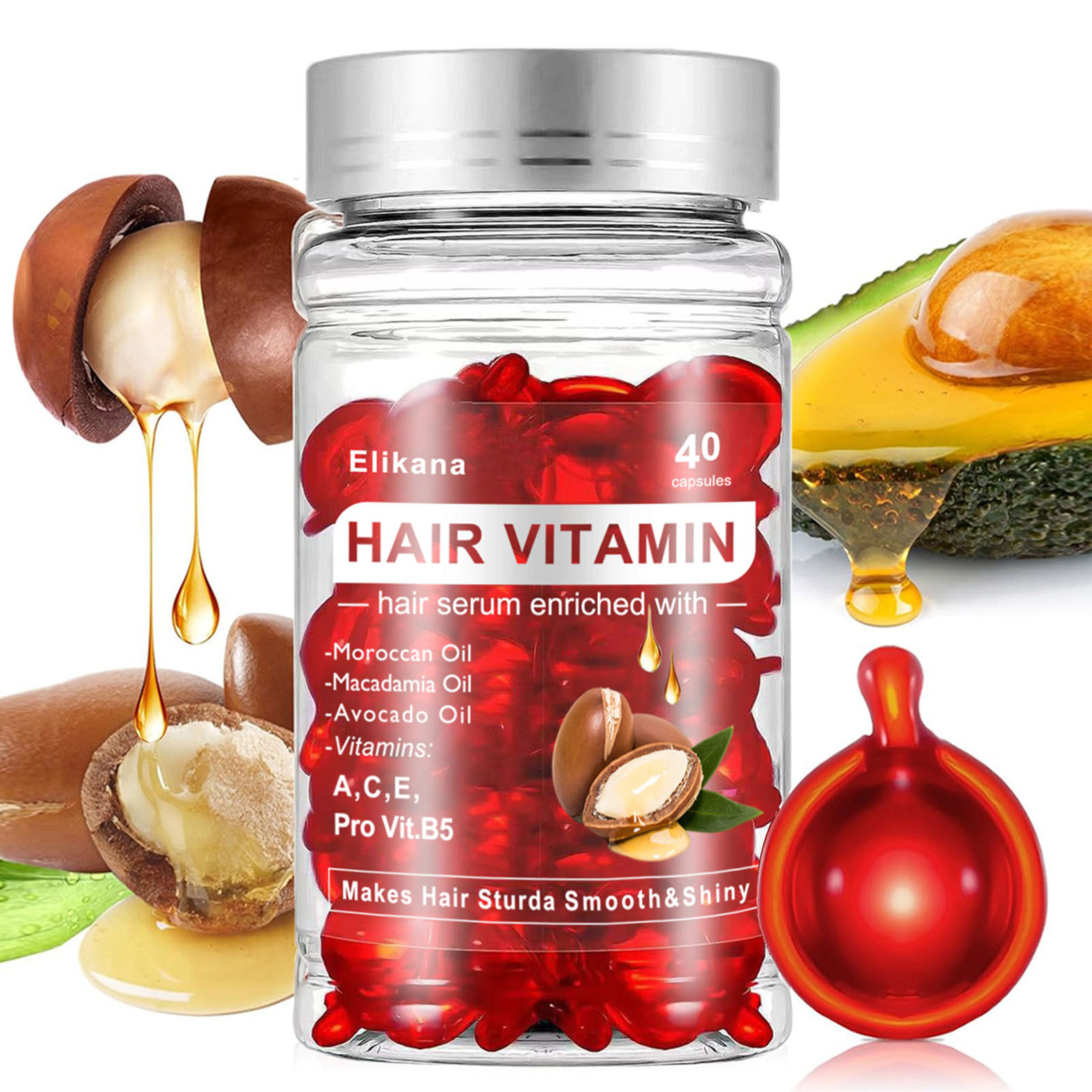 Hair Treatment Serum 40 Care Capsules - No Rinse - With Argan Macadamia & Avocado Oils - Vitamins A, E, & Pro B5 - Conditioner For Women & Men$12.99View on Mallflare
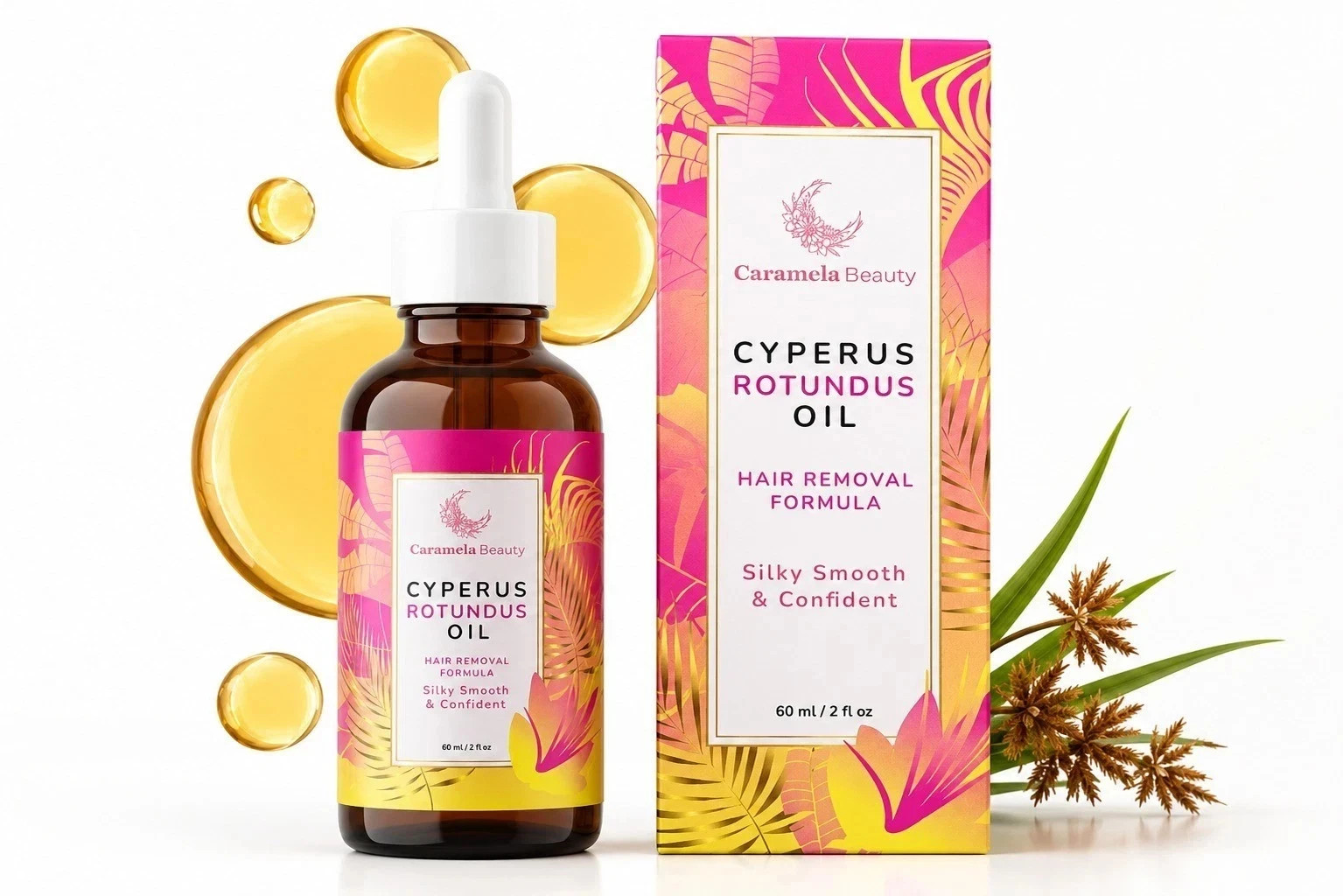 Cyperus Rotundus Oil 60ml Natural Hair Removal Body Care Moisturizing Oil$7.99View on eBay
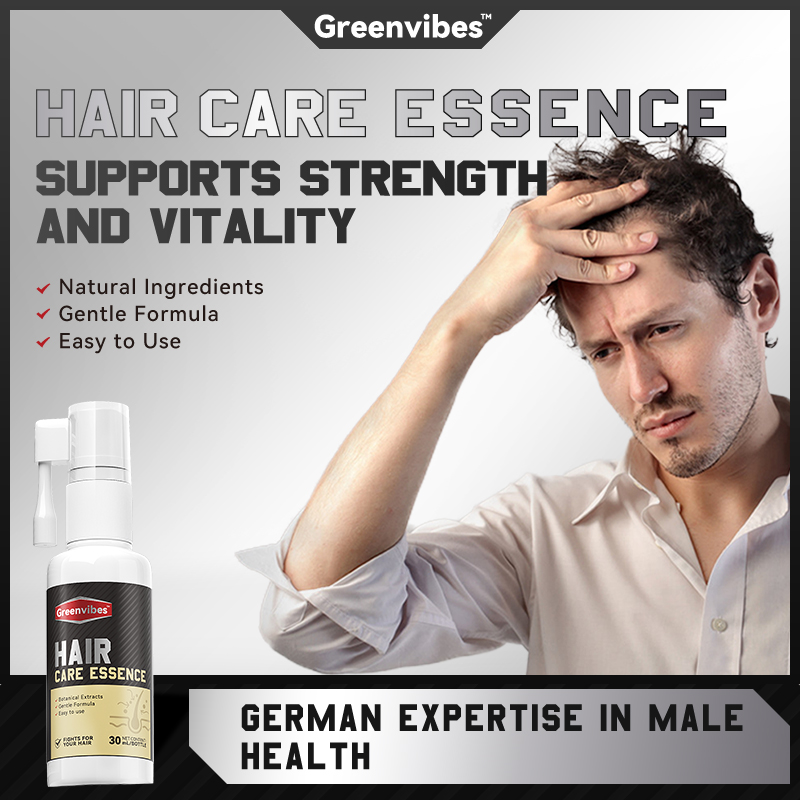 GreenVibes Anti-Breakage Hair Nourishing Essence, Repairs Dry And Frizzy For Silky Smooth Tresses$13.99View on Mallflare
 Sunny Isle Jamaican Black Castor Oil 4oz Original Hair Growth Scalp Care$10.19View on eBay
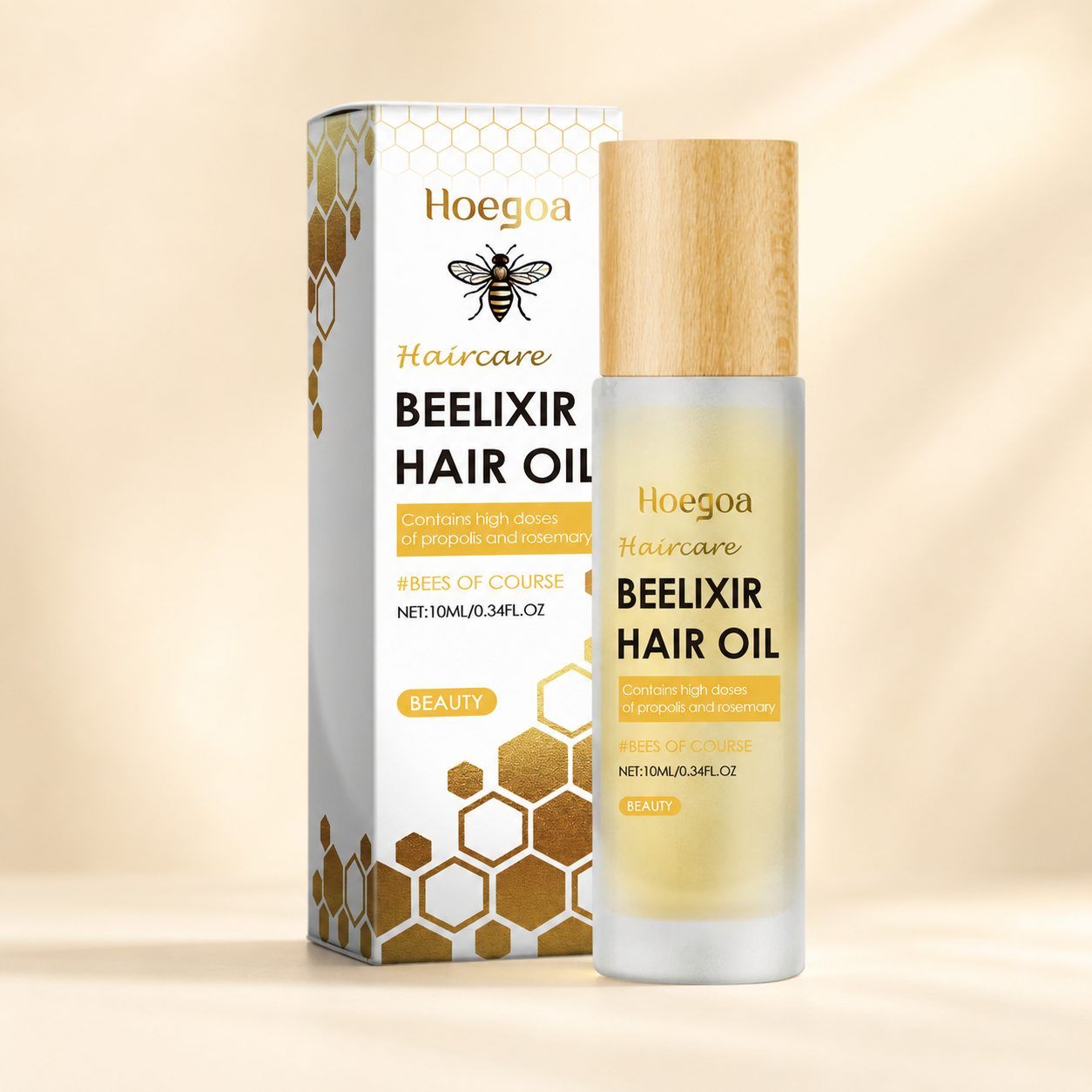 HOEGOA Honey Hair Conditioning Oil, 10 ml$14.99View on Mallflare
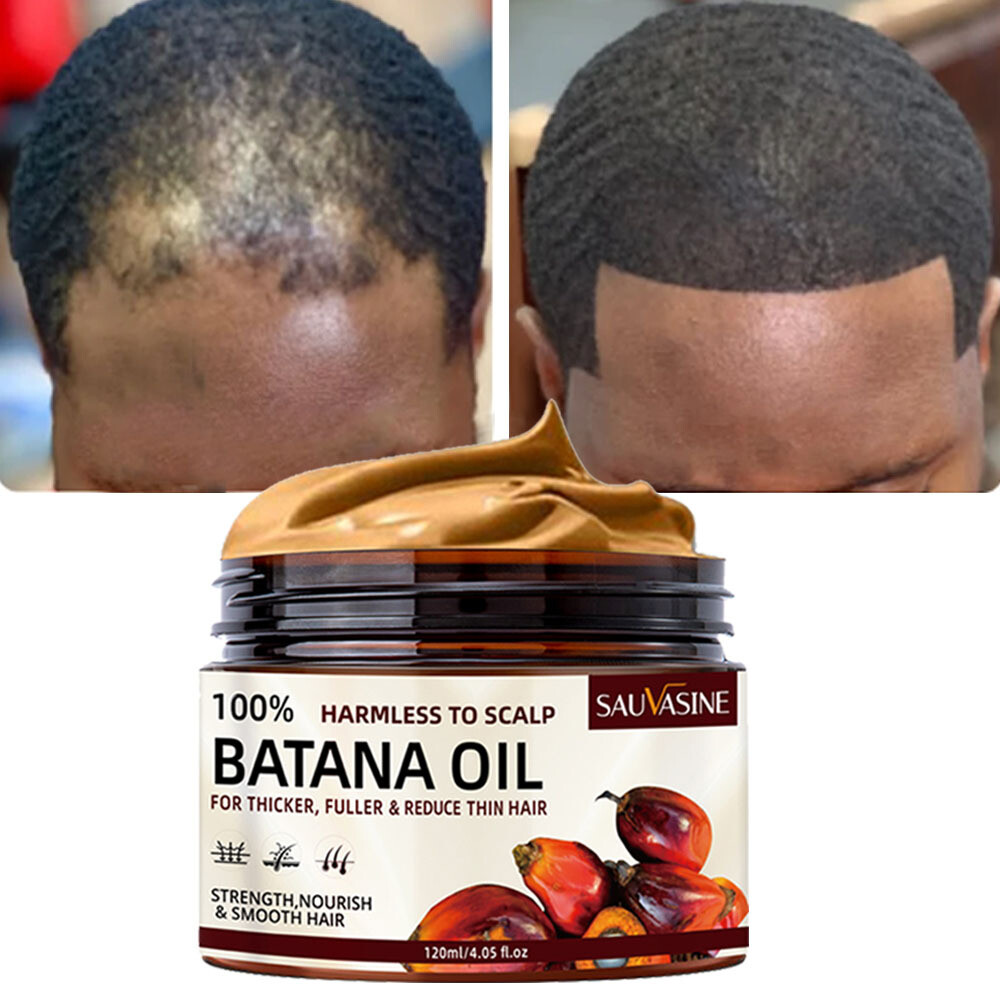 Batana Oil Conditioner for Hair Growth Hair Loss Treatment Men Women Hair Care$10.95View on eBay
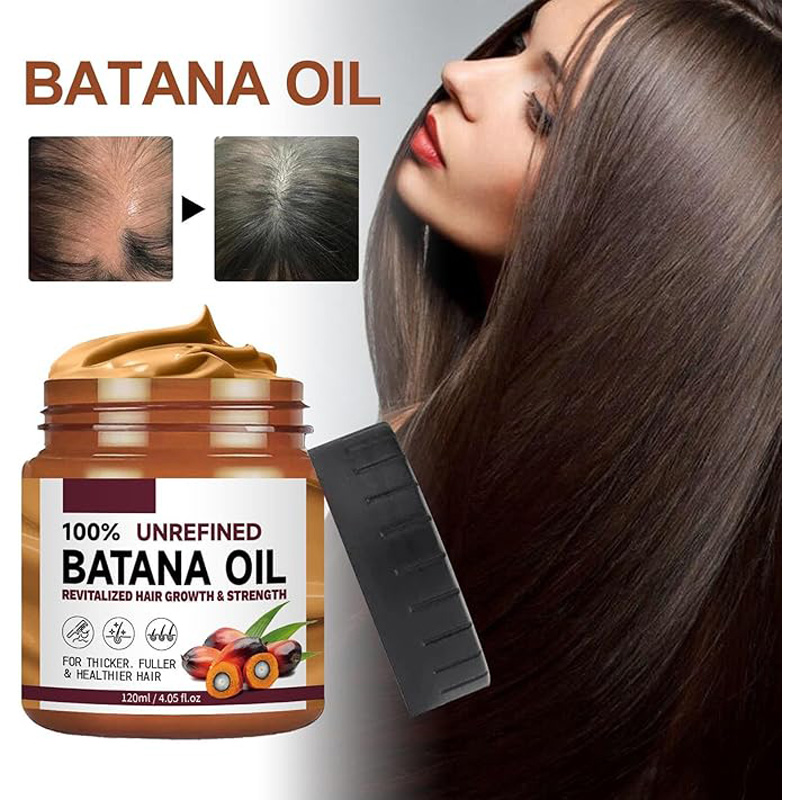 Batana Oil Hair Conditioner, Natural Oil For Growth For Healthier Thicker Stimulates Follicles$17.99View on Mallflare
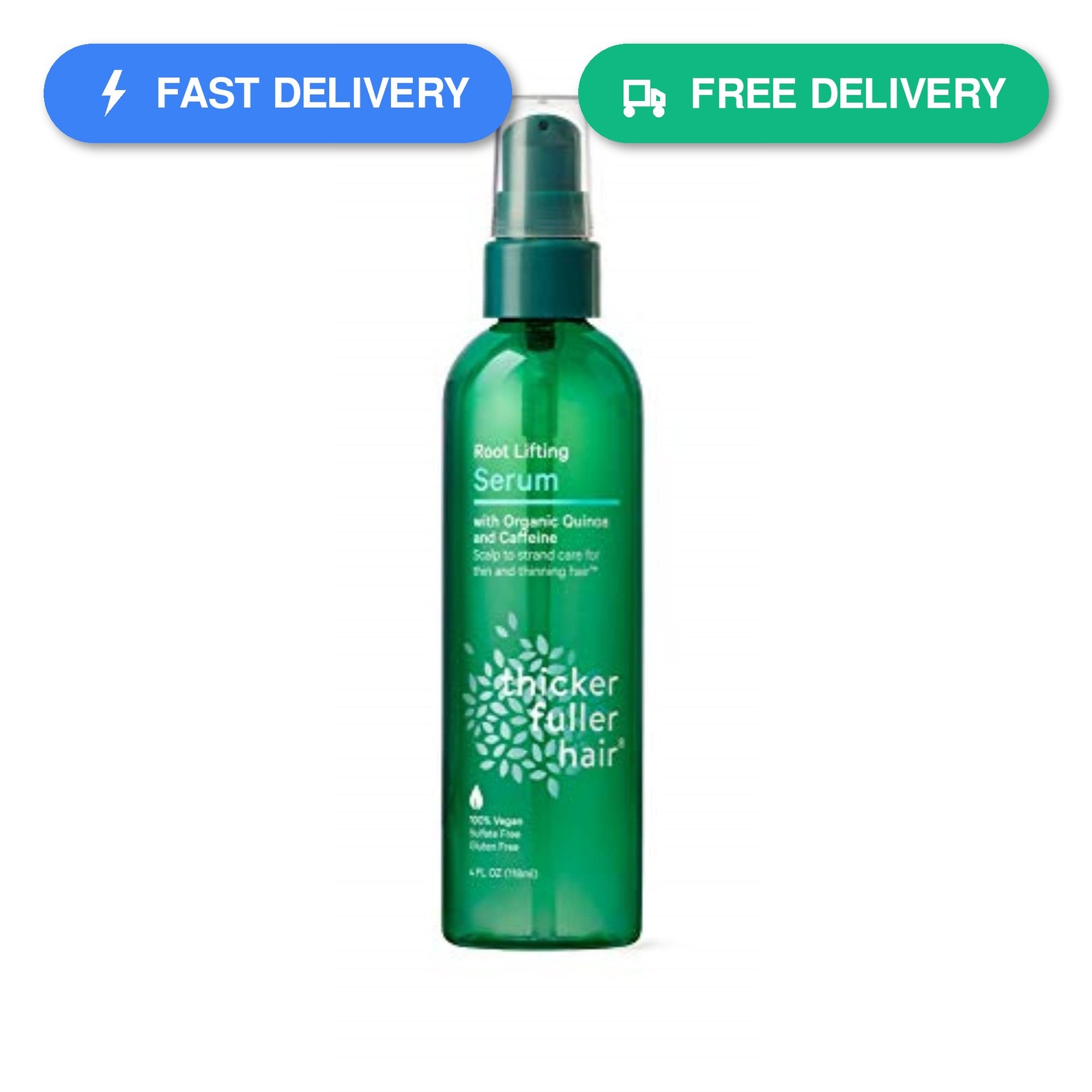 Thicker Fuller Hair, Root Lifting Serum By, Green, 4 Fl Oz$12.46View on eBay
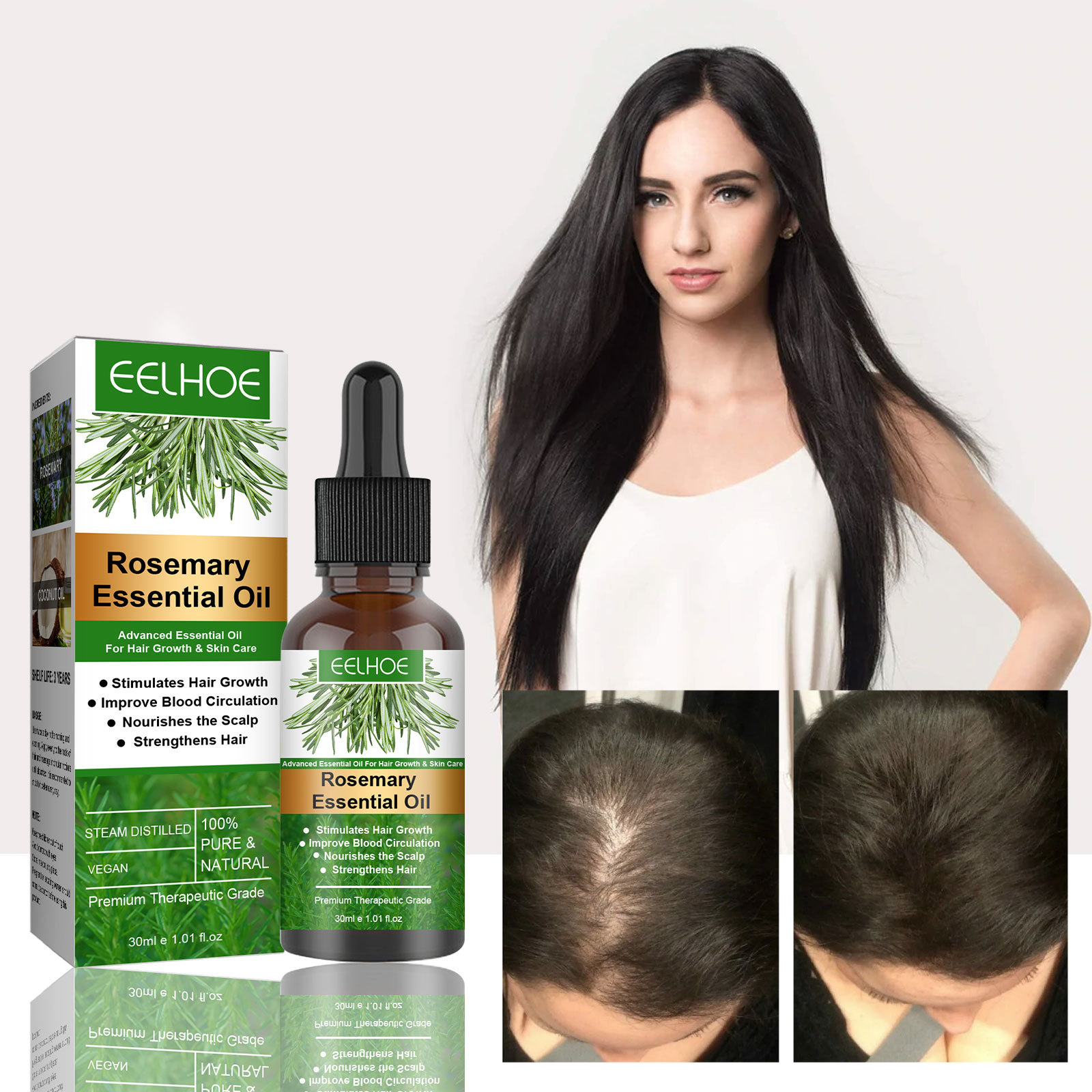 Rosemary Anti-Breakage Nourishing Hair Care Oil$18.99View on Mallflare
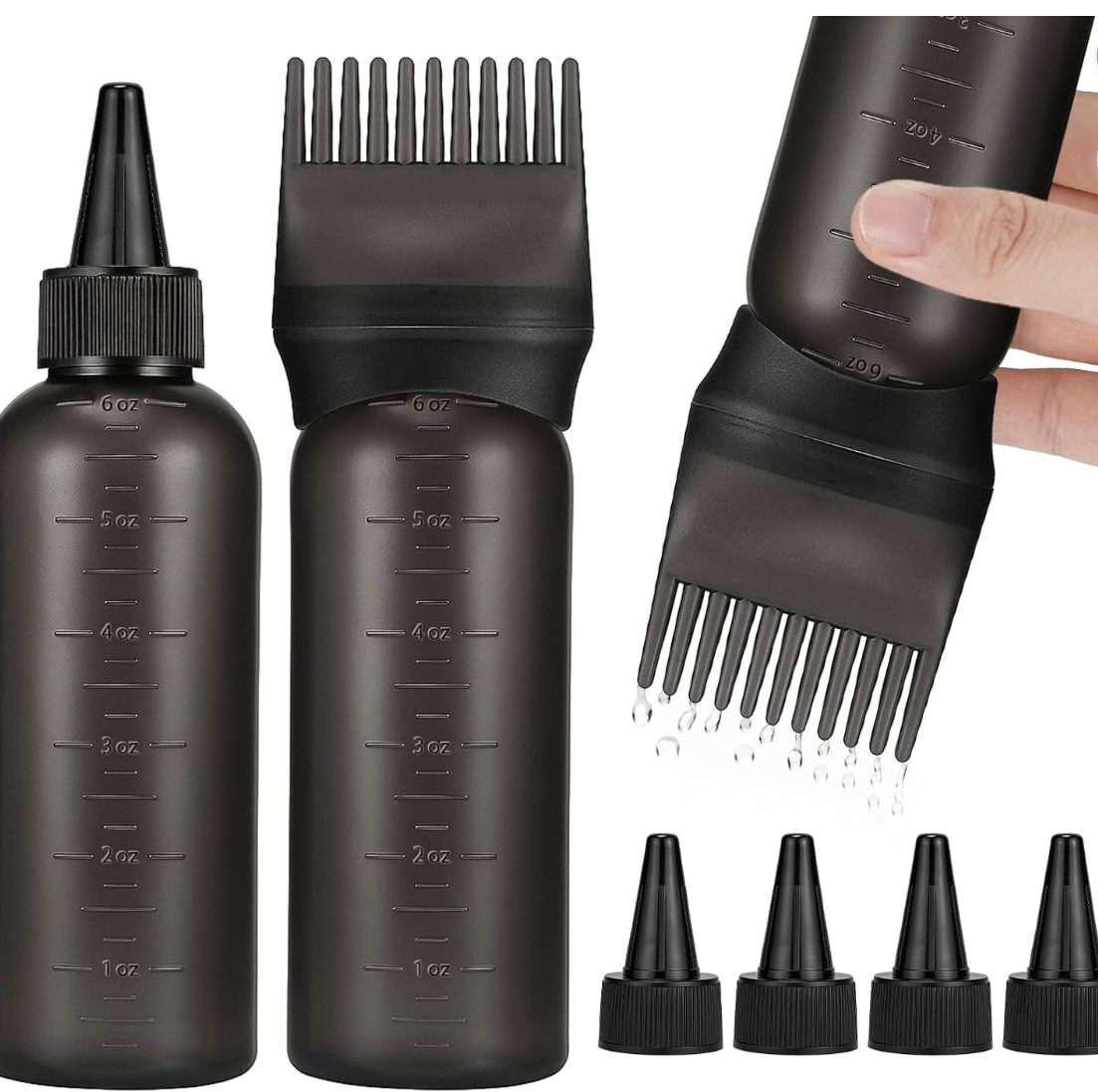 Pimoys 2 Pcs Root Comb Hair Dye Oil Applicator Bottles For Scalp, Black$13.99View on eBay
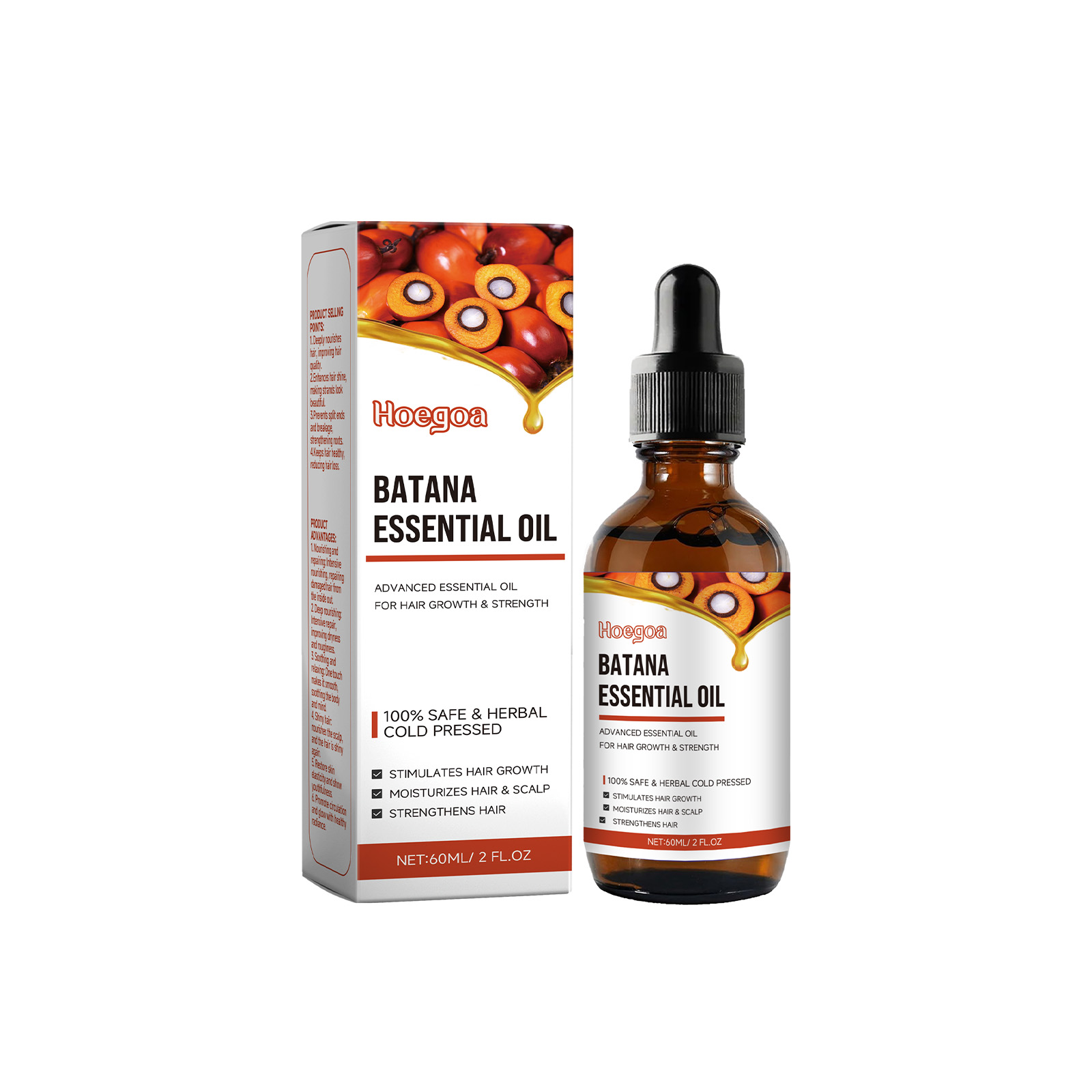 Hoegoa Batana Hair Care Essential Oil Nourishes Softens Strands And Restores Dry And Frizzy$19.99View on Mallflare
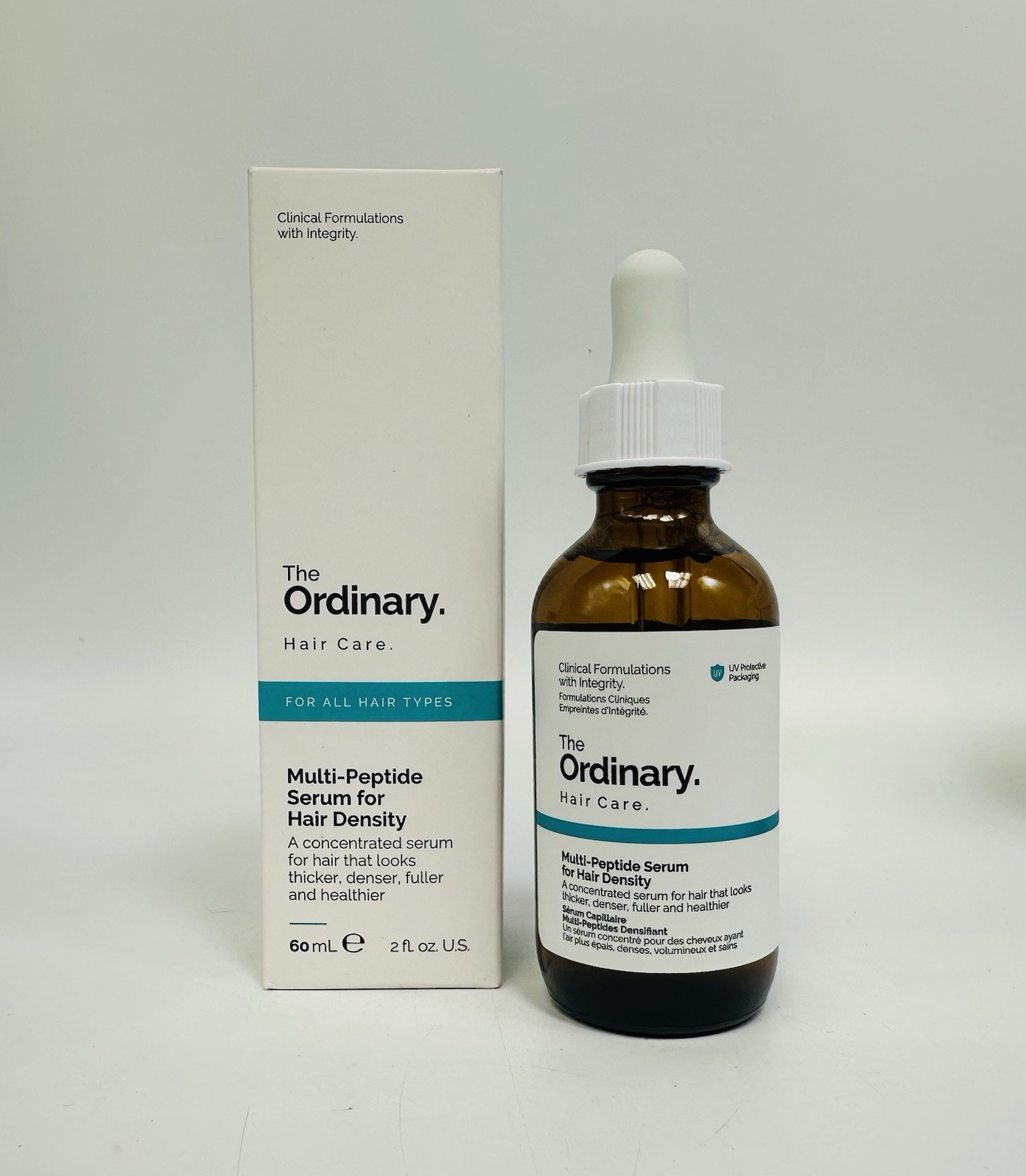 The Ordinary Hair Care Multi-Peptide Serum For Hair Density 60 ml. 2 fl oz. NEW$15.49View on eBay
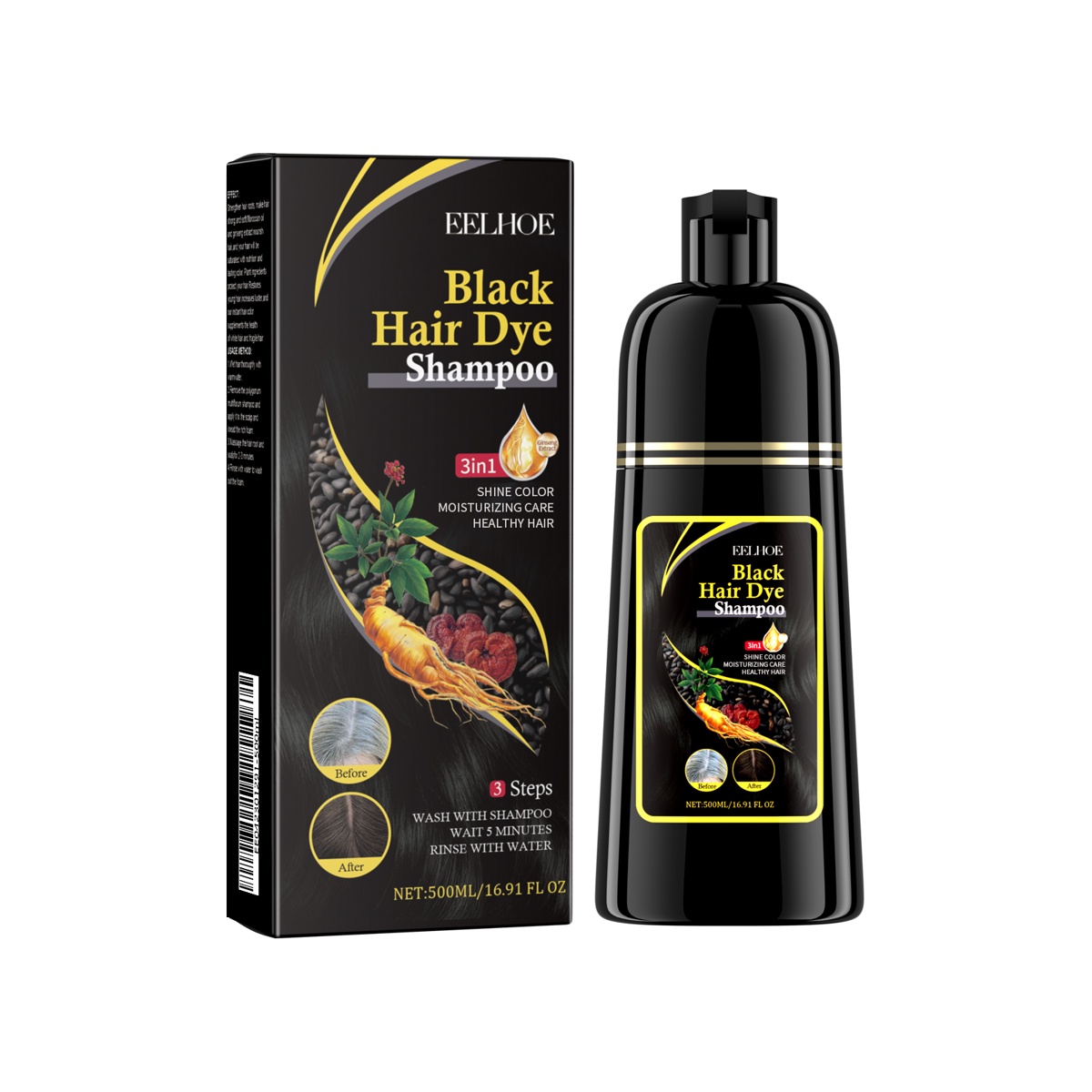 EELHOE Black Hair Shampoo, Polygonum Multiflorum Essence, And Nourishing Cleansing, Repairing And Softening$19.99View on Mallflare
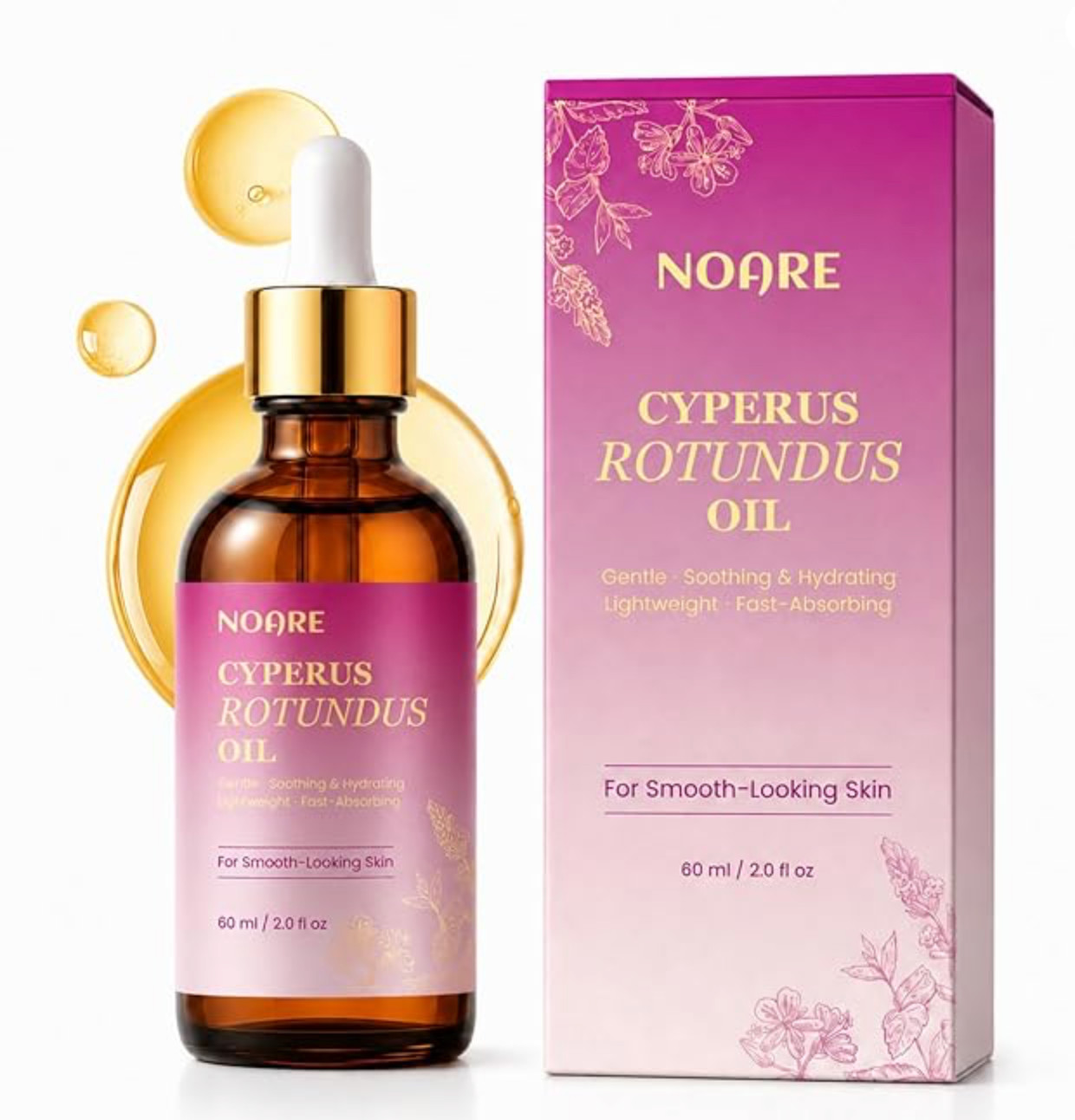 Cyperus Rotundus Oil for Hair Removal, Post Hair Removal Care Oil, Helps Smooth$15.75View on eBay
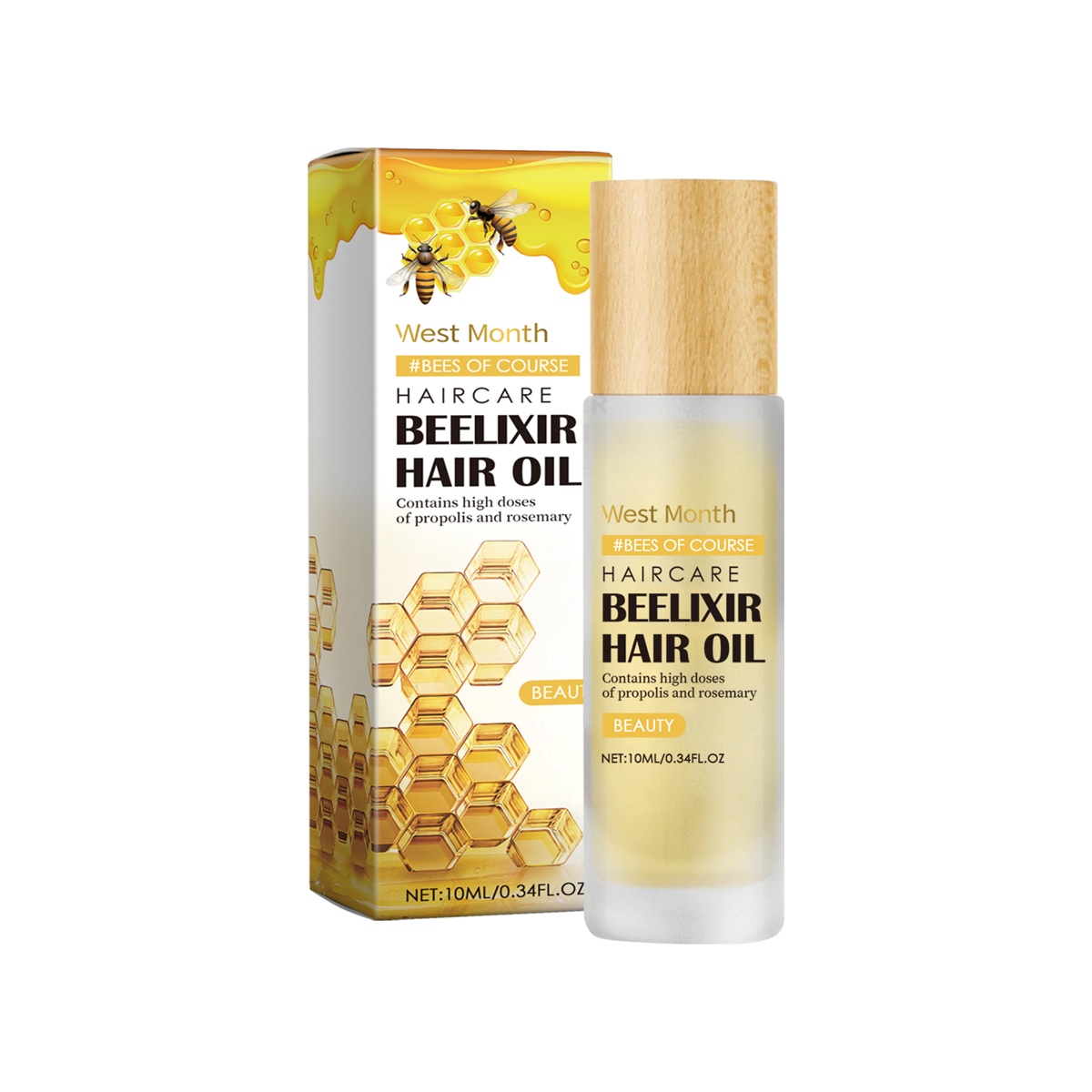 West Month Honey Hair Care Essential Oil, Rosemary Repair Dry End Moisture Nourishing Oil$19.99View on Mallflare
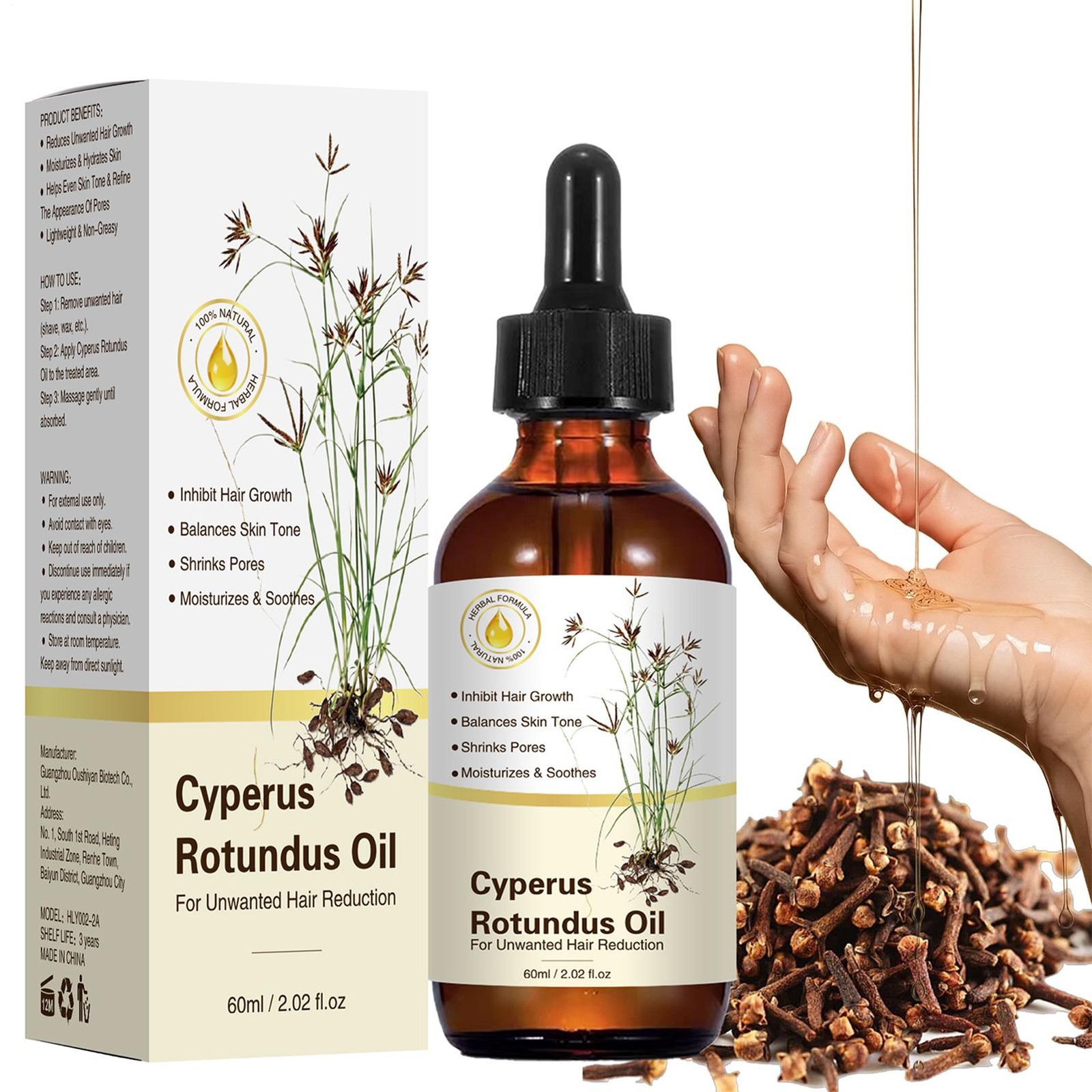 Hair Removal Oil Cleansing Smooth Skin Care Products 60ml Hydrating successful$16.87View on eBay
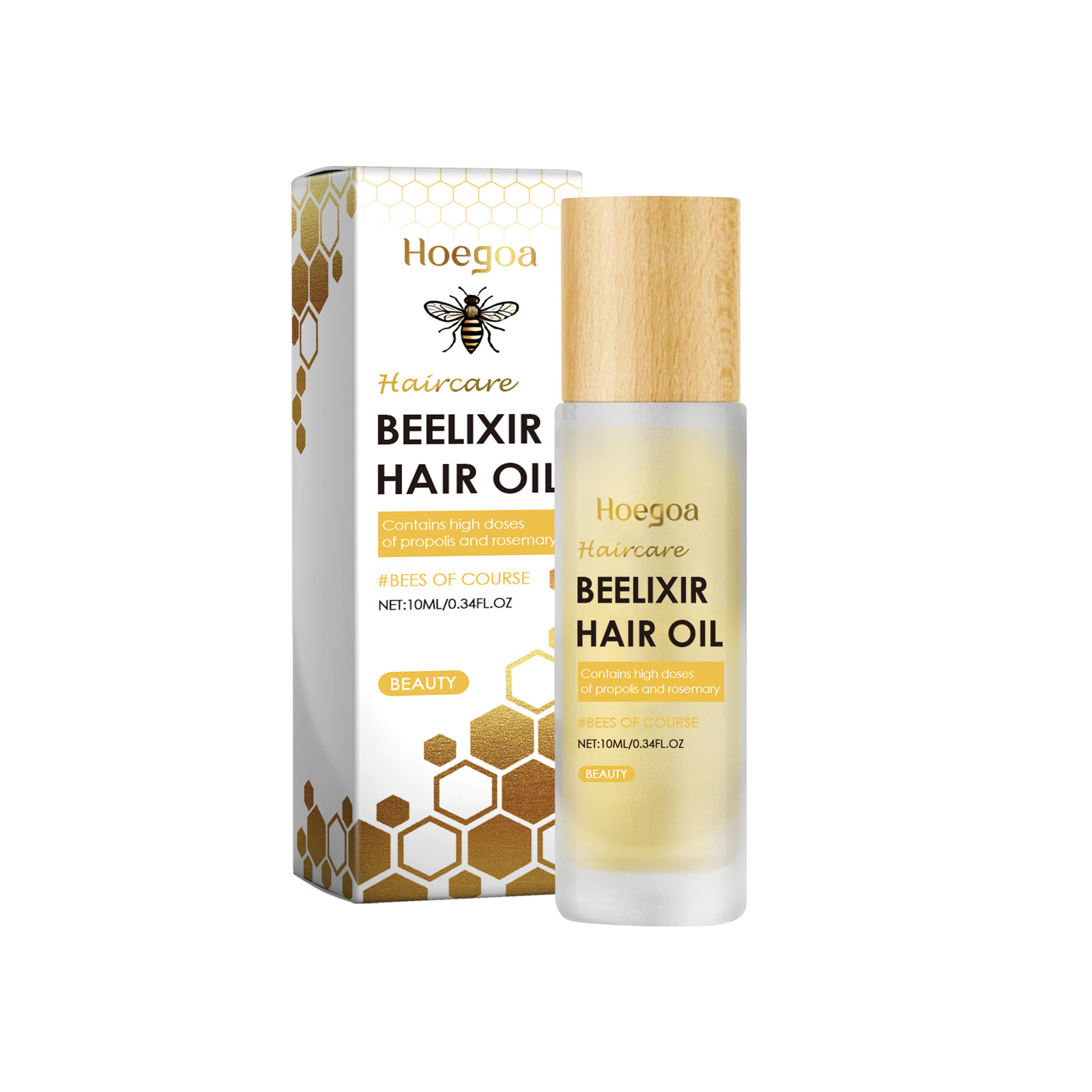 Hoegoa Honey Hair Care Essential Oil Rosemary Scalp Repair Smooth And Moist Oil$19.99View on Mallflare
Highlights
- Silicone serums (dimethicone, cyclopentasiloxane) coat the cuticle to block humidity and add slip; they smooth frizz instantly but can build up without clarifying shampoo.
- Oil serums (argan, Jamaican black castor, batana) seal moisture and support scalp health; they penetrate only partially and suit dry, coily or brittle hair better than fine hair.
- Protein and biotin serums (hydrolyzed keratin, biotin, caffeine) target damaged or thinning hair; visible structural benefits require consistent use over weeks, not a single application.
- Capsule formats pre-measure single doses (often 40 capsules per jar) for travel and hygiene, while pump or dropper bottles suit home use and adjustability.
Best use cases
- Best fit for frizzy hair in humid climates: pick a silicone-based smoothing serum applied to damp mid-lengths and ends; skip heavy oil serums that weigh down fine hair.
- Best fit for dry, damaged or color-treated hair: choose an argan or hydrolyzed-protein serum used 2–3 times weekly; skip lightweight silicone-only serums that provide slip but no repair.
- Best fit for scalp-focused thinning concerns: select a caffeine or biotin scalp serum applied directly to the scalp, not the lengths; skip general styling serums that sit on the hair shaft.
- Best fit for textured or coily hair: pick a Jamaican black castor or batana oil serum for sealing ends and scalp massage; skip water-light silicone serums that evaporate without lasting moisture.
Buying tips
- Match serum base to hair porosity: low-porosity fine hair needs lightweight silicone or water-based serums; high-porosity or coily hair benefits from heavier oil-based formulas.
- Check ingredient order: actives listed after fragrance or preservatives are present at low concentrations and won't deliver meaningful repair or growth benefits.
- For scalp treatments, choose serums in 60–100 ml dropper bottles for precise application; for length smoothing, 100 ml pump bottles or pre-measured capsules reduce waste.
- Avoid combining multiple silicone serums in one routine; layer one leave-in serum over damp hair and reserve oils for pre-wash or overnight treatments to prevent buildup.
Specs
| Base Formula | Silicone / Oil / Water-based |
|---|---|
| Primary Active | Dimethicone / Argan / Biotin / Caffeine |
| Application Target | Lengths & ends / Scalp |
| Bottle Format | Pump / Dropper / Capsules |
Related searches
What to check before buying
- Confirm your hair type and porosity: fine/low-porosity hair needs water-based or light silicone serums; coarse/high-porosity hair supports oil-rich formulas.
- Check bottle capacity and dispenser type: 100 ml pump or dropper for home use, 10 ml vials or 40-capsule packs for travel and trial.
- Verify application target: scalp serums require direct-to-scalp dropper tips; length serums need pump or spray formats for even mid-shaft distribution.
- Match serum to your wash routine: silicone serums require periodic clarifying shampoo; oil serums may need a stronger surfactant to avoid residue.
FAQ
Data sources: eBay / Amazon listings and product attribute feeds Data updated Nov 15, 2026.
Some links on this page are affiliate links. If you buy after clicking one, we may earn a commission at no extra cost to you. This does not change which products appear here or their order. Affiliate disclosure.