Photos from current listings. Actual item, color, and included accessories may vary.
Shampoo Buying Guide
Shampoo is a surfactant-based cleanser whose core job is removing sebum and buildup without stripping the hair shaft or scalp barrier. The decisive trade-off is sulfate strength versus mildness: sulfate shampoos clean fast but fade color and dry aging hair, while sulfate-free and amino-acid surfactants protect treated strands but demand more mechanical rinsing. Buy sulfate-free if your hair is color-treated, bleached, or over 50; buy a standard sulfate formula only for oily, product-heavy scalps that need aggressive cleansing.

At a glance
- Category
- Hair Care
- Data updated
- Nov 15, 2026
Current offers
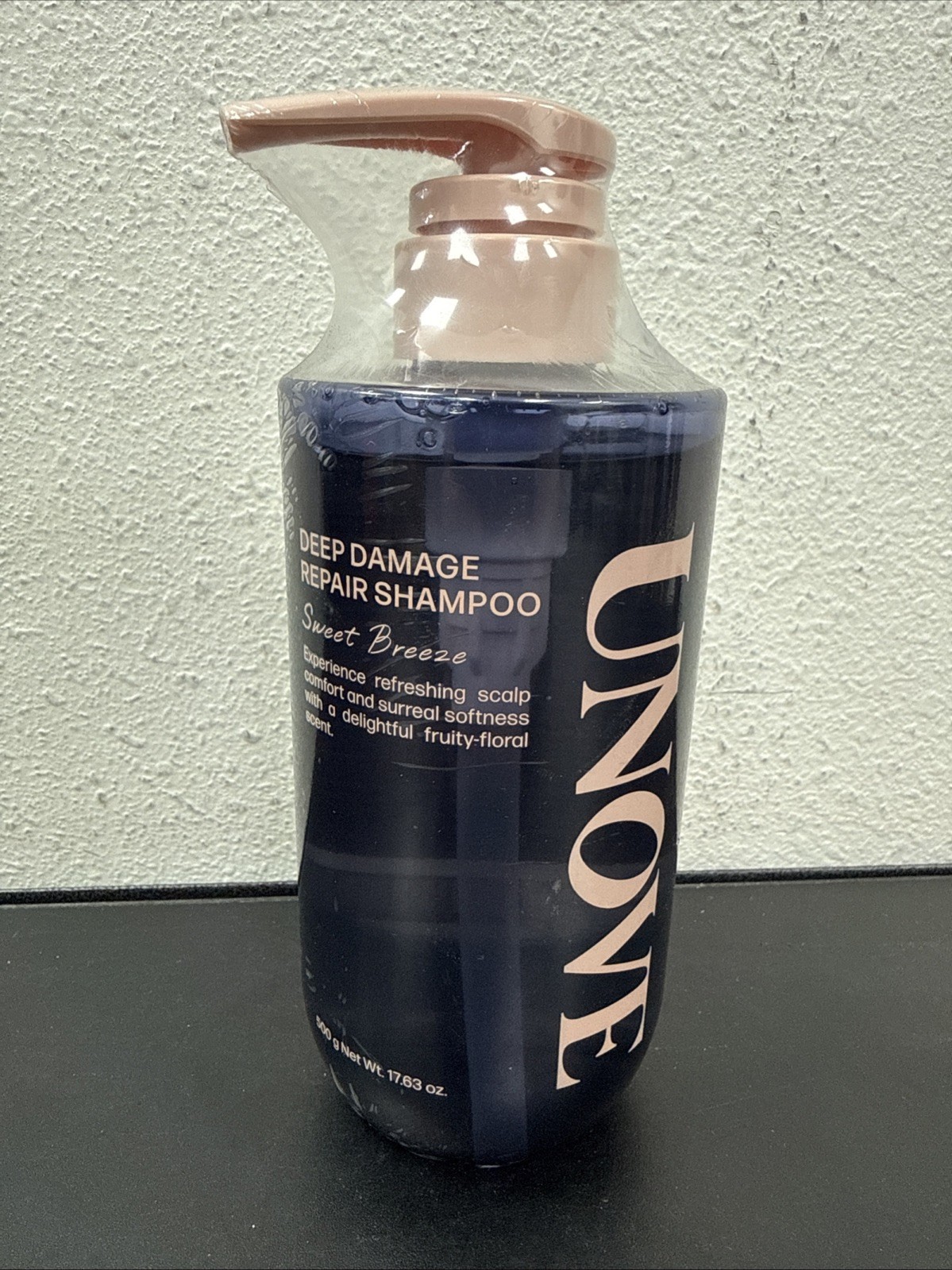 UNOVE Deep Damage Repair Shampoo Sweet Breeze - Hair Care 17.63 OZ.$20.39
 View on eBay
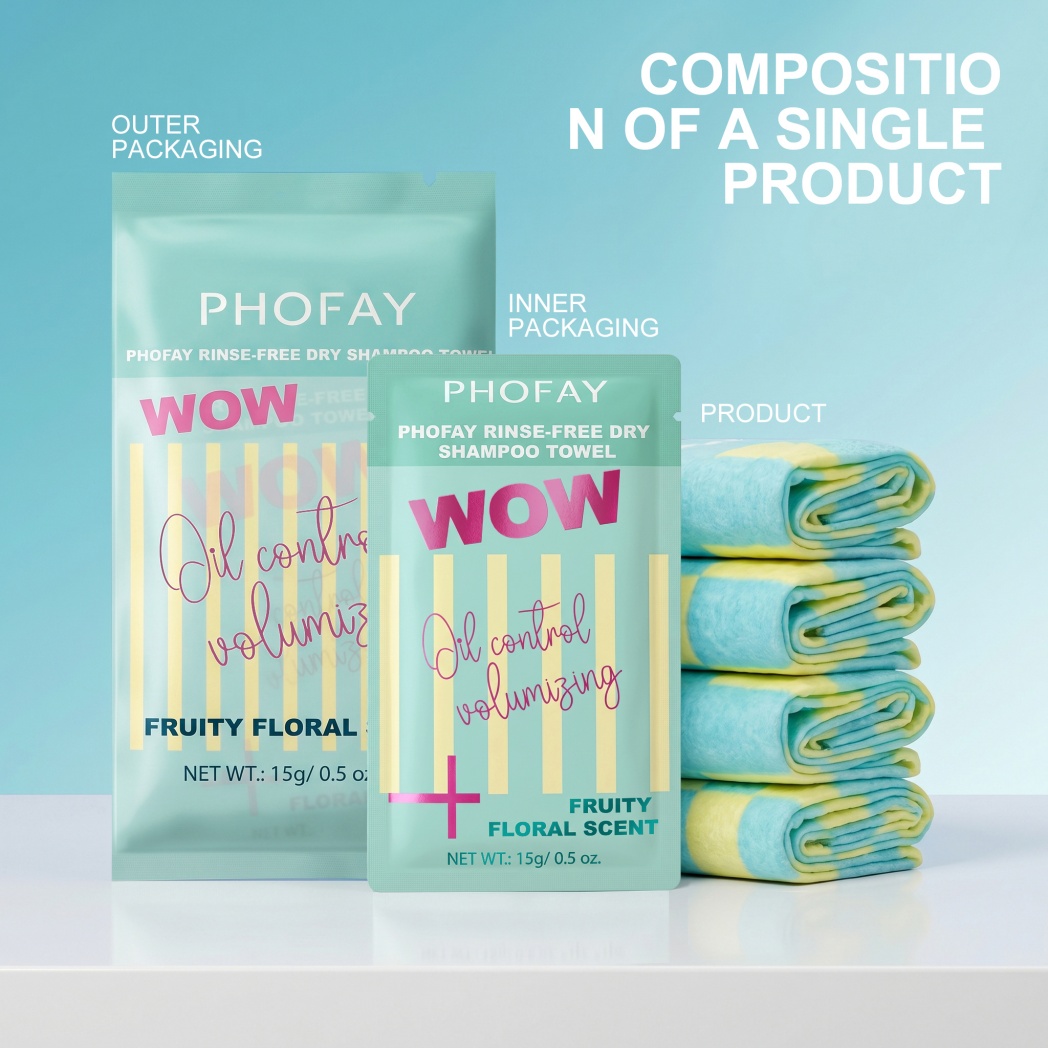 C-H011 No-rinse Shampoo Towel$7.99
 View on Mallflare
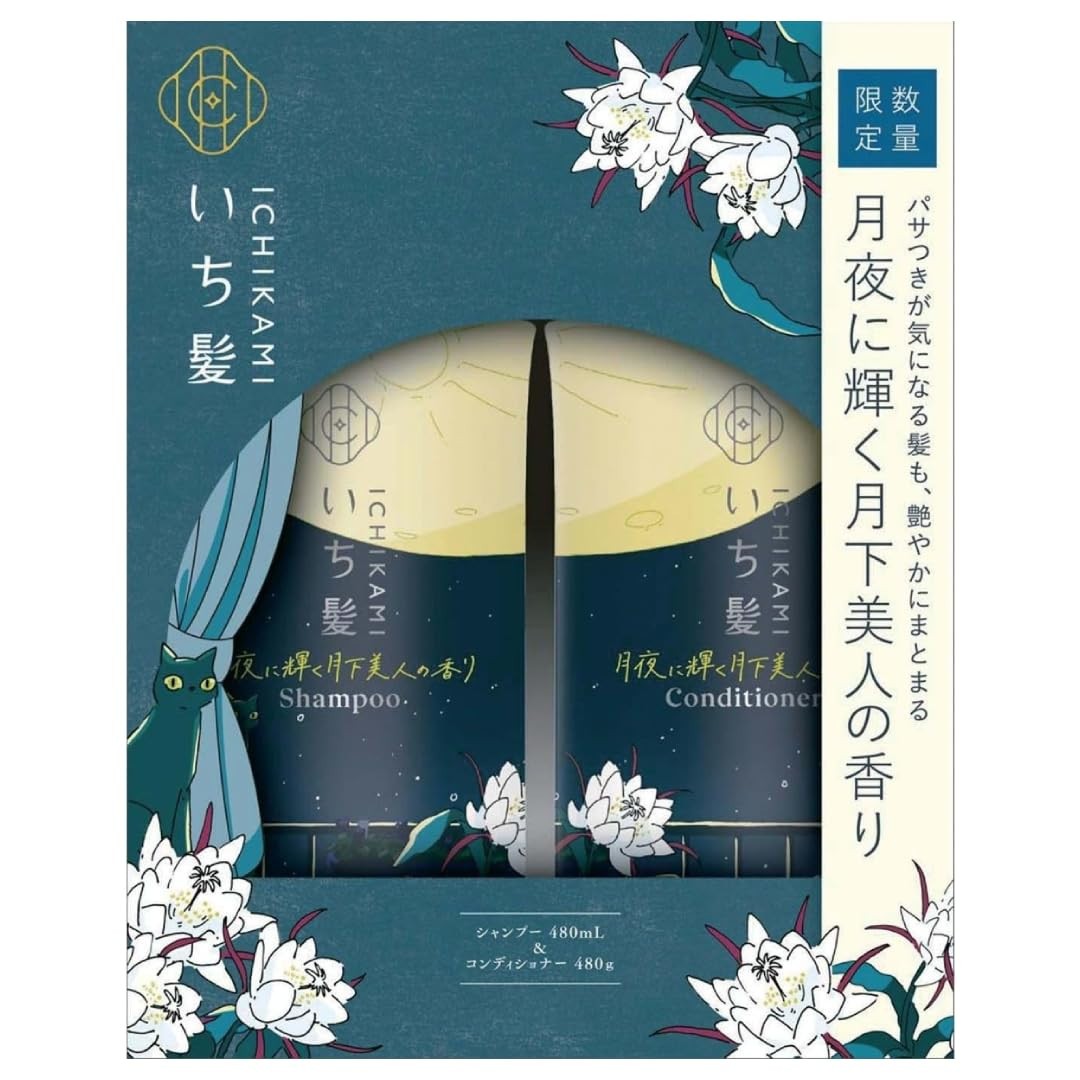 Kracie Ichikami Limited Edition Smooth Shampoo and Conditioner Set 480mL + 480g$23.99View on eBay
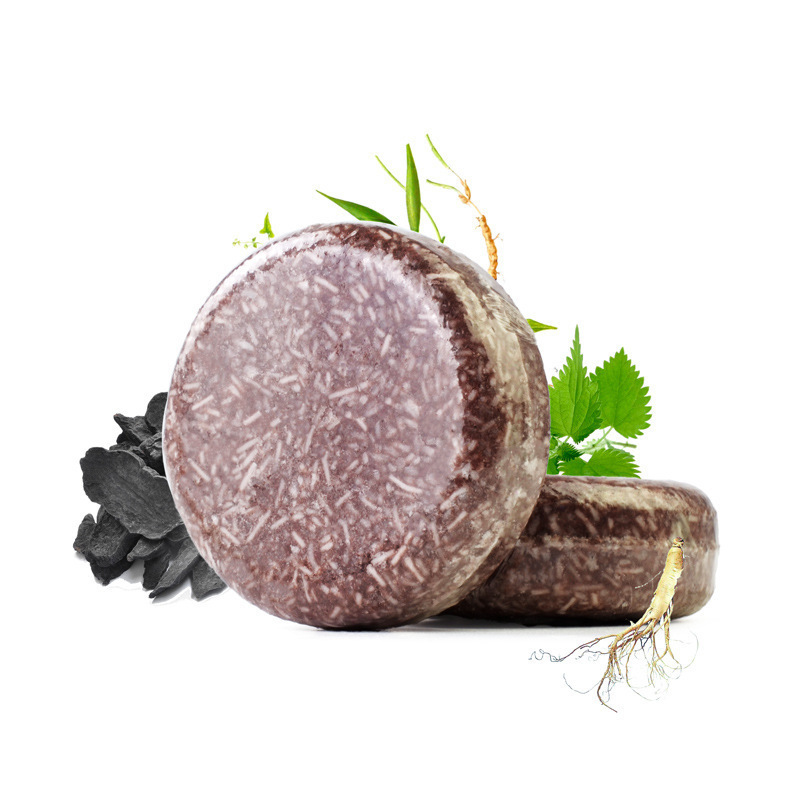 Foreign Trade Silicone Oil Free English Version Polygonum Ginseng Soap Nourishing Shampoo Essential Oil$15.99View on Mallflare
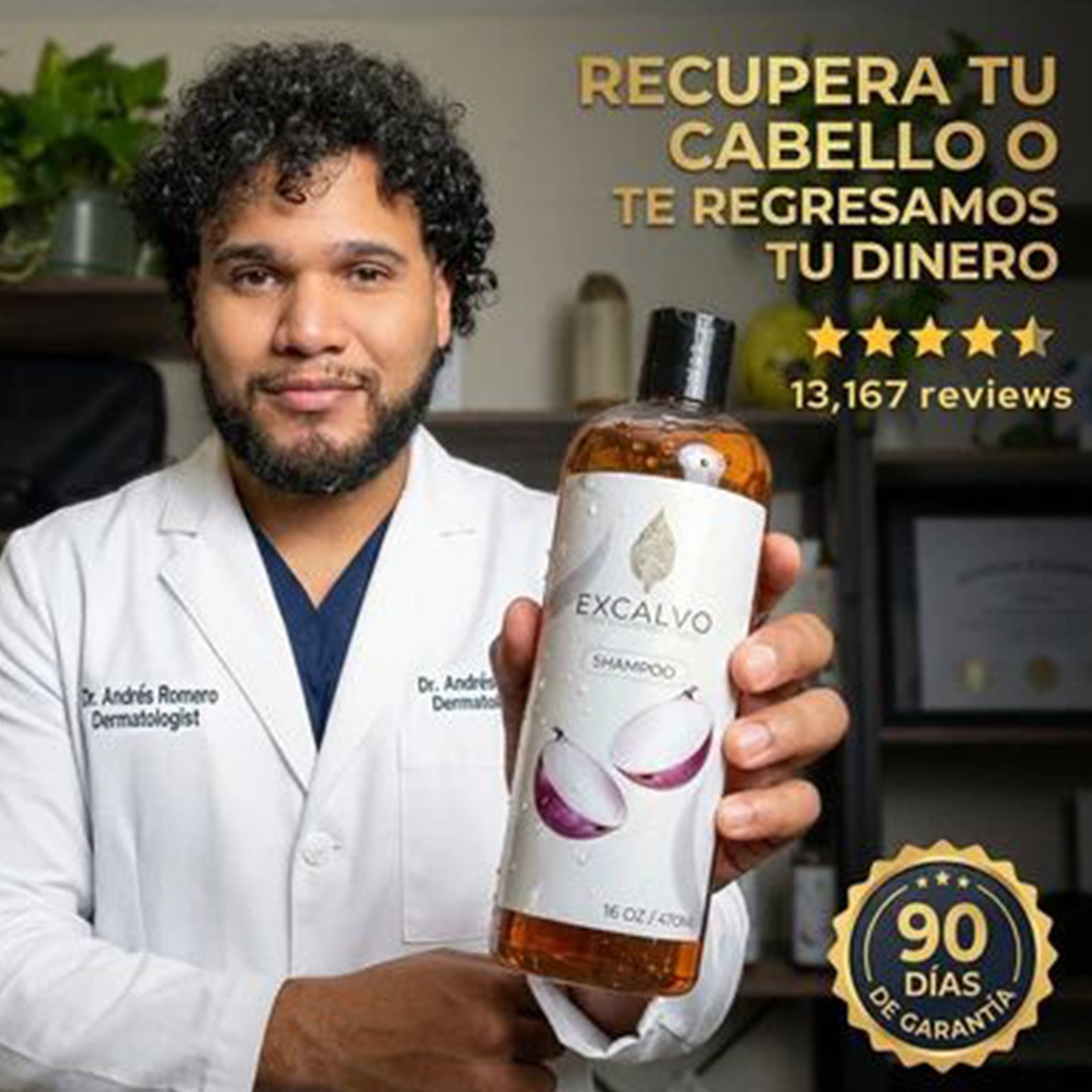 Excalvo Shampoo with Rosemary Oil Red Onion & Cinnamon 236ml Scalp Care^$24.16View on eBay
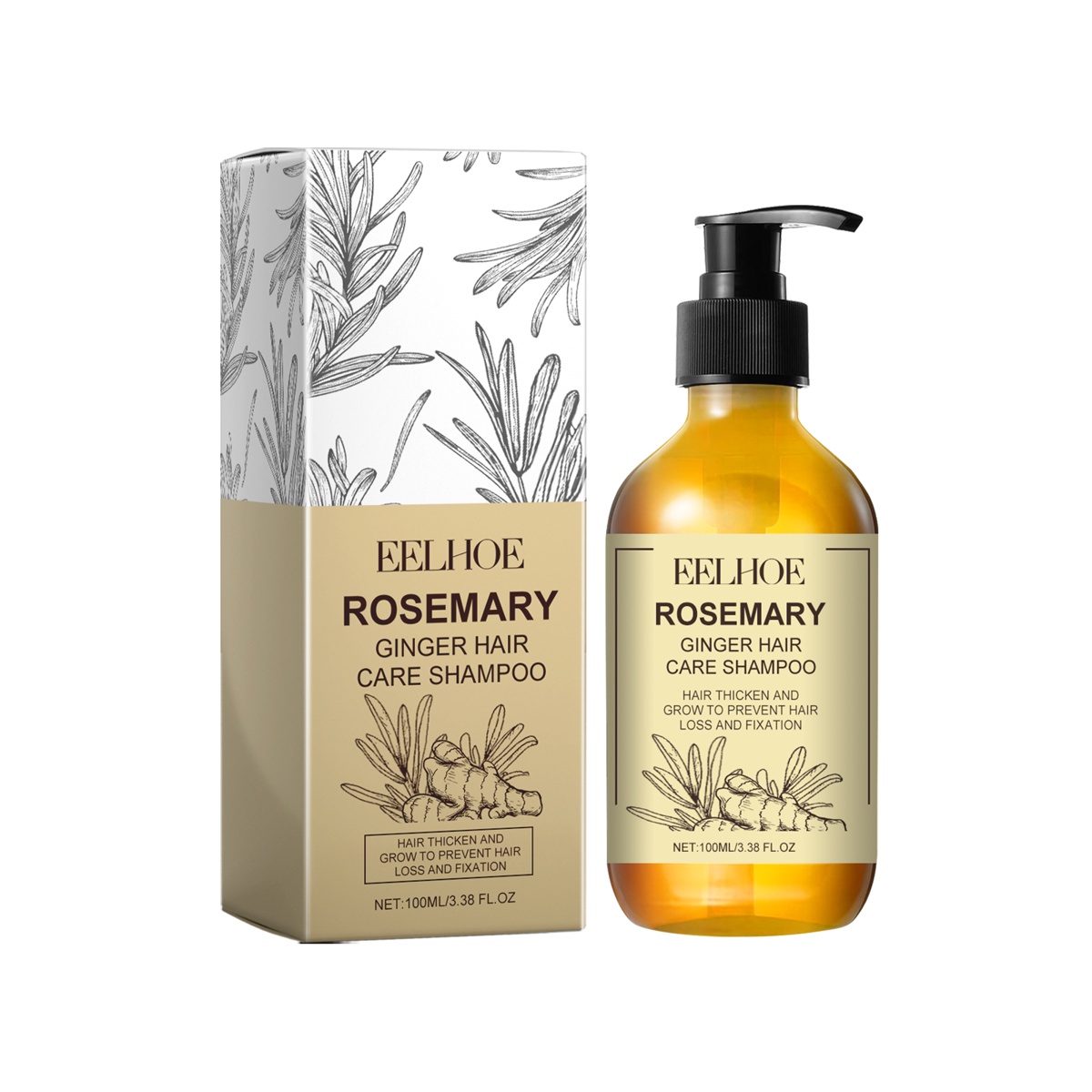 Eelhoe Rosemary Ginger Shampoo, Deep Cleaning Repair Dry Hair, Soft And Strong Care$19.99View on Mallflare
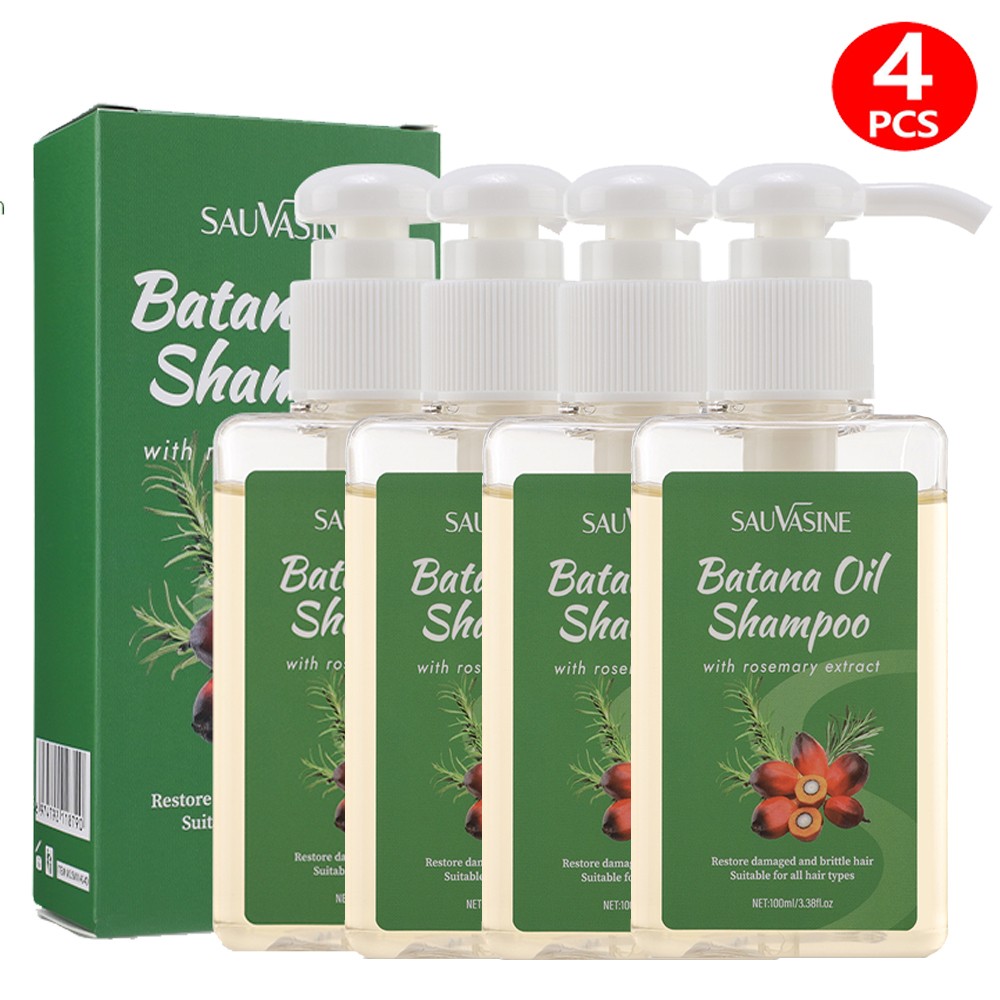 Batana Oil Shampoo with Rosemary Extract for Hair Regrowth, Reduce Hair Loss 100$25.15View on eBay
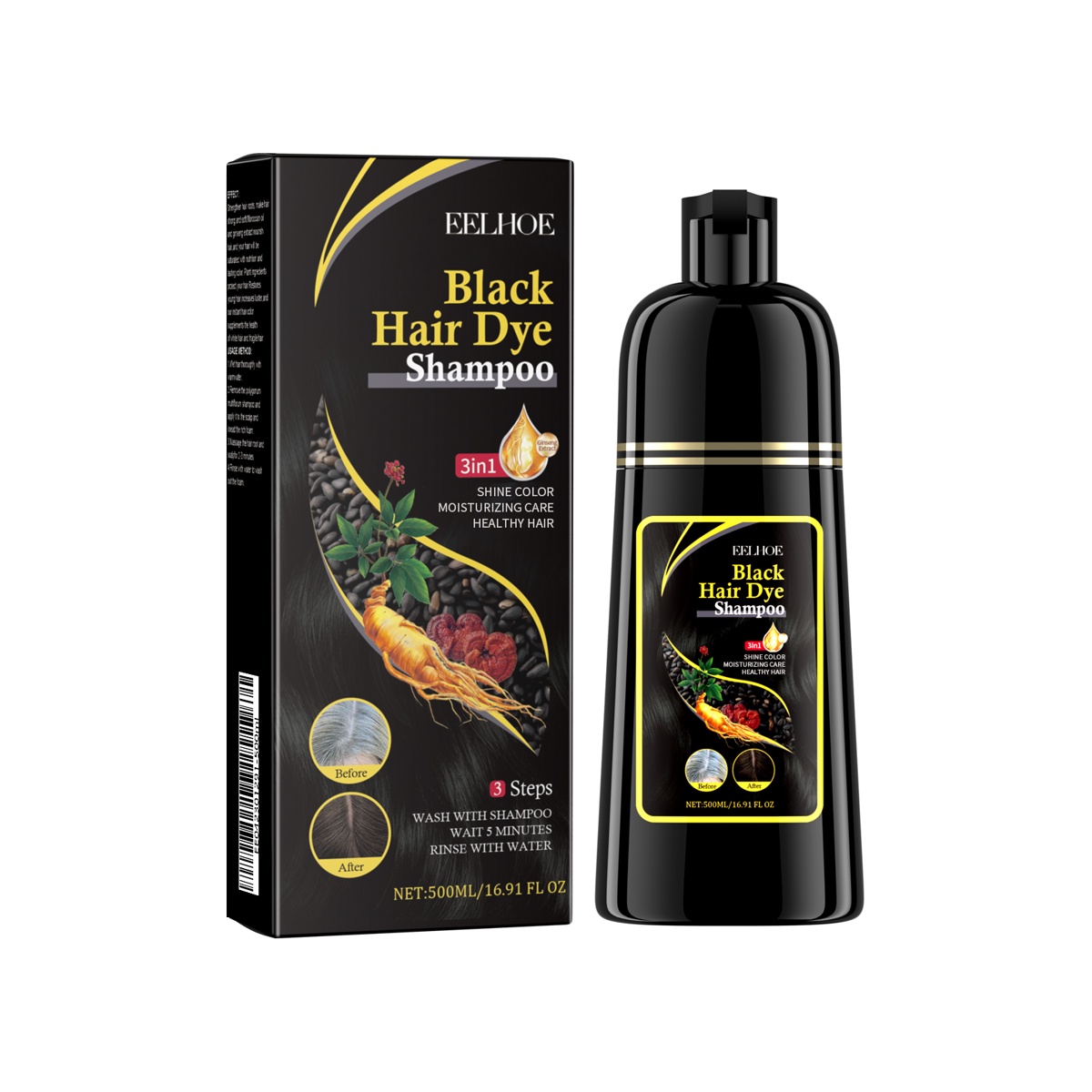 EELHOE Black Hair Shampoo, Polygonum Multiflorum Essence, And Nourishing Cleansing, Repairing And Softening$19.99View on Mallflare
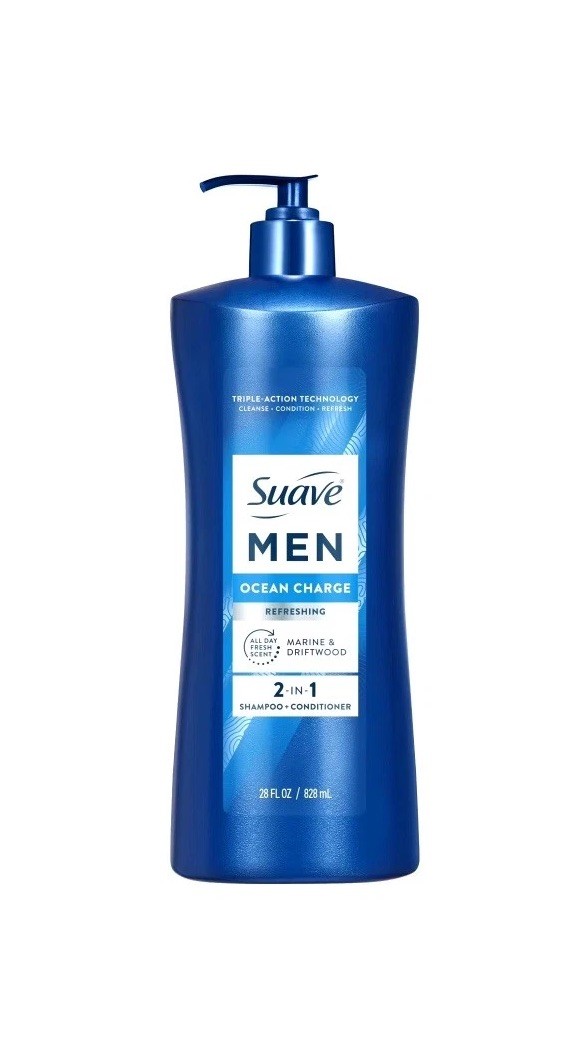 Suave Men 2-in-1 Ocean Charge Shampoo and Conditioner 28 fl oz$25.30View on eBay
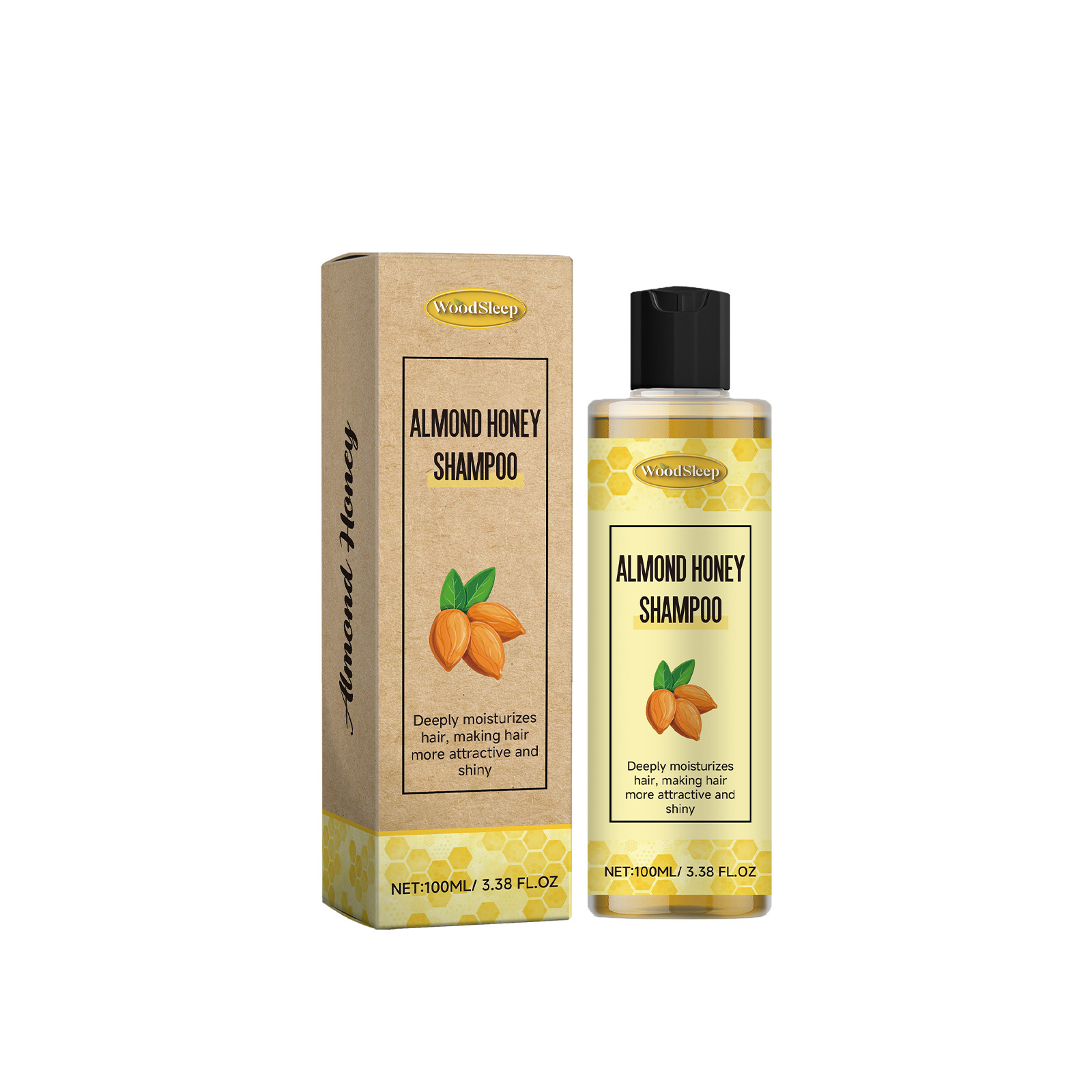 WoodSleep Almond Honey Shampoo Nourishes And Pampers Hair With Softness And Shine$19.99View on Mallflare
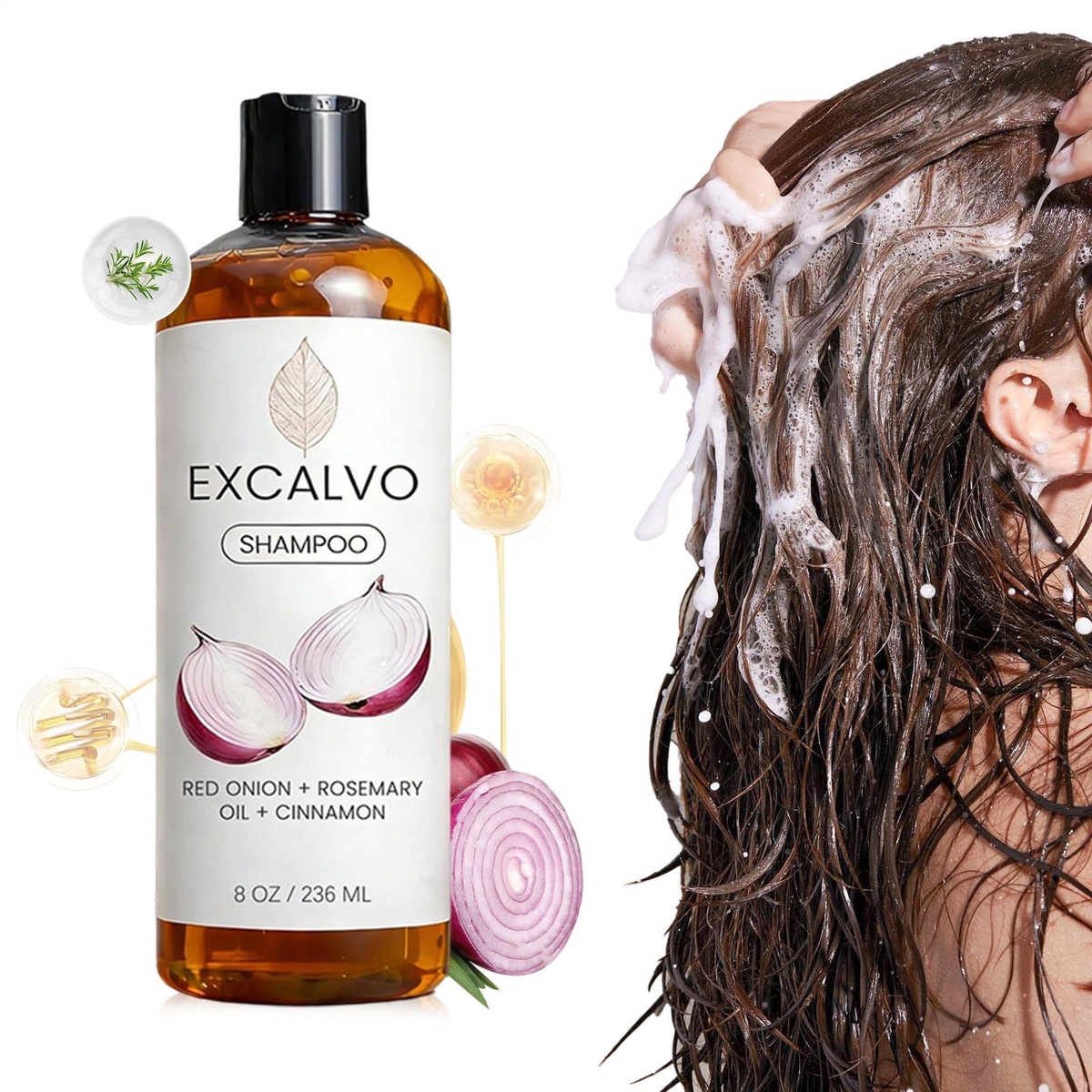 EXCALVO Shampoo With Rosemary Oil, Red Onion, Cinnamon, Prevent Scalp Loss 236ml$26.89View on eBay
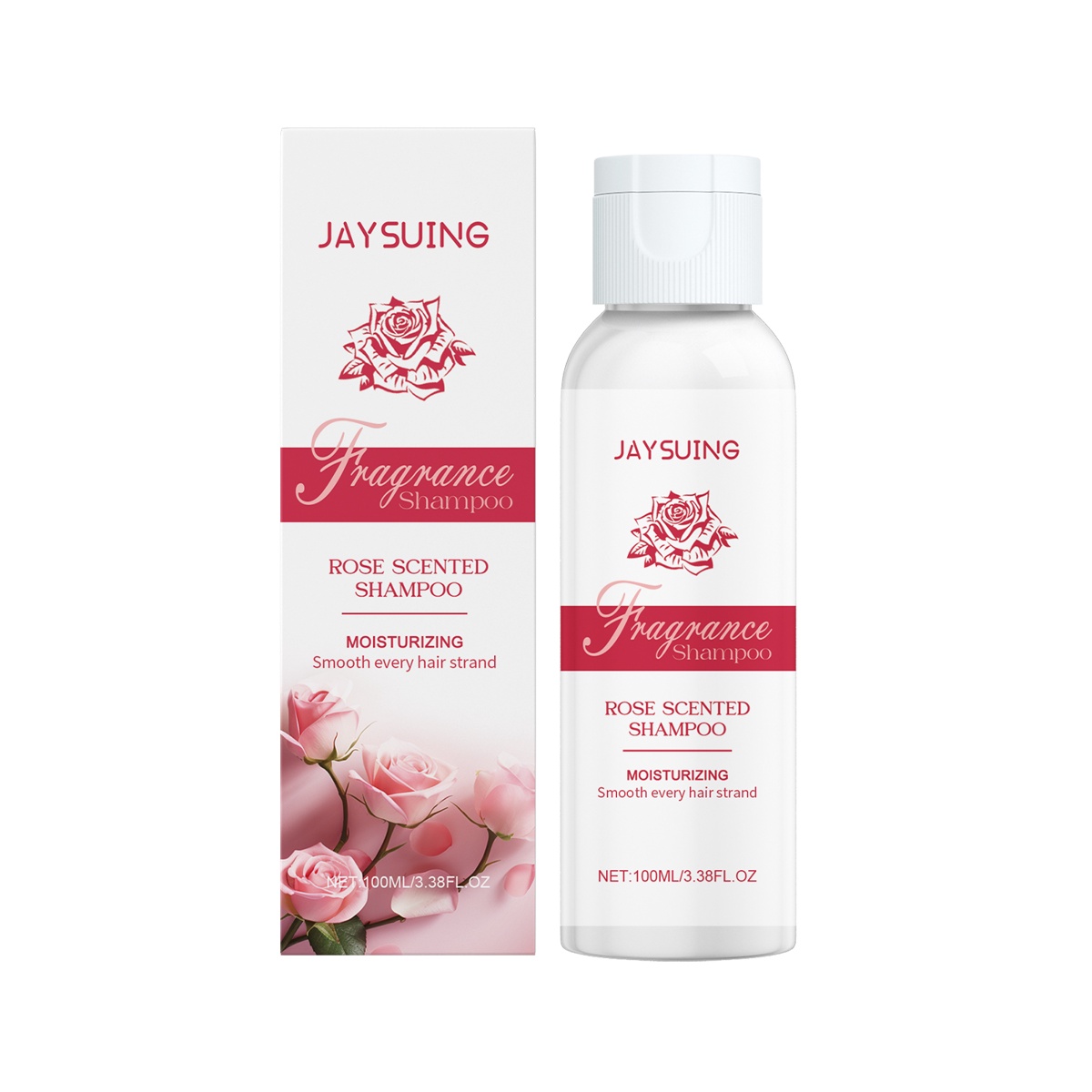 Jaysuing Ladies Rose Scented Shampoo, Gently Nourishing Dry And Smooth Hair$19.99View on Mallflare
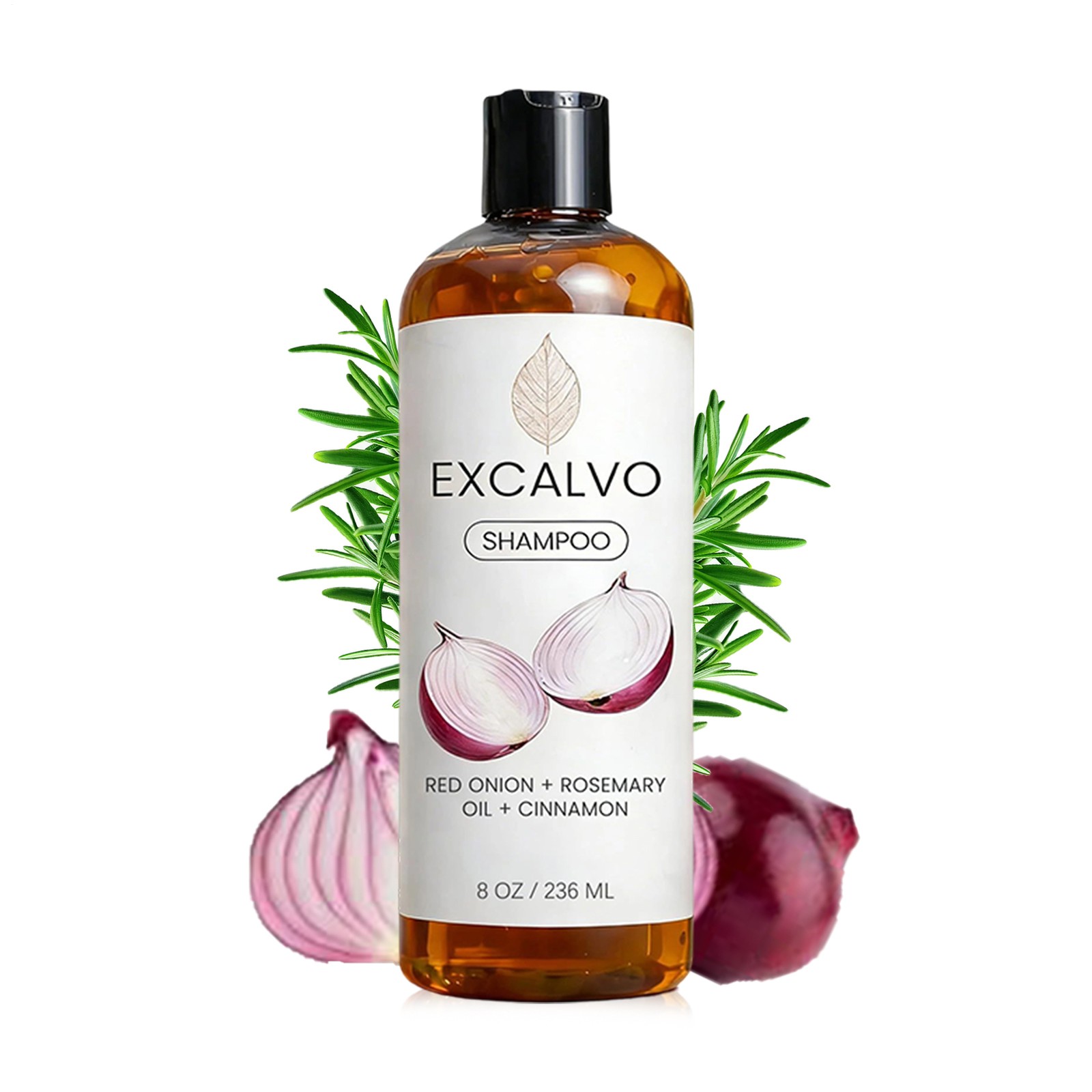 EXCALVO 236ml Rosemary Oil Red Onion Shampoo Prevent Hair Loss Nourish Scalp$27.22View on eBay
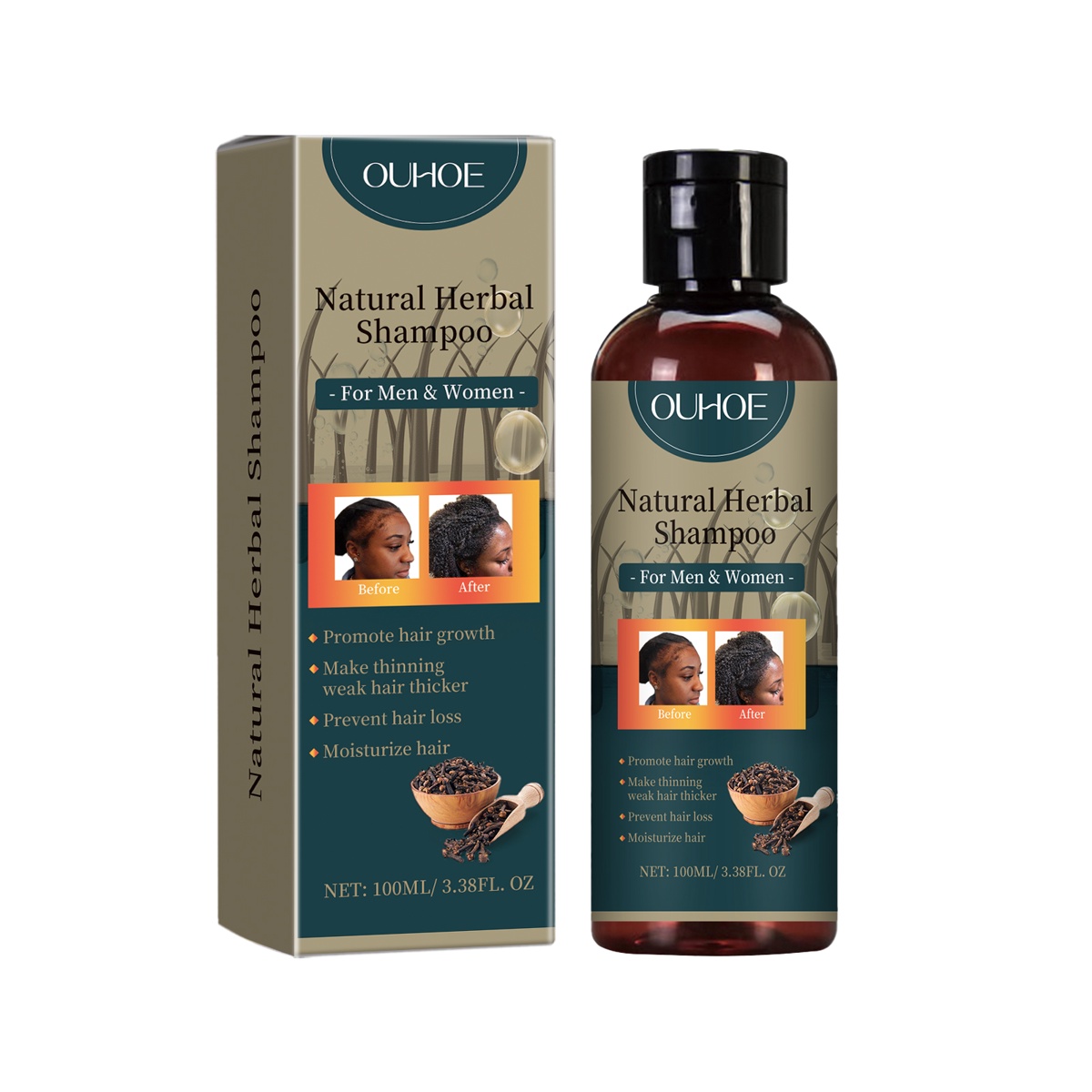 OUHOE Shampoo Hair Deep Cleansing Massage Scalp Solid Moisturizing$19.99View on Mallflare
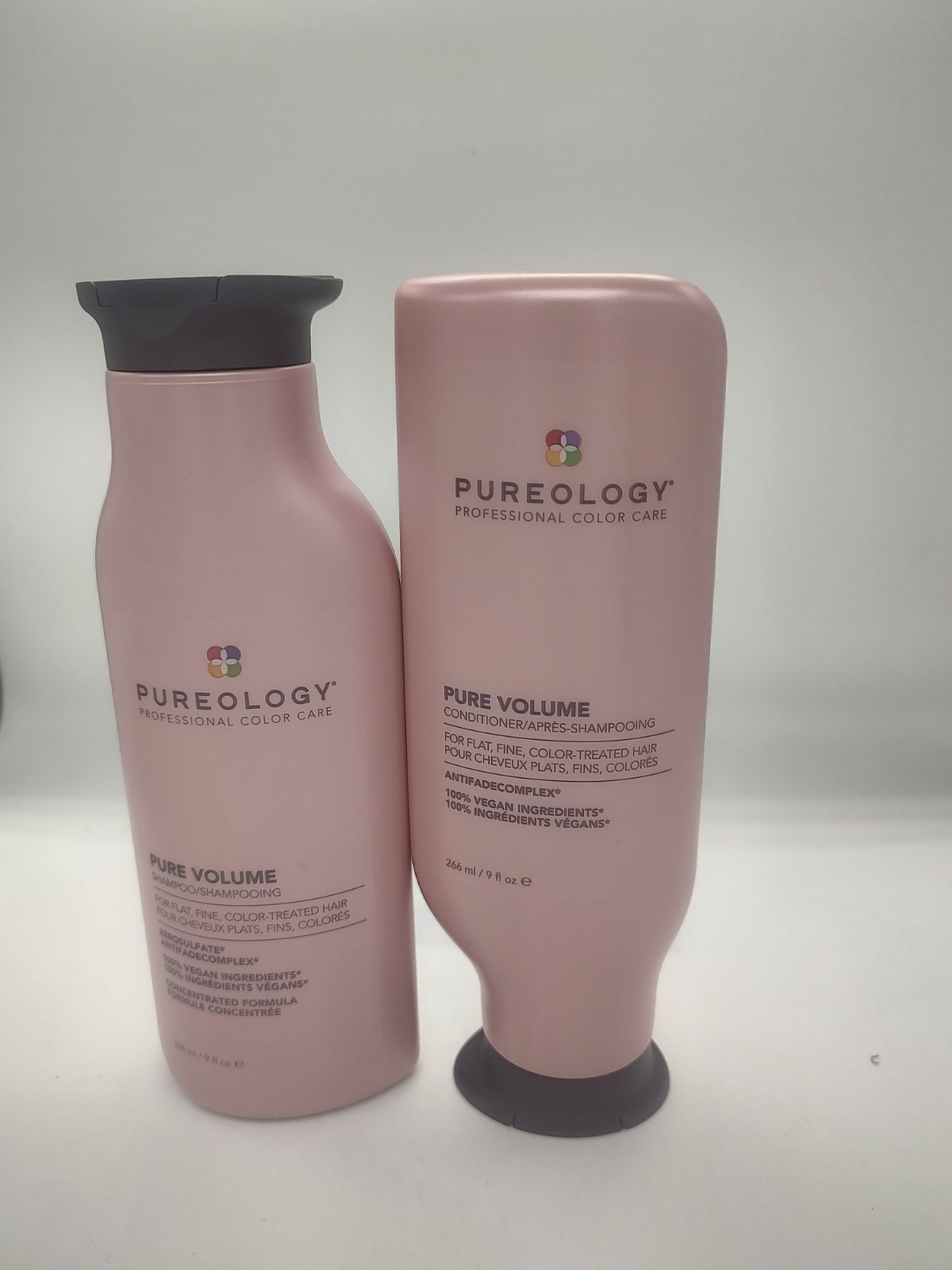 Pureology Pure Volume Shampoo And Conditioner 9.0 Oz Each$29.99View on eBay
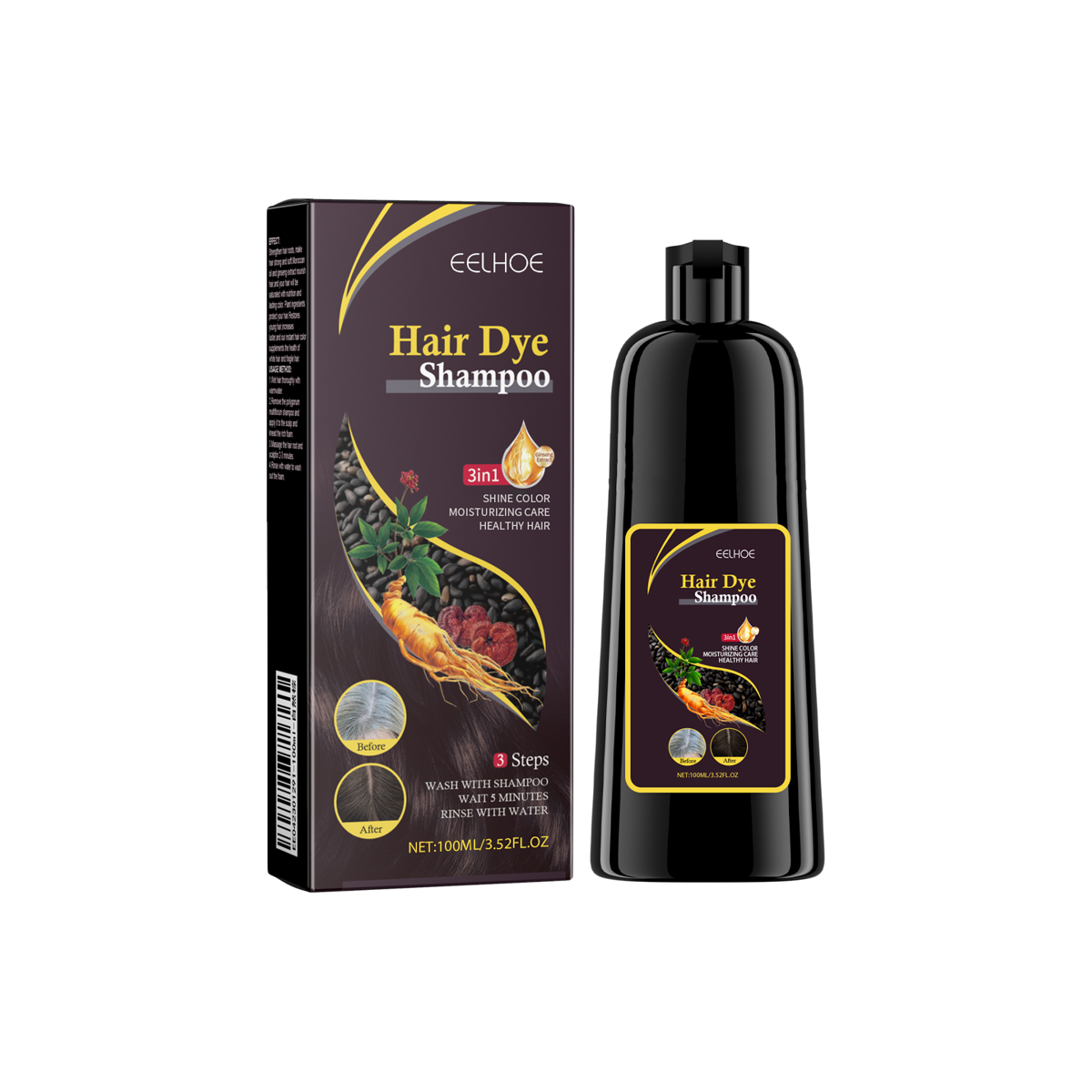 EELHOE White To Black Dyed Shampoo (Natural Brown) Polygonum Multiflorum Essence Moisturizing, Cleaning And Repairing And Smooth Hair$19.99View on Mallflare
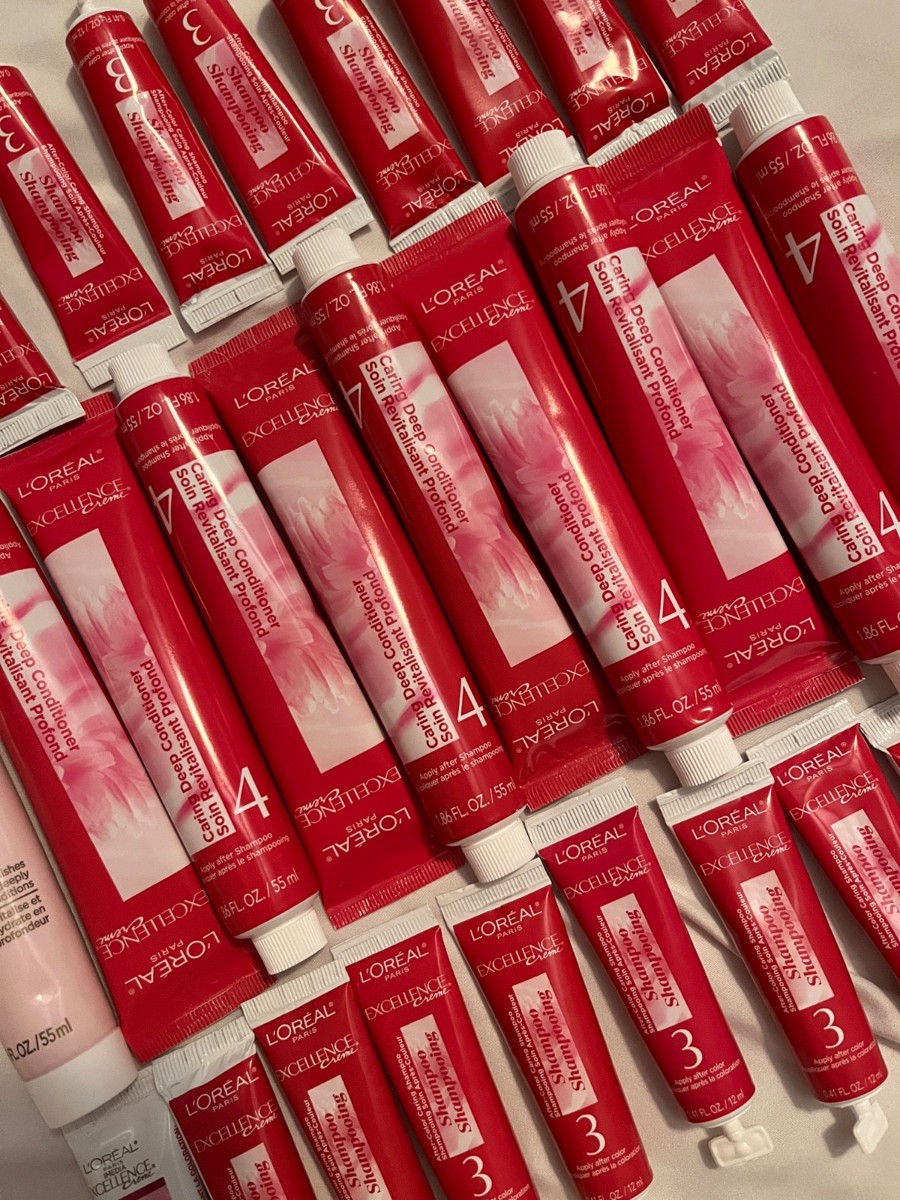 (5) Loreal Paris Excellence Creme Deep Conditioners + (5) Shampoos$30.00View on eBay
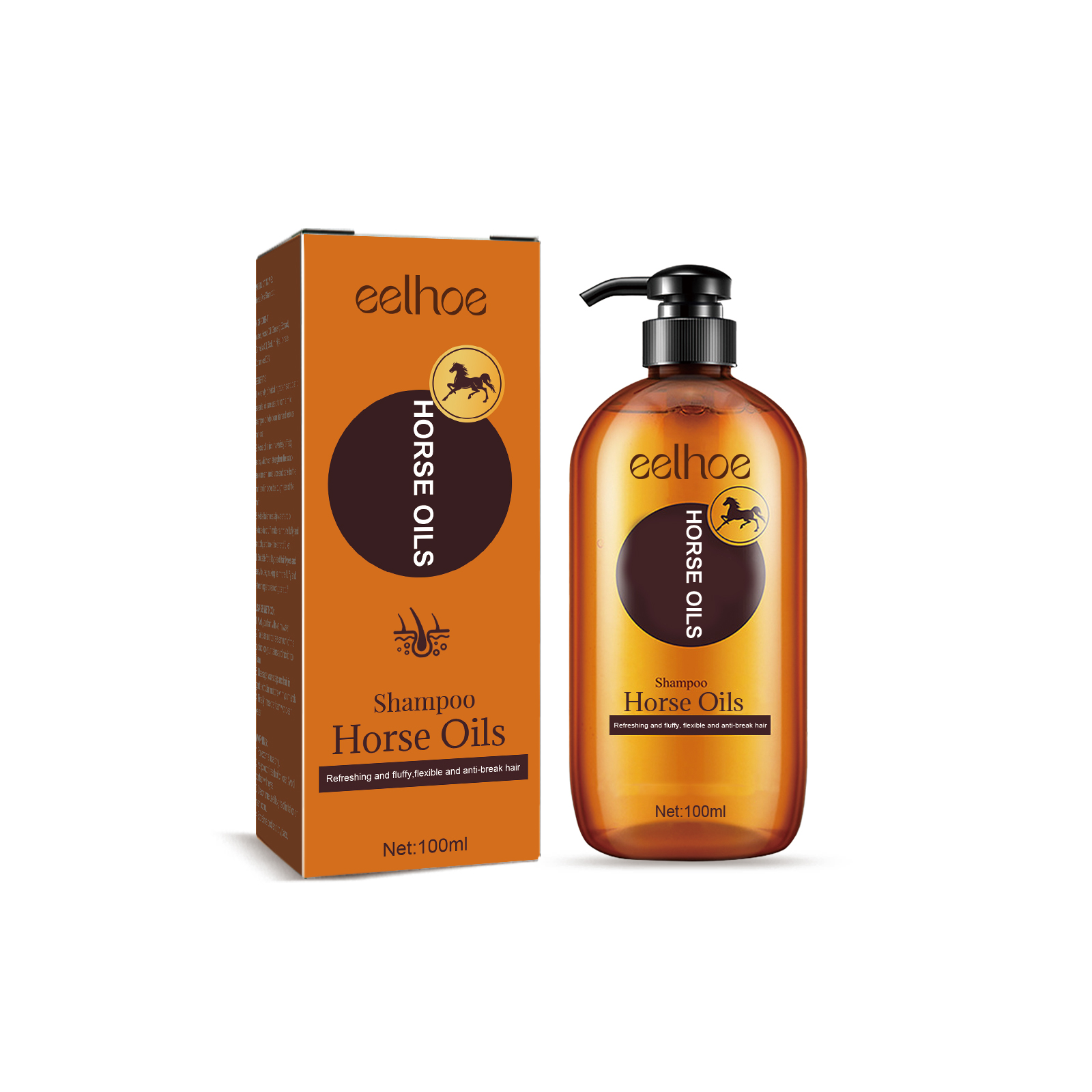 Eelhoe Horse Oil Shampoo, Deep Cleaning Scalp Dandruff Control Oil Fluffy Hair Moisturizing Care$19.99View on Mallflare
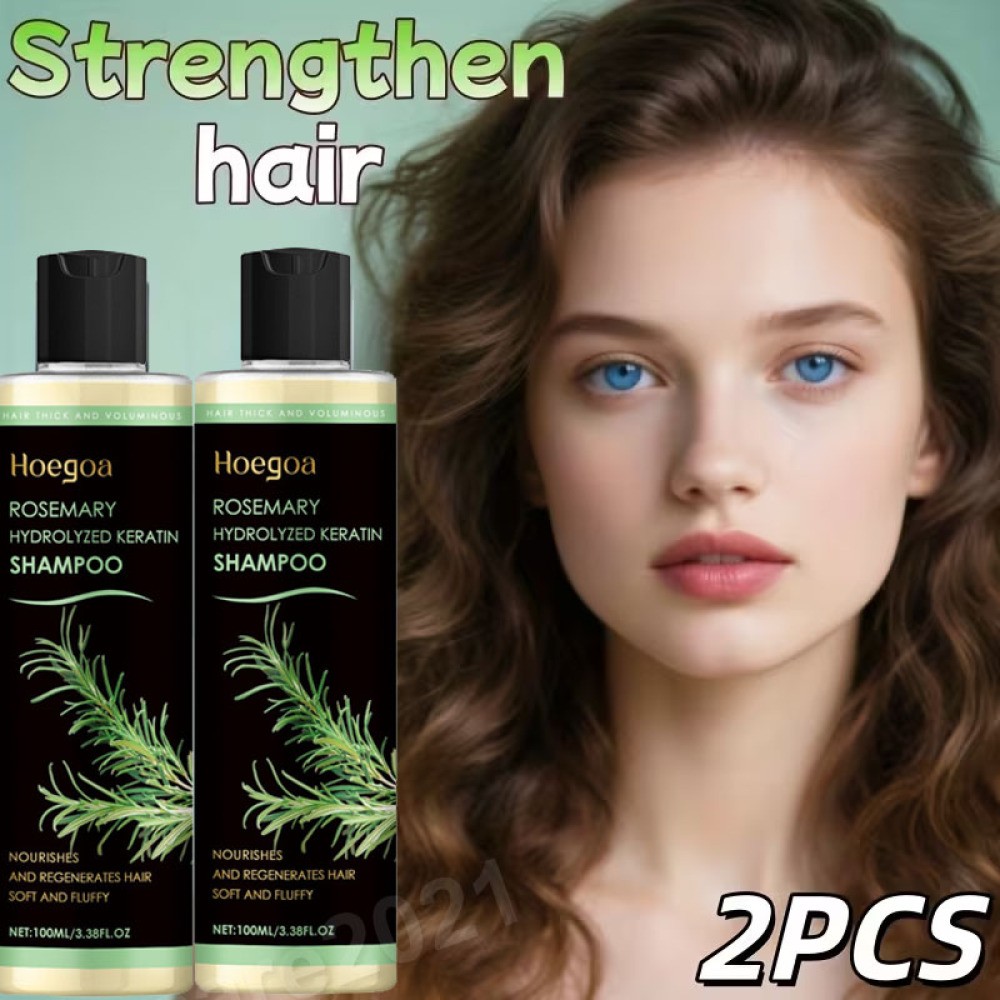 2 Pack Organic Rosemary Hair Regrowth Shampoo for Women and Men-Natural Thickeni$33.90View on eBay
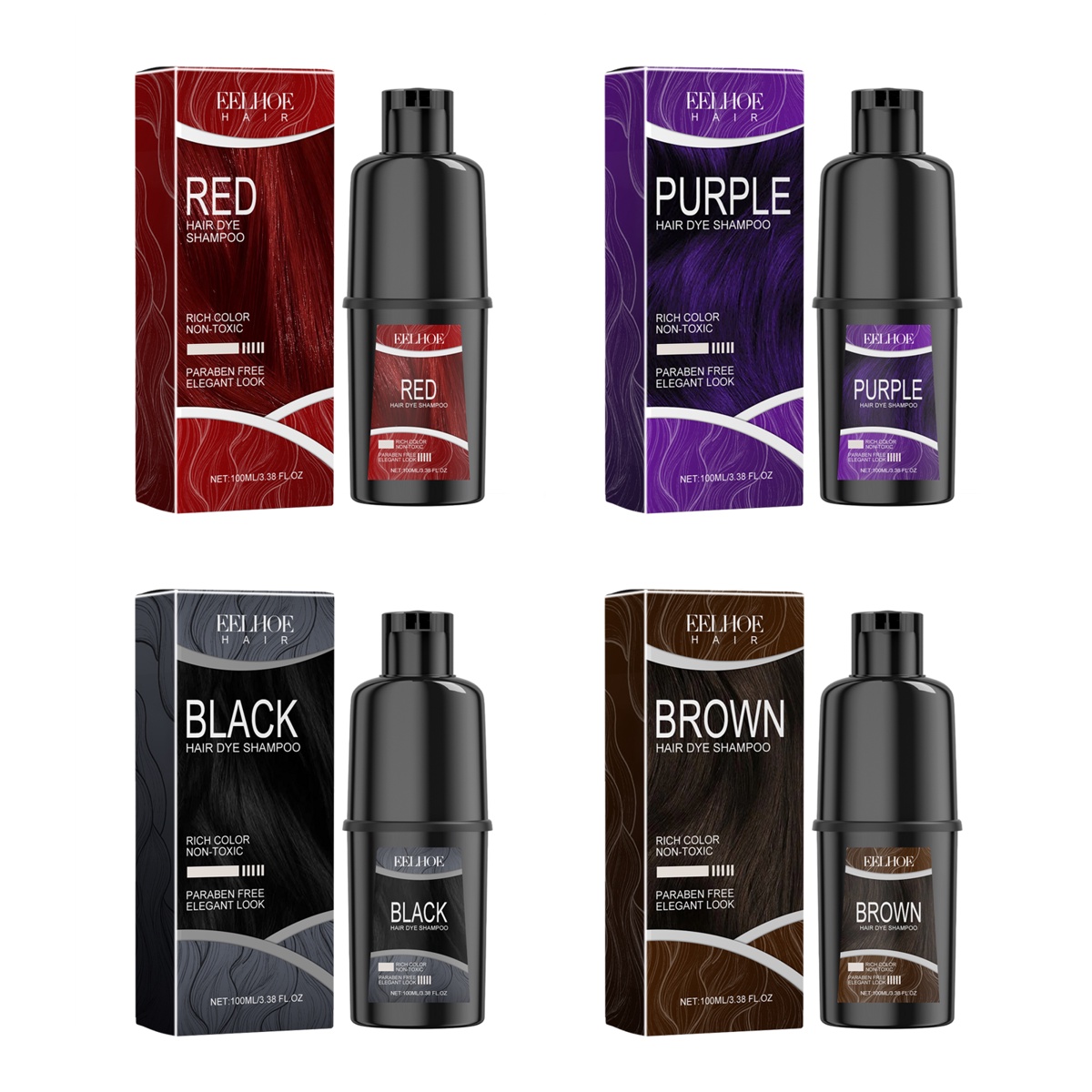 EELHOE Hair Dye Shampoo, Dye Herbal Extract Maintenance Lasting Color Healthy Dye$19.99View on Mallflare
Highlights
- Surfactant class drives color fade: sodium lauryl sulfate strips dye fastest; sodium laureth sulfate is milder; sulfate-free amino-acid or glucoside surfactants preserve color 2-3x longer.
- True 2-in-1 formulas use cationic guar or silicone quaternaries for detangling; they underperform on fine hair and over-condition oily roots.
- Rosemary, batana, and onion-oil shampoos are cosmetic cleansers—the botanical actives rinse off in 60-90 seconds; leave-on scalp serums, not shampoo, drive regrowth claims.
- Damage-repair shampoos rely on hydrolyzed keratin or bond-building chemistry (e.g., bis-aminopropyl diglycol dimaleate) that works only if it stays on the hair via conditioner.
Best use cases
- Color-treated hair: pick a sulfate-free, pH 4.5-5.5 color-protect shampoo and pair with a matching conditioner—skip 2-in-1 and clarifying formulas that accelerate fade.
- Aging hair (thinning, dryness, graying): choose a gentle sulfate-free shampoo with glycerin or panthenol; skip heavy volumizing sulfates that rough up the cuticle.
- Oily scalp with fine hair: a clarifying or standard sulfate shampoo used 2-3x weekly is correct; skip sulfate-free conditioning formulas that leave residue.
- No-rinse or limited-mobility care: waterless foam or towel shampoos work for bedbound use; skip them for normal washing because surfactant residue builds up.
Buying tips
- Match surfactant to treatment: sulfate-free for color/bleach, sulfate for oily scalp—check the first 5 INCI ingredients, not the front label.
- For color hold, choose pH 4.5-5.5; alkaline shampoos (pH 7+) open the cuticle and release dye faster.
- Rosemary/batana/onion shampoos: expect cleansing only; if regrowth matters, budget for a leave-on serum with 2-5% rosemary oil or minoxidil.
- 2-in-1 formulas suit short, normal hair; anyone with fine or oily roots should buy separate shampoo and conditioner for root lift and mid-shaft conditioning.
Specs
| Surfactant Type | Sulfate vs sulfate-free / amino-acid |
|---|---|
| Hair Concern | Color-protect / repair / thinning / oily |
| Formula Format | Liquid / 2-in-1 / no-rinse foam or towel |
| pH Range | 4.5-5.5 color-safe; 5.5-7 standard |
Related searches
What to check before buying
- Confirm hair porosity and treatment status (color, bleach, keratin) before choosing sulfate vs sulfate-free.
- Check scalp condition: oily needs clarifying; dry or sensitive needs fragrance-free, low-surfactant formulas.
- For 2-in-1, verify hair length—shoulder-length or shorter; long hair needs separate conditioner.
- For no-rinse use, confirm waterless format and companion dry towel or cap for full cleansing.
FAQ
Data sources: eBay / Amazon listings and product attribute feeds Data updated Nov 15, 2026.
Some links on this page are affiliate links. If you buy after clicking one, we may earn a commission at no extra cost to you. This does not change which products appear here or their order. Affiliate disclosure.