Photos from current listings. Actual item, color, and included accessories may vary.
Conditioner Buying Guide
Conditioner is a post-shampoo treatment that smooths the cuticle and replenishes lipids; the core trade-off is rinse-out vs leave-in format and silicone-heavy vs silicone-free formulation. For dry, frizzy hair, choose a rinse-out with cationic surfactants plus fatty alcohols and a leave-in for styling days. Anything labeled 'growth' without a proven active or drug claim is marketing, not treatment.

At a glance
- Category
- Hair Care
- Data updated
- Nov 15, 2026
Current offers
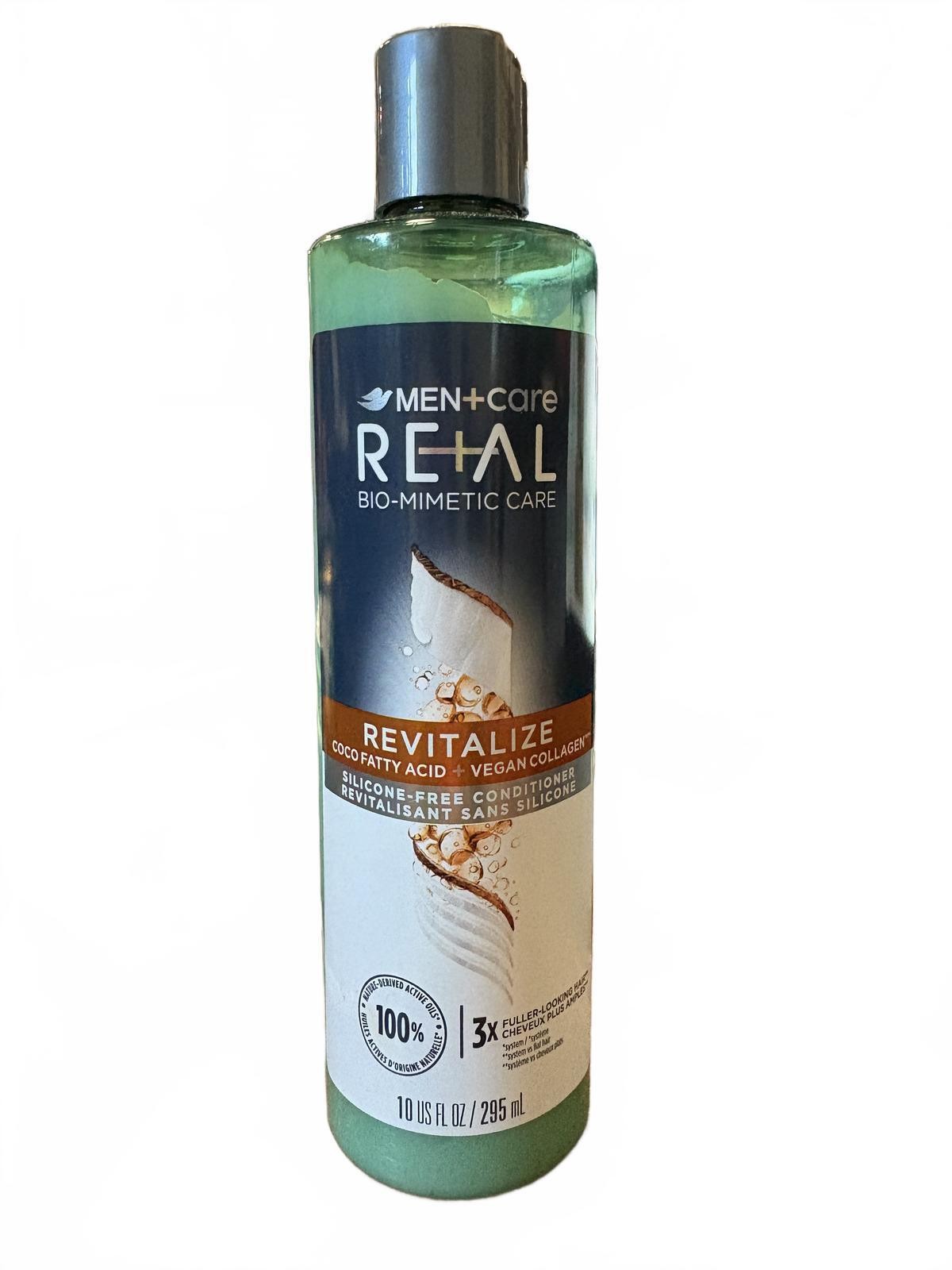 Dove Men+Care RE+AL Bio-Mimetic Care Revitalize Conditioner 10 oz NEW$3.00
 View on eBay
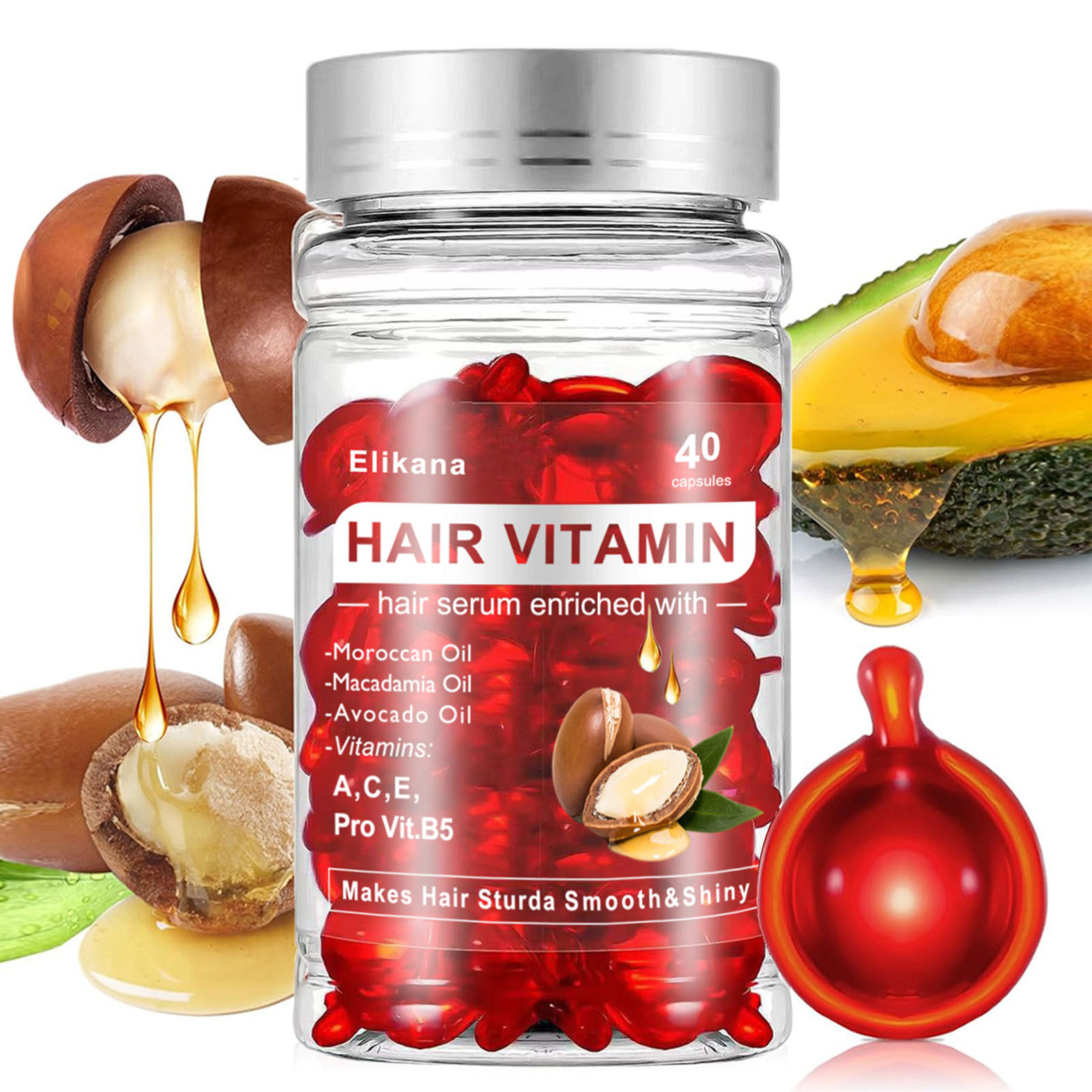 Hair Treatment Serum 40 Care Capsules - No Rinse - With Argan Macadamia & Avocado Oils - Vitamins A, E, & Pro B5 - Conditioner For Women & Men$12.99
 View on Mallflare
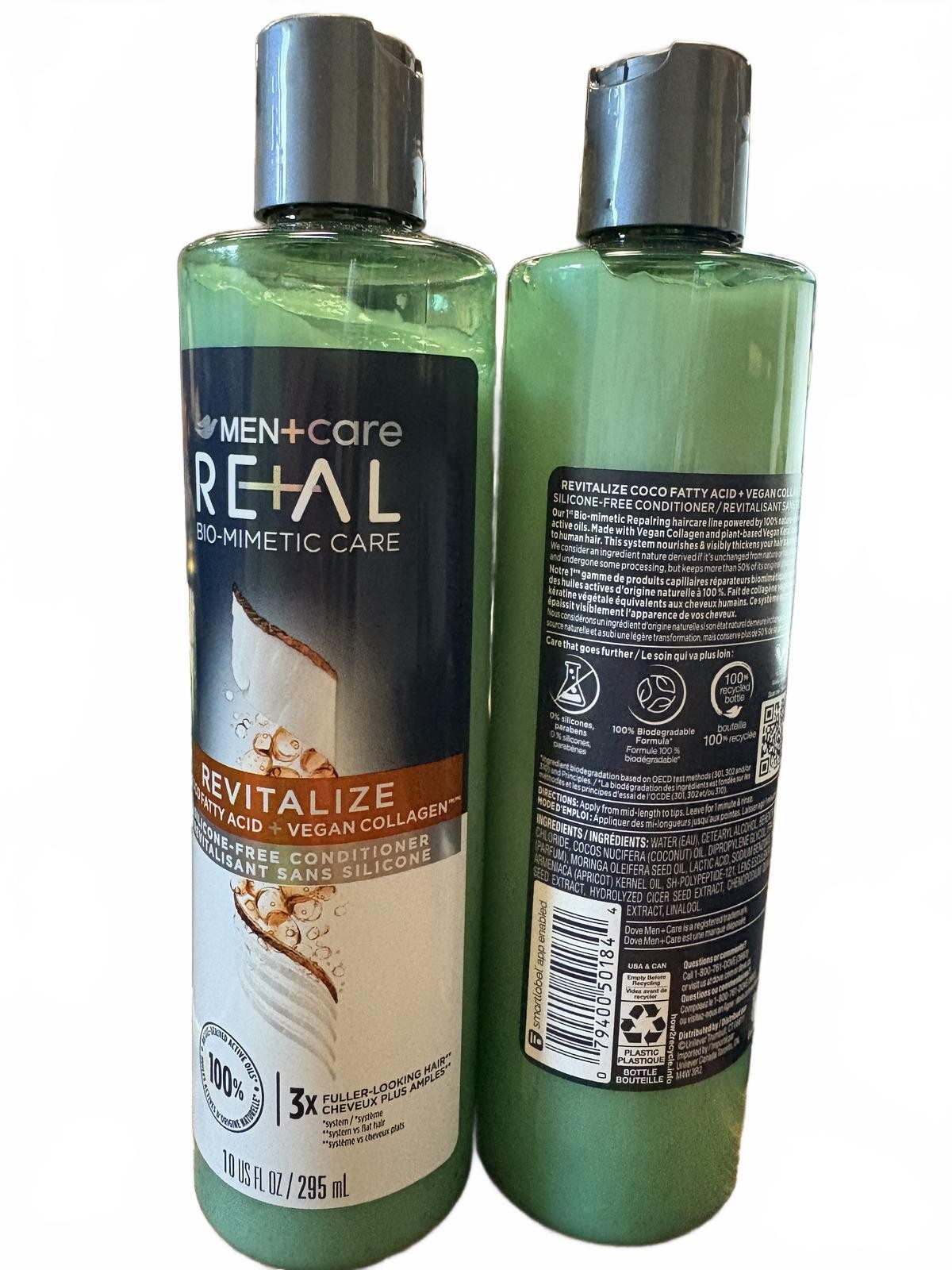 2x Dove Men+Care RE+AL Bio-Mimetic Care Revitalize Conditioner 10 oz NEW$6.00View on eBay
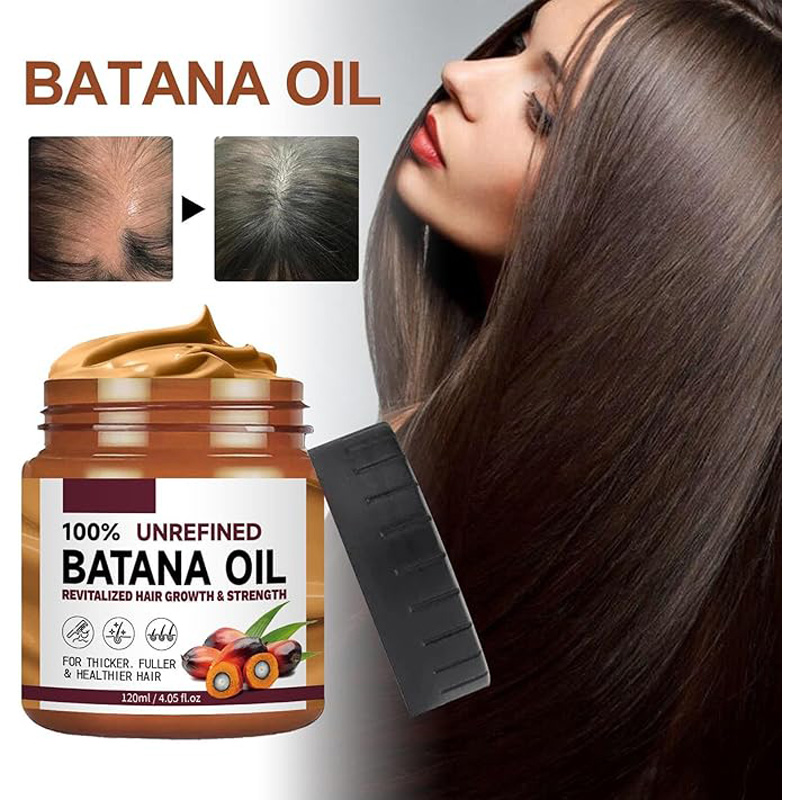 Batana Oil Hair Conditioner, Natural Oil For Growth For Healthier Thicker Stimulates Follicles$17.99View on Mallflare
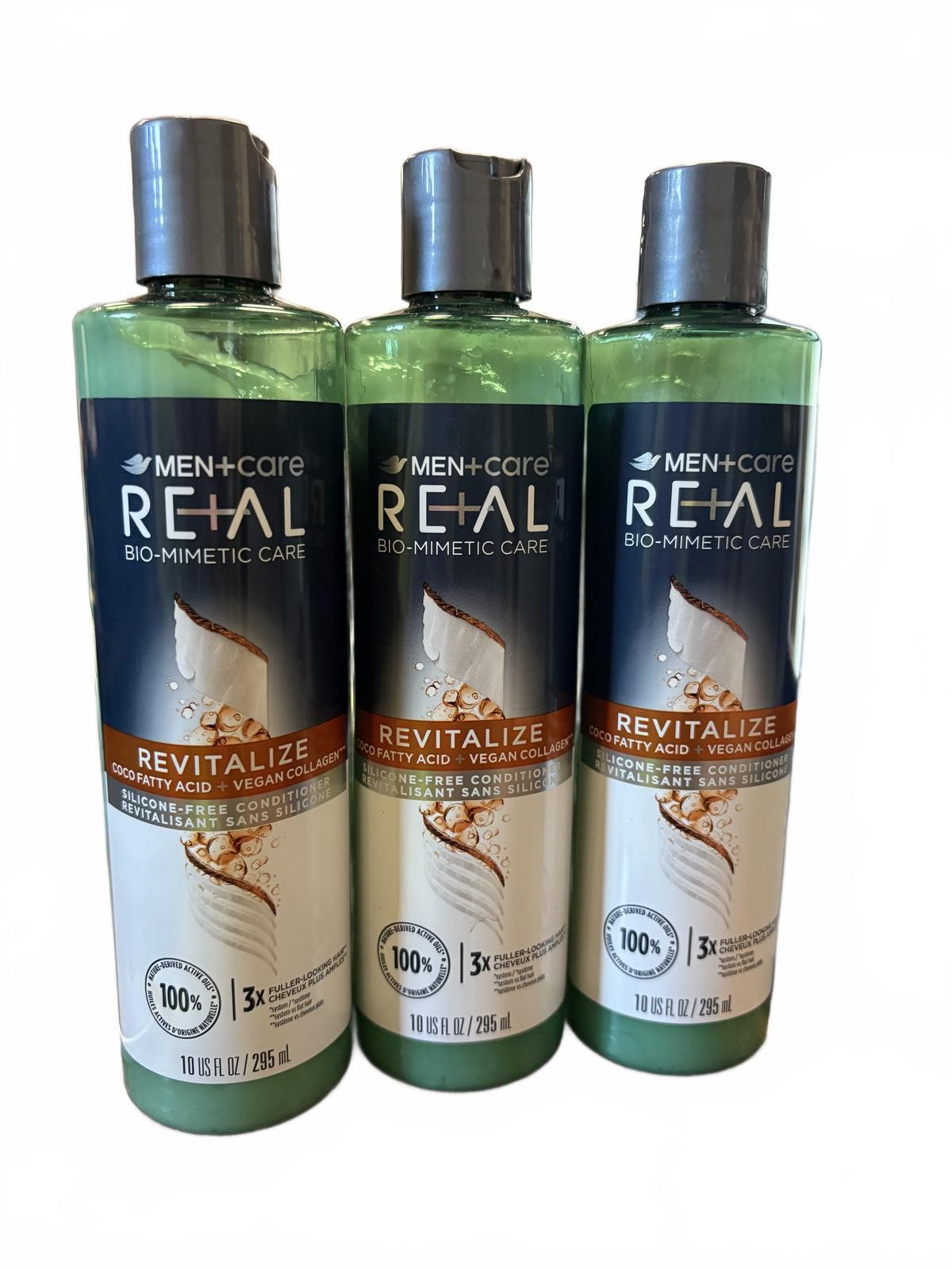 3x Dove Men+Care RE+AL Bio-Mimetic Care Revitalize Conditioner 10 oz NEW$9.00View on eBay
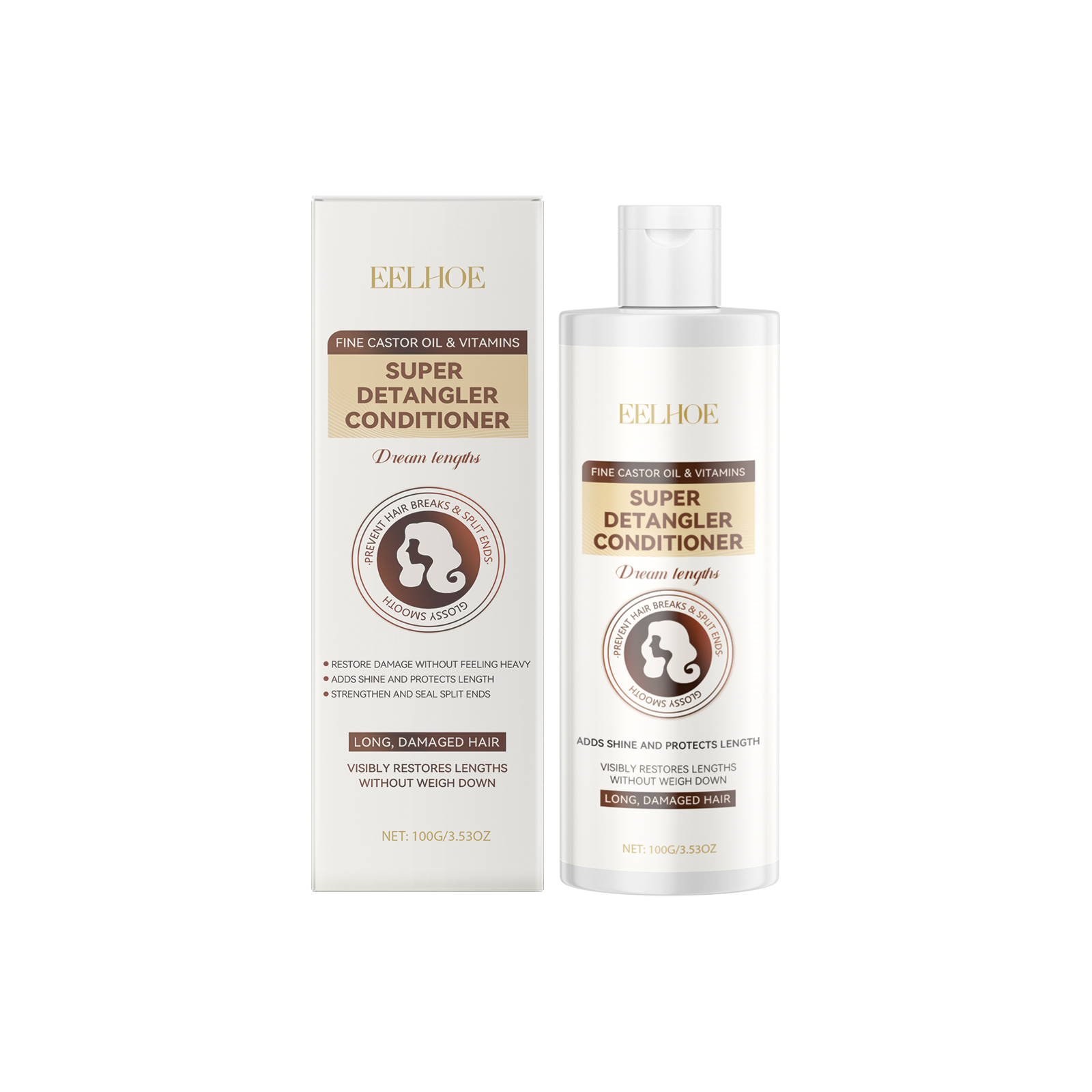 EELHOE Heat Protection Leave-In Repair Conditioner Hair Soft Moisturizing Natural Shine And Volumizing$19.99View on Mallflare
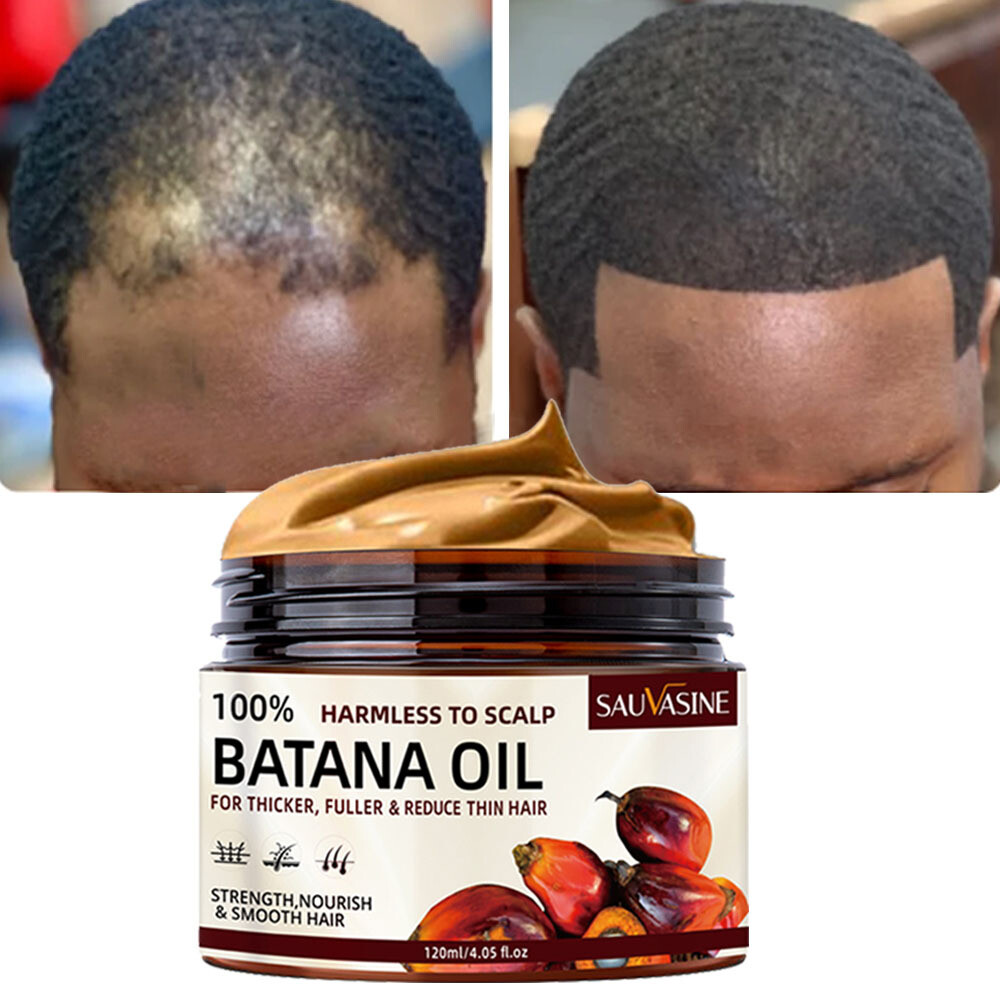 Batana Oil Conditioner for Hair Growth Hair Loss Treatment Men Women Hair Care$10.95View on eBay
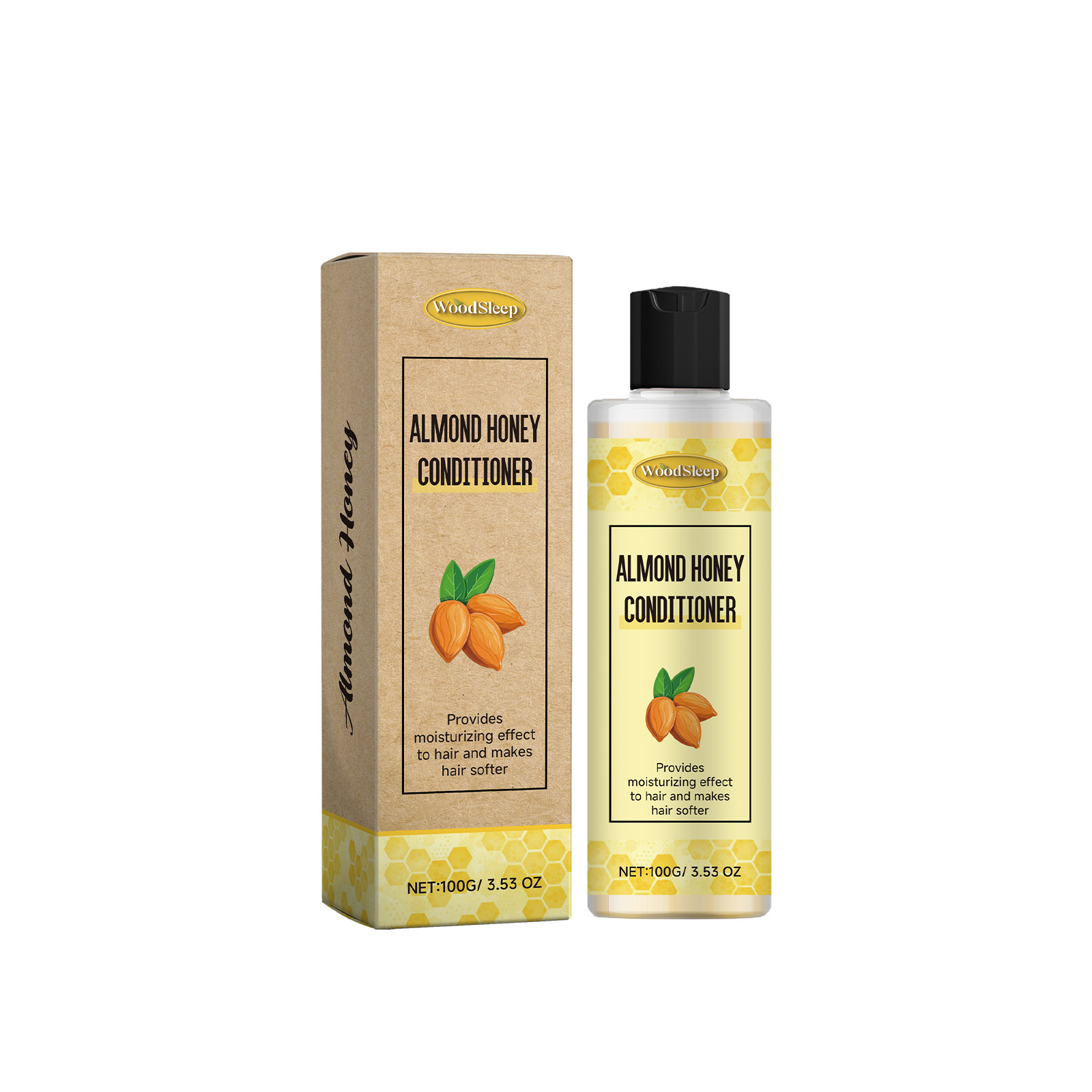 WoodSleep Almond Honey Conditioner Nourishes And Repairs Dry And Knotted Hair Ends To Restore Softness And Shine$19.99View on Mallflare
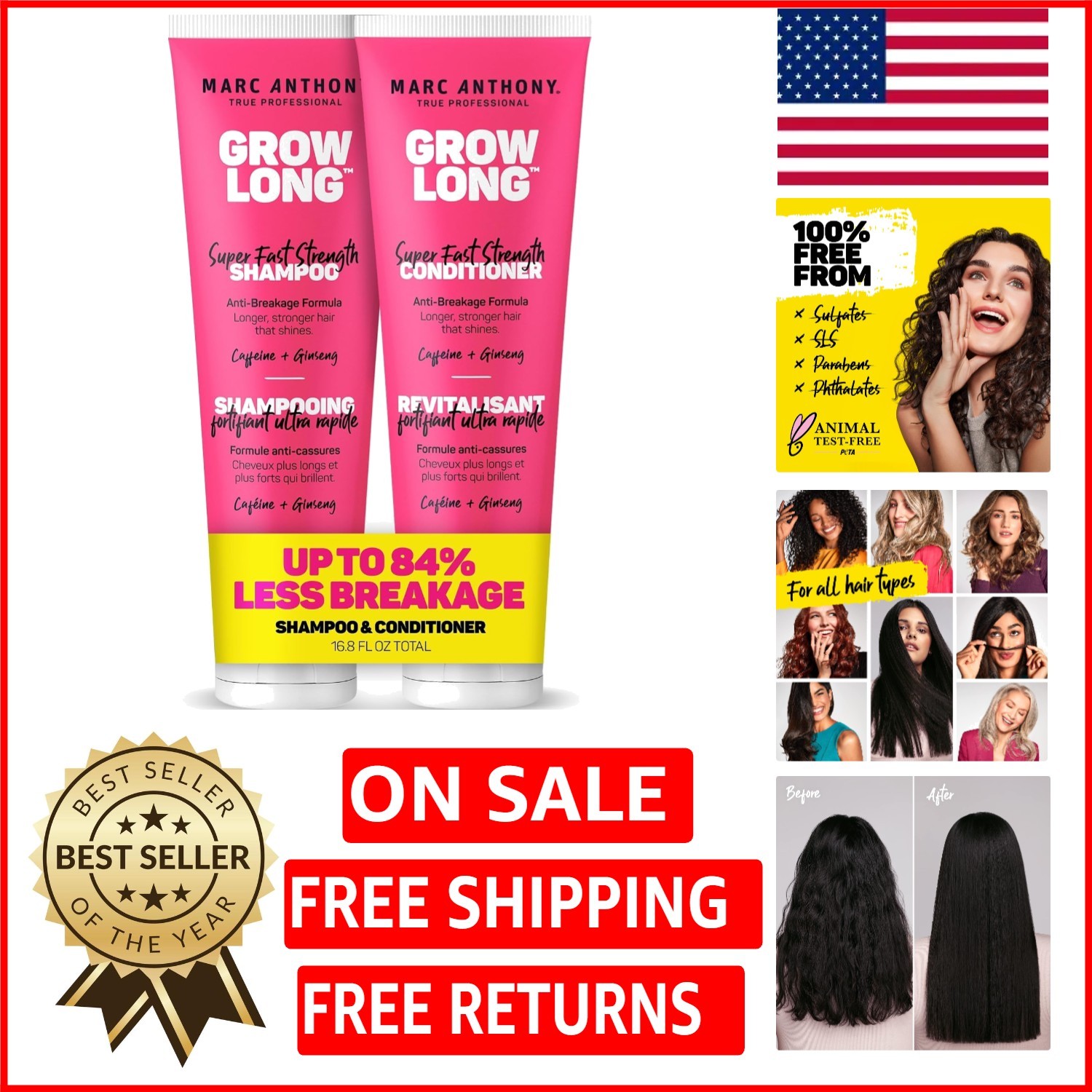 Moisturizing Grow Long Shampoo & Conditioner Set for Stronger Hair - 8.4 oz Each$22.99View on eBay
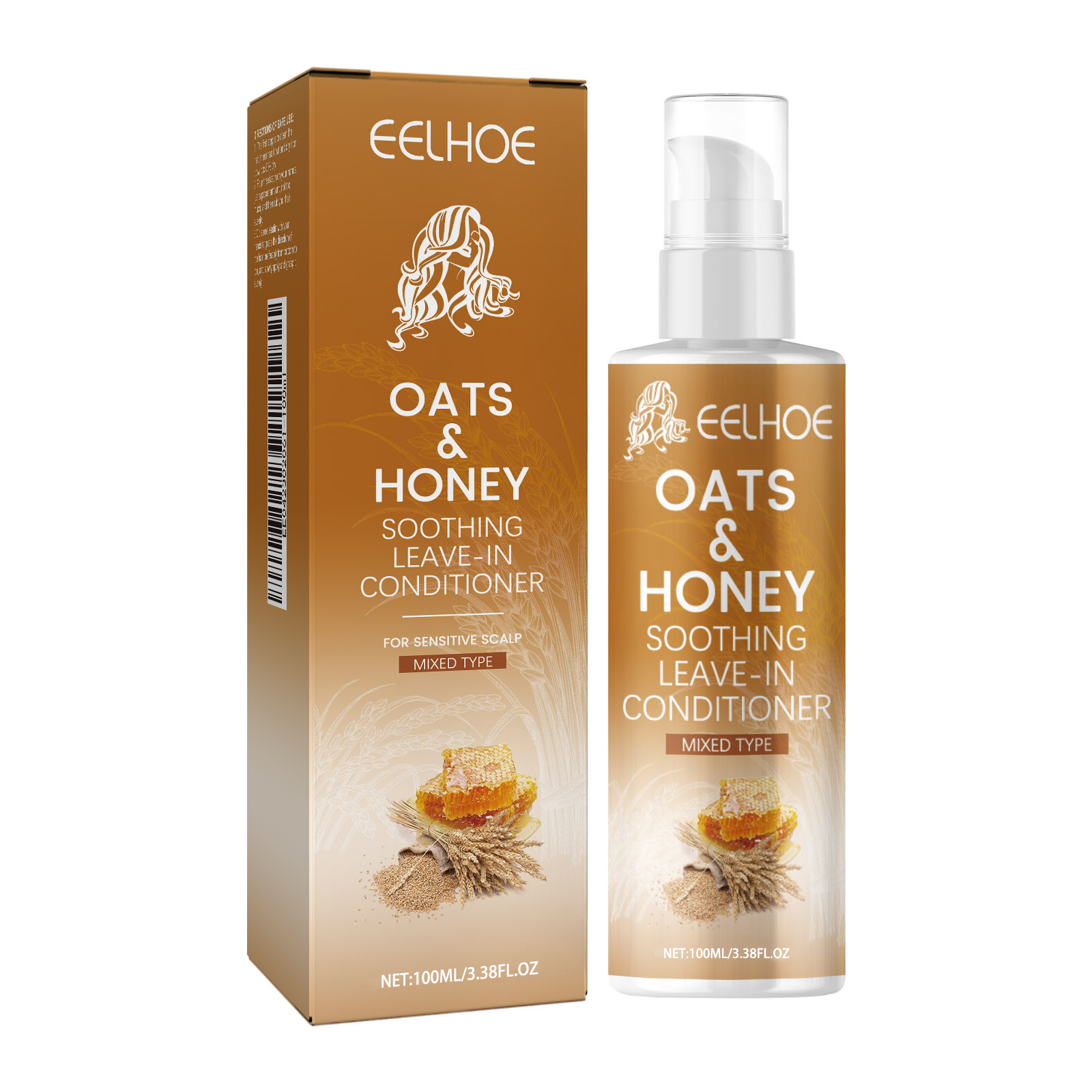 EELHOE Oat And Honey Leave-In Conditioner, Improve Frizz, Moisturize And Repair Hair, Smooth And Shiny$19.99View on Mallflare
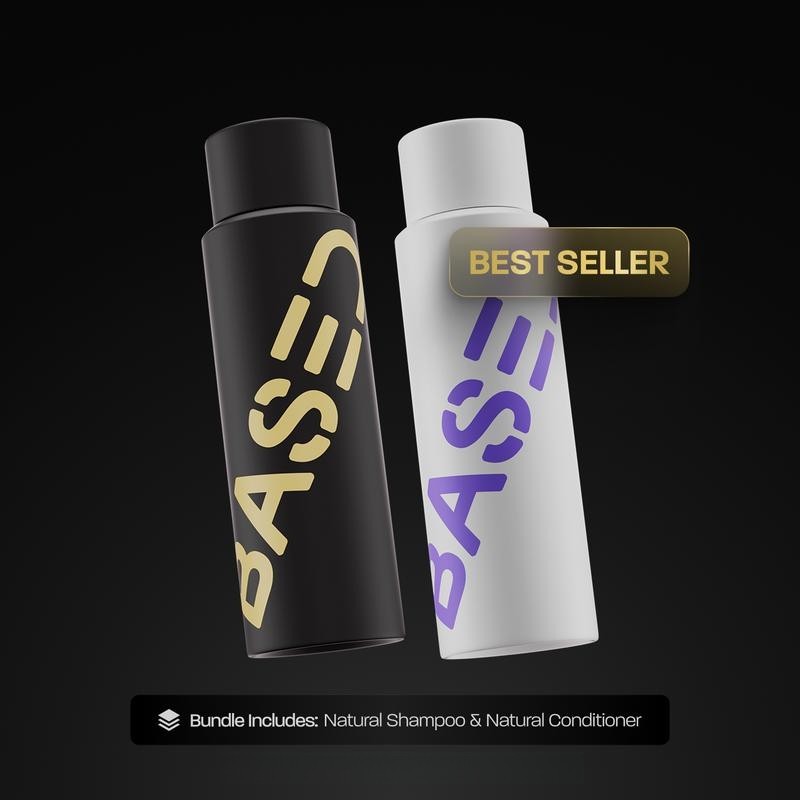 BASED Shower Duo Shampoo & Conditioner Peppermint Hydrating Scalp Care Set$22.99View on eBay
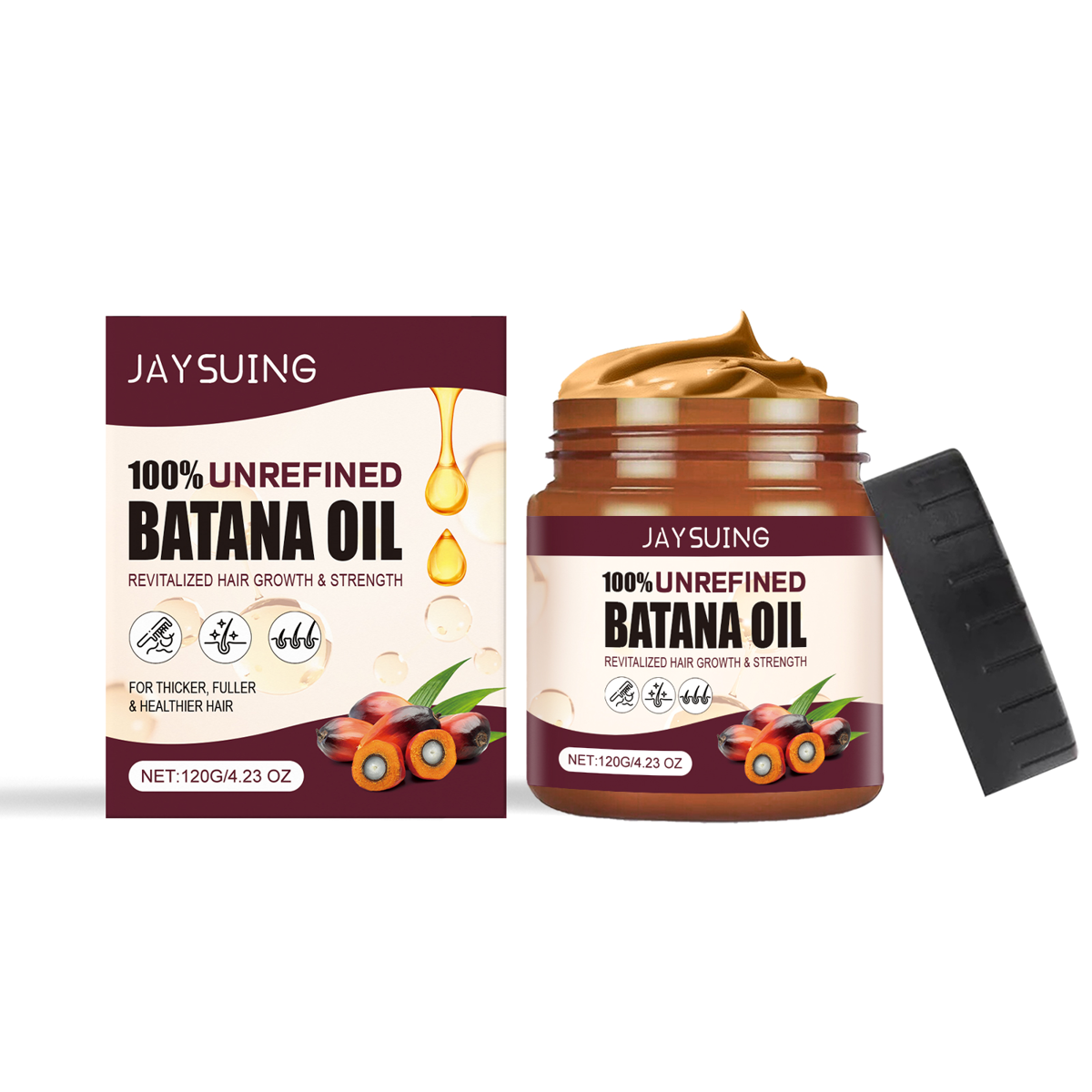 Jaysuing Batana Oil Conditioner, Moisturizing And Repairing Hair, Strong, Fluffy, Nourishing And Brightening$19.99View on Mallflare
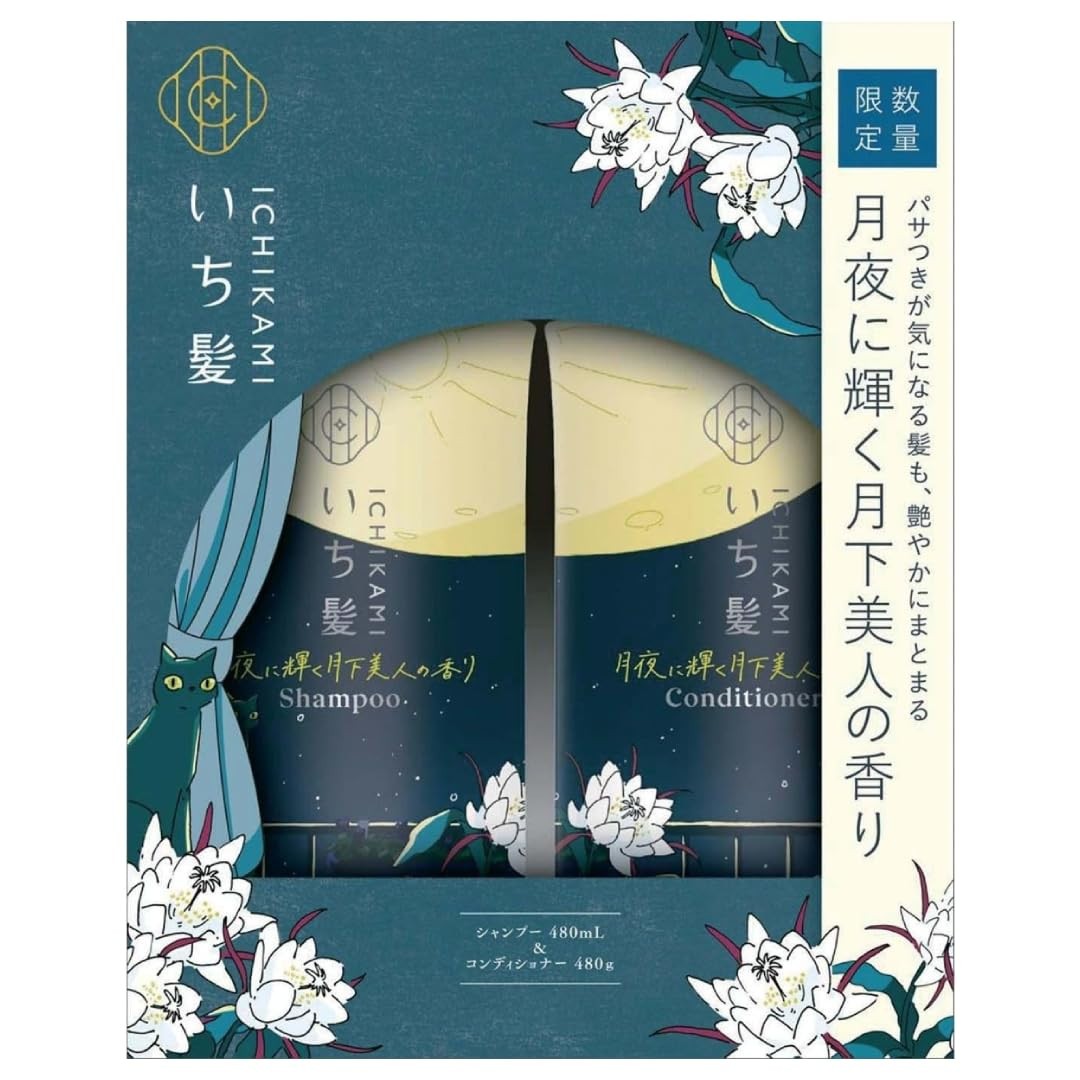 Kracie Ichikami Limited Edition Smooth Shampoo and Conditioner Set 480mL + 480g$23.99View on eBay
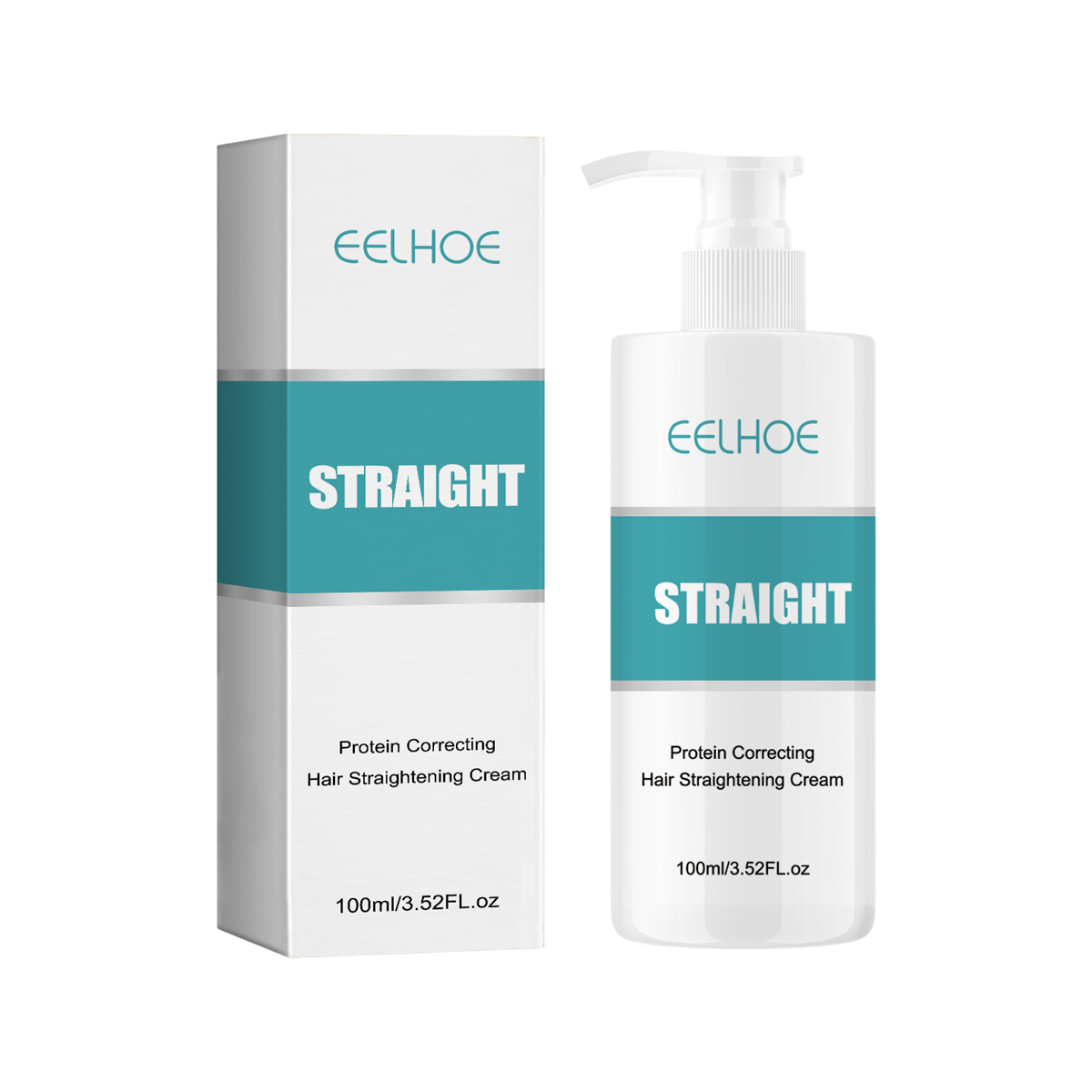 EELHOE Protein Corrective Straightening Cream Smoothing Frizz Repairing Damaged Hair Leave-In Conditioner$25.99View on Mallflare
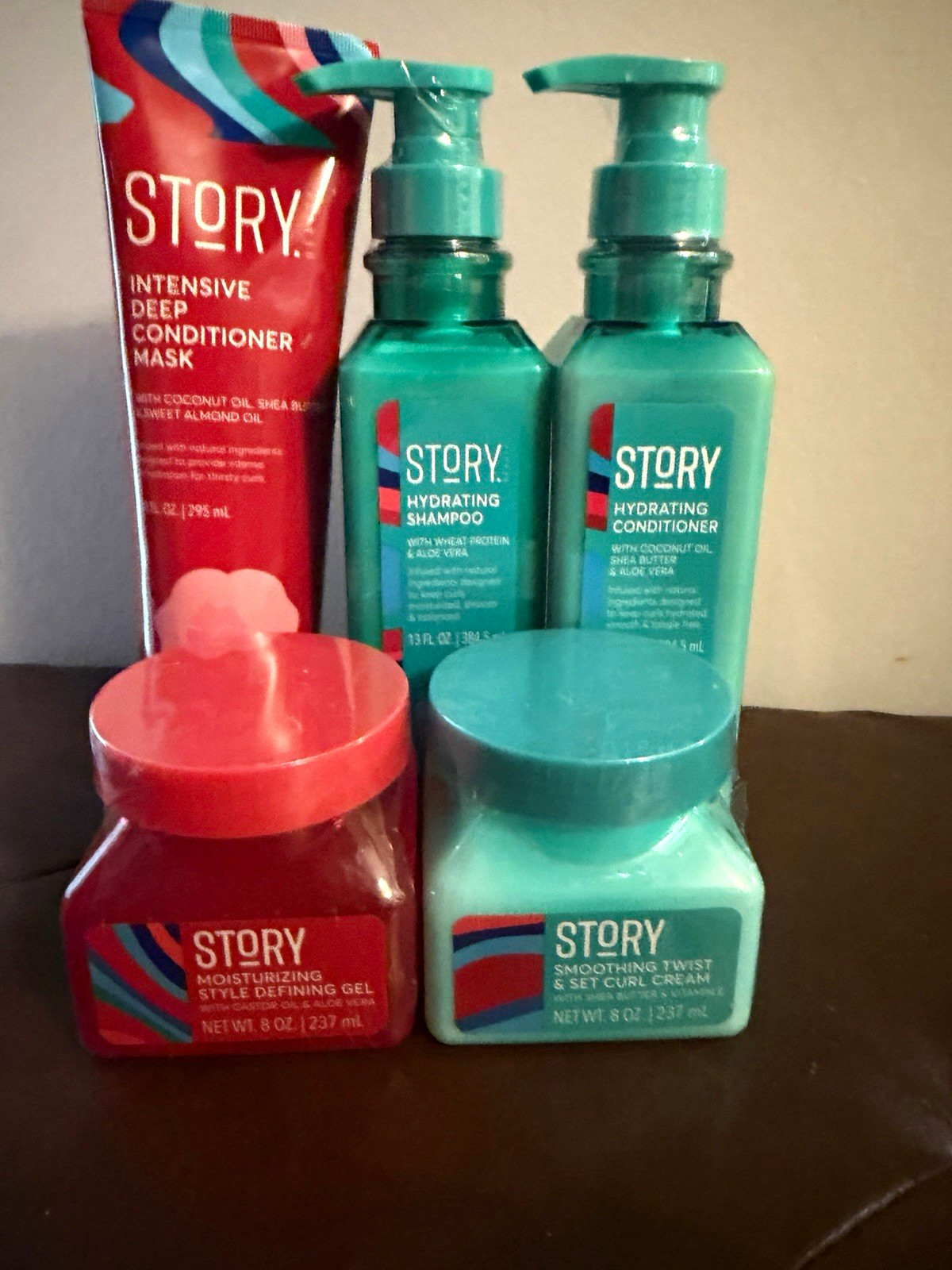 STORY Hydrating Shampoo & Conditioner Set 13 fl oz Moisturizing Smoothing$24.00View on eBay
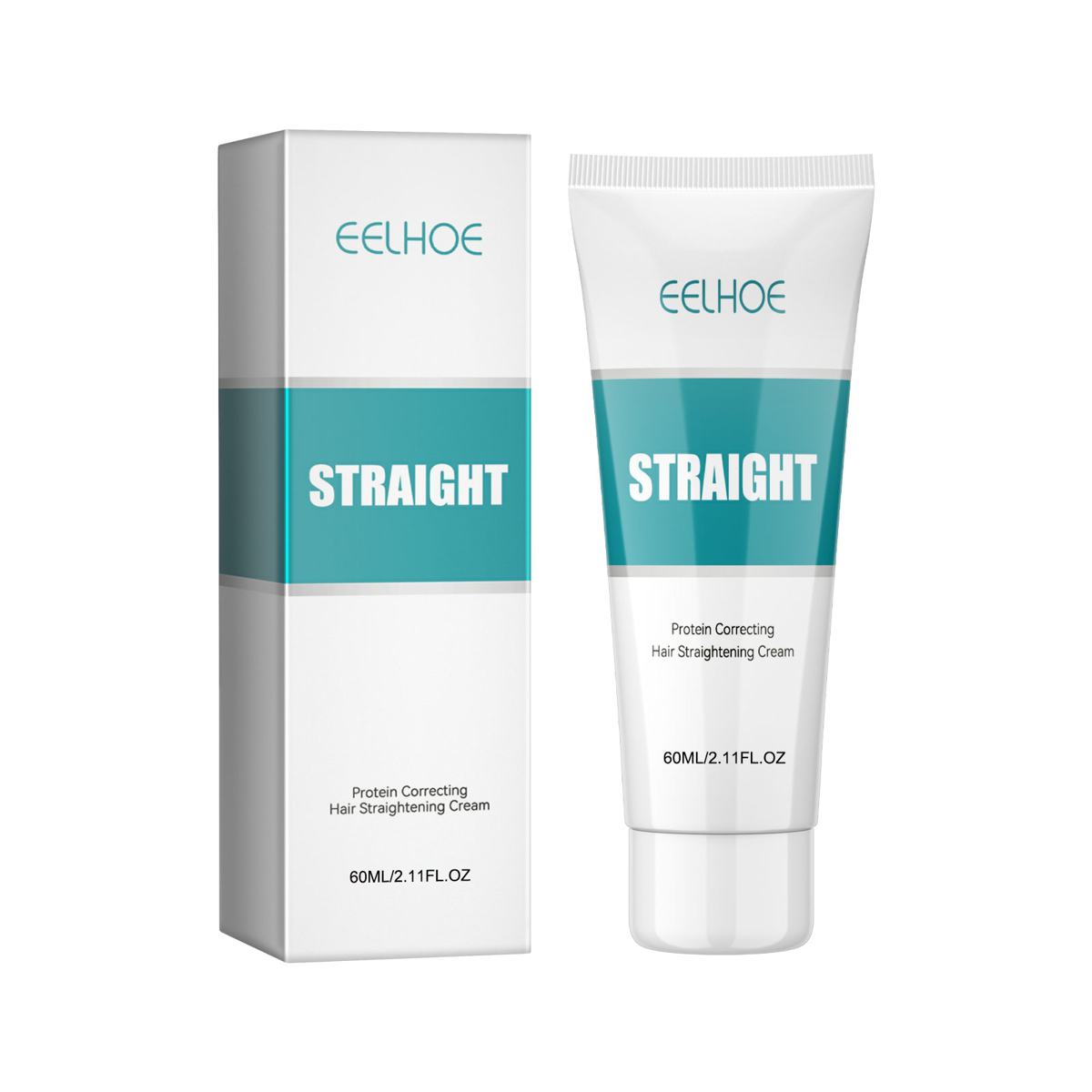 EELHOE Protein Corrective Straightening Cream Smoothes Frizz Repairs Split Ends Damaged Hair Leave-In Conditioner$25.99View on Mallflare
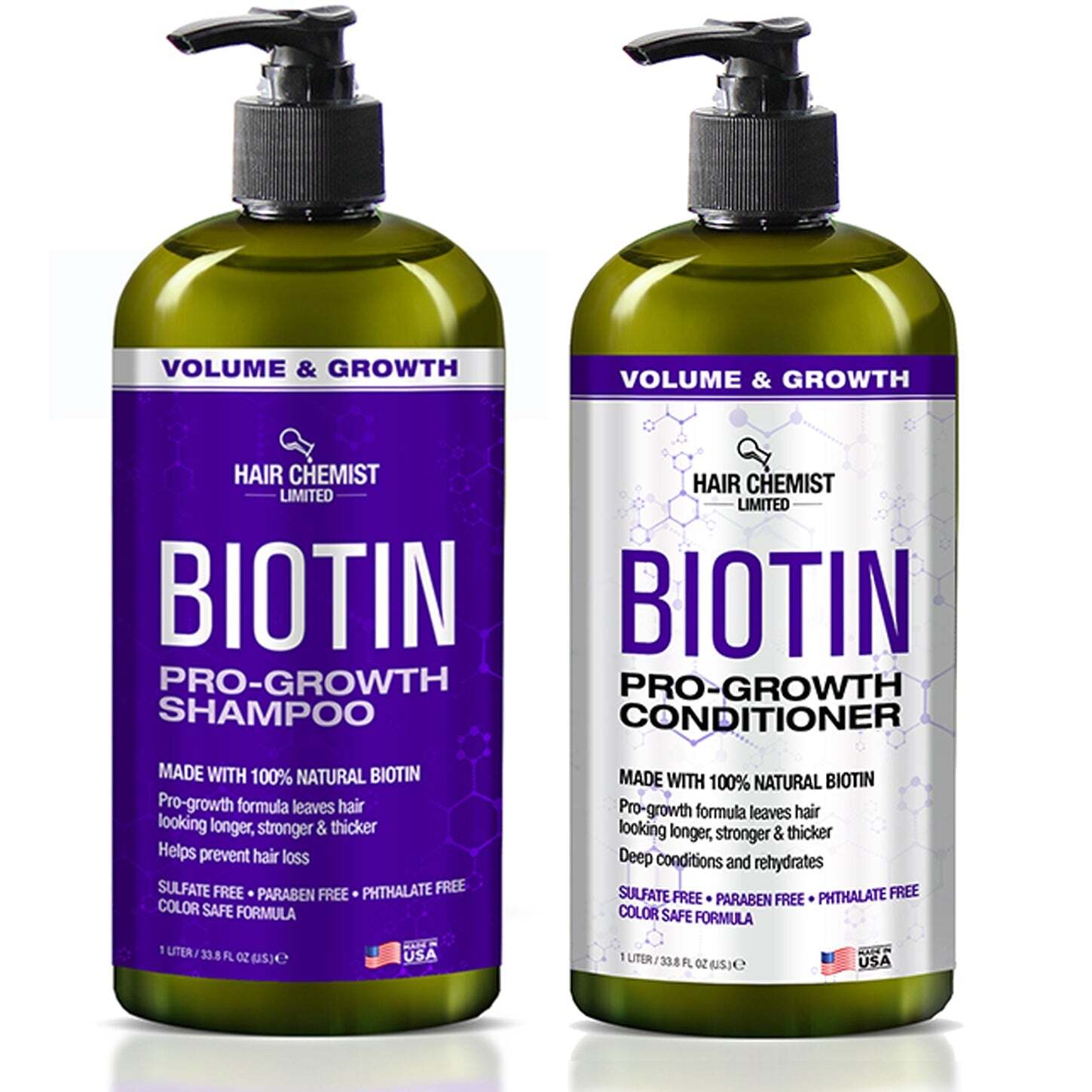 Hair Chemist Biotin Pro-Growth Shampoo & Conditioner Set - Includes 33.8oz Shamp$24.99View on eBay
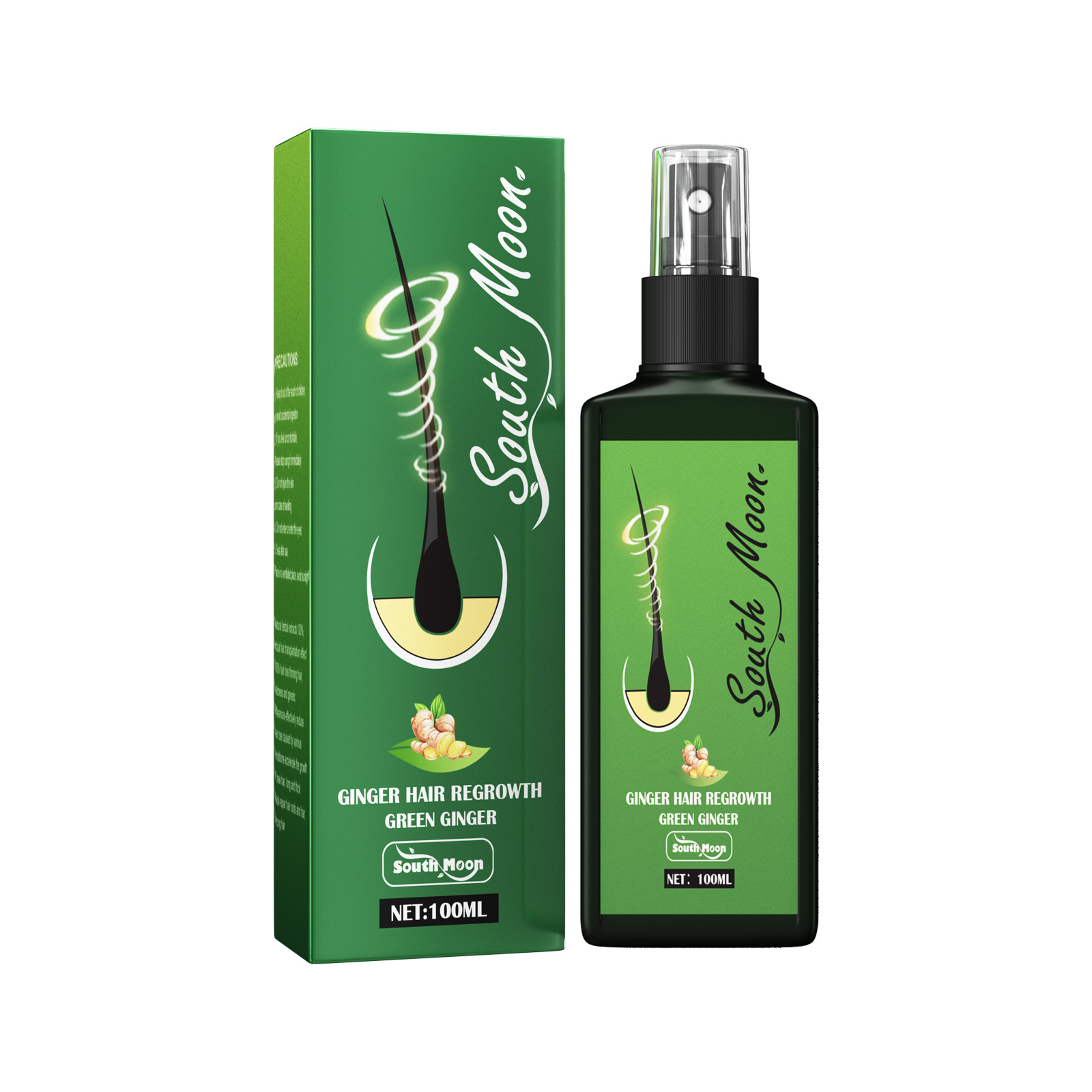 South Moon Hair Nourishing Spray Strengthening Anti Fall Dense Moisturizing Hydrating Scalp Conditioner$25.99View on Mallflare
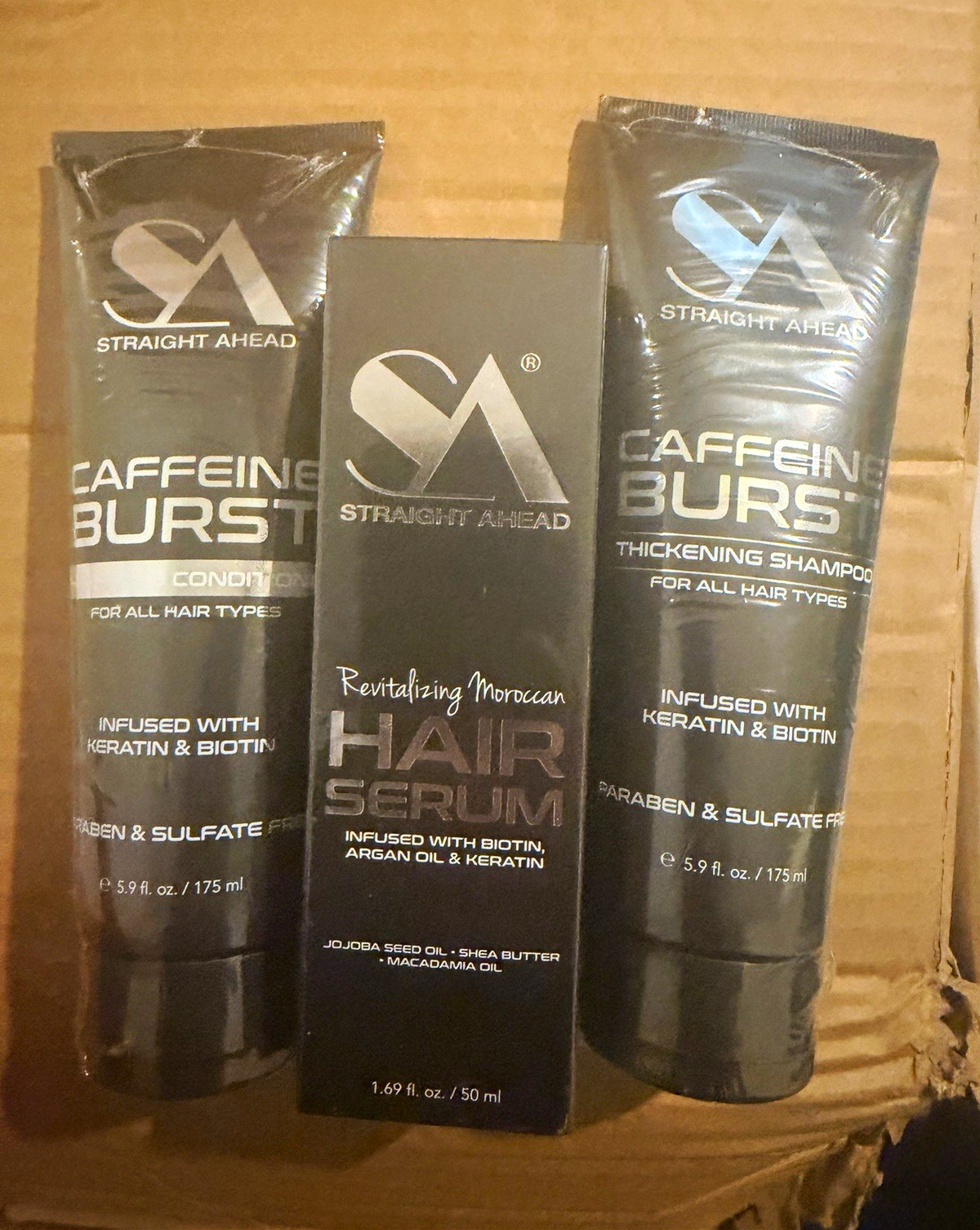 Straight Ahead Caffeine Burst hair care set -Shampoo -Conditioner -Hair Serum$25.00View on eBay
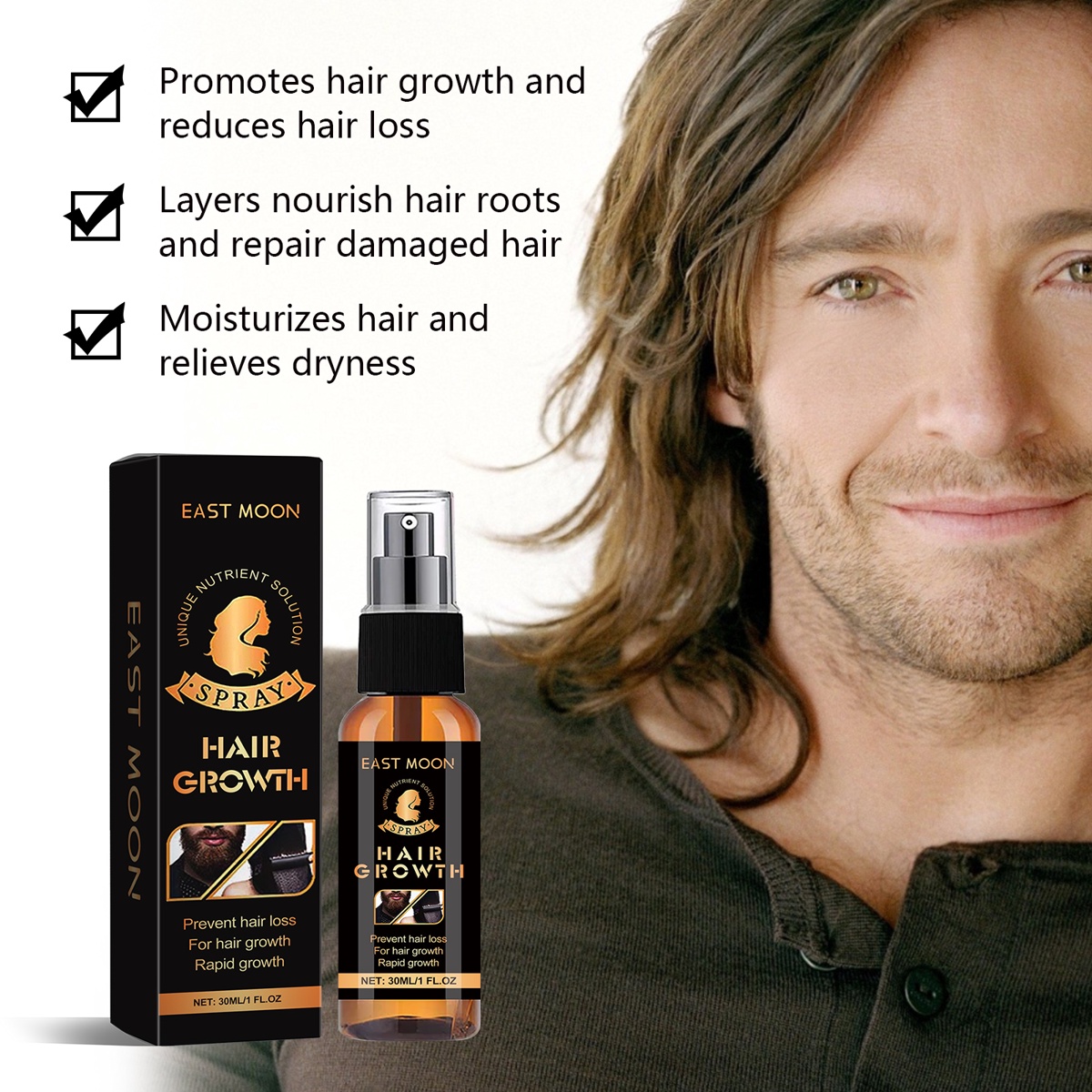 EAST MOON Hair Spray Oil Control And Moisturizing Scalp Smoothing Conditioner Thick Strong Non-Greasy$25.99View on Mallflare
Highlights
- Rinse-out conditioners rely on cationic surfactants (behentrimonium chloride/methosulfate) and fatty alcohols (cetyl/stearyl) to neutralize static and seal the cuticle.
- Silicone types differ: dimethicone and amodimethicone give slip and frizz control but build up; cyclopentasiloxane and water-soluble PEG-dimethicone rinse cleaner.
- Leave-in and serum formats carry higher oil and polymer loads (argan, macadamia, batana) and are applied to damp mid-lengths and ends, not the scalp.
- 2-in-1 shampoo-conditioner and conditioning shampoos use lower cationic levels, so they under-condition coarse or chemically treated hair compared with a separate rinse-out.
Best use cases
- Dry, frizzy, medium-to-coarse hair: pick a separate rinse-out with behentrimonium chloride plus a leave-in or serum for styling days; skip 2-in-1 formulas.
- Fine or oily scalp hair: choose a lightweight silicone-free rinse-out applied only from mid-shaft to ends; skip heavy batana or oil-based conditioners that flatten roots.
- Chemically treated, bleached, or heat-styled hair: use a repairing rinse-out with hydrolyzed proteins and a heat-protection leave-in; skip growth-promoter conditioners with no bond-repair actives.
- Men's short hair or daily washing: a men's 10 oz rinse-out or a conditioning shampoo is sufficient; skip jumbo 33.8 oz sizes unless the whole household shares the formula.
Buying tips
- Match format to wash frequency: rinse-out for 2–3 washes per week, leave-in for daily styling, and 2-in-1 only for short hair or travel.
- Read the first five ingredients: fatty alcohols and cationic surfactants early mean real conditioning; water, glycerin, and fragrance alone mean minimal repair.
- Silicone-free formulas suit fine hair and scalp concerns; amodimethicone suits damaged, porous hair that needs targeted cuticle smoothing.
- Size math: 1.86 oz tube is travel-only, 10–13.5 oz lasts roughly a month at daily use, and 33.8 oz jumbo is a 3–6 month household supply.
Specs
| Format | Rinse-out / Leave-in / 2-in-1 / Serum |
|---|---|
| Silicone Profile | Silicone-free vs Dimethicone/Amodimethicone |
| Key Actives | Cationic surfactant + fatty alcohol |
| Size Class | Travel tube / Standard 10-13.5 oz / Jumbo 33.8 oz |
Related searches
What to check before buying
- Know your hair porosity and density: coarse or high-porosity hair needs heavier fatty-alcohol and oil content than fine, low-porosity hair.
- Check scalp sensitivity: fragrance and essential-oil-heavy formulas can irritate; choose fragrance-free if you have scalp eczema or psoriasis.
- Confirm companion products: a leave-in or heat protectant is a separate step, not a substitute for rinse-out conditioning.
- Verify the bottle size and dispenser type (tube vs pump) fit your shower routine; jumbo pump bottles need shelf or caddy space.
FAQ
Data sources: eBay / Amazon listings and product attribute feeds Data updated Nov 15, 2026.
Some links on this page are affiliate links. If you buy after clicking one, we may earn a commission at no extra cost to you. This does not change which products appear here or their order. Affiliate disclosure.