Photos from current listings. Actual item, color, and included accessories may vary.
Vitamin C Buying Guide
Vitamin C skincare spans serums, creams, and cleansers where the key trade-off is stabilized L-ascorbic acid at an effective pH versus gentler but often weaker derivatives. The decision rule: pick a serum with 10–20% L-ascorbic acid at pH <3.5 in an opaque airless bottle for visible brightening, and skip clear dropper bottles or soap bars if antioxidant efficacy is the goal.

At a glance
- Category
- Skincare
- Data updated
- Nov 15, 2026
Current offers
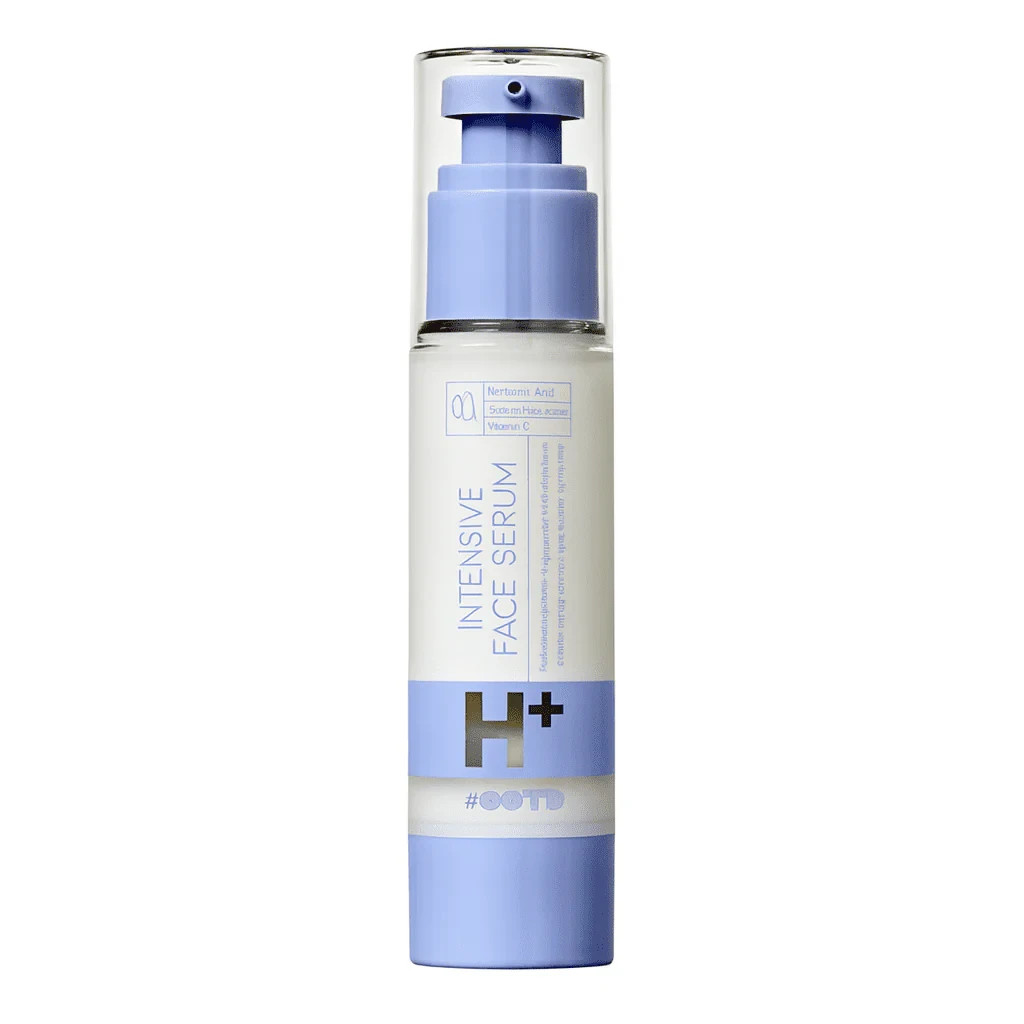 H+ Intensive Face Serum w/ Hyaluronic Acid & Vitamin C-Lightweight-Korean Beauty$15.99
 View on eBay
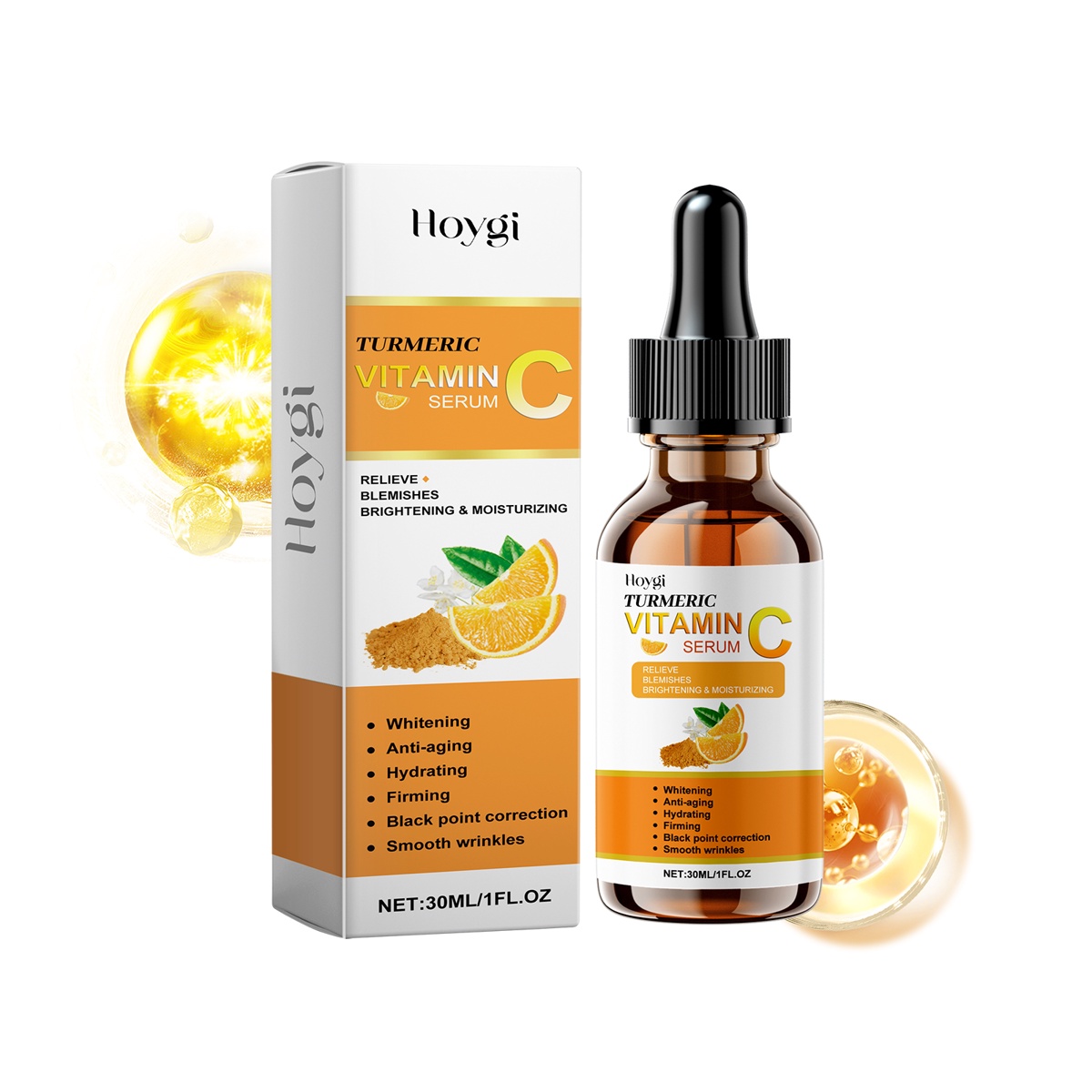 Hoygi Vitamin C Facial Essence, Moisturizing, Hydrating, Brightening, Anti-Wrinkle And Firming Care Essential Oil$14.99
 View on Mallflare
 Retinol + Collagen, Hyaluronic Acid, Vitamin C AntiAging Wrinkle Serum Cream 4oz$18.99View on eBay
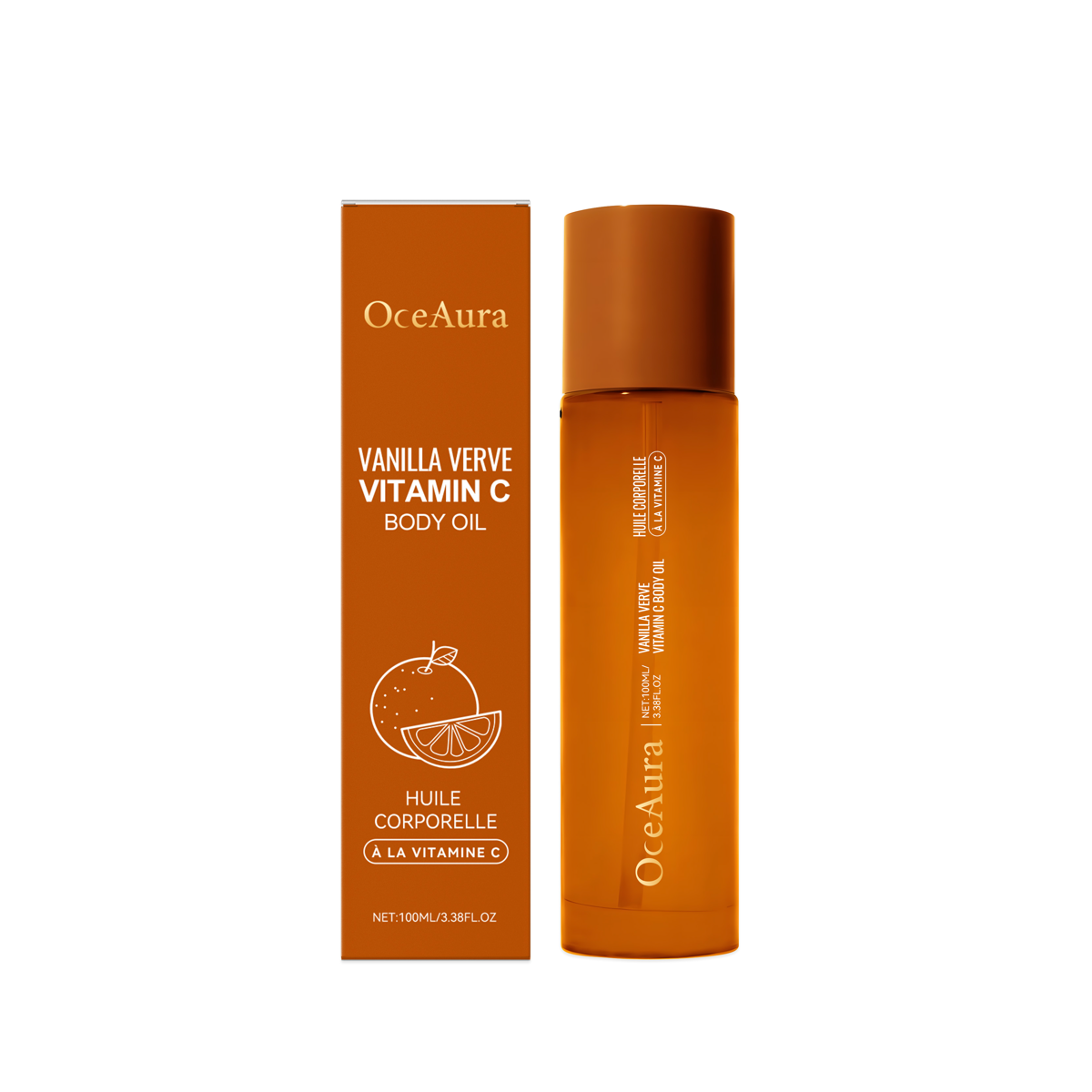 OceAura Vitamin C Softening Oil, Nourish The Body Moisturize The Whole The Skin For A Long Time$14.99View on Mallflare
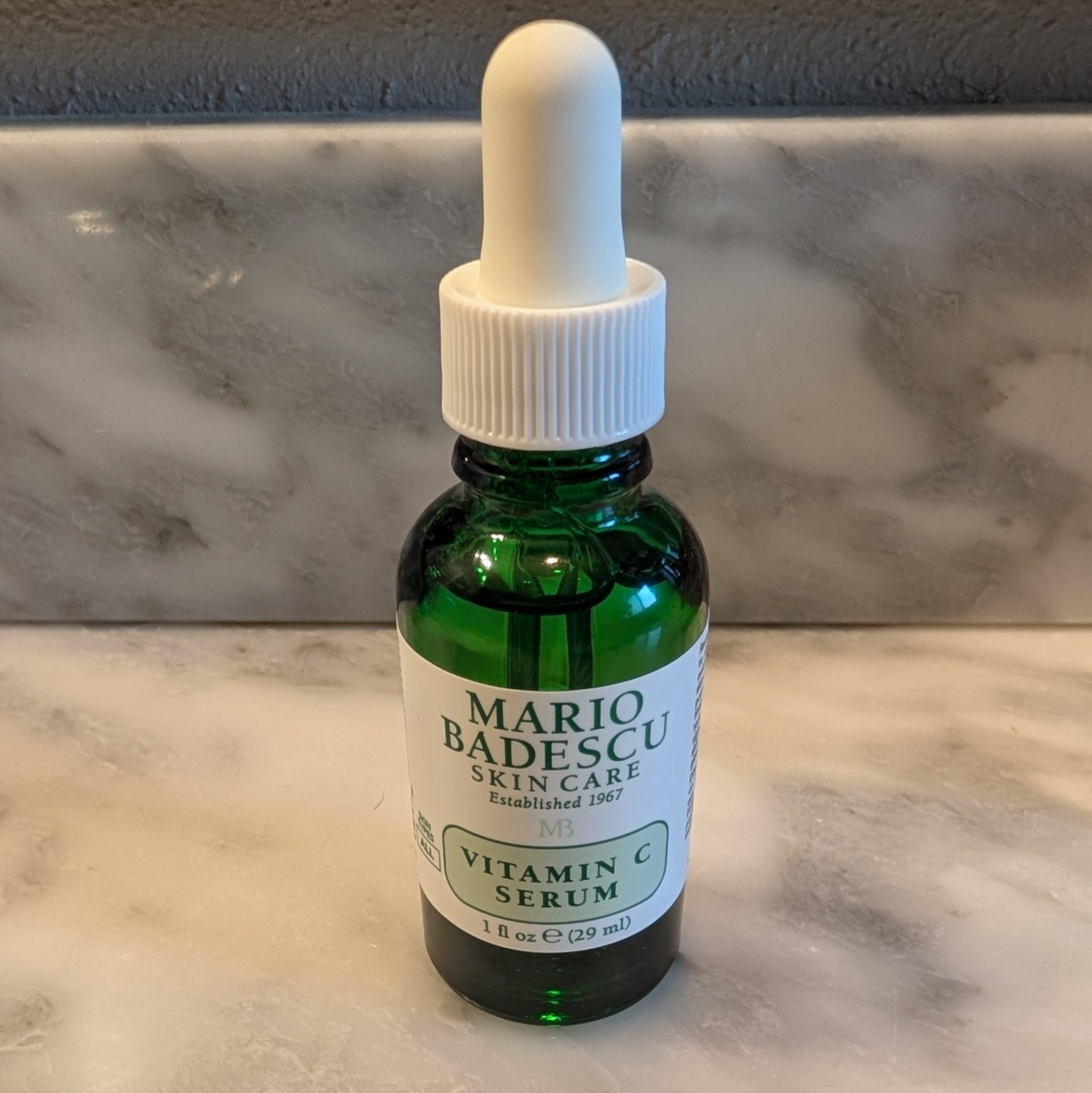 Mario Badescu Vitamin C Serum$20.50View on eBay
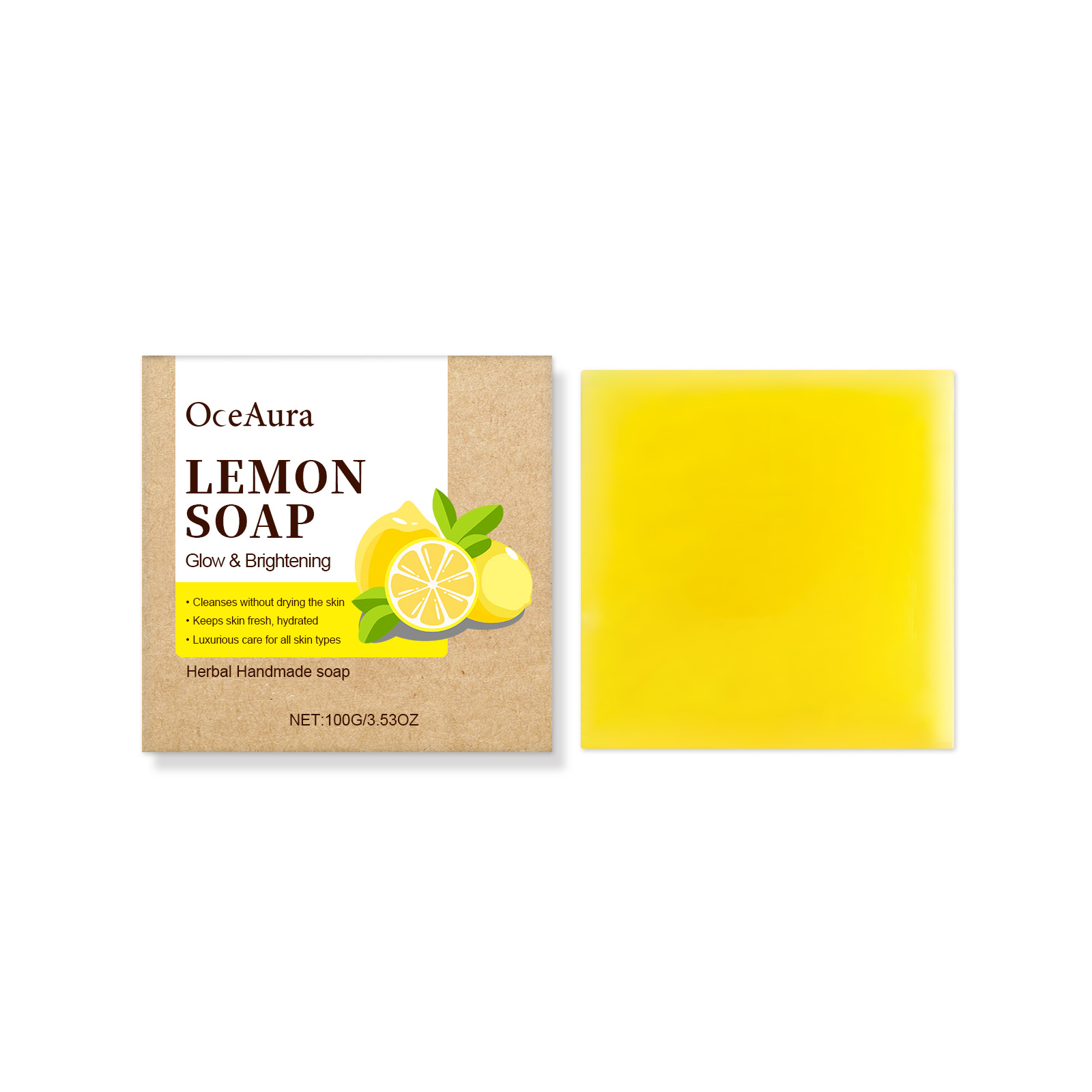 OceAura Lemon Herbal Vitamin C Soap Cleanser Body Skin Bath Mild Clean Refreshing Oil Control Skincare$14.99View on Mallflare
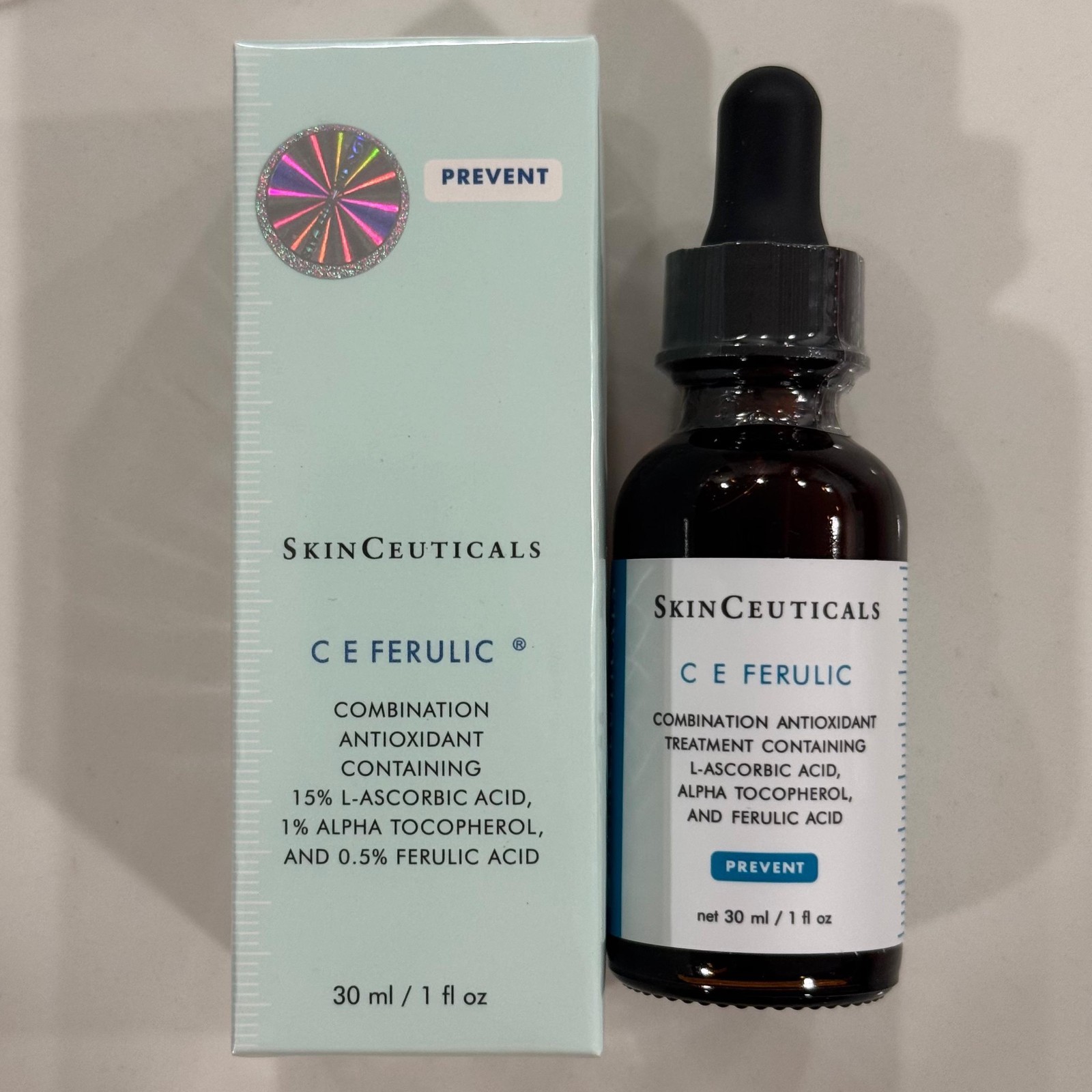 SkinCeuticals C E Ferulic Antioxidant Vitamin C Serum 30ml 1 fl oz New Sealed$25.99View on eBay
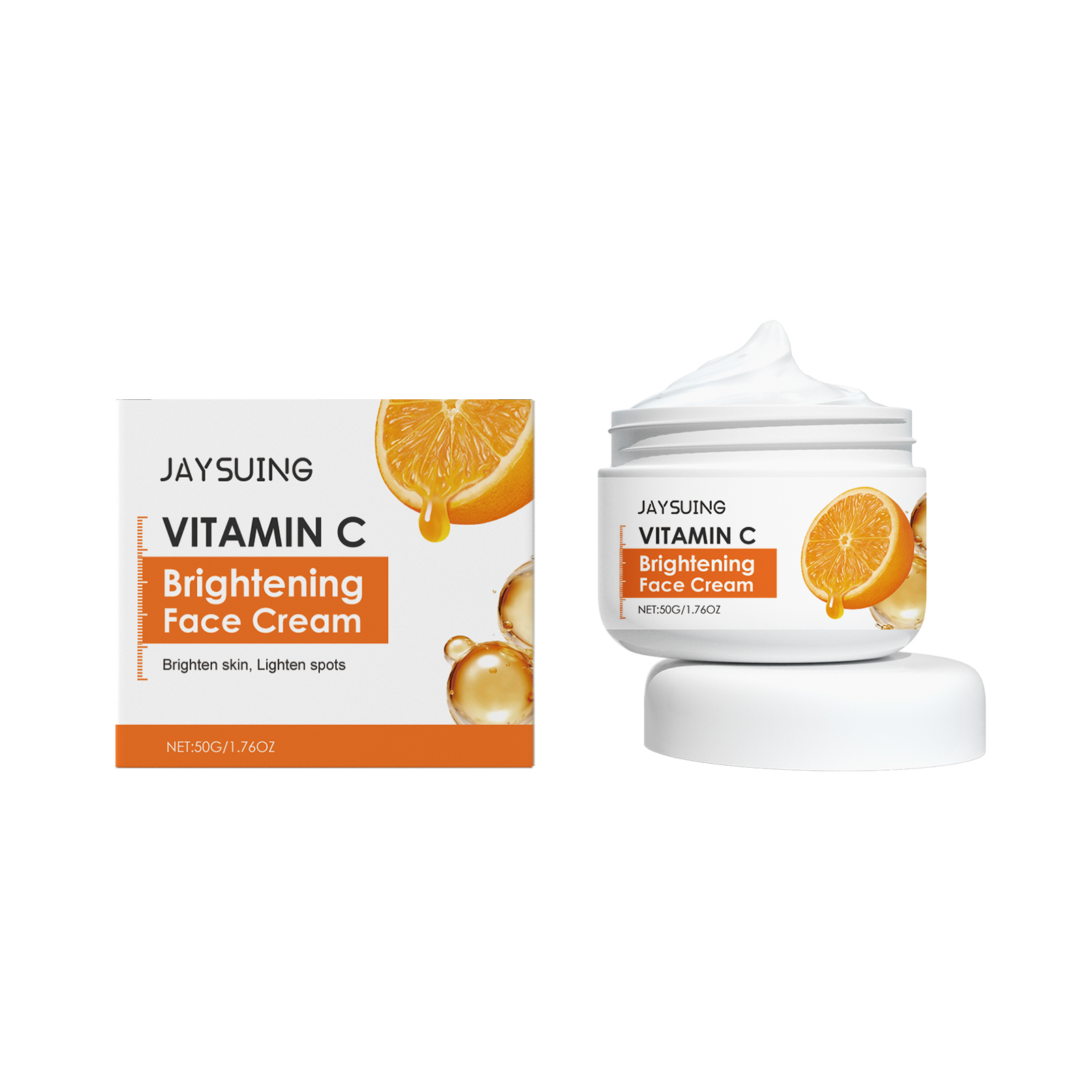 Jaysuing Vitamin C Face Cream Moisturizes, Hydrates, Brightening And Darkening Skin With Fruit Fragrance And C$14.99View on Mallflare
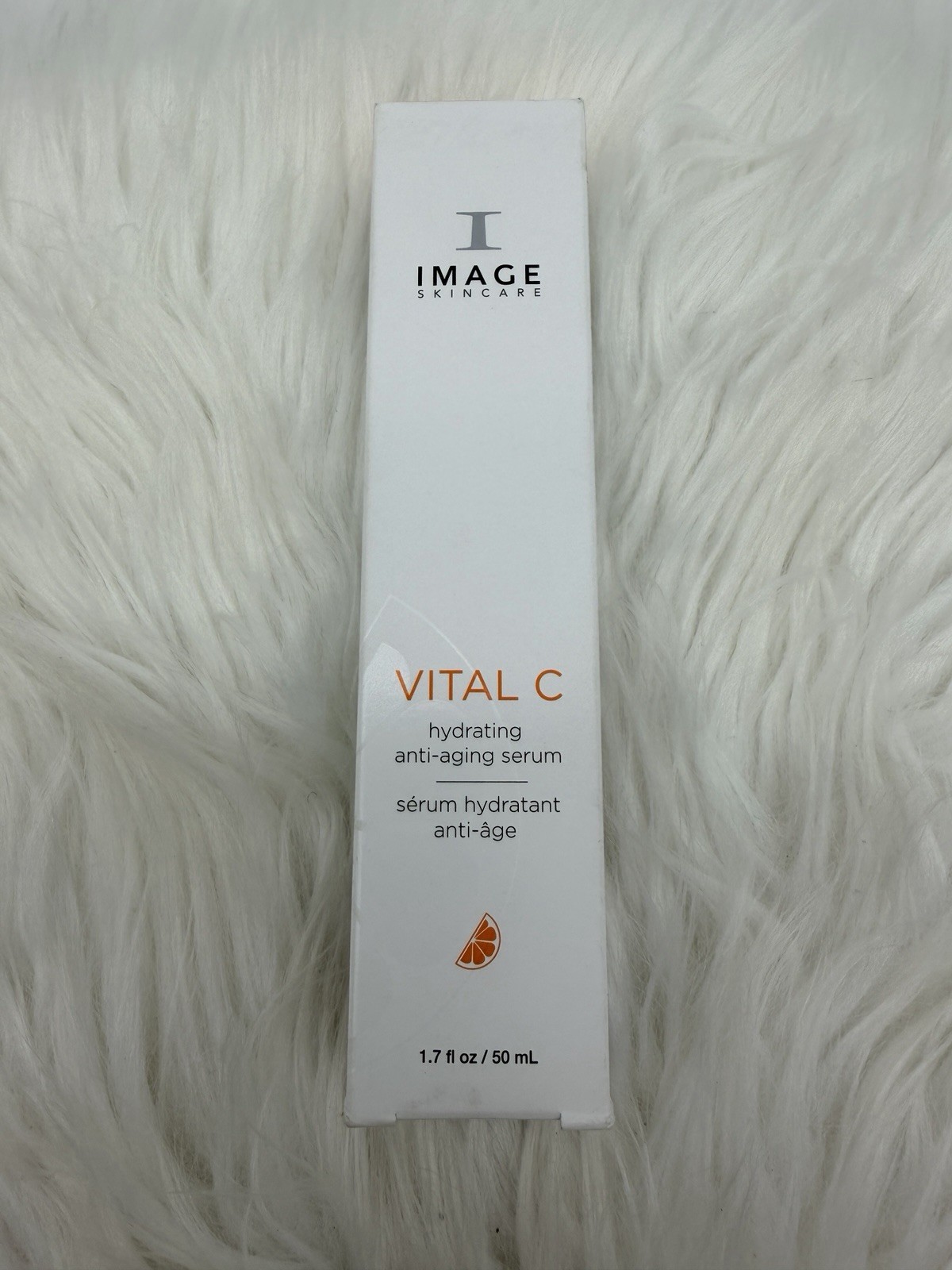 IMAGE Skincare VITAL C - Hyaluronic Acid Vitamin C 1.7oz Anti-Aging Serum NIB!$26.95View on eBay
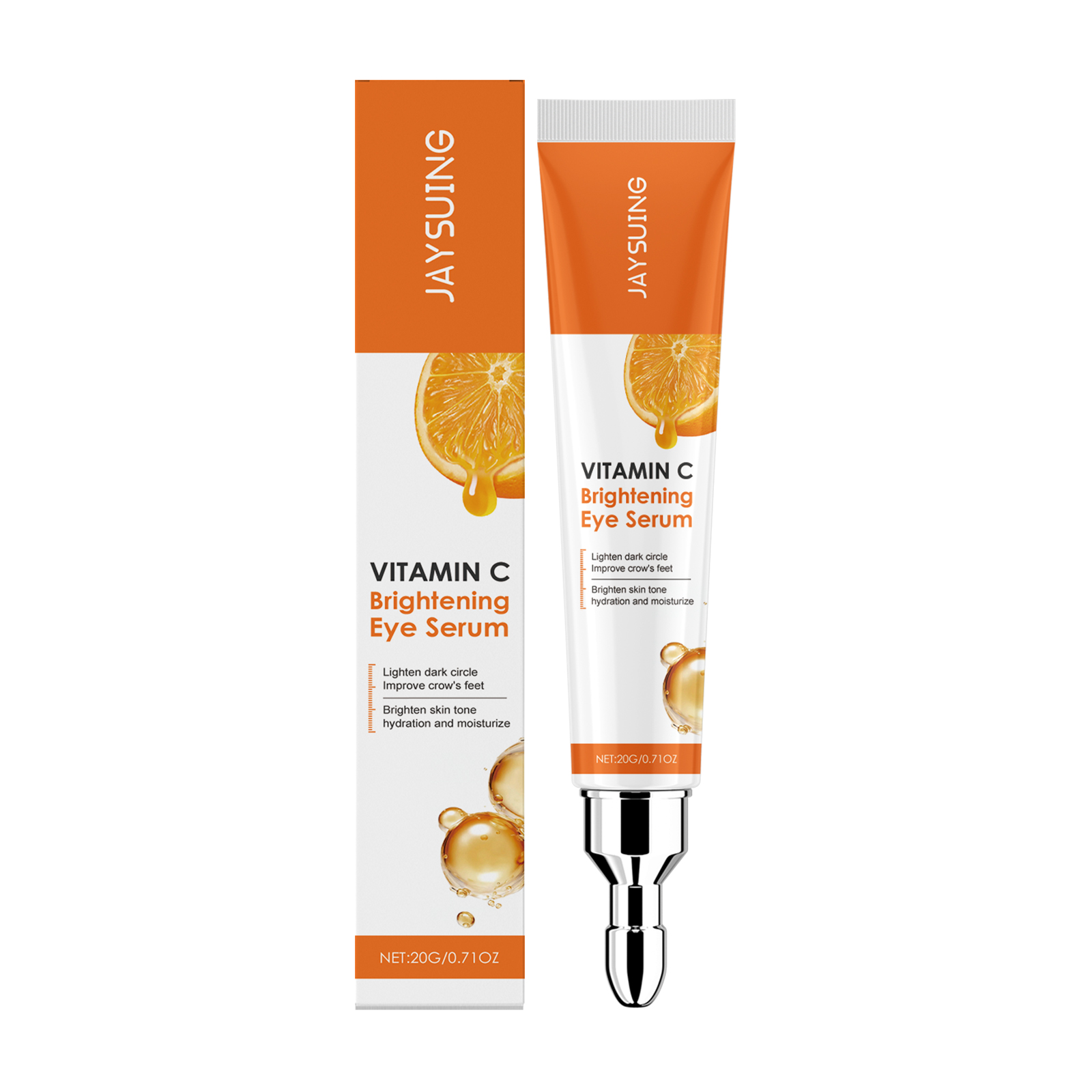 Jaysuing Vitamin C Eye Cream Nourishes And Hydrates The Skin Around The Eyes, Tender And Brightening Massage Eye$14.99View on Mallflare
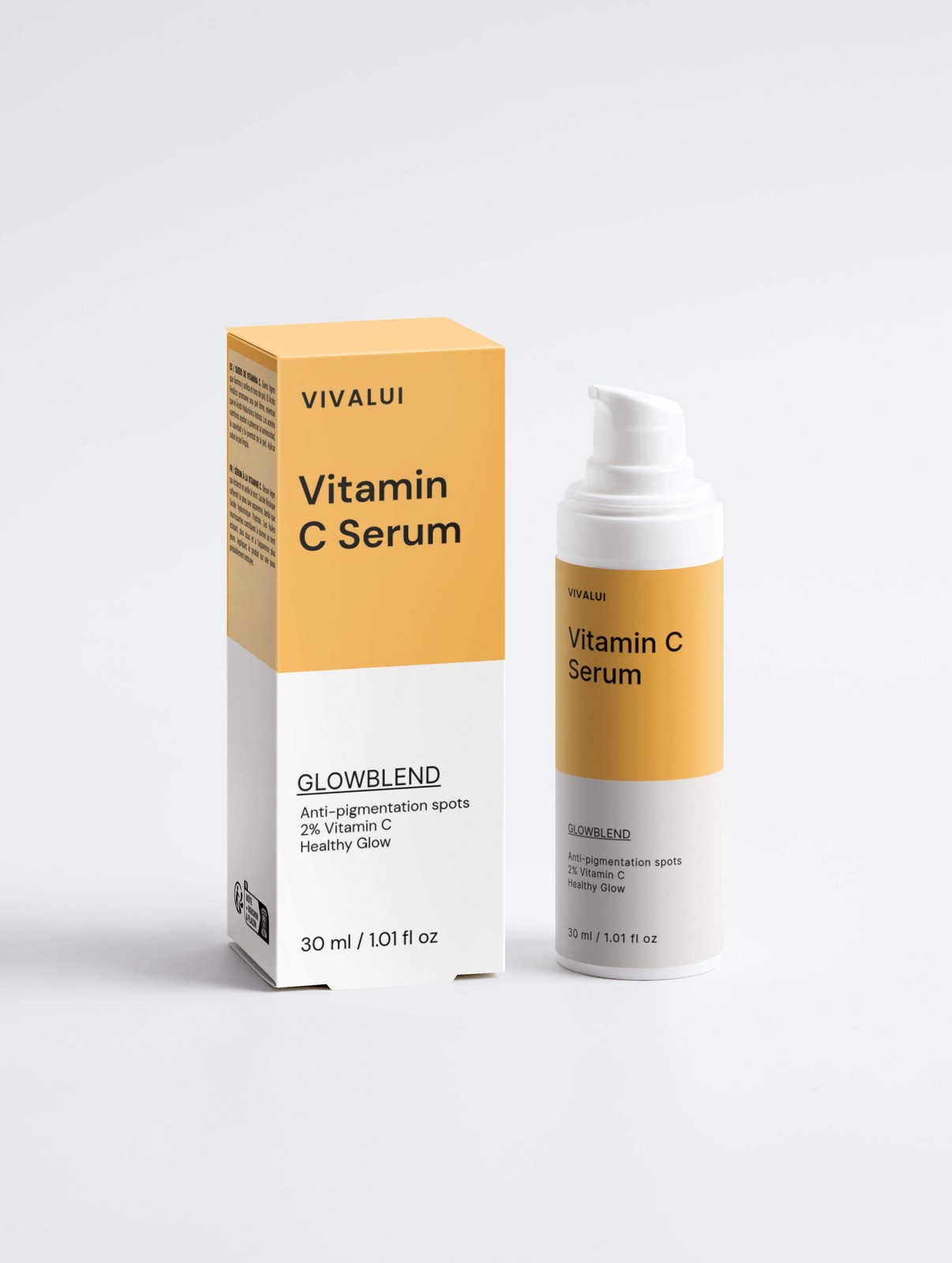 Glowblend Vitamin C Serum$28.00View on eBay
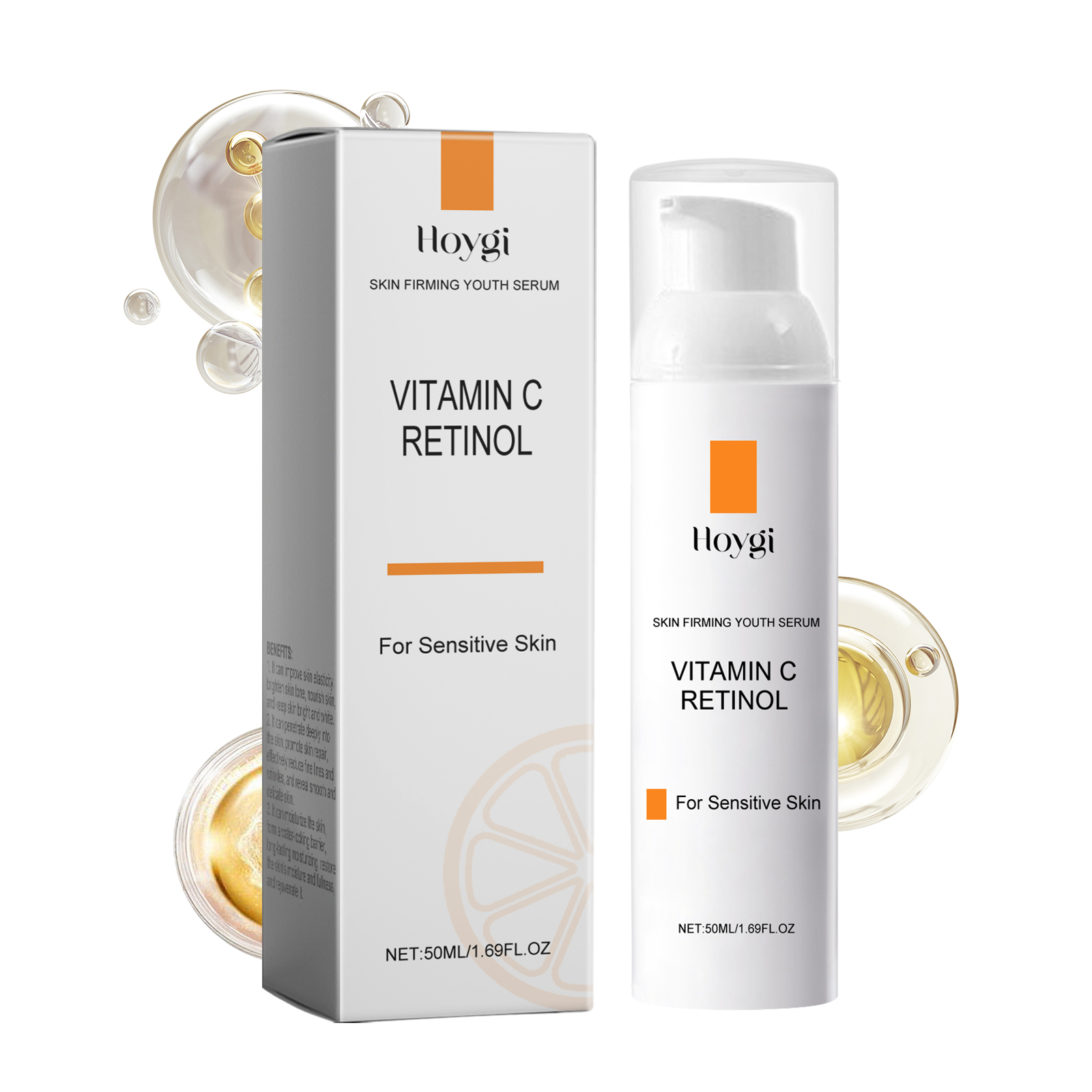 Hoygi Retinol Vitamin C Anti-Wrinkle Serum, Moisturizing Light Line Skin Care Facial$14.99View on Mallflare
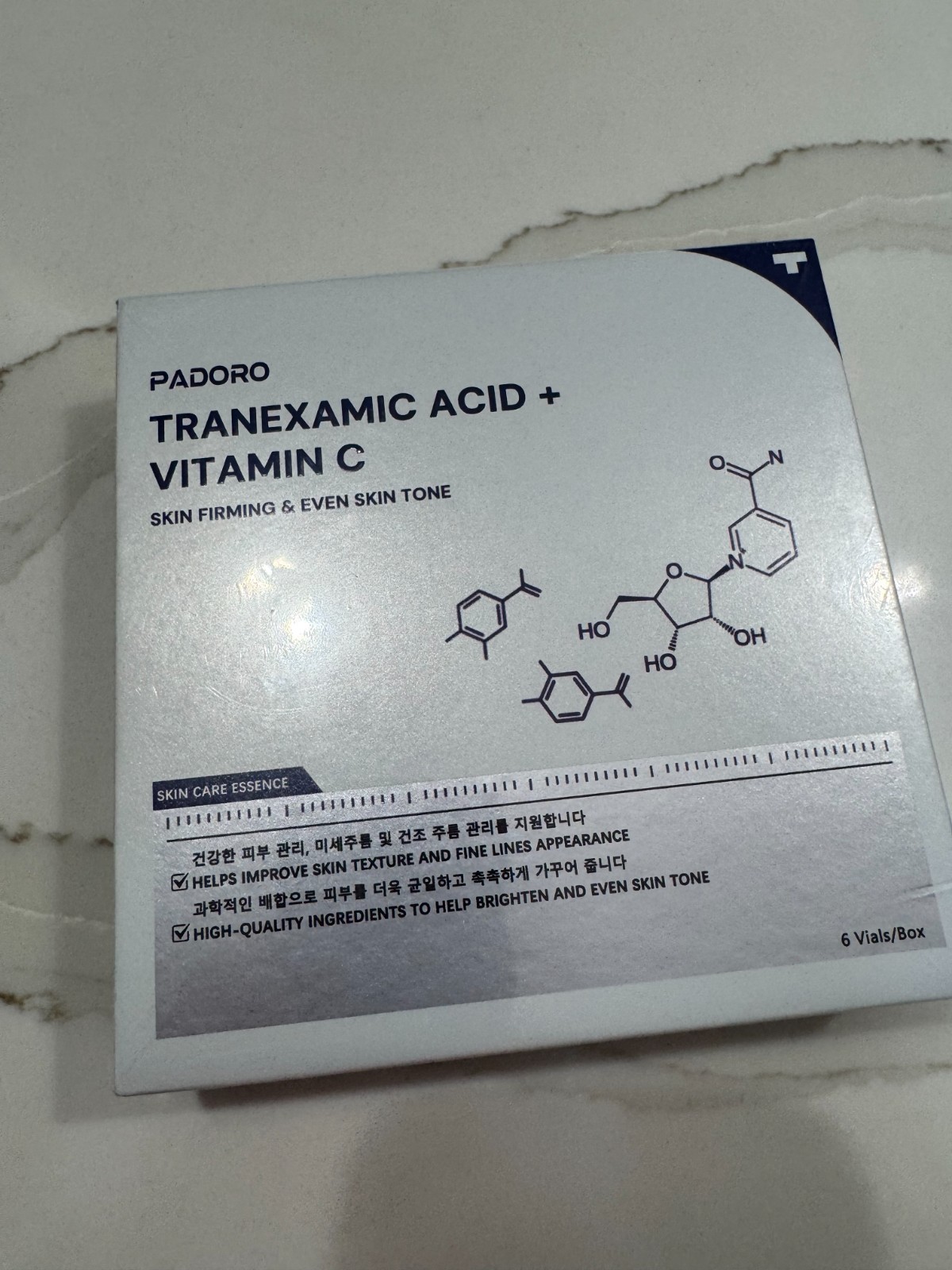 PADORO Tranexamic Acid + Vitamin C Serum, 6 Vials/Box, Firming, Tightening$29.95View on eBay
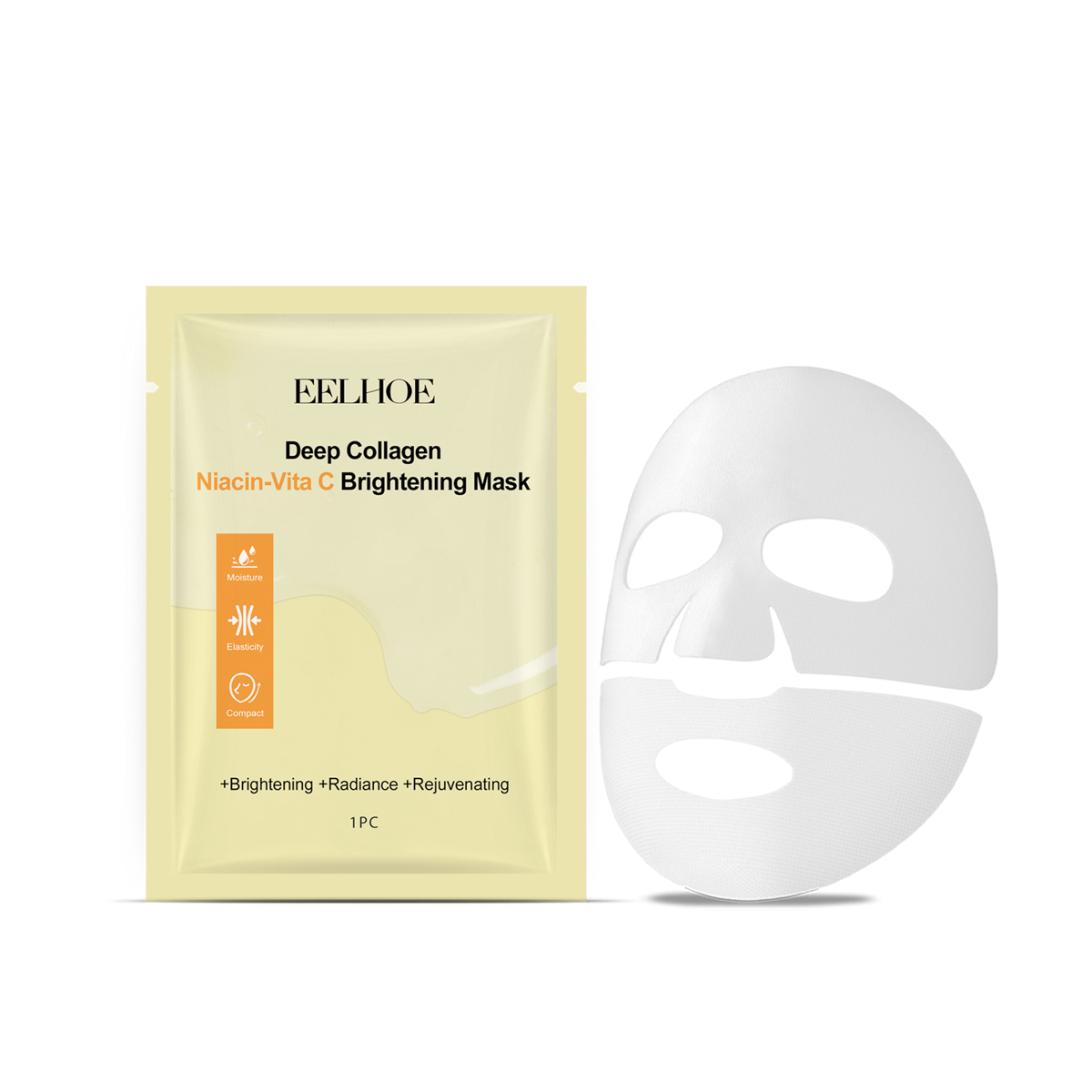 EELHOE Niacin Vitamin C Whitening Mask (Bag) Hydrating, Moisturizing And Nourishing Skin Daily Care And Beauty$14.99View on Mallflare
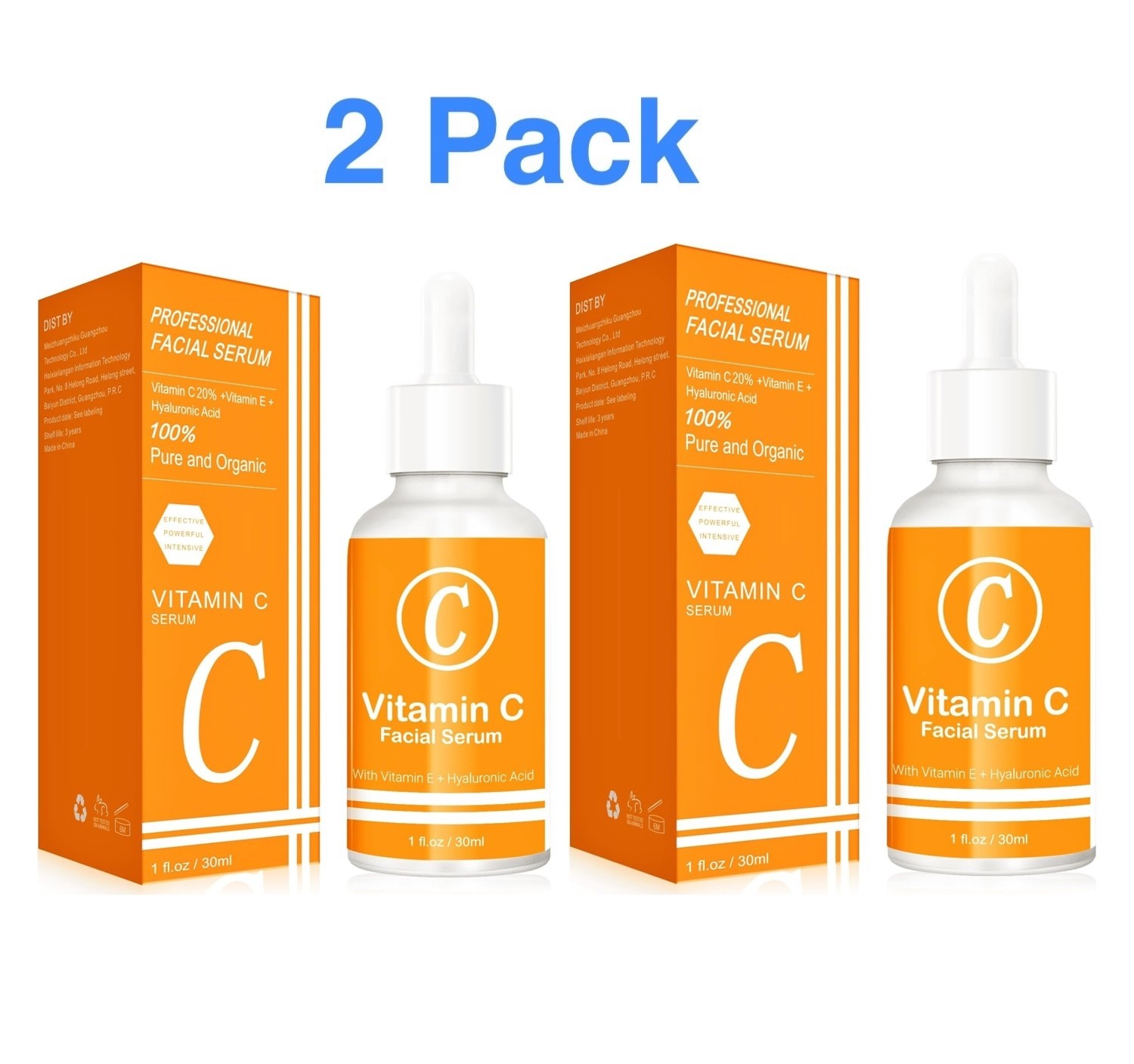 Vitamin C Face Serum with Vitamin E and Sodium Hyaluronate - Skin Brightening...$32.39View on eBay
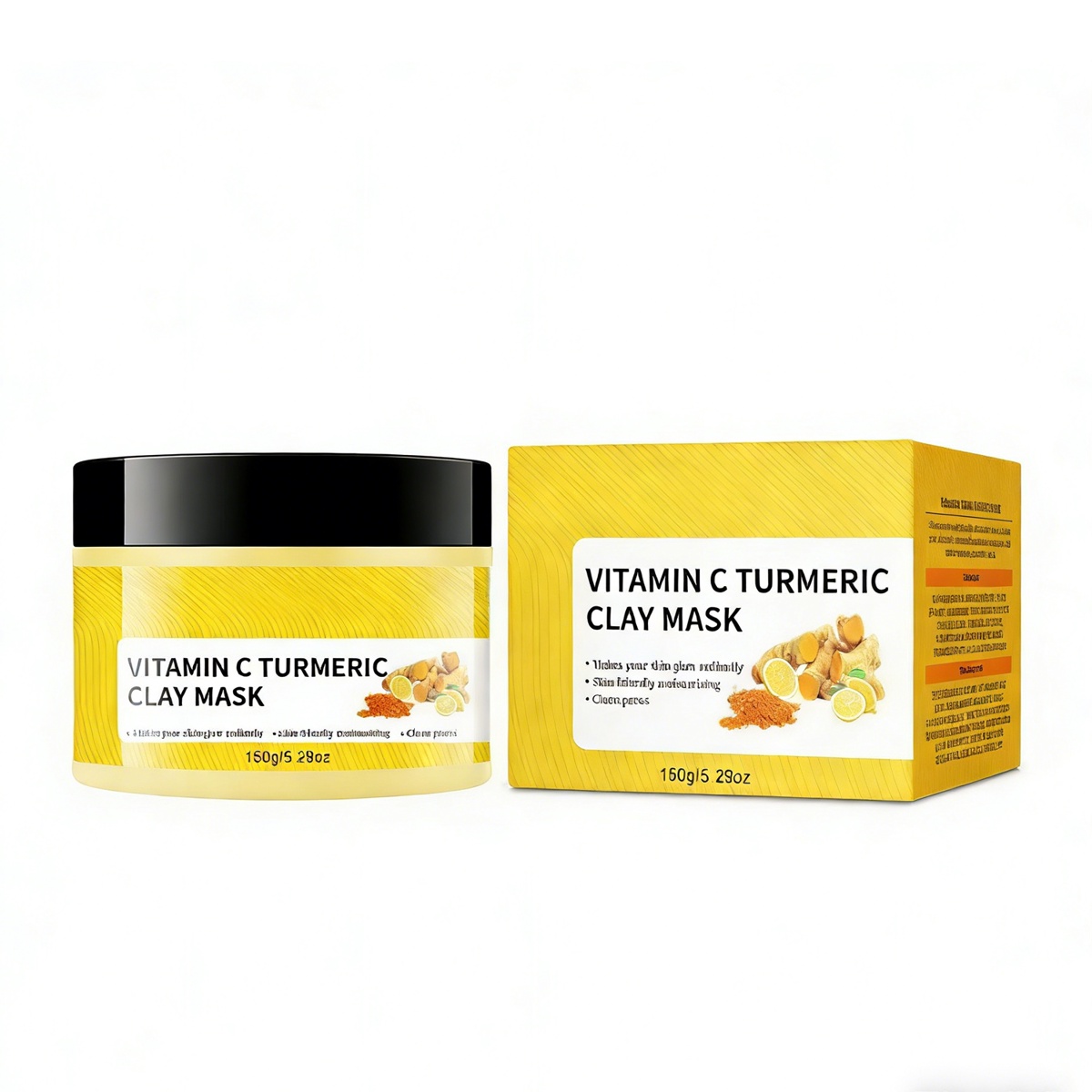 Turmeric Vitamin C Clay Mask With Kaolin For Dull & Blemish-Prone Skin, Deep Cleansing Facial For Controlling Oil And Refining Pores$15.99View on Mallflare
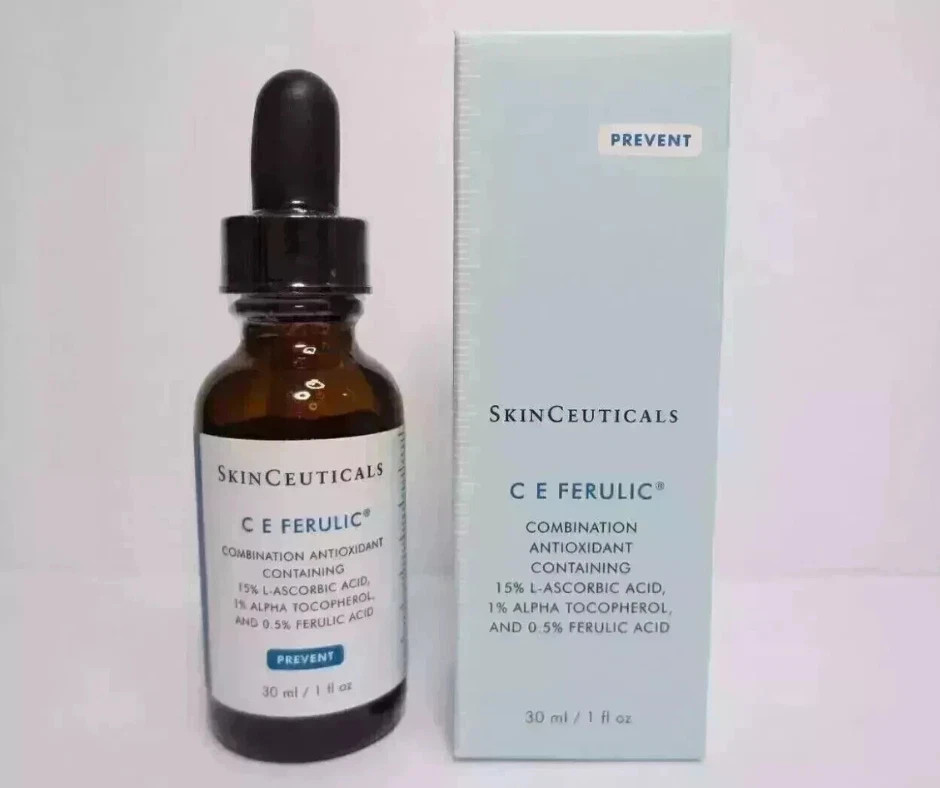 SkinCeuticals CE Ferulic Serum 15% Vitamin C 1oz –Fresh not Oxidized New (Real)$98.00View on eBay
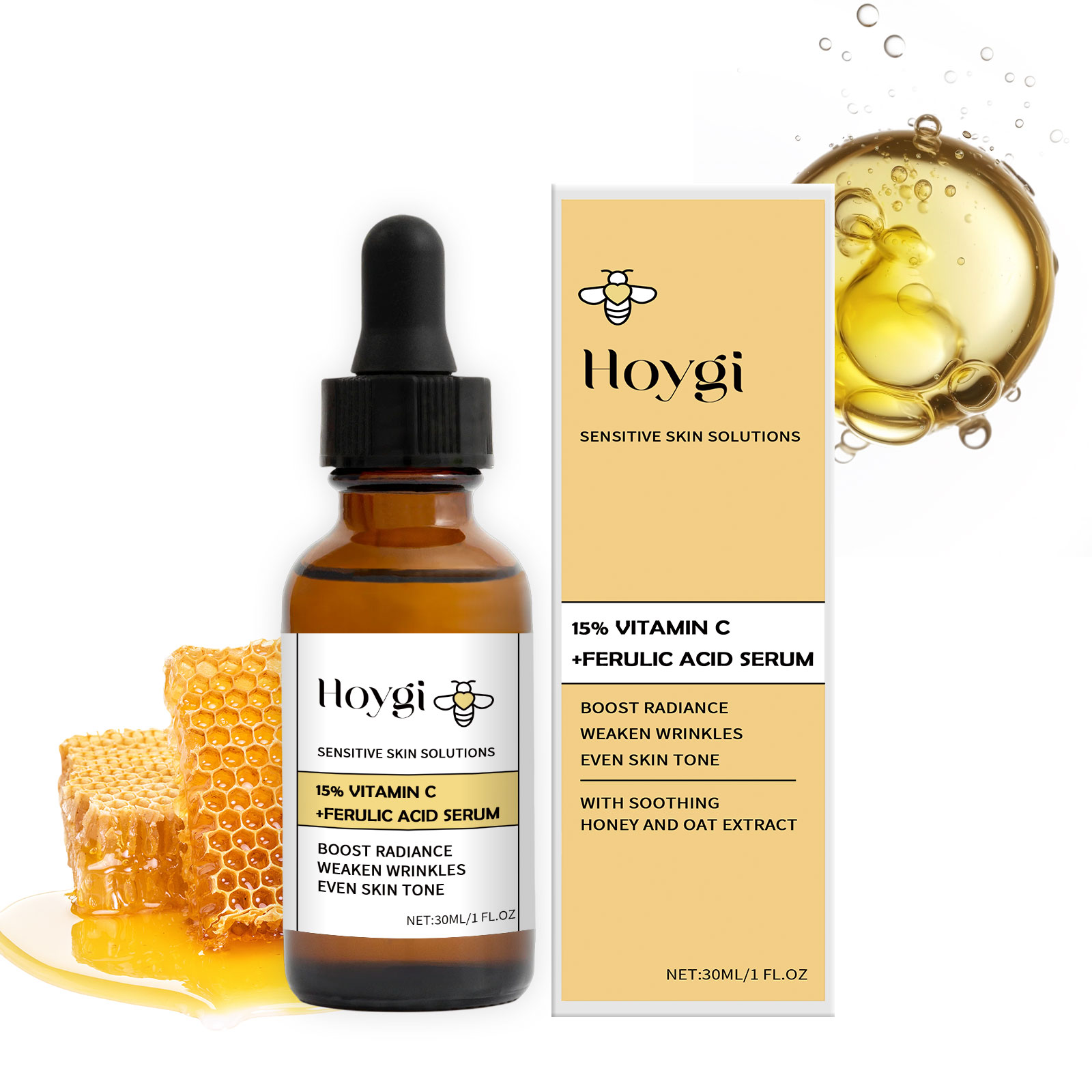 Hoygi Vitamin C Honey Essence Firming Face Lift Moisturizing Hydrating Daily Application$19.99View on Mallflare
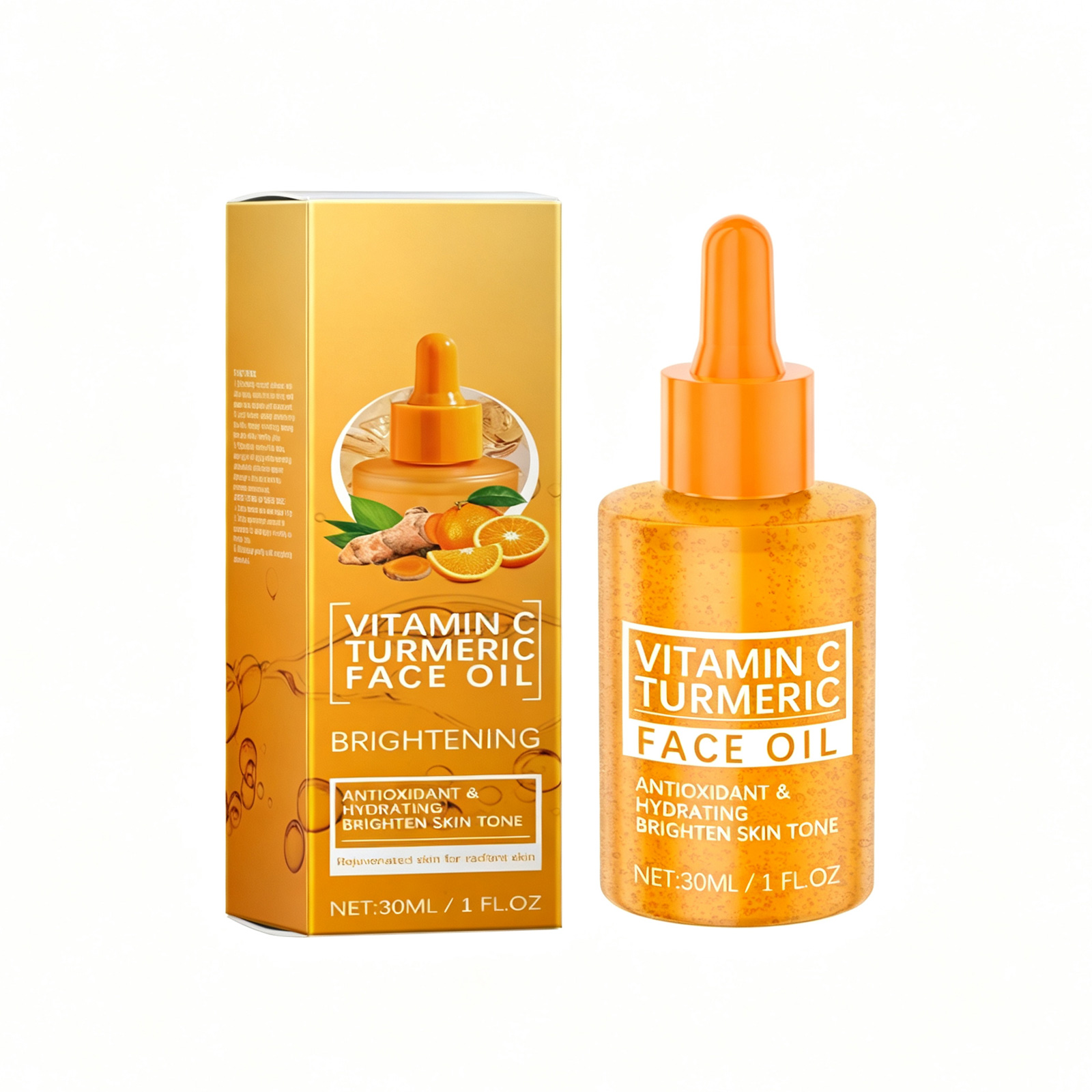 Vitamin C Turmeric Face Oil With Niacinamide & Rosemary Leaf Oil, Hydrating Brightening Facial Oil For Soothing Irritated Skin, Improve Texture, 30ml$20.99View on Mallflare
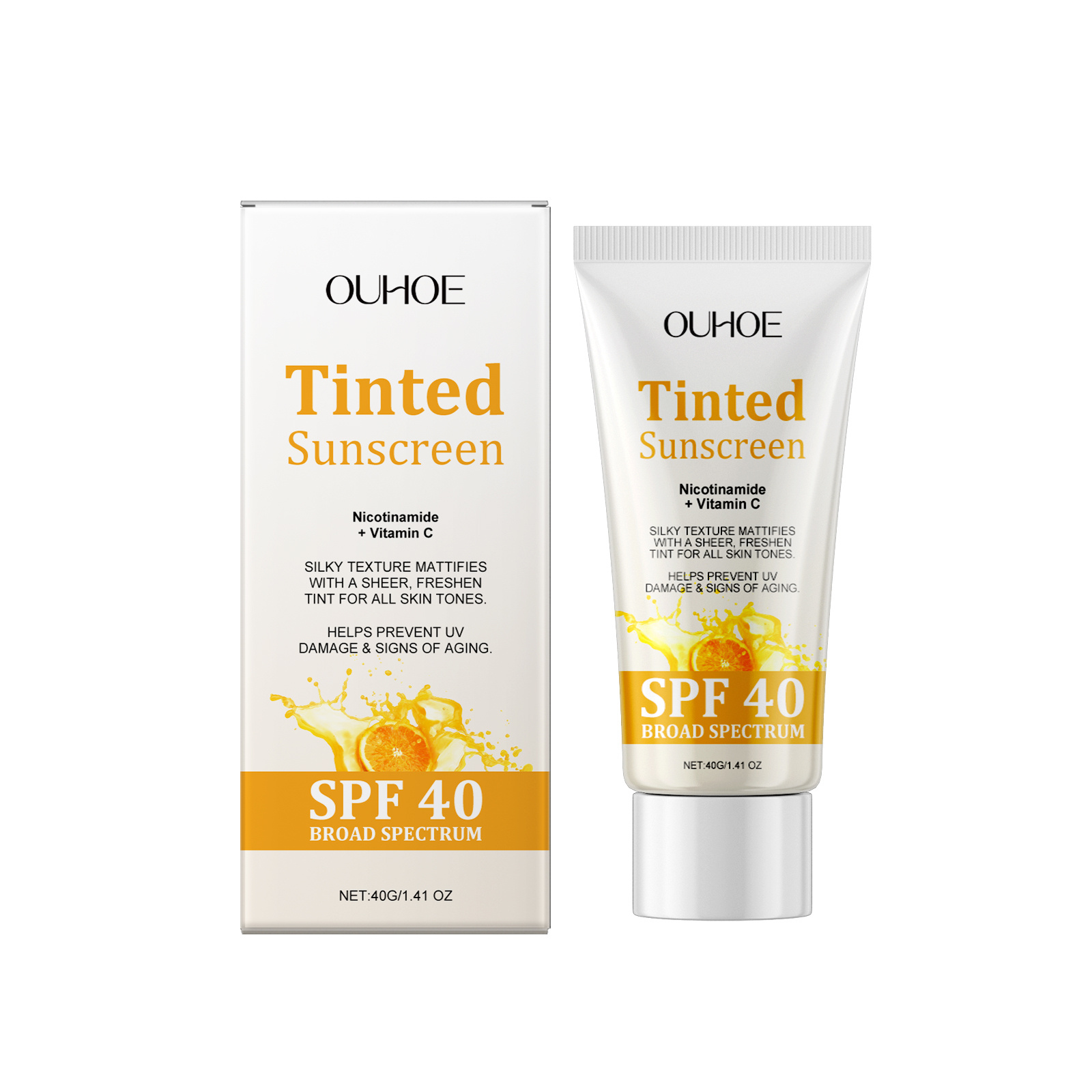 Vitamin C Protective Cream, 40g, Facial Protection, Dietary Supplement for Daily Wellness$21.99View on Mallflare
Highlights
- L-ascorbic acid is the only form with decades of topical proof; it needs 10–20% concentration and pH below 3.5 to penetrate.
- Derivatives like sodium ascorbyl phosphate and ascorbyl glucoside are stable at neutral pH but require higher percentages and conversion in skin.
- Ferulic acid at 0.5% plus vitamin E at 1% roughly doubles L-ascorbic acid stability and improves photoprotection.
- Packaging determines shelf life: opaque airless pumps protect actives, while clear dropper bottles accelerate oxidation and browning.
Best use cases
- Best fit: daily brightening and fine-line prevention — choose a 15–20% L-ascorbic acid serum with ferulic acid in an airless pump, applied each morning under SPF.
- Best fit: sensitive or rosacea-prone skin — pick a 5–10% derivative serum (sodium ascorbyl phosphate or tetrahexyldecyl ascorbate) at neutral pH to avoid stinging.
- Wrong fit: body cleansing or bathing — vitamin C soap bars and body oils have minimal leave-on antioxidant effect; use them only for fragrance or cleansing, not brightening.
- Wrong fit: replacing sunscreen — vitamin C is an antioxidant booster, not a UV filter; pair it with broad-spectrum SPF 30+ or skip it.
Buying tips
- Match percentage to tolerance: start at 10% L-ascorbic acid, move to 15–20% only if no stinging; above 20% increases irritation without added benefit.
- Check the pH: effective L-ascorbic acid serums sit at pH 2.5–3.5; products above pH 4 with L-ascorbic acid are largely inactive.
- Choose packaging: opaque airless pump or dark glass with a narrow nozzle; avoid wide-mouth clear jars and clear droppers that expose the formula to light and air.
- Read the INCI order: L-ascorbic acid should appear before preservatives; if vitamin C is listed after fragrance or phenoxyethanol, the dose is likely below 5%.
Specs
| Active Form | L-ascorbic acid vs derivatives |
|---|---|
| Concentration | 10-20% L-ascorbic acid |
| Effective pH | 2.5-3.5 for L-ascorbic |
| Packaging | Opaque airless pump vs clear dropper |
Related searches
What to check before buying
- Confirm your skin barrier is intact — active eczema, peeling, or recent retinoid overuse means starting with a 5% derivative, not 20% acid.
- Patch-test 48 hours on the inner forearm; L-ascorbic acid at pH <3.5 stings, so distinguish mild tingling from burning.
- Check your current routine for conflicts: do not layer L-ascorbic acid directly with benzoyl peroxide or high-dose retinol in the same step.
- Verify the bottle is opaque and airless before buying; if the label shows a clear bottle, expect oxidation within weeks of opening.
FAQ
Data sources: eBay / Amazon listings and product attribute feeds Data updated Nov 15, 2026.
Some links on this page are affiliate links. If you buy after clicking one, we may earn a commission at no extra cost to you. This does not change which products appear here or their order. Affiliate disclosure.