Photos from current listings. Actual item, color, and included accessories may vary.
Retinol Buying Guide
Retinol is a vitamin A derivative that accelerates cell turnover to reduce fine lines, acne, and hyperpigmentation, but its efficacy and irritation risk hinge on concentration, formulation vehicle, and packaging stability. The core trade-off is potency versus tolerance: higher percentages and anhydrous or alcohol-heavy bases deliver faster results at the cost of barrier disruption. Choose encapsulated or esterified retinol in airless pumps for sensitive skin, and reserve 0.5–1.0% stabilized retinol for experienced users with resilient skin.

At a glance
- Category
- Skincare
- Data updated
- Nov 15, 2026
Current offers
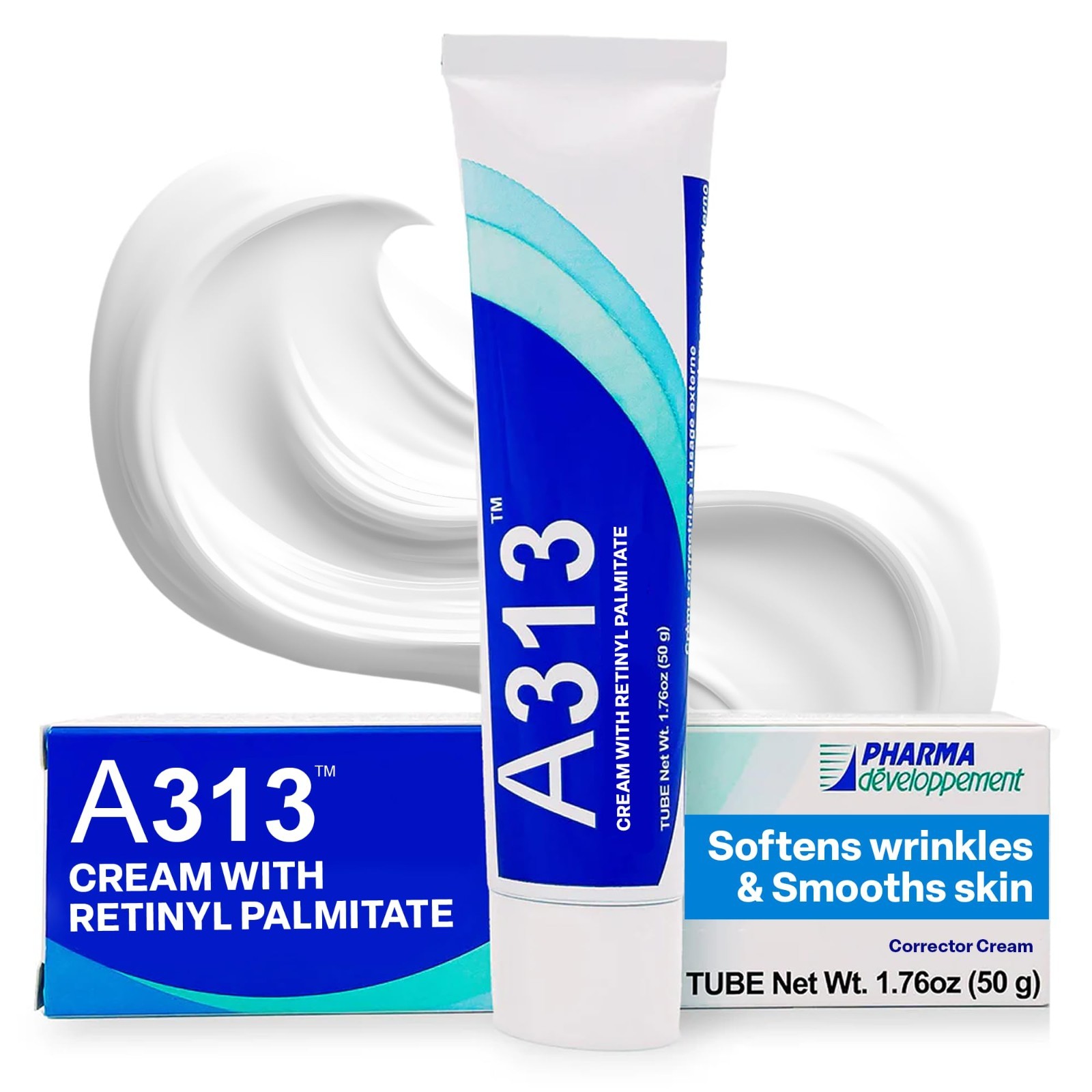 1 Pack A313 Retinol Anti-Aging Cream Facial Skin Care$9.99
 View on eBay
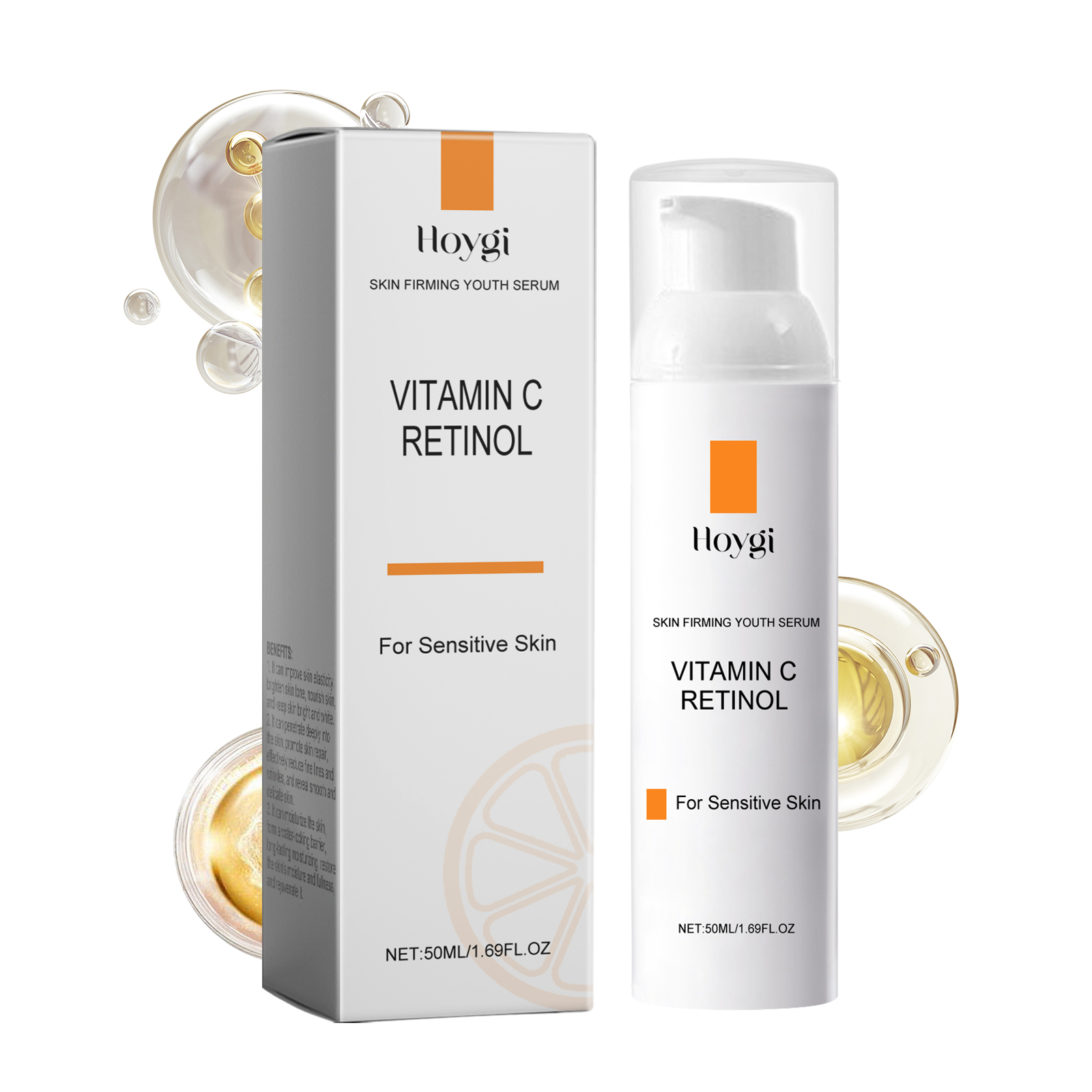 Hoygi Retinol Vitamin C Anti-Wrinkle Serum, Moisturizing Light Line Skin Care Facial$14.99
 View on Mallflare
 Retinol + Collagen, Hyaluronic Acid, Vitamin C AntiAging Wrinkle Serum Cream 4oz$18.99View on eBay
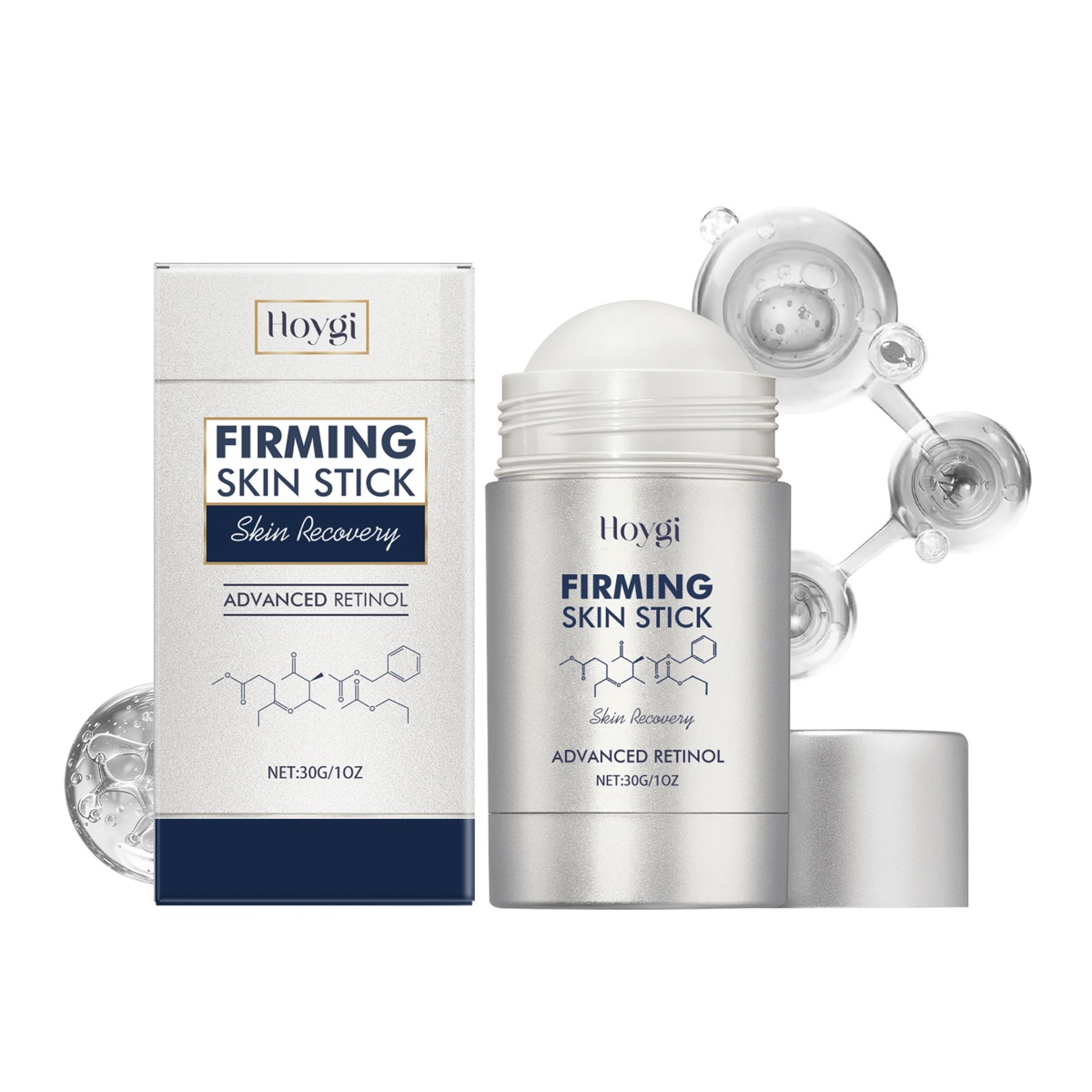 Hoygi Retinol Firming Repair Stick, Dilute Fine Lines Nourishing Lift$19.99View on Mallflare
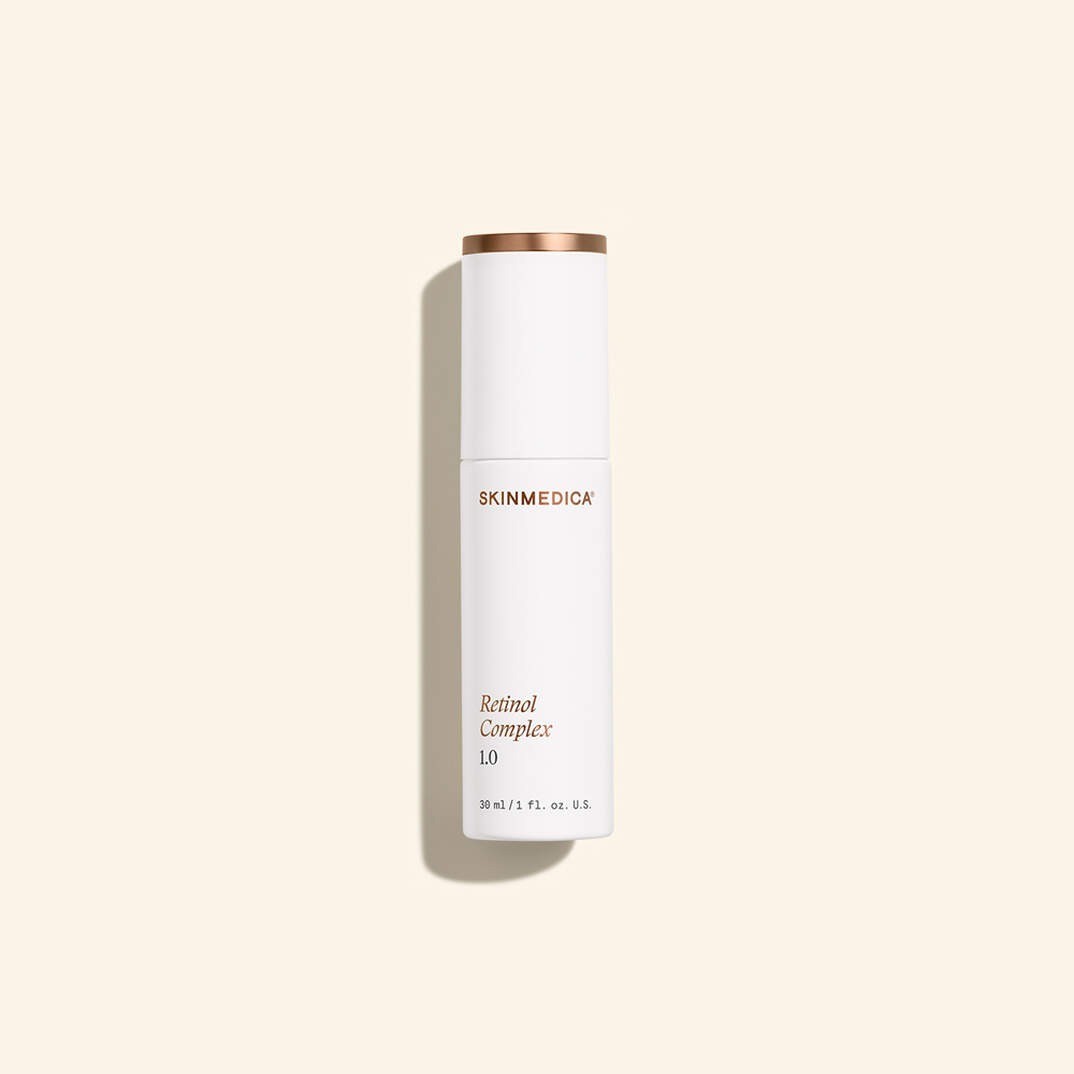 SkinMedica Retinol Complex 1.0, 30ml/1 fl.oz Authentic - New - Free SHIPPING!!!$42.15View on eBay
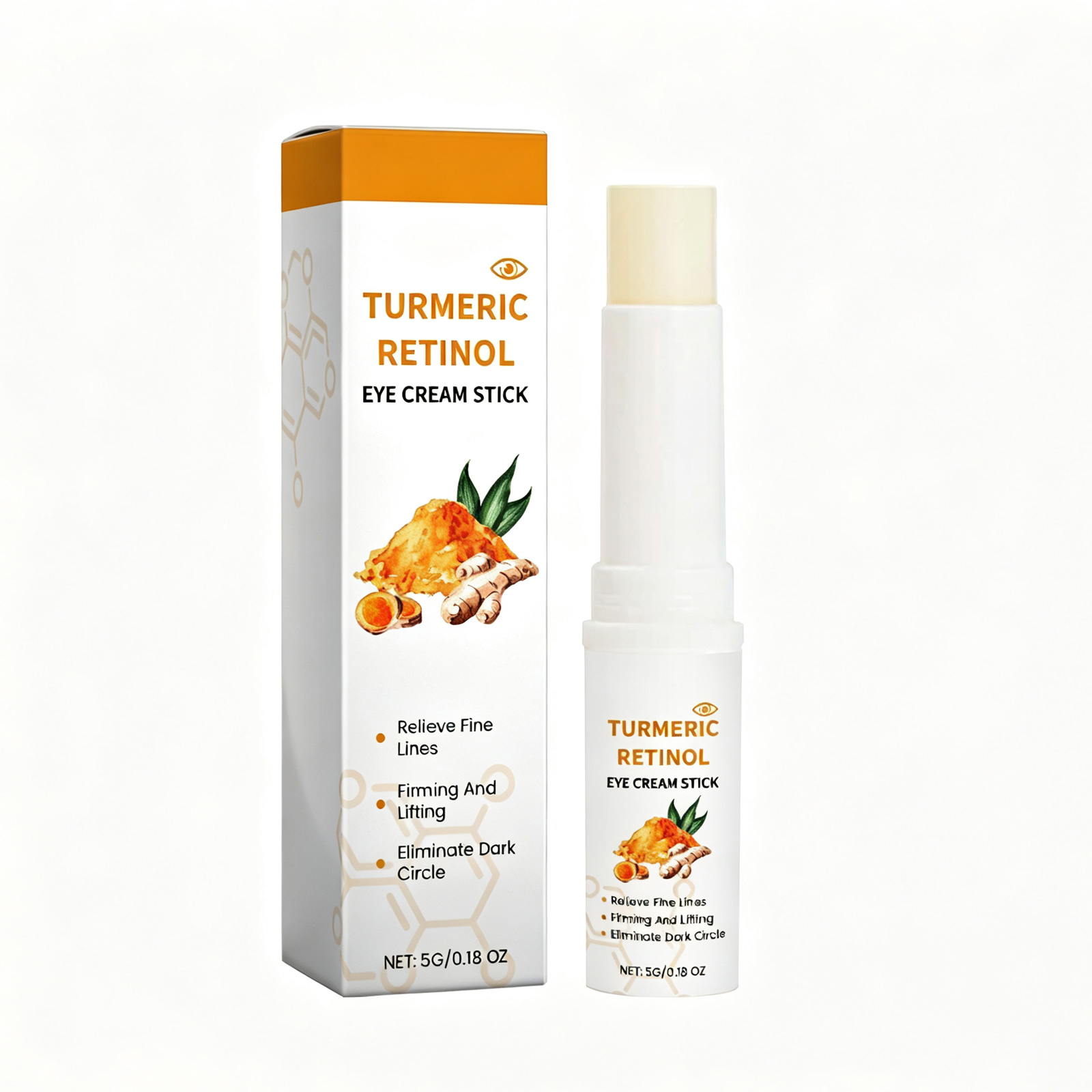 Turmeric Retinol Eye Cream Stick, Firming Brightening Under Eye For Dark Circles Puffiness Fine Lines$20.99View on Mallflare
- SkinMedica Retinol Complex 1.0, 1 fl.oz/30ml Authentic - New - Free SHIPPING!!!$42.25View on eBay
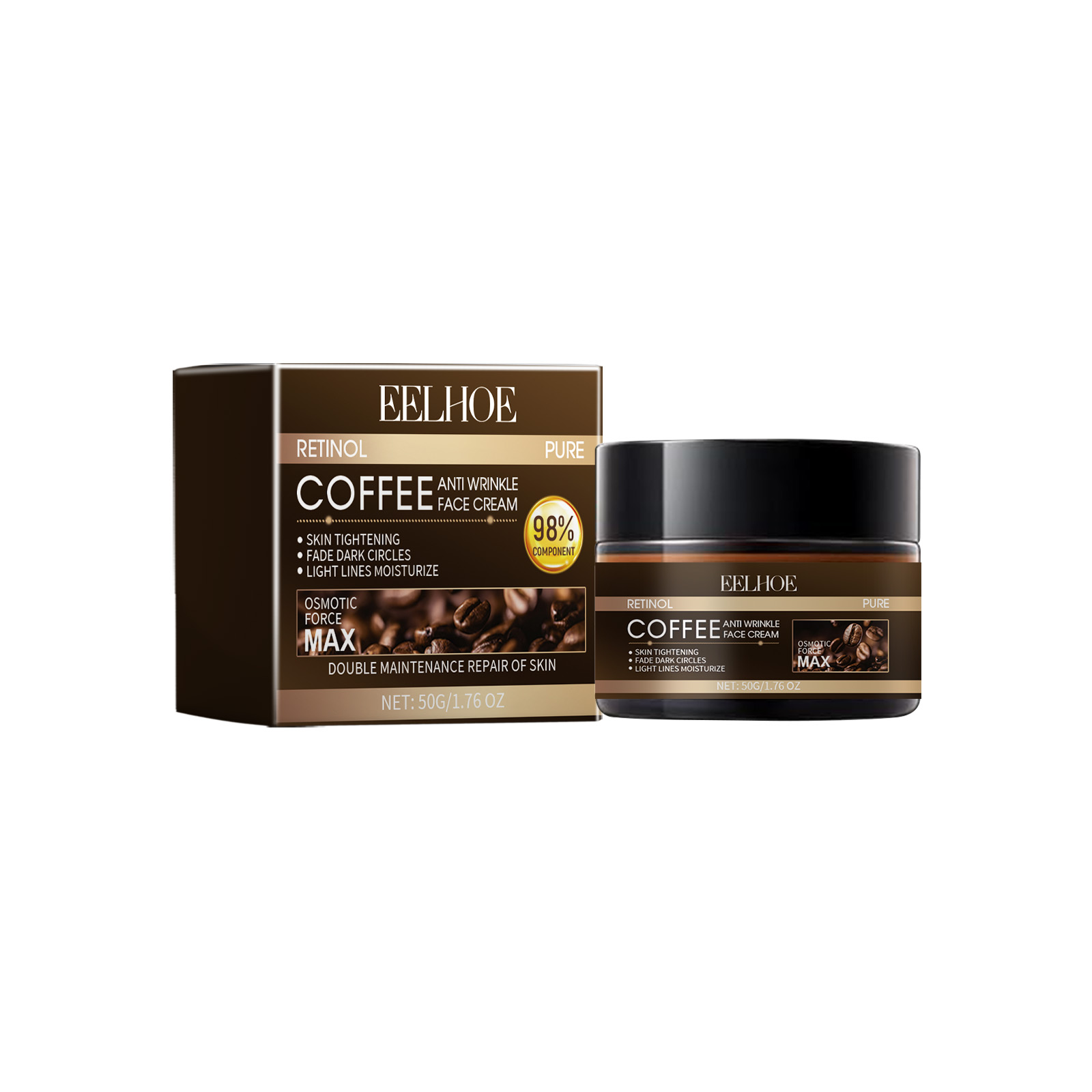 Retinol Face Cream Anti Aging Firming Wrinkle Reduction Hydrating Nourishing Skin Care Moisturizer$22.99View on Mallflare
 Skin Medica Retinol 1.0 Complex 1oz/29.6ml (New in box) exp 2027 FREE SHIPPING$50.00View on eBay
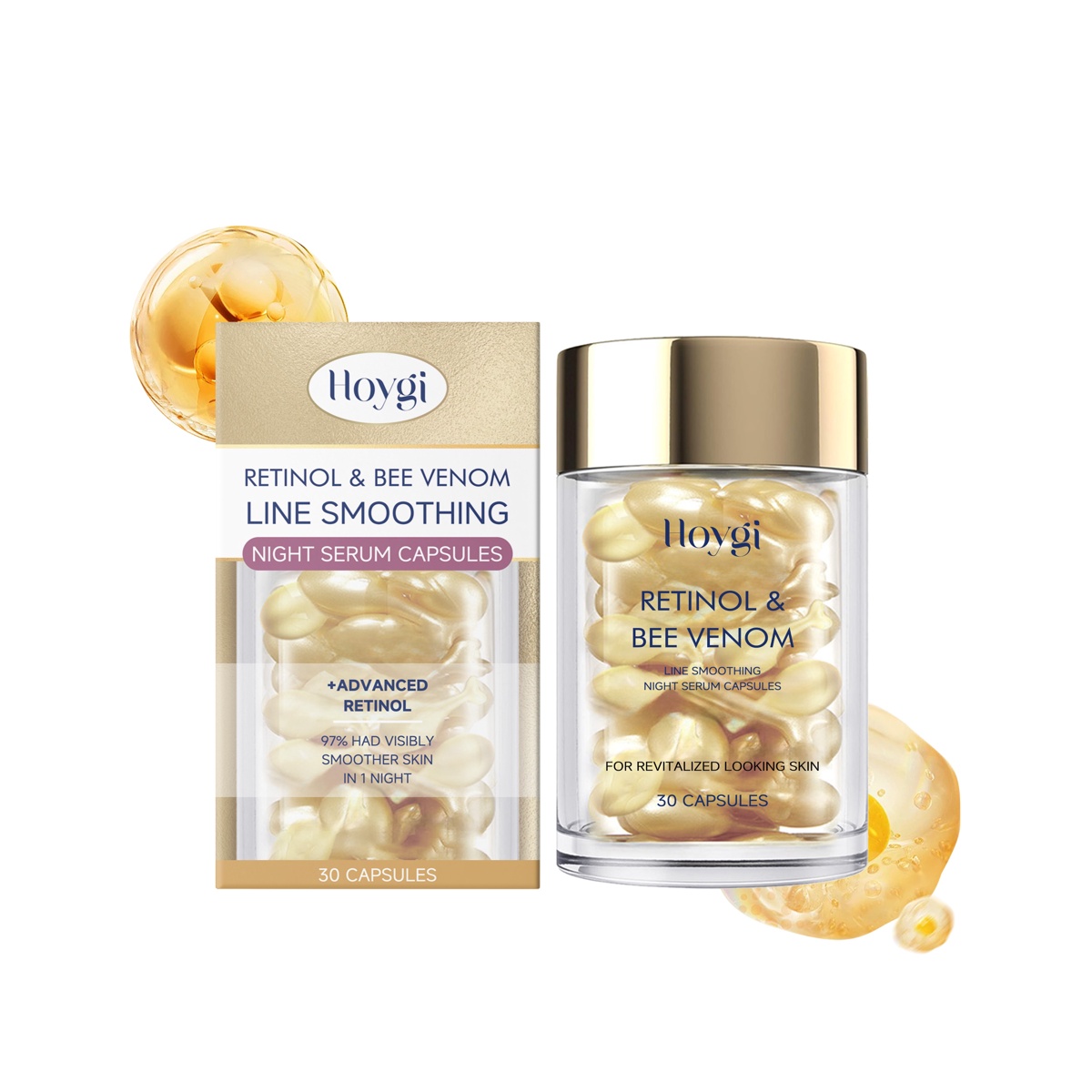 Facial Capsules 30 Pcs with Retinol and Bee Venom Daily Routine Essential for Simple At-Home Care, Dietary Supplement for Wellness$22.99View on Mallflare
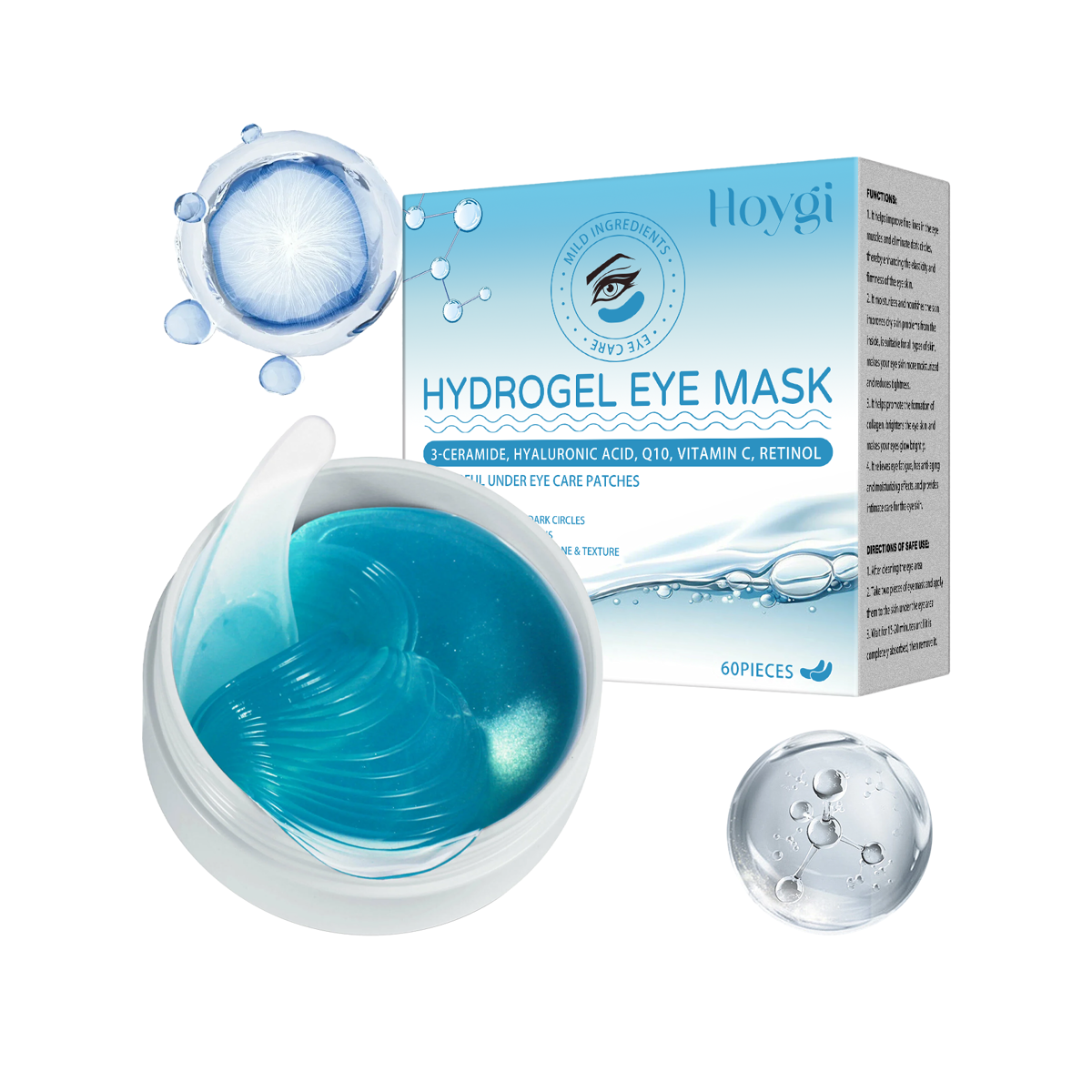 Retinol Eye Mask Gentle Care For Eye Area Nourishing Hydrating Moisturizing Anti Aging Treatment$22.99View on Mallflare
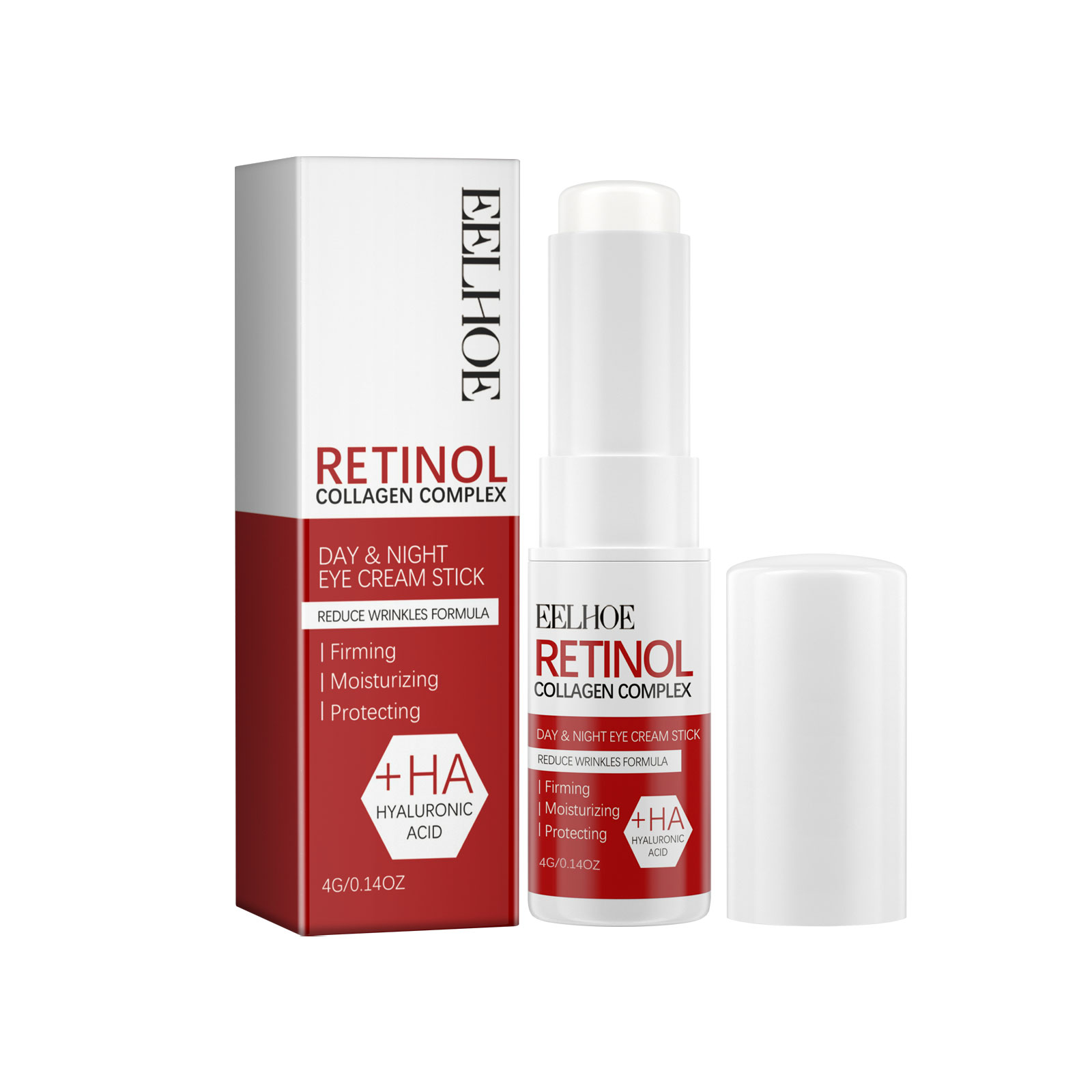 EELHOE Retinol Eye Cream Stick Helps To Reduce Fine Lines, Eye Bags, And Dark Circles While Providing Hydration And Moisturization To Firm The Skin Around The Eyes$25.99View on Mallflare
Highlights
- Retinol concentration tiers: 0.1–0.3% for beginners and sensitive skin, 0.3–0.5% for intermediate tolerance, 0.5–1.0% for advanced users; above 1.0% offers marginal gains with steep irritation risk.
- Packaging determines stability: airless pumps and opaque tubes protect retinol from light and oxygen, while jars and clear droppers accelerate degradation and reduce shelf life.
- Encapsulation (microspheres, liposomes) slows release to the skin, reducing peak irritation while maintaining cumulative efficacy over 8–12 weeks.
- Retinol esters (retinyl palmitate, retinyl propionate) are gentler but require more conversion steps, making them 5–10x less potent than pure retinol; they suit very reactive skin but need consistent long-term use.
Best use cases
- Best fit for sensitive skin: choose 0.1–0.3% encapsulated retinol in a ceramide- or squalane-based cream, applied 2–3 nights weekly; skip alcohol-denatured serums and any product above 0.3% until tolerance is established.
- Best fit for acne-prone skin: pick 0.3–0.5% retinol in a lightweight gel or lotion vehicle with niacinamide; avoid heavy occlusive creams that can clog pores, and skip eye-area products not formulated for facial acne.
- Best fit for mature skin targeting deep wrinkles: select 0.5–1.0% stabilized retinol in an airless pump with peptides; skip retinyl palmitate-only products, which are too weak for significant collagen remodeling.
- Wrong fit: anyone pregnant, breastfeeding, or with active eczema/rosacea should skip retinol entirely and use bakuchiol or peptides instead; also skip if you cannot commit to daily SPF 30+, as retinol increases photosensitivity.
Buying tips
- Start with 0.1–0.3% retinol twice weekly for 4 weeks, then increase frequency before stepping up concentration; jumping to 1.0% immediately causes peeling and barrier damage.
- Choose airless pump or opaque squeeze tube over jars or clear droppers; retinol oxidizes rapidly with light and air exposure, turning yellow-brown as it degrades.
- Look for encapsulated or sustained-release retinol if your skin stings with standard formulas; encapsulation reduces free retinol delivery per application while maintaining efficacy.
- Pair retinol with ceramides, niacinamide, or squalane in the same formula or routine to offset dryness; avoid combining with strong AHA/BHA acids in the same application.
Specs
| Retinol Strength | 0.1–1.0% pure retinol; esters weaker |
|---|---|
| Packaging | Airless pump / opaque tube vs jar |
| Release Type | Encapsulated vs free retinol |
| Best For | Sensitive / acne / mature skin tiers |
Related searches
What to check before buying
- Confirm your skin barrier is intact before starting: no active peeling, stinging, or redness from other products; retinol on compromised skin causes severe irritation.
- Check the product's packaging type on the label or listing: airless pump, opaque tube, or single-dose capsule are stable; jars and clear bottles are red flags for degradation.
- Verify the retinol form and percentage: pure retinol, encapsulated retinol, or retinyl ester; esters need 8–12 weeks for visible results versus 4–6 weeks for pure retinol.
- Commit to daily broad-spectrum SPF 30+ and avoid direct sun exposure during use; retinol thins the stratum corneum and increases UV sensitivity for up to 2 weeks after application.
FAQ
Data sources: eBay / Amazon listings and product attribute feeds Data updated Nov 15, 2026.
Some links on this page are affiliate links. If you buy after clicking one, we may earn a commission at no extra cost to you. This does not change which products appear here or their order. Affiliate disclosure.