Photos from current listings. Actual item, color, and included accessories may vary.
Face Serum Buying Guide
A face serum is a concentrated, water- or oil-based topical treatment formulated with actives like hyaluronic acid, vitamin C, niacinamide, or peptides to target hydration, brightening, or fine lines. The core trade-off is between proven active concentration and a stable, non-irritating delivery system—many serums list hero ingredients at ineffective levels or in unstable packaging. The decision rule: choose serums that state active percentages and use opaque or amber glass packaging; skip vague formulas with fragrance-first or plastic-only packaging for sensitive or anti-aging goals.

At a glance
- Category
- Skincare
- Data updated
- Nov 15, 2026
Current offers
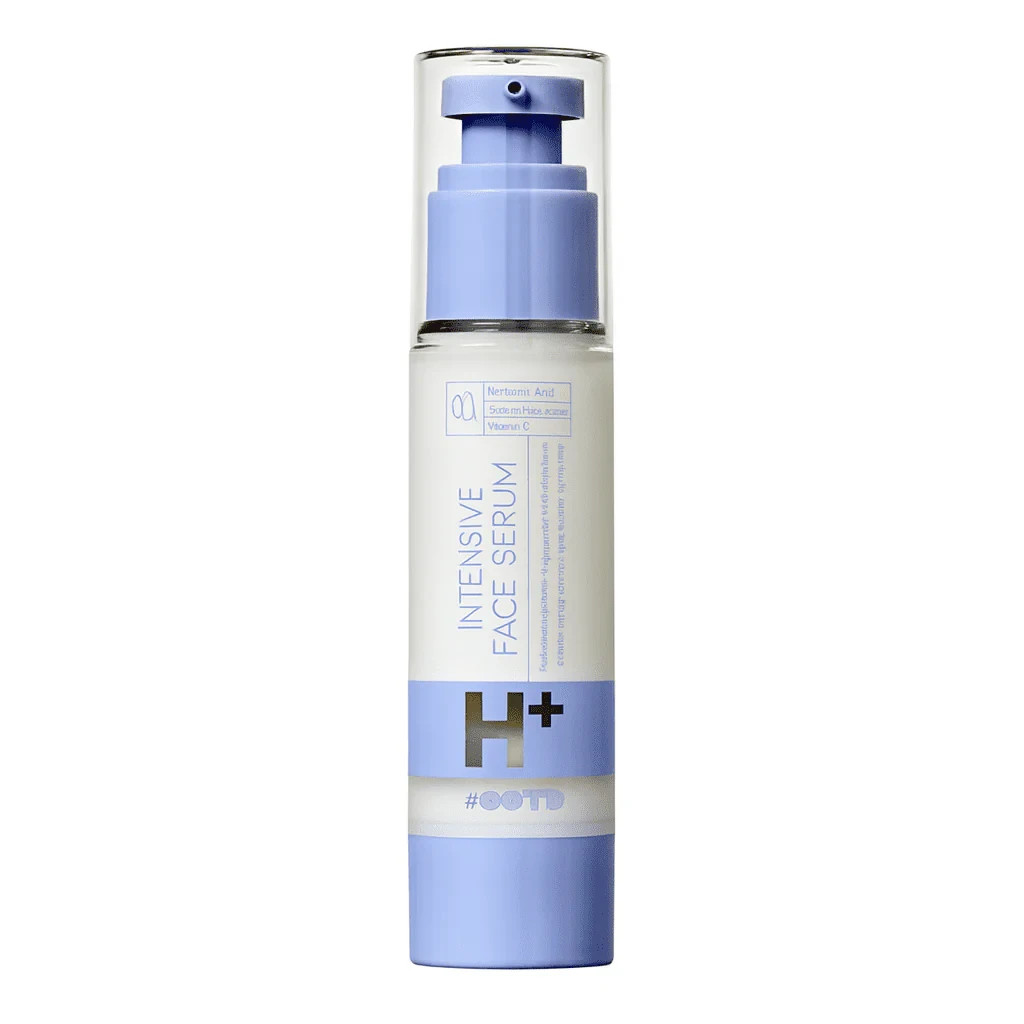 H+ Intensive Face Serum w/ Hyaluronic Acid & Vitamin C-Lightweight-Korean Beauty$15.99
 View on eBay
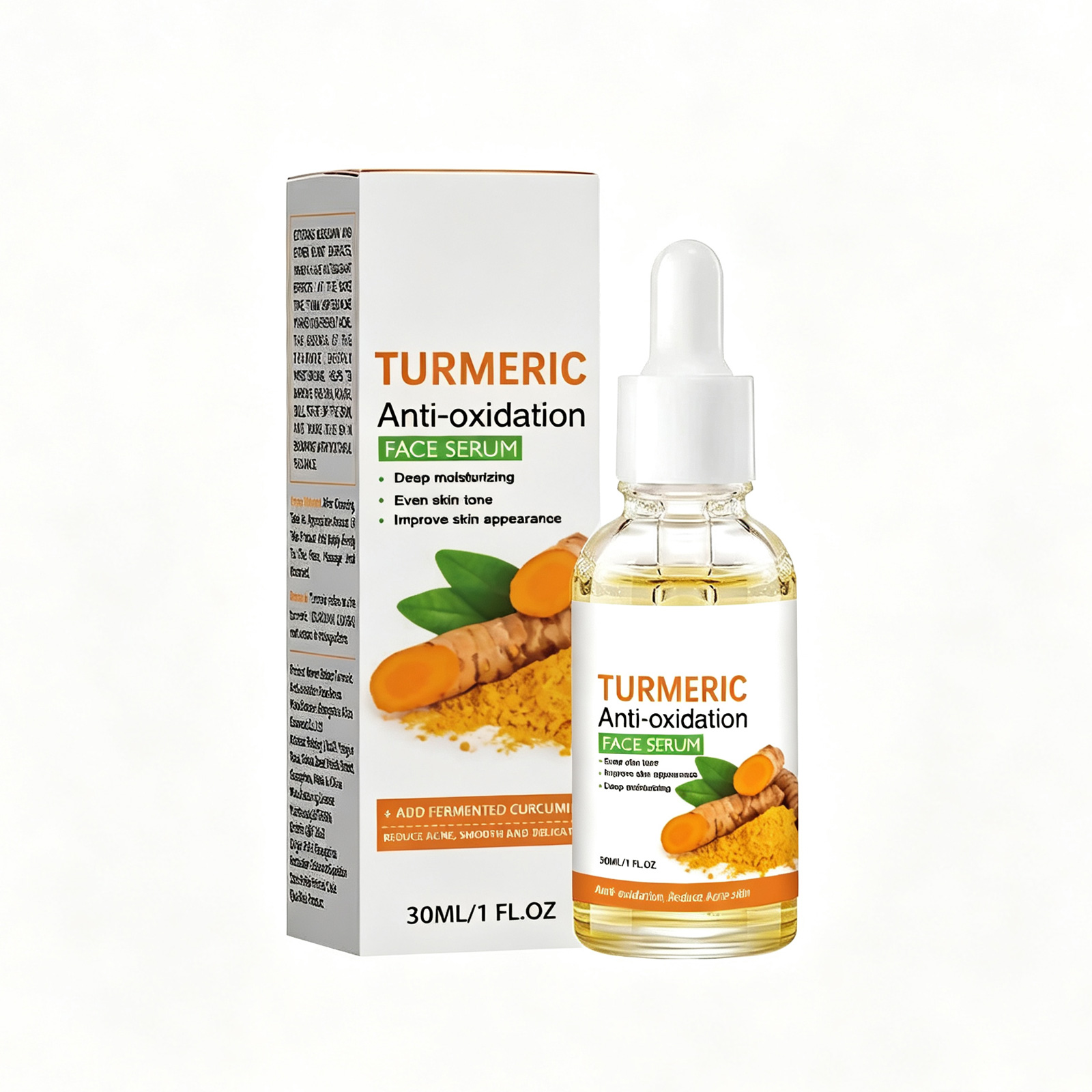 Turmeric Anti-Oxidation Face Serum, 30ml Hydrating Brightening For Acne Marks & Uneven Skin Tone$20.99
 View on Mallflare
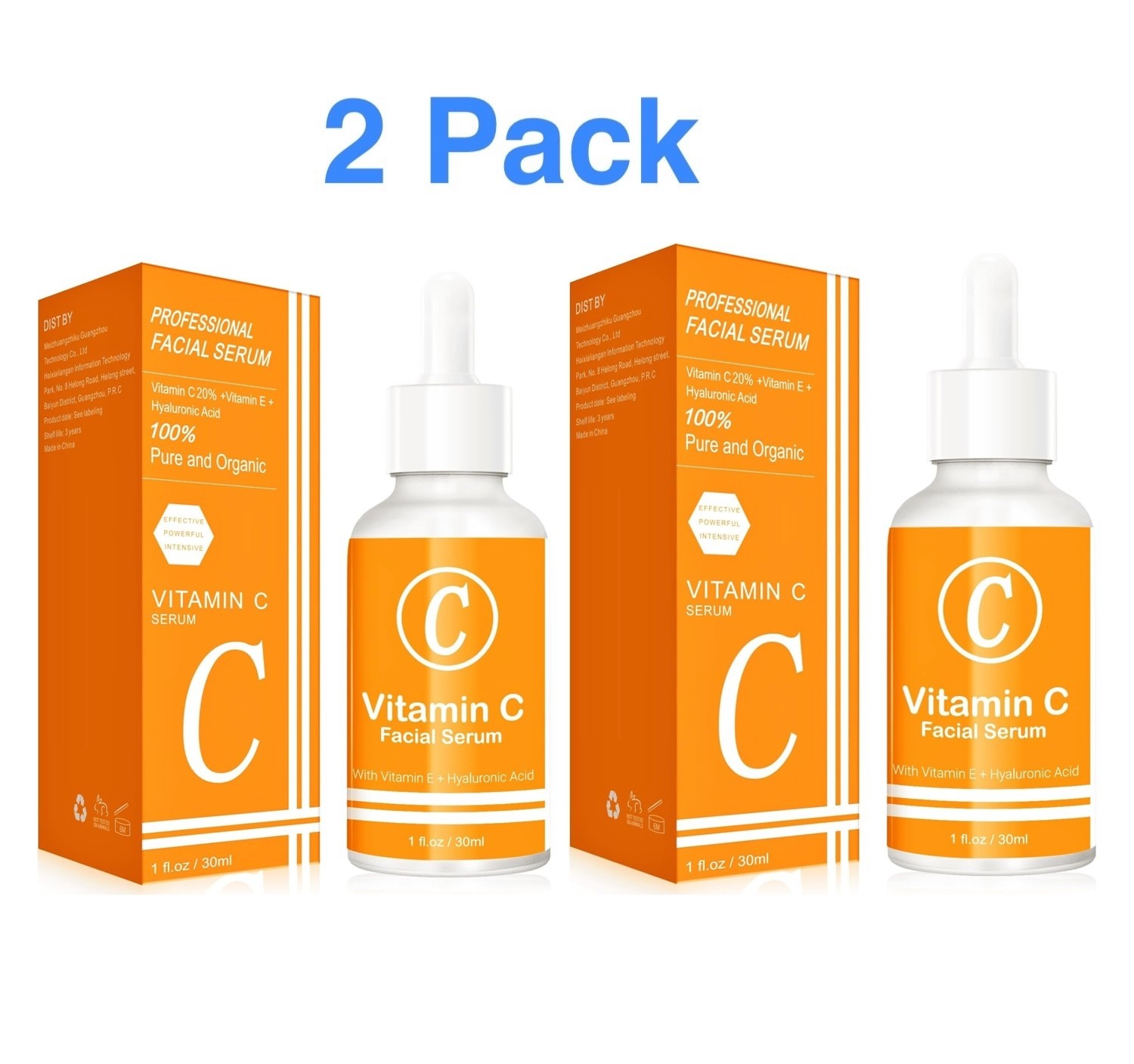 Vitamin C Face Serum with Vitamin E and Sodium Hyaluronate - Skin Brightening...$32.39View on eBay
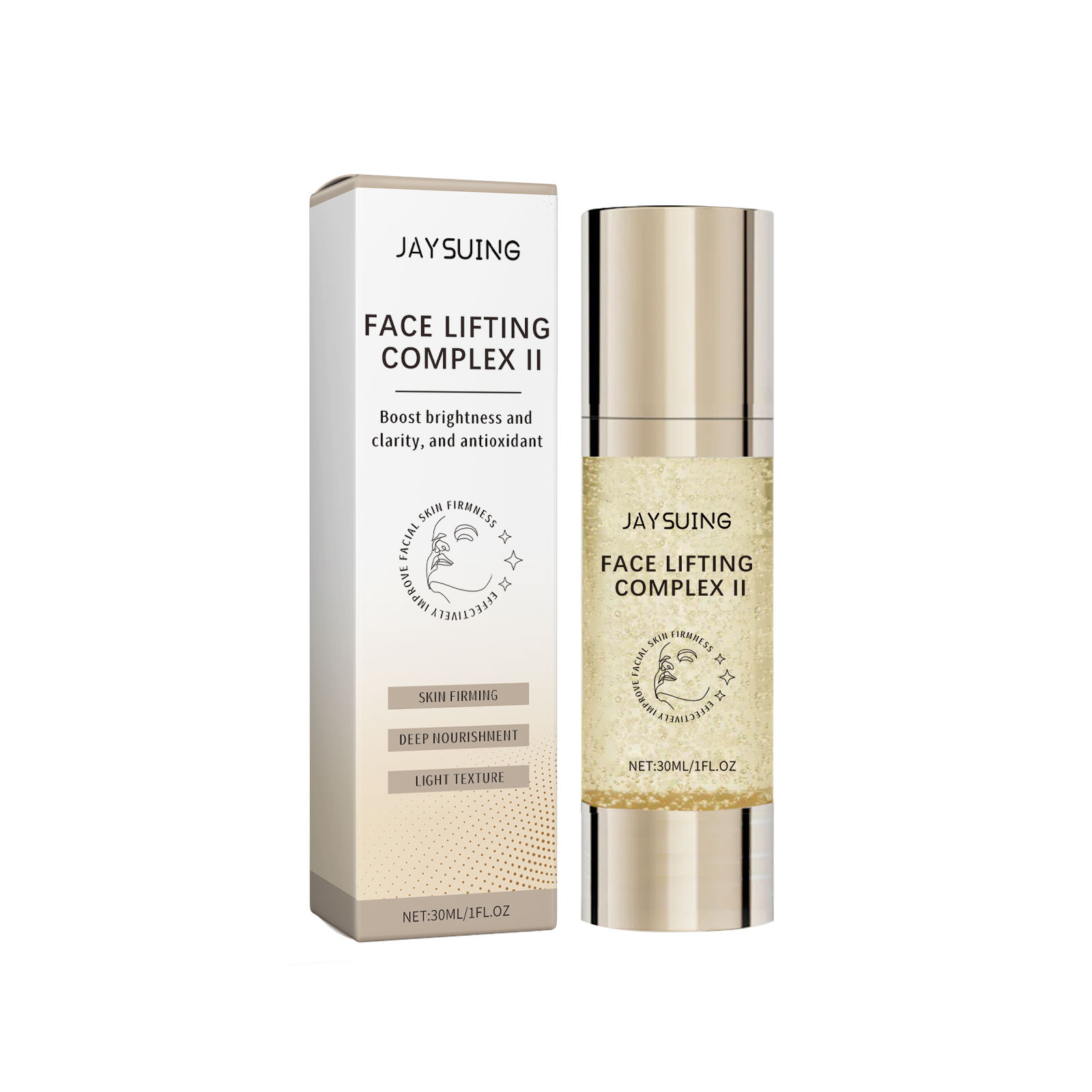 Jaysuing Face Firming Serum To Enhance Skin Elasticity, Hydrating And Moisturizing Daily Skincare$14.99View on Mallflare
 Hyaluronic Acid Anti-aging Serum for Face - 100% Pure Medical Formula - 2oz$14.99View on eBay
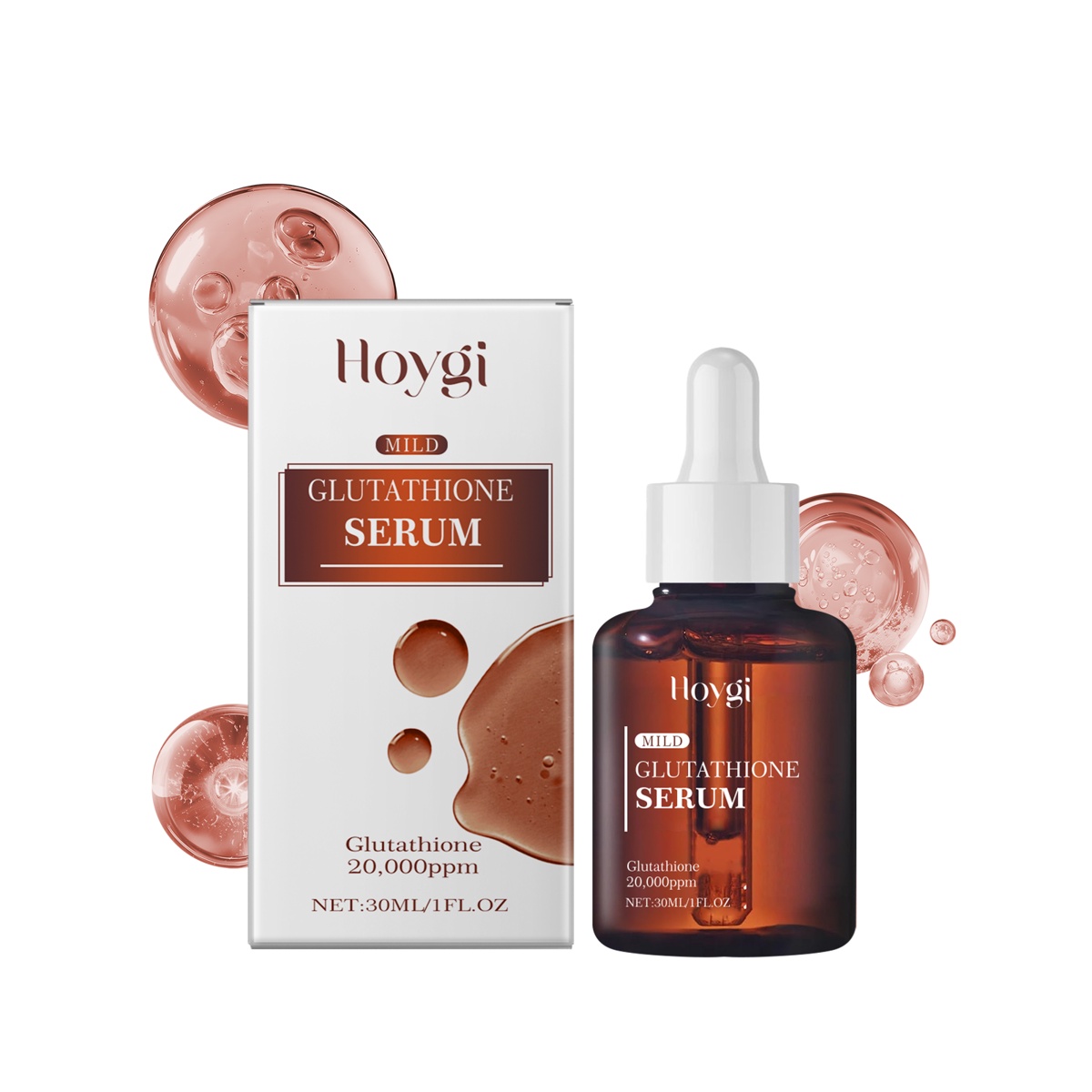 Facial Serum Moisturizing Improve Skin Elasticity Repairing Firming Hydrating Nourishing Face Treatment$22.99View on Mallflare
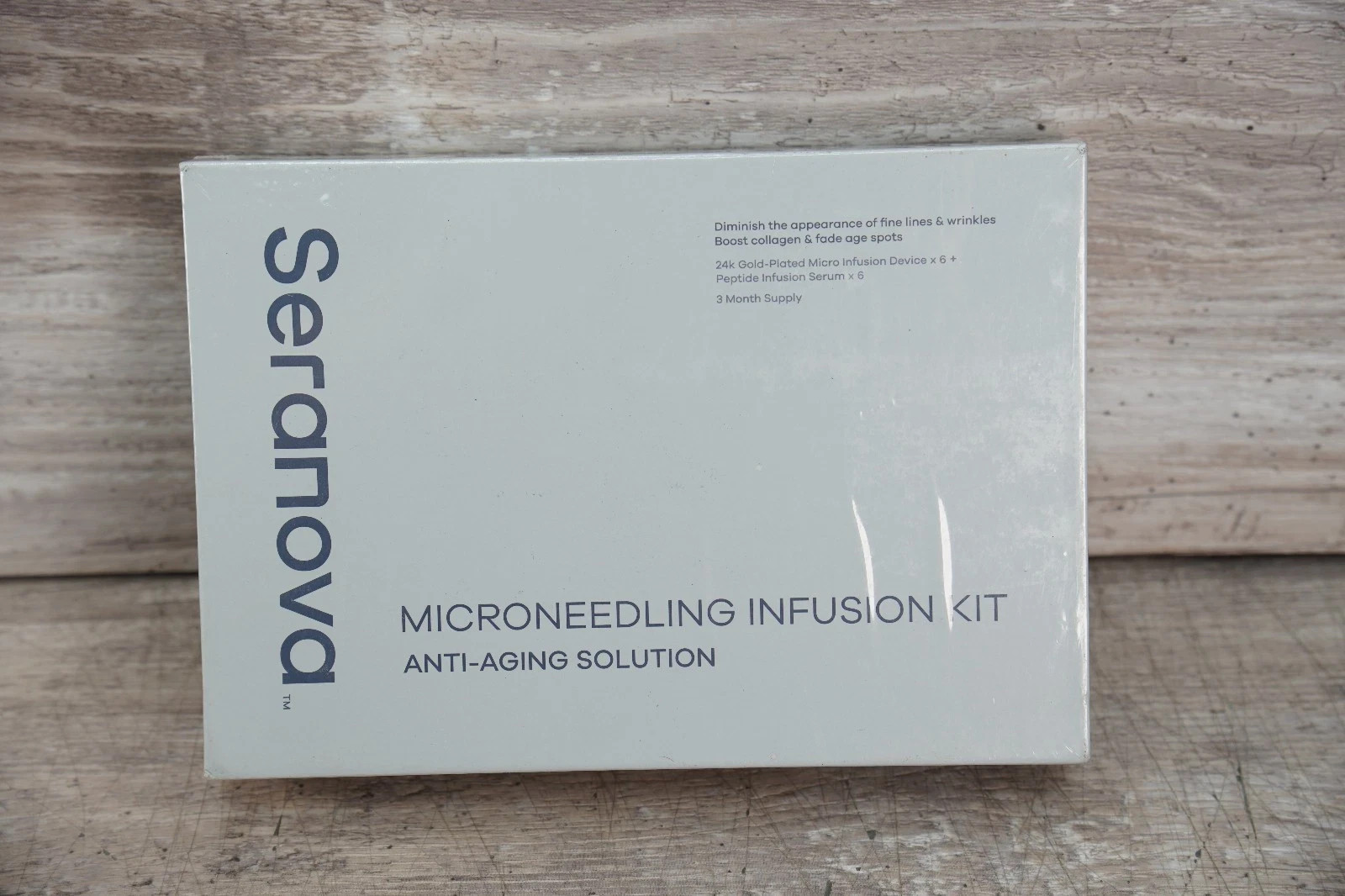 Microneedling Infusion Kit Serum Face 3 Month Anti-Aging Exp 2028 Seranova New$44.61View on eBay
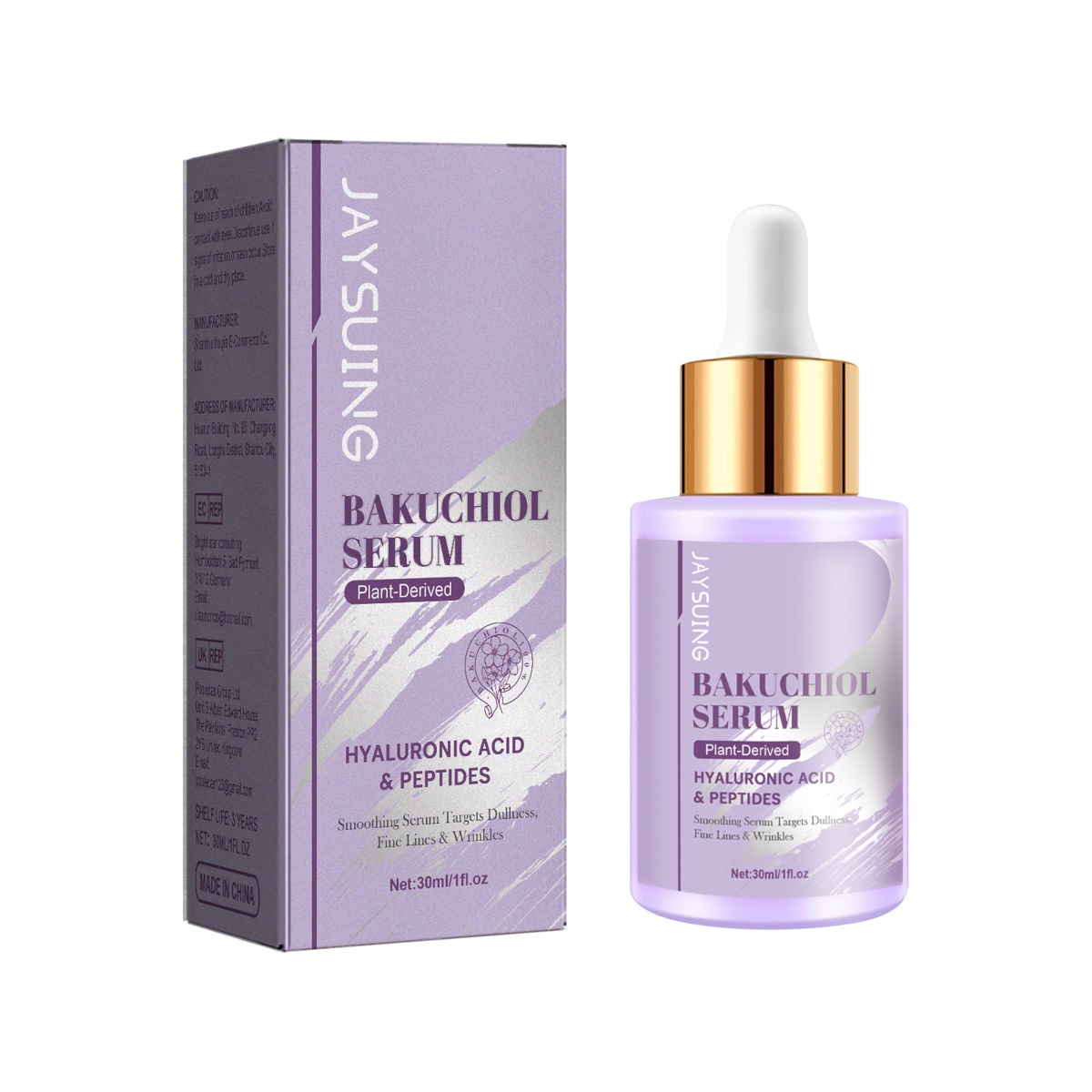 Anti Wrinkle Serum Hydrating Firming Nourishing Moisturizing Fine Line Face Lightweight Fast Absorbing - Perfect for Daily Facial Skincare Routine$22.99View on Mallflare
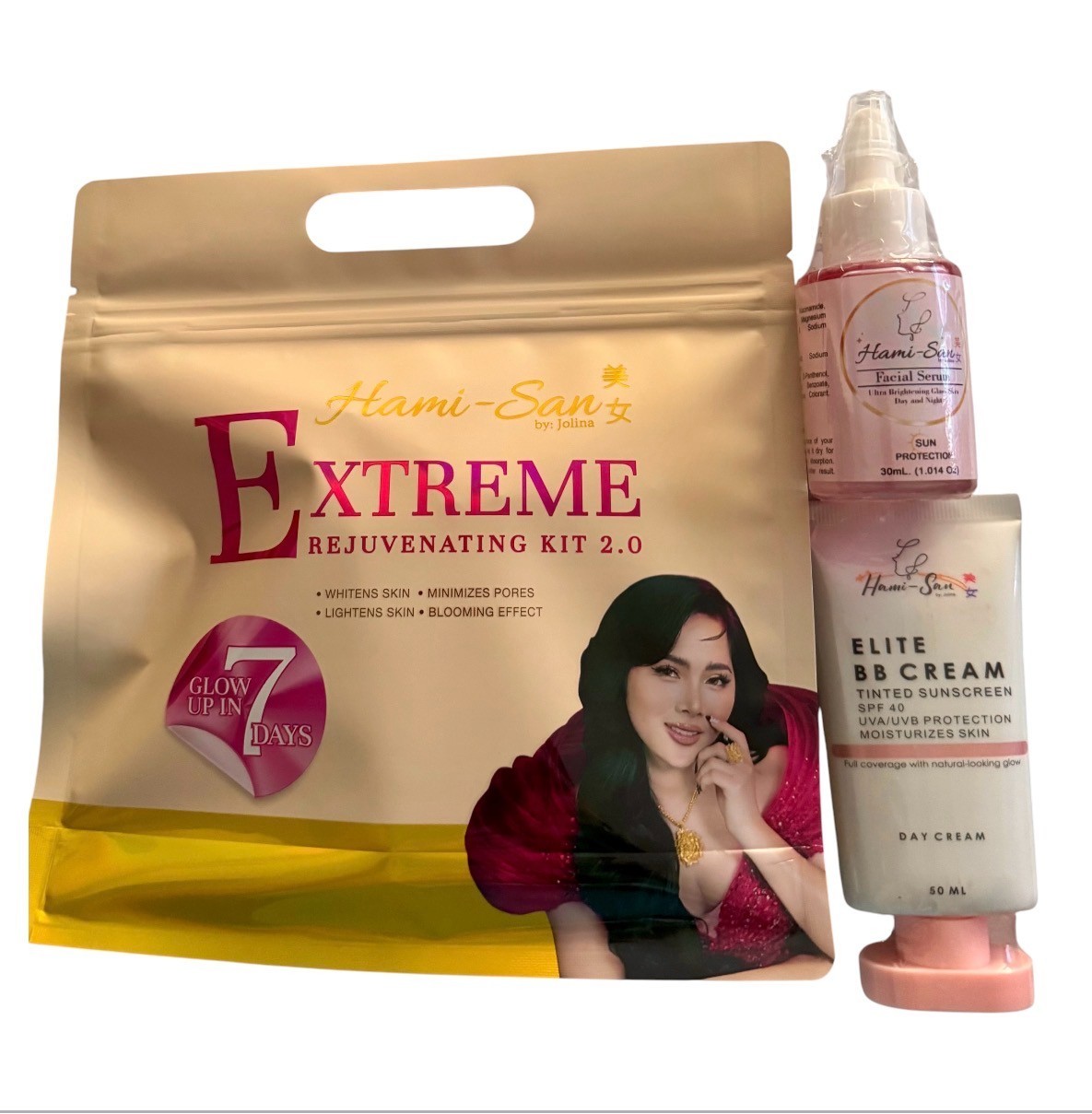 Hamisan Extreme Rejuv Kit Daily Face Care Set, Serum & Tinted Sunscreen$49.99View on eBay
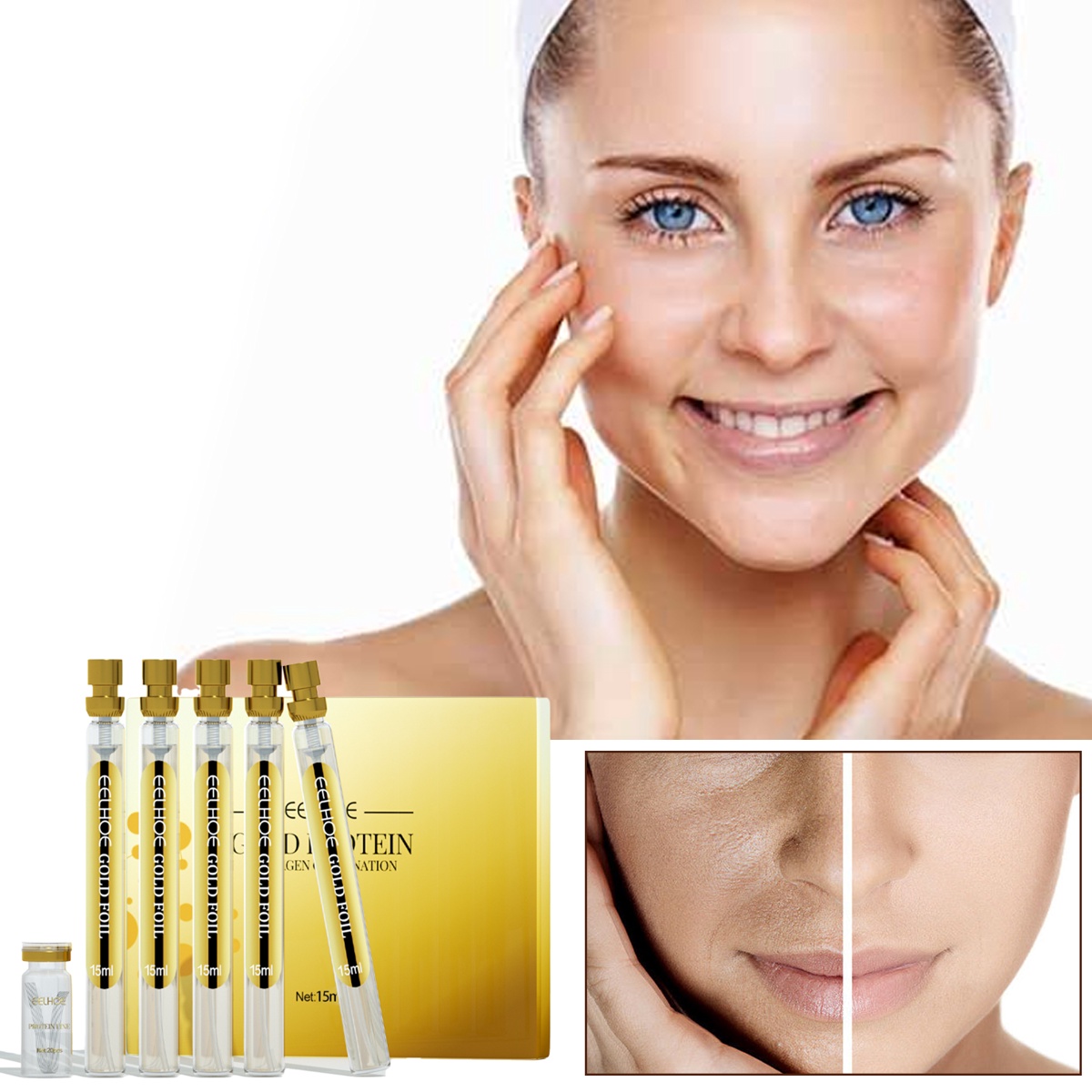 EELHOE Protein Lift Kit Face Contouring Firming Line Eye Area Fine Lines Anti-Wrinkle Serum$25.99View on Mallflare
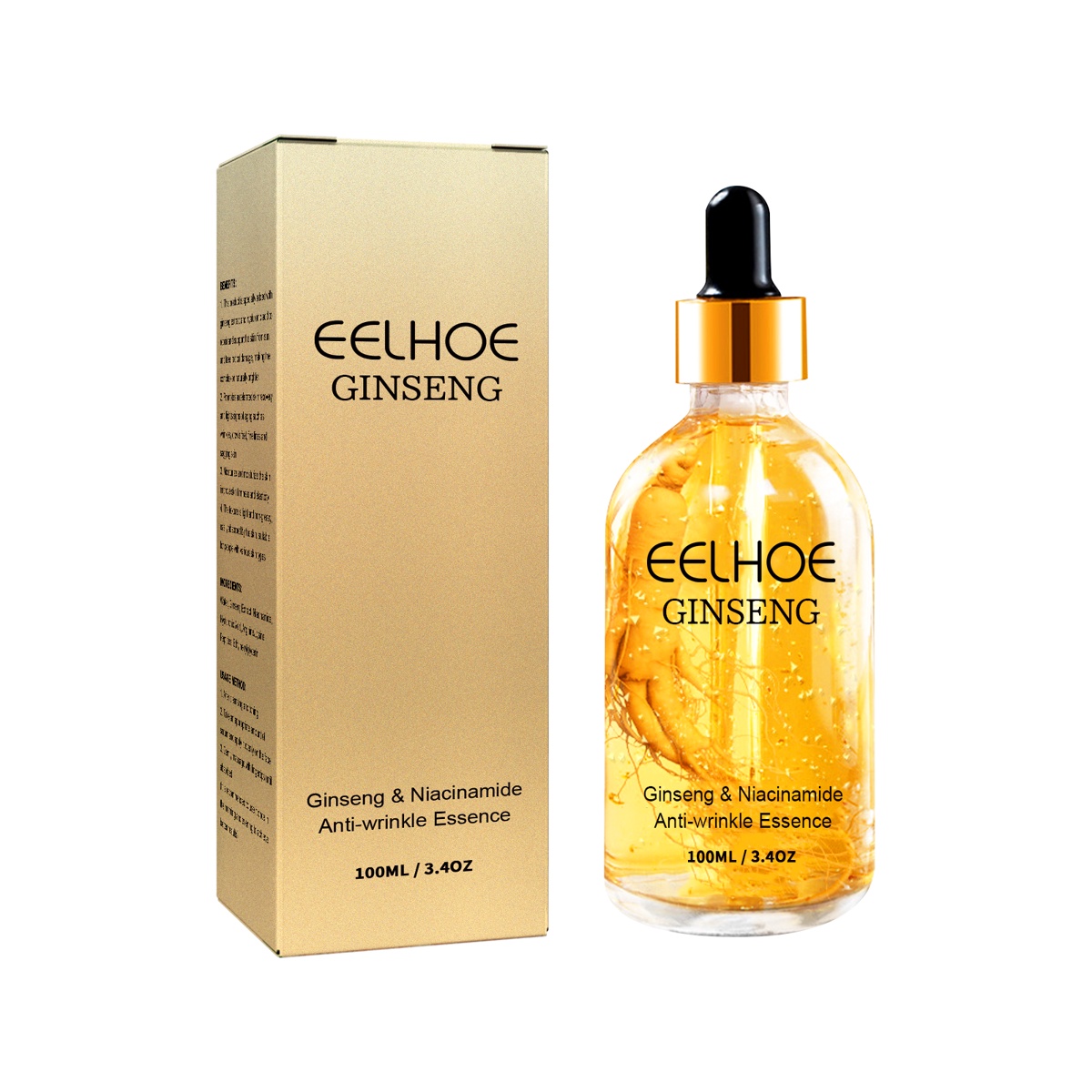 EELHOE Ginseng Essence For Fading Fine Lines, Firming Face, And Moisturizing Skin Serum$25.99View on Mallflare
Highlights
- Hyaluronic acid serums should use multi-molecular weights (e.g., sodium hyaluronate crosspolymer plus low-molecular HA) to hydrate surface and deeper layers; single-weight HA draws water only to the stratum corneum and can feel tacky.
- Vitamin C serums are only effective at 10–20% L-ascorbic acid buffered below pH 3.5; derivatives like sodium ascorbyl phosphate are gentler but require higher percentages and longer timelines for brightening.
- Retinol serums range from 0.1% to 1% encapsulated or free retinol; encapsulated retinol releases gradually and reduces irritation but needs 8–12 weeks for fine-line results, while free retinol acts faster with higher peeling risk.
- Packaging matters: L-ascorbic acid oxidizes rapidly in clear plastic or jars; amber glass with airless pump or dropper preserves potency for 3–6 months after opening, while opaque plastic is acceptable for stable actives like niacinamide or peptides.
Best use cases
- For fine lines and wrinkles: pick a retinol or peptide serum with encapsulated delivery and a stated percentage; skip exfoliating acids in the same layer and avoid clear plastic bottles that degrade retinol.
- For sensitive or reactive skin: choose fragrance-free, alcohol-free serums with ceramides or panthenol and a short ingredient list; skip vitamin C at high percentages and essential-oil-rich ‘natural’ serums.
- For brightening acne marks and uneven tone: use a stabilized vitamin C (10–15% L-ascorbic acid or 2–5% sodium ascorbyl phosphate) plus niacinamide; skip turmeric or ginseng serums that lack standardized curcuminoid or ginsenoside concentrations.
- For daily hydration under sunscreen or makeup: pick a lightweight hyaluronic acid or glycerin-based serum in a 30ml dropper; skip heavy oil serums or firming kits with multiple steps if you need a single fast-absorbing layer.
Buying tips
- Match the serum volume to use: 30ml lasts about 2–3 months at twice-daily use; 50–60ml is better for body or neck application, and 2oz (60ml) medical-style HA serums are cost-effective for large-area hydration.
- Check the active percentage on the label: vitamin C at 10–20% L-ascorbic acid, niacinamide at 2–10%, retinol at 0.1–1%, and hyaluronic acid at 1–2% in the formula; anything unstated is likely below effective threshold.
- Prioritize airless pumps or amber glass droppers over clear plastic bottles; vitamin C and retinol degrade with light and air exposure, so opaque packaging extends shelf life from weeks to months.
- For microneedling or infusion kits, use only serums labeled sterile or preservative-light (e.g., single-use vials or 0.9% sodium hyaluronate); avoid multi-use droppers with thickeners or fragrance that can enter microchannels and cause irritation.
Specs
| Active Type | Hyaluronic acid / Vitamin C / Retinol / Peptide |
|---|---|
| Packaging | Amber glass dropper vs airless pump vs plastic |
| Volume | 30ml standard / 50-60ml value / 2oz medical |
| Skin Concern | Hydration / Brightening / Fine lines / Firming |
Related searches
What to check before buying
- Confirm your routine step: serums go after cleansing and toning but before moisturizer and sunscreen; if you use a retinoid, apply it as the serum step at night and skip vitamin C in the same layer.
- Patch-test on the inner forearm for 24–48 hours before full-face use, especially with retinol, vitamin C above 15%, or essential-oil-containing serums.
- Check storage conditions: vitamin C and retinol serums need cool, dark storage; bathroom heat and humidity accelerate oxidation, so store in a cabinet away from showers.
- For microneedling kits, verify the serum is compatible with your device depth (0.25–0.5mm at home) and is free of acids, fragrance, and thickeners that can cause granulomas in microchannels.
FAQ
Data sources: eBay / Amazon listings and product attribute feeds Data updated Nov 15, 2026.
Some links on this page are affiliate links. If you buy after clicking one, we may earn a commission at no extra cost to you. This does not change which products appear here or their order. Affiliate disclosure.