Photos from current listings. Actual item, color, and included accessories may vary.
Face Cream Buying Guide
Face cream is a leave-on moisturizing emulsion whose performance hinges on humectant/emollient/occlusive balance and active ingredient stability, not marketing claims. The core trade-off is lightweight hydration for oily or daytime wear versus rich barrier repair for dry or mature skin. Choose a cream whose primary vehicle matches your skin type and whose actives are packaged to stay potent—anything else is a compromise.

At a glance
- Category
- Skincare
- Data updated
- Nov 15, 2026
Current offers
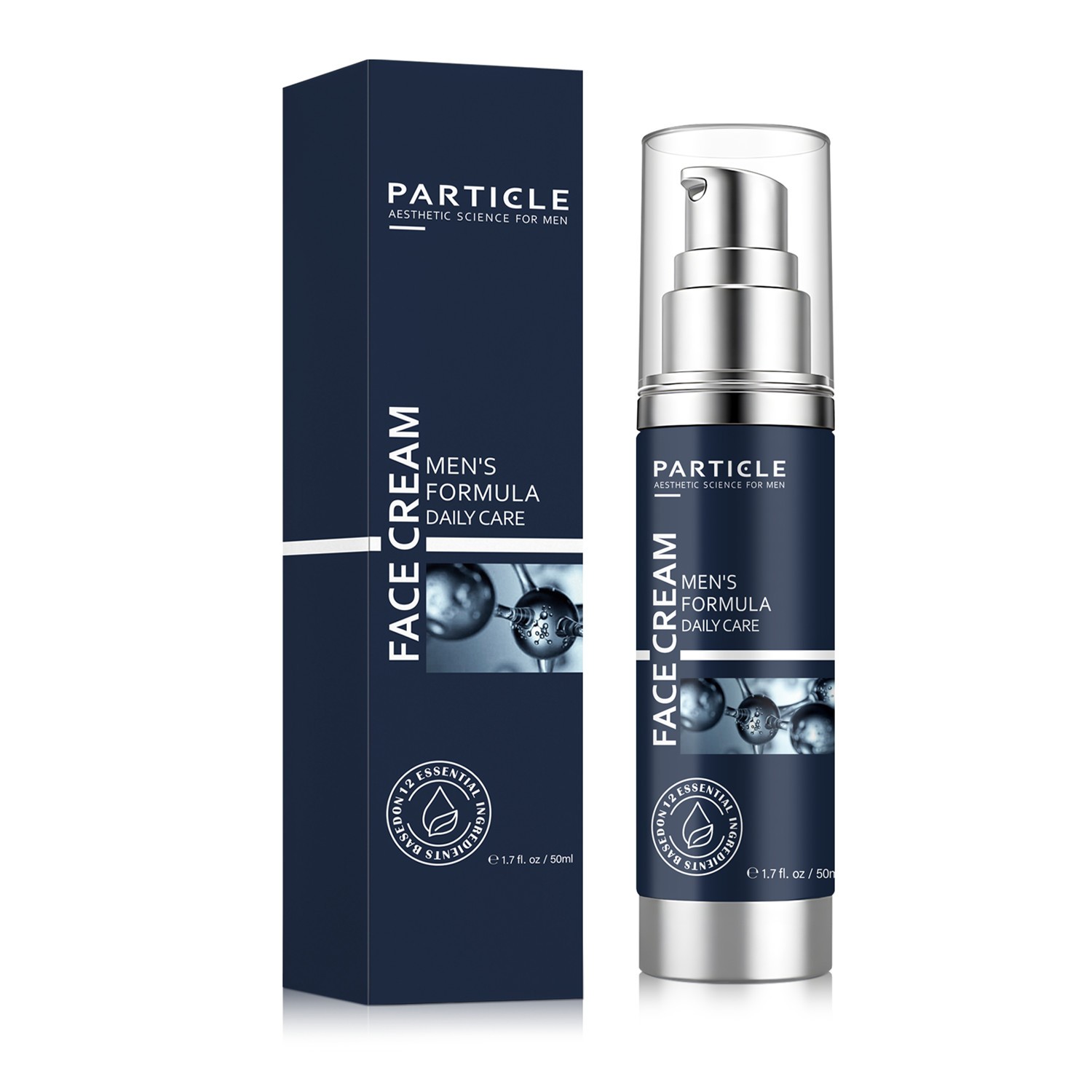 Particle Face Cream For Men 6 In 1 Anti Aging Cream Fights Eye Bags Dark Spots$11.99
 View on eBay
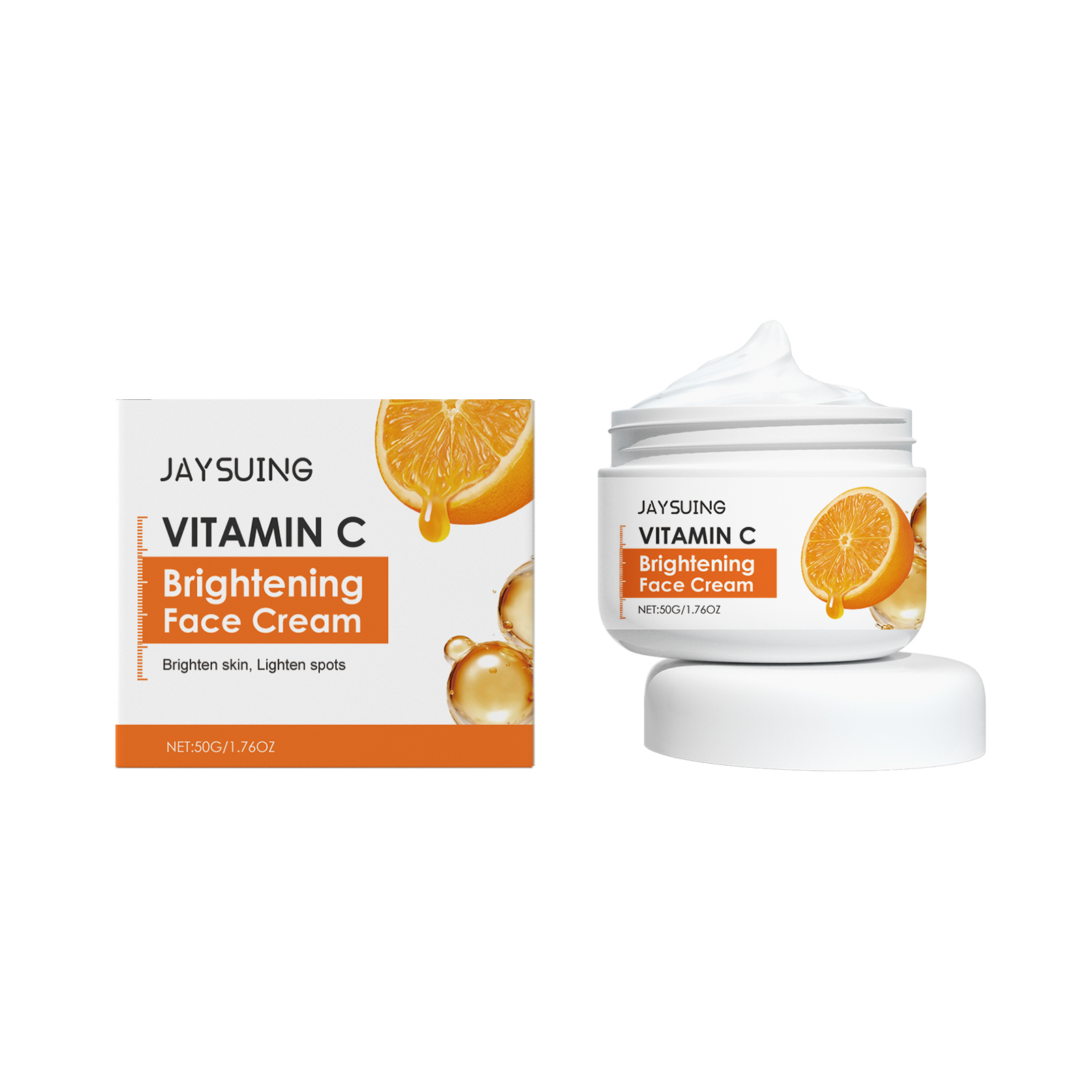 Jaysuing Vitamin C Face Cream Moisturizes, Hydrates, Brightening And Darkening Skin With Fruit Fragrance And C$14.99
 View on Mallflare
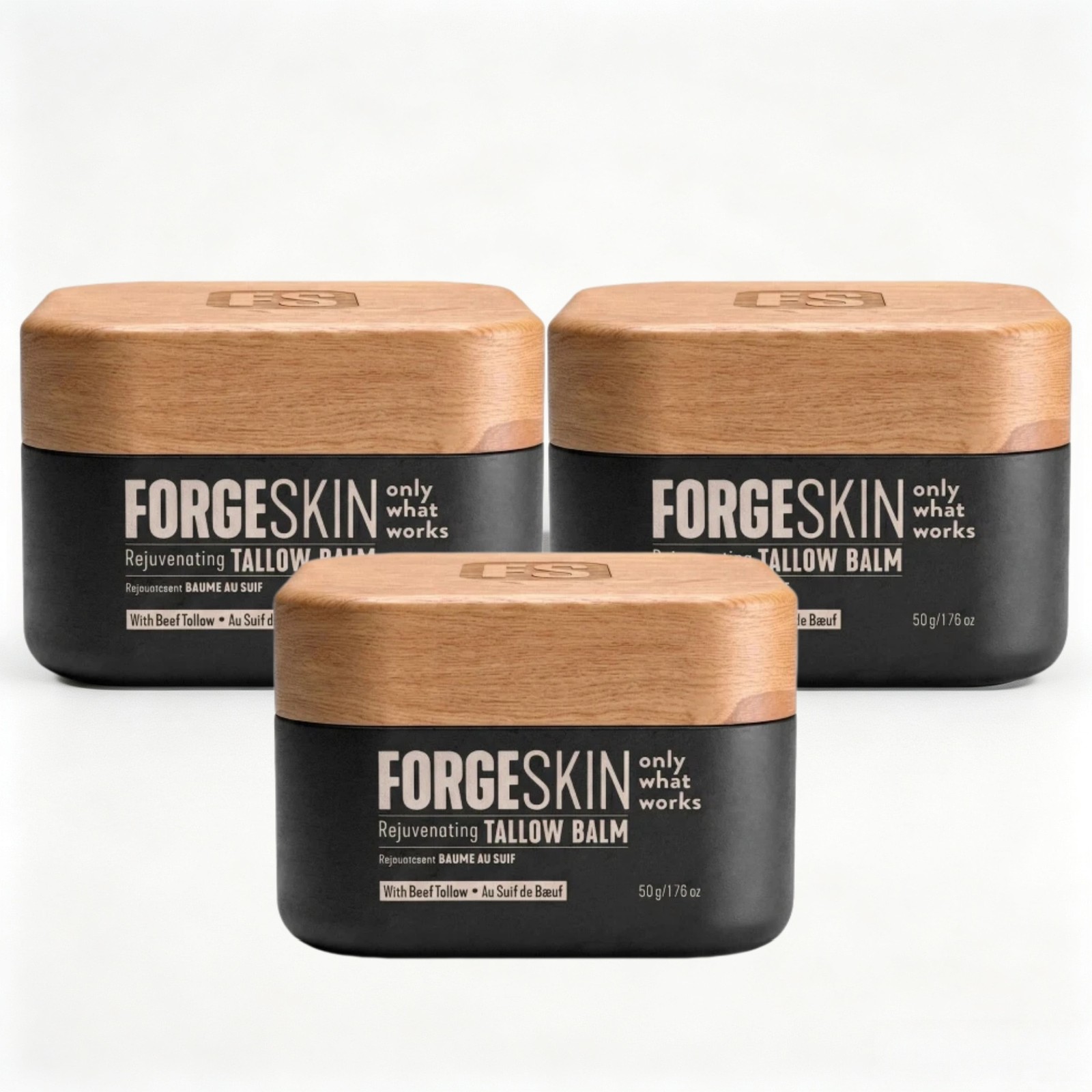 3x Forge Skin Men's Face Cream Beef Tallow Face Balm 50g$34.99View on eBay
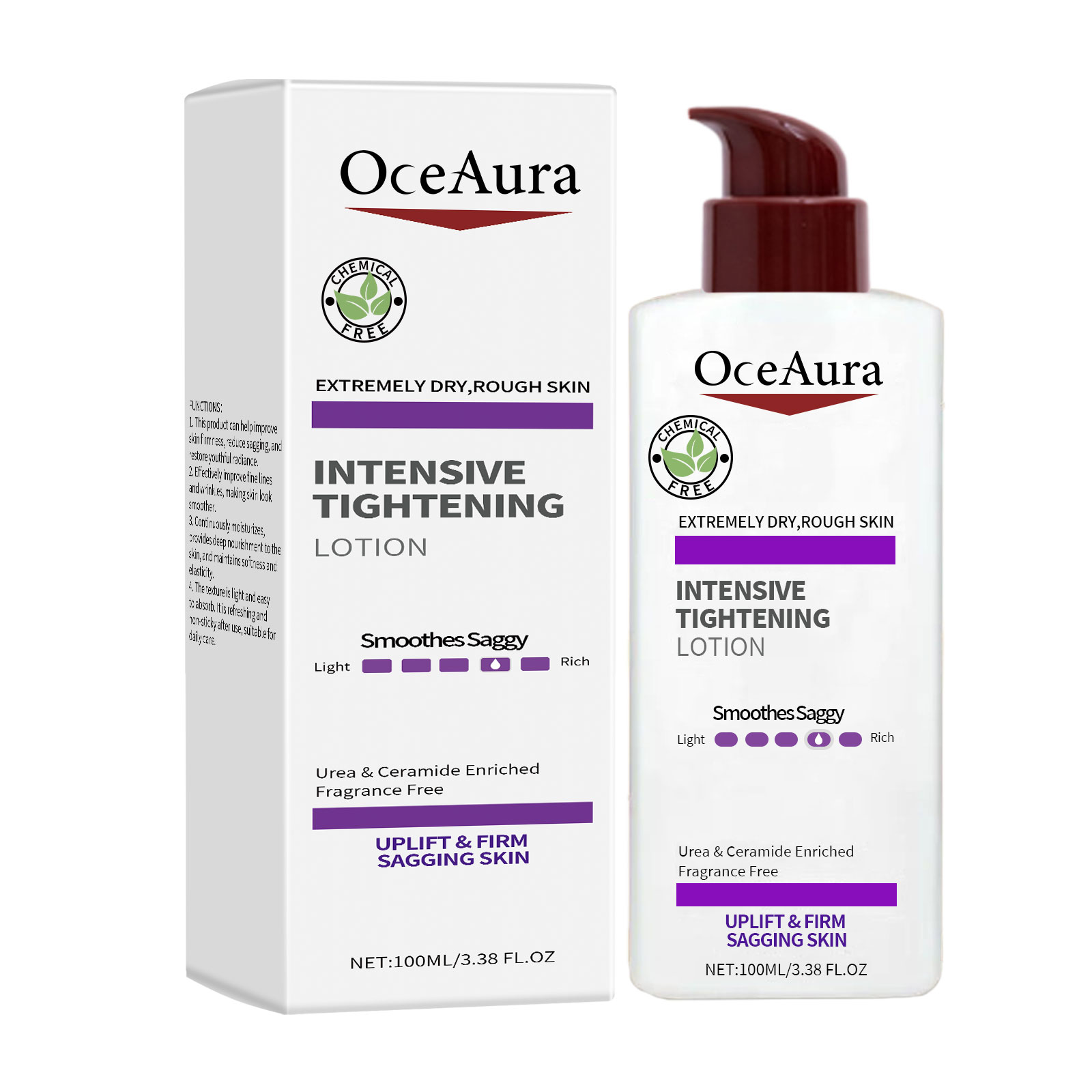 OceAura Nourishing Face Cream, Day And Night Repair Tender Skin Moisturizing And Law Line Creamy Light$14.99View on Mallflare
 Face & Body Moisturizer, Hydrating Moisturizing Cream for Dry to Very Dry, Sensi$21.04View on eBay
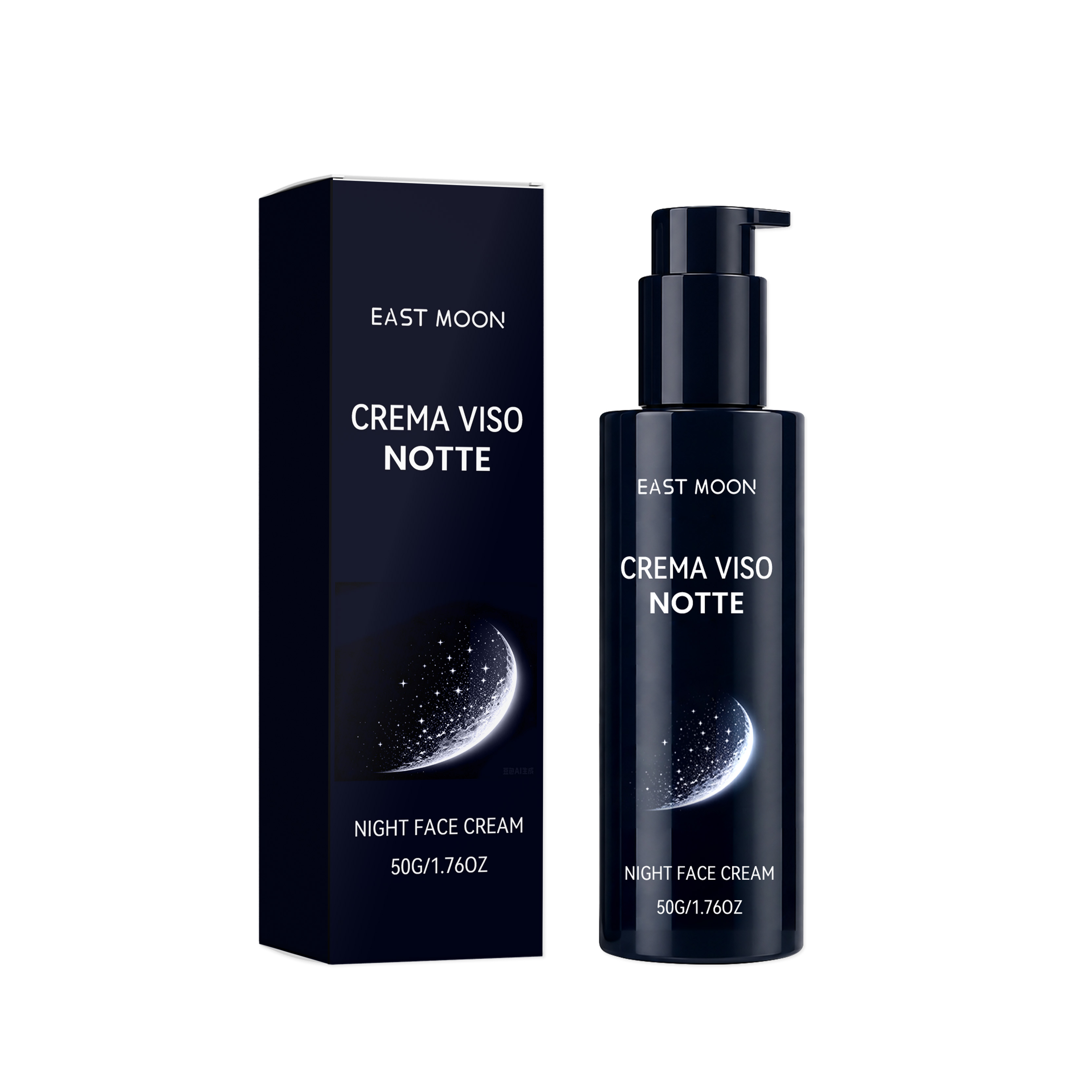 East Moon Night Face Cream, Hydrating And Nourishing Facial Skin Comfort Moisturizing For Men$19.99View on Mallflare
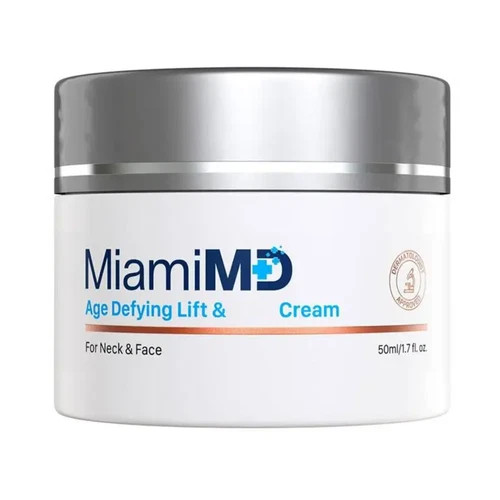 MiamiMD (Miami MD) Age Defying Lift & Firm Cream For Neck And Face - 50ml 1pack$22.50View on eBay
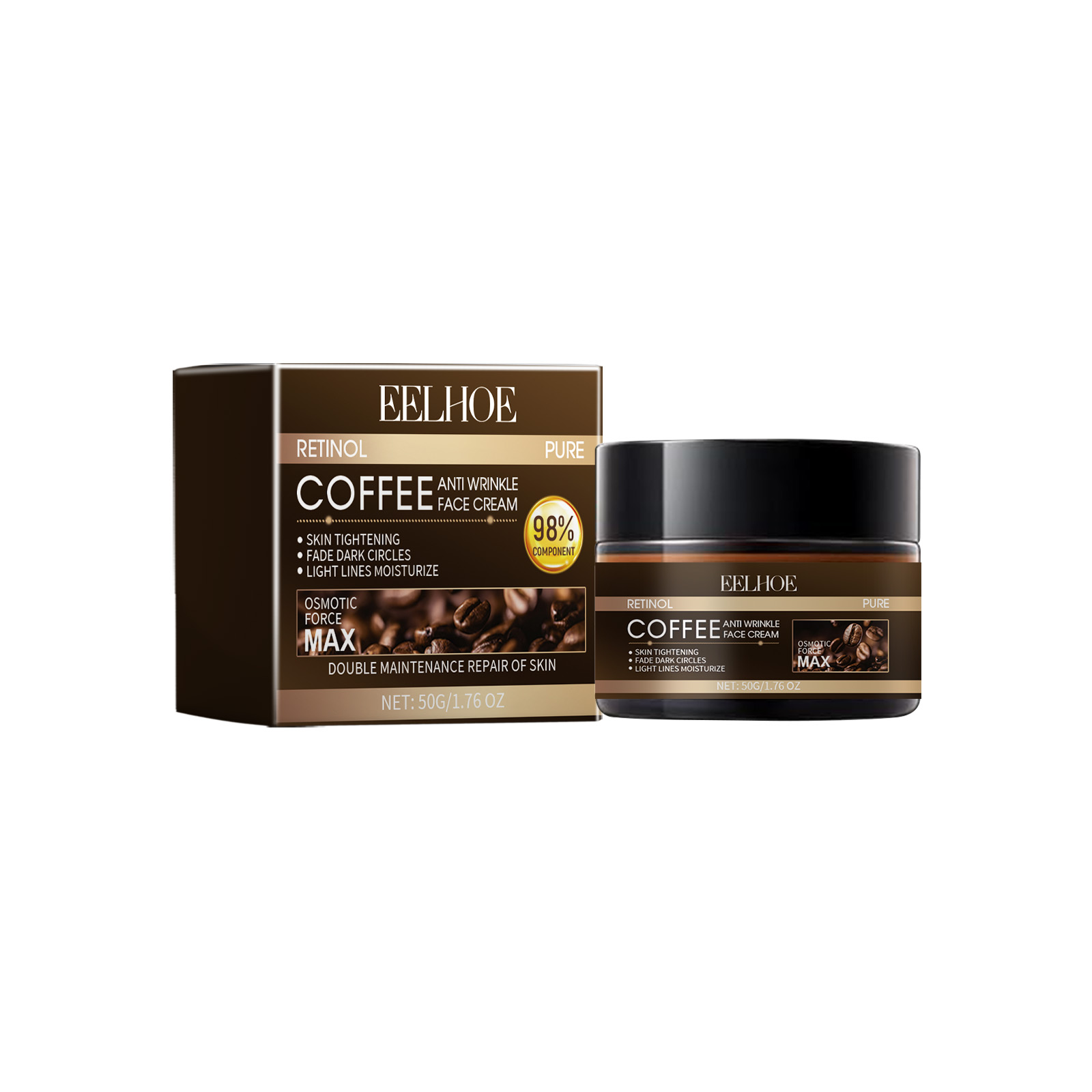 Retinol Face Cream Anti Aging Firming Wrinkle Reduction Hydrating Nourishing Skin Care Moisturizer$22.99View on Mallflare
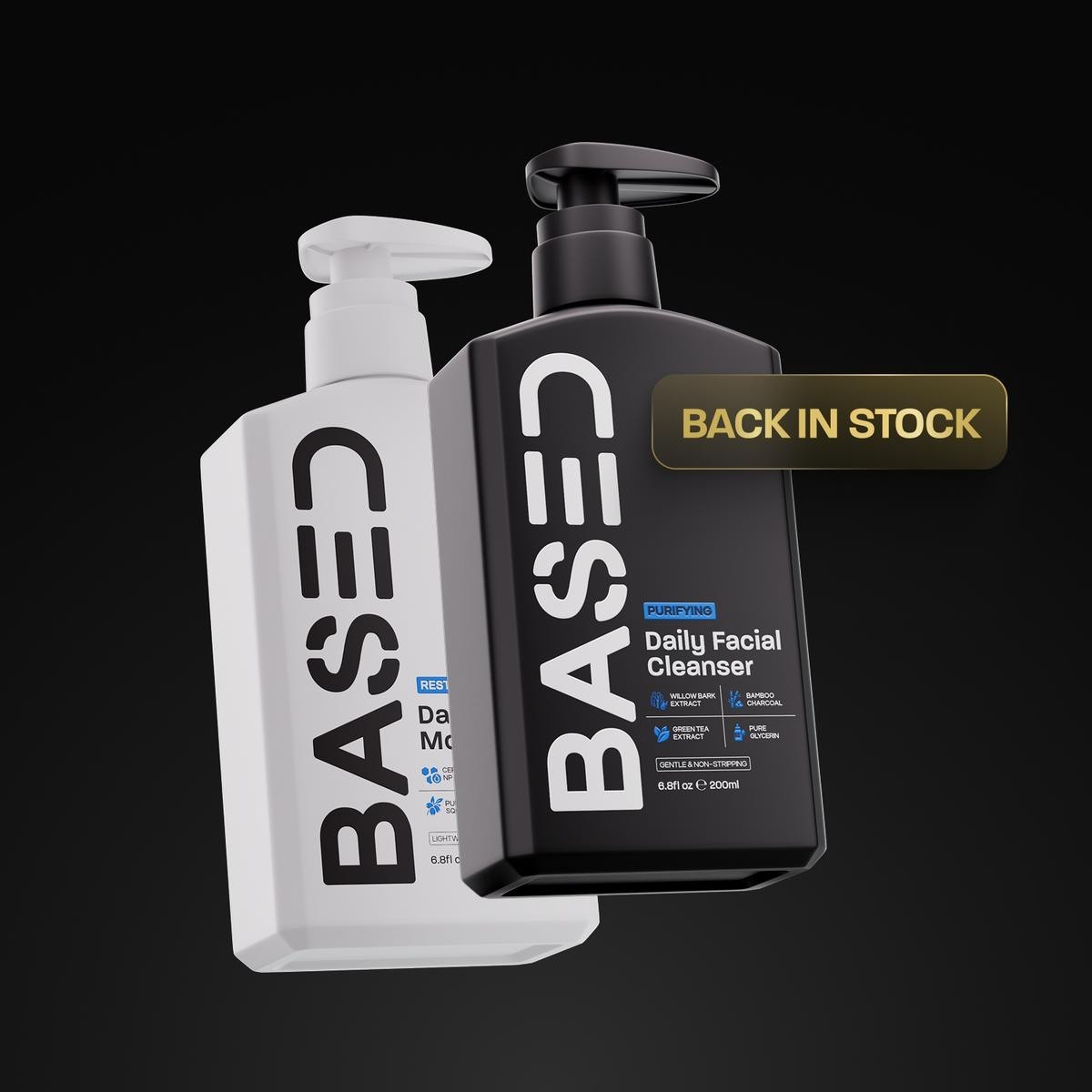 BASED Daily Skincare Duo Face Wash & Moisturizer All Skin Non-Toxic Set$22.99View on eBay
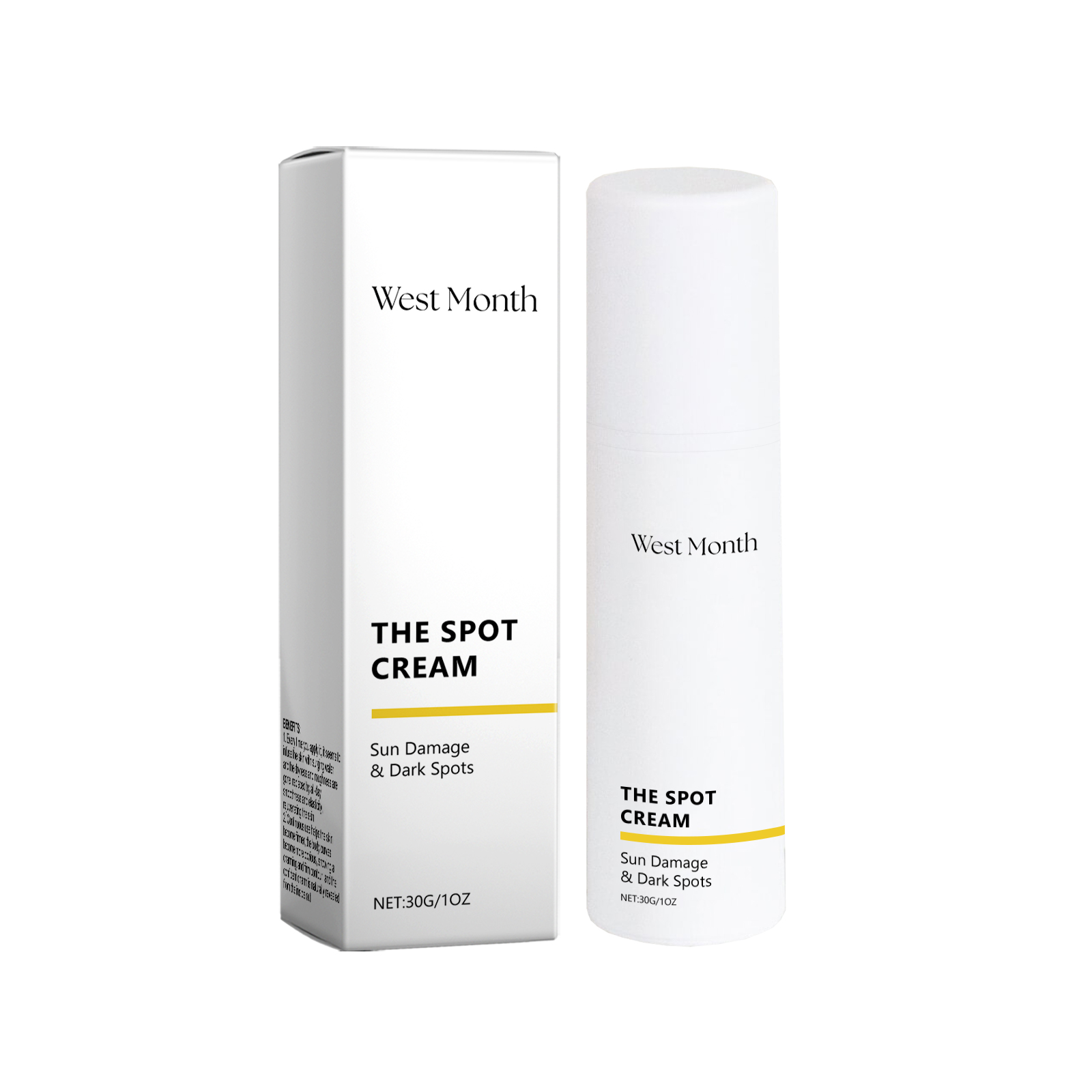 Face Cream Brightening Improving Dullness Nourishing Hydrating Moisturizing Fading Skin Care Treatment$22.99View on Mallflare
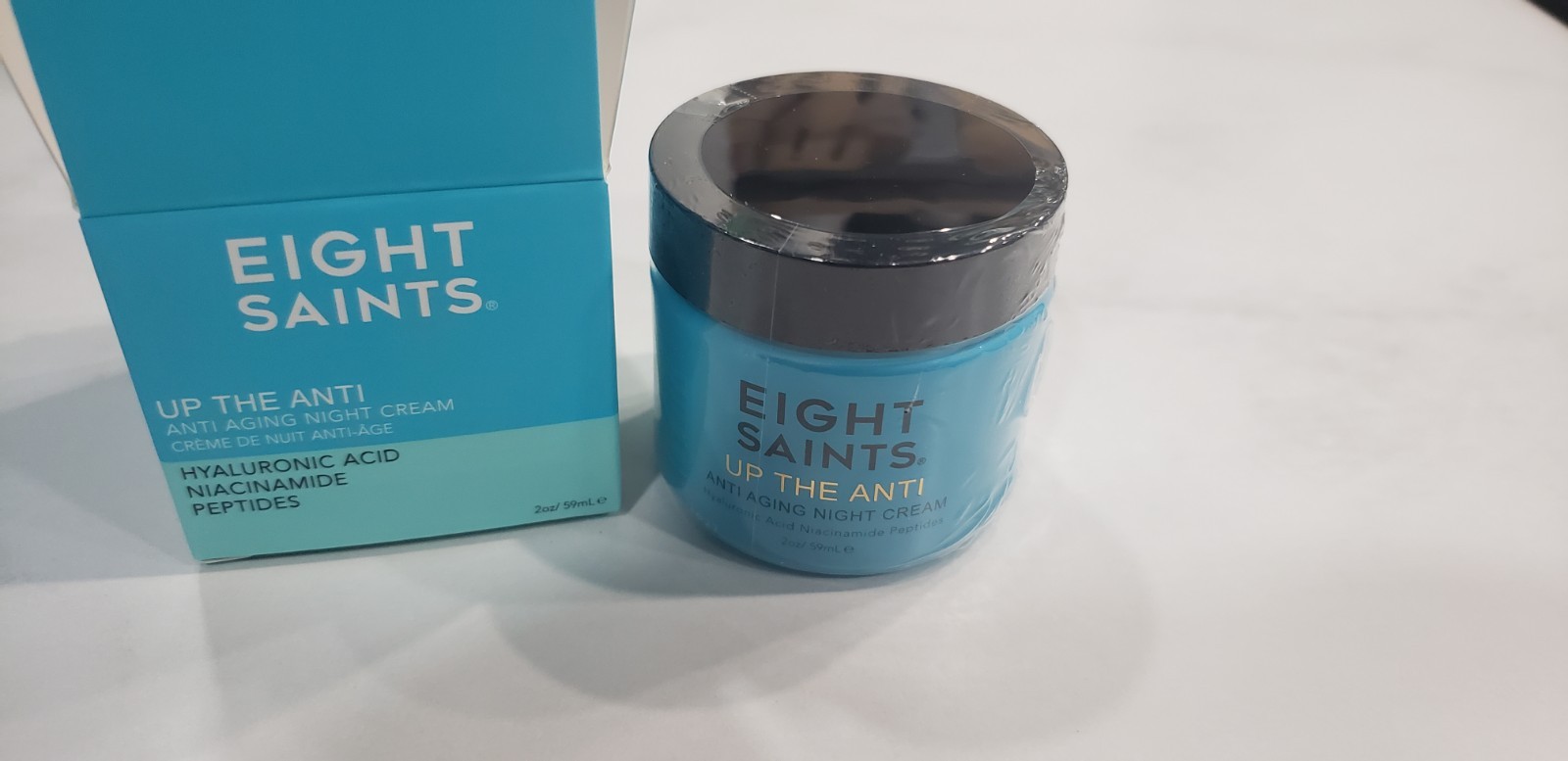 Eight Saints Skin Care Up the Anti Night Cream Face Moisturizer New Sealed$24.99View on eBay
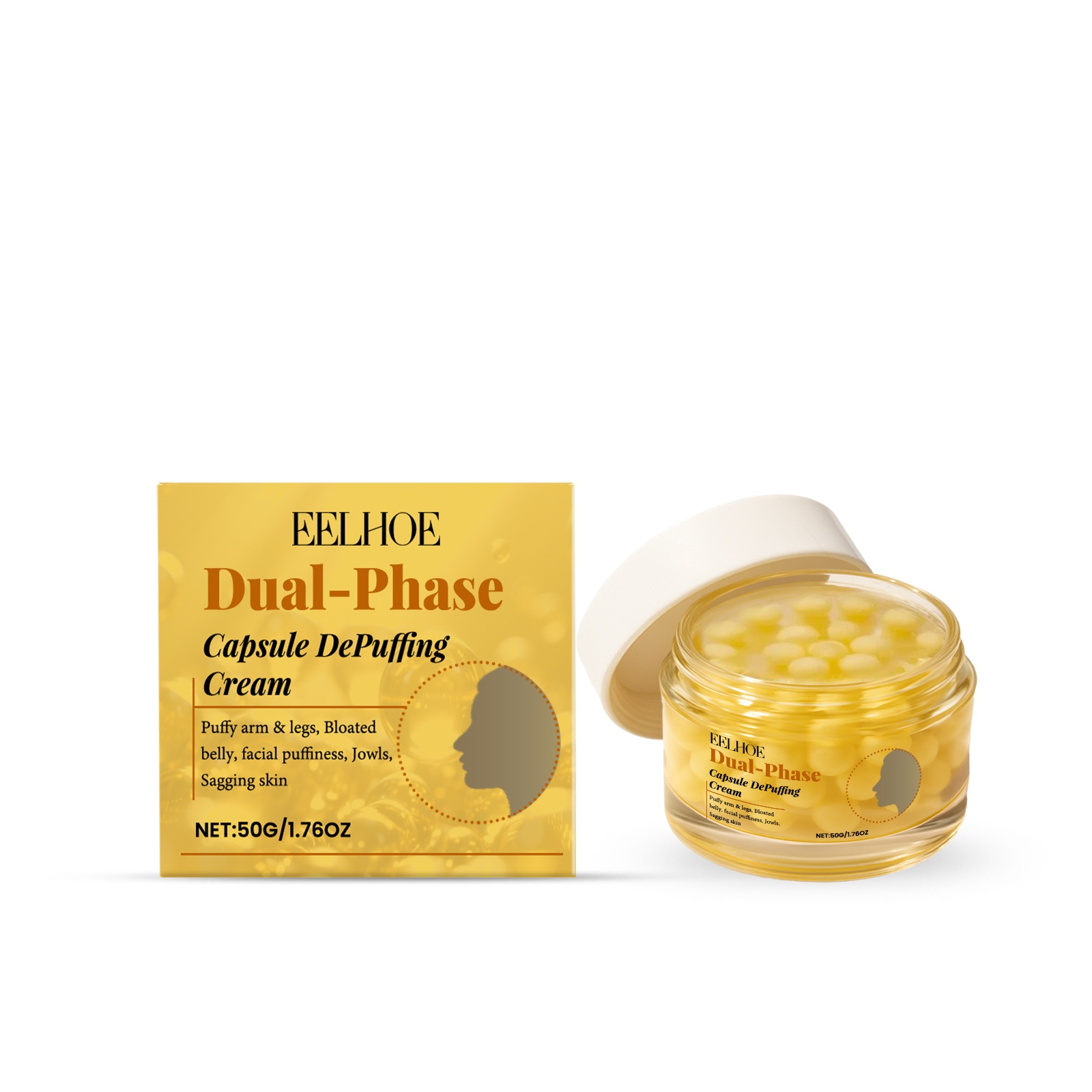 Face Cream Double-Effect Capsule Treatment Gentle Care Skin Elastic Smooth Fine Deep Hydration Nourishing - Perfect for Daily Moisturizing Routine$22.99View on Mallflare
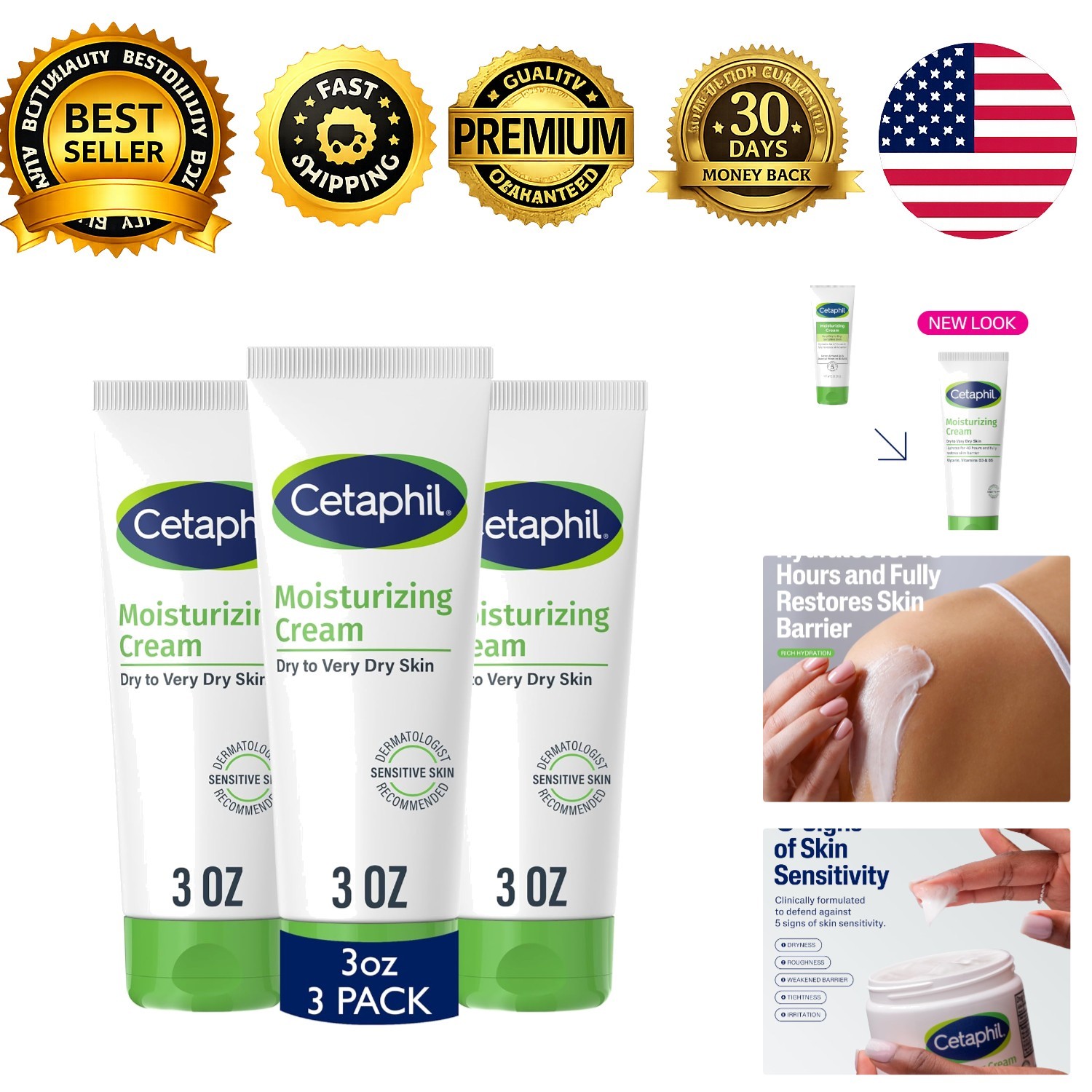 Face and Body Moisturizer Hydrating Cream Fragrance Free 3 oz Pack of 3$29.99View on eBay
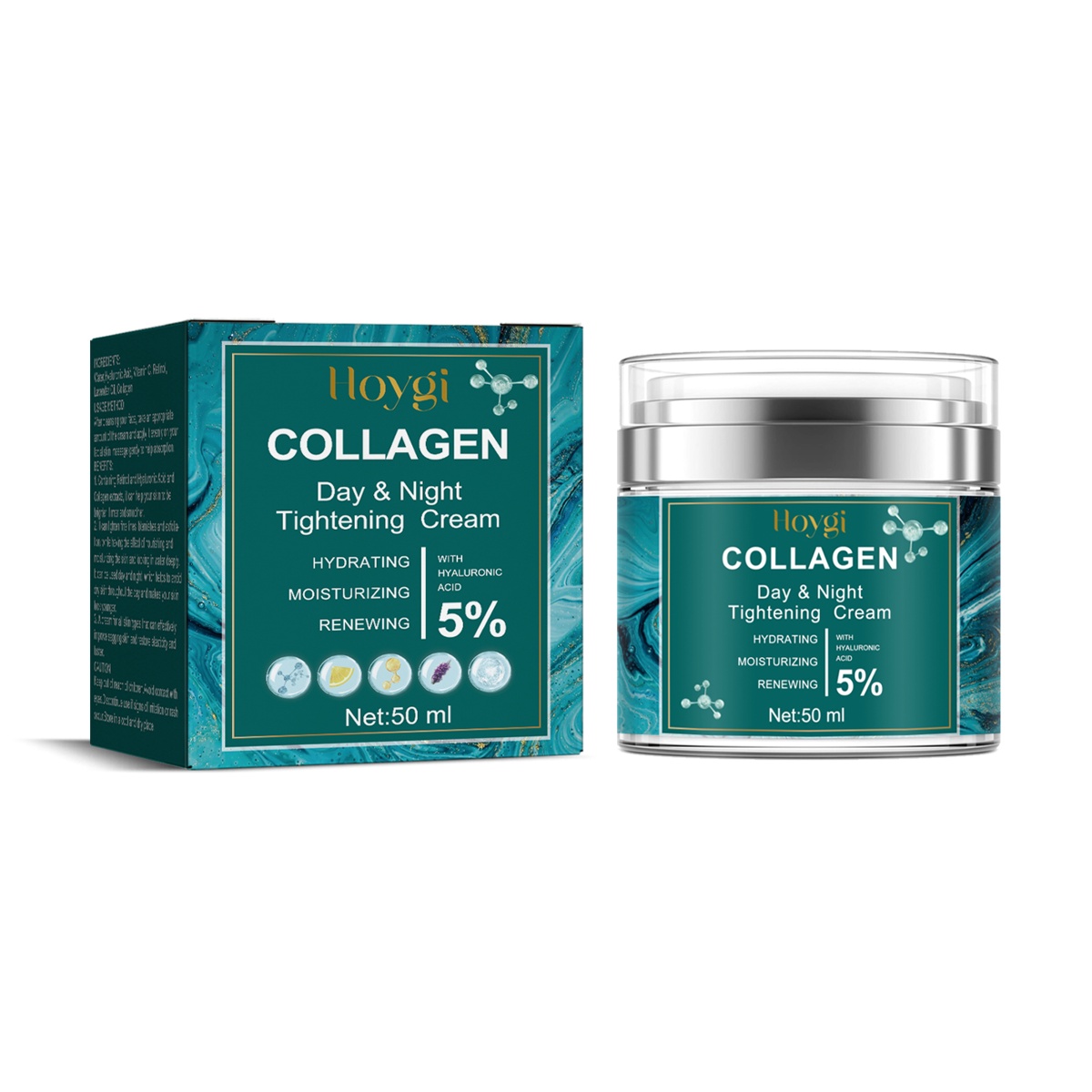 Collagen Face Cream Nourishing Firming Softening Radiant Hydrating Moisturizing Anti Aging Treatment Deep Hydration - Perfect for Daily Routine$22.99View on Mallflare
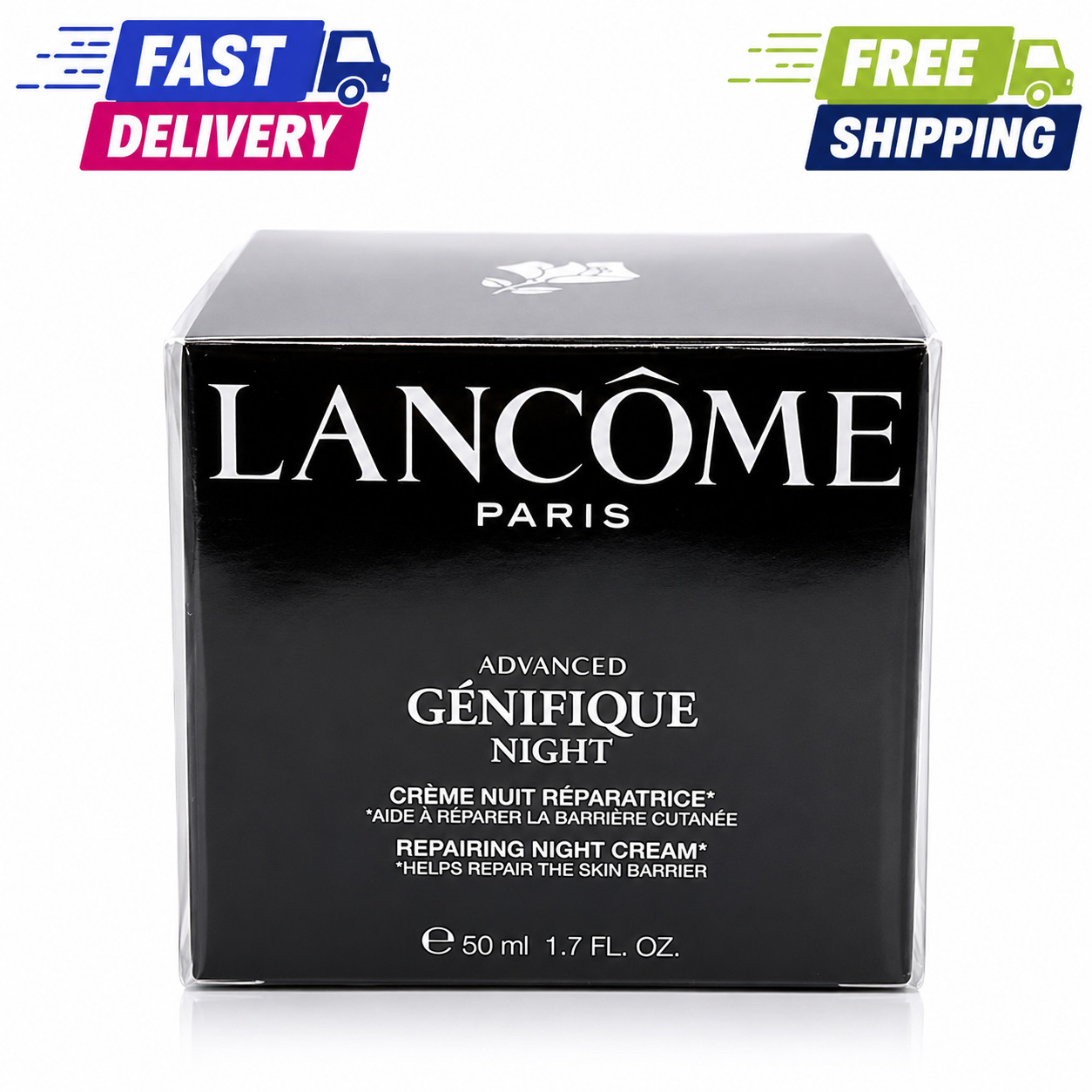 Lancome Advanced Genifique Night Cream 1.7oz/50ml Anti-Aging Face Moisturizer$31.00View on eBay
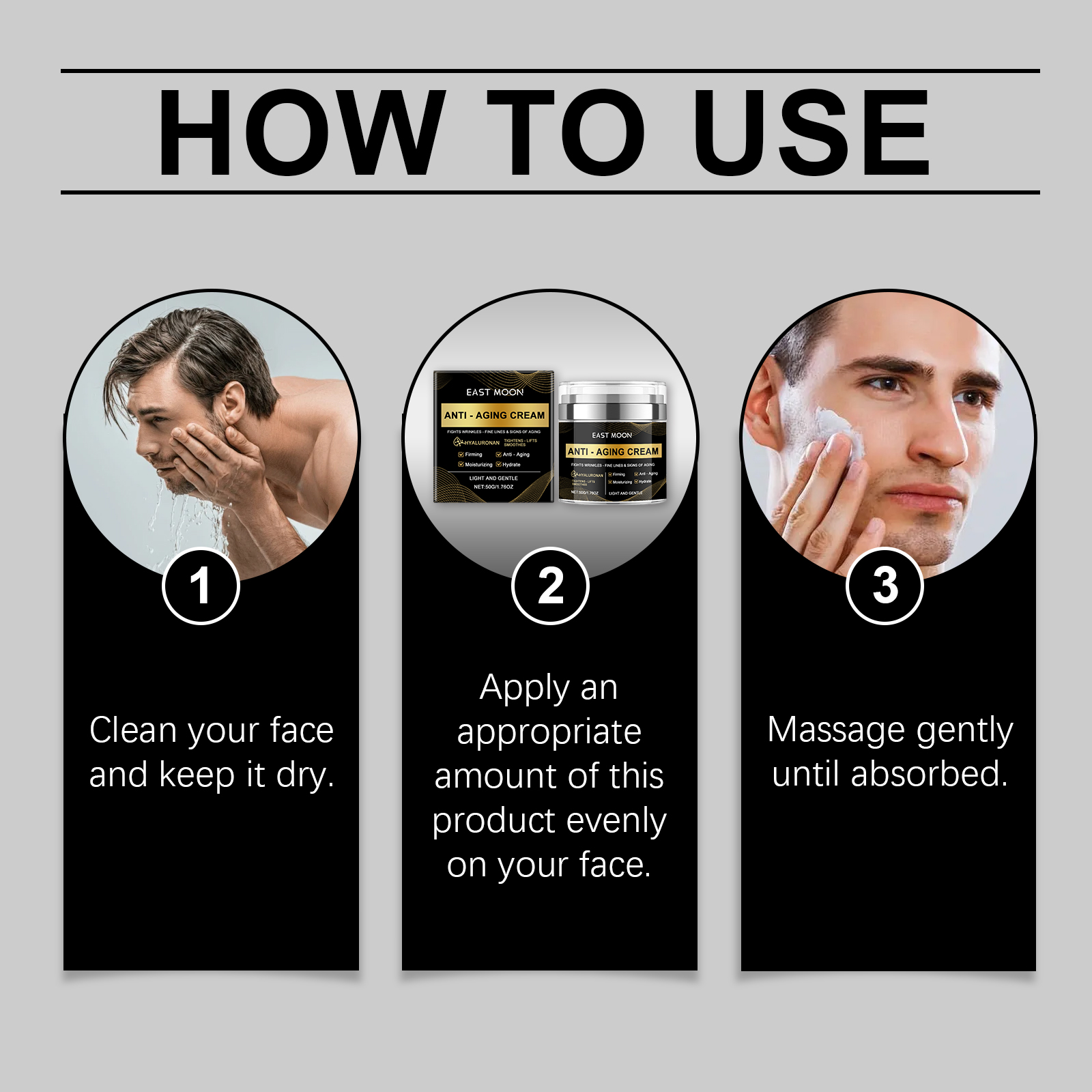 Men's Firming Face Cream Hyaluronic Acid Vitamin E Deep Hydrating Anti-aging Moisturizer Lightweight$22.99View on Mallflare
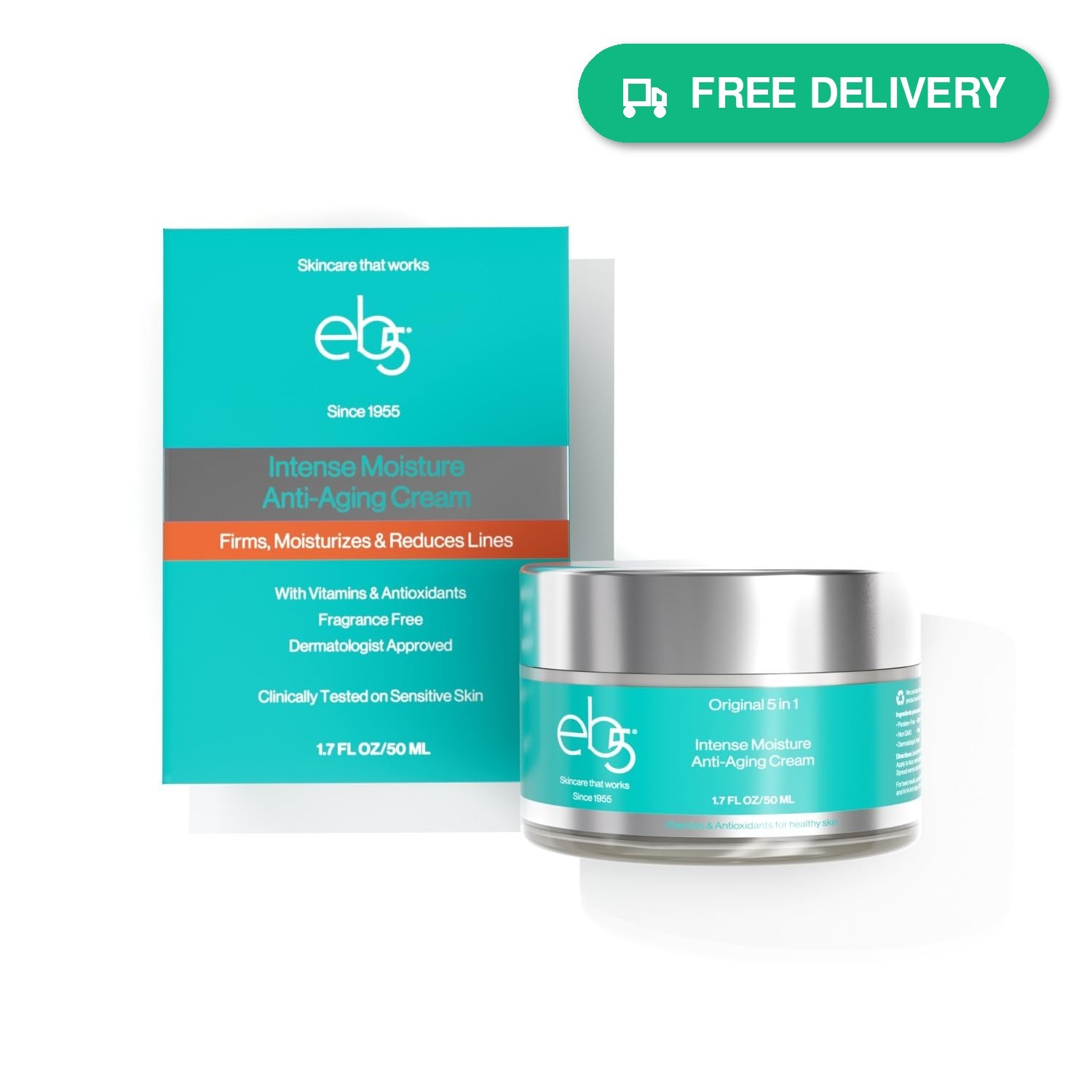 eb5 Intense Moisture Anti Aging Moisturizer Face & Neck Cream- Tone Tighten...$37.31View on eBay
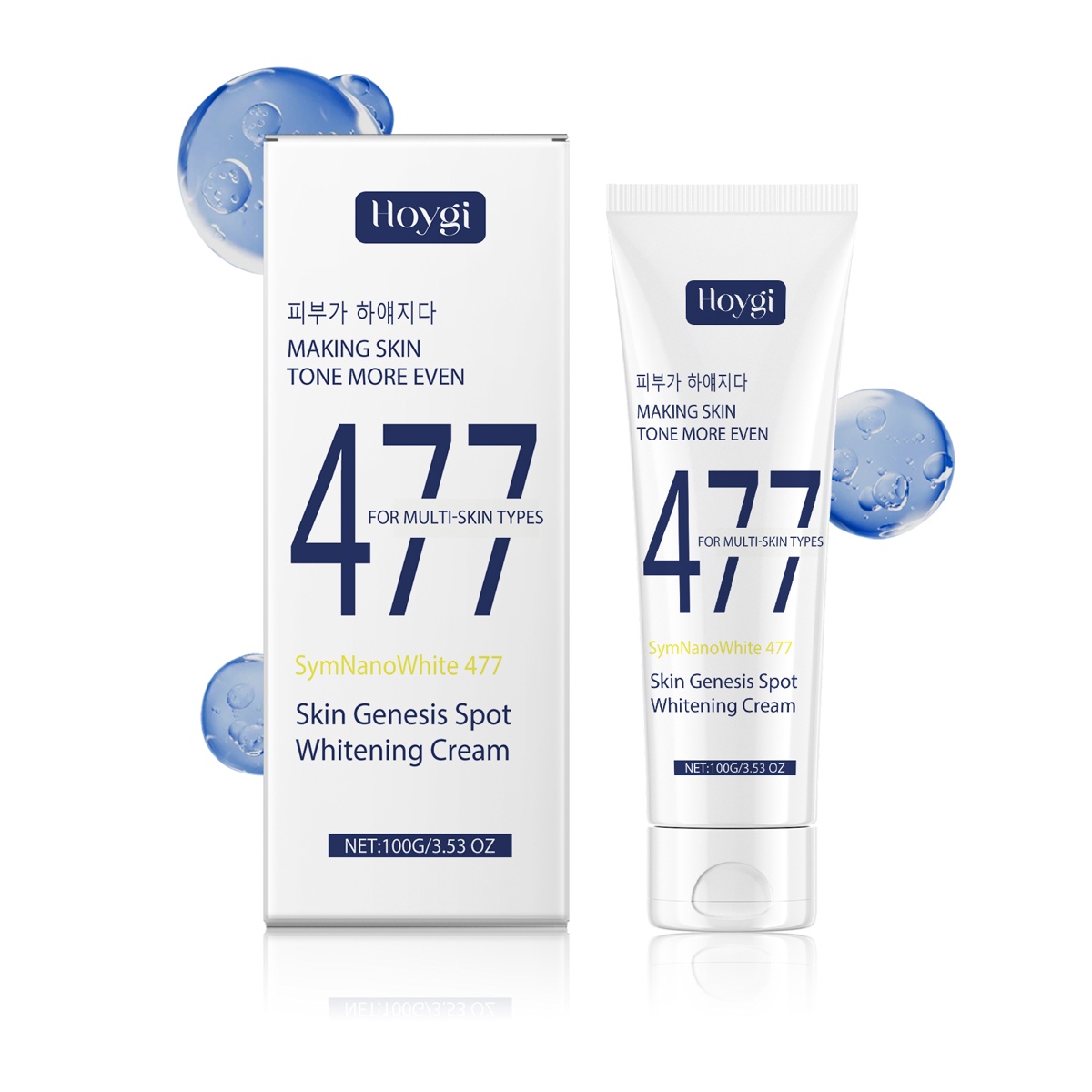 Moisturizing Face Cream Hydrating Nourishing Smooth Soft Skin Repairing Brightening Anti Aging Care Treatment$22.99View on Mallflare
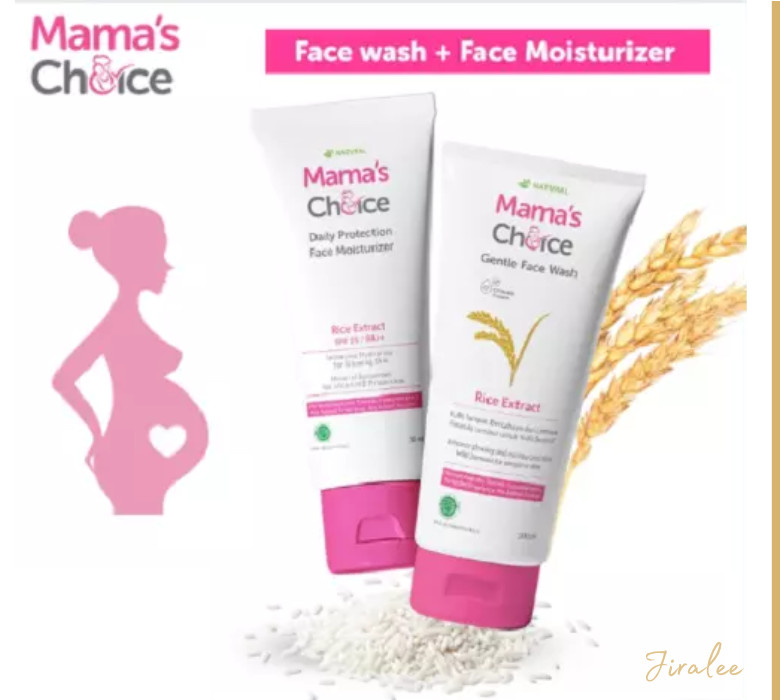 SET Mama's Choice Face Care Pregnancy Face Wash + Moisturizer Reduce Dark Spot$64.00View on eBay
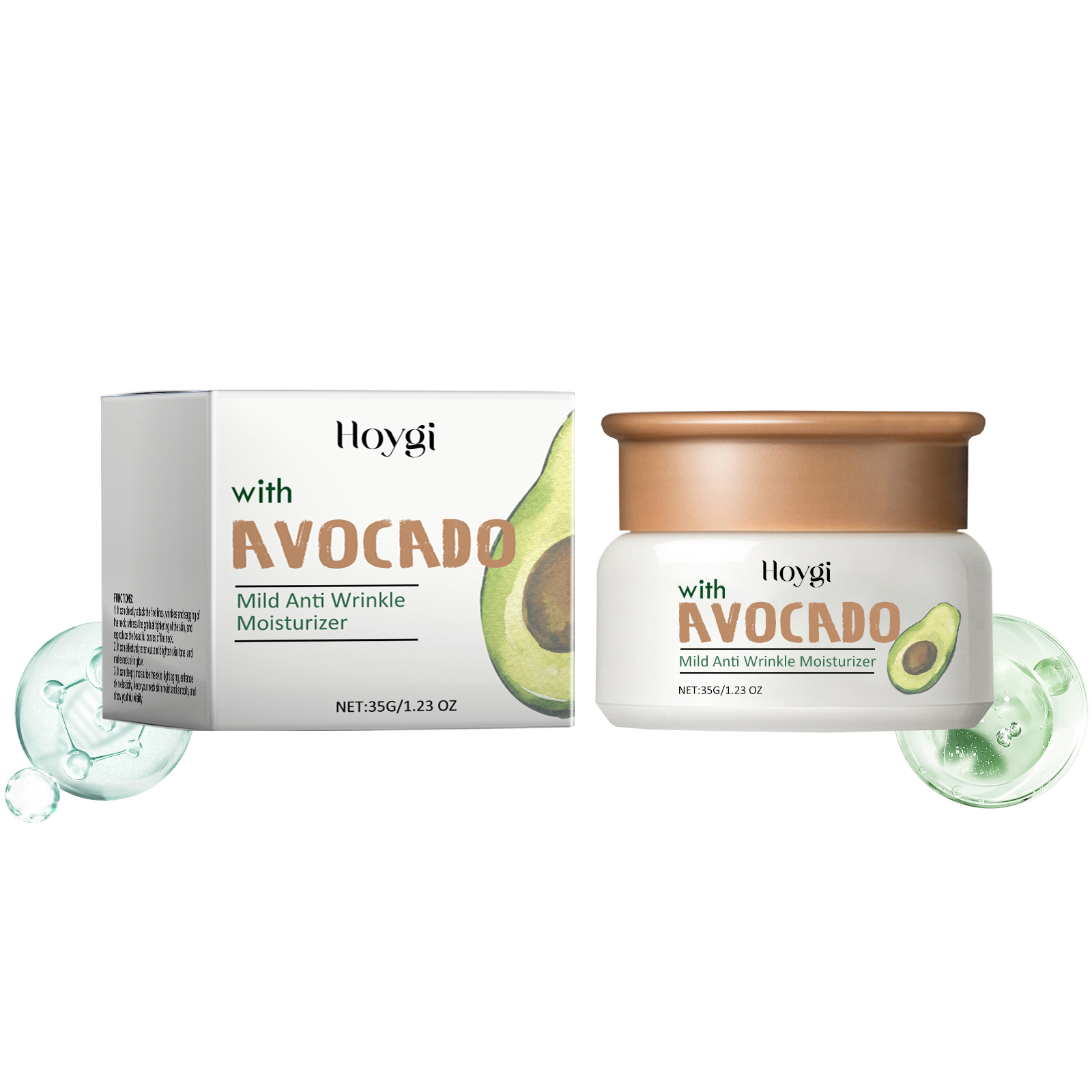 Moisturizing Face Cream Nourishing Hydrating Firming Repairing Soft Smooth Skin Anti Aging Care Treatment$22.99View on Mallflare
Highlights
- Humectants (glycerin, hyaluronic acid) pull water in; emollients (squalane, shea) soften; occlusives (petrolatum, dimethicone) seal—dry skin needs all three, oily skin needs the first two.
- Retinol and vitamin C degrade with light and oxygen; opaque airless pumps or dark glass preserve potency far better than open jars.
- Barrier-repair creams use ceramides in a 3:1:1 ratio with cholesterol and fatty acids; unstructured 'ceramide' labels without this ratio underperform.
- Mature skin benefits from peptides and retinoids, but these require 8–12 weeks of consistent nightly use—day creams should focus on hydration and SPF compatibility.
Best use cases
- Dry or mature skin: pick a rich cream with ceramides, squalane, and glycerin high in the ingredient list; skip gel-creams and oil-free formulas.
- Oily or acne-prone skin: choose a lightweight gel-cream or lotion with hyaluronic acid and niacinamide; skip heavy petrolatum-based balms.
- Daytime use under makeup: select a fast-absorbing, non-pilling cream; reserve thick night balms and occlusive creams for evening only.
Buying tips
- Scan the first five ingredients: water and glycerin are standard; if alcohol denat. appears early, the cream will likely dry rather than hydrate.
- For anti-aging, look for retinol between 0.1% and 0.3% for beginners, or encapsulated retinoids for sensitive skin; avoid jar packaging for these actives.
- Match cream texture to climate: humid summers suit gels and lotions, while cold winters demand occlusive creams with petrolatum or shea butter.
- Fragrance-free formulas are safer for sensitive or reactive skin; 'fruit fragrance' and essential oils add irritation risk with no skincare benefit.
Specs
| Skin Type | Dry / Oily / Combination / Sensitive |
|---|---|
| Texture | Rich cream / Gel-cream / Lotion |
| Key Actives | Retinol / Vitamin C / Ceramides / Peptides |
| Packaging | Airless pump / Jar / Tube |
Related searches
What to check before buying
- Confirm your skin type (dry, oily, combination, sensitive) before choosing texture—rich creams on oily skin cause congestion.
- Check active ingredient compatibility: retinol creams should not be layered with strong acids in the same routine.
- Verify packaging: airless pump or dark glass for retinoids and vitamin C; jars are acceptable only for stable, simple moisturizers.
- For daytime, ensure the cream layers well under sunscreen without pilling by testing a small amount first.
FAQ
Data sources: eBay / Amazon listings and product attribute feeds Data updated Nov 15, 2026.
Some links on this page are affiliate links. If you buy after clicking one, we may earn a commission at no extra cost to you. This does not change which products appear here or their order. Affiliate disclosure.