Photos from current listings. Actual item, color, and included accessories may vary.
Body Cream Buying Guide
Body cream is a leave-on moisturizer formulated for the thicker, drier skin below the neck, built from occlusives, humectants, and emollients in a cream or butter base. The core trade-off is richness versus breathability: heavier butters and petrolatum seal moisture for very dry or compromised skin but feel tacky, while lightweight lotions absorb fast but may not hold through a full day. Durable, effective picks use a balanced humectant-occlusive system, fragrance-free formulas for reactive skin, and a dose size that supports daily full-body use.

At a glance
- Category
- Skincare
- Data updated
- Nov 15, 2026
Current offers
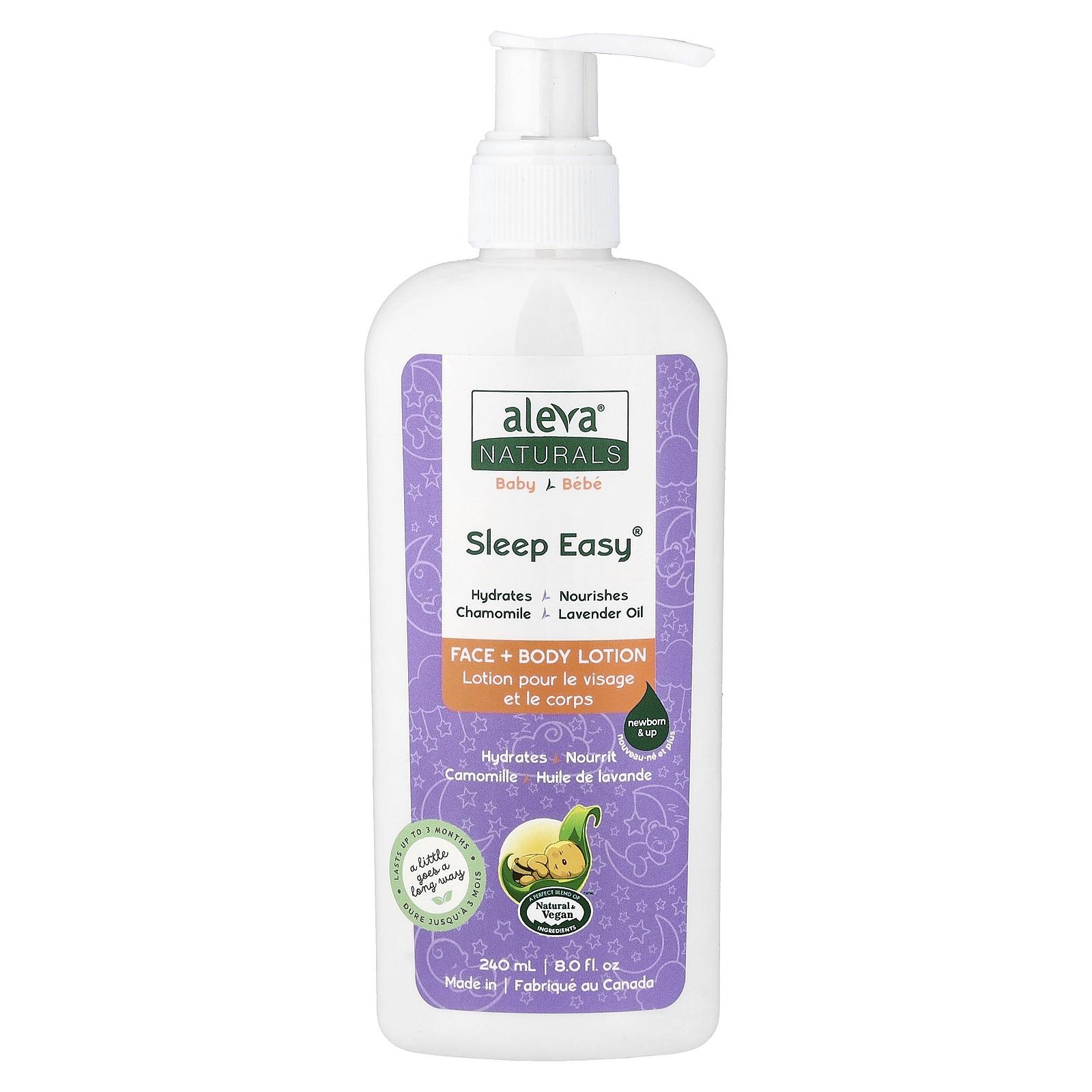 Baby, Sleep Easy®, Face + Body Lotion, 8 fl oz (240 ml)$10.45
 View on eBay
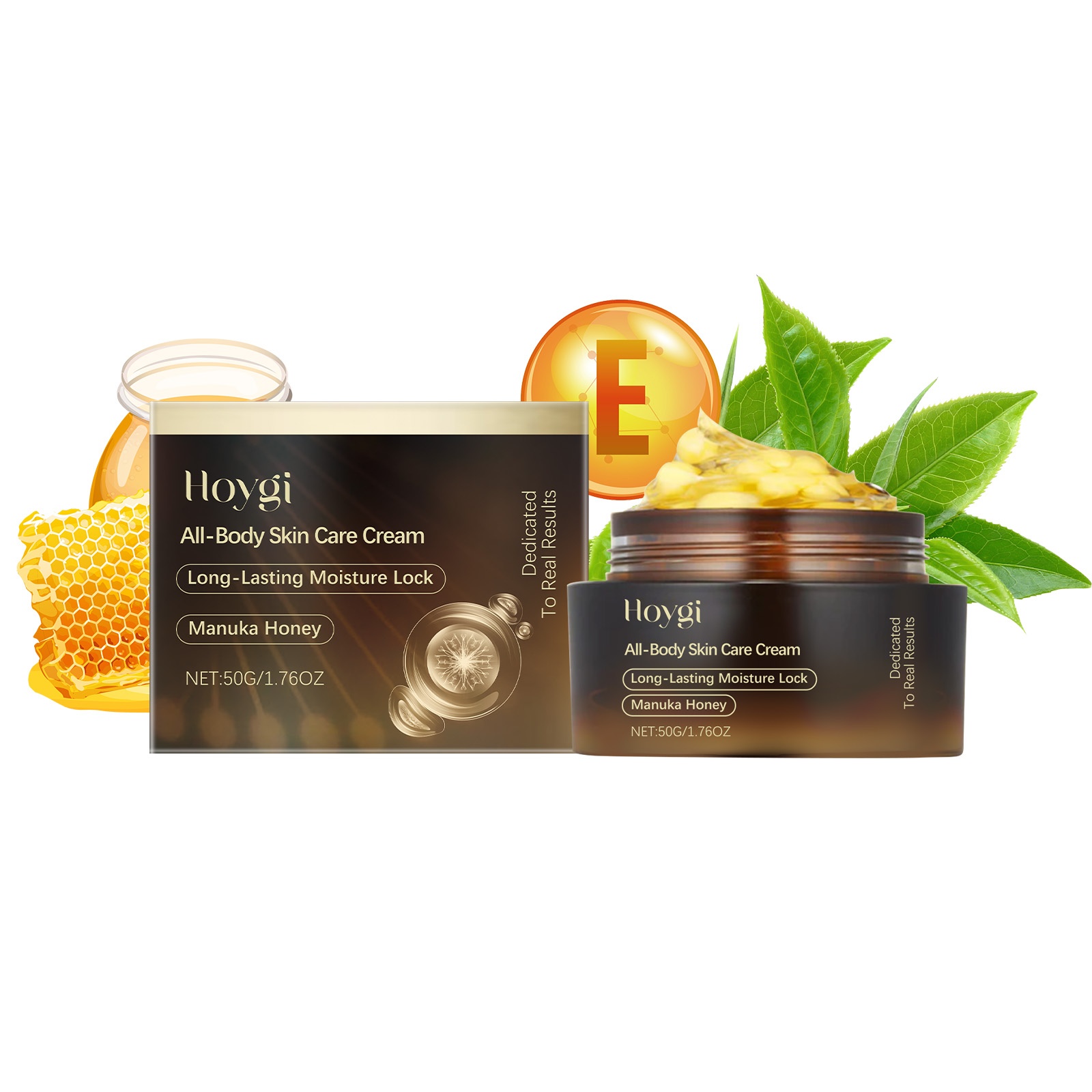 Body Cream Firming Moisturizer$22.99
 View on Mallflare
 Face & Body Moisturizer, Hydrating Moisturizing Cream for Dry to Very Dry, Sensi$21.04View on eBay
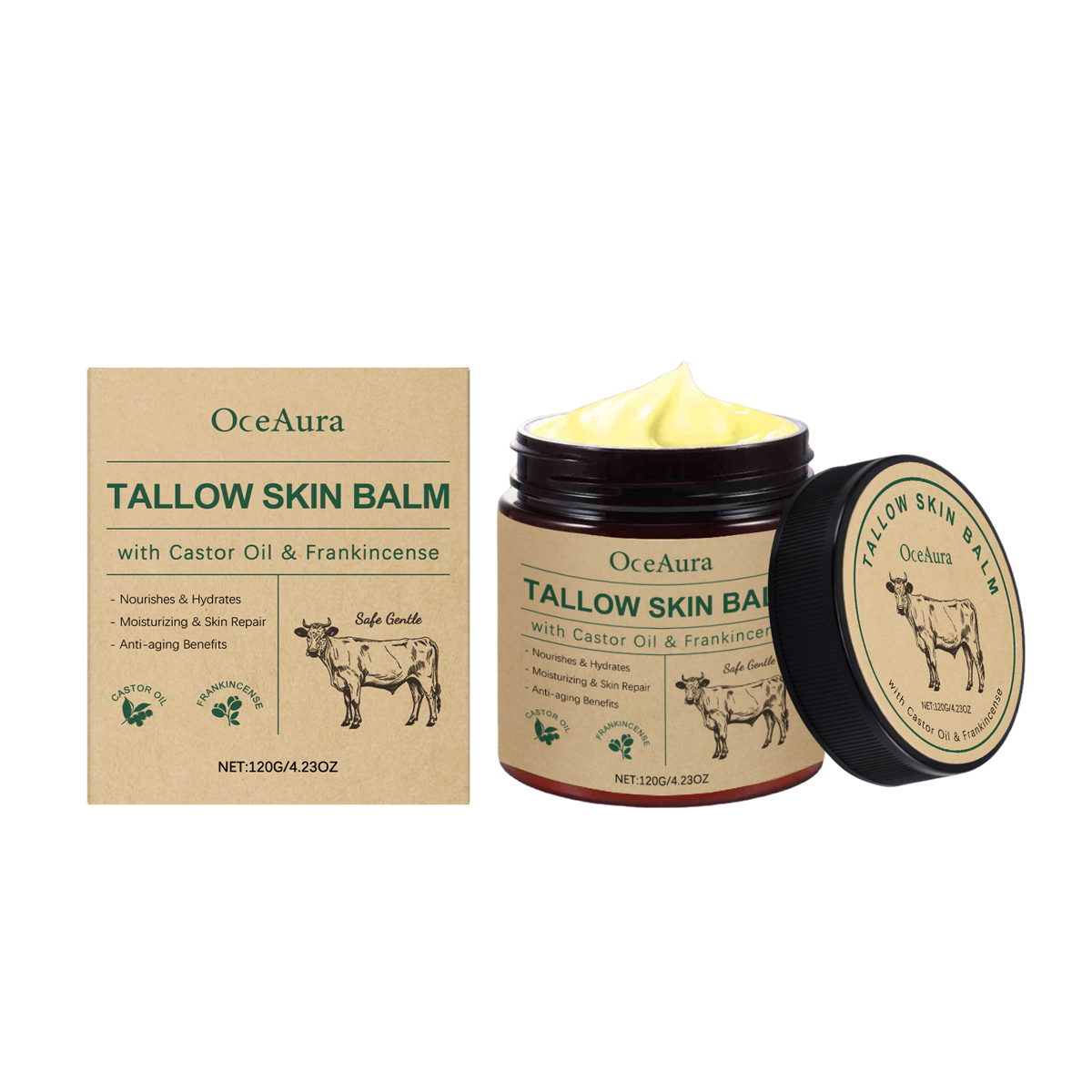 OceAura Butter Moisturizing And Hydrating Cream Moisturizes And Locks In Moisture For Daily Care, Gently Soothing The Face And Body$14.99View on Mallflare
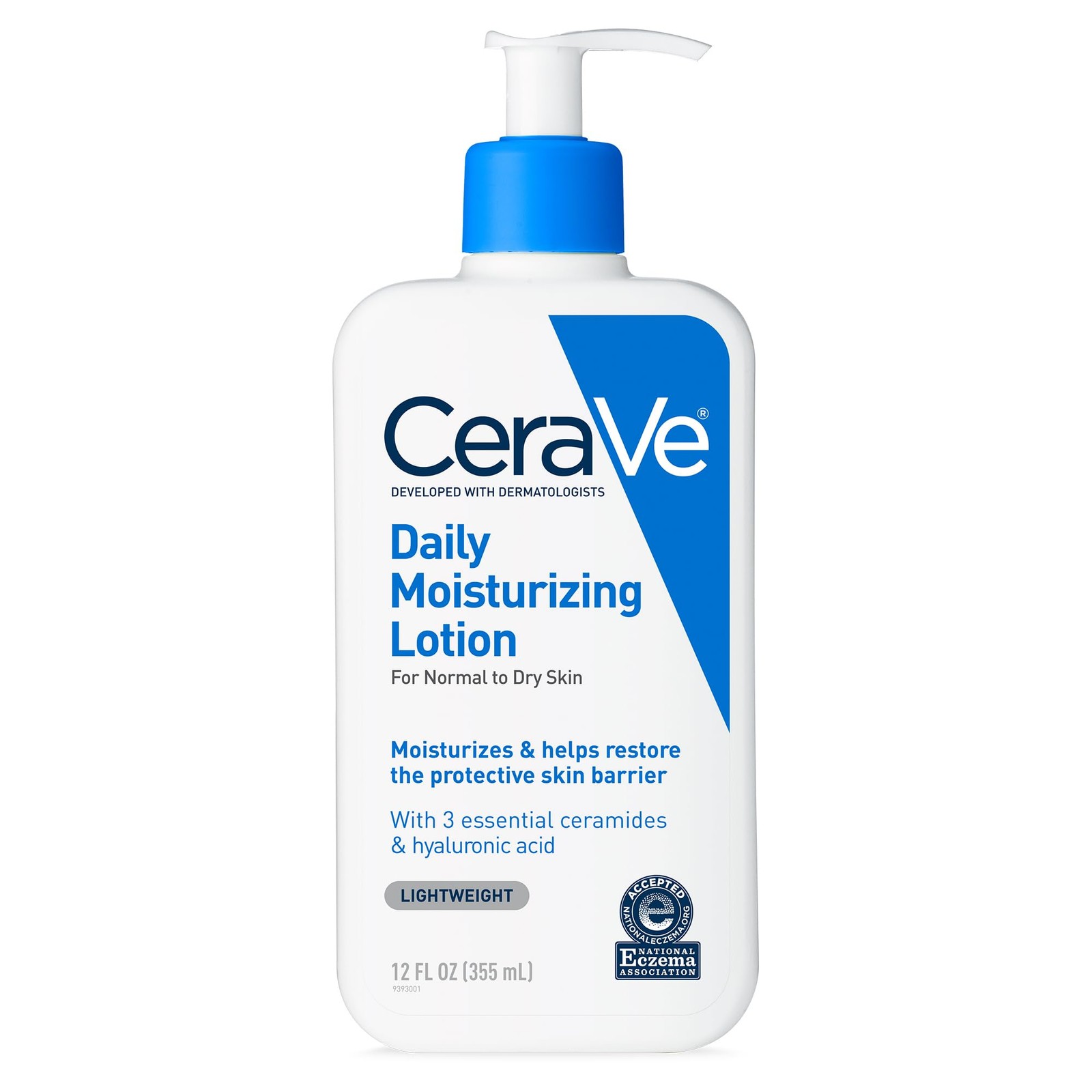 CeraVe Daily Moisturizing Lotion Face and Body Lotion Skin care 12oz Hyaluronic$22.52View on eBay
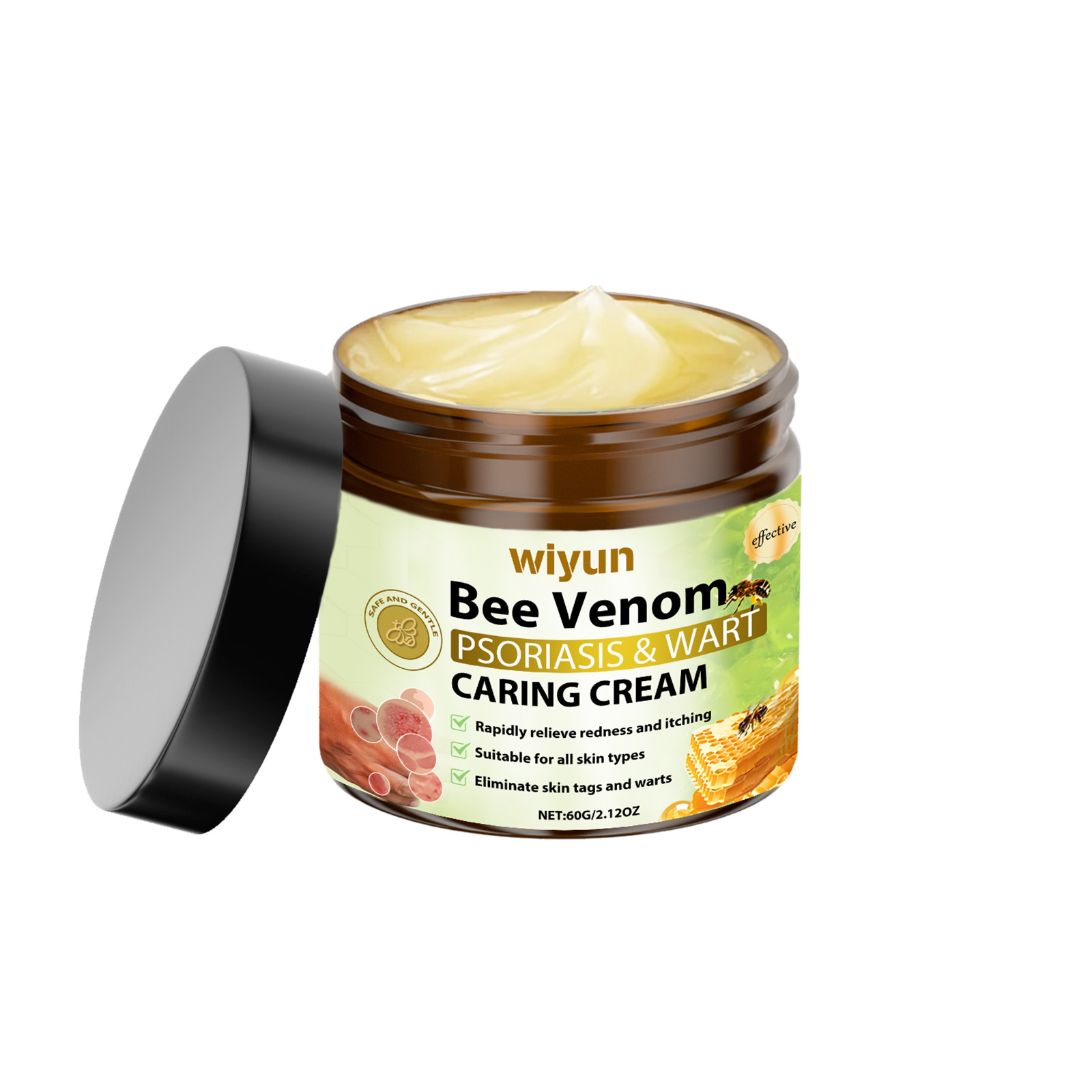 Wiyun Bee Venom Skin Care Cream Gently Nourishes Face And Body$19.99View on Mallflare
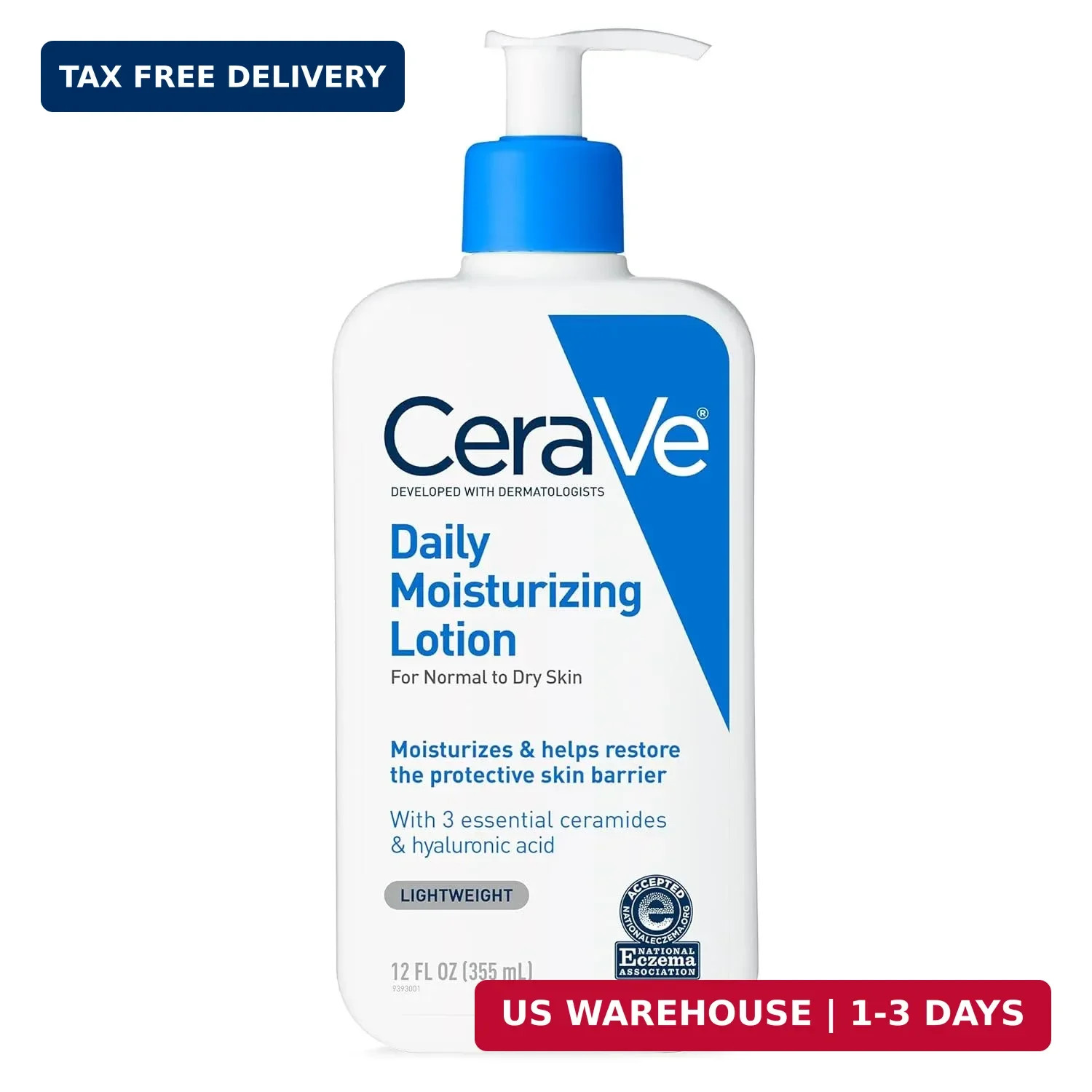 CeraVe Daily Moisturizing Lotion, Face and Body Lotion, Skin care, 12oz | Hyalur$25.26View on eBay
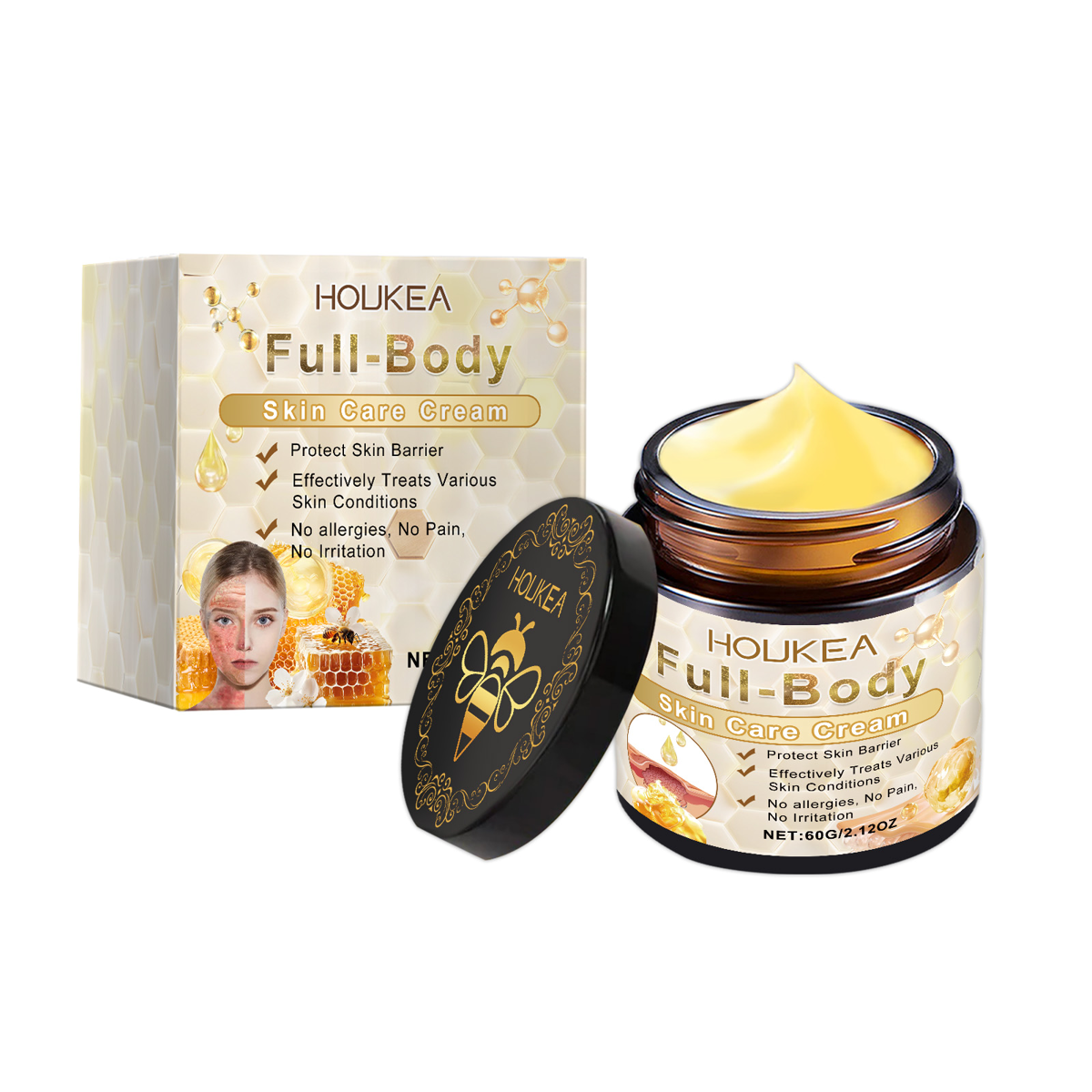 Houkea Bee Venom Skin Care Cream, Gently Nourishes And Moisturizes Daily Smoothing Facial Body$19.99View on Mallflare
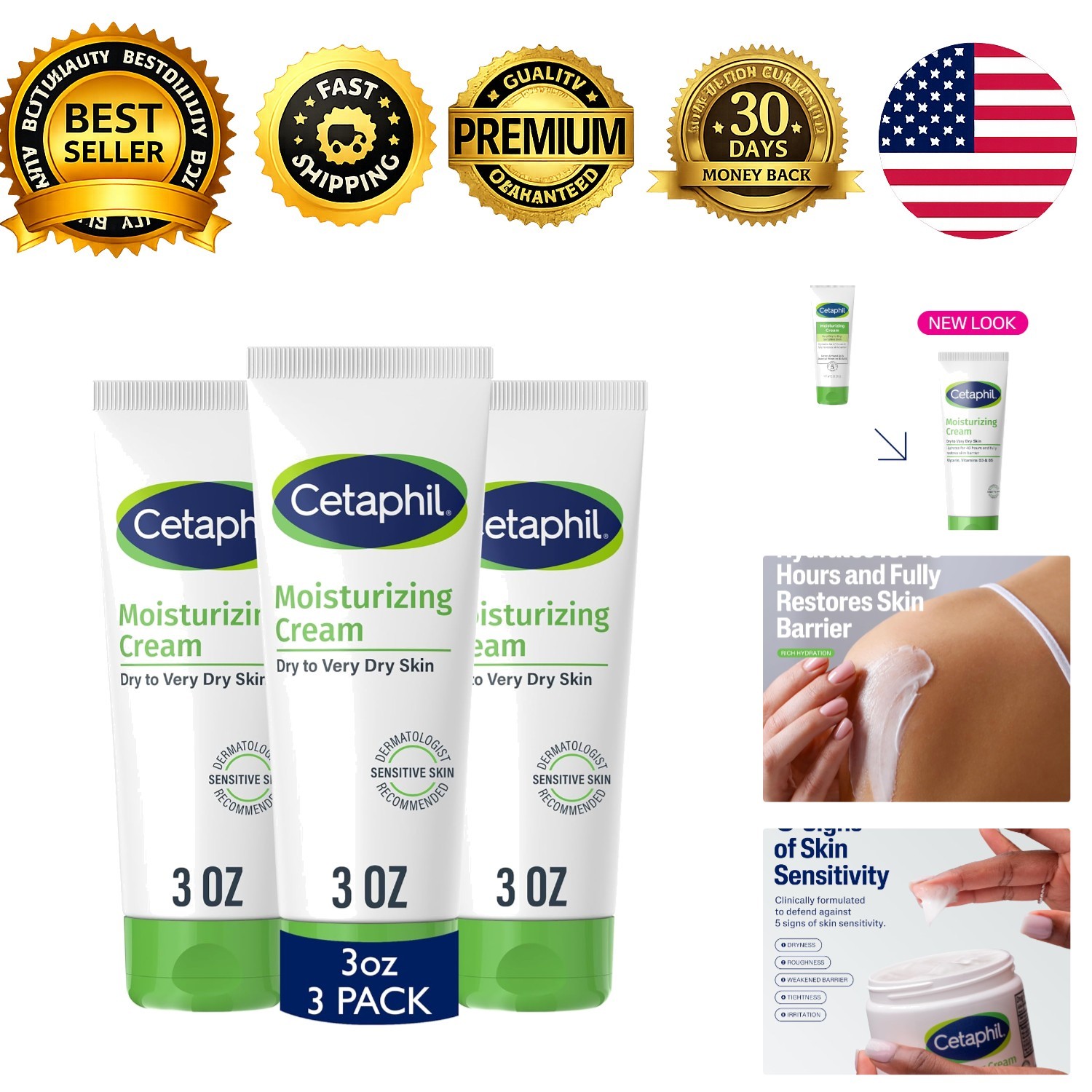 Face and Body Moisturizer Hydrating Cream Fragrance Free 3 oz Pack of 3$29.99View on eBay
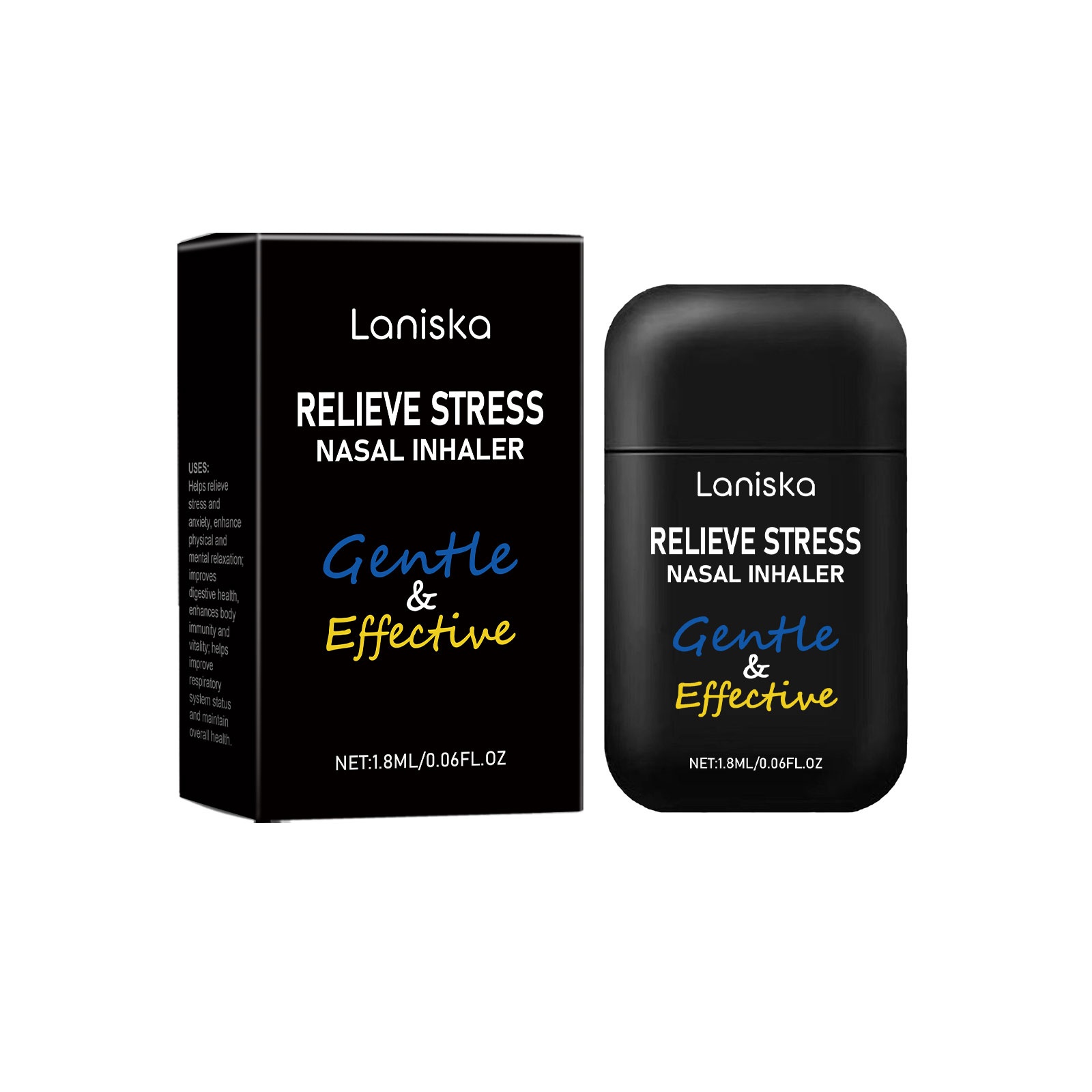 Body Skin Care Cream 1.8ml Daily Moisturizer Non-Greasy Deep Hydration for Everyday Comfort$20.99View on Mallflare
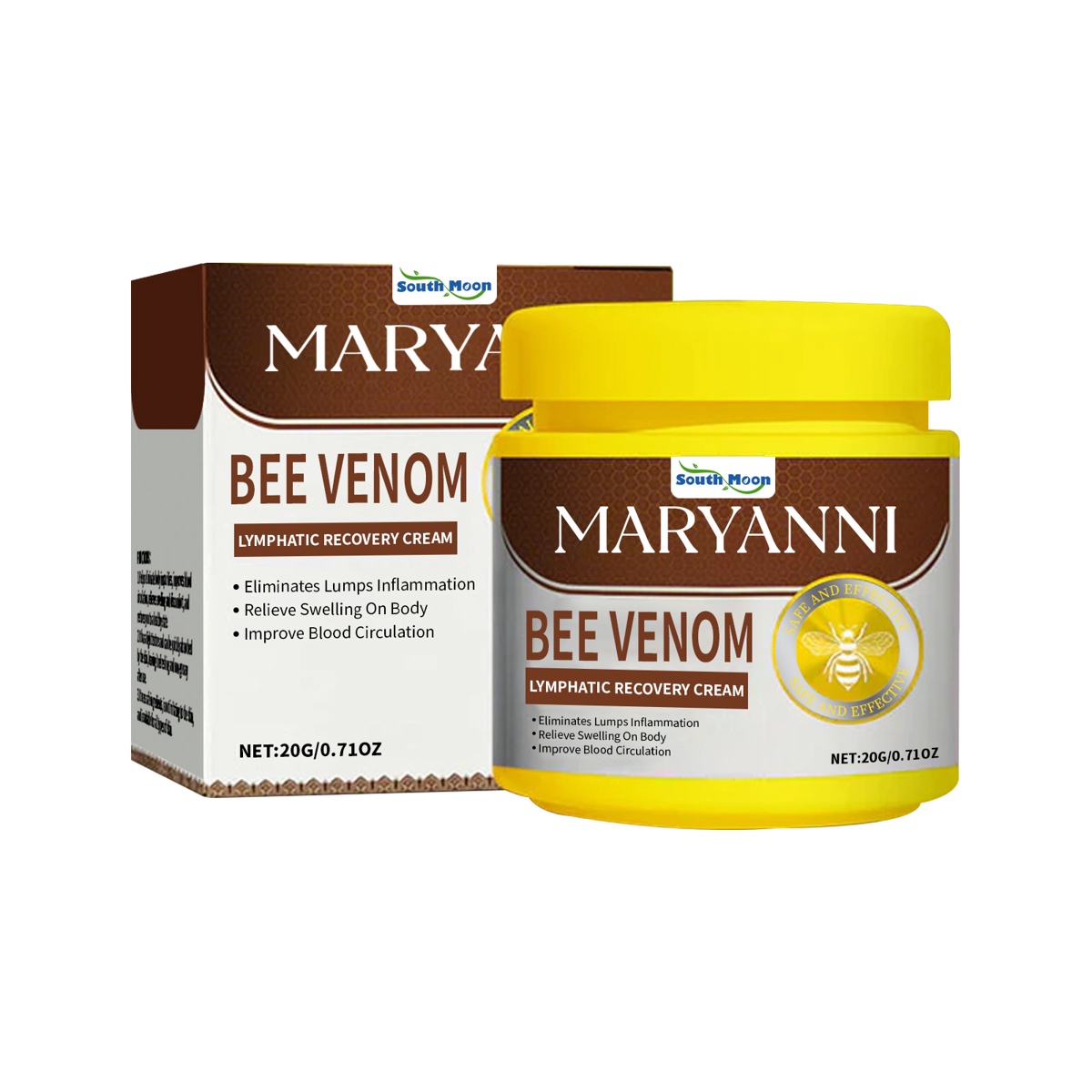 Body Care Skin Cream 20ml Daily Moisturizer Smooth Application Everyday Moisture for Comfort, Product for All Types$22.99View on Mallflare
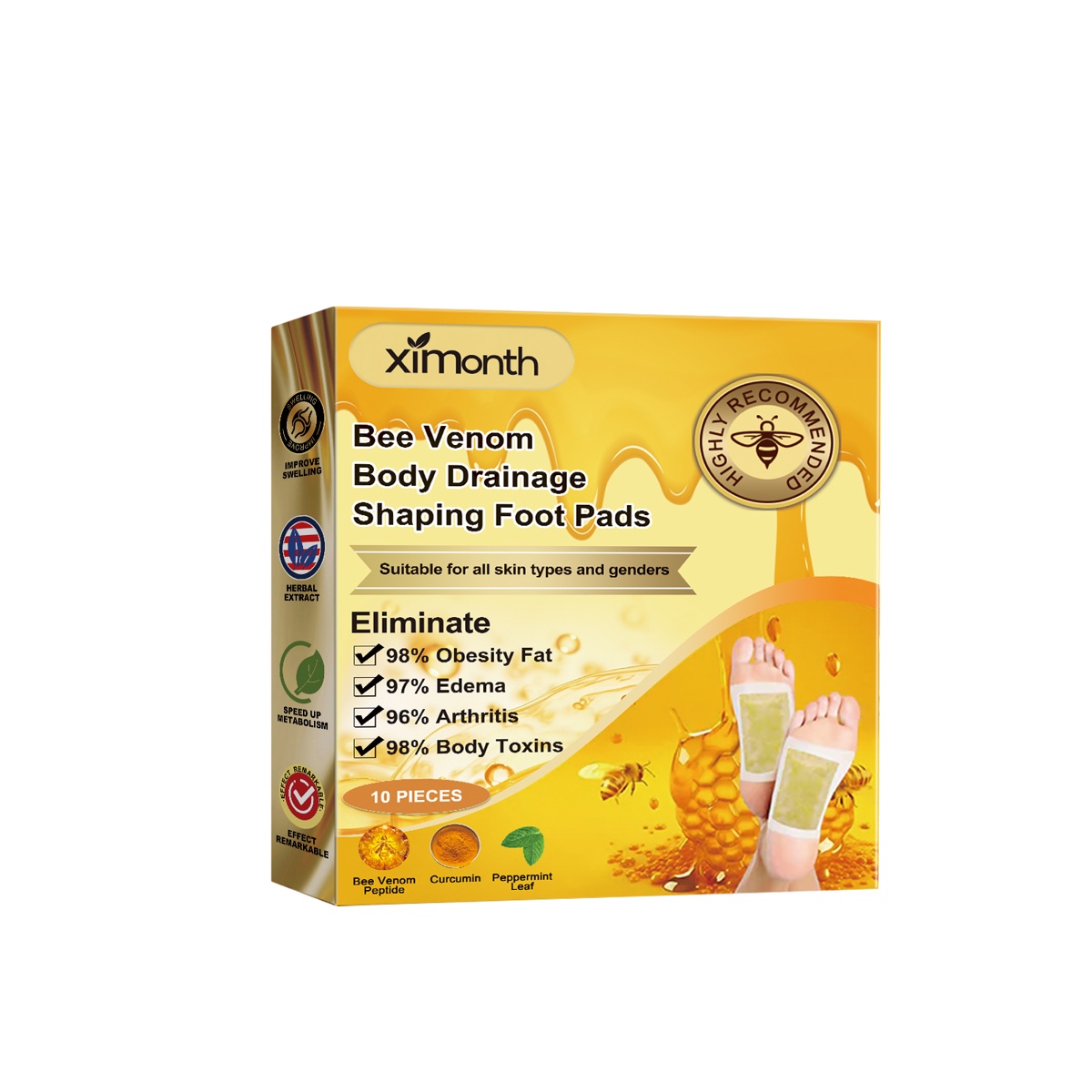 Body Skin Care Cream 10 Pcs Daily Moisturizer Non-Greasy Deep Hydration for Everyday Comfort, Product for All Types$22.99View on Mallflare
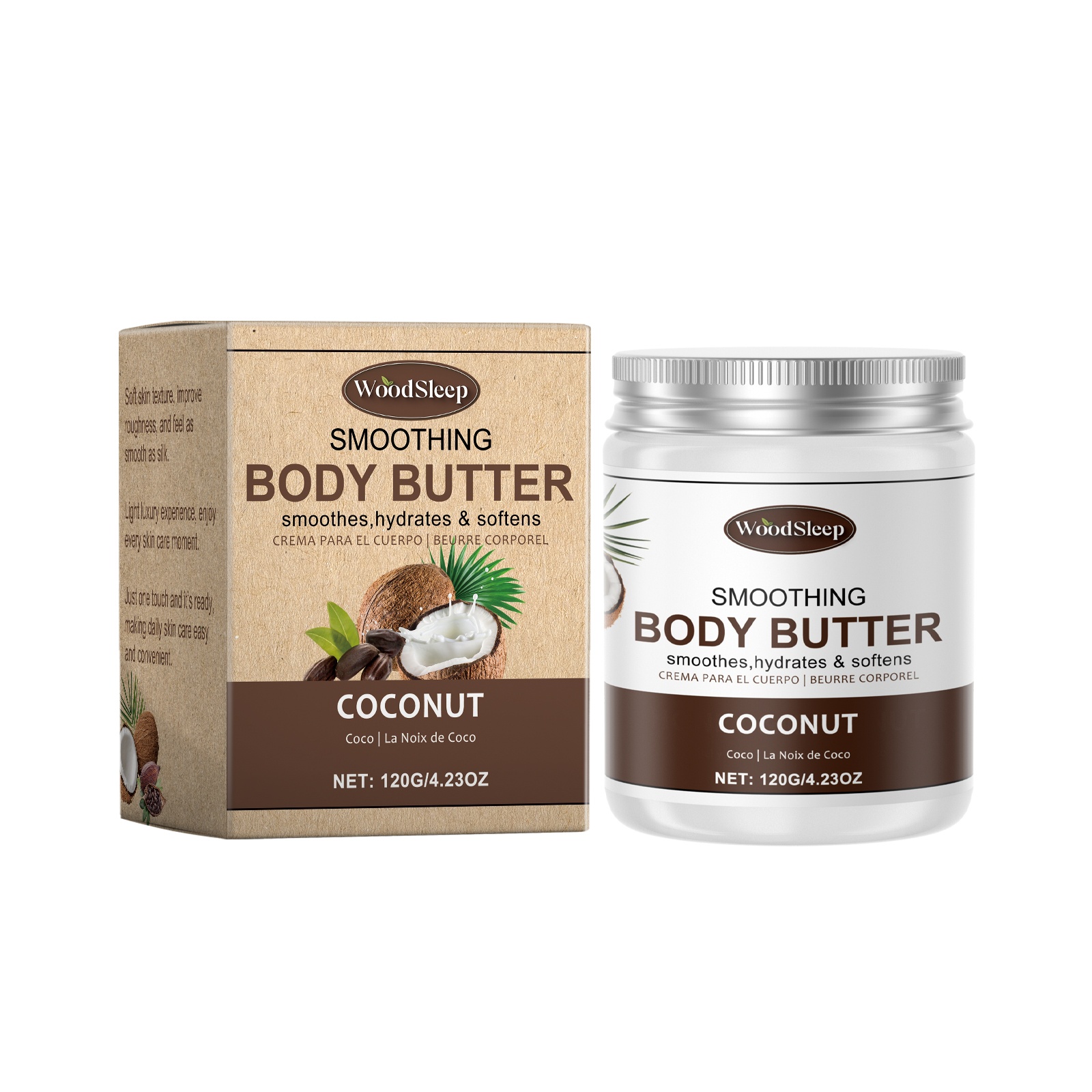 Body Lotion Coconut Moisturizing Butter Cream Treatment Gentle Tender Skin$22.99View on Mallflare
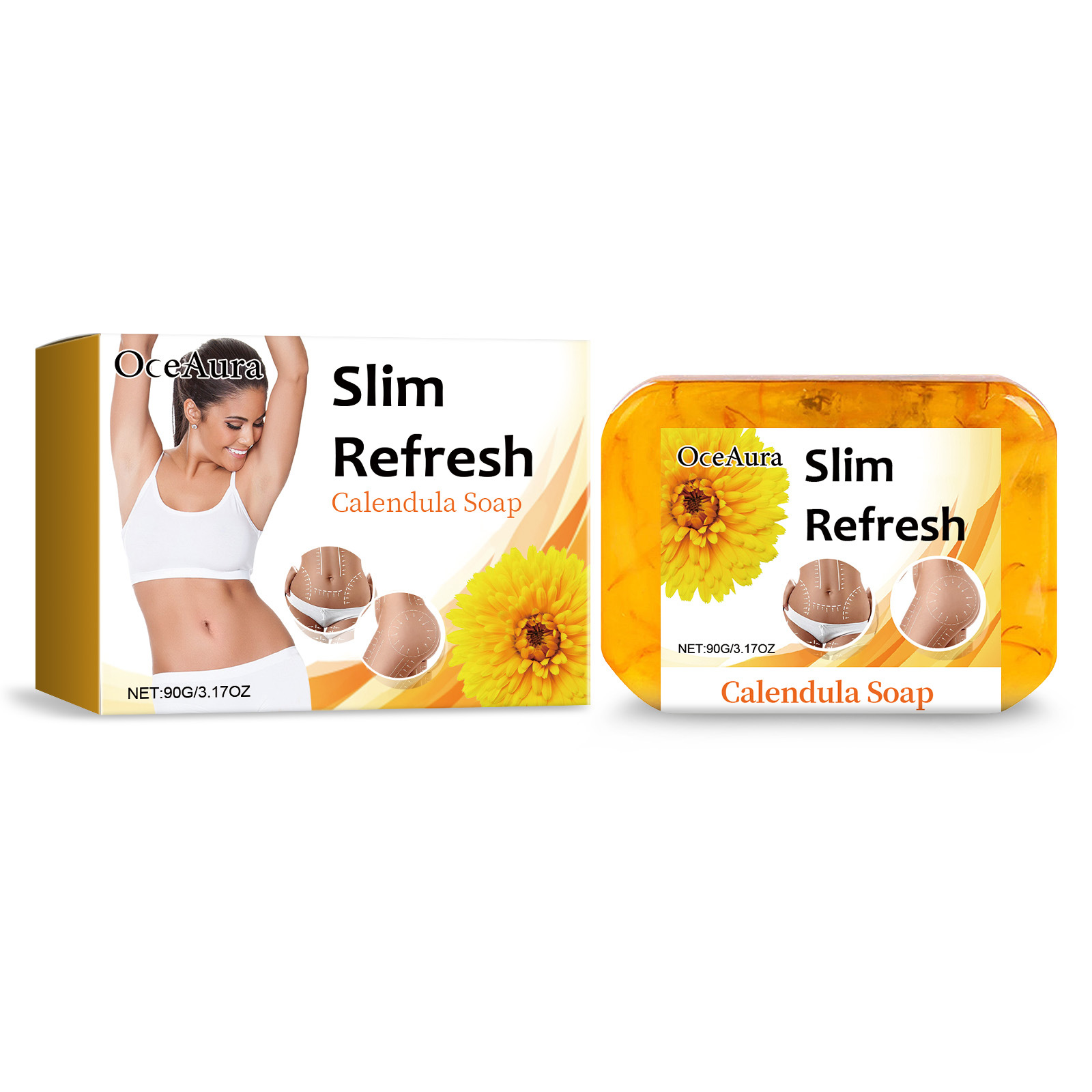 Body Slimming Cream Slim Refresh Calendula Gentle Cleanse Lightweight Nourishing Skin Care Deep Hydration - Perfect for Daily Moisturizing Routine$22.99View on Mallflare
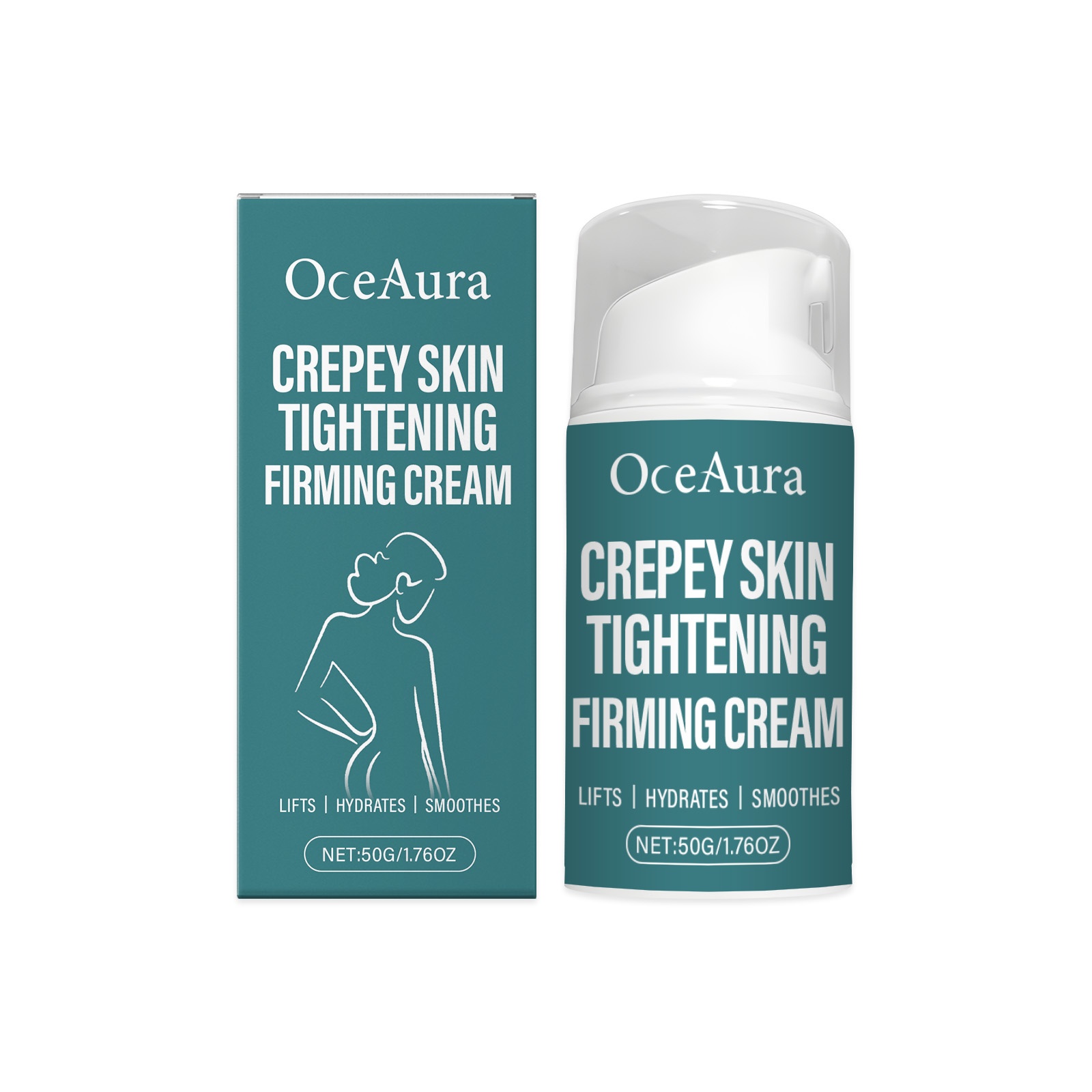 Body Care Product Treatment Cream Moisturizing Firming Skin Hydrating Nourishing Brightening Rejuvenating$22.99View on Mallflare
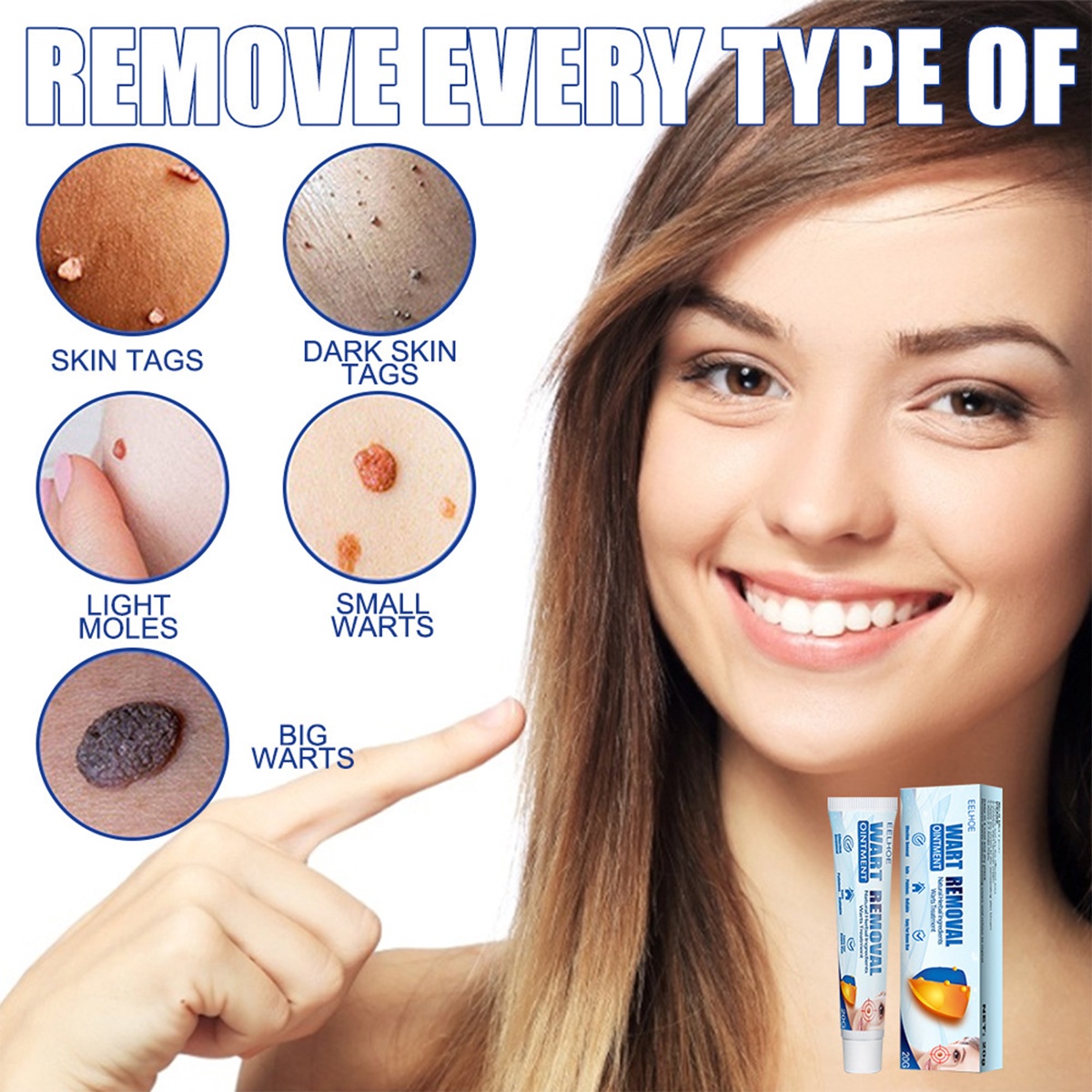 EELHOE Fragrance Removing Cream, Cleansing Skin Repair Care Body Face Removal Label Keyu$39.99View on Mallflare
Highlights
- Occlusive vs humectant balance: petrolatum, shea butter, and dimethicone seal water loss; glycerin and hyaluronic acid pull water in — most effective creams pair both.
- Fragrance-free, dye-free formulas are the reliable choice for sensitive or eczema-prone skin; added fragrance is the most common contact irritant in body creams.
- Cream texture tracks lipid content: lotions are water-dominant and fast-absorbing, creams are oil-dominant and longer-lasting, and butters are the richest for extreme dryness.
- Dose size determines practicality: 240 ml lotions suit daily full-body use, while 10–20 ml tubes and 1.8 ml sachets only cover spot treatment or travel.
Best use cases
- Very dry or flaky skin: pick a fragrance-free cream with petrolatum or shea butter and ceramides in a 240 ml+ size for daily full-body application; skip lightweight lotions and tiny sachets.
- Sensitive or eczema-prone skin: choose a fragrance-free, dye-free cream with glycerin and ceramides; avoid bee-venom or botanical-extract novelty creams that add irritant risk.
- Rough heels, elbows, and knees: use a urea or shea butter cream in a concentrated tube for spot treatment; do not expect a 1.8 ml sachet to cover full-body needs.
- Oily or normal skin on the body: select a non-greasy lotion or light cream that absorbs quickly; heavy butters will feel occlusive and tacky under clothing.
Buying tips
- Match formula to skin type: water-based lotions for normal skin, oil-based creams for dry skin, and petrolatum-rich butters for very dry or cracked skin.
- Read the ingredient order: glycerin near the top signals a strong humectant; petrolatum or shea butter high in the list signals heavy occlusive protection.
- Choose fragrance-free if skin is reactive; fragrance is the leading cause of contact allergy in leave-on body products.
- Buy 240 ml or larger for daily full-body use — a full-body application typically uses 5–10 ml, so a small tube lasts only days.
Specs
| Formula Base | Lotion vs Cream vs Butter |
|---|---|
| Key Actives | Ceramides / Urea / Glycerin |
| Fragrance | Fragrance-free vs Scented |
| Container Size | 240 ml+ full-body; 50 ml spot |
Related searches
What to check before buying
- Confirm the cream is labeled for body use — face creams are formulated lighter and may not provide enough occlusion for legs and arms.
- Check the ingredient list for known allergens (fragrance, essential oils, bee venom) if you have sensitive skin.
- Verify the container size suits your routine: 240 ml+ for daily full-body, 50–100 ml for targeted use, sachets only for travel.
- Ensure the product is fragrance-free and dye-free if you have eczema or diagnosed contact dermatitis.
FAQ
Data sources: eBay / Amazon listings and product attribute feeds Data updated Nov 15, 2026.
Some links on this page are affiliate links. If you buy after clicking one, we may earn a commission at no extra cost to you. This does not change which products appear here or their order. Affiliate disclosure.