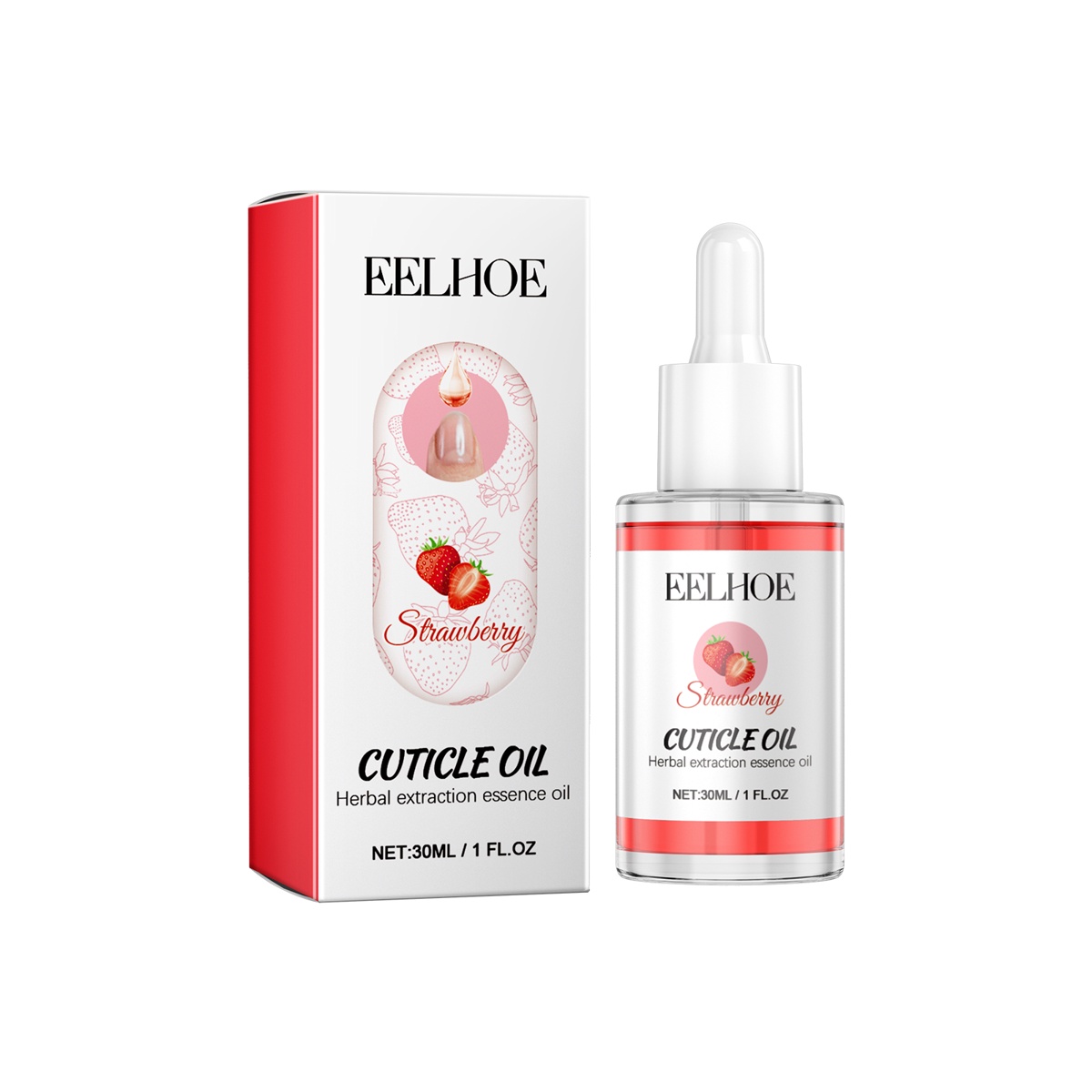

Photos from current listings. Actual item, color, and included accessories may vary.
Nail Strengthening Treatment Buying Guide
Nail strengthening treatments are leave-on or rinse-off formulations—base coats, strengtheners, and cuticle/nail oils—built to reduce peeling, splitting, and breakage by delivering film-formers, keratin-binding proteins, or moisture-sealing lipids. The primary trade-off is film-building structural reinforcement (hardeners with formaldehyde or formalin-free crosslinkers) versus moisture and lipid replenishment (jojoba, squalane, panthenol), which fixes flexibility but not brittle hardness. The decision rule: for peeling and softness, pick a protein/calcium-free oil or cream with humectants; for splitting and breakage, pick a formaldehyde-free strengthener with a 7-14 day reapplication cycle.


At a glance
- Category
- Nail Care & Manicure
- Data updated
- Nov 15, 2026
Current offers
Highlights
- Formaldehyde-free strengtheners use dimethyl urea or tosylamide/formaldehyde resin alternatives; traditional hardeners rely on formaldehyde at 1-5% and demand weekly removal to prevent protein hardening.
- Cuticle oils with jojoba (wax ester) and squalane penetrate the nail plate better than mineral-oil blends; humectant base coats with glycerin or panthenol improve flexibility, not hardness.
- Base-coat strengtheners with nylon or silk fibers add physical cross-linking and should be reapplied every 2-3 days for a cumulative 7-14 day layer build.
- Nail repair creams with 2-5% biotin or keratin and urea at 5-10% soften thick, dry nails; high-water-content products need a sealing oil or balm on top to prevent evaporative moisture loss.
Best use cases
- Best fit: soft, peeling nails from gel or acrylic removal—choose a formaldehyde-free strengthener plus a jojoba/squalane cuticle oil applied twice daily; skip traditional formaldehyde hardeners that over-harden and worsen peeling.
- Best fit: splitting, brittle nails from frequent water exposure—use a protein-free humectant base coat with panthenol under polish and a urea 5-10% cream at night; skip fibered strengtheners if nails are already rigid.
- Best fit: dry cuticles and rough free edges—pick a cuticle oil with jojoba and squalane and use it 2-3 times daily; skip cosmetic cuticle creams with high alcohol or fragrance that dry the nail plate.
- Wrong fit: fungal or discolored nails—strengthening treatments do not treat onychomycosis; use antifungal lacquer or see a clinician instead of cosmetic hardeners.
Buying tips
- Match the active to the defect: peeling and softness require film-formers and humectants (nylon, panthenol); splitting and brittleness require formaldehyde-free crosslinkers (dimethyl urea) at 1-5% and weekly reapplication.
- For daily-wear base coats, select water-based or 5-free formulas (no toluene, formaldehyde, DBP, camphor, xylene) to avoid nail-plate dehydration during repeated polish cycles.
- Cuticle oils: choose jojoba or squalane as the first ingredient; avoid mineral-oil-first blends that sit on the surface and do not penetrate the nail plate.
- Treatment cycle math: apply strengthener every 2-3 days for 7-14 days, then remove fully with non-acetone remover; continuous layering beyond 14 days causes lifting and white spots.
Specs
| Mechanism | Crosslinker vs humectant film |
|---|---|
| Formaldehyde | Free (<1%) vs 1-5% hardener |
| Key Actives | Jojoba, squalane, panthenol, urea |
| Cycle | Every 2-3 days / 7-14 days |
Related searches
What to check before buying
- Confirm your nail type (soft/peeling vs brittle/splitting) before selecting a hardener or humectant formula; the two mechanisms are not interchangeable.
- Check the ingredient panel for formaldehyde or formalin if you have sensitive skin or nail-bed irritation; choose 5-free or formaldehyde-free labeling.
- For oil/cream treatments, verify the first three ingredients include jojoba, squalane, or panthenol; mineral oil or petrolatum-first blends are sealants, not penetrants.
- Ensure you have a non-acetone remover and a cuticle balm or sealing oil if using a water-based strengthener, so the treatment layer is removed and moisture is locked in each cycle.
FAQ
Data sources: eBay / Amazon listings and product attribute feeds Data updated Nov 15, 2026.
Some links on this page are affiliate links. If you buy after clicking one, we may earn a commission at no extra cost to you. This does not change which products appear here or their order. Affiliate disclosure.