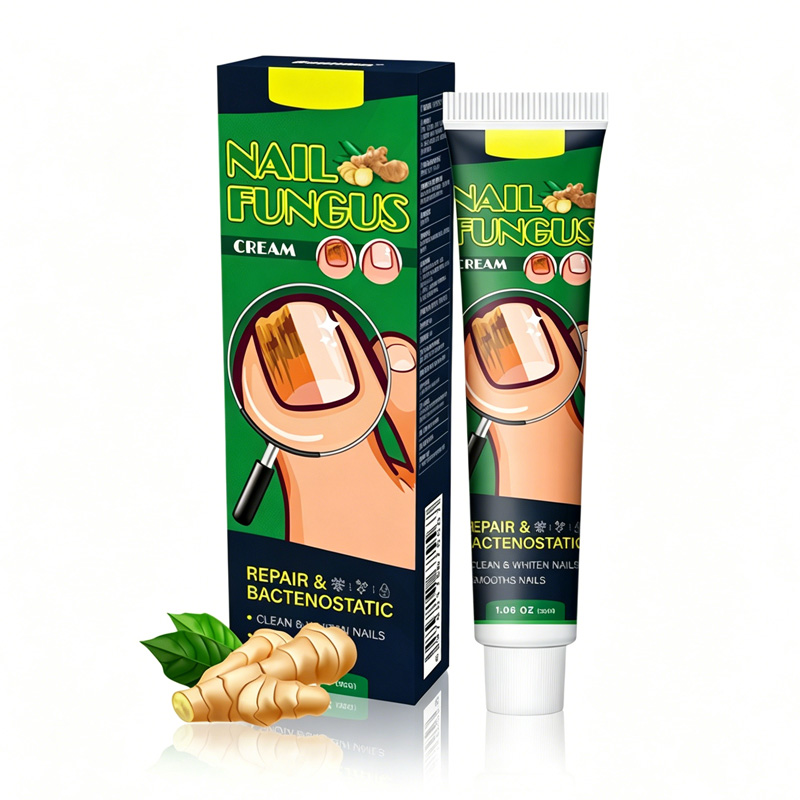

Photos from current listings. Actual item, color, and included accessories may vary.
Nail Fungus Treatment Buying Guide
Nail fungus treatments fall into topical antifungals (creams, oils, lacquers) and oral prescription drugs, with the key trade-off being cure rate versus treatment duration and systemic risk. Topicals work best for mild-to-moderate surface infections and early nail involvement; oral terbinafine or itraconazole is required for moderate-to-severe cases with matrix involvement. The decision rule: if more than 50% of the nail or the matrix is affected, skip OTC topicals and see a prescriber for oral therapy.


At a glance
- Category
- Nail Care & Manicure
- Data updated
- Nov 15, 2026
Current offers
Highlights
- Topical antifungals penetrate poorly through the hard keratin nail plate; efficacy depends on formulation (lacquer vs cream vs oil) and infection depth.
- Terbinafine 250 mg daily for 6 weeks (fingernails) or 12 weeks (toenails) achieves 70-80% mycological cure; itraconazole pulse therapy is an alternative.
- OTC products containing undecylenic acid or tolnaftate are approved for skin, not nail plate; only ciclopirox 8% lacquer and efinaconazole 10% are FDA-approved for onychomycosis.
- Nail avulsion or debridement improves topical penetration by removing infected keratin; chemical or surgical removal is often needed for severe cases.
Best use cases
- Best fit for OTC topical: early-stage infection limited to distal nail edge, no matrix involvement, few nails affected.
- Wrong fit for OTC topical: matrix involvement (lunula), >50% nail involvement, or immunocompromised status — see a podiatrist or dermatologist.
- Best fit for oral therapy: moderate-to-severe onychomycosis confirmed by KOH or culture, multiple nails, or failure of topical therapy.
- Wrong fit for oral therapy: liver disease, heart failure, or interacting medications (terbinafine inhibits CYP2D6) — require baseline LFTs and drug review.
Buying tips
- Choose FDA-approved nail lacquers (ciclopirox 8%, efinaconazole 10%) over cosmetic oils or creams; only these have clinical evidence for nail plate penetration.
- For topical creams, look for undecylenic acid 25% or tolnaftate 1% for skin involvement; these do not cure nail plate infection alone.
- Oral terbinafine requires a prescription and baseline liver function tests; it is contraindicated in chronic liver disease.
- Debridement or nail thinning before topical application increases penetration; pair lacquer with monthly podiatry debridement for better outcomes.
Specs
| Active Ingredient | Ciclopirox / Efinaconazole / Terbinafine |
|---|---|
| Treatment Duration | Topical: 12 mo toenail; Oral: 12 wk |
| FDA Nail Approval | Ciclopirox 8% lacquer; Efinaconazole 10% |
| Severity Limit | Topical: <50% nail, no matrix |
Related searches
What to check before buying
- Assess infection extent: if matrix (lunula) is involved or >50% of nail is affected, OTC topicals are unlikely to cure — seek prescription therapy.
- Check for comorbidities: diabetes, peripheral vascular disease, or immunosuppression require medical evaluation before self-treatment.
- Confirm the product is FDA-approved for onychomycosis (ciclopirox lacquer, efinaconazole) rather than a cosmetic oil or cream.
- For oral therapy, arrange baseline liver function tests and review drug interactions (terbinafine, itraconazole) with a prescriber.
FAQ
Data sources: eBay / Amazon listings and product attribute feeds Data updated Nov 15, 2026.
Some links on this page are affiliate links. If you buy after clicking one, we may earn a commission at no extra cost to you. This does not change which products appear here or their order. Affiliate disclosure.