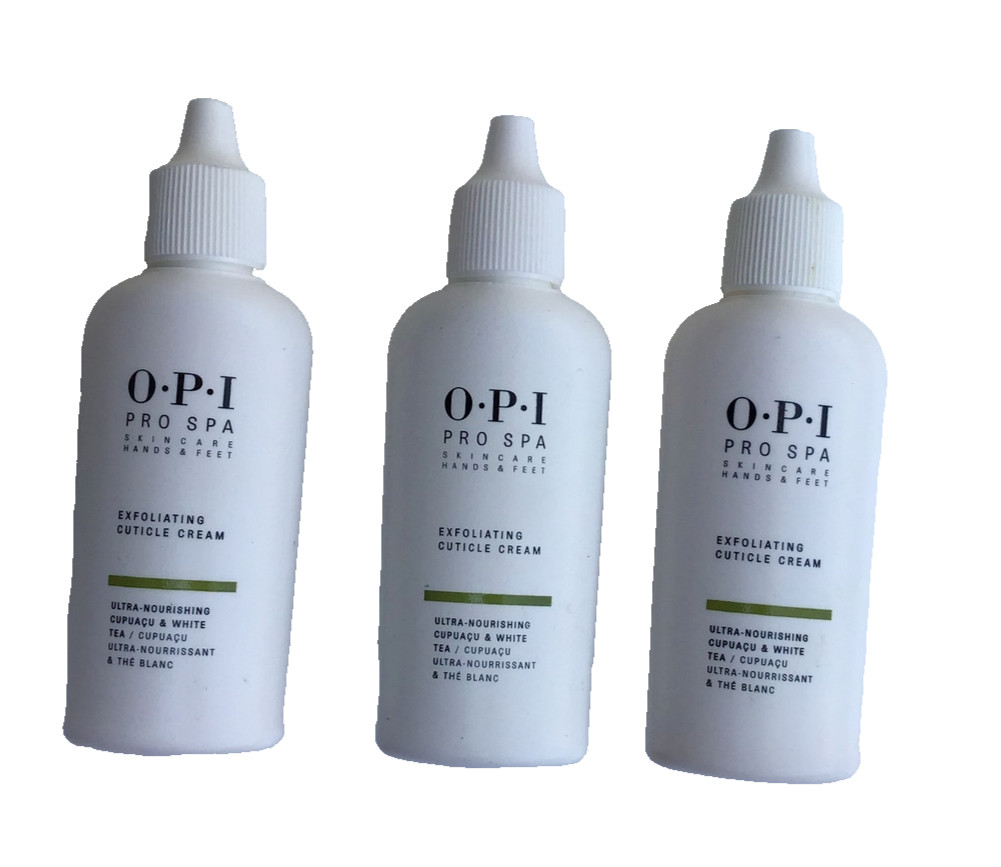

Photos from current listings. Actual item, color, and included accessories may vary.
Cuticle Treatment Buying Guide
Cuticle treatments fall into three functional classes—exfoliating creams that dissolve dead tissue, oil-based moisturizers that restore lipid barriers, and water-based softeners that swell and condition the cuticle plate. The primary trade-off is between immediate mechanical cleanup (acid or enzyme exfoliants, which can over-strip if not buffered) and long-term flexibility and barrier repair (jojoba, squalane, and urea formulations). Durability here is not about hardware but about formulation stability and ingredient compatibility: choose exfoliating creams for weekly removal of hardened cuticle, and oil-based moisturizers for daily maintenance and prevention of hangnails and splitting.


At a glance
- Category
- Nail Care & Manicure
- Data updated
- Nov 15, 2026
Current offers
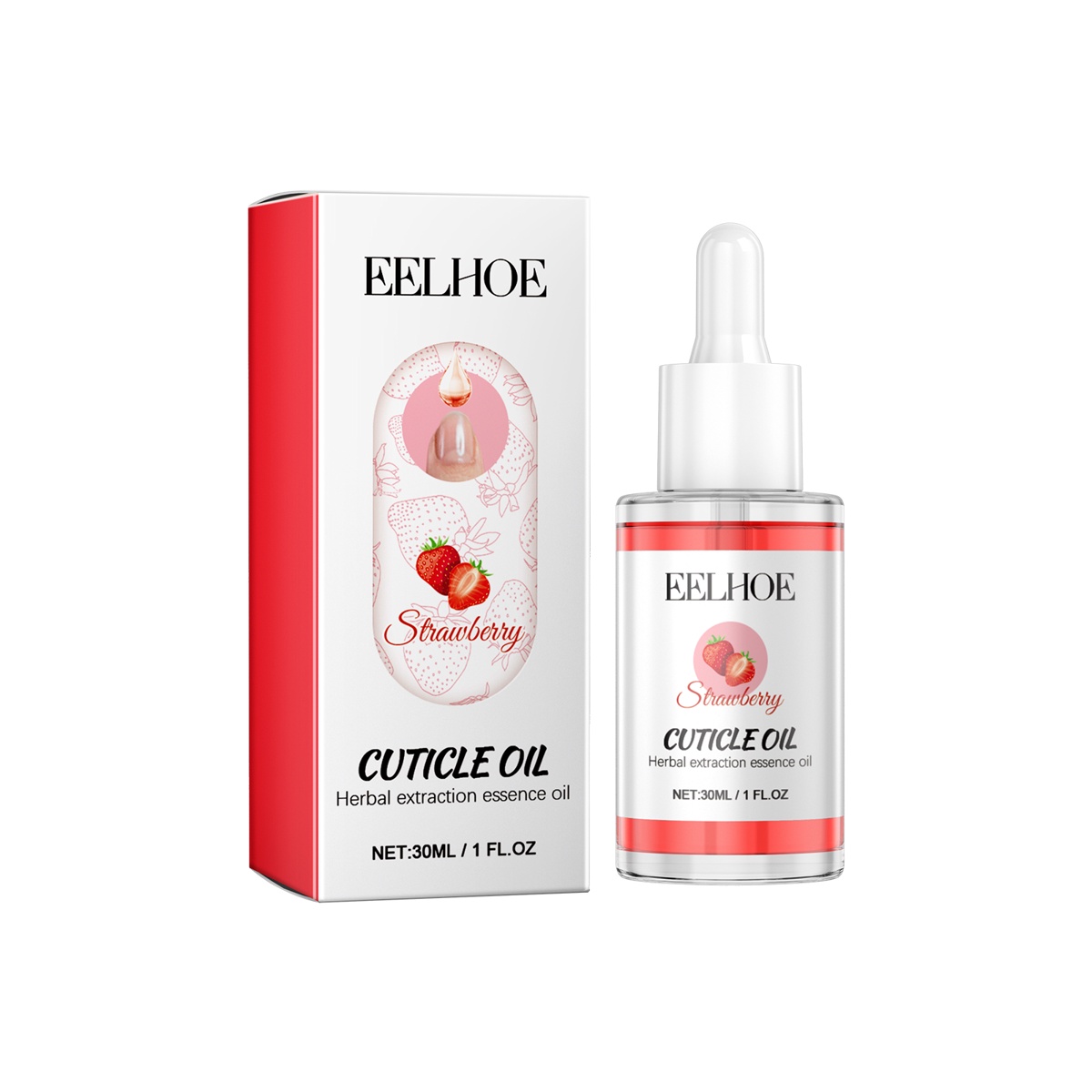
Highlights
- Urea at 10–20% concentration acts as a keratolytic humectant, breaking down hyperkeratotic cuticle tissue while retaining moisture; below 10% it is mostly a humectant, above 20% it becomes a strong exfoliant.
- Jojoba oil closely mimics sebum because it is a liquid wax ester, penetrating the nail plate and cuticle crevice without leaving a greasy film; squalane offers lighter, faster-absorbing emollience for daytime use.
- Lactic acid, salicylic acid, and fruit enzymes in exfoliating cuticle creams loosen dead cells at the cuticle rim; concentrations of 5–10% lactic or 0.5–2% salicylic are typical for gentle weekly removal, while higher levels risk irritation.
- Oil-based products are water-free and need no preservatives, so they have longer shelf stability; water-based creams and gels require broad-spectrum preservative systems and should be used within 6–12 months of opening.
Best use cases
- Best fit for daily maintenance and hangnail prevention: choose a jojoba or squalane cuticle oil in a pen or dropper format—skip exfoliating creams unless you have visible thick, cracked cuticle buildup.
- Best fit for weekly cleanup of hardened cuticle rings: choose a urea 10–20% or lactic-acid cream applied for 5–10 minutes, then push back gently with a silicone or wooden tool; do not use high-acid creams more than once weekly.
- Wrong fit for anyone with sensitive or eczema-prone skin: skip salicylic-acid exfoliants and high-urea creams, and choose unfragranced squalane or jojoba oil instead.
- Best fit for post-manicure night care: a thin layer of cuticle balm under cotton gloves or socks locks in moisture overnight; a light oil drop is sufficient for daytime.
Buying tips
- For exfoliation, match the active to the condition: urea 10–20% for thick, callused cuticle; lactic acid 5–10% for mild flaking; salicylic acid 0.5–2% for oily or acne-prone skin around the nail.
- Choose water-free oil formulations if you want a product that doubles as a nail-plate strengthener—jojoba and squalane penetrate the plate, while mineral oil sits on the surface and provides only occlusion.
- Cross-check ingredient order: in an oil blend, the first-listed oil is the bulk carrier; look for jojoba or squalane in the top three positions rather than lightweight diluents like caprylic/capric triglyceride alone.
- For portability, a brush-pen applicator delivers a metered drop directly into the cuticle crevice; dropper bottles are more economical for home use but risk over-dispensing and mess.
Specs
| Active Exfoliant | Urea 10–20% / Lactic 5–10% / Salicylic 0.5–2% |
|---|---|
| Base Carrier | Jojoba / Squalane oil vs water-based cream |
| Application Format | Brush pen / dropper / tube cream / balm |
| Fragrance | Fragrance-free vs essential-oil scented |
Related searches
What to check before buying
- Confirm your current nail routine: if you already use a 10%+ urea hand cream, adding a separate exfoliating cuticle cream risks over-treatment—choose a plain oil instead.
- Check for fragrance and essential oils if you have sensitive skin or rosacea; unfragranced squalane or jojoba are the safest baseline.
- Verify the product format suits your application method: pens for precise cuticle-line dosing, creams for massage-and-wipe-off exfoliation, and balms for overnight occlusion.
- Store oils away from direct sunlight and heat to prevent rancidity; water-based creams should be used within the stated period after opening (typically 6–12 months).
FAQ
Data sources: eBay / Amazon listings and product attribute feeds Data updated Nov 15, 2026.
Some links on this page are affiliate links. If you buy after clicking one, we may earn a commission at no extra cost to you. This does not change which products appear here or their order. Affiliate disclosure.