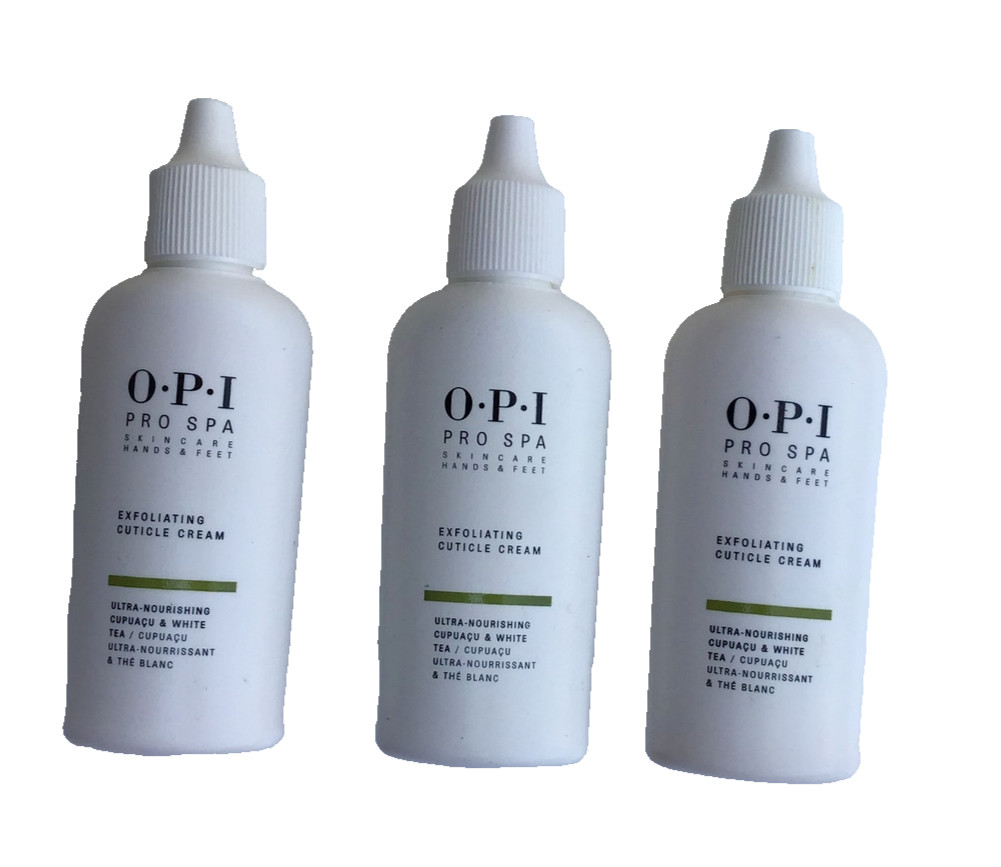

Photos from current listings. Actual item, color, and included accessories may vary.
Cuticle Cream Buying Guide
Cuticle cream is a leave-on emollient treatment formulated to soften dry cuticle tissue and nail folds, distinct from rinse-off exfoliants or water-light oils. The core trade-off is occlusion versus breathability: petrolatum and beeswax-heavy balms seal moisture for severe splitting, while water-based cream and jojoba oil absorb fast for daily maintenance. The decision rule is simple: pick a heavy balm for compromised, cracked cuticles and a light cream or oil for maintenance and daytime wear.


At a glance
- Category
- Nail Care & Manicure
- Data updated
- Nov 15, 2026
Current offers
Highlights
- Waterless balms use petrolatum, beeswax, or lanolin as the leading ingredient and sit on the skin to stop transepidermal water loss for 4-8 hours.
- Water-based creams list water or aloe first, absorb in under a minute, and rely on humectants like glycerin plus a light dimethicone barrier.
- Jojoba oil is a wax ester with a molecular size close to human sebum, so it penetrates the nail plate and cuticle faster than mineral oil blends.
- Urea at 10-20% is a keratolytic humectant that breaks down hardened callus and cuticle scale, while 5% urea suits normal maintenance.
Best use cases
- Best fit: overnight repair for cracked, hangnail-prone cuticles — choose a petrolatum or beeswax balm and apply a thick layer before bed.
- Best fit: daytime office and hand-wash-heavy routines — choose a water-based cream with glycerin that absorbs without grease on keyboards or phones.
- Best fit: post-manicure maintenance and nail-plate strengthening — choose a jojoba- or squalane-based oil pen for portability.
- Wrong fit to skip: a heavy balm used before gripping a steering wheel or typing; it transfers and leaves residue — use a light cream instead.
Buying tips
- Read the first three ingredients: petrolatum, beeswax, or lanolin first means a heavy overnight balm; water or aloe first means a daytime cream.
- Choose 10-20% urea only for thick callus and hardened cuticle scale; stick to 5% or humectant-only formulas for normal or sensitive nail folds.
- Prefer jojoba, squalane, or shea butter over mineral oil and fragrance-heavy blends, which sit on the surface and can irritate compromised skin.
- In dry winter climates pick an occlusive balm; in humid climates a glycerin cream with dimethicone is enough to prevent over-occlusion and maceration.
Specs
| Base Type | Water-based cream vs waterless balm |
|---|---|
| Key Occlusive | Petrolatum / beeswax / lanolin |
| Active Humectant | Glycerin / urea 5-20% |
| Oil Phase | Jojoba / squalane / shea |
Related searches
What to check before buying
- Confirm the format matches your routine slot: tube balm for overnight, pump cream for desk use, oil pen for purse and travel.
- Check the ingredient list for fragrance, essential oils, or methylisothiazolinone if you have sensitive skin or eczema-prone nail folds.
- Allow 5-10 minutes of absorption time before handling fabric, keyboards, or nail polish to avoid transfer and smudging.
- Match the occlusiveness to your climate: heavy petrolatum balm for cold dry winters, lighter cream for humid summers.
FAQ
Data sources: eBay / Amazon listings and product attribute feeds Data updated Nov 15, 2026.
Some links on this page are affiliate links. If you buy after clicking one, we may earn a commission at no extra cost to you. This does not change which products appear here or their order. Affiliate disclosure.