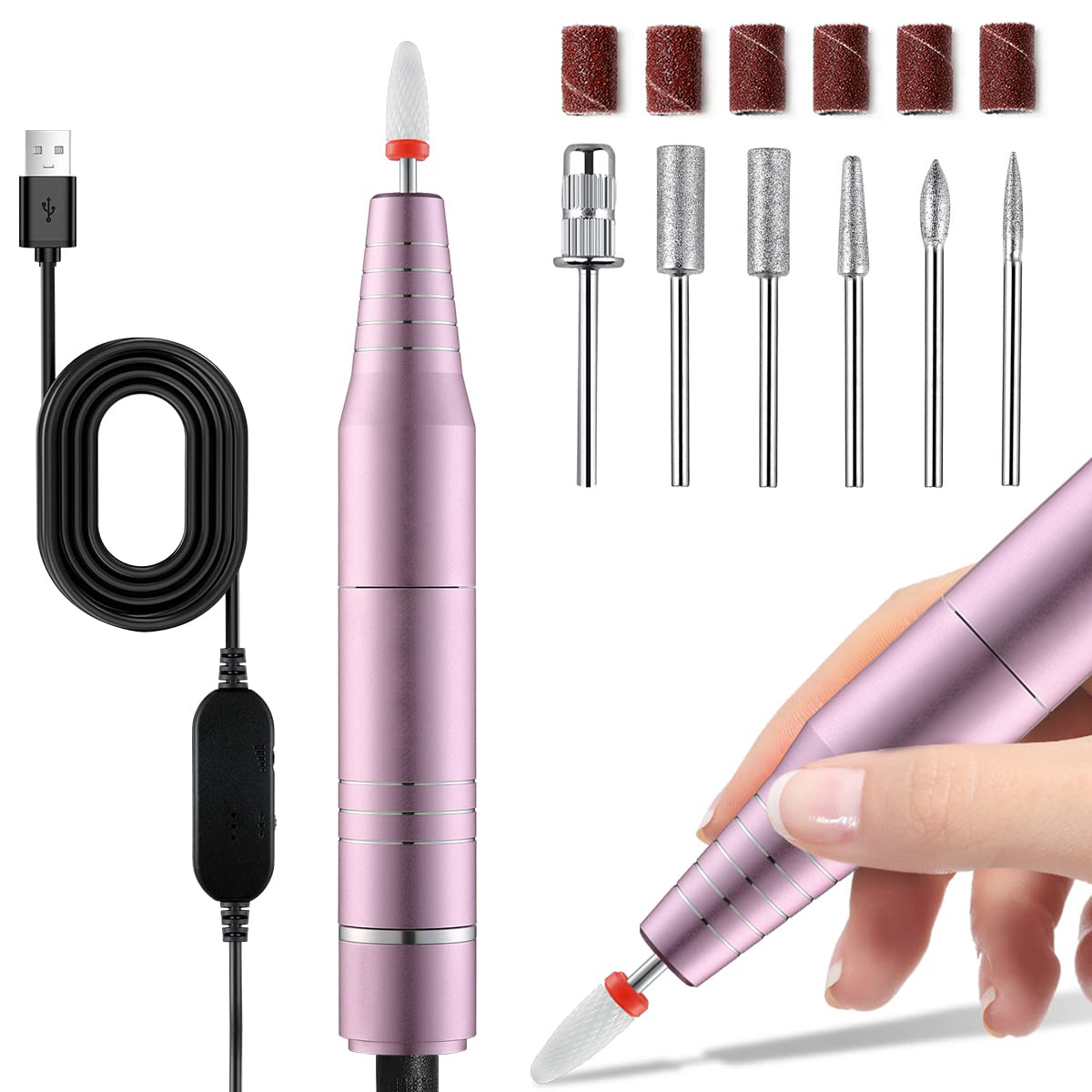

Photos from current listings. Actual item, color, and included accessories may vary.
Acrylic Nail Art Buying Guide
Acrylic nail art is a two-part liquid-and-powder sculpting system that cures by chemical polymerization, not UV light, and its durability hinges on monomer quality, powder-to-liquid ratio, and file grit discipline. The primary trade-off is between EMA (ethyl methacrylate) monomer for flexibility and strength versus MMA (methyl methacrylate) for hardness but brittleness and salon-ban risk. The decision rule: buy EMA-based monomer with fine-grit powders and a 30,000 RPM brushless drill for control; skip unbranded MMA kits and low-torque drills that stall under acrylic load.


At a glance
- Category
- Nail Care & Manicure
- Data updated
- Nov 15, 2026
Current offers
Highlights
- EMA monomer produces flexible, serviceable acrylic that absorbs impact; MMA cures harder but is banned in many states and damages the natural nail plate on removal.
- Drill RPM must be variable down to 0-5,000 for cuticle safety and up to 30,000 for acrylic removal; brushless motors hold torque under load while brushed motors stall and heat.
- File grit progression matters: 180-grit for natural nail prep, 100-150 for acrylic shaping, 240+ for finishing; skipping grits causes surface fractures that lead to lifting.
Best use cases
- Best fit: You want 2-3 week sculpted extensions with encapsulated art — choose EMA monomer, fine-to-medium powder, and a 30,000 RPM brushless drill with foot pedal.
- Wrong fit: You need same-day soak-off removal or have sensitive nails — choose gel polish or soft-gel extensions instead; acrylic requires filing and monomer exposure.
- Best fit: You are a beginner doing natural-nail overlays — buy a medium-grit EMA kit with 180/240 files and a low-RPM drill; skip full-cover tips and coarse grits until you master ratio control.
- Wrong fit: You want odorless or low-VOC application — acrylic monomer is inherently volatile; choose odorless acrylic systems or hard gel, not standard EMA liquid.
Buying tips
- Buy monomer labeled EMA (ethyl methacrylate), not MMA; MMA is identifiable by a harsh solvent odor, slower cure, and rock-hard finish that cracks under pressure.
- Match drill to task: 30,000 RPM brushless with 0-30k variable dial for acrylic removal; 20,000 RPM brushed units overheat and lose torque when pressing into acrylic.
- Select powder by mesh: fine (less than 100 mesh) for nail art and encapsulation, medium (100-200) for overlays, coarse (200+) for tip blending — never use one powder for all three.
- Use a 3:1 powder-to-liquid ratio (dipping brush in liquid then powder) for controlled beads; too-wet ratio causes shrinkage and lifting, too-dry causes brittle, cloudy acrylic.
Specs
| Monomer Type | EMA (legal) vs MMA (banned) |
|---|---|
| Powder Mesh | Fine <100 / Medium 100-200 / Coarse 200+ |
| Drill Speed | 0-30,000 RPM variable, brushless |
| File Grit Range | 100-180 shaping / 240+ finishing |
Related searches
What to check before buying
- Measure your work surface: acrylic requires 12+ inches of clear bench space for monomer dish, powder pots, drill, and curing area with ventilation.
- Confirm electrical standard: drills ship with USB or 12V DC adapters; check plug type (US Type A/B) and voltage (100-240V) matches your outlet before ordering.
- Verify ventilation: monomer fumes require an open window or activated-carbon extractor; enclosed rooms without airflow are unsuitable for acrylic application.
- Check drill bit compatibility: standard 3/32-inch (2.35mm) shank bits fit most drills; confirm collet size before buying specialty bits or carbide bits.
FAQ
Data sources: eBay / Amazon listings and product attribute feeds Data updated Nov 15, 2026.
Some links on this page are affiliate links. If you buy after clicking one, we may earn a commission at no extra cost to you. This does not change which products appear here or their order. Affiliate disclosure.