Photos from current listings. Actual item, color, and included accessories may vary.
Shaving Razor Buying Guide
Shaving razors split into three real architectures: double-edge (DE) safety razors, cartridge razors, and electric rotary/foil shavers. The core trade-off is blade economics and closeness (DE/cartridge) versus convenience and skin safety on sensitive areas (electric). Buy a DE or cartridge for the closest shave with low blade cost; buy a foil electric for sensitive skin and speed; skip cheap rotary USB shavers if you have coarse growth.

At a glance
- Category
- Men's Grooming & Shaving
- Data updated
- Nov 15, 2026
Current offers
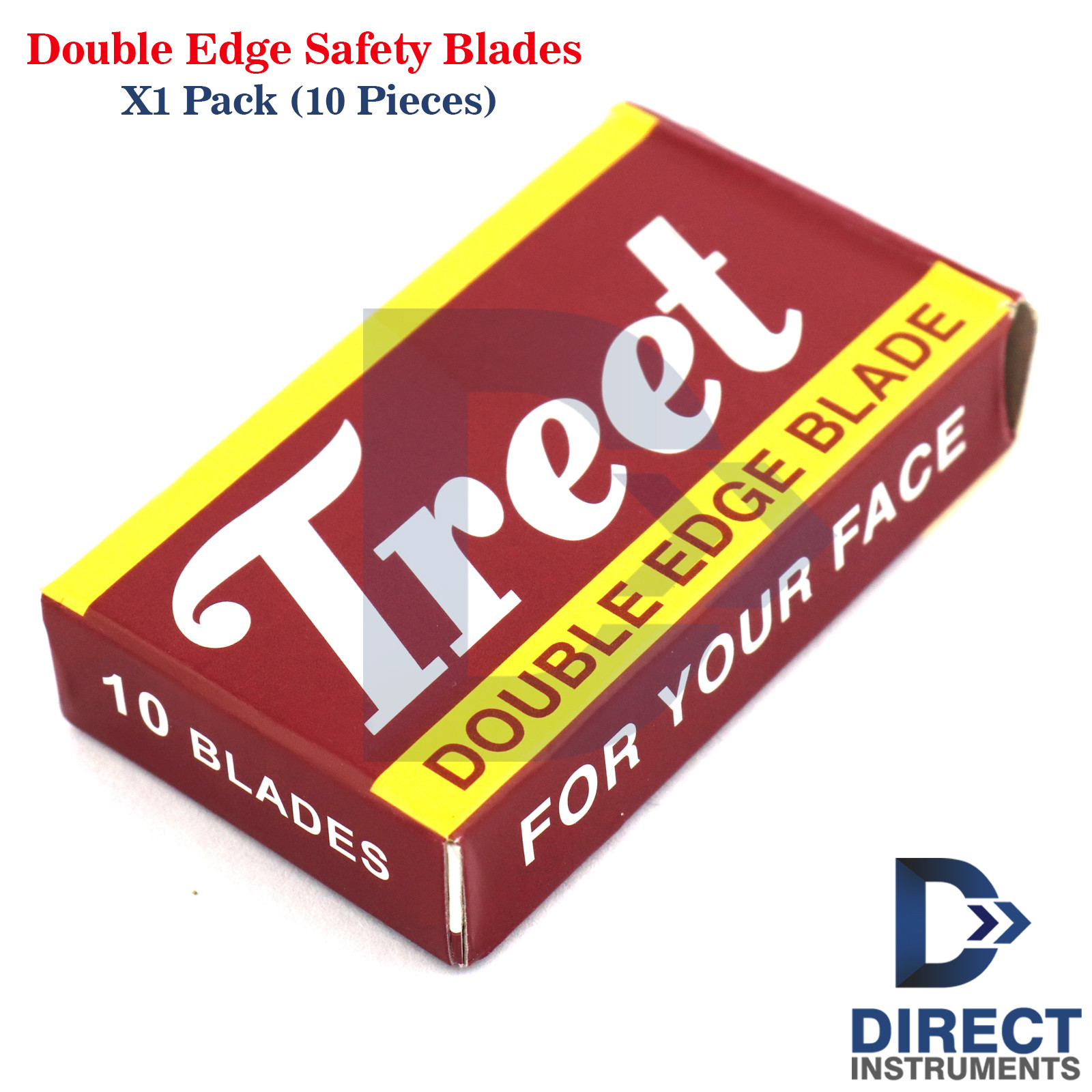 Professional Men Grooming Shaving Kits Double Edge Safety Razors Butterfly Open$6.99
 View on eBay
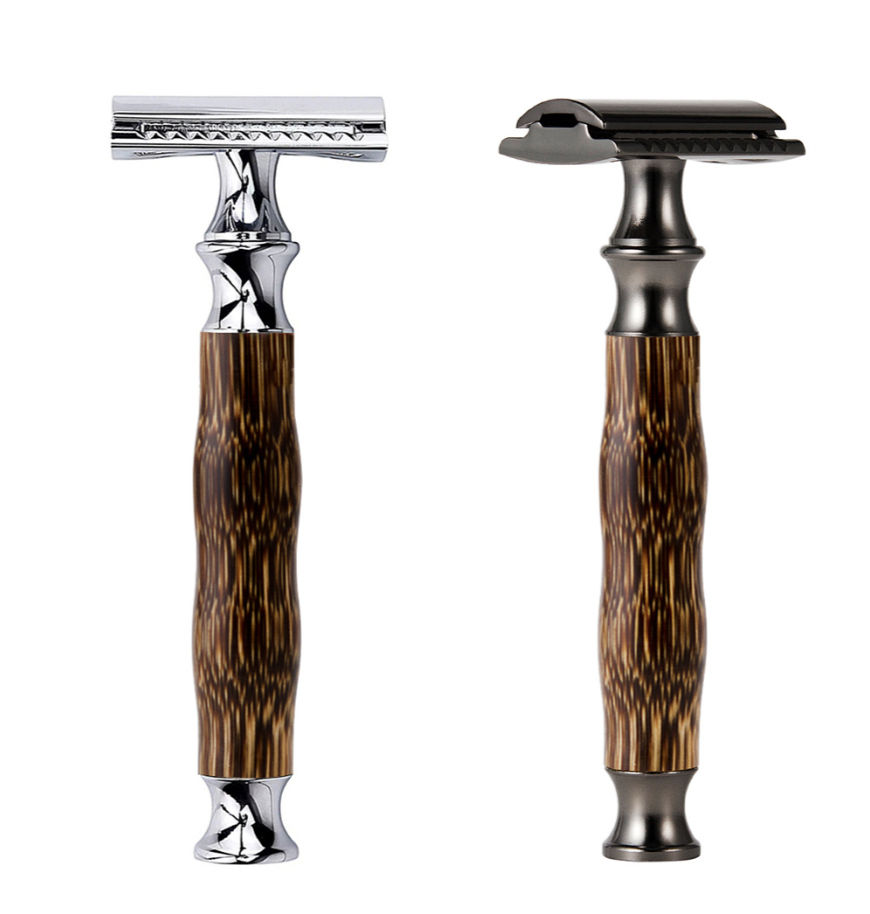 Bamboo Razor Silver Gun Color Shaver Safety Retro Manual Beard Shaving$18.99
 View on Mallflare
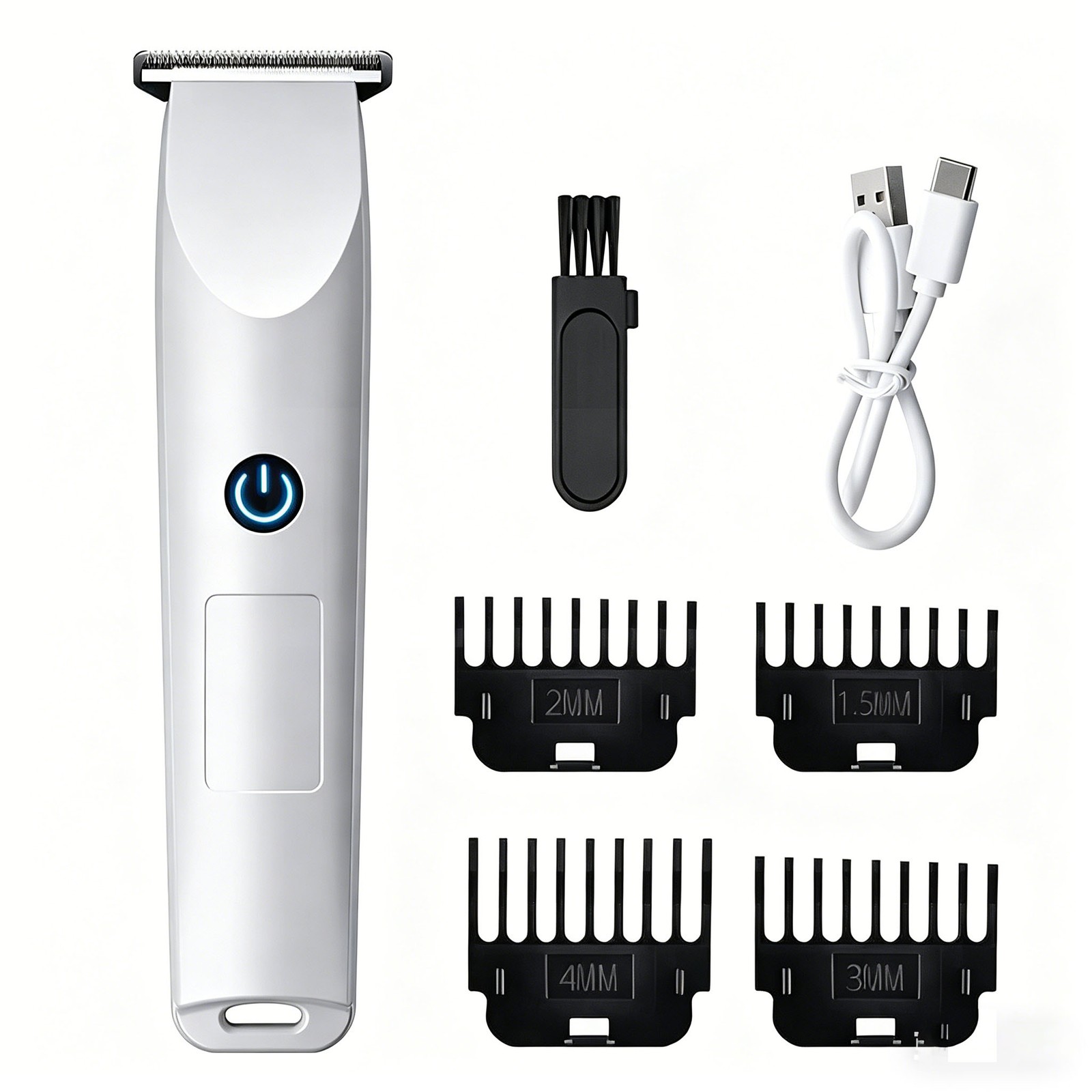 Men's Electric Beard Shaver Trimmer Razor Rechargeable Hair Shaving Machine USB$8.50View on eBay
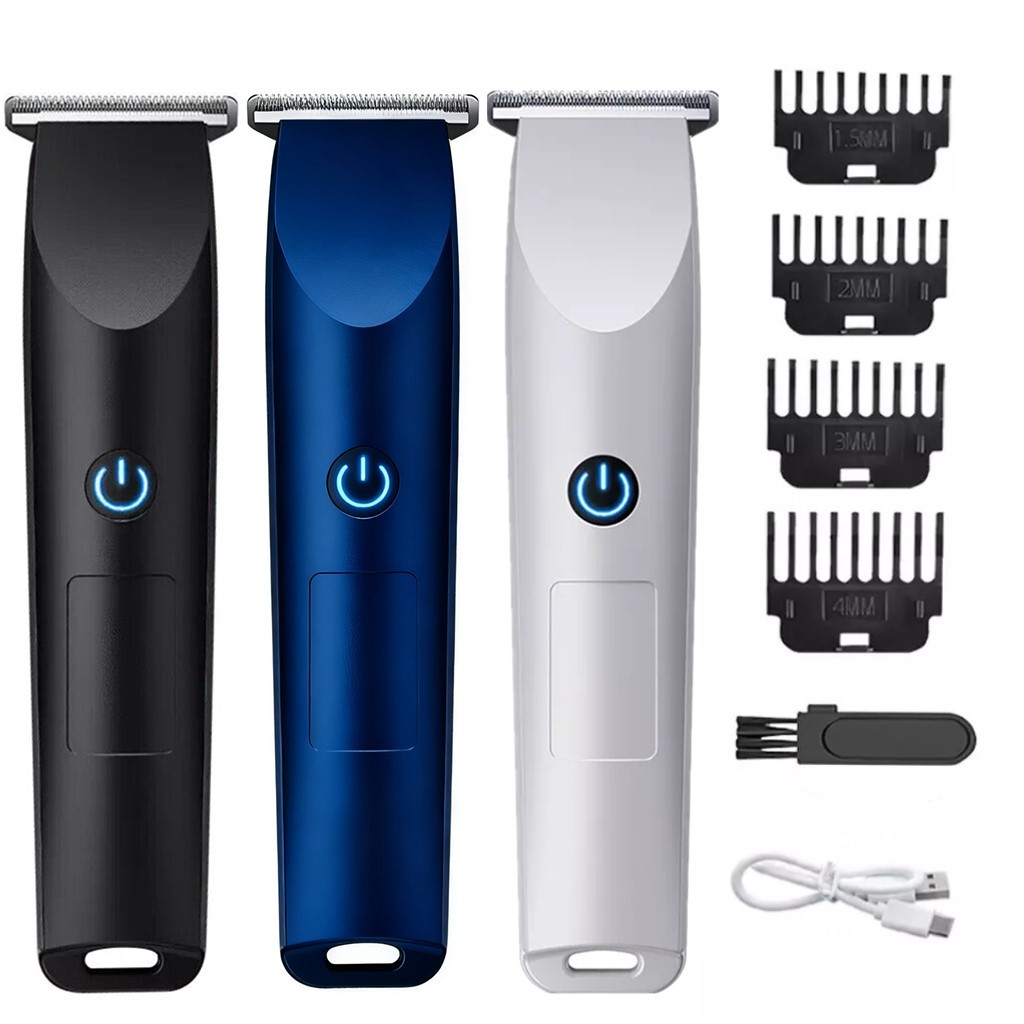 Men's Electric Hair Clipper Beard Shaver Trimmer Razor Rechargeable Shaving Machine USB$20.99View on Mallflare
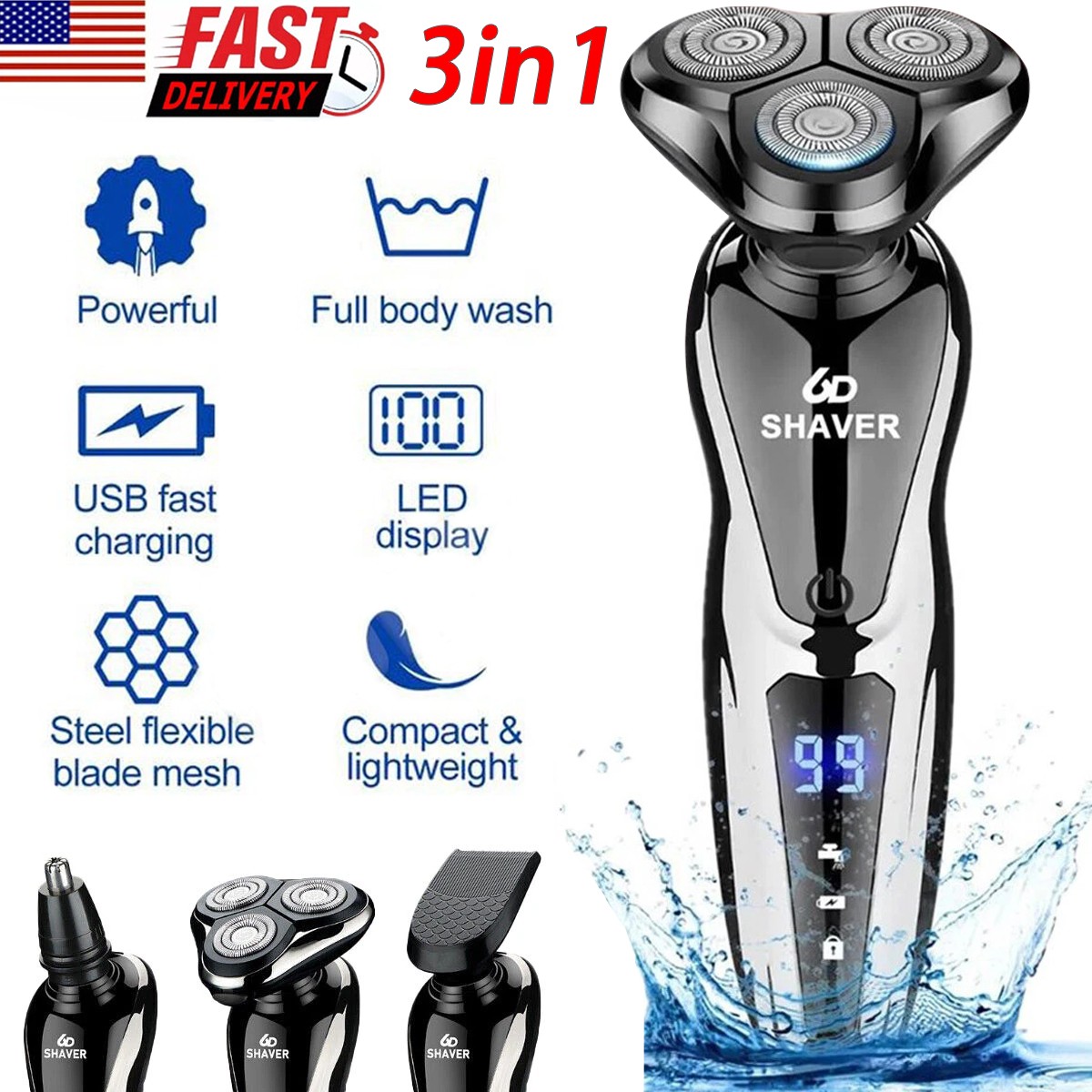 Wet/Dry Electric Razor Men USB Rechargeable Rotary Shaver Beard Trimmer Shaving$13.59View on eBay
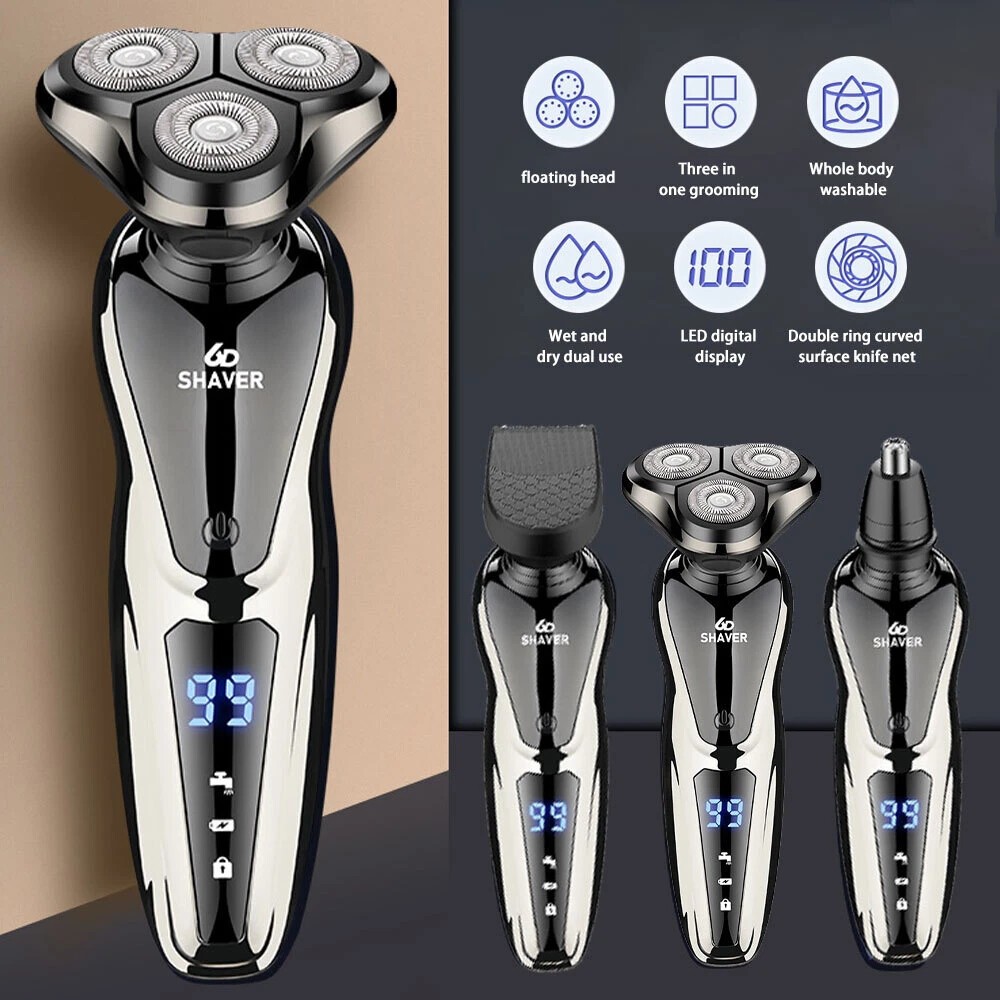 Men Wet/Dry Electric Shaver Trimmer Rotary Razor Beard Shaving USB Rechargeable$13.99View on eBay
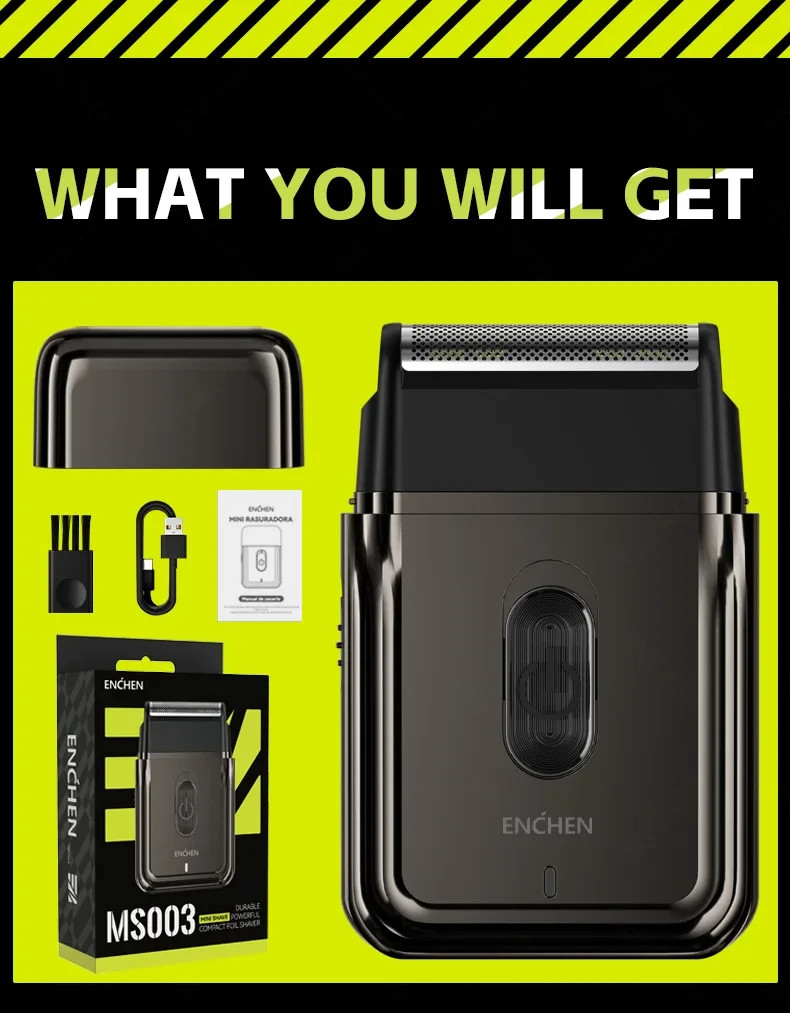 Mens USB Electric Shaver Trimmer Razor Rechargeable Hair Beard Shaving Machine$15.96View on eBay
 Men's Electric Beard Shaver Trimmer Razor Rechargeable Hair Shaving Machine USB$45.99View on eBay
Highlights
- DE safety razors use standard 0.10 mm-thick double-edge blades; butterfly/twist-to-open heads simplify loading and cleaning versus three-piece heads.
- Electric shavers split into rotary (3 circular heads, better for neck/contours) and foil (flat perforated screen, better for flat cheeks and sensitive skin).
- Blade count and coating matter: 5-blade cartridges cut faster but clog more; 2-3 blade cartridges and DE blades reduce irritation for sensitive skin.
- Metal-bodied razors (stainless steel, zinc alloy, brass) outlast plastic and wood handles; zamak heads can corrode if left wet, so rinse and dry after use.
Best use cases
- Best for sensitive skin: choose a foil electric shaver or a DE safety razor with a mild blade angle and 2-3 blade cartridge — skip aggressive 5-blade cartridges and cheap rotary shavers.
- Best for daily close shaves with low blade cost: pick a butterfly-open DE safety razor plus a blade sampler; skip cartridge systems if per-shave cost matters.
- Best for travel and quick touch-ups: a USB-C rechargeable foil or rotary electric shaver with a pop-up trimmer; skip corded-only or non-rechargeable models.
- Wrong fit: wood or bamboo handles and plastic-bodied razors for daily wet-shave use — they degrade faster than stainless steel or zinc alloy.
Buying tips
- Match razor to skin: foil electric for sensitive/flat areas, rotary for neck/jaw contours, DE for closest shave with practice, cartridge for speed.
- Check blade standard: DE razors take universal double-edge blades; cartridge razors are locked to one brand's handle system, so pick the blade ecosystem first.
- For electric shavers, confirm lithium-ion battery and USB-C or standard plug charging; NiMH and proprietary chargers are slower and harder to replace.
- Handle material grade: stainless steel or brass for lifetime use, zinc alloy (zamak) for mid-tier, plastic/wood only for occasional travel use.
Specs
| Razor Type | DE safety / cartridge / electric |
|---|---|
| Blade Standard | Universal DE vs brand-locked cartridge |
| Electric Head | Rotary 3-head vs foil screen |
| Body Material | Stainless/brass vs zamak vs plastic |
Related searches
What to check before buying
- Measure your grip and bathroom storage: DE razors need 3-4 inches of clearance and a stand or holster to dry safely.
- Check bathroom humidity and ventilation: store metal razors dry and outside the shower to prevent zamak corrosion and blade rust.
- Confirm voltage/plug: USB-C or 100-240 V chargers for travel; fixed-voltage chargers may need a converter abroad.
- For electric shavers, confirm replacement head/cutter availability and cleaning-brush or washable head design before buying.
FAQ
Data sources: eBay / Amazon listings and product attribute feeds Data updated Nov 15, 2026.
Some links on this page are affiliate links. If you buy after clicking one, we may earn a commission at no extra cost to you. This does not change which products appear here or their order. Affiliate disclosure.