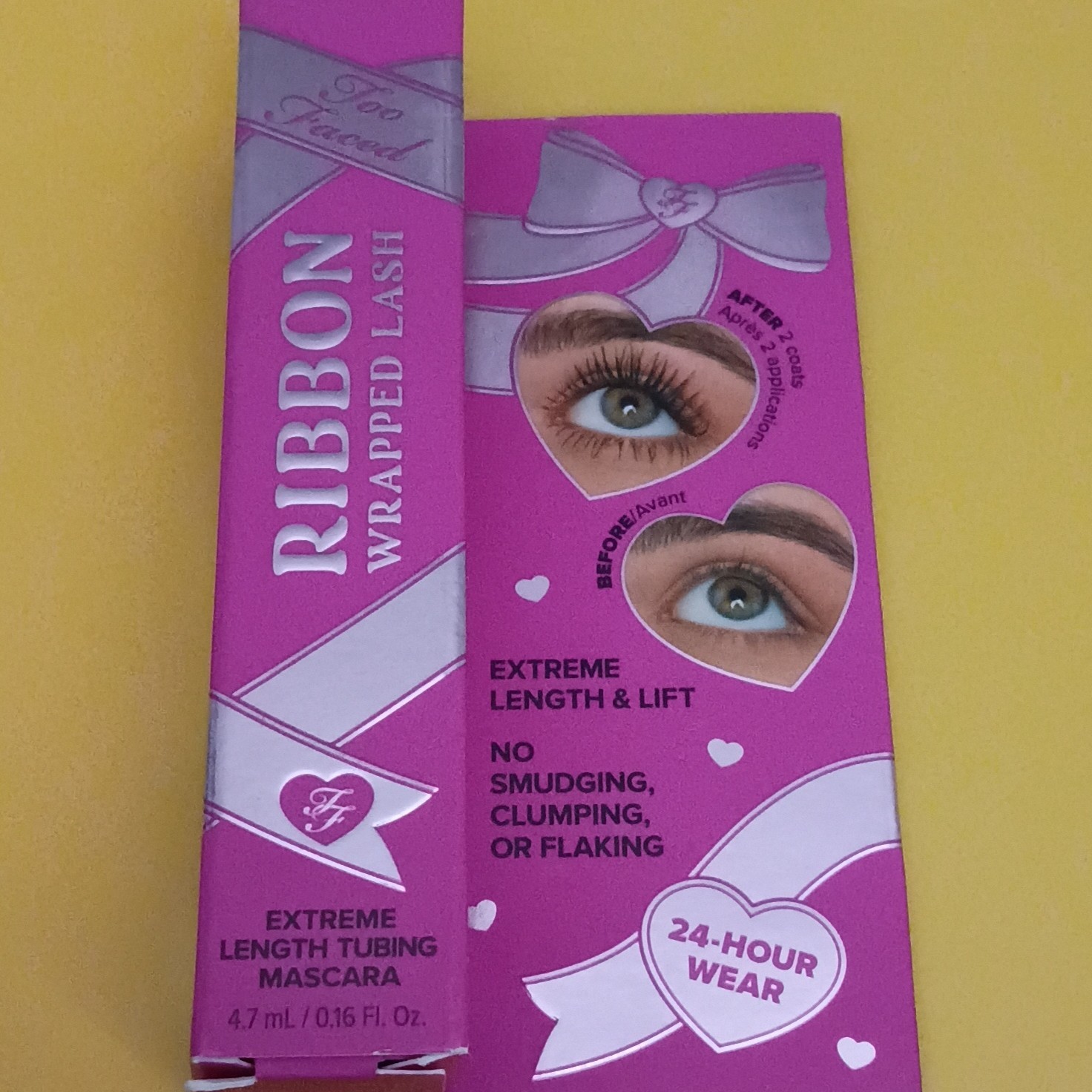

Photos from current listings. Actual item, color, and included accessories may vary.
Tubing Mascara Buying Guide
Tubing mascara forms water-resistant polymer tubes around each lash that slide off with warm water and pressure, eliminating the need for oil-based removers and smudging. The primary trade-off is between tube-formation strength (polymer blend and pigment load) and ease of removal—stronger tubes last longer but require more soaking. Choose a tubing formula only if you want flake-resistant, smudge-proof wear with gentle removal; skip it if you need extreme volumizing or waterproof performance for swimming.


At a glance
- Category
- Makeup
- Data updated
- Nov 15, 2026
Current offers
Highlights
- Tube formation relies on a polymer matrix (often VP/VA copolymer or acrylic blends) that wraps each lash; higher polymer concentration yields thicker tubes but slower removal.
- Water-activated removal means no oil cleanser: warm water (not hot) plus gentle pressure slides tubes off; rubbing or pulling causes lash damage and flaking.
- Silicone or molded-plastic wand bristles with fine teeth separate lashes and coat evenly; spoolie brushes tend to clump tubes and disrupt formation.
- Tubing mascaras are not waterproof in the traditional sense—they resist tears and humidity but break down under prolonged water immersion or heavy sweating.
Best use cases
- Best fit: daily wear for contact lens users or sensitive eyes—tubing formulas are oil-free and less likely to irritate, and removal requires no rubbing.
- Best fit: humid climates or oily eyelids—polymer tubes resist smudging and flaking better than wax-based mascaras.
- Wrong fit: swimming or cry-heavy events—tubes soften and slide off with sustained water exposure; choose a waterproof formula instead.
- Wrong fit: dramatic volume seekers—tubing mascaras excel at lengthening and definition, not dense volume; layer with a volumizing primer only if needed.
Buying tips
- Look for a polymer-first ingredient list (VP/VA copolymer, acrylates copolymer) near the top; wax-heavy formulas are traditional, not tubing.
- Choose a silicone or molded brush with short, fine bristles—these create even tubes and separate lashes; skip oversized spoolies that clump.
- For sensitive eyes, pick fragrance-free and ophthalmologist-tested formulas; tubing polymers are generally low-irritation but pigments and preservatives vary.
- Removal: use warm water and gentle downward pressure with fingertips; if tubes resist, soak a cotton pad in warm water for 10–15 seconds—never pull.
Specs
| Tube Polymer | VP/VA or acrylates copolymer |
|---|---|
| Removal Method | Warm water + pressure |
| Wand Type | Silicone/molded fine-tooth |
| Water Resistance | Humidity/tears, not swimming |
Related searches
What to check before buying
- Confirm you have access to warm water and a sink for removal—tubing mascara is not oil-removable and requires water activation.
- Check for fragrance and preservatives if you have known sensitivities; patch-test on a small lash area if prone to reactions.
- Verify the wand type (silicone/molded vs. spoolie) matches your lash type—fine bristles for short lashes, curved for lift.
- Ensure your routine avoids oil-based eye products underneath—oil breaks the tube bond and causes smudging.
FAQ
Data sources: eBay / Amazon listings and product attribute feeds Data updated Nov 15, 2026.
Some links on this page are affiliate links. If you buy after clicking one, we may earn a commission at no extra cost to you. This does not change which products appear here or their order. Affiliate disclosure.