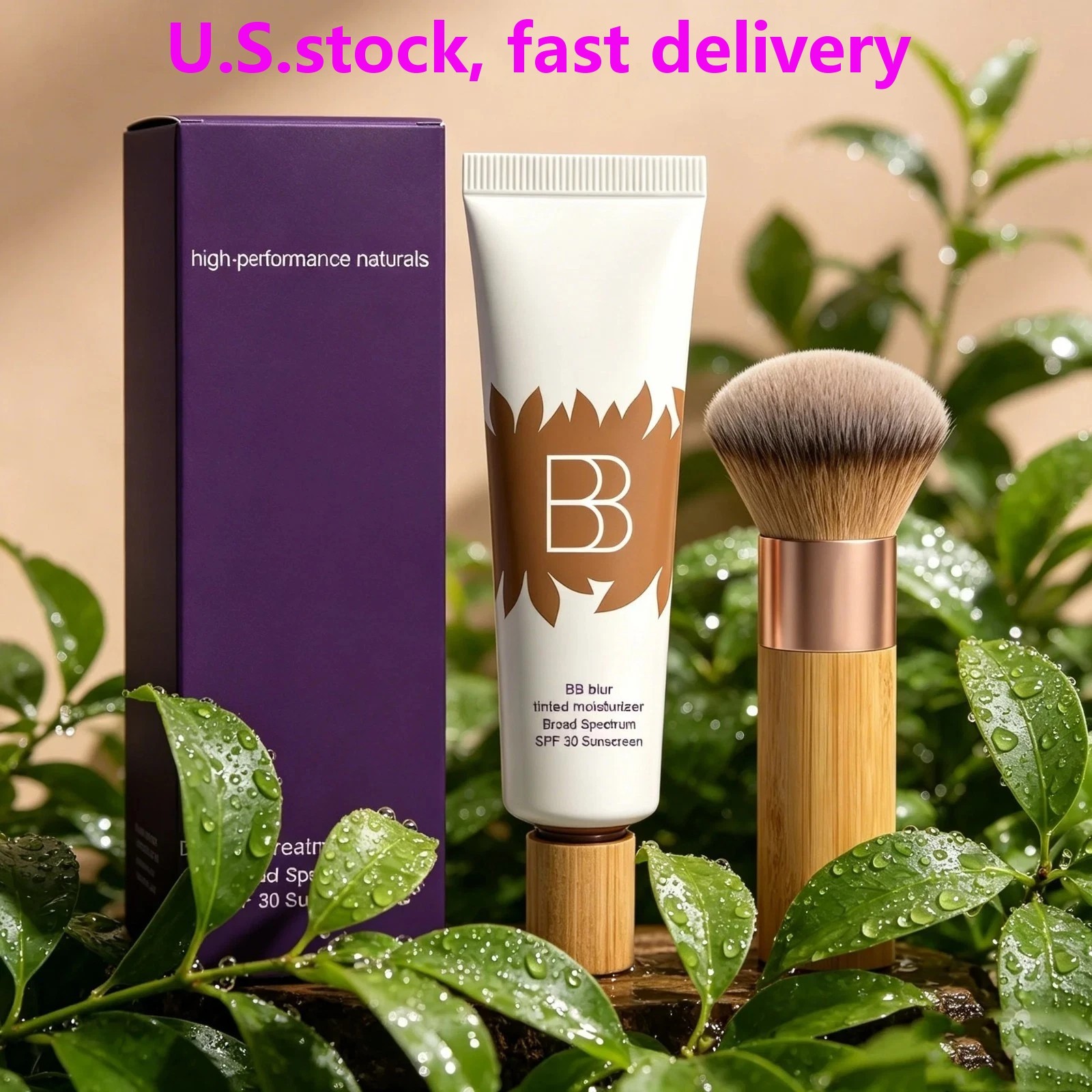

Photos from current listings. Actual item, color, and included accessories may vary.
Tinted Moisturizer With Spf Buying Guide
Tinted moisturizer with SPF is a hybrid skincare-makeup product that combines light coverage with broad-spectrum sun protection, where the core trade-off is chemical vs. mineral UV filters and the resulting finish, wear time, and white cast. The decision rule: choose a formula with SPF 30+ and verified broad-spectrum labeling if sun protection is primary; accept SPF 15-20 only if you layer a dedicated sunscreen underneath, and skip any tinted moisturizer that lists SPF without a PA or broad-spectrum rating.


At a glance
- Category
- Makeup
- Data updated
- Nov 15, 2026
Current offers
Highlights
- SPF rating must be paired with broad-spectrum (UVA) protection — SPF alone measures UVB burn time, so look for PA+++ or 'broad spectrum' on the label.
- Mineral filters (zinc oxide, titanium dioxide) sit on the skin surface and suit sensitive or acne-prone skin; chemical filters (avobenzone, octinoxate) absorb UV but can irritate reactive skin.
- Water-resistant formulas use dimethicone or silicone resins for 40-80 minute wear; non-water-resistant tints wash off with sweat and need reapplication every 2 hours outdoors.
- Coverage tiers: sheer (5-15% pigment load) evens tone only; light-medium (15-25%) hides redness; full coverage tinted moisturizers behave like foundation and often sacrifice SPF stability.
Best use cases
- Best fit: daily office or commute wear — pick a lightweight chemical-filter tint at SPF 30 with a satin finish; skip heavy mineral formulas that pill under makeup.
- Best fit: sensitive or rosacea-prone skin — choose a fragrance-free mineral tint with zinc oxide 10%+ and no avobenzone; skip chemical-filter tints with alcohol denat high in the list.
- Best fit: outdoor exercise or beach days — select a water-resistant SPF 50 tint and reapply every 2 hours; skip any tinted moisturizer labeled SPF 15 or non-water-resistant for extended sun.
- Wrong fit: full-coverage seekers — a tinted moisturizer cannot match a dedicated foundation's pigment; choose a foundation with SPF or layer sunscreen beneath instead.
Buying tips
- Apply 2 mg/cm² (about a nickel-sized amount for the face) to achieve labeled SPF — most buyers apply 25-50% of that, so real-world protection drops by half or more.
- Match tint depth to your jawline, not your hand: swatch three shades and pick the one that disappears against the neck; oxidized chemical tints darken 1-2 shades within 10 minutes.
- Check the UV filter mix: avobenzone degrades in sunlight unless stabilized by octocrylene or bemotrizinol; pure avobenzone formulas lose 50%+ UVA protection within 2 hours.
- For acne-prone skin, choose non-comedogenic mineral tints with zinc oxide and skip formulas containing coconut oil, isopropyl myristate, or algae extract.
Specs
| SPF Rating | SPF 15 / 30 / 50 (broad-spectrum) |
|---|---|
| UV Filter Type | Mineral (ZnO/TiO2) vs Chemical |
| Coverage Level | Sheer / Light / Light-Medium |
| Water Resistance | None / 40 min / 80 min |
Related searches
What to check before buying
- Confirm the SPF is broad-spectrum and at least 30 if sun protection is your main reason for buying; SPF 15 tinted moisturizers are insufficient for daily UV exposure.
- Test the finish on your skin type: silicone-based tints suit dry skin, water-based gels suit oily skin, and mineral powders suit touch-up reapplication.
- Verify your moisturizer and primer layers are compatible — layering a water-based primer under a silicone tint causes pilling and patchy SPF coverage.
- Check the expiration or PAO (period-after-opening) symbol: opened SPF products degrade after 12 months, and expired sunscreen loses declared protection.
FAQ
Data sources: eBay / Amazon listings and product attribute feeds Data updated Nov 15, 2026.
Some links on this page are affiliate links. If you buy after clicking one, we may earn a commission at no extra cost to you. This does not change which products appear here or their order. Affiliate disclosure.